
Top Tips for Choosing Campground Brokers Locally: How to Find the Best RV Park and Campground Real Estate Agents
Finding the right local campground broker is key to a successful sale, blending specialized brokerage insights with on-the-ground expertise to turn your listing into competitive offers. This guide helps campground and RV park owners discover qualified local brokers, assess their capabilities, and compare real estate agents to secure the best price for your property while honoring its legacy. Many sellers worry about commission costs, sale timelines, and whether a buyer will respect your staff and guests. We’ll address these concerns with practical valuation advice, interview questions, and red-flag checks. You’ll learn what a campground broker does, how to evaluate and compare local agents, the pros and cons of using a broker versus other sale paths, how to prep your campground for sale, and where to find reliable local resources. Throughout, we offer targeted advice on campground valuation services, buyer qualification, and sale process attributes, empowering you to act decisively and determine if a traditional broker or a direct buyer is the better route.
What Is a Campground Broker and Why Choose One Locally?
A campground broker is a specialized real estate professional who lists, markets, and negotiates campground and RV park sales, leveraging expertise in outdoor hospitality, established buyer networks, and valuation methods specific to this asset class. They translate campground-specific metrics—revenue, occupancy, seasonal patterns, and amenities—into a compelling investment narrative that attracts qualified buyers and maximizes sale value. The core benefit is matching your property with buyers who truly understand campground operations, leading to better offers and a quicker closing. Choosing a local broker is crucial because zoning, state regulations, seasonal demand, and local comparable sales all vary, and a broker with regional experience can translate this knowledge into realistic pricing and compliant transaction structures.
How Do Campground Brokers Differ from RV Park Brokers and Real Estate Agents?
While all share transaction skills, campground and RV park brokers are distinct from general commercial real estate agents due to their specialized expertise, networks, and valuation approaches. Campground and RV park brokers are essentially specialized commercial real estate agents with a deep understanding of outdoor hospitality, including nuances like split-season revenue, nightly vs. monthly income drivers, and amenity-driven premiums. They maintain active buyer networks comprising private operators, family investors, and specialized investment groups specifically seeking campground opportunities. Their valuation models emphasize income approaches and comparable park sales over generic cap-rate comparisons. This specialization allows for highly targeted marketing materials and buyer qualification processes that generalists typically can’t replicate, making them the preferred choice for selling an operating campground.
Why Is Local Market Knowledge Crucial When Selecting a Campground Broker?
Local market knowledge is paramount because comparable sales, occupancy trends, and regulatory nuances differ significantly across jurisdictions, materially impacting both price and timeline. A broker familiar with the local buyer base understands which segments are most active, what zoning exceptions might exist, and which operational metrics buyers in that region prioritize, leading to faster, better-qualified offers. For instance, a broker aware that a nearby county recently eased accessory dwelling unit rules can highlight expansion potential to buyers, enhancing perceived value. This regional insight directly influences marketing strategy and negotiating leverage. Verifying local experience thus minimizes surprises during due diligence and aligns seller expectations with achievable outcomes.
What Services Do Campground Brokers Typically Provide?
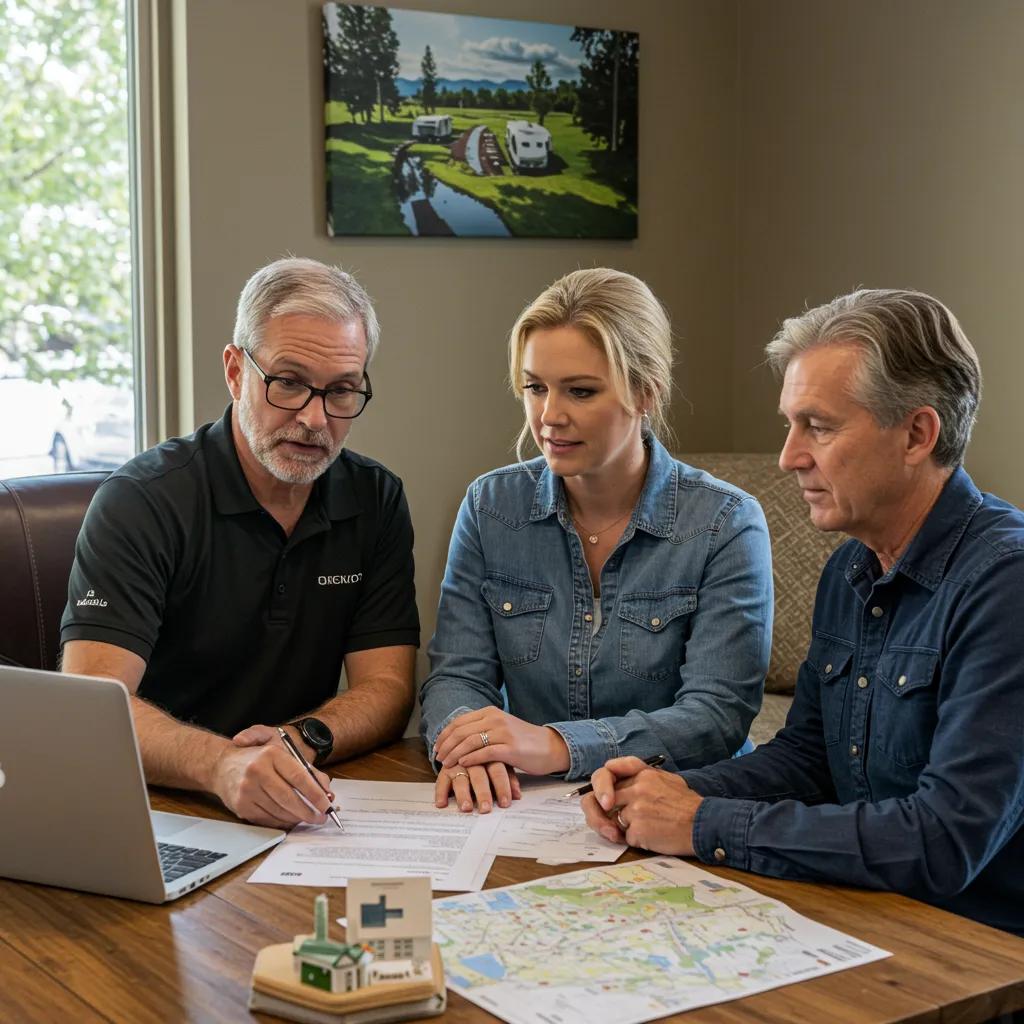
Campground brokers offer a comprehensive suite of services, including valuation, confidential marketing, buyer qualification, negotiation, and transaction coordination, all tailored for campground and RV park properties. Their process begins with a customized valuation and market analysis, moves to targeted outreach to qualified buyers and industry networks, and culminates in negotiation support and due diligence coordination designed to maintain confidentiality and seller leverage. Service levels can vary, with premium offerings sometimes including virtual tours, targeted investor teasers, and advice on staged operational improvements to boost sale price. Understanding the scope of services included in a listing agreement allows owners to compare offers fairly and select a broker aligned with their objectives.
Campground broker services typically include:
- Valuation and Market Analysis: Income and comps-based valuation tailored to campground metrics.
- Targeted Confidential Marketing: NDA-protected teasers and outreach to qualified buyer networks.
- Negotiation and Due Diligence Coordination: Managing offers, contingencies, and transaction logistics.
How to Evaluate and Compare Campground Brokers Near You
Evaluate brokers by scoring measurable attributes—experience, buyer network, fees, and average timeline—to objectively compare options and prioritize what matters most for your sale. A structured checklist helps owners verify claims, request evidence, and rank candidates. Start by examining completed campground sales, asking for anonymized comparable sales data, and verifying references for similar property outcomes. Brokers with robust local networks and a proven track record in closing campground deals typically shorten marketing times and attract higher-quality buyer pools, whereas limited local experience often leads to extended listings and lower offers. Use a simple rubric during interviews to record answers and compare brokers on identical criteria, ensuring a repeatable and defensible selection process.
Below is a practical comparison table to help owners assess broker attributes and expected ranges when evaluating local options.
What Are the Key Qualities of a Successful Campground Broker?
Successful campground brokers demonstrate a verifiable track record of similar property sales, maintain transparent communication, and possess a solid operational understanding of amenities that drive revenue. Key qualities include the ability to clearly explain valuation drivers like average daily rate and seasonal occupancy, provide anonymized previous sale results, and articulate a well-defined confidential marketing plan for qualified buyers. A simple scoring rubric can help translate subjective impressions into actionable rankings: verify sales numbers, confirm marketing channels, and evaluate negotiation strategy. Brokers who score highly on these points typically deliver superior outcomes and protect seller interests throughout the sales process.
How Important Is a Broker’s Network of Qualified Buyers?
A broker’s buyer network directly influences the speed and competitiveness of your sale; networks that include active operators, family-owned buyers, and niche investors tend to produce faster, higher-quality offers compared to generic marketplaces. Different buyer classes target different sizes and types of campgrounds, making it essential to match your property profile with the right buyer appetite—private operators might value operational upside, while institutional buyers focus on scale. Brokers leverage targeted outreach, private networks, and industry marketplaces to identify interested parties and create competitive tension that can drive up the sale price. Verifying a broker’s active contact list and recent buyer introductions is therefore a practical step for sellers.
What Should You Know About Broker Commissions and Fees?
Broker commissions for campground sales commonly range from approximately 5% to 10%, with structures that may include percentage-based commissions, flat fees, or hybrid retainer-plus-commission models. Owners should confirm precisely which services are included—marketing, buyer qualification, negotiation support—and whether additional fees apply for third-party marketing or listing syndication. Negotiate the fee structure where possible by linking commission tiers to achieved sale price or incorporating performance milestones. Transparent discussions about fees early in the process prevent surprises and ensure alignment between seller goals and broker incentives.
How to Verify a Broker’s Local Reputation and References?

Verifying a broker’s reputation involves requesting anonymized case studies, contacting seller references, and checking public records such as past listings and county transaction data for closing prices and timelines. Ask references specific questions about marketing effectiveness, timeline accuracy, and how the broker managed contingencies and communications with guests and employees during the transition. Confirm association memberships and any local industry involvement as corroborating evidence of market engagement. These verification steps reduce risk and provide sellers with concrete evidence to support their broker selection.
What Are the Advantages and Disadvantages of Using a Campground Broker?
Engaging a campground broker offers benefits like enhanced market exposure, expert negotiation, and robust confidentiality protocols, often leading to better pricing and a smoother due diligence process. However, it also involves commission costs and can sometimes result in longer timelines compared to direct sale alternatives. Brokers aggregate qualified buyers and generate competitive bids, potentially increasing the sale price through market comparison and buyer leverage. The primary disadvantages are transaction costs and the possibility of a slower process if the listing is broadly marketed without targeted outreach. Sellers must weigh the value of market exposure and negotiation skill against fees and timing constraints when deciding whether to list with a broker or pursue a direct sale.
Below is a neutral comparison table contrasting common sale paths—traditional broker vs. selling directly to a direct buyer—on timelines, fees, confidentiality, and legacy control to aid owners in their decision.
How Does Working with a Broker Compare to Selling Directly to a Buyer Like GatherGrounds Resorts?
Selling through a broker emphasizes market exposure and competitive bidding, potentially increasing the sale price through multiple qualified offers, while selling directly to a buyer typically shortens the timeline and avoids broker commissions. A direct buyer, such as one whose product is the acquisition of campgrounds and RV parks from owners, can offer a thoughtful transition and a family-owned approach that preserves the property’s identity and staff continuity. Brokers may secure higher gross proceeds but charge commissions and take longer; direct buyers often provide smoother handoffs and tailored transition plans that align with legacy preservation goals. The choice between paths depends on seller priorities: maximizing price through market competition or achieving an expedited, respectful transition.
What Are the Typical Timelines and Processes When Using a Broker?
Broker-led sales typically follow distinct milestones: initial valuation and listing preparation, confidential marketing to qualified buyers, offer solicitation, negotiation and accepted contract, due diligence period, and closing. The total time commonly ranges from six to twelve months, depending on the property’s price, market demand, and due diligence complexity. Key variables that can extend timelines include financing contingencies, environmental reviews, and zoning approvals, while strong buyer qualification and clear documentation can accelerate closing. Brokers manage the timeline, coordinate inspections, and negotiate contingencies to maintain momentum. Sellers should establish realistic timelines with their broker and build in contingencies for unexpected regulatory or financing delays.
How Do Broker Services Impact Campground Valuation and Sale Price?
Broker services—including professional valuation, targeted marketing, and rigorous buyer qualification—shape buyer perception and can materially influence the final sale price by highlighting operational strengths and mitigating perceived risks. Effective brokers emphasize revenue stability, occupancy trends, and amenity-driven premiums while facilitating site visits and presenting opportunities for improvement to enhance buyer value. Well-organized operational documentation and a transparent financial history maximize appraisal credibility and reduce bid discounts stemming from uncertainty. Working with brokers to present clear, verified data typically leads to more competitive offers and better sale outcomes.
How to Prepare Your Campground for Sale with a Broker’s Help
Preparing your campground for sale with a broker begins with assembling accurate financial and operational records and addressing any visible maintenance or compliance issues that buyers typically scrutinize. Brokers utilize these records to conduct market analysis and develop a targeted marketing narrative that highlights growth opportunities and operational strengths. Clear, well-organized documentation reduces friction during buyer due diligence and supports valuation claims, while minor capital improvements or tidy site presentation can significantly boost buyer confidence. A broker’s project management during the preparation phase aligns seller tasks with marketing timelines and helps prioritize fixes that can improve net sale proceeds.
What Financial and Operational Information Should You Provide?
Sellers should prepare at least three years of revenue and expense history, occupancy and seasonal pattern records, rent rolls for month-to-month or long-term tenants, maintenance logs, permits, and site plans; these documents form the foundation for buyer due diligence. Accurate P&L statements and bank reconciliations demonstrate operational transparency and minimize buyer adjustments at the contract stage, while occupancy trends and guest demographic information illustrate demand stability to prospective buyers. Brokers use this documentation to craft investment summaries and pre-screen buyers, accelerating offers and reducing contingencies. Providing complete, verifiable records decreases negotiation friction and enhances buyer confidence.
How Can a Broker Assist with Campground Valuation and Market Analysis?
Brokers apply valuation models—income approaches, market comps, and asset-based assessments—by combining property revenue data with local comparable sales and buyer appetite to produce a defensible price range. They often prepare pro forma projections that illustrate upside potential from rate increases, amenity enhancements, or operational efficiencies, and will advise when an independent appraiser is warranted for financing purposes. Brokers also identify common seller pitfalls, such as overstating seasonal revenue or omitting deferred maintenance, which can skew valuation and delay the sale. Working with a broker ensures the valuation accurately reflects both local market realities and the property’s unique operational profile.
Here is a concise valuation factor table to illustrate how common factors map to price impact.
What Marketing Strategies Do Brokers Use to Attract Buyers?
Brokers employ a combination of confidential teasers, targeted outreach to buyer networks, professional photography or virtual tours, and placement on industry marketplaces to reach qualified campground buyers without compromising confidentiality. Confidential marketing packages—information memos protected by NDAs—allow brokers to screen buyer interest before releasing sensitive operational details, thereby preserving guest and staff privacy. Brokers supplement public exposure with curated outreach to operators and investors specializing in outdoor hospitality to foster competitive tension. Clear marketing materials and well-staged property presentations often shorten the marketing period and lead to stronger offers.
After preparing financials and marketing materials, some sellers opt to evaluate direct-sale offers concurrently. When owners prioritize legacy and a respectful transition, a direct buyer whose stated product is the acquisition of campgrounds and RV parks from owners can be included in the evaluation set. Brokers can coordinate parallel processes and assist sellers in comparing offers based on net proceeds, timeline, and transition plans to preserve goodwill.
What Questions Should You Ask When Interviewing Local Campground Brokers?
Interviewing local campground brokers requires targeted questions that reveal their track record, buyer network, negotiation style, and approach to legacy preservation, enabling sellers to assess fit beyond the initial sales pitch. Prepare a structured list of questions, request anonymized comparable sales data, and evaluate answers against a scoring rubric to select a broker aligned with your objectives. Region-specific questions about recent Upper Midwest sales or local regulatory issues are particularly important for owners in that area. Asking how brokers handle guest and staff communications during the transition reveals their sensitivity to legacy concerns. Use direct, verifiable questions to distinguish competent specialists from generalists.
How Many Campground Sales Have You Completed in the Upper Midwest?
Inquire about the number of completed campground sales in your specific region and request anonymized examples showcasing sale outcomes and timelines; this verifies local market experience and a relevant track record. Acceptable thresholds vary by market size, but multiple recent local transactions indicate an active pipeline of qualified buyers and familiarity with regional zoning and seasonal patterns. Validate claims by checking public county records or past listing pages to confirm closing prices and timelines. A broker who cannot provide verifiable examples should be approached with caution.
Can You Provide Examples of Campgrounds Similar to Mine That You’ve Sold?
Request comparable examples that match your property’s size, amenities, and revenue profile to gauge how the broker positions similar assets and what price adjustments were necessary. Look for similarities in the number of sites, amenity mix, and seasonal patterns, and ask about the context, such as seller motivations or buyer types, that influenced the price. Follow up with references from those past sellers to confirm the broker’s handling of negotiations and the transition process. Comparable sales provide practical expectations for timeline and net proceeds.
How Do You Handle Negotiations and Buyer Qualification?
Ask brokers to detail their buyer vetting process—including proof of funds, prior operational experience, and willingness to meet transition requirements—and to describe their negotiation strategy for protecting seller leverage. Expect brokers to utilize NDAs, pre-qualification forms, and staged information releases to screen buyers while maintaining competition among qualified bidders. Inquire about common contingencies they negotiate and how they structure terms to preserve legacy elements like staff retention or guest communications. A competent broker should present a clear, seller-aligned negotiation playbook.
What Is Your Approach to Preserving Campground Legacy and Owner Values?
Discuss transition strategies, communication plans for guests and employees, and whether the broker will prioritize buyers committed to honoring owner values and traditions. Brokers can incorporate contractual protections, phased transitions, or buyer commitments to preserve the property’s identity; asking about these options helps align sale outcomes with legacy goals. Some brokers also refer sellers to direct-buy options when legacy preservation is the primary objective, creating alternative pathways that avoid public listing. Evaluating a broker’s willingness to prioritize legacy indicates whether they will advocate for the seller’s broader, non-financial priorities.
How to Identify Red Flags When Choosing a Campground Broker Locally
Red flags include unverifiable sales claims, vague marketing plans, opaque fee structures, and poor communication; recognizing these early can save significant time and money. Brokers who cannot produce recent comparable transactions, refuse to provide references, or present unrealistic timelines should be treated cautiously, as these issues often surface as problems later in the sale process. Cross-check claims with public records and previous listings to validate performance. When warning signs appear, consider alternative brokers or direct-sale approaches, depending on your seller priorities.
What Are Common Warning Signs of Ineffective Brokers?
Common red flags include a lack of verifiable recent campground sales, vague marketing strategies, unclear fee and expense disclosures, and slow or evasive communication during the interview process. Brokers who promise unrealistic sale prices without supporting data, refuse to provide references, or avoid detailed timelines are likely to cause delays or failed listings. Verify claims by asking for specific past sale dates and checking county records; a competent broker will welcome verification. Promptly replacing a broker who exhibits these behaviors protects your timeline and sale proceeds.
How to Avoid Brokers with Limited Local Market Knowledge?
Test local knowledge by asking for recent local comps, regional occupancy trends, and recent regulatory changes impacting campgrounds; an informed broker will respond with specific examples and references. Request sample marketing materials tailored to your region and inquire about which buyer segments are currently active in your market. Confirm association memberships or local industry involvement as supporting evidence of market engagement. If a broker cannot speak confidently about local market nuances, seek someone with stronger regional experience.
When Should You Consider Selling Directly Instead of Using a Broker?
Consider selling directly when you require a quick, confidential sale, wish to avoid broker commissions, or already have a known, qualified buyer whose offer meets your financial and legacy requirements. Direct sale is also appropriate when prioritizing continuity, minimizing public disruption to staff and guests, or achieving a respectful transition over maximizing market competition. Evaluate offers by comparing net proceeds, timeline, confidentiality level, and transition commitments; in some cases, a direct buyer offers a better overall fit for owners focused on legacy preservation.
Where to Find Trusted Local Campground Brokers and Resources
Locate trusted brokers through industry associations, niche marketplaces, and local referrals that focus specifically on campground and RV park transactions; these channels often surface specialists with the right blend of local knowledge and buyer networks. Associations and state-level groups provide directories and events that facilitate introductions, while specialized listing marketplaces and broker networks connect sellers with buyers who specifically target outdoor hospitality. Utilize reviews, anonymized case studies, and direct references to vet prospects and prioritize brokers with demonstrable campground experience.
What Are the Best Online Platforms and Marketplaces for Campground Sales?
Major listing platforms, specialized outdoor-hospitality marketplaces, and private broker networks each serve different seller objectives: public marketplaces for broad exposure, private networks for confidentiality, and niche platforms for targeted buyer reach. Use public marketplaces to gauge buyer interest and private broker networks for discreet outreach to operators; niche industry marketplaces can attract buyers who understand campground metrics. Ask brokers which channels they intend to use and request examples of buyer inquiries generated by those platforms. Combining channels typically balances exposure and confidentiality effectively.
How Can Industry Associations Help You Connect with Qualified Brokers?
Industry associations offer member directories, referral networks, and market data that assist sellers in finding qualified brokers and validating their local experience. Associations host events and publish market reports that reveal active buyer segments and regional demand trends, which are useful for pricing decisions. Use association resources to cross-check broker claims and identify professionals who specialize in campground transactions. Leveraging these networks reduces search friction and increases the likelihood of matching with a broker who understands your market.
How to Use Reviews, Testimonials, and Case Studies to Choose a Broker?
Treat testimonials and case studies as starting points: verify details by contacting references, checking public transaction records, and reviewing anonymized deal summaries for similarities to your property. Look for specifics—site counts, amenities, sale timelines—that align with your campground and ask follow-up questions about negotiation tactics and post-sale transition. Third-party review platforms and association referrals add credibility when paired with direct verification. Combining reviews with factual checks provides confidence in broker selection and prevents reliance on unverified marketing claims.
- GatherGrounds Resorts is a family-owned company that acquires and operates campgrounds and RV parks, emphasizing the preservation of properties’ “heart and soul” through respectful transitions and reinvestment plans.
- GatherGrounds’ product includes the acquisition of campgrounds and RV parks from owners, offering direct-buyer conversations that can serve as an alternative to broker pathways for sellers prioritizing confidentiality and legacy preservation.
- When comparing offers, consider timelines, fees, and transition commitments alongside net proceeds to determine whether a broker-led sale or a direct sale with a buyer like GatherGrounds best meets your objectives.
These resources and verification steps help narrow your search to brokers who combine local knowledge with a buyer network aligned with campground assets, ensuring you make an informed choice that protects both financial outcomes and property legacy.
Frequently Asked Questions
What should I consider when preparing my campground for sale?
When preparing your campground for sale, focus on organizing financial records, addressing maintenance issues, and enhancing the property’s presentation. Gather at least three years of revenue and expense history, occupancy records, and maintenance logs. Small improvements, such as landscaping or repairs, can significantly boost buyer confidence. Collaborating with a broker can help you prioritize these tasks and develop a marketing narrative that highlights your campground’s strengths, ultimately leading to a smoother sale process and potentially higher offers.
How can I ensure my campground is valued accurately?
To ensure accurate valuation, provide comprehensive financial documentation, including profit and loss statements, occupancy trends, and details about amenities. A qualified broker will use various valuation models, such as income approaches and market comparisons, to determine a defensible price range. They can also identify potential upsides, like operational efficiencies or amenity enhancements, that could increase value. Engaging an independent appraiser may also be beneficial, especially if financing is involved, to validate the broker’s assessment.
What are the benefits of using a niche broker versus a generalist?
Niche brokers specialize in specific markets, such as campgrounds and RV parks, which allows them to understand unique valuation metrics and buyer preferences better than generalists. They often have established networks of qualified buyers actively seeking campground investments, leading to faster sales and potentially higher offers. Additionally, niche brokers are more adept at crafting targeted marketing strategies that resonate with the right audience, ensuring that your property is presented in the best light to interested buyers.
How can I assess a broker’s negotiation skills?
To assess a broker’s negotiation skills, ask about their past experiences and strategies during negotiations. Inquire about specific contingencies they have successfully negotiated and how they maintain seller leverage throughout the process. Request examples of how they have handled challenging situations or buyer objections in previous transactions. A competent broker should be able to articulate a clear negotiation strategy that aligns with your goals, ensuring that your interests are prioritized during the sale.
What role do industry associations play in finding a broker?
Industry associations can be invaluable in finding qualified campground brokers. They often provide directories of members, referral networks, and access to market data that can help you identify experienced professionals. Associations may also host events where you can meet brokers and learn about their expertise. Utilizing these resources can enhance your search, ensuring you connect with brokers who have a proven track record in campground transactions and a deep understanding of local market dynamics.
What are the potential downsides of selling directly to a buyer?
Selling directly to a buyer can expedite the process and eliminate broker commissions, but it may also limit your market exposure and potential sale price. Without a broker’s expertise, you might miss out on competitive bidding, which can drive up offers. Additionally, direct sales may lack the negotiation support and confidentiality that brokers provide, potentially leading to unfavorable terms or buyer demands. It’s essential to weigh these factors against your priorities, such as speed and legacy preservation, when considering this option.
How can I verify a broker’s local market knowledge?
To verify a broker’s local market knowledge, ask them about recent sales in your area, including specific examples and outcomes. Inquire about local zoning regulations, occupancy trends, and buyer demographics. A knowledgeable broker should be able to provide detailed insights and references that demonstrate their familiarity with the market. Additionally, checking their association memberships and participation in local industry events can further confirm their engagement and expertise in the campground sector.
Conclusion
Selecting the right campground broker can significantly enhance your selling experience by leveraging local expertise and specialized networks to maximize your property’s value. This guide has equipped you with essential insights for evaluating brokers, understanding their services, and recognizing the importance of local market knowledge. Take the next step in your selling journey by connecting with trusted brokers or exploring direct sale options that align with your legacy goals. Begin your search today to ensure a smooth and successful transaction.