
How to Find the Best Campground Brokers Near You: A Complete Guide for Campground Owners
Owning a campground means stewarding land, community, and revenue. When the time comes to sell, you need clarity on the best path forward. This guide teaches campground owners how to find the best campground brokers near you, evaluate alternatives like direct buyers, and prepare a property to attract the right representation or purchaser. You will learn what a campground broker does, how to verify niche experience with campgrounds and RV parks, typical fees and timelines, and practical valuation and listing steps to maximize outcomes. The article compares traditional broker-led sales with direct acquisition by operators, explains costs and tradeoffs, and provides checklists and tables owners can use when interviewing brokers or assessing offers. By following the steps and checklists here, owners will be equipped to choose between a specialized campground broker, a commercial real estate agent, or a direct buyer such as a campground acquisition service.
What Does a Campground Broker Do and Why Hire One?
A campground broker is a specialist in selling outdoor hospitality properties who connects sellers with qualified buyers through valuation, targeted marketing, negotiation, and closing coordination. This role works because brokers maintain buyer networks and niche market knowledge that help position campgrounds and RV parks to fetch competitive prices while managing complex transactional steps. Hiring a broker delivers the specific benefit of market access and transaction management, which reduces the owner’s workload and helps protect value through professional buyer screening and contract structuring. Owners who need broad exposure, price optimization, or assistance with complicated financing typically gain measurable advantages from an experienced campground broker. Understanding these core services clarifies when a broker adds value and when a direct sale to an operator might be preferable.
What services do campground and RV park brokers provide?
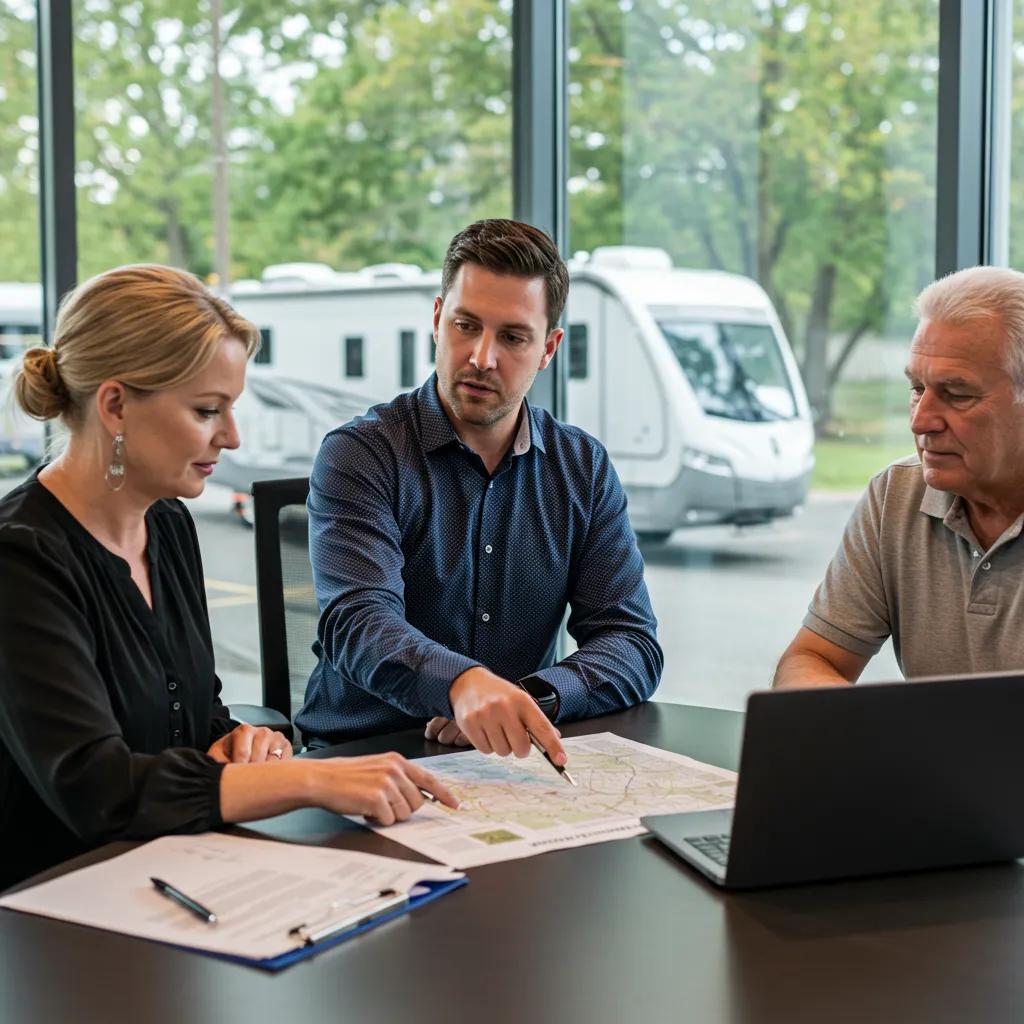
Campground and RV park brokers offer a suite of services focused on maximizing sale outcomes through market expertise and transaction management. They typically perform valuation and market comparable analysis to set realistic pricing and prepare a valuation report sellers can use, which helps attract qualified buyers. Brokers also develop a listing package and targeted marketing plan that leverages buyer networks, industry contacts, and specialized channels to reach operators, investors, and hospitality buyers. In addition, brokers manage buyer qualification, coordinate due diligence, negotiate terms on behalf of the seller, and help shepherd the deal to closing, reducing seller exposure to procedural delays or buyer financing issues.
How do campground brokers differ from real estate agents?
Campground brokers are hyponyms of real estate brokerage who specialize in outdoor hospitality properties and buyer networks specific to campgrounds and RV parks. Their domain knowledge includes campground valuation factors—site counts, occupancy, amenity mix, and compliance issues—that general commercial real estate agents may not prioritize. This specialization yields differences in marketing channels, buyer outreach, and negotiation strategy: campground brokers often use industry-specific listings and relationships that increase the probability of a mission-fit buyer. While a commercial real estate agent may provide broader market exposure, a campground broker brings industry-savvy insights that can preserve operational value and reduce time spent educating buyers about park operations.
When is it necessary to hire a campground broker?
Hiring a campground broker is necessary when the transaction complexity, desired sale outcome, or owner capacity makes broker expertise the most efficient path to a successful sale. Owners should prioritize a broker when aiming to maximize sale price, when the property needs sophisticated packaging for financing, or when broad exposure to qualified operators and investors is required. Conversely, owners who prioritize speed, certainty of outcome, or legacy preservation might explore direct buyers or hybrid approaches. Use this decision checklist to guide choice: property complexity, desired timeline, appetite for marketing exposure, and readiness to manage negotiations personally.
How to Identify the Best Campground Brokers Near You
Identifying the best campground brokers near you requires targeted vetting: look for brokers with verifiable campground transaction history, a clear marketing strategy, and transparent fee structures. This approach works because niche brokers with relevant track records bring relationships and market signals that generalists lack, improving match quality between seller goals and buyer profiles. The primary benefit of careful identification is reduced risk of mispricing, longer time on market, or mismatched buyers who lack operational experience. Begin by defining the attributes you need in representation, then verify experience with concrete evidence like recent sales, references, and marketing samples. The next subsections provide tools and verification steps to perform that vetting effectively.
What key qualities should you look for in a campground broker?
Look for a broker who demonstrates campground-specific experience, transparent communication, a documented marketing plan, and references from recent campground or RV park transactions. Evaluate how they describe valuation methodology, the size and reach of their buyer network, and the marketing channels they use, as these indicate whether they can attract qualified, mission-fit buyers. Red flags include vague timelines, unclear commission structures, or lack of case studies and contactable references. Use this interview question list to probe candidates: ask for recent sale examples, referral contacts, sample listing materials, and a written marketing plan to compare approaches objectively.
How to verify a broker’s experience with campgrounds and RV parks?
Verifying a broker’s experience involves requesting evidence—case studies, sale comps, and references—and cross-checking those claims with public records and industry listings. Ask for the broker’s three most recent campground transactions and speak directly with past sellers about timelines, marketing reach, and transition outcomes to assess reliability. Check whether the broker is connected to industry associations or listing services that specialize in outdoor hospitality, which corroborates niche expertise. Reviewing former listings, sale prices, and marketing collateral gives concrete insight into how the broker positions properties and negotiates terms.
Where to find trusted campground brokers in your region?
Search for trusted campground brokers using a combination of niche directories, industry associations, owner referrals, and specialized commercial listings to balance speed and specialization. Each source has tradeoffs: niche brokerages offer deep specialization but a smaller pool; industry associations and referral networks provide vetted introductions; local commercial MLS offers scale but may lack campground-specific focus. Use multiple channels in parallel to compile a short list of candidates, then apply your verification checklist to narrow that list. Relying on both digital searches and peer referrals typically produces the best set of prospects for regionally appropriate representation.
How to use online reviews and testimonials to evaluate brokers
Online reviews and testimonials are useful signals when they contain specifics like sale price ranges, timeline, and transition outcomes; these concrete details outscore generic praise. Give weight to reviews that include verifiable facts—transaction dates, objective outcomes, and names you can confirm—while treating overly generic testimonials cautiously. Cross-reference testimonials with public records and ask the broker for contactable references to validate claims. Reading reviews with this verification mindset helps separate marketing spin from demonstrable performance as you select representation.
What Are the Costs and Fees Associated with Campground Brokers?
Campground broker fees commonly follow commission structures that range based on transaction size and services provided, and owners should understand potential hidden costs before signing an agreement. Knowing typical commission ranges and additional costs allows sellers to compare broker-led listings with alternatives such as direct buyers, balancing cost vs. exposure and price maximization. The primary financial benefit of clarifying fees is avoiding surprises at closing and choosing a path aligned to your net-proceeds goals. The following subsections and EAV table break down typical commission bands, common extra costs, and how working with a direct buyer may differ on fees and tradeoffs.
How much commission do campground brokers typically charge?
Campground brokers commonly charge commissions that vary with deal complexity and sale price, with a typical band often cited in the market; factors such as exclusive representation, marketing intensity, and buyer sourcing increase commission expectations. Commission rates reflect the broker’s role in valuation, targeted marketing, and negotiation, and sellers can sometimes negotiate structure—tiered rates, cap provisions, or performance incentives—based on service scope. Important negotiation points include what the commission covers, whether marketing costs are included, and how commission applies if the broker introduces a buyer who later purchases. Clear documentation of commission terms prevents disputes and aligns incentives for a successful sale.
Introductory comparison table showing common models and typical values:
Are there hidden fees or additional costs to expect?
Beyond commission, sellers may encounter marketing distribution fees, due diligence coordination expenses, escrow costs, and legal or closing fees that reduce net proceeds if not accounted for. Ask brokers for an itemized expected cost schedule and include contract clauses that require pre-approval for significant out-of-pocket marketing expenses. Typical hidden costs include professional photography, premium listing placements, and advertised buyer outreach campaigns that can add to the seller’s expenses. Understanding these possible charges in advance helps sellers compare net outcomes between brokered listings and direct-sale alternatives.
Introductory EAV table illustrating potential extra costs:
How does working with a direct buyer like GatherGrounds Resorts compare on fees?
Selling directly to a campground operator such as GatherGrounds Resorts‘ direct acquisition service typically alters the fee profile: sellers may avoid traditional broker commissions but should weigh differences in pricing, financing terms, and transition objectives. Direct acquisitions can reduce or eliminate commission line items and marketing expenses, delivering a potentially faster and more certain closing timeline in exchange for negotiation on sale price and transition conditions. Non-financial tradeoffs include the opportunity for legacy preservation and staff continuity when selling to an operator committed to those outcomes. Sellers should compare net proceeds and the qualitative goals—speed, legacy preservation, staff retention—when evaluating offers from direct buyers versus brokered markets.
How Does the Campground Selling Process Work with Brokers?
Selling a campground through a broker follows a staged process—valuation, marketing, buyer qualification, due diligence, and closing—that aligns specialized tasks to professional roles and timelines. This staged approach exists because each phase reduces transaction risk and increases buyer confidence in the asset, ultimately improving pricing and execution. Owners benefit from knowing the deliverables and expected durations of each stage so they can plan staffing, communications, and contingency scenarios. The following subsections present a numbered step summary suitable for HowTo schema, expected timelines, and the legal and financial items sellers must prepare.
What are the typical stages of selling a campground through a broker?
A broker-led sale usually proceeds through discrete stages: initial valuation and listing preparation, targeted marketing and buyer outreach, offers and negotiation, due diligence and contingencies, and finally closing with funds transfer and transition planning. Each stage delivers specific outcomes: a valuation report and listing package; a pool of qualified buyers and prospective offers; negotiated purchase agreement terms; completed inspections, title review, and financing contingencies; and execution of closing documents with operational handover. Brokers coordinate these stages to reduce leakage in deal terms and to guide sellers through regulatory, environmental, and lease-related complexities. Clear stage-based expectations speed decision-making and provide checkpoints for sellers.
- Valuation & Listing Preparation: Broker compiles comps, financials, and marketing collateral.
- Marketing & Buyer Outreach: Broker activates buyer network and confidential campaigns.
- Offers & Negotiation: Seller reviews offers, broker negotiates terms to maximize value.
- Due Diligence & Closing: Inspections, title work, financing, and legal closing processes finalize the sale.
How long does it usually take to sell a campground with a broker?
Campground sales through brokers typically span several months, with market averages often falling in a range that depends on location, property condition, and financing availability. Many brokered transactions complete in a six to twelve month timeline from listing to closing, but properties with unique attributes or complex financing needs can take longer. Factors that accelerate a sale include realistic pricing, organized financial records, strong amenities, and motivated sellers; delays often stem from financing contingencies, environmental or zoning issues, and seasonal buyer interest. Planning for a multi-stage timeline helps sellers maintain operations and staff continuity during the marketing and negotiation period.
What legal and financial considerations should sellers be aware of?
Sellers must prepare legal and financial documentation—title records, leases, environmental reports, profit-and-loss statements, and capital improvement histories—to streamline due diligence and reduce closing risk. Common legal considerations include verifying ownership and encumbrances, reviewing lease agreements for tenant-operated concessions, and addressing land-use or wetland restrictions that may impact buyer financing. Financially, sellers should expect capital gains implications, potential depreciation recapture, and the need to consult a CPA about tax strategies such as 1031 exchanges if applicable. Engaging an attorney and tax advisor early in the process protects seller interests during negotiation and closing.
Introductory table mapping broker stages to typical durations and outcomes:
What Are the Benefits of Selling Directly to a Campground Buyer Instead of Using a Broker?
Selling directly to a campground buyer focuses on speed, simplified negotiations, and potential preservation of the property’s legacy and staff, representing a distinct alternative to broker-driven exposure strategies. Direct acquisition is effective because operators understand camp operations and can offer structured transition plans that protect guest experience and employee continuity. The benefits include fewer transactional parties, streamlined due diligence tailored to operator needs, and potential fee savings compared with broker commission and marketing expenses. The following subsections describe how GatherGrounds Resorts’ direct acquisition service works, the advantages of bypassing traditional brokers, and how direct buyers facilitate smooth transitions.
How does GatherGrounds Resorts’ direct acquisition service work?
GatherGrounds Resorts’ direct acquisition service begins with an initial no-obligation conversation and evaluation where owners share operational and financial data to assess fit and interest. The service emphasizes transparent acquisition terms and transition planning that aim to preserve the legacy and traditions of the property, maintain existing staff where possible, and avoid corporate layers in communication. GatherGrounds positions its approach as a family-values-driven alternative to traditional brokerage, offering sellers a direct dialogue with a small team focused on operational continuity and thoughtful transitions. For owners seeking a straightforward sale to an operator with these assurances, this direct pathway can offer a smoother, more personal experience than a broad-market listing.
What are the advantages of bypassing traditional brokers?
Bypassing traditional brokers can deliver advantages such as faster transaction timelines, reduced marketing complexity, and potentially lower transactional fees that would otherwise be paid as commissions. Sellers trade broad market exposure for a direct negotiation with an operator who may value continuity and legacy preservation, which can reduce the risk of disruptive ownership changes for staff and guests. Other benefits include simpler confidentiality management, fewer intermediaries in negotiation, and the ability to align transition terms—such as staff retention or phased handovers—directly with the buyer. Sellers should weigh these advantages against potential reductions in sale price that can arise without competitive market pressure.
How does direct acquisition ensure a smooth transition for campground owners?
Direct acquisition by an operator prioritizes transition planning, which typically includes coordinated operational handovers, staff retention discussions, public messaging strategies, and defined post-sale support to maintain guest confidence. A smooth transition begins with a documented transition plan outlining responsibilities, timelines for managerial handover, and steps to introduce new ownership to staff and the local community. Retaining existing staff where possible reduces operational disruption and preserves institutional knowledge critical to guest experience. By embedding transition steps into the acquisition agreement, direct buyers can provide sellers with clarity and reassurance about the future of the property and its team.
How to Prepare Your Campground for Sale to Attract the Best Brokers or Buyers

Preparing your campground involves both physical improvements and rigorous documentation that together increase marketability and support valuation claims. The mechanism here is that buyers and brokers rely on clear financial records, site-condition data, and attractive marketing materials to bid confidently and quickly. High-impact preparation yields higher sale prices, fewer buyer contingencies, and quicker closings by reducing perceived risk. The subsections below list prioritized steps to raise market value, the data buyers want to see, and how to assemble an appealing listing package.
What steps increase your campground’s market value?
Targeted improvements and management practices improve perceived and actual value, focusing on curb appeal, amenity upkeep, and operational efficiency measures. High-impact actions include repairing or upgrading sanitary facilities and common areas, refreshing signage and landscaping to improve first impressions, and addressing deferred maintenance that could scare off buyers during inspections. Operationally, increasing documented occupancy and organizing site-level revenue streams—like hookups or premium sites—clarifies revenue potential. Prioritizing inexpensive, visible upgrades and clear operational records often yield the best return on investment when preparing to sell.
Introductory list of high-impact preparation steps:
- Improve visible amenities and cleanliness to strengthen first impressions.
- Organize and digitize financial records for multiple years to support valuation.
- Address deferred maintenance and compliance issues to reduce buyer contingencies.
These actions make the campground more attractive to both brokers and direct buyers by reducing perceived risk and substantiating revenue claims, which typically shortens due diligence and supports stronger offers.
How to gather and present key campground valuation data?
Buyers and brokers expect a concise package of financial and operational metrics: multi-year profit and loss statements, occupancy and nightly-rate trends, site mix and amenity inventories, and capital improvement histories. Present P&L statements for at least three years, include monthly occupancy or seasonal data to show demand patterns, and supply a site map showing site counts and types (tent, RV, cabin). A clean data packet speeds buyer underwriting and supports valuation multiples used in offers. Provide context notes explaining any anomalies—outages, capital projects, or pandemic effects—so buyers and brokers can assess normalized performance.
Introductory table showing valuation factors and impact levels:
This table helps prioritize what documentation and improvements most influence buyer perception and valuation.
How to create an appealing listing for brokers and buyers?
An appealing listing combines professional photography, a clear executive summary of financial performance, and a narrative that highlights unique selling points and legacy attributes. Include high-resolution images of key amenities, a site map, a concise financial snapshot, and bulletized operational strengths—such as community ties, special events, or unique natural features. Sample language that emphasizes legacy and operational stability resonates with owner-operators and can be used to communicate continuity plans. A well-crafted package not only attracts more qualified buyers but also enables brokers to market the property more effectively.
Introductory list of must-have listing elements:
- High-quality photos and a clear site map to orient buyers visually.
- Executive financial summary with P&L highlights and occupancy data.
- Narrative describing unique selling points, guest experience, and legacy aspects.
Together these elements give brokers and buyers the material they need to evaluate quickly, reducing time on market and improving the quality of offers.
What Are Common Questions Campground Owners Ask About Brokers and Selling?
Campground owners routinely ask about timelines, tax impacts, broker versus direct sale comparisons, local specialist sourcing, and negotiation expectations; concise, actionable answers reduce uncertainty. Answering these PAA-style queries clearly helps owners make informed decisions and prepares them for the practical realities of selling an outdoor hospitality property. The following Q&A-style subsections provide direct responses with next-step recommendations that owners can act on during a sale process. The final subsection includes suggested advisors and negotiation checkpoints to keep the transaction on track.
How long does it typically take to sell a campground?
Selling a campground typically takes six to twelve months when listing with a broker, though the range varies based on pricing, property condition, and buyer financing availability. Faster sales occur when financial records are organized, competitive pricing reflects market comps, and marketing reaches mission-fit buyers quickly; slower sales result from complex zoning, environmental issues, or unusual site characteristics. Preparing a data room, addressing deferred maintenance, and choosing an appropriate marketing window for seasonal demand can speed up the process. Plan staffing and cash-flow contingencies for the expected timeline to keep operations steady during marketing.
What tax implications should I consider when selling my campground?
Sellers should be aware of capital gains tax, potential depreciation recapture, and the strategic use of tax-deferral options such as a 1031 exchange when applicable, and they should consult a CPA for personalized guidance. Tax consequences depend on asset allocation, how the sale is structured (asset vs. stock sale), and the seller’s broader tax situation. Early engagement with a tax advisor helps structure the transaction to align with after-tax goals and timing. Do not rely on general guidance alone; seek professional tax counsel before finalizing terms.
Is it better to sell my campground through a broker or directly?
Choosing between a broker and direct sale depends on priorities: use a broker when maximizing sale price and broad market exposure are top priorities, and consider a direct buyer when speed, certainty, or legacy preservation matter more. Brokers can create competitive tension and attract higher offers, while direct buyers can simplify negotiations and prioritize operational continuity. Hybrid options also exist—such as listing while entertaining direct inquiries—to combine exposure with the option of a direct sale. Evaluate desired outcomes—price maximization, timeline, staff retention, legacy goals—when making the decision.
How do I find RV park brokers specializing in my area?
Identify regional RV park brokers through industry directories, association member lists, peer referrals, and specialized listing services; cross-check candidate histories against public records for verified transaction experience. Trade shows and owner networks offer peer insights into reputable specialists who understand local demand and financing channels. Compile a short list and use the verification checklist—request recent sale examples, references, and marketing materials—before selecting representation. A balanced search strategy combining digital and peer sources typically yields the most reliable local specialists.
What should I expect during the negotiation and closing process?
During negotiation expect focus on price, included assets, transition timelines, and contingencies such as financing and environmental inspections; closing involves title work, escrow disbursements, and execution of operational transition plans. Common negotiation items include equipment inclusions, staff retention agreements, lease assumptions, and schedule of closing deliverables. Prepare a negotiation authority plan—decide in advance acceptable concessions and must-haves—and retain an attorney and CPA to review terms. A structured closing checklist reduces last-minute complications and ensures a smoother operational handover.
For sellers interested in an alternative path, GatherGrounds Resorts’ direct acquisition service offers a family-values-driven option that emphasizes legacy preservation, transparent conversations without corporate layers, and efforts to maintain existing staff where possible. Owners seeking a no-obligation conversation about selling directly to an operator can inquire about this service when evaluating offers or discussing next steps with advisors. This direct option provides a complementary route for owners whose priorities include operational continuity and a streamlined transition.
Frequently Asked Questions
What should I do to prepare my campground for sale?
Preparing your campground for sale involves both physical improvements and thorough documentation. Focus on enhancing curb appeal by upgrading amenities, ensuring cleanliness, and addressing any deferred maintenance. Additionally, organize your financial records, including multi-year profit and loss statements, occupancy trends, and site inventories. A well-prepared campground not only attracts more buyers but also supports a higher valuation, leading to quicker sales and fewer contingencies during the due diligence process.
How can I ensure a smooth transition after selling my campground?
To ensure a smooth transition after selling your campground, create a detailed transition plan that outlines responsibilities, timelines, and communication strategies. This plan should include discussions about staff retention and how to introduce new ownership to employees and the local community. By prioritizing operational continuity and maintaining existing staff where possible, you can help preserve the guest experience and minimize disruptions during the ownership change.
What are the common pitfalls to avoid when selling a campground?
Common pitfalls when selling a campground include inadequate preparation, unrealistic pricing, and poor communication with potential buyers. Failing to address deferred maintenance or not providing clear financial records can deter buyers and lead to lower offers. Additionally, not having a well-defined marketing strategy can result in prolonged market time. To avoid these issues, ensure your campground is in good condition, set a competitive price based on market analysis, and maintain open lines of communication throughout the selling process.
How can I assess the value of my campground before selling?
Assessing the value of your campground involves conducting a comprehensive valuation that considers various factors such as location, occupancy rates, revenue streams, and amenities. You can start by gathering financial data, including profit and loss statements and occupancy trends, and comparing them to similar properties in your area. Engaging a specialized campground broker for a professional appraisal can also provide insights into market conditions and help you set a realistic asking price that reflects your campground’s true value.
What role do online reviews play in selling my campground?
Online reviews can significantly impact the sale of your campground by influencing potential buyers’ perceptions. Positive reviews can enhance your property’s reputation and attract more interest, while negative feedback may deter buyers. To leverage online reviews effectively, encourage satisfied guests to leave testimonials and respond to any negative comments constructively. Highlighting strong reviews in your marketing materials can help build trust and credibility, making your campground more appealing to prospective buyers.
What are the benefits of using a campground broker versus selling directly?
Using a campground broker offers several benefits, including access to a broader network of qualified buyers, expertise in valuation and negotiation, and assistance with marketing strategies tailored to the campground industry. Brokers can help maximize your sale price and streamline the transaction process. In contrast, selling directly may provide faster negotiations and lower fees but could limit market exposure. Ultimately, the choice depends on your priorities, such as speed, price maximization, and operational continuity.
How can I find the right campground broker for my needs?
Finding the right campground broker involves researching their experience, track record, and specialization in outdoor hospitality properties. Start by seeking referrals from other campground owners, checking industry directories, and reviewing online testimonials. During interviews, ask about their recent sales, marketing strategies, and how they plan to attract qualified buyers. A broker who understands your specific needs and has a proven history of successful transactions in the campground sector will be best suited to represent you effectively.
Conclusion
Finding the right campground broker can significantly enhance your selling experience, ensuring you achieve optimal pricing and a smooth transaction process. By leveraging specialized knowledge and networks, brokers can help you navigate the complexities of selling your property while maximizing its value. If you’re ready to explore your options, consider reaching out to a trusted broker or inquire about direct acquisition services that prioritize your goals. Take the next step towards a successful sale today.