
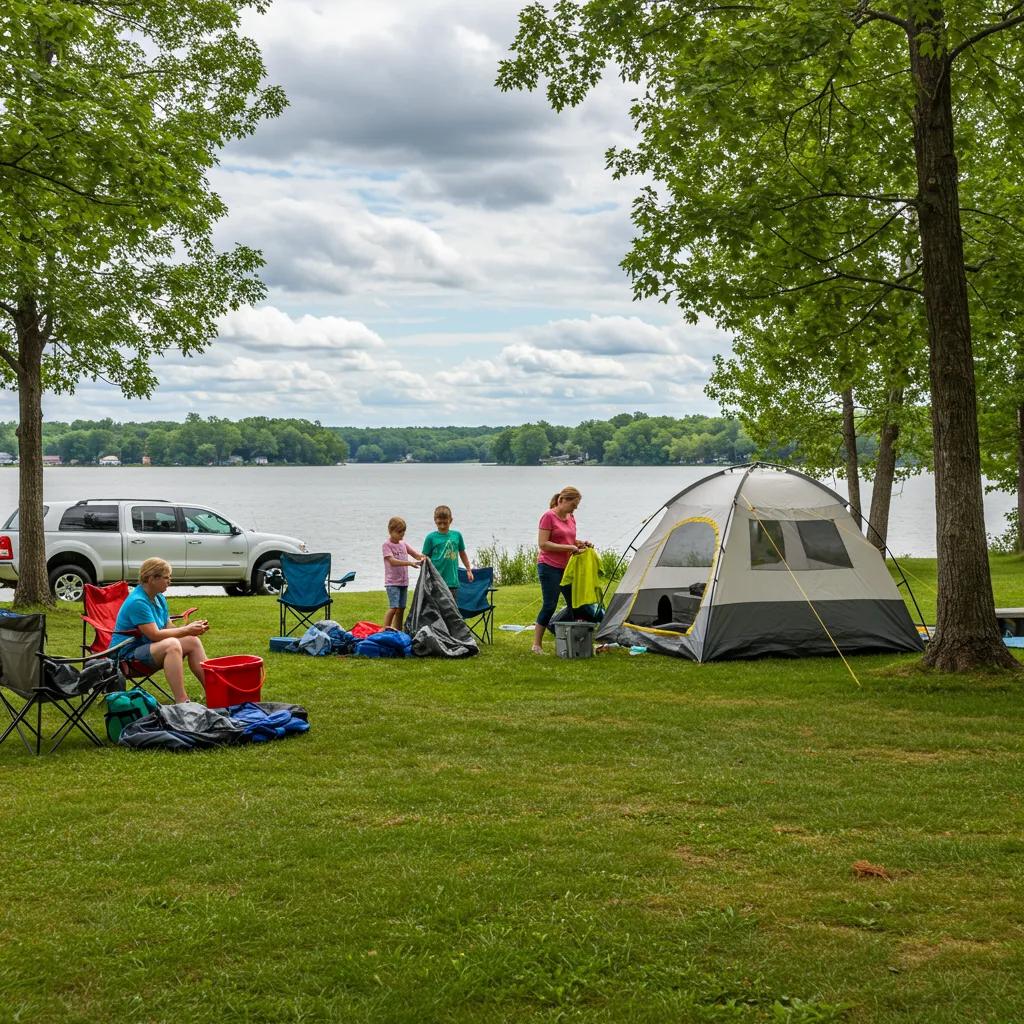
Discover Average Campground Prices for Families in Michigan: Your Guide to Affordable Family Camping
Families planning outdoor adventures need clear, practical pricing guidance for RV sites, tent camps, and cabin stays across Michigan. This guide breaks down average nightly and seasonal costs for family campgrounds in Michigan, highlighting key factors that influence price differences—like accommodation type, hookups, amenities, and peak-season demand. You’ll learn typical RV site fees, tent site rates, and cabin pricing; how 2025 state park fee changes compare to private campgrounds; which amenities are usually included versus extra; and smart saving strategies for your family trips. We’ll also show how these averages apply to a real property example—Walnut Hills Family Campground (operated by GatherGrounds Resorts)—so you can translate ranges into reservation-ready expectations. Finally, we’ll walk you through booking and pricing transparency at Walnut Hills to minimize surprises and help you secure the best value for your Michigan camping getaway.
What Are the Average Costs for Family Campgrounds in Michigan?
Average campground costs in Michigan vary by accommodation type, seasonality, and amenity level, with typical nightly ranges covering the most common family options. RV sites generally cost more with full hookups, tent sites are cheapest when primitive, and cabins command a premium for added comfort and utilities. Seasonality drives prices sharply: summer holiday weekends and lakefront locations increase demand and nightly rates, while shoulder seasons lower costs significantly. Understanding these drivers helps families compare options and estimate total trip budgets before booking, with specific breakdowns by site type below.
How Much Do RV Park Rates for Families Typically Cost in Michigan?

RV site pricing reflects hookup level and site size; full-hookup RV sites are the highest-priced option for family RV camping. Typical nightly ranges for RV sites in Michigan are driven by service level: full hookup sites include water, sewer, and electric; partial hookups usually offer water and electric; and basic pull-through sites provide limited services. RV sites often include occupancy limits and may charge per additional vehicle or extra person, which affects the final cost. Families should compare base nightly fees, utility inclusion, and extra-vehicle fees when estimating a multi-night stay.
What Are the Typical Tent Camping Prices for Families in Michigan?
Tent camping prices vary between primitive tent sites, electric tent sites, and larger group tent sites designed for families or reunions. Primitive tent sites typically include a picnic table and fire ring at the lowest nightly cost, while electric tent sites add convenience and a modest price premium. Group tent sites and lakefront tent spots are often priced higher due to capacity and location benefits, and parks may assess extra fees for additional tents or vehicles. Families should verify included amenities and occupancy limits to avoid unexpected per-person or per-vehicle charges.
How Much Do Cabin Rentals at Michigan Campgrounds Usually Cost?
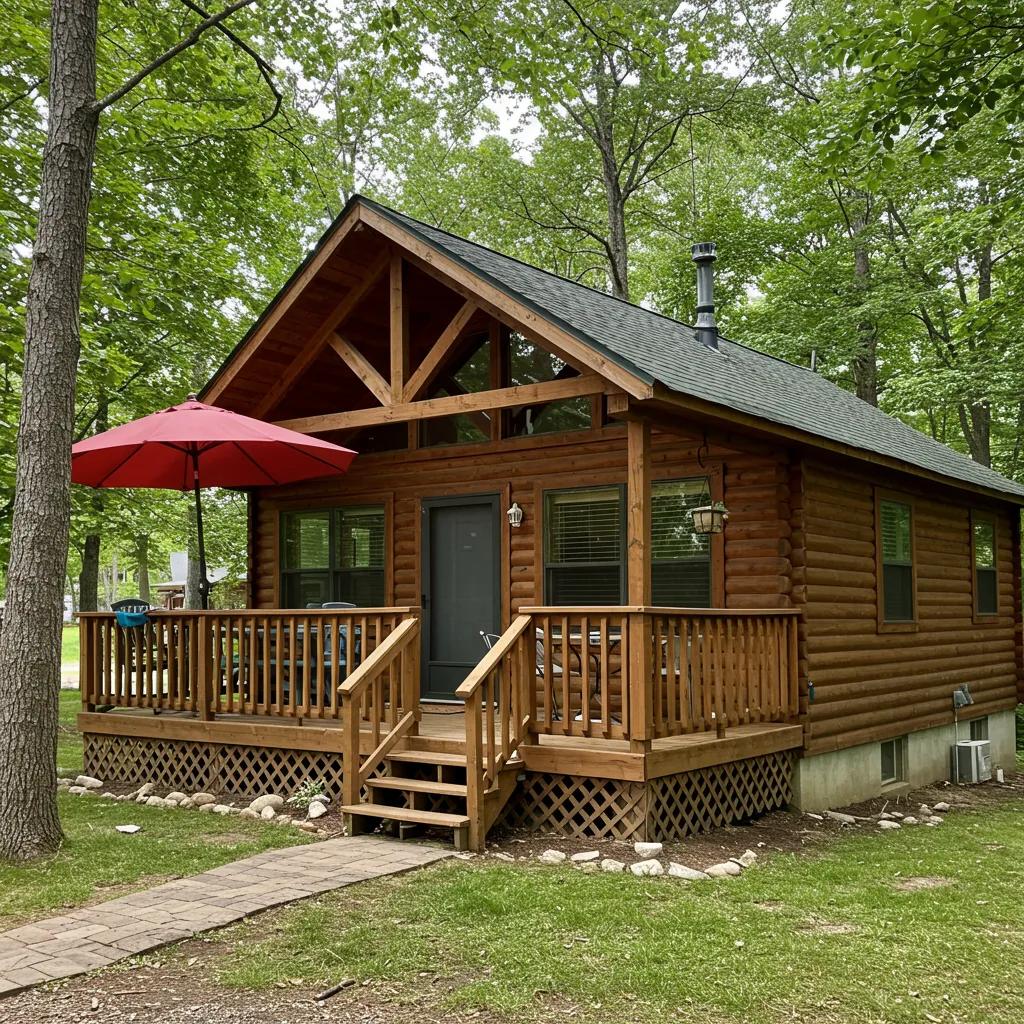
Cabin rental pricing reflects cabin tier—basic, family, and deluxe—with utilities, linens, and kitchenette amenities increasing the nightly rate accordingly. Basic cabins offer sheltered sleeping with minimal furnishing at a modest rate, while family and deluxe cabins provide multiple rooms, running water, and kitchenettes at higher nightly and weekly prices. Cabin rates often include occupancy up to a set number, and extra-guest fees or cleaning surcharges can apply, so families should factor those into budget calculations. Comparing what each cabin tier includes clarifies whether the higher rate yields practical savings versus tenting or nearby lodging.
Before the table below, this quick reference table summarizes average nightly ranges and typical inclusions for family planning.
This table simplifies comparisons so families can match accommodation needs to likely nightly costs and plan extras accordingly. The next section contrasts these private campground figures with state park fee changes in 2025.
How Do Michigan State Park Camping Fees Compare to Private Campgrounds in 2025?
State park fees in Michigan rose in 2025, creating a pricing gap between public sites and private campgrounds that offer more amenity-rich packages. Recent adjustments increased some modern and semi-modern campsite fees by a small dollar range per night, which affects family budgets across multi-night stays and cabin rentals. Private campgrounds often charge higher base rates but bundle amenity access and organized activities, yielding greater on-site value for families who prefer convenience and entertainment. Comparing numeric examples helps families decide whether lower state-park base fees offset the absence of private amenities or the benefit of included features at private campgrounds.
What Are the 2025 Fee Increases for Michigan State Parks?
Michigan state park fee increases in 2025 adjusted nightly prices for modern and semi-modern campsites by several dollars, which compounds over holiday weekends and long stays. These increases also influenced cabin and lodging fees in some park systems, meaning families booking multiple nights now face higher total budgets. The Recreation Passport requirement and per-vehicle fees remain factors when calculating travel costs to state parks. Understanding the exact per-night uptick helps families compare total trip costs between state parks and private campgrounds that include amenities in their nightly rates.
How Do Private Campgrounds Like Walnut Hills Offer Value for Families?
Private campgrounds such as Walnut Hills Family Campground (operated by GatherGrounds Resorts) offset higher per-night rates by bundling family-focused amenities—like water attractions, playgrounds, and organized weekend events—that reduce off-site entertainment costs. Walnut Hills spans a substantial acreage with features designed to keep children engaged and families together, which can make an elevated nightly rate a better overall value for families prioritizing convenience and activities. For parents weighing state park savings versus private convenience, the amenity-to-price tradeoff often favors private campgrounds when factoring in childcare-friendly programming and on-site services.
Before the next section, here is a compact comparison table to contrast state park and private campground nightly expectations in 2025.
This comparison underscores that families should evaluate both base fees and included services to determine the best fit. Next, we examine what amenities typically factor into pricing.
What Amenities Are Included in Michigan Family Campground Prices?
Amenities included in base rates vary widely, and knowing which features are standard versus premium helps families assess true cost and value. Standard inclusions often cover restrooms, basic playgrounds, and lake access, while premium features such as water parks, full hookups, and organized programming typically raise nightly rates. Families should check whether amenity access is included in the site fee or requires an additional ticket, since separate charges can erode expected savings. Evaluating which amenities matter most for family satisfaction guides whether to choose a budget site or invest in a more feature-rich campground.
How Do Water Parks, Playgrounds, and Sports Courts Affect Pricing?
Feature-rich amenities justify higher nightly rates because they deliver on-site entertainment that replaces off-site spending and reduces travel logistics. Water parks, specialized play structures, and sports courts represent key components of a full family-campground offering and often require maintenance and staffing that private campgrounds pass into pricing. In some cases, access to premium features is included; in others, day passes or activity fees apply, so families should confirm inclusion before assuming events are free. Choosing a campground with included amenity access can create predictable budgeting and greater convenience.
Before the amenities list below, note this short paragraph explains typical premium inclusions and their cost implications.
- Water park access is often a premium inclusion or ticketed amenity at family-focused campgrounds.
- Playgrounds and basic sports courts are commonly included in base site fees at both private and state campgrounds.
- Organized weekend events may be included or require an activity fee, depending on the campground.
These amenity distinctions help families decide which features justify a higher nightly cost. The next section focuses on saving money while camping.
What Modern Facilities and Services Are Standard at Family Campgrounds?
Modern conveniences—renovated bathrooms, on-site stores, Wi-Fi, and clean shower facilities—have become standard expectations that influence family willingness to pay a premium. Such modern facilities reduce the need for external stops and contribute to overall trip comfort, particularly for families with young children or multi-generational groups. While these services may be included in the base rate at many private campgrounds, some locations apply small resort or service fees to support maintenance. Prioritizing the specific modern services that matter most will keep costs aligned with family needs.
How Can Families Save Money on Camping Trips in Michigan?
Families can reduce camping costs through timing, discounts, and meal planning that together cut daily expenses without sacrificing experience. Booking during shoulder seasons or weekdays lowers nightly rates significantly, while multi-night discounts and packaged deals reduce per-night costs for extended stays. On-site meal preparation and strategic packing limit dining expenses, and verifying available discounts (military, multi-stay) before booking secures added savings. Applying a mix of timing, discounts, and meal strategies yields the best overall reduction in trip cost for families.
What Are the Best Times to Book for Lower Rates?
Shoulder seasons (late spring and early fall) and weekday stays reliably offer lower nightly rates than peak summer weekends, and booking outside school holiday windows typically reduces demand-driven surcharges. Early-week arrivals and longer mid-week stays often trigger multi-night discounts at both private and state campgrounds. Avoiding major holiday weekends eliminates premium holiday surcharges and yields more campsite options. Families who can shift dates slightly will often save the most without sacrificing key activities.
Which Discounts and Package Deals Are Available for Families?
Common discounts include military, veteran, and multi-night or early-booking discounts, while some campgrounds offer package deals that bundle accommodation with activity access for children. Families should inquire about discount eligibility and present documentation when booking to ensure the rate is applied. Loyalty programs or off-season passes at private campgrounds can also lower costs for repeat visitors. Verifying discount policies during reservation reduces surprises and maximizes value.
How Can On-Site Meal Preparation and Planning Reduce Costs?
Cooking at the campsite—breakfasts and dinners prepared on a grill or camp stove—significantly decreases the per-day food spend compared with eating out, especially for families. A simple shopping list of staple proteins, vegetables, and bulk sides supports low-effort meals and leftovers that stretch across days. Preparing meals in advance and packing reusable containers and basic cookware reduces waste and time at the campground. Meal planning combined with amenity use (e.g., on-site picnic areas) keeps spending predictable and under budget.
How Do You Make Reservations and Understand Pricing at Walnut Hills Family Campground?
Understanding site types, base rates, and common add-ons at a specific property makes booking straightforward and reduces surprise charges when arriving with a family. Walnut Hills Family Campground (operated by GatherGrounds Resorts) lists a range of RV, tent, and cabin options and publishes sample starting rates so families can estimate budgets before booking. A clear step-by-step booking approach and awareness of typical extra fees help families secure the right site type for their needs while keeping total trip costs predictable. The table below maps sample site types to example base rates and common add-ons at Walnut Hills for planning purposes.
This table provides planning clarity; families should confirm live rates and availability during reservation to secure current pricing. The final H3 below outlines practical booking steps.
What Are the Specific Rates for RV, Tent, and Cabin Sites at Walnut Hills?
Walnut Hills publishes example starting points that help families estimate cost: sample listings note nightly rates that start from $49 as an illustrative base for certain site types. Exact rates vary by season, site location within the campground, and amenity inclusion, so the example serves only as a planning benchmark. Families should identify desired site characteristics—hookups, lake access, proximity to water park—and expect those to influence the final nightly charge. Comparing sample bases with included features clarifies whether the chosen site delivers value for the family’s priorities.
What Additional Fees Should Families Expect When Booking?
Common additional fees include charges for extra adults or children beyond base occupancy, pet fees for dog-friendly areas, extra-vehicle parking fees, and optional activity or equipment rentals. Some properties also assess small resort or service fees to maintain amenities and facilities, which appear at checkout. Anticipating these add-ons and asking about them before confirming a booking prevents budget surprises upon arrival. Families should request a full fee breakdown when reserving to lock in a predictable total cost.
How Do You Book Online for a Family Camping Stay at Walnut Hills?
Booking is most efficient when families prepare dates, site type, and occupancy details before starting the reservation flow, and then select available site options that match hookup and amenity requirements. Steps to book include selecting dates, choosing site type, entering guest and vehicle counts, and reviewing the rate breakdown and any add-on fees before finalizing. Checking cancellation and no-show policies during booking ensures clarity on refunds and date changes. Following these steps reduces booking friction and helps families secure the best available value for their Michigan camping trip.
Frequently Asked Questions
What factors influence the cost of camping in Michigan?
The cost of camping in Michigan is influenced by several factors, including the type of accommodation (RV sites, tent sites, or cabins), the season (peak vs. shoulder seasons), and the amenities offered. For instance, full-hookup RV sites tend to be more expensive than primitive tent sites. Additionally, location plays a significant role; sites near lakes or popular attractions may have higher rates due to increased demand. Understanding these factors can help families budget effectively for their camping trips.
Are there any hidden fees when booking a campsite?
Yes, families should be aware of potential hidden fees when booking a campsite. Common additional charges may include fees for extra guests beyond the base occupancy, pet fees, and parking fees for additional vehicles. Some campgrounds may also charge for specific amenities or activities that are not included in the base rate. To avoid surprises, it’s advisable to ask for a complete breakdown of all fees during the booking process.
What are the best family-friendly campgrounds in Michigan?
Some of the best family-friendly campgrounds in Michigan include Walnut Hills Family Campground, which offers a variety of amenities such as water attractions and organized activities. Other notable options are Holland State Park and Ludington State Park, both of which provide beautiful natural settings and family-oriented facilities. When choosing a campground, families should consider the available amenities, activities, and proximity to attractions to ensure a memorable experience.
How can families ensure they get the best campsite for their needs?
To secure the best campsite, families should start by identifying their specific needs, such as the type of accommodation, desired amenities, and proximity to recreational activities. Booking early, especially during peak seasons, increases the chances of getting preferred sites. Additionally, reading reviews and checking campground maps can provide insights into site locations and features. Communicating directly with campground staff can also help clarify any questions about site suitability and availability.
What are some tips for first-time campers in Michigan?
First-time campers in Michigan should start by researching campgrounds that cater to families and offer the amenities they need. It’s essential to pack appropriately, including camping gear, food, and safety supplies. Familiarizing oneself with campground rules and regulations can prevent issues during the stay. Additionally, planning meals and activities in advance can enhance the camping experience. Lastly, being flexible and open to new experiences will help create lasting memories for the whole family.
What should families consider when planning meals for camping trips?
When planning meals for camping trips, families should consider the ease of preparation and storage. Opting for non-perishable items and easy-to-cook meals can simplify cooking at the campsite. Bringing a portable grill or camp stove can expand meal options. Additionally, planning meals that can be made in bulk or have leftovers can save time and reduce waste. Lastly, packing reusable containers and utensils can help keep the campsite organized and environmentally friendly.
Conclusion
Understanding the average campground prices in Michigan empowers families to make informed decisions for their outdoor adventures. By comparing costs across RV sites, tent camping, and cabin rentals, families can find the best fit for their budget and preferences. Take the next step in planning your memorable camping experience by exploring our detailed resources and booking options. Start your journey towards an unforgettable family getaway today!