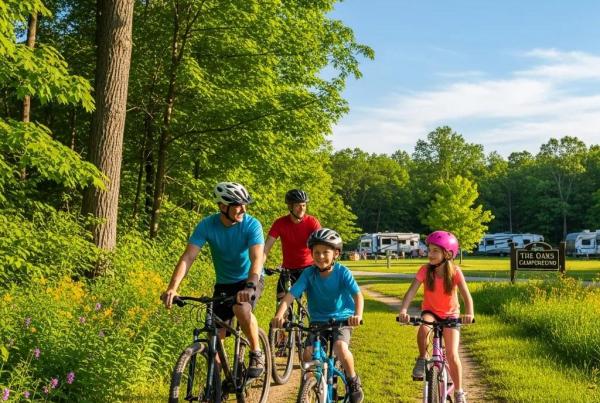
Top Campgrounds for Hiking Enthusiasts in Michigan: Discover Family-Friendly Trails and Scenic Camping Experiences
Michigan presents a varied mix of forest trails, wetland boardwalks, and rolling ridgelines suitable for hiking enthusiasts and family groups. This guide identifies campgrounds that function as reliable basecamps, outlines practical steps for trail-focused trips, and explains why areas such as Waterloo State Recreation Area merit attention from both novice and experienced hikers. The article emphasises campgrounds in Lower Michigan with direct trail access and offers curated comparisons, family-oriented recommendations, gear checklists, and step-by-step planning guidance. The Oaks Campground is included as a regional example for southeast Michigan, showing its connection to Waterloo and its support for family hiking. Continue for trail selections, essential packing advice, and clear booking guidance to streamline trip planning.
Which Michigan Campgrounds Offer the Best Hiking Trails?
Top hiking campgrounds combine immediate trail access, a range of difficulty levels, and proximity to scenic features such as wetlands, ridges, and lakeshores. Selection criteria include trail mileage reachable from camp, distance to trailheads, difficulty mix, and on-site amenities that support multi-day hikes and family logistics. This section presents curated regional picks, compares key metrics that matter to hikers, and provides a compact reference to inform your basecamp choice. Emphasis is placed on campgrounds and state recreation areas that maximise trail variety and day-hike options within short drives.
Ranked campgrounds include state recreation areas, national forest sites, and family-oriented private properties that deliver diverse trail experiences and amenity levels. Each entry specifies the primary rationale and the key metric hikers require—distance to the nearest trailhead or trail mileage accessible from camp—so readers can compare sites quickly for day hikes or multi-day loops. Notes on family-friendliness and RV accommodation assist mixed groups in selecting appropriate options. The short comparisons are designed for rapid decision-making.
Campgrounds differ by immediate trail access, terrain variety, and family amenities. The quick comparison table below contrasts trailhead proximity, total trail mileage reachable, and a “best for” designation to help you scan options that align with your hiking objectives.
The table clarifies how trailhead proximity and accessible mileage should influence campground selection, enabling hikers to choose sites that match desired loop lengths and difficulty levels.
What Makes The Oaks Campground a Premier Hiking Basecamp in Michigan?

The Oaks Campground operates as a practical basecamp due to its adjacency to Waterloo State Recreation Area and its 160 acres of on-site exploration that include golf cart trails and family-oriented spaces. Proximity to Waterloo provides access to a large contiguous trail network with varied ecosystems and scenic viewpoints without lengthy drives, saving time and expanding day-hike options. On-site trails offer short warm-up routes and easy loops for families prior to undertaking longer Waterloo circuits, allowing staged hikes of differing lengths and difficulties. With amenities such as a playground and a fishing pond, The Oaks supports post-hike recovery and low-impact recreation, and planned features will broaden on-site activity options. For hikers seeking convenience near Waterloo, The Oaks balances campsite practicality with immediate trail access suitable for solo hikers and families alike.
How Do Campgrounds Near Waterloo State Recreation Area Enhance Hiking Access?
Campgrounds adjacent to Waterloo State Recreation Area serve as efficient staging points into one of Michigan’s largest contiguous protected landscapes, offering multiple trailheads, varied habitats, and interconnected loops. This proximity reduces drive times to trailheads, permits combining short and long loops within a single day, and increases opportunities for bird watching and wildlife observation across hardwood forests and wetlands. Because Waterloo’s trails range from easy-to-moderate loops to more challenging day routes, campers can adopt flexible itineraries that accommodate families and experienced hikers. Staying nearby also enables repeat exploration of different sectors of the recreation area across consecutive days, translating logistical ease into more time on trails and a richer outdoor experience.
What Are the Top Family-Friendly Hiking Campgrounds in Lower Michigan?
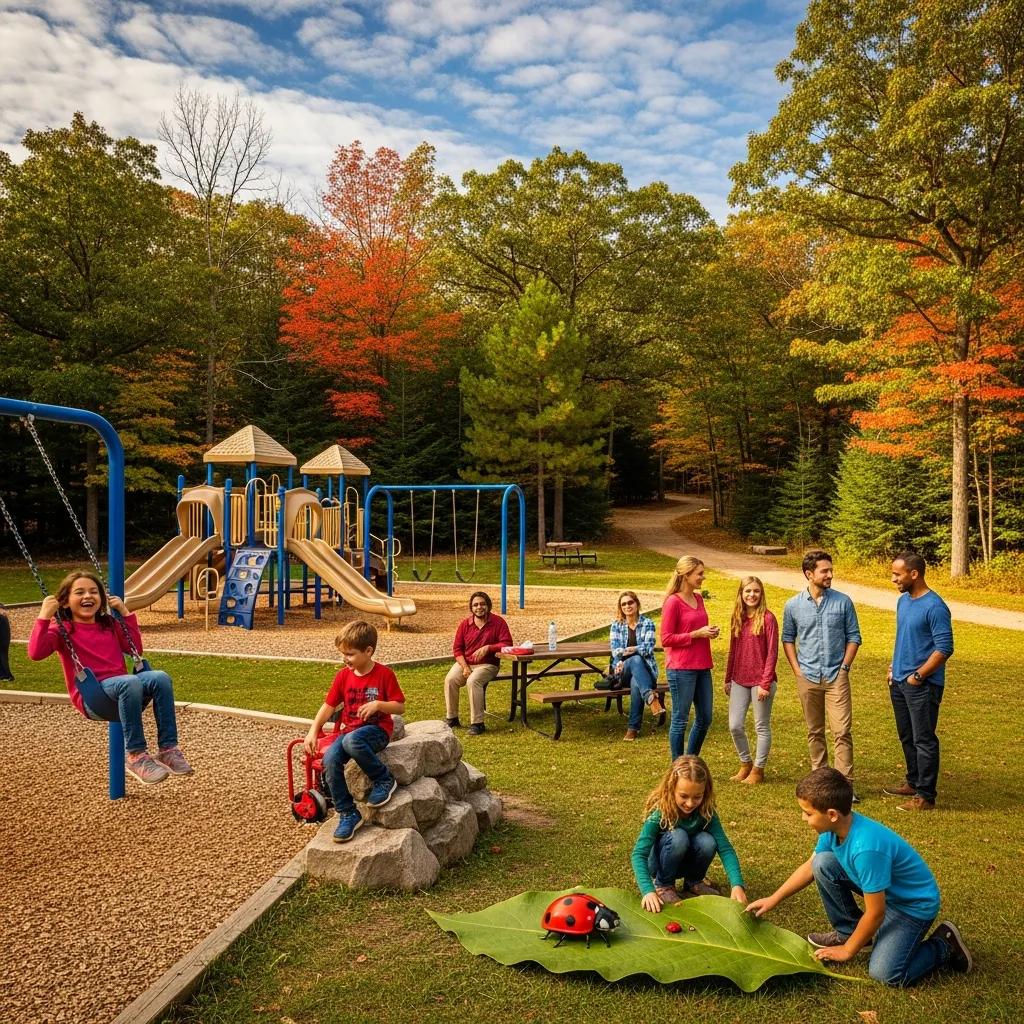
Family-oriented hiking campgrounds in Lower Michigan prioritise safe, short loops, firm trail surfaces, and on-site amenities that allow caregivers to manage logistics while children explore. Key attributes include playgrounds, nearby fishing opportunities, interpretive signage, and short connectors to larger trail systems so families can scale outings by age and stamina. Recommendations emphasise routes with minimal elevation and clear rest points to help families build confidence before attempting longer loops.
Families should prioritise campgrounds that combine trail variety with on-site recreation to occupy downtime between hikes. The following concise list outlines family-focused attributes and explains their significance for parents planning day hikes or overnight stays with young children.
- Clear, short loops reduce the risk of disorientation and keep hikes under two hours for young children.
- Playgrounds and picnic areas provide controlled spaces for unstructured play after hikes.
- Fishing ponds and gentle shoreline access offer low-effort alternative activities.
- On-site trails or golf-cart paths enable quick, supervised exploration close to camp.
These attributes assist families in selecting campgrounds that maintain children’s engagement and simplify logistics for caregivers, ensuring hiking remains an enjoyable group activity rather than a logistical burden.
Which Trails Are Suitable for Kids and Beginners Near The Oaks Campground?
Kid- and beginner-appropriate trails near The Oaks and in adjacent Waterloo share features such as short distance, low elevation change, firm footing, and frequent natural points of interest. Parents should prioritise boardwalk sections, wetland overlooks, and interpretive loops that provide regular stopping points and educational signage to sustain engagement without overwhelming young hikers. Plan several short loops with snack breaks and a defined turnaround point to reduce stress and maintain energy levels; include essentials such as extra clothing and water for comfort. Select trails with clearly marked trailheads near parking areas and avoid routes with extensive root or rock exposure until children gain confidence. These selection strategies enable safe, scenic outings and progressive skill development.
How Does The Oaks Campground Cater to Families Seeking Outdoor Adventures?
The Oaks Campground serves families by combining on-site features—playground, fishing pond, and golf cart trails—with themed weekend events and planned enhancements that expand recreation options. These amenities complement hiking by providing supervised play areas where children can expend energy before or after trail outings and by offering alternative activities when conditions or stamina limit longer hikes. The available acreage permits short exploratory walks within the campground, a valuable option for parents managing young children or mixed-skill groups. Planned improvements aim to increase family engagement and low-impact recreation, making the campground a practical choice for multi-day stays that mix hiking with other outdoor pursuits.
How Can You Plan Your Hiking and Camping Trip at Michigan Campgrounds?
Effective planning begins with selecting the appropriate season, matching gear to Michigan’s variable weather, and choosing a campground aligned with your group’s hiking objectives and comfort requirements. Consider seasonal factors (spring mud season, summer tick activity), trail difficulty relative to group skill, and campsite amenities that support recovery and safety. This section provides a step-by-step planning checklist, a concise gear table for quick reference, and logistical guidance to ensure the camping-and-hiking trip proceeds smoothly. Thorough preparation reduces surprises and maximises trail time by minimising equipment or route issues.
- Choose season and campground based on weather tolerance and trail conditions.
- Verify campsite amenities and trail access type to match your group’s needs.
- Pack layered clothing, navigation tools, and family-specific items like child carriers or extra snacks.
- Prepare a simple itinerary with start/end times and contingency plans for weather.
This checklist defines the core planning tasks and leads directly into a concise gear table that supports decisions about what to bring for Michigan hiking.
The gear checklist highlights core items that address Michigan trail conditions and family requirements, supporting efficient packing and safer hikes.
What Essential Gear Should Hikers Bring for Michigan Trails?
Hikers should prioritise layered clothing, waterproof outerwear, supportive footwear, reliable navigation tools, and hydration systems sized to trip length and season. Layering addresses temperature variation between morning and afternoon, while waterproof layers mitigate sudden rain and wind common in Michigan ecosystems. Navigation may consist of a printed map and compass or a charged GPS device, but always carry a backup method in case of signal loss; this practice improves safety on less-travelled loops. For family groups, include child-specific items such as extra snacks, spare clothing, and a lightweight child carrier for toddlers to keep mixed-age hikes manageable. Proper packing reduces the likelihood of interruptions and enhances enjoyment across diverse trail types.
How Do You Book and Prepare for a Stay at The Oaks Campground?
To book The Oaks Campground, select preferred dates that align with your hiking itinerary and seasonal conditions, then complete a reservation to secure a site during peak periods. Prepare for arrival by organising day-hike gear, downloading or printing trail maps for Waterloo and nearby loops, and confirming campsite amenities so packing matches family needs. Arrive with a staged day-plan that begins with short on-site warm-up hikes before tackling longer Waterloo routes to help groups adapt and conserve energy. When ready to reserve, use the campground’s reservation page and finalise campsite selection well before peak season to avoid limited availability.
What Hiking Trails and Outdoor Activities Are Available at Waterloo State Recreation Area?
Waterloo State Recreation Area features an extensive trail network across wetlands, hardwood forests, and rolling terrain, supporting everything from short interpretive walks to longer loop hikes and wildlife observation. The varied habitats produce multiple trail types—boardwalks through wetlands, shaded forest loops, and ridge-line segments—that suit different preferences and skill levels. This section organises trails by category, provides a concise trail table for rapid comparison, and suggests complementary activities such as bird watching and shore fishing that pair well with hiking. Identifying trails that match skill and interest enables design of daily itineraries focused on scenery, wildlife, or distance.
Below is an organised trail reference to assist hikers in selecting routes by ability and interest, followed by a succinct trail table for quick selection.
- Beginner-friendly loops emphasise short distance, firm footing, and interpretive features.
- Intermediate trails combine moderate distances with scenic viewpoints and varied terrain.
- Advanced routes offer longer mileage and more technical footing for experienced hikers.
The trail table enables hikers to match route attributes to objectives and select appropriate paths for day hikes or extended treks.
Which Trails in Waterloo State Recreation Area Are Best for Different Skill Levels?
Beginner trails in Waterloo are typically short loops with clear signage and minimal elevation change, suitable for families and novice hikers seeking wetland views and interpretive stops. Intermediate routes extend distance and introduce varied footing and modest elevation, offering scenic viewpoints and natural features without technical difficulty. Advanced trails feature greater mileage, sustained elevation changes, and uneven surfaces that require robust footwear and navigation awareness. Choosing trails by skill level permits appropriate pacing, rest planning, and water provisioning, resulting in safer and more enjoyable outings and facilitating repeat exploration of other sectors over multiple days.
What Wildlife and Scenic Features Can Hikers Expect Near The Oaks Campground?
Hikers near The Oaks and Waterloo commonly encounter diverse bird species, small mammals, and a mix of wetland and hardwood forest scenery that shift with the seasons. Wetland boardwalks showcase waterfowl and marsh species in spring and summer, while hardwood stands reveal migratory birds and forest mammals across seasons. Scenic elements include boardwalk overlooks, ponds and small lakes, and forested ridgelines that provide varied photographic and wildlife-watching opportunities. Hikers should observe wildlife from respectful distances, store food securely at camp, and follow Leave No Trace principles to protect habitats and reduce human–wildlife conflict. These landscape and wildlife features significantly enhance the hiking experience for patient observers.
Why Is Michigan a Top Destination for Hiking and Camping Enthusiasts?
Michigan’s appeal for outdoor recreation stems from its range of landscapes—lakeshore, forests, wetlands—and connected trail systems that support diverse hiking experiences and camping styles. Recent state and recreation reports document growing participation in hiking and camping driven by demand for accessible nature, family-friendly outdoor options, and multifunctional campgrounds that enable hiking alongside other pursuits. Campgrounds with trail access and family amenities help convert casual visitors into repeat campers and encourage longer regional stays that support local outdoor economies. Recognising these trends helps hikers plan trips that align with broader seasonal demand and recreational patterns.
Industry and state reports indicate increasing engagement with outdoor pursuits across demographics and underscore the economic impact of recreation, which in turn supports investment in trail maintenance and campground amenities. These developments facilitate expanded trail networks and improved services that benefit hikers, families, and local businesses. As infrastructure and amenities continue to evolve, hikers can expect broader access and more varied experiences across Michigan’s landscapes. The following subsection summarises key trends and explains how campgrounds enable diverse outdoor programming.
What Recent Trends and Statistics Highlight Michigan’s Outdoor Recreation Growth?
Recent state and industry analyses report rising participation in hiking and camping, increases in day-use trail visits, and greater demand for family-friendly campground amenities, mirroring a wider national shift toward outdoor recreation. Economic impact summaries attribute higher local revenues to elevated visitation and extended stays, underscoring the need for improved trail maintenance and amenity upgrades to accommodate families and multi-activity trips. Demographic shifts show broader age-group engagement and increased family-oriented travel, creating demand for accessible trails and campground programming. These trends support investment in trail connectivity and family amenities as a practical response to growing demand.
How Do Michigan’s Campgrounds Support Diverse Outdoor Activities Beyond Hiking?
Michigan campgrounds typically support a range of complementary activities—fishing, bird watching, paddling, biking, and interpretive nature programs—that increase campsite value and allow groups to combine activities during a single trip. Multi-activity offerings encourage longer stays and repeat visitation because families and mixed-interest groups can allocate time between hiking and lower-impact pursuits, improving overall satisfaction. Amenities such as ponds for fishing, nearby waterways for paddling, and interpretive signage or events help campers engage with natural features beyond trails. Reviewing campground amenity lists and planning multi-activity days enables visitors to maximise their outdoor experience and increases the versatility of a campsite.
- Fishing Access: Campgrounds with ponds or nearby lakes provide casual recreation for families and alternative activity when hiking time is limited.
- Bird Watching: Wetlands and hardwood edges support diverse birdlife, making short walks rewarding for wildlife observers.
- Interpretive Programs: On-site events and signage can deepen understanding of local ecosystems and encourage low-impact behavior.
- Multi-use Trails: Shared trails for hiking and biking increase options for active families and groups with mixed preferences.
These combined activities enhance campsite value and expand exploration opportunities, reinforcing Michigan’s position as a varied outdoor destination.
Frequently Asked Questions
What are the best times of year to hike in Michigan?
Optimal hiking season in Michigan generally spans late spring through early fall, with peak conditions from May to October. During this interval, weather is milder and trails are most accessible. Late spring features blooming wildflowers; summer brings dense greenery and active wildlife; fall offers notable foliage. Be mindful of seasonal challenges such as mud in early spring and increased tick activity in warmer months. Verify local conditions before finalising plans.
Are there any specific safety tips for hiking in Michigan?
Prioritise safety by informing a contact of your route and expected return. Carry a map and a navigation device, as some trails are sparsely marked. Be aware of local wildlife, including bears and snakes, and understand appropriate response procedures. Pack a first aid kit, adequate water, and nutrition. Dress in layers to manage changing conditions and wear sturdy footwear suited to varied terrain.
What amenities should I look for in a family-friendly campground?
Select family-friendly campgrounds that cater to both children and adults with features such as playgrounds, picnic areas, and short, safe hiking loops. Access to water activities like fishing or swimming adds value. Consider sites that offer organised activities or educational programmes for children. Facilities such as clean restrooms, showers, and laundry services contribute to a more comfortable stay and reduce logistical strain for families.
How can I find less crowded hiking trails in Michigan?
To locate less crowded trails, visit lesser-known parks or plan weekday or early-morning outings. Research local recommendations and user reports to identify quieter options. Use trail apps and websites that indicate usage patterns, and consider trails in more remote locations or those requiring additional travel for a more peaceful experience.
What should I pack for a family hiking trip in Michigan?
Pack according to season and trail conditions: layered clothing, sturdy hiking shoes, and a reliable backpack are essential. Include hydration systems or water bottles, snacks, and a first aid kit. For families, add child-specific items such as carriers for young children, spare clothing, and simple entertainment for breaks. Carry a map or GPS device to ensure secure navigation.
Are there any guided hiking tours available in Michigan?
Yes. Various guided hiking options exist to suit different skill levels and interests. Local outdoor companies and state park programmes often provide guided hikes that include ecological, historical, and wildlife interpretation. Many tours offer family-friendly formats. Consult local visitor centres or online resources for schedules, availability, and booking details.
Conclusion
Michigan’s campgrounds offer families a combination of scenic hiking trails and practical amenities, making outdoor experiences attainable across skill levels. Properties such as The Oaks Campground deliver immediate trail access alongside family-focused activities that enhance the visit. Applying the planning insights provided here will help you maximise time in nature and create lasting memories. Review the recommended campgrounds and secure reservations to plan your next outing.