Discover Ohio State Parks: Your Guide to Camping, Amenities, and Family Fun
Camping in Ohio State Parks offers a fantastic way to enjoy the outdoors, with a variety of campsites and family-friendly amenities to suit every preference. This guide will walk you through the camping facilities available across Ohio’s state parks, compare public campgrounds with private resorts, and provide tips for families planning their trips, including booking, pet policies, and activities. You’ll learn to distinguish between RV sites with full hookups and basic tent sites, assess amenities like showers and camp stores, and match recreational options such as boating and fishing to your family’s interests. We’ll cover how to book your site through official channels, recommend some of the best family-friendly parks, and explore how private campgrounds can be great options for day trips or extended stays. Throughout this guide, you’ll find helpful phrases like “Ohio State Parks campgrounds,” “tent camping Ohio state parks,” “Ohio RV camping full hookups,” and “best family-friendly Ohio State Parks” to help you find exactly what you’re looking for. Get ready to choose your perfect spot, plan your adventures, and book with confidence, knowing you’ve found the ideal camping experience.
What Kinds of Camping Spots Can You Find in Ohio State Parks?
This section covers the main types of camping accommodations—RV sites, tent sites, and cabin rentals—and explains why having options is great for different camping styles. State park campgrounds offer everything from simple, primitive tent spots to full-service RV pads with electricity. This range means you can enjoy a rugged, back-to-nature trip or a comfortable family getaway with all the conveniences. Choosing the right spot makes your trip more enjoyable and manageable, especially when you’re juggling gear, pets, and kids. We’ll break down RV, tent, and cabin options with their specific features, and then provide a quick comparison table to help you match your needs to the perfect site.
Use the table below to compare common campsite types, their typical features, and who they’re best suited for. This will help you decide when looking at Ohio State Parks campgrounds.
This comparison shows that whether you’re looking at RV Sites, Tent Camping, Seasonal Sites, or cabin options, you’ll want to consider hookups, privacy, and your family’s specific needs. The table sets the stage for more details on RV hookups and tent site variations in the following sections.
What RV Camping Options and Full Hookup Sites Does Ohio Offer?
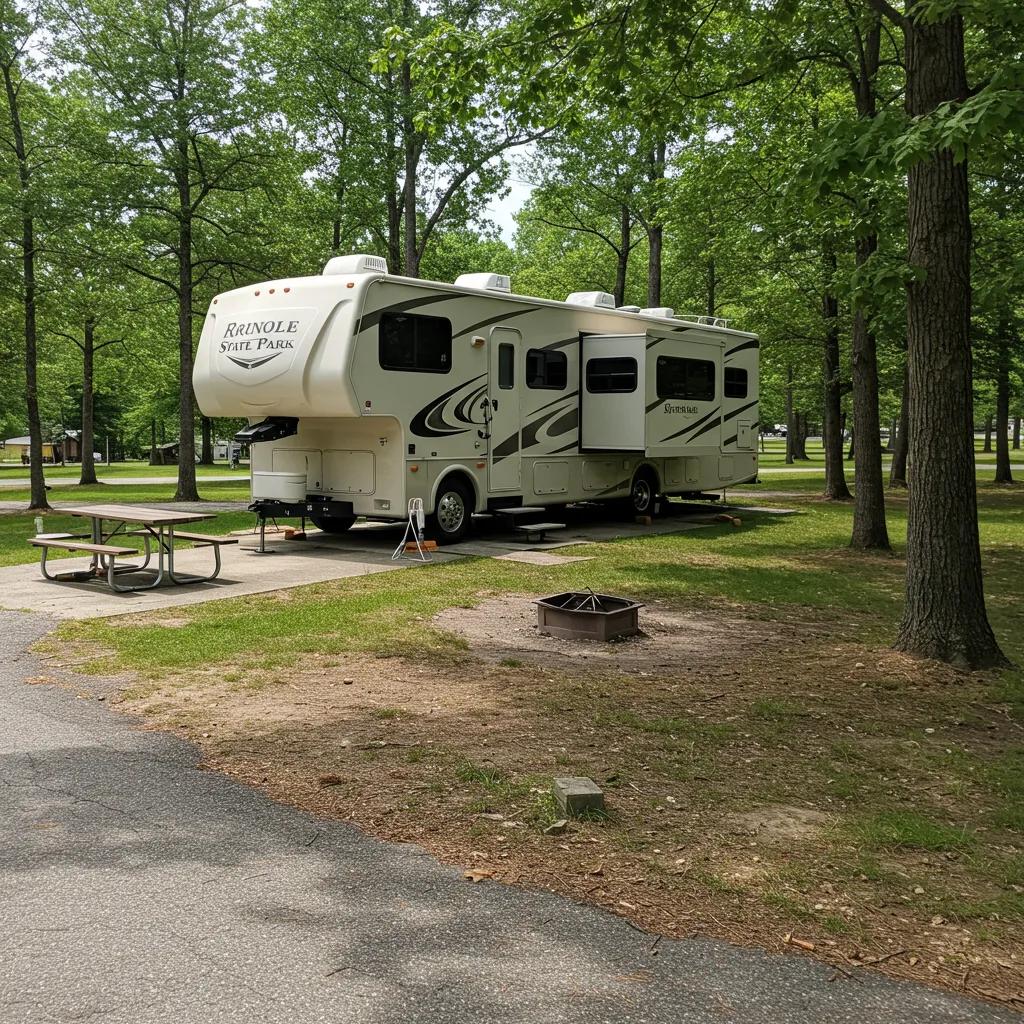
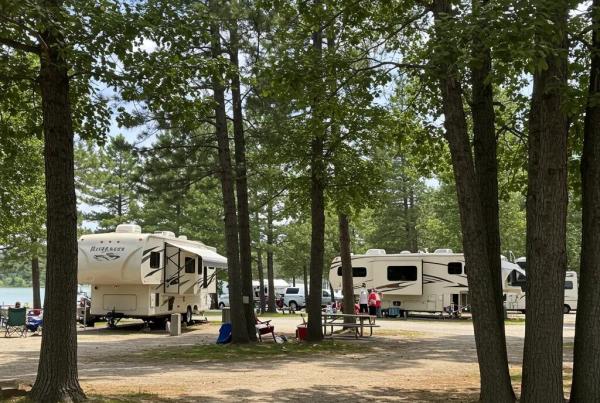
RV camping in Ohio ranges from simple gravel pull-through spots to fully equipped sites with electricity, water, and sewer connections. Full hookup sites typically provide 30- or 50-amp electrical service along with direct water and sewer access, making longer stays much more convenient for families who rely on their RV’s systems for cooking, sanitation, and climate control. Many parks offer level pads that can accommodate various RV lengths and have convenient dump stations nearby, which speeds up setup and improves safety. Understanding these hookup options helps you book the right spot and prepare any necessary adapters or extensions. Now, let’s look at how tent camping differs in terms of access and experience.
How Do Tent Camping Sites Vary Across Ohio State Parks?
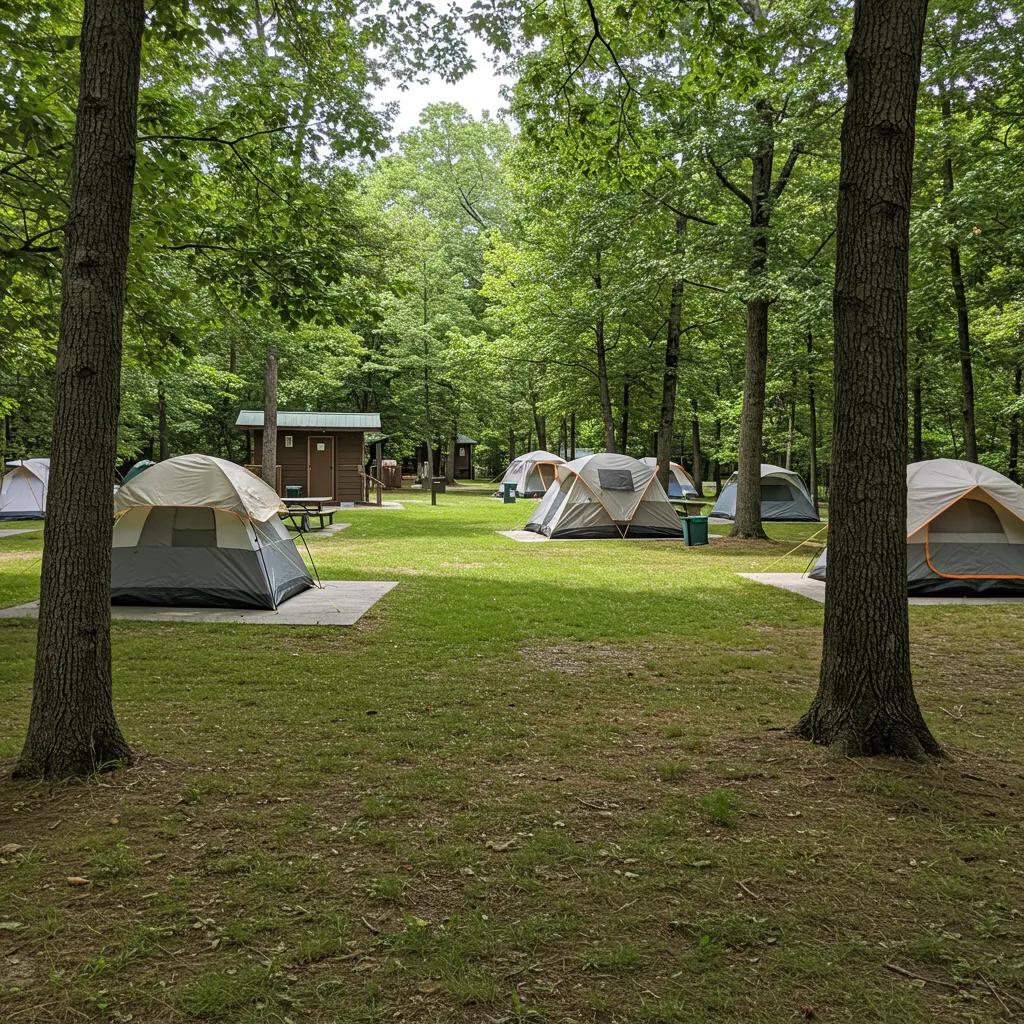
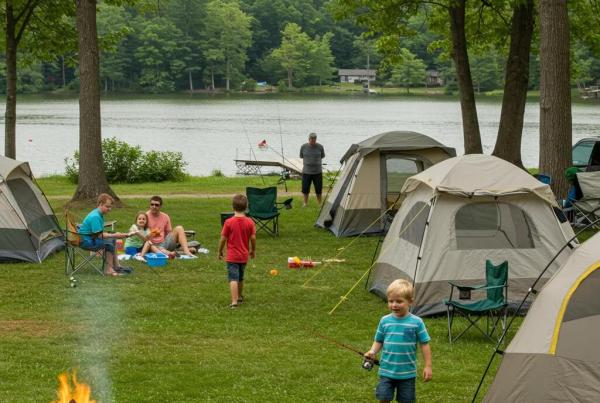
Tent sites in Ohio State Parks offer a range of experiences, from secluded primitive spots with no hookups to more developed tent pads located near restrooms, often including electric access and picnic tables. This variety allows families to choose between being close to amenities or enjoying more privacy. Primitive sites are perfect for those seeking solitude and a minimal impact on nature, while developed tent areas provide easy access to showers, drinking water, and playgrounds, which are often essential for families. When choosing a site, consider the pad’s surface, nearby trees for shade, and the distance to sanitary facilities to balance comfort with an authentic camping feel. These factors lead us to the next section on cabin rentals, which offer an indoor alternative for families looking for more predictable comforts.
What Cabin Rentals and Lodging Are Available in Ohio State Parks?
Some Ohio State Parks offer camper cabins, lodges, or rustic cabins that come with basic furnishings, heating, and sometimes kitchenettes, providing a comfortable middle ground between tent camping and traditional hotel stays. Cabins mean less gear to pack and offer protection from the weather, all while keeping you immersed in the park’s natural setting near trails and water. Availability varies greatly by park, and cabins are often booked well in advance during peak season, so planning early is key to securing the right option. This leads us to the next H2, which discusses on-site amenities that enhance comfort and recreation.
What Amenities Can Campers Expect at Ohio State Park Campgrounds?
The amenities at Ohio State Park campgrounds range from essential facilities like restrooms and showers to recreational features such as boat ramps and playgrounds. Each amenity can influence your camping experience and what you decide to pack. Essential amenities typically include restrooms, shower facilities, potable water, and sometimes laundry services and camp stores. Recreational amenities often include access to boating, beaches, and marked trails, which shape your daily activities. Knowing what amenities are typically available helps you choose parks that align with your priorities, whether it’s easy access to showers for longer stays or lakeside beaches for the kids. The following sections will detail essential services, pet-friendly amenities, and family-focused features, and a comparison table will clarify how state parks generally compare to private campgrounds.
The table below compares common amenities and indicates their typical availability in state park campgrounds versus private campgrounds, helping you decide which venue best suits your family’s needs.
- The following list outlines essential amenities campers commonly expect and why they matter.
Showers and restrooms: Crucial for hygiene during multi-day stays and reduce the amount of personal items you need to pack.Potable water and hookups: Essential for RV operations and ensuring a safe drinking water supply.Camp store and laundry: Offer convenience for families and simplify trip logistics.Beach or boat access: Enable swimming and water sports that kids love.
These amenities provide a baseline for choosing campgrounds, and the following paragraphs will dive into what to expect from shower facilities and family-oriented features.
What Essential Amenities Are Provided: Showers, Restrooms, and Laundry?
Developed Ohio State Park campgrounds generally offer restrooms and shower facilities located near camping loops or central areas, with the quality varying by park and season. Laundry facilities are more commonly found in larger parks or those designed for longer stays. These amenities contribute to comfort, hygiene, and flexibility for families who need to freshen up after hiking or swimming, and they reduce the amount of gear visitors need to bring. Checking park descriptions on official websites before booking can prevent surprises—knowing the location of shower facilities helps families choose sites that are conveniently located. Understanding the availability of showers and laundry sets the stage for discussing pet policies, which often have different rules.
Are Pet-Friendly Amenities and Dog Parks Available in Ohio State Parks?
Pet policies in state parks typically permit dogs on developed trails and at campsites, but they must be kept on a leash and owners must follow cleanup rules. Designated dog parks are less common and usually found only in select campgrounds. Families should always verify leash length restrictions, seasonal limitations, and areas where pets are not allowed—these rules are in place to protect wildlife and other visitors. Preparing your pet with proper identification and waste bags ensures a smooth camping experience and minimizes potential conflicts. Knowing where your pet can swim or run freely helps in planning daily activities. These pet-focused considerations naturally lead into the types of family-friendly amenities that enhance camping stays.
What Family-Friendly Amenities Enhance the Camping Experience?
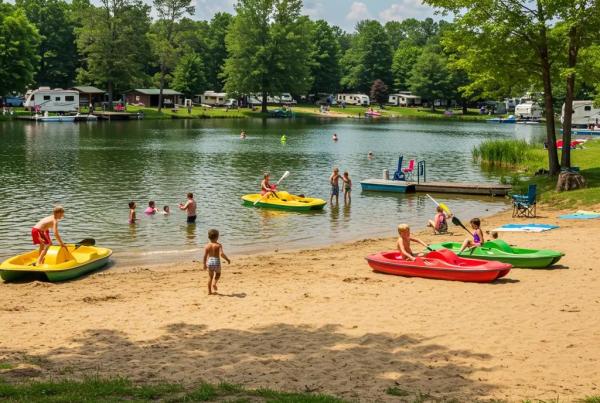
Family-oriented campground features include playgrounds, sandy beaches, swimming decks, and organized activities that keep children entertained and offer social opportunities for parents. Parks with these amenities are great for families with children of various ages. These features also increase safety—supervised swim areas and lifeguarded beaches reduce risks—and they add convenience by concentrating recreational activities near the campsites. Private campgrounds sometimes offer even more with scheduled events and on-site entertainment, providing different options compared to the nature-focused programming often found in state parks. This contrast leads us to the next H2, which explores recreational activities and how amenities support them.
What Recreational Activities Are Offered at Ohio State Park Campgrounds?
The recreational activities available at Ohio State Park campgrounds include water-based fun, land-based adventures, and seasonal organized events that appeal to families and outdoor enthusiasts alike. Water recreation encompasses swimming, boating, and fishing where permitted, while land activities range from easy family hikes to multi-use trails and sports courts. Organized events, such as interpretive programs or ranger-led activities, add structured learning and enjoyment. Tailoring activities to children’s ages, mobility, and interests maximizes fun and safety. The following subsections will describe water options, trail choices, and the role of scheduled events in family travel plans. These sections will also highlight how private campgrounds can complement park activities by offering rentals and on-site entertainment.
- Swimming: Beach and deck areas provide supervised or designated swim zones for all ages.
- Boating: Canoes, kayaks, and small boats are perfect for exploring calm waters.
- Fishing: Shoreline and pier fishing offer an affordable, family-friendly activity requiring minimal gear.
These activity choices will influence your packing list and when you should book your trip. The next paragraphs will delve deeper into water-based options.
Which Water-Based Activities Are Popular in Ohio State Parks?
Water-based recreation at state parks commonly includes swimming at beaches, boating from launch ramps, and fishing from the shoreline. Many parks feature shallow, family-friendly swim areas and boat launch facilities. Safety is paramount—ensure kids wear life jackets and are supervised, and be aware of water depths. Some parks offer canoe or kayak rentals through third-party vendors or park concessions. Private campgrounds often enhance this with on-site paddleboat rentals and structured lake features, which can be very convenient for families wanting easy access to watercraft without the need to transport their own. Understanding these options helps families choose parks or nearby private locations that best match their desired water activities.
What Land-Based Activities and Trails Are Available for Families?
Land activities at state parks typically include family-friendly loop trails, interpretive nature walks, and multi-use paths suitable for hiking, biking, and birdwatching. Difficulty ratings are usually provided to help you match trails to your family’s age and fitness levels. Playgrounds, sports courts, and picnic areas offer off-trail recreation perfect for younger children and group gatherings, while longer trails cater to teenagers and adults seeking more challenging adventures. Many parks also offer accessible trails, ensuring that family members with mobility needs can participate fully. These land-based activities complement water recreation and organized events, which often round out a family camping itinerary.
How Do Organized Events and Family Entertainment Enhance Camping?
Scheduled programming, such as interpretive talks, guided hikes, craft activities, or seasonal festivals, adds structure, educational value, and social opportunities to camping trips. This is especially beneficial for families who appreciate curated activities and predictable schedules. Organized events help children connect with nature and other campers, while adults can enjoy planned options that reduce the need for extensive trip planning. Private campgrounds frequently host nightly entertainment like DJ sets, karaoke, or bingo, broadening recreational choices beyond just trail and water activities. Knowing the event calendars before booking ensures families can align their stays with desired programming, which leads us to planning and reservation strategies.
How Do You Make Reservations and Plan Your Camping Trip in Ohio State Parks?
Booking a campsite through official state resources involves selecting your park, choosing a site type, and completing an online reservation with your details and payment. It’s important to understand cancellation policies and peak-season rules to secure your preferred dates. Your planning should also account for seasonality—summer is peak demand, shoulder seasons offer pleasant weather, and some parks have limited services in winter. Don’t forget to create packing lists tailored to your site type and the park’s amenities. This H2 will guide you through the standard online reservation steps, discuss year-round camping options, and cover group and pet rules. We’ll also include a comparison showing how private resort reservation options can offer families flexibility and different amenity packages.
Follow these steps to book your state park campsite online and ensure you have all the necessary information before you reserve.
- Choose your park and dates: Select the park you want to visit and check for available sites on your desired dates.
- Select your site type and number: Identify RV, tent, or cabin options and note the specific hookup details.
- Enter camper and payment information: Provide names, vehicle/RV details, payment information, and acknowledge the park’s policies.
- Confirm and save your reservation: Keep your confirmation number handy and review the cancellation terms.
These steps outline the typical process on official reservation systems and prepare you to compare state bookings with private campground options.
What Is the Process for Reserving Ohio State Park Campgrounds Online?
To book an Ohio State Parks campsite online, you’ll need to select the park and dates, filter by site type and amenities, enter your camper details (like vehicle or party size), and complete the payment to secure your reservation. Confirmation and cancellation policies can differ by park and season. Having your identification, vehicle information, and flexible dates ready can improve your chances during busy periods. Checking site-specific descriptions ensures that hookups and accessibility meet your needs. Knowing the booking process beforehand makes it smoother and leads naturally to questions about year-round availability and winter camping logistics.
Can You Camp Year-Round in Ohio State Parks?
Year-round camping availability varies across Ohio State Parks. Some parks offer limited winter camping with fewer amenities, while others close certain sections seasonally. Winter camping often requires more self-sufficiency, as services like showers, camp stores, and staff assistance may be reduced. Cold-weather camping demands appropriate gear—insulated tents, sleeping bags rated for low temperatures, and safe heating solutions—as well as awareness of road conditions, such as snow clearing. If comfort or resort-style amenities are a priority during winter, families might consider combining state park day trips with stays at private campgrounds that maintain more year-round services. This discussion of seasonality leads us to the rules governing pets and group reservations.
What Are the Rules Regarding Pets and Group Camping Reservations?
Pet and group reservation rules typically require dogs to be leashed, vaccinated, and well-behaved. Group campsites usually need advance reservations and may require deposits or permits. There are also specific limits on group size and the number of vehicles allowed. For group events or pavilion bookings, check park policies regarding permitted activities, quiet hours, and cleanup responsibilities to avoid any surprises upon arrival. Early coordination with park managers can secure necessary permits and clarify any exceptions. If park rules are restrictive, private campgrounds might offer more flexible pavilion rentals and group-friendly amenities as alternative options. This naturally prepares readers for the next H2, which recommends family-friendly parks and complementary private destinations.
Ohio’s diverse state park systems reflect varying state values and approaches to natural resource management.
“The Show Windows of a State”: A Comparative Study on Classification of Michigan, Indiana, and Ohio State Parks
State parks are a vital part of the United States’ network of national, regional, state, local, and private lands dedicated to preserving nature and American culture. They also represent state values by showcasing unique natural, cultural, and historic characteristics. Therefore, it’s important to understand how citizens and policymakers value their state’s natural areas. This study argues that there are fifty distinct state park systems in the United States. Each system and park embodies different ideals and attitudes toward the use of natural resources and unique wilderness areas. These sentiments reflect state and public values regarding recreational spaces. This thesis examines how the establishment and organization of Maumee Bay State Park in Ohio, Indiana Dunes State Park, and William C. Sterling State Park in Michigan illustrate differing
- The previous paragraph mentioned private reservation alternatives; read on to discover our curated list of family-friendly parks and how Ridge Ranch Campground by GatherGrounds complements them.
What Are the Best Family-Friendly Ohio State Park Campgrounds to Visit?
Choosing family-friendly parks involves considering amenities, safety features, activity variety, and proximity to services. Parks that offer a mix of site types (RV, tent, cabins) along with playgrounds, beaches, and accessible trails are usually top choices for families. Evaluating parks based on features like lifeguarded swim areas, nearby day-trip attractions, and organized campground programs helps match park selections to the ages and interests of your family members. The following subsections will list parks with diverse facilities, compare Ridge Ranch Campground by GatherGrounds as a complementary private option, and suggest nearby attractions like Nelson Ledges State Park that can enhance your combined itinerary. Use these recommendations to plan multi-day trips that blend state-park exploration with the convenience of resort-style amenities.
Which Parks Offer the Most Diverse Camping Facilities and Amenities?
The most family-friendly parks provide RV pads with hookups, developed tent areas near restrooms, and cabin rentals, alongside beaches or lakes that appeal to various age groups. These parks make it easy to balance active excursions with relaxing waterfront time. Selecting parks with on-site program calendars offers families organized options for nature education and crafts, while parks with nearby trails of varying difficulty levels allow parents to tailor hikes to their children’s abilities. This combination of facilities supports both comfort and discovery, setting the stage for how private campgrounds can enhance those park visits.
How Does Ridge Ranch Campground Compare to Ohio State Parks?
Ridge Ranch Campground by GatherGrounds, located in Newton Falls, Ohio, is a private, lakefront campground offering RV Sites, Tent Camping, and Seasonal Sites, along with resort-style recreational options that complement traditional state-park experiences. Ridge Ranch boasts a 17-acre lake with a sandy beach and swimming deck, paddleboat and canoe rentals, playgrounds, pavilion rentals, and scheduled family entertainment. These amenities are ideal for families planning a mixed itinerary that includes visits to nearby state parks. Using Ridge Ranch as a convenient basecamp allows families to enjoy private lakefront recreation and event programming while taking day trips to natural areas, offering a great balance between convenience and outdoor exploration.
What Nearby Attractions Complement Ohio State Park Camping Trips?
Combining visits to state parks with nearby attractions—such as scenic ledges, local trails, and town amenities—can create richer itineraries for families. This allows for half-day hikes, beach play, and evening events without extensive travel. For instance, pairing a day exploring a state park’s trail system with an afternoon enjoying a private campground’s lakefront amenities provides variety and allows children time to rest. Local shops, family-friendly dining, and short cultural stops can round out multi-day plans. Proximity should be a key consideration when deciding if a private campground serves as a convenient hub for exploring nearby state parks.
How Do Ohio State Parks Support RV and Tent Campers Differently?
Ohio State Parks cater to RV and tent campers with distinct infrastructure: RV pads focus on hookups and vehicle access, while tent sites emphasize natural settings and proximity to central amenities. These differences impact trip length, comfort, and the types of activities families can enjoy. RV hookups enable longer stays and support medical needs, while primitive tent sites offer solitude and a deep connection with nature. The following subsections will highlight the benefits of full hookups, what to expect from tent sites, and the growing popularity of cabins and glamping as alternative options. A concise table will illustrate how site attributes translate into practical benefits.
The table below maps site attributes to practical benefits and typical use cases, helping you understand how the infrastructure translates into travel outcomes.
What Are the Benefits of Full Hookup RV Sites in Ohio State Parks?
Full-hookup RV sites, which provide electricity, potable water, and sewer access, offer families reliable utility access, simplified waste management, and the ability to run climate control or medical equipment. This makes longer stays and multi-generational trips much more comfortable. These conveniences simplify meal preparation, sanitation, and sleeping arrangements for children and older adults, reducing logistical stress. Booking full-hookup sites early during peak seasons ensures you get the necessary infrastructure and minimizes on-site surprises. Understanding these benefits helps you decide if an RV site or a private Seasonal Site better aligns with your family’s camping goals.
What Should Tent Campers Know About Site Types and Facilities?
Tent campers should consider the pad’s surface, its proximity to restrooms, and available shelter from wind or sun when selecting sites, as terrain and layout can significantly impact comfort and safety, especially for families with young children. Packing choices—such as camp chairs, tarps, and lightweight cooking gear—will depend on whether sites are primitive or developed. Proximity to trails or playgrounds can also influence daily scheduling. Site selection also affects noise levels and privacy, so reviewing park maps and reviews before booking helps manage expectations. This preparation leads into why cabin and glamping options are increasingly popular among families.
Are Glamping and Cabin Rentals Growing in Popularity in Ohio State Parks?
Cabin rentals and glamping options have seen a rise in popularity as families seek predictable indoor comforts combined with outdoor access. This trend is driven by a desire for convenience, reduced packing requirements, and inclusive experiences for all age groups. Cabins often include beds, heating, and basic kitchen facilities, making the transition from home to park living easier for both children and adults. This trend influences how parks allocate lodging and helps families decide between tent, RV, or cabin stays based on convenience, budget, and their desired level of immersion in nature.
What Should Families Know About Pet-Friendly Camping in Ohio State Parks?
Pet-friendly camping in Ohio State Parks revolves around understanding leash rules, restricted areas, and available pet-support amenities to ensure enjoyable and lawful visits for families traveling with dogs. Preparing a pet pack, verifying vaccinations and identification, and knowing where pets can swim or run are essential steps. The following subsections will identify common park-level pet policies, typical pet amenities, and practical preparation tips to help families plan responsible pet-inclusive trips.
Which Ohio State Parks Allow Pets and What Are the Restrictions?
Most Ohio State Parks welcome pets in developed campgrounds and on designated trails, but they require leashes and prohibit pets from certain areas like lifeguarded swim zones, nature preserves, or buildings. Specific rules vary by park and season. Checking the official park pages for the most current pet regulations before booking can prevent misunderstandings, and observing posted signs upon arrival ensures compliance. Understanding these restrictions helps families plan daily activities and choose parks where pets can safely participate in outings.
What Amenities Support Pets at Ohio Campgrounds?
Pet-supporting amenities commonly include waste stations, shaded walking areas, and nearby trails suitable for leash walks. Designated dog exercise areas are less common but sometimes available at larger parks or private campgrounds. Private campgrounds may offer enhanced pet features, while state parks prioritize natural compatibility and wildlife protection through leash rules and restricted zones. Identifying which campgrounds have water access or pet-friendly beaches can help families decide where to bring their pets based on their exercise and comfort needs.
How Can Families Prepare for a Pet-Friendly Camping Trip in Ohio?
Families preparing for pet-friendly camping should pack essentials such as a leash and collar with ID, waste bags, a pet first-aid kit, fresh water bowls, and appropriate bedding. Ensure vaccinations and identification are up-to-date before traveling. Training pets for campsite behavior—including recall, leash etiquette, and calmness around other animals—helps minimize disturbances and safety risks. Planning for meal times, shade access, and quiet periods supports both pet welfare and positive interactions with other campers, which ties back to choosing the right campground type for your family and pet’s needs.
- Pet essentials checklist: Leash, ID, waste bags, water bowl, first-aid items.
- Behavioral preparation: Practice recall and quiet behavior suitable for campsites.
- Health checks: Ensure vaccinations and current ID tags are in order before your trip.
This checklist concludes the article’s guidance on pet readiness and connects to the broader planning and reservation considerations discussed earlier.
Frequently Asked Questions
What are the best times of year to visit Ohio State Parks for camping?
The prime times for camping in Ohio State Parks are generally spring and fall. Spring brings mild temperatures and blooming nature, perfect for hiking and outdoor activities. Fall offers stunning foliage, creating a beautiful backdrop for your camping trip. Summer can be quite busy due to school holidays, while winter camping is available in select parks but requires more preparation for the cold. Visiting during the shoulder seasons often means fewer crowds and more comfortable weather.
Are there any special events or programs for families at Ohio State Parks?
Absolutely! Many Ohio State Parks host special events and programs throughout the year designed specifically for families. These can include guided nature walks, educational workshops, seasonal festivals, and ranger-led activities that engage both children and adults. These programs often focus on wildlife education, environmental stewardship, and outdoor skills. Checking the specific park’s event calendar before your visit can help you plan your trip around these enriching experiences, ensuring a fun and educational camping adventure for everyone.
What should families consider when choosing a campsite in Ohio State Parks?
When families are choosing a campsite in Ohio State Parks, they should think about several things: the type of site (RV, tent, or cabin), how close it is to amenities like restrooms and water sources, and how much privacy they desire. It’s also a good idea to look into the campground’s recreational activities, such as playgrounds, swimming areas, and hiking trails. If you’re bringing a dog, check the pet policies, and see if there are any organized activities that cater to children and families.
How can families ensure a safe camping experience in Ohio State Parks?
To ensure a safe camping experience in Ohio State Parks, families should follow a few key guidelines. First, get familiar with the park’s rules and regulations, including those for campfires and interacting with wildlife. Always supervise children closely near water and on trails, and make sure pets are leashed and under control. Packing a first-aid kit, staying hydrated, and being prepared for weather changes are also essential. Finally, let someone know your camping plans and your expected return time, especially if you plan to explore less populated areas of the park.
What types of wildlife might families encounter while camping in Ohio State Parks?
While camping in Ohio State Parks, families might see a variety of wildlife, including deer, raccoons, squirrels, and many different kinds of birds. Depending on the park’s location, you could also spot foxes, coyotes, and various reptiles. It’s important to teach children about respecting wildlife and maintaining a safe distance. Proper food storage and waste disposal are crucial to prevent attracting animals to your campsite. Observing wildlife can be an exciting part of camping, but safety and conservation should always be the top priorities.
Are there any restrictions on campfires in Ohio State Parks?
Yes, there are often restrictions on campfires in Ohio State Parks, especially during dry periods or times of high fire danger. Many parks have designated fire rings or pits where campfires are permitted, but open flames might be prohibited in certain areas. It’s essential to check the specific park’s regulations regarding campfires before your visit. Also, always practice fire safety by keeping fires small, never leaving them unattended, and ensuring they are completely extinguished before leaving your campsite.
Conclusion
Camping in Ohio State Parks offers families a wonderful opportunity for outdoor adventure, with diverse amenities and tailored experiences to suit all ages. By understanding the different site types, essential amenities, and available recreational activities, families can make informed choices to enhance their camping trips. Take advantage of the chance to explore Ohio’s natural beauty and create lasting memories with your loved ones. Start planning your next family camping adventure today and discover the perfect park for your needs!