

“`html
Seasonal Camping Sites vs. Nightly Reservations: Your Guide to the Best Camping Choice
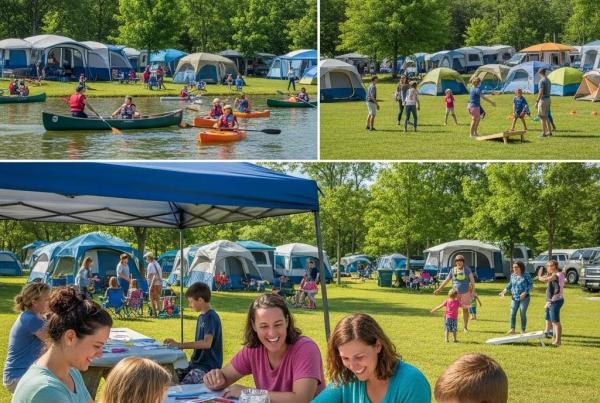
Seasonal camping sites offer a dedicated spot for an extended period, while nightly reservations are flexible, pay-as-you-go stays perfect for shorter visits. This guide compares seasonal and nightly camping to help families find their ideal option, balancing convenience and community with spontaneity and variety. You’ll discover the key advantages of seasonal camping, the benefits of nightly reservations, common drawbacks of each, and a practical guide to help you choose. We’ll cover costs, setup, and social aspects, using Walnut Hills Family Campground (part of GatherGrounds Resorts) as a real-world example for RV, tent, and cabin sites. If you’re weighing the benefits of long-term camping, the community feel of seasonal campgrounds, and the cost of extended stays against the flexibility of transient options, this guide offers clear comparisons and actionable steps. You’ll find quick lists, cost tables, and a decision checklist to make your choice easier.
What Are the Key Benefits of Seasonal Camping Sites?
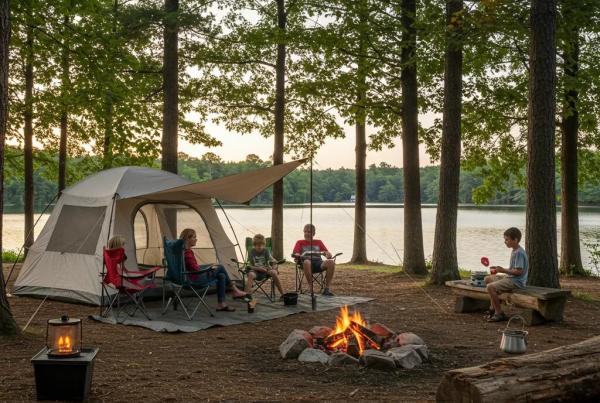
Seasonal camping sites provide a stable, reserved location for months, offering predictable access and the chance to personalize your spot. This long-term arrangement means less packing and setup each trip, encouraging regular use of campground facilities. The main draw is convenience and a sense of belonging that supports family routines and stronger social connections. Here’s a quick rundown of the primary seasonal benefits:
- Convenience and less setup: Enjoy a permanent setup that minimizes weekly packing and teardown.
- Community and regular events: Get to know your neighbors and join programmed weekends to build connections.
- Cost-effective for frequent visitors: The per-night cost often drops significantly for long-term stays.
- Guaranteed site and personalization: Arrange your furniture, storage, and landscaping just how you like it.
How Does Seasonal Camping Offer Convenience and Stability?
A seasonal site allows campers to maintain a semi-permanent setup, cutting down on the time spent loading, cleaning, and pitching each time you visit. With on-site storage and a personalized outdoor space, seasonal RV and tent sites eliminate repetitive setup tasks, making weekend visits much smoother. This saves time and reduces travel friction, making frequent short stays easier for families. Less logistical hassle often means more time enjoying campground amenities and less transition stress.
In What Ways Does Seasonal Camping Foster Community and Connection?
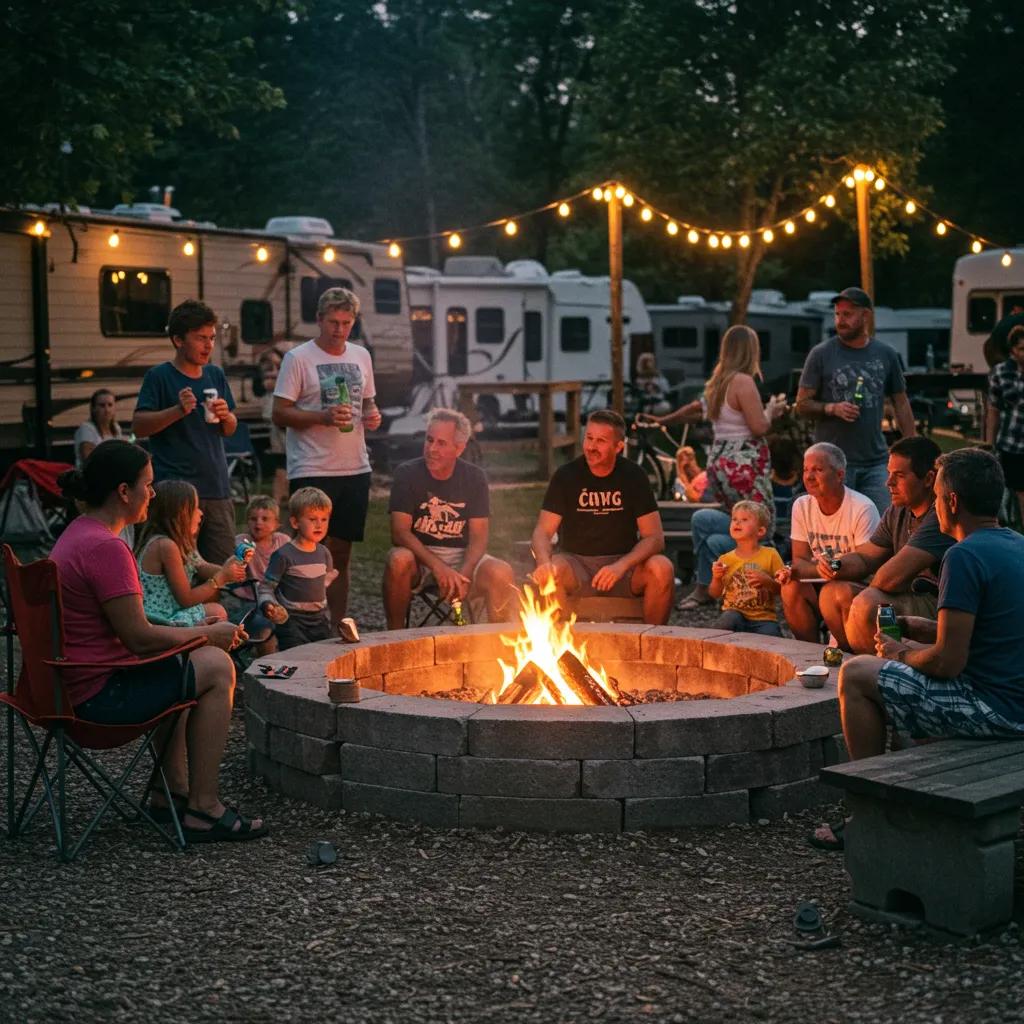
Seasonal camping helps build neighborly relationships because everyone returns to the same social circle, encouraging shared activities and mutual support. Regular weekend events and family programming create ongoing opportunities for children and adults to form friendships and dependable playgroups. Over time, community norms and informal networks develop, making social coordination—like carpooling, potlucks, and group floats—easier. These social dynamics can combat monotony by offering a predictable calendar of family-focused experiences.
How Can Seasonal Camping Save Money for Long-Term Campers?
Seasonal rates typically lower the per-night cost for frequent visitors by spreading fixed site fees across many stays, making it less expensive than repeated nightly reservations. You can also save on fuel and reduce wear and tear on your gear. Some campgrounds even offer discounts on facilities or amenities for seasonal guests. Comparing seasonal site costs can help you estimate break-even points and plan your camping budget. This table shows typical duration and cost structures to help guide your family’s budgeting:
This table illustrates how a seasonal campsite shifts spending from repeated nightly fees to a predictable seasonal commitment. Next, we’ll explore the advantages of nightly reservations.
After this section: Walnut Hills Family Campground (operated by GatherGrounds Resorts) offers RV | Tent | Cabins | Seasonal Sites, providing both seasonal and nightly options. This shows how a flagship campground can support long-term community while offering weekend flexibility.
What Are the Advantages of Nightly Camping Reservations?
Nightly camping reservations allow families to book short stays with minimal upfront commitment, enabling spontaneous travel and exploration of different campgrounds and site types. This pay-as-you-go booking system preserves mobility and allows for a variety of destinations and experiences. The key benefits are flexibility, lower initial cost, and the ability to try different lodging options—overnight tent camping, nightly RV sites, or short-stay cabins—without long-term obligations. Here are the primary advantages of nightly reservations:
- Flexibility to change plans: Book last-minute or easily opt for a different region.
- Variety of experiences: Try different campsites, amenities, and cabin or tent stays.
- Lower immediate cost: No season-long fee; ideal for occasional campers.
These advantages make nightly stays perfect for families seeking weekend camping flexibility. The following sections delve into spontaneity, variety, and booking considerations.
How Does Nightly Camping Provide Flexibility and Spontaneity?
Nightly camping empowers families to adapt to changing schedules, take advantage of good weather, and plan weekend getaways on short notice. The booking system allows for travel variety across regions and campgrounds, encouraging exploration and preventing monotony. Spontaneity also lets families chase seasonal events or local attractions without being tied to one base. This flexibility is especially valuable for travelers who prefer diverse outdoor experiences over a fixed home site.
What Variety of Experiences Can Nightly Campers Enjoy?
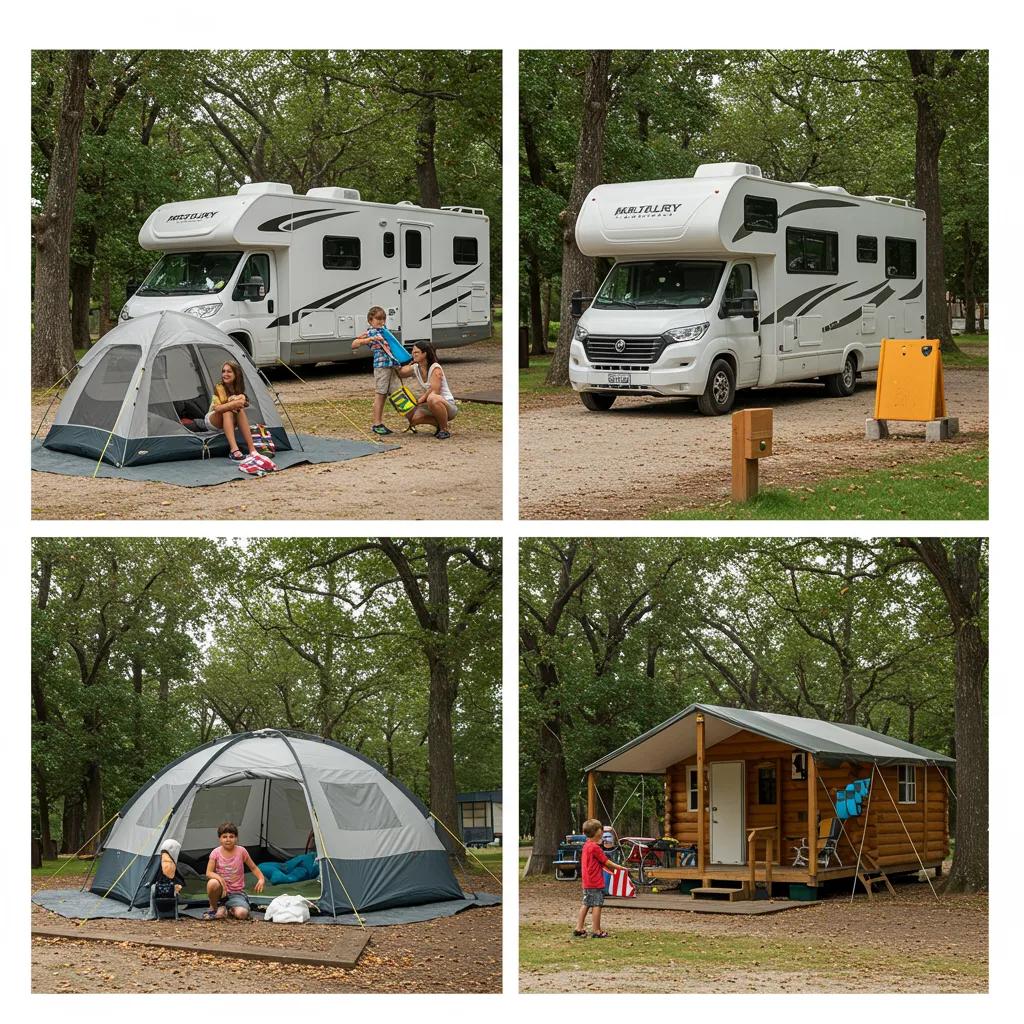
Nightly reservations let campers try different site types—overnight tent camping, short-stay cabins, or nightly RV sites—so families can compare comfort, cost, and convenience. Short stays offer access to diverse amenities on specific dates, like a water park day, playgrounds, or river floats, without a season-long commitment. Variety keeps trips fresh for children and adults alike. Sampling multiple experiences can help families decide if a seasonal site might better suit their long-term desires.
How Do Nightly Reservations Affect Upfront Costs and Booking Ease?
Nightly bookings reduce upfront financial risk because families only pay for the nights they stay, avoiding a single seasonal fee or long-term deposit. The trade-off is potential availability issues during peak times when demand and rates can rise, requiring early planning for holidays. Online reservation systems simplify booking, but flexible dates and mid-week stays often improve your chances. Campground booking calendars and alerts are helpful tools for managing availability during high-demand periods.
After this section: Walnut Hills Family Campground (operated by GatherGrounds Resorts) accepts nightly reservations for RV, tent, and cabin accommodations, offering a practical example of how families can book short stays to match weekend availability and event schedules.
What Are the Common Drawbacks of Seasonal Camping Sites?
Seasonal camping can limit travel flexibility, as a long-term commitment means your activities are centered at one campground, potentially discouraging extended trips elsewhere. The fixed site arrangement can create scheduling conflicts and logistical trade-offs that impact family travel plans and spontaneity. Costs and maintenance responsibilities are also downsides, as seasonal fees and winterization tasks add to owner workload and expense. Here’s a list of common seasonal drawbacks with tips to manage them:
- Reduced travel flexibility: Mitigate by arranging short sublets or planning periodic trips.
- Higher upfront costs and maintenance: Offset with shared maintenance services or phased upgrades.
- Social or neighbor conflicts: Address via community rules and participation in events.
These issues are manageable with planning, but they represent real trade-offs for families considering the benefits of long-term camping. The next subsections explore commitment, costs, and managing community dynamics.
How Does Commitment to a Seasonal Site Limit Travel Flexibility?
Committing to a seasonal site can anchor a family’s recreational calendar to one location, potentially reducing the desire to travel to distant destinations. Scheduling conflicts may arise if family members want different vacation styles, and long-term occupants might find coordinating absences more complex. Mitigation strategies include short-term site subletting, swapping weekends with friends, or planning local day trips to maintain variety. These approaches help preserve community ties while still allowing for occasional exploration.
What Are the Upfront Costs and Maintenance Responsibilities for Seasonal Campers?
Seasonal campers typically face a site fee, possible deposits, and periodic costs for utilities or site improvements, along with tasks like winterization and regular upkeep. The responsibility for maintaining a personalized site—from lawn care to weatherproofing—adds ongoing time and financial commitments. Some campgrounds offer shared maintenance services or amenity support that can reduce individual burden and allow for more relaxed seasonal occupancy. Understanding these obligations beforehand helps families budget and decide if the seasonal investment aligns with their resources.
How Can Seasonal Campers Manage Potential Social or Environmental Challenges?
Managing social and environmental challenges requires clear community guidelines, respectful communication, and active participation in campground events and stewardship programs. Establishing neighborly norms and conflict-resolution steps can prevent disputes and strengthen relationships. Environmental best practices—proper waste management, mindful landscaping, and maintaining utility hookups—protect the site and shared resources. Engaged seasonal residents often find that proactive involvement improves both the social climate and ecological outcomes.
What Are the Potential Downsides of Nightly Camping Reservations?
Nightly camping can lead to packing and setup fatigue, as frequent arrivals require dismantling and reassembling gear each trip. The booking system also carries a risk of availability issues during peak periods and can result in higher cumulative costs if families visit often. These trade-offs can make frequent short stays less efficient than a seasonal arrangement for heavy users. The list below summarizes the primary downsides and practical responses:
- Packing/setup fatigue: Use organized systems and gear checklists to speed up turnover.
- Reservation scarcity at peaks: Book early or choose mid-week stays for better availability.
- Potentially higher cumulative cost: Track spending and compare to seasonal rates periodically.
These downsides are manageable, but families should weigh them against the flexibility and variety that nightly stays offer. The following subsections break down packing impact, availability risks, and cumulative cost concerns.
How Can Frequent Packing and Setup Affect Nightly Campers?
Frequent packing increases time expenditure and physical strain, especially for families juggling children and pets during transitions. The repetition can also lead to increased wear on gear and reduce usable leisure time during short trips. Time-saving tactics like labeled bins, pre-packed trailers, and standardized campsite routines can shorten setup time. Considering longer block bookings when possible can also reduce turnover frequency and preserve energy for activities.
What Are the Risks of Reservation Availability During Peak Seasons?
High demand on holidays and summer weekends means nightly campers might find limited options or higher prices without early planning. The booking system favors those who reserve well in advance or remain flexible with their dates. Strategies to improve your chances include booking early, choosing mid-week stays, or using campground waitlists when available. Monitoring reservation calendars and planning around community event schedules can help families secure the spots they want.
How Might Nightly Camping Lead to Higher Cumulative Costs?
Repeated nightly fees can add up quickly for families who visit frequently, potentially exceeding the per-night equivalent of a seasonal site over the course of a season. The relationship between frequency and cumulative cost is direct: more nights mean multiplied expenses, and variable peak pricing adds unpredictability. Families should perform simple calculations comparing sample seasonal fees to projected nightly totals to identify cost thresholds. Where available, consider weekly or monthly discounts that reduce the per-night rate for extended blocks.
How to Decide Between Seasonal and Nightly Camping at Walnut Hills Family Campground?
Choosing between seasonal and nightly camping depends on how often you plan to visit, your budget for upfront costs, and whether you prioritize community or travel variety. A simple decision guide can help match your family’s preferences to the right option at a campground with broad amenities. Walnut Hills Family Campground (operated by GatherGrounds Resorts) supports both models across RV | Tent | Cabins | Seasonal Sites and features family-friendly attractions like a Wibit water park, swimming lake, playgrounds, and river float trips, which can influence suitability for either stay type. The table below maps key Walnut Hills amenities to the stay type they best serve:
This mapping clarifies how amenities support both transient camping options and long-term community building. Use the checklist below to decide which option suits your family.
Decision checklist — answer quickly:
- Do you visit multiple weekends per month? If yes, consider a seasonal site.
- Is upfront investment affordable? If no, nightly reservations offer lower immediate cost.
- Do you want a stable community? If yes, seasonal occupancy fosters relationships.
- Do you prefer exploring varied campgrounds? If yes, nightly stays preserve flexibility.
If most answers point toward frequent visits and a desire for community, submit a Seasonal Inquiries request to explore seasonal site availability. If flexibility and lower upfront cost are more important, Book Nightly reservations to secure weekend stays and sample amenities before committing.
Frequently Asked Questions
What should I consider when choosing between seasonal and nightly camping?
When deciding between seasonal and nightly camping, consider your family’s camping frequency, budget, and desire for community versus variety. If you plan to camp multiple weekends a month, a seasonal site may be more cost-effective and foster community ties. Conversely, if you prefer spontaneous trips and exploring different campgrounds, nightly reservations offer flexibility. Assess your family’s needs and preferences to determine which option aligns best with your lifestyle.
Are there any specific amenities that seasonal campers should look for?
Seasonal campers should look for amenities that enhance their long-term stay experience, such as on-site playgrounds, community event spaces, and recreational facilities like swimming pools or water parks. Access to shared resources, such as maintenance services and organized activities, can also significantly improve the seasonal camping experience. These amenities not only provide entertainment but also foster community engagement among seasonal residents.
How can families maximize their camping experience at Walnut Hills Family Campground?
Families can maximize their camping experience at Walnut Hills Family Campground by participating in organized events, utilizing amenities like the Wibit water park, and engaging with fellow campers. Planning group activities, such as potlucks or game nights, can enhance social connections. Additionally, families should take advantage of the campground’s natural surroundings for outdoor activities like hiking, fishing, or river floating to create memorable experiences together.
What are the best times to book nightly reservations to ensure availability?
The best times to book nightly reservations are during off-peak seasons, such as mid-week or outside of major holidays, to increase availability and potentially lower costs. Early booking is crucial during peak times, especially summer weekends and holiday periods, when demand is high. Monitoring campground calendars and setting alerts for availability can also help families secure their desired spots in advance.
How can families manage costs when opting for nightly camping?
To manage costs while opting for nightly camping, families should track their spending and compare it to seasonal rates periodically. Utilizing discounts for extended stays, such as weekly or monthly rates, can also help reduce the per-night cost. Additionally, planning trips during off-peak times can lead to lower rates and better availability, making it easier to enjoy camping without overspending.
What are some common challenges faced by seasonal campers?
Common challenges faced by seasonal campers include reduced travel flexibility, higher upfront costs, and maintenance responsibilities. Committing to a seasonal site can limit opportunities for exploring other campgrounds. Additionally, ongoing costs for utilities and site upkeep can add financial strain. To mitigate these challenges, families can plan short trips, share maintenance duties, and establish clear community guidelines to foster a positive camping environment.
Conclusion
Choosing between seasonal and nightly camping at Walnut Hills Family Campground allows families to align their camping experience with their lifestyle preferences and budget. Seasonal sites offer stability, community, and cost savings for frequent visitors, while nightly reservations provide flexibility and variety for spontaneous adventurers. Understanding these benefits empowers families to make informed decisions that enhance their outdoor experiences. Explore our options today to find the perfect fit for your camping needs!
“`