

Why Choose Campgrounds With Swimming Near Portage Lake, Michigan for Family Fun and Relaxation
Having on-site swimming near Portage Lake makes weekend camping simpler and more rewarding for families. When the water’s inside the campground, you spend less time loading the car and more time doing what matters—playing, cooling off, and building routines around safe swim windows. On-site swim areas deliver obvious perks like low-impact exercise, relief on hot afternoons, and easy, low-cost entertainment that fits multigenerational groups. Below we explain why swim amenities matter, what swim features to look for near Portage Lake, and how nearby spots like Waterloo State Recreation Area expand your options. You’ll also find practical planning tips—packing suggestions, reservation timing, and safety checks—and a local example at The Oaks Campground by GatherGrounds to show what a family-friendly swim stay can look like.
What Makes Campgrounds With Swimming Near Portage Lake Ideal for Family Camping?
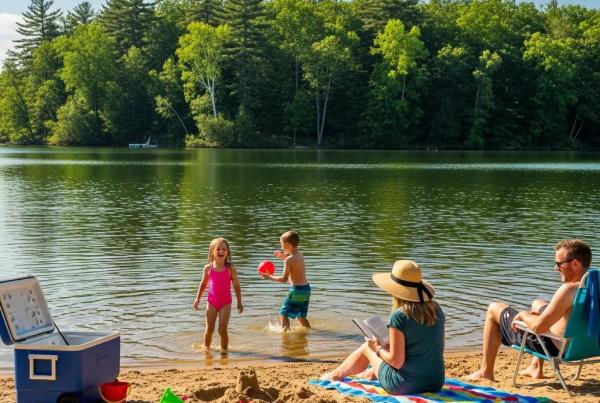
Campgrounds with swimming near Portage Lake pair easy water access with defined, supervised play areas that make outings safer and less stressful for caregivers. With the swim zone inside the campground, parents can keep an eye on kids while structuring the day—think morning swims, midday paddling, and evening beach games—without long drives. That convenience turns chaotic packing and shuttling into a relaxed, repeatable routine that helps preserve nap and meal schedules and makes family time feel effortless.
Swimming at a family campground brings three practical advantages:
- Active play and fitness: Swimming is low-impact, fun, and keeps everyone moving for extended periods.
- Clear supervision: Designated swim areas and good sightlines let caregivers watch kids with less worry.
- Affordable entertainment: On-site water removes the need for daily paid activities while offering richer outdoor play.
Those benefits shape calmer, better-managed days at camp—and help you pick the right site and plan daily rhythms that work for your family.
Next, we’ll look at how swim time itself improves the camping experience and daily routines for families.
How Does Swimming Enhance the Family Camping Experience?
Swimming creates a simple, inclusive routine that works across ages and abilities. Families often organize the day around swim windows—energizing morning laps, cooling mid-afternoon play, and quiet evening dips—that build healthy rhythms and predictable downtime. Young children learn motor skills in shallow water, older kids practice confidence-building challenges, and adults enjoy low-impact exercise or relaxed social time. Pair swims with nearby picnic areas, playgrounds, or quiet ponds, and you get balanced days that mix activity, rest, and connection.
Those patterns reduce decision fatigue and let caregivers plan side activities—short hikes, meals, or naps—without losing beach time. Below we show a local example of a campground that intentionally designs swim features for families.
Consider The Oaks Campground by GatherGrounds as a model for family-focused swim amenities near Portage Lake.
After this snapshot, we’ll detail the specific swim features The Oaks offers.
What Are the Unique Swimming Amenities at The Oaks Campground by GatherGrounds?
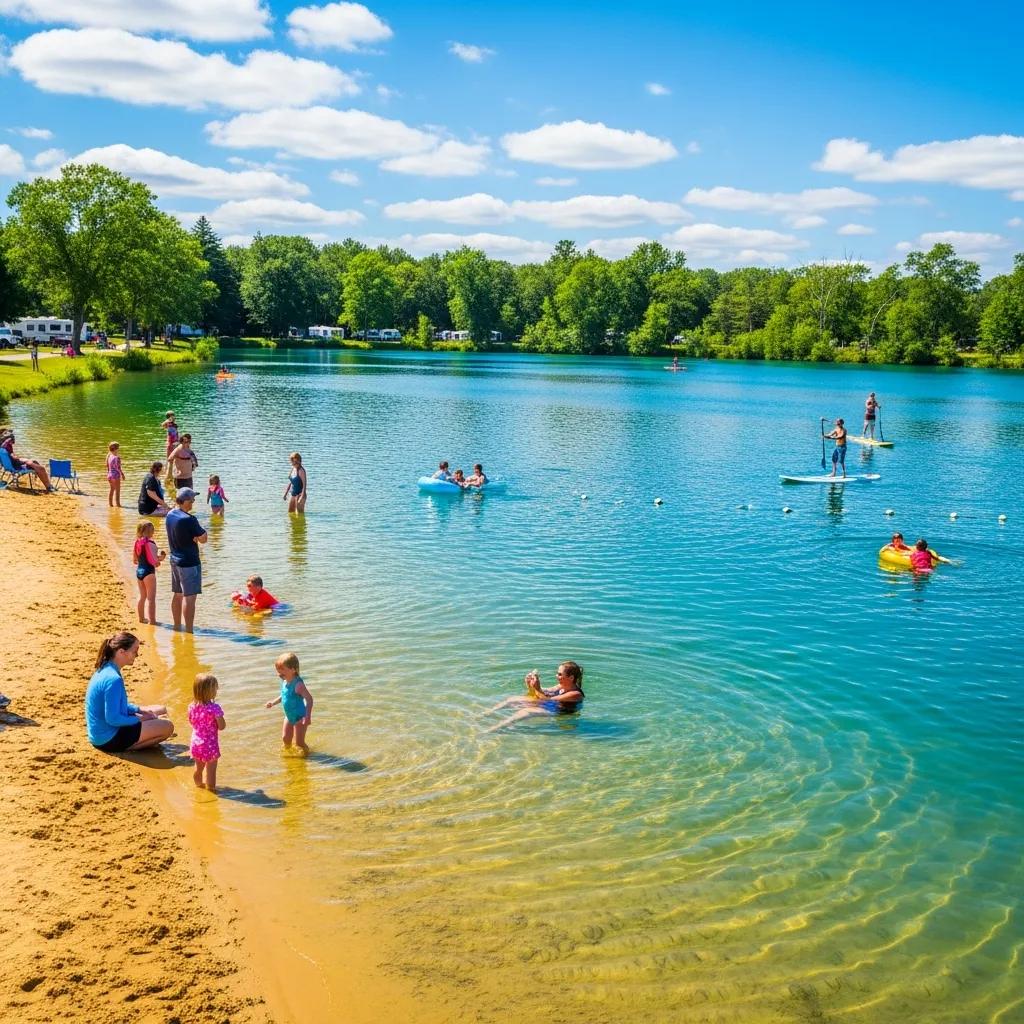
Family-first campgrounds typically mix private lakes, sandy beaches, gentle entry points, and clearly marked swim zones to support safe, multi-age play. The Oaks Campground by GatherGrounds follows that approach: a dedicated private swimming lake with a sandy beach, a nearby fishing pond for quieter moments, golf-cart trails for easy trips between sites and water, playgrounds and pavilions for after-swim play, and a planned Wibit inflatable water park expected in 2025. Together, these features offer layered water experiences—beach play, skills-building in a controlled lake, and future high-energy obstacle fun—so families can choose the right challenge for each child.
Purpose-built swim amenity comparison:
Mixing these aquatic elements helps meet the needs of multi-age groups better than a single water offering. The Oaks pairs these swim resources with family-friendly paths and infrastructure to keep water access convenient and safe. If you want a waterside or near-water site, The Oaks accepts reservations through its booking system and lists the campground address as 7800 Cutler Rd, Munith, MI 49259—check seasonal availability and site types when booking to secure the best spot.
Next we’ll zoom in on the private lake and the upcoming Wibit water park.
What Benefits Does The Oaks’ Private Swimming Lake and Sandy Beach Offer?
A private lake with a sandy beach centralizes play in a controllable setting where shoreline slope, water depth, and beach materials make exploration safer and more fun. The gradual entry and sand bottom let toddlers test the water close to shore while older kids swim farther out under supervision. Nearby campsites and golf-cart trails cut down on back-and-forth trips, so caregivers can grab forgotten items without missing long stretches of play. Designated swim zones and water-quality checks add predictability that you won’t always find at dispersed shorelines.
Suggested alt text and structured-data labels help visitors and search tools find this amenity—phrases like “private sandy beach at family campground” and schema marked as “swimmingLake” with attributes for “beachType” and “safetyFeatures” make the feature easy to discover.
These controlled lake and beach attributes simplify planning and set clear expectations for families seeking safe, playful water days. That foundation makes the upcoming Wibit addition a natural complement.
How Will the Upcoming Wibit Water Park Elevate Water Activities in 2025?
The planned Wibit water park will add inflatable, modular obstacles that bring energetic, timed play to older kids and teens while leaving calmer lake areas for younger children. Wibit’s modular design lets operators change difficulty and layout between visits, so the attraction stays fresh. For families, that means one destination can serve toddlers who want beach time, school-age kids who like paddling, and teens who want fast-paced obstacle runs. Operators typically set safety rules—flotation requirements, age or height limits, and supervised sessions—to manage risk.
Because Wibit sessions are often scheduled and capacity-controlled, the water park will likely use timed bookings. Families should expect to reserve spots for peak summer weekends to avoid disappointment and to plan swim-and-play schedules that stagger supervision between caregivers.
With The Oaks’ swim offerings and future attractions covered, we’ll expand the view to other water-based activities around Portage Lake and Waterloo State Recreation Area.
Which Water-Based Activities Are Available Near Portage Lake Besides Swimming?
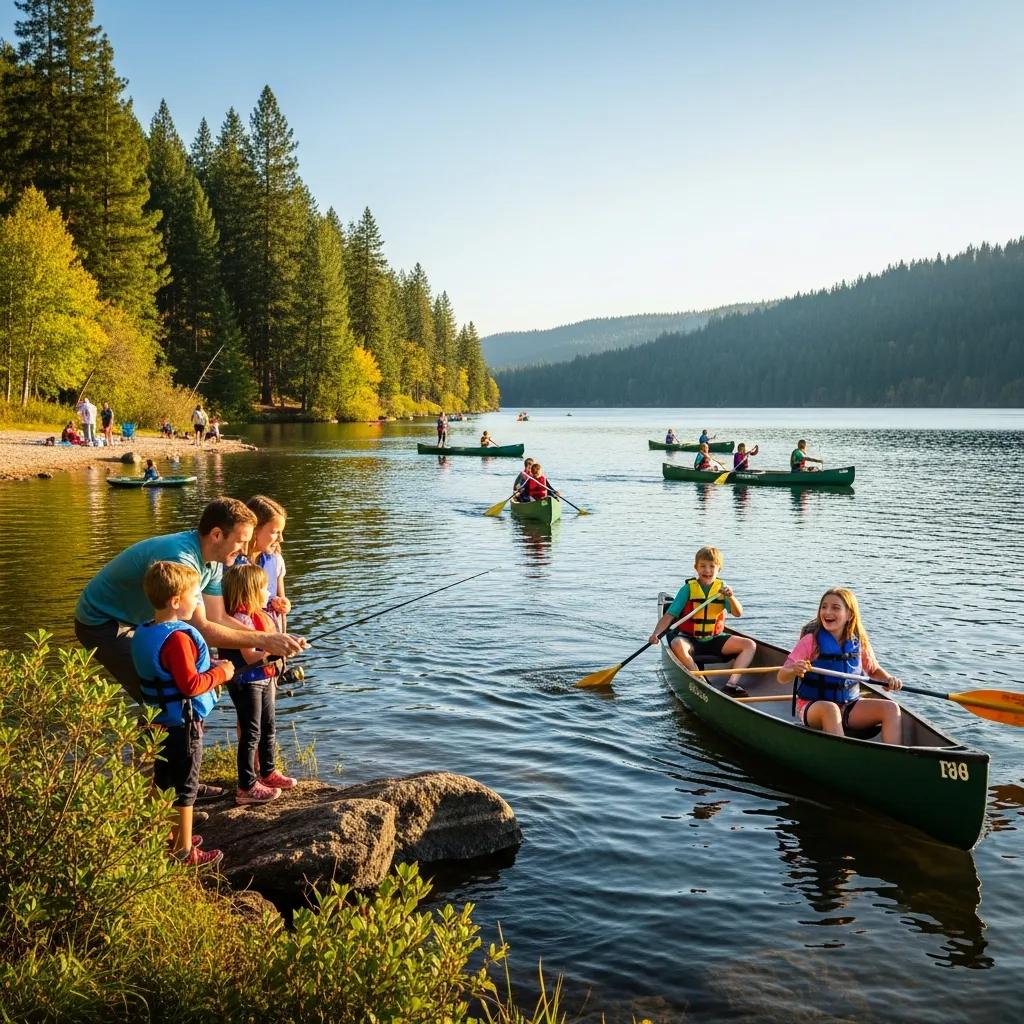
Campgrounds near Portage Lake sit inside a broader network of water recreation—fishing, paddling, shoreline exploration, and nearby park waterways—that let families vary their days without adding cost. A typical day might include a morning paddle to spot wildlife, a midday swim to cool off, and an evening shoreline walk to watch birds. Choosing activities by energy level helps families rotate members through different pursuits and keeps caregivers from being stretched too thin.
- Fishing: Shoreline or pond fishing for catch-and-release fun that teaches patience.
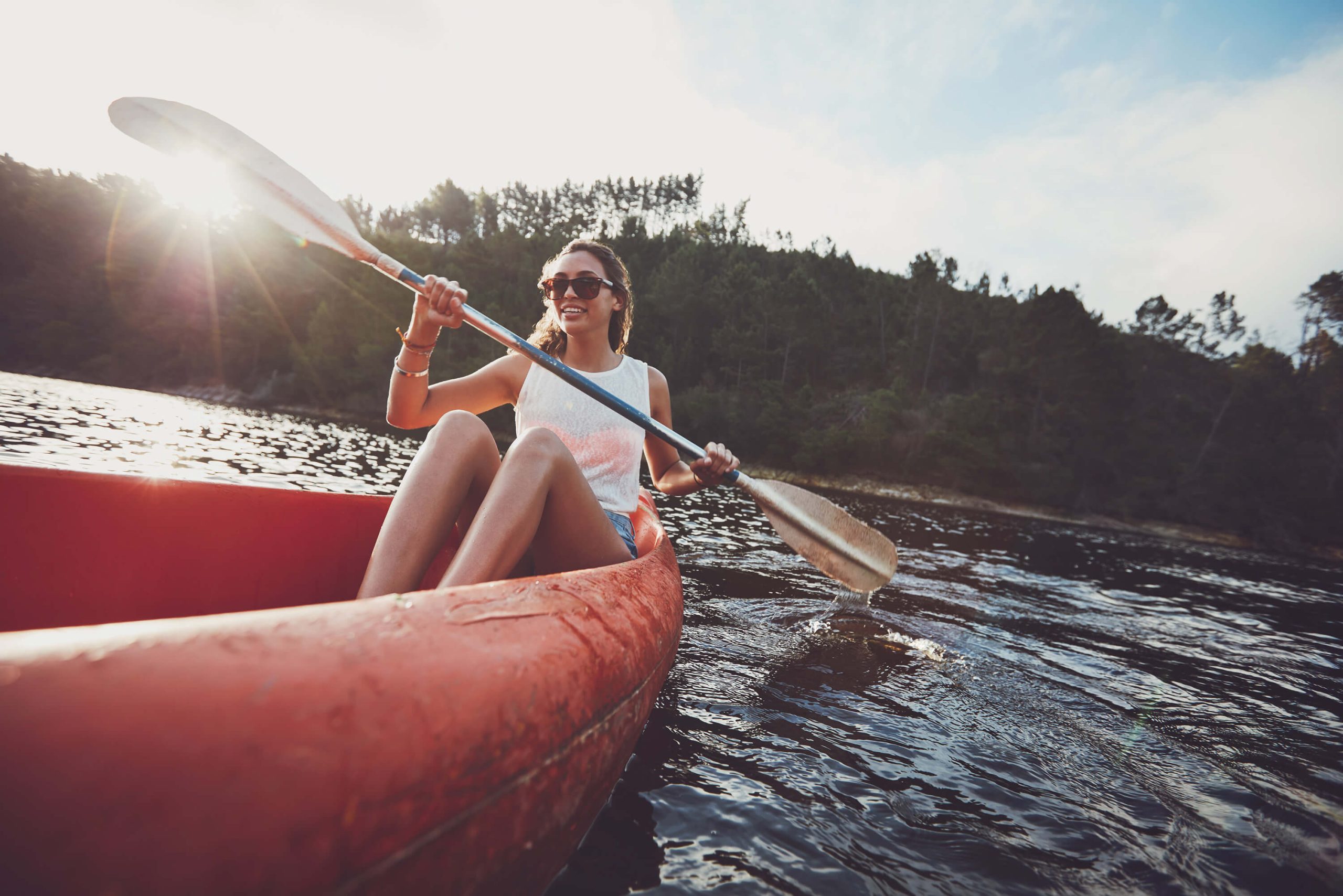
- Paddling: Canoe or kayak trips that build coordination and reveal shoreline wildlife.
- Shoreline exploration: Beachcombing and nature play that’s low-impact and easy for little ones.
Mixing these options across a multi-day stay keeps everyone engaged and lets you schedule calm and active periods to suit the group.
Activity suitability for families:
That quick comparison shows how rotating activities can match attention spans and energy levels across a family group.
Next we’ll outline what Waterloo State Recreation Area adds to the mix and how fishing and paddling fit with swimming.
What Family-Friendly Water Activities Does Waterloo State Recreation Area Provide?
Waterloo State Recreation Area offers additional access to lakes, ponds, and streams for family-friendly pursuits—shallow wading spots, supervised paddling launches, and nature trails that lead to quiet coves. Those park areas work well as day-trip complements to a campground swim, letting you combine a morning hike or interpretive walk with an afternoon at the beach. Park trails and interpretive programs are also great for school-age kids learning about local wildlife and ecosystems.
Practical tips: check drive times and trail conditions before you go, and plan quieter park activities during midday lulls so campground swim time stays easy and predictable.
With those park options in mind, fishing and paddling become strategic ways to stagger activities and keep the whole family satisfied.
How Does Fishing and Paddling Complement Swimming at Nearby Campgrounds?
Fishing and paddling add slower-paced, skill-building alternatives that pair well with energetic swim sessions. A morning paddle can be calming and exploratory, while afternoon fishing offers restful supervision that lets caregivers watch multiple kids at once. Staggering activities—paddling in the morning, swimming midday, fishing late afternoon—reduces fatigue and helps keep naps and meals on track. Recommended gear includes properly fitted life jackets for kids, simple rods for young anglers, and stable paddling craft for mixed-ability groups.
These activities also expand learning: paddling teaches navigation and teamwork, and fishing introduces basic ecology and catch-and-release responsibility—useful themes when choosing campgrounds and amenities.
Next we’ll look at how location and access influence the choice of swim-capable campgrounds near Portage Lake.
How Do Location and Accessibility Influence Choosing Campgrounds With Swimming Near Portage Lake?
Location matters: drive time, route simplicity, and access for gear-heavy vehicles often determine whether a family will book a weekend getaway. Campgrounds within a one- to two-hour drive of Ann Arbor, Detroit, and Jackson make practical weekend trips—less time in the car, more time at the site. Good access—well-maintained roads, clear signage to water features, and nearby parking—also helps families with strollers or little ones. The easier the logistics, the more likely you are to visit again.
Families usually weigh travel time, ease of hauling gear, and proximity to extras like Waterloo State Recreation Area when choosing a site.
Below we break down typical drive-time considerations and the benefits of park adjacency to help you choose.
Why Is Proximity to Ann Arbor, Detroit, and Jackson Important for Campers?
Shorter drives mean less transit stress and more usable time at the campsite—especially important for families juggling school and work. For many, one to two hours is the sweet spot for a weekend trip: it keeps routines intact, makes last-minute getaways realistic, and allows you to bring more comfortable gear for kids. Close proximity also widens emergency and supply options, so forgotten items are easier to replace.
Understanding these drive-time thresholds helps you plan how often to visit and which sites match your tolerance for travel.
Next, we’ll explain how being near Waterloo State Recreation Area elevates your stay.
How Does Being Near Waterloo State Recreation Area Enhance Your Camping Experience?
Adjacency to Waterloo State Recreation Area expands your options with longer trail networks, extra water access, and diverse habitats for wildlife viewing. Those park features pair well with a private campground swim—try an early-morning hike and an afternoon at the beach. Combining park and campground activities gives families variety, photo opportunities, and low-cost day trips that appeal to both active and relaxed members of the group.
With location and park adjacency clear, families can better choose campsite types and onsite amenities that support comfortable, water-focused stays.
What Camping Options and Amenities Support a Comfortable Stay With Swimming Access?
Your choice of site—RV, tent, or seasonal/group—affects how easily you enjoy swimming, handle gear, and maintain comfort with amenities like hookups, restrooms, and playground proximity. RV sites with full hookups make post-swim clean-up, laundry, and meal prep simpler; tent sites close to the shore offer instant beach access but need extra planning for shade and comfort. Many family campgrounds place playgrounds and pavilions near swim areas so kids can keep playing after they dry off. Knowing these trade-offs helps you match a campsite to who’s coming and how central swimming is to your trip.
Campsite type comparison:
This comparison helps you choose based on how central swimming is and how much infrastructure your group needs.
Next we’ll explore the advantages of specific site types and how facilities like hookups and playgrounds support swim-centered days.
What Are the Advantages of RV and Tent Sites Near Swimming Areas?
RV sites near the water offer convenience—full hookups and shaded areas make quick gear changes, cooking, and bedtime routines simpler after swim-heavy days. RVs also provide climate control and storage that reduce packing stress. Tent sites near the shore give immediate beach access and a classic camping vibe, perfect for families who want to be steps from the sand. Each option has trade-offs: RVs prioritize comfort, tents prioritize proximity and tradition.
Pick the option that matches how much convenience you want versus how important instant beach access is to your experience.
How Do Amenities Like Full Hookups and Playgrounds Complement Swimming Facilities?
Full hookups, showers, and playgrounds smooth the edges of a swim-focused stay. Hookups let you rinse gear, run small appliances, and stay comfortable; showers and restrooms make transitions between water and meals quick; playgrounds and pavilions offer shaded play when kids need a break. Together, these amenities create predictable daily rhythms—swim, rinse, eat, rest, and play—that keep everyone happier and less likely to get overtired.
With amenities clarified, the final section offers practical planning steps for booking, packing, and confirming safety before your water-centered trip to Portage Lake.
How Can Families Plan Their Stay at Campgrounds With Swimming Near Portage Lake?
Good planning focuses on reservation timing, smart packing for varied water activities, and confirming safety protocols before arrival. For peak summer weekends and holidays, book early to secure waterside sites and any timed attractions like water-park sessions. A concise packing list keeps swim gear, safety items, and comfort essentials organized so you avoid last-minute runs to town. Finally, confirm posted rules, lifeguard schedules (if any), and emergency procedures ahead of time so everyone knows what to expect.
Reservation and planning checklist:
- Book early for summer weekends: Reserve waterside or near-water sites several months ahead for peak dates.
- Pack layered swim gear: Bring properly fitted life jackets, quick-dry towels, sun protection, and a basic first-aid kit.
- Confirm safety protocols: Ask about designated swim zones, lifeguard hours, and emergency procedures before you arrive.
The sections below offer more detail on reservation timing and swim-area safety to help you prepare.
What Should You Know About Reservations and Seasonal Availability?
Reservation windows and seasonal schedules affect how easy it is to secure prime waterside spots and timed activities. For busy summer weekends and holidays, reserve several months in advance to lock in sites close to the lake and avoid distant options. Off-peak visits give you more flexibility and often quieter shorelines—ideal for families with small kids. When booking, confirm the site’s location relative to the lake and check cancellation policies and seasonal amenity changes so you can adjust plans if needed.
Knowing these timing realities helps you choose travel dates and accommodations that match your priorities for water access.
What Safety Measures Are in Place for Swimming Areas at These Campgrounds?
Family campgrounds typically use designated swim zones, posted rules, life-jacket policies, and either staff oversight or lifeguards during peak hours. Before you go, verify lifeguard schedules, flotation-device requirements, and how the campground handles emergencies and contact procedures. Pack safety gear—correctly sized life jackets for non-swimmers and a compact first-aid kit—to add an extra layer of protection. Set simple swim rules with children and use buddy systems to keep supervision clear and consistent.
1. Plan reservations with site location in mind so you secure proximity to the lake and nearby facilities.
2. Pack safety-first gear such as life jackets and a first-aid kit to complement campground measures.
3. Confirm campground protocols ahead of time to align expectations for supervision and any session scheduling.
Following these steps helps ensure swim-centered family trips near Portage Lake are safe, smooth, and worth repeating.
Frequently Asked Questions
What age groups are best suited for swimming at campgrounds near Portage Lake?
These campgrounds serve a wide range of ages. Young children benefit from shallow, protected areas, while older kids and teens can enjoy open swim, paddling, or water-park features. Designated swim zones and clear sightlines make supervision easier so caregivers can relax while kids play.
Are there any safety measures in place for swimming at these campgrounds?
Yes—most campgrounds use marked swim zones, posted rules, and lifeguards during peak hours when resources allow. Flotation-device policies are common, especially for younger swimmers. We recommend confirming specific safety measures with the campground before arrival and bringing properly fitted life jackets for non-swimmers.
What should families pack for a camping trip focused on swimming?
Pack layered swim gear, quick-dry towels, sunscreen, hats, and properly sized life jackets for non-swimmers. A first-aid kit, snacks, and plenty of water are also essential for long hours by the water. Planning a short checklist before you leave will save time and stress once you arrive.
How can families balance swimming with other activities during their stay?
Mix swim time with quieter activities like paddling, fishing, or trail walks. For example, try a morning paddle, a midday swim, and an evening fishing or shoreline walk. Staggering activities keeps everyone engaged and helps maintain naps and meal schedules.
What are the benefits of choosing a campground with a private swimming lake?
A private lake offers a controlled, less crowded setting with gradual entry points ideal for young children. It provides predictable water quality and defined swim zones, which make supervision simpler and create a more relaxed atmosphere for family bonding.
How do campgrounds near Portage Lake accommodate families with special needs?
Many campgrounds strive to be accessible—features may include accessible restrooms, paved paths to swim areas, and designated parking. Some sites offer adaptive equipment for water activities. Contact the campground directly to confirm specific accommodations and available resources so you can plan a comfortable stay.
Conclusion
Choosing a campground with on-site swimming near Portage Lake gives families a simple way to blend relaxation with active outdoor play. On-site water, clear supervision, and thoughtful amenities make days easier and more fun for every age. With a little planning—reserve early, pack safety gear, and confirm rules—you can create memorable, low-stress trips that become family traditions. Ready to get started? Explore recommended campgrounds and lock in the perfect spot for your next waterside escape.