

What Makes a Campground Family-Friendly Near Me: Top Amenities and Activities for Kids and Families
Finding a truly family-friendly campground means more than just a flat spot and a nearby restroom; it’s about a blend of safety, age-appropriate fun, and lodging that makes things easier for parents while maximizing enjoyment for the kids. This guide breaks down what makes a campground family-friendly, why certain amenities are game-changers, and how you can scout out the best options near you. You’ll discover which features truly support family comfort and child development, what activities create those unforgettable multi-generational moments, how pet policies play a role, why river access opens up new adventures, and the practical steps to book your perfect spot. If you’re searching for “best family campgrounds near me” or “family camping with river access Michigan,” you’ll find clear checklists, comparison charts, and sample itineraries to help you plan a fantastic trip. We’ll even use real-world examples from a local family campground operator to show how these signature features come together. With these tips and planning steps, you can confidently pick a campground that perfectly balances convenience, safety, and fun for everyone.
What Key Amenities Define a Family-Friendly Campground?
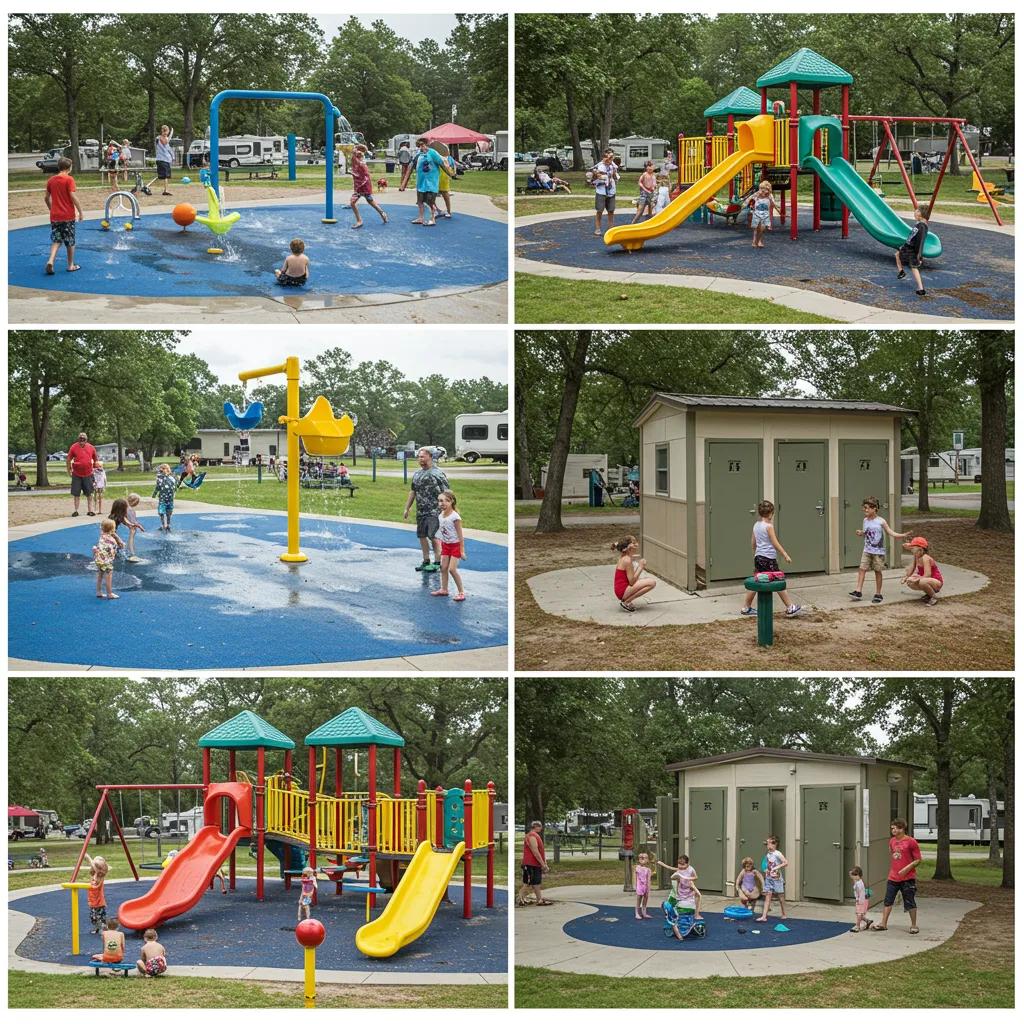
A family-friendly campground shines with amenities that prioritize safety, offer a variety of activities, and provide convenience, allowing parents to truly relax while the kids stay happily engaged and stimulated. These amenities work in harmony: water play encourages safe, active fun; playgrounds and sports areas foster social connections; and clean facilities paired with on-site services smooth out the logistical bumps for families. Here’s a quick rundown of the top family-focused amenities that consistently elevate the camping experience for households with children.
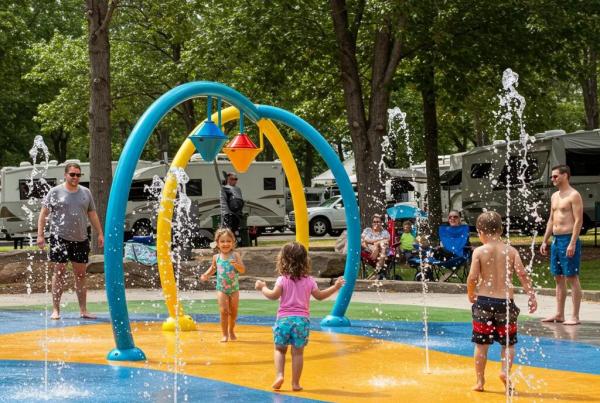
- Water play areas: Think pools, splash pads, and shallow zones designed with supervision in mind.
- Playgrounds and sports courts: Equipment and courts catering to various ages and energy levels.
- Clean, updated facilities: Accessible bathrooms and showers that make family care a breeze.
- Convenience services: A well-stocked campground store and readily available on-site staff for essentials and help.
- Lodging variety: Options from RV and tent sites to cozy cabins, fitting different family sizes and comfort preferences.
These amenities lay the groundwork for a great stay, directly influencing daily activities and packing choices, which we’ll dive into next.
Get ready for our amenity comparison table: Below, we compare several on-site amenities, detailing their typical size, recommended ages, and supervision needs to help you pinpoint what matters most for your family’s stay.
This comparison helps clarify which amenities need closer adult attention and which are best suited for specific age groups, guiding your site selection and packing decisions.
How Do Water Parks Enhance Family Camping Experiences?
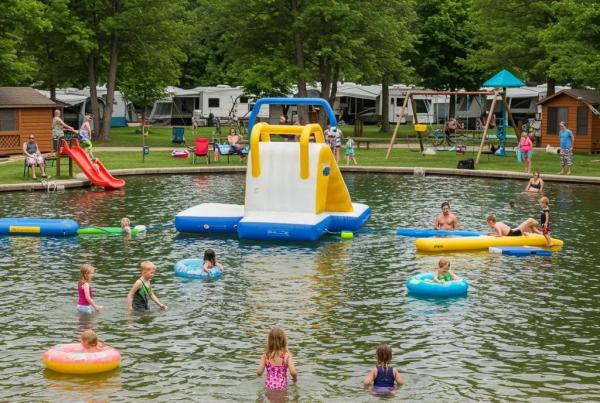
Water parks at campgrounds create vibrant hubs of family fun, encouraging active play, collaborative challenges, and picture-perfect moments. A Wibit-style inflatable water course offers accessible, dynamic thrills where kids and parents can join in together, strengthening bonds through playful teamwork and friendly competition. For safety, water inflatables typically require life jackets, have age restrictions, and are monitored by staff or lifeguards to minimize risks; families should always confirm supervision policies and peak usage times before arriving. Planning a half-day around the water park allows families to balance high-energy play with relaxed lake swims and shaded downtime, preventing younger children from getting overtired and giving caregivers predictable windows for supervision. Understanding these logistics naturally leads to considering land-based play and sports facilities to round out a full day on site.
Why Are Playgrounds and Sports Facilities Essential for Kids?
Playgrounds and sports facilities offer children vital opportunities for physical development, social interaction, and imaginative play that passive screen time often can’t match. A variety of equipment—from swings and climbing structures to gaga ball pits and sand volleyball courts—supports diverse motor skills and cooperative games, helping kids build confidence and friendships quickly. Organized or casual play sessions at sports areas provide easy ways for families to schedule active time between rest periods and meals, and they offer caregivers clear activity blocks for supervision planning. Thoughtful playground designs featuring shade, soft surfacing, and age-separated zones enhance safety and accessibility, which in turn reduces caregiver stress and boosts overall satisfaction with the stay. These land-based play options perfectly complement aquatic fun, allowing families to switch activity types throughout the day for balanced energy expenditure.
What Lodging Options Best Suit Family Needs: RV Sites, Tents, or Cabins?
Your accommodation choice significantly impacts comfort, logistics, and the overall flow of a family camping trip by defining space, available amenities, and ease of access to facilities. RV sites provide electricity and hookups that support family conveniences like refrigeration, lighting, and climate control, making them ideal for larger families or those with specific medical equipment needs. Tent sites offer a budget-friendly, close-to-nature experience, best suited for families comfortable with basic amenities and more hands-on parenting routines. Cabins combine the comforts of a solid structure—beds, weather protection, and privacy—with the campground setting, perfect for families seeking minimal setup and more restful nights. When choosing an accommodation type, consider its proximity to playgrounds and bathrooms, hookup availability, and whether the unit includes linens or kitchen facilities to minimize packing. These lodging considerations directly influence your booking strategy and reservation timing, which we’ll cover later.
Let’s look at a specific example: Walnut Hills Family Campground, managed by GatherGrounds Resorts in Durand, Michigan, perfectly illustrates how signature amenities come together on-site. They offer a Wibit water park and a swimming lake for diverse aquatic fun, updated bathrooms and showers for added convenience, multiple playgrounds and sports facilities for active land play, and a convenient campground store to meet family needs without requiring long trips off-site. These tangible examples help families visualize how a well-rounded amenity mix creates a seamless and enjoyable stay.
Which Activities Make Campgrounds Ideal for Kids and Families?

Family-friendly campgrounds offer a dynamic mix of organized programs and flexible, self-directed activities that appeal to various ages simultaneously. Key categories include supervised water play, engaging daytime craft and nature programs, lively evening community events, and sports or free play that encourage kids to develop independence. A well-balanced activity schedule helps families manage energy levels, maintain safety, and establish comforting routines that soothe younger children while exciting older siblings. Here’s a brief list of popular activity types that consistently engage family groups.
- Supervised water events: Think scheduled sessions on inflatables and dedicated lake swim hours.
- Crafts and kids’ programming: Look for scheduled arts, nature exploration, and simple STEM activities.
- Community games and sports: Enjoy family trivia, sand volleyball tournaments, and youth leagues.
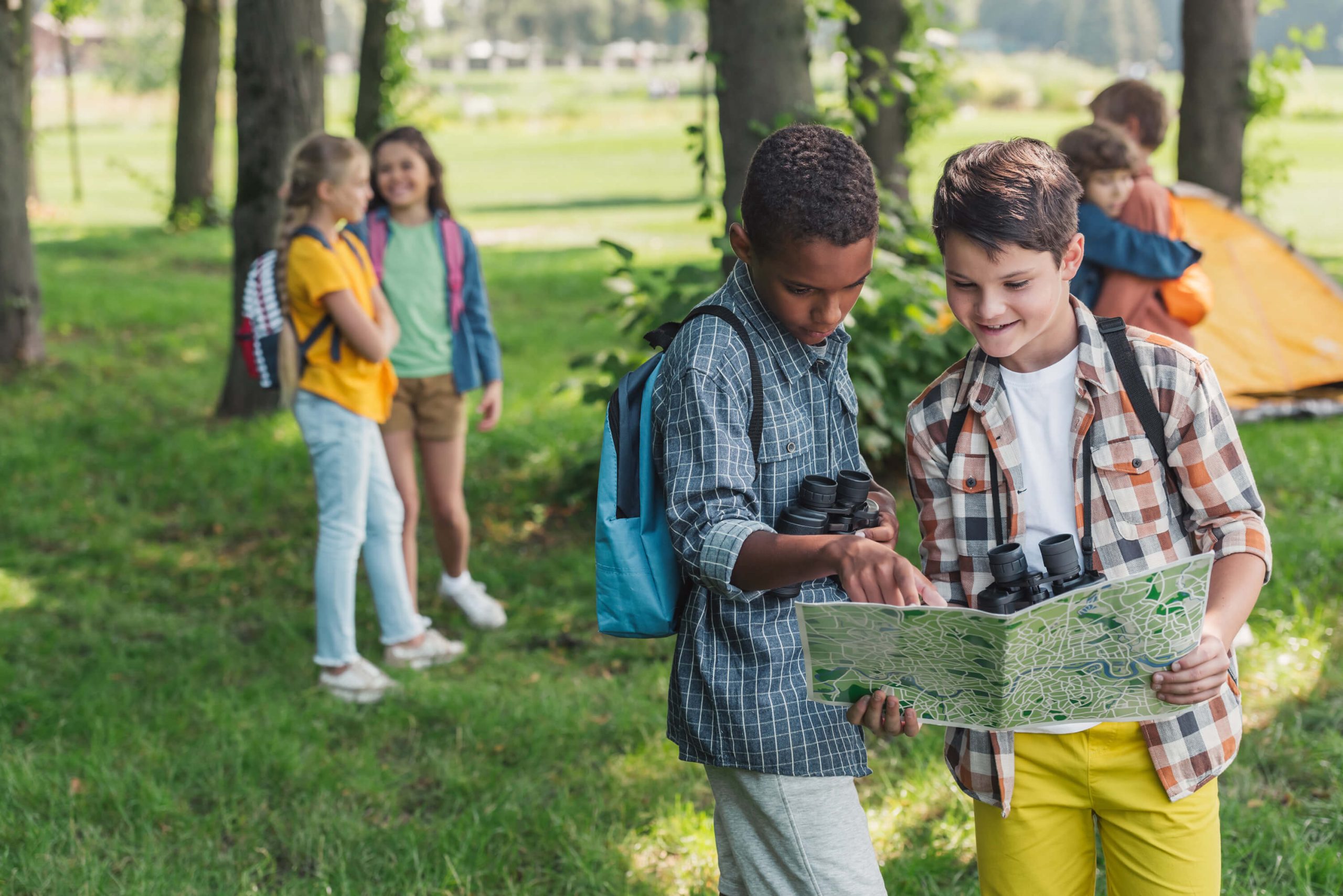
- Self-guided nature activities: Engage with scavenger hunts, short hikes, and wildlife spotting opportunities.
These activity types empower families to choose between structure and free play based on energy levels and moods, and they help set expectations for booking around popular weekend events.
Ready for our activity comparison table: The following table helps families plan their daily schedules by comparing activities based on typical duration and recommended ages, streamlining itinerary decisions.
This comparison helps parents structure days with realistic timeframes and age-appropriate expectations, which directly informs how long to book a stay and which activities to prioritize.
What Are the Best Kid-Friendly Water Activities at Campgrounds?
Kid-friendly water activities masterfully combine safety features with progressive challenges that keep children captivated while minimizing risk. Shallow swim areas, supervised Wibit inflatables, and scheduled lake swim times with lifeguards offer graduated experiences where younger children can splash safely and older kids can tackle more energetic obstacles. Essential safety practices include properly sized life jackets for children, clear supervision ratios, and pre-activity briefings that outline rules and entry/exit points. Parents should pack multiple sizes of life jackets, ample sun protection, and quick-dry towels to accommodate back-to-back water sessions, and coordinate swim times to align with lifeguard schedules. Being well-prepared for water days directly contributes to a calmer parental experience and more fun for the kids.
How Do Organized Weekend Events Create Memorable Family Fun?
Organized weekend events transform a campground into a vibrant community hub where families can share traditions, forge new friendships, and collect stories that last long after the trip ends. Themed craft mornings, family game nights, DJ dance parties, and scheduled competitions provide a helpful structure that simplifies planning and ensures every family member finds something to enjoy. Activity schedules that offer staggered options for toddlers, school-aged kids, and teens allow siblings of different ages to participate without conflict, and booking popular weekends in advance prevents disappointment. A sample weekend itinerary might pair morning Wibit sessions with midday crafts, afternoon river float trips, and early evening family trivia to balance activity types and rest. Knowing how events are staged helps families prioritize reservation timing and pack appropriately for each day’s adventures.
Integration note: Many family campgrounds feature robust weekend programming. For instance, Walnut Hills Family Campground highlights family and kid-friendly weekend events, including a game room and kids’ crafts, which can be seamlessly integrated into sample itineraries alongside their Wibit water park and other on-site amenities.
How Do Family-Friendly Campgrounds Cater to Pet Owners?
Welcoming pets without compromising family comfort requires clear policies, dedicated spaces, and effective sanitation infrastructure to minimize conflicts and safety concerns. A campground that truly supports families with dogs typically offers a spacious, fenced dog park, multiple convenient waste stations for quick cleanups, and designated pet-friendly areas that keep play zones and food-prep areas separate. Policies such as leash requirements, quiet hours, and proof of vaccination help protect both pets and children while maintaining a relaxed atmosphere. Communicating these rules clearly at booking and check-in prevents surprises and allows families to plan pet care around their activities.
- Fenced dog park: A secure area for off-leash play and exercise.
- Waste stations: Frequently placed, visible disposal points to maintain sanitation.
- Designated pet hours/areas: Strategically planned to minimize overlap with children’s playtimes.
These features contribute to a safer, more comfortable stay for families traveling with pets and set clear expectations that simplify logistical planning for caregivers.
What Features Should a Dog Park Have for Family Campgrounds?
An effective campground dog park should include secure fencing, a double-gated entry for added safety, separate zones for small and large dogs, shaded rest areas, and easy access to fresh water to keep pets comfortable. Safety-focused design minimizes escape risks and dog-to-dog conflicts, while convenient sanitation amenities like waste bags and trash bins help maintain cleanliness around family-use areas. Clear signage about park etiquette and attentive staff who enforce rules ensure that the dog park enhances, rather than detracts from, the family experience. When dog parks are thoughtfully designed, they allow caregivers to focus on other activities with peace of mind, knowing their pets have safe exercise options nearby.
How Do Campgrounds Balance Pet Safety and Family Comfort?
Balancing pet safety with family comfort hinges on policies and facility design that thoughtfully separate high-traffic family areas from pet activity zones and establish predictable routines for pet owners. Enforced leash rules, scheduled pet hours for shared spaces, and quiet hours help minimize disruptions during nap times or evening rest, while visible staff presence and clear cleanup procedures reduce potential health risks. These operational practices create a reliable environment for families with young children and pets alike, enabling both groups to enjoy the campground simultaneously without undue friction. Such policy design naturally informs booking choices and site selection for families traveling with animals.
Why Is Location Important for Family Camping Near Me?
Location is key, determining a campground’s convenience, its access to additional attractions, and the variety of activities available beyond the immediate site—all factors that significantly influence family satisfaction. Proximity to towns, manageable drive times, and nearby natural wonders like rivers or state parks allow families to plan easy day trips, access supplies effortlessly, and diversify their experiences without lengthy transfers. A campground with on-site water features and nearby river access expands options from swimming and inflatables to paddling or supervised float trips, creating multi-day activity variety that keeps children thoroughly engaged. Understanding how local features integrate with on-site amenities helps families choose a base that supports both relaxation and exploration.
How Do Nearby Attractions Enhance the Family Camping Experience?
Nearby attractions such as charming small-town museums, engaging nature centers, and short scenic trails offer low-effort day trips that break up longer stays and accommodate rest days for younger children. Drive time is a crucial consideration for families: attractions within a 20-40 minute drive are perfect for a half-day outing, while longer excursions necessitate early starts and more detailed logistical planning. Selecting a campground near a variety of attractions allows families to alternate high-energy on-site days with educational or leisurely off-site experiences, which helps prevent burnout and boosts overall satisfaction. These planning choices directly influence how long you should reserve a site and what types of accommodations would be most suitable.
What Role Does River Access Play in Family-Friendly Campgrounds?
River access significantly broadens the scope of water-based activities by enabling enjoyable float trips, easy paddling excursions, and beginner-friendly fishing, introducing children to new skills in a beautiful natural setting. Float trips on gentle rivers are typically half-day to full-day adventures that involve equipment rental logistics, safety briefings, and route planning; families should confirm available group sizes and recommended age minimums before committing. Rivers add scenic beauty to campsites and allow for staggered activity days—some family members can paddle while others enjoy on-site amenities—thereby enhancing flexibility. When river trips are locally integrated into campground programming, they provide a compelling reason to extend stays and create truly distinctive memories.
Integration note: For families seeking river-based adventures near Durand, Michigan, Shiawassee River float trips (canoeing, kayaking, tubing) offer a fantastic local option that perfectly complements on-site amenities, expanding the range of supervised and semi-structured activities available during a stay.
How Can Families Plan and Book Their Ideal Camping Trip?
Effective planning and booking involve matching accommodation types to family needs, reserving around popular event weekends, and confirming safety and convenience features in advance. Start by deciding between an RV site, tent site, or cabin based on your space requirements, desired amenities, and how much setup parents are willing to manage. Next, review event calendars and peak weekend schedules to avoid overbooking on high-demand dates, and prioritize sites close to playgrounds or bathrooms if you have very young children. Finally, prepare a comprehensive packing list and confirm reservation details such as check-in times and any required deposits to prevent surprises upon arrival.
- Choose accommodation by priority: Consider space, hookups, and privacy needs.
- Book early for event weekends: Popular family programming spots fill up fast.
- Confirm safety features: Look for lifeguards, renovated bathrooms, and on-site staff availability.
These steps streamline the booking process and make arrival day much calmer, increasing the likelihood of a successful family trip and freeing up more time for fun.
Let’s compare accommodation options: This table outlines common accommodation types, their key features, and practical booking tips to help families finalize their reservation decision.
This comparison clarifies the trade-offs among comfort, convenience, and cost, enabling families to select the lodging that best supports their vacation goals.
What Should Families Know About Booking RV, Tent, or Cabin Sites?
When booking, pay close attention to site location relative to amenities—sites near playgrounds reduce transit time for quick check-ins between activities, while quieter perimeter sites might offer better sleep for young children. Confirm that your chosen RV site has the specific hookups your rig requires, and review cabin details for sleeping capacity and essential amenities to avoid overpacking. For tent campers, look for level ground, nearby restroom access, and shade for daytime naps. Incorporating these site-selection priorities into your reservation checklist significantly reduces day-of stress and maximizes usable family time.
How Do Safety and Clean Facilities Impact Family Camping Choices?
Safety features and clean facilities are among the highest-weighted selection criteria for families because they directly influence daily routines, hygiene, and parental peace of mind. The presence of lifeguards, fenced play areas, visible staff, updated bathrooms, and clear cleaning protocols lowers perceived risk and allows caregivers to truly relax. Campground descriptions and reviews often highlight these features, so families should confirm them when booking and don’t hesitate to call ahead with any clarifying questions. Prioritizing these elements ensures that the chosen campground supports predictable, safe, and comfortable family stays.
Book Your Family Camping Adventure: After selecting your preferred dates and accommodation type—whether RV sites, tent sites, or cabins—book early for sought-after family event weekends and confirm any special requirements to secure the best possible experience for your household.
Frequently Asked Questions
What should families consider when choosing a campground location?
When selecting a campground location, families should consider proximity to attractions, ease of access, and the variety of activities available nearby. A campground close to towns can provide easy access to supplies and dining options, while those near natural attractions like rivers or parks offer opportunities for exploration and adventure. Additionally, consider the drive time to these attractions; ideally, they should be within a 20-40 minute drive for convenient day trips. This balance enhances the overall camping experience by allowing for both relaxation and exploration.
How can families ensure a safe camping experience for their children?
To ensure a safe camping experience for children, families should prioritize campgrounds with visible safety features such as lifeguards at water areas, fenced playgrounds, and well-maintained facilities. It’s also essential to review campground policies regarding supervision, especially for activities like swimming or sports. Parents should prepare by packing safety gear, such as life jackets, and establish clear rules for children regarding boundaries and safety practices. Engaging with campground staff for guidance on safety protocols can further enhance peace of mind during the stay.
What types of organized activities can families expect at campgrounds?
Families can expect a variety of organized activities at campgrounds, including supervised water play sessions, arts and crafts programs, community games, and nature exploration activities. These events are designed to cater to different age groups, allowing siblings to participate simultaneously without conflict. Many campgrounds also host themed events, such as family trivia nights or sports tournaments, which foster community engagement and create memorable experiences. Checking the campground’s activity schedule in advance can help families plan their days effectively and ensure participation in popular events.
How do pet policies affect family camping trips?
Pet policies can significantly impact family camping trips by determining the level of comfort and safety for both pets and children. Campgrounds that welcome pets typically provide designated areas for dogs, such as fenced dog parks and waste disposal stations, which help maintain cleanliness and safety. Families should review specific pet policies, including leash requirements and designated pet hours, to ensure a smooth experience. Understanding these rules allows families to plan pet care around activities, ensuring that both pets and children can enjoy the campground without conflict.
What are the benefits of booking early for family camping trips?
Booking early for family camping trips offers several benefits, including securing preferred accommodations and ensuring availability during popular event weekends. Many family-friendly campgrounds fill up quickly, especially during peak seasons or holiday weekends, so early reservations can prevent disappointment. Additionally, booking in advance allows families to plan their itinerary around organized activities and events, maximizing their camping experience. Early reservations also provide more time to prepare packing lists and confirm any special requirements, leading to a smoother arrival and more enjoyable stay.
How can families balance structured activities with free play during their camping trip?
Balancing structured activities with free play during a camping trip can enhance the overall experience for families. Campgrounds often provide a mix of organized events, such as crafts and sports, alongside opportunities for unstructured play, like exploring nature or playing games. Families can create a flexible schedule that allows for participation in organized activities while also leaving time for spontaneous adventures. This approach helps manage energy levels, accommodates different interests, and fosters independence in children, making the camping experience enjoyable for everyone.
Conclusion
Choosing a family-friendly campground ensures a memorable experience filled with safety, engaging activities, and convenient amenities tailored for all ages. By understanding the key features that enhance family camping, you can make informed decisions that prioritize comfort and fun for everyone. Don’t miss out on the opportunity to create lasting memories—start planning your next family camping adventure today. Explore our recommended campgrounds and find the perfect spot for your family getaway!