

Top Tips for Finding Campgrounds Near You for Tents and RVs Together
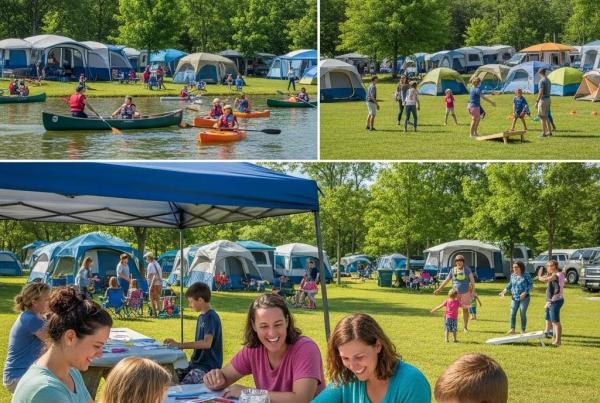
Discovering a campground where tents and RVs can camp side-by-side—what we call mixed camping—means your whole crew stays together, no matter their preferred sleeping arrangements. This guide walks you through smart search tactics, essential amenity checklists, how to spot important review and policy details, and the best ways to book. It’s all about helping you find campgrounds for tents and RVs right in your area. Mixed camping works by using site-type filters, checking site maps, and directly confirming policies to ensure you get adjacent or compatible spots. The payoff? Less driving, easier supervision of kids and pets, and smoother gear and vehicle management. You’ll learn where to look, which filters really matter, how to interpret reviews and rules, and when to book. We’ll even highlight family-friendly examples, like Walnut Hills Family Campground, part of the GatherGrounds Resorts family in Durand, Michigan, to show you the site options and how easy online booking can be.
How Can You Find Campgrounds That Accommodate Both Tents and RVs Near You?
A mixed camping search is a smart combination of using platform filters, confirming layouts on site maps, and directly checking policies to make sure tents and RVs can camp together at the same location. This approach significantly reduces the chance of booking incompatible sites and keeps your family groups close. Start by choosing platforms that offer site-type filters, then verify the layouts with site maps and photos before diving into the rules or contacting the staff. These steps make it quicker to find campgrounds for tents and RVs and boost your chances of snagging adjacent spots.
Which Online Platforms Help Locate Mixed Tent and RV Campgrounds?

Online platforms generally fall into three helpful categories: national directories, crowd-sourced apps, and direct campground reservation systems. National directories provide structured filters for both RV and tent sites, while crowd-sourced apps offer user photos and layout details that give you a real sense of site proximity. Direct reservation systems often feature site maps and show real-time availability, making it much easier to secure adjacent spots. Mobile apps are great for quick checks on the go, while reservation systems are your best bet for guaranteed bookings.
What Filters Should You Use to Identify Family Campgrounds with RV and Tent Sites?
Be sure to use filters that specifically highlight both RV and tent options, along with family amenities that are great for groups. Look for filters like RV hookups, tent sites, site size, and pet-friendly options to match the needs of your mixed group. Prioritize searches that display site maps, 30/50 amp electrical specifications, and notes about pull-through sites for larger rigs. Choosing these filters will help you create a shortlist of properties that can comfortably host mixed camping groups without any unpleasant surprises.
How Do Location and Regional Factors Affect Campground Search?
Regional seasonality, how far you need to drive, and local regulations all play a role in whether a campground is a practical choice for mixed camping. Peak summer weekends and local events mean high demand, while weather patterns can influence how comfortable tent sites are compared to RV spots. For RV travelers, route constraints and travel time are key considerations; for tent campers, being close to bathhouses and having shade often matters more. Thinking about these regional factors will help you pick locations that fit both your logistical needs and your family’s recreation plans.
After you’ve narrowed down your options using platforms and filters, remember that some campgrounds—like Walnut Hills Family Campground, operated by GatherGrounds Resorts in Durand, Michigan—explicitly list both RV and tent site options and support real-time online reservations. Looking for properties that advertise RV and Tent Sites alongside an Online Reservation System will help you move smoothly from discovery to booking.
What Key Amenities Should You Look for in Campgrounds for Mixed Camping Groups?
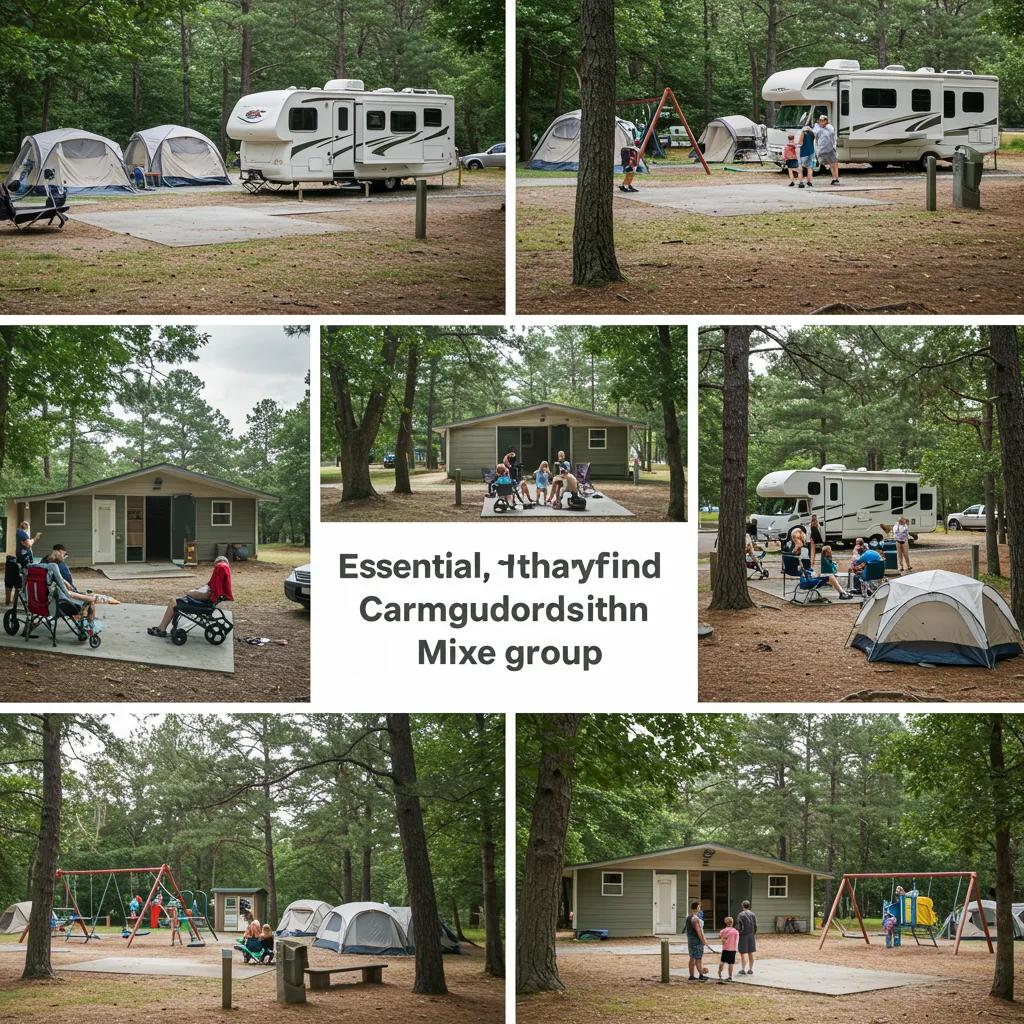
Essential amenities generally fall into three categories: those specifically for RVs, features for tent sites, and shared facilities that benefit the entire group. Evaluating these categories will help families prioritize comfort, convenience, and safety when camping together. Start by confirming the RV hookup details and site dimensions, then check tent-site characteristics like level ground and shade, and finally, ensure the shared amenities align with your family’s activity preferences. Focusing on these amenities will reduce friction and enhance the overall camping experience for your mixed group.
Which RV Amenities Are Essential for Comfortable Stays?
RV campers need reliable hookups and sufficient site space to camp comfortably alongside tent campers. Make sure to confirm full hookups (water, electric, sewer) and amperage specifications like 30/50 amp, as your equipment depends on the electrical capacity. Check the site length and whether pull-through sites are available for easier maneuvering of larger rigs, and verify on-site dump stations and potable water access. These RV features help reduce setup time and increase compatibility with adjacent tent sites.
What Tent Site Features Enhance the Camping Experience?
Tent campers will appreciate level pads, restrooms nearby, and sheltered areas for family activities. Look for designated tent areas with clear tent pads, picnic tables, and fire rings that are perfect for family meals and safe campfires. Shade and good drainage features will improve comfort during hot weather or rain, while being close to bathhouses means fewer inconvenient walks for children. These tent-site features make co-camping with RVs simple and family-friendly.
What Shared Amenities Benefit Both Tent and RV Campers?
Shared facilities such as clean bathhouses, recreational areas, and pet-friendly spaces add significant value for mixed groups by catering to diverse needs. Bathhouses and hot showers help equalize comfort between tent and RV campers, while family recreation options—like water play, playgrounds, and organized events—keep children happily engaged. Pet facilities and convenient services like a small camp store or game room can support longer stays and reduce logistical hassles. Prioritizing shared amenities that match your group’s interests will maximize everyone’s enjoyment.
Here’s a quick look at amenity comparisons: the table below compares RV, tent, and shared amenity attributes so you can quickly scan priorities for mixed camping.
This quick comparison helps clarify which amenities to confirm when booking mixed camping sites and assists you in prioritizing what matters most for your group.
How Do Reviews and Campground Policies Influence Your Choice of Tent and RV Friendly Sites?
Reviews and official policies work together to reveal whether a campground can truly host tents and RVs together without any surprises. Reviews offer on-the-ground insights like site spacing and noise levels, while policies clearly state vehicle limits, occupancy caps, and rules for generators or fires. Use reviews to validate policy claims and don’t hesitate to call the campground if any policy language is unclear; this significantly reduces booking risk and helps you avoid penalties. Reading both sources carefully will help you choose properties that reliably accommodate mixed camping groups.
What Should You Look for in User Reviews About Mixed Camping Experiences?
User reviews often uncover practical details that aren’t always in official descriptions, such as how close tent pads are to RV sites and whether family events tend to create noise. Pay close attention to recent comments about site spacing, how responsive the staff is, cleanliness, and whether reviewers specifically mention mixed-family setups. Favor reviews that detail the exact site type you’re planning to book, as these are usually the most predictive of your own experience. Use these review signals to confirm the campground’s suitability for combined tent and RV stays.
Which Campground Rules Affect RV and Tent Site Compatibility?
Policies concerning vehicle counts, site occupancy, quiet hours, and fire regulations directly impact mixed-group stays. Confirm the limits on the number of vehicles and any extra-vehicle fees, and check whether quiet hours align with your children’s schedules or any planned event programming. Ask about generator rules and whether multiple adjacent sites can be reserved for a single group. Understanding these rules before you book will prevent surprises and help you negotiate requests where flexibility might exist.
Here’s how review insights connect to policy checks: the table below maps common review signals to the policy considerations they tend to reflect, helping you translate comments into informed booking decisions.
This mapping helps you interpret reviews in terms of concrete policy checks to perform before you reserve your spot.
Why Is Walnut Hills Family Campground an Ideal Choice for Families Camping with Tents and RVs in Michigan?
Walnut Hills Family Campground, operated by GatherGrounds Resorts in Durand, Michigan, is a prime example of a family-focused property that offers multiple accommodation types and plenty of family amenities. The campground features RV sites with full hookups and spacious areas for tent camping, plus cozy cabin rentals for those who prefer solid walls. These diverse site options allow families to create mixed setups where some members can bring their RVs, others can pitch tents, and some can stay in cabins, all while camping together on one property.
What RV and Tent Site Options Does Walnut Hills Offer?
Walnut Hills provides RV sites equipped with full hookups, alongside generous tent camping areas and comfortable cabin rentals. Full hookups are ideal for larger rigs and offer the convenience RV travelers expect, while spacious tent areas allow for family tents and adjacent group setups. Cozy cabin rentals serve as a great alternative for smaller parties or mixed groups seeking private sleeping quarters. Choosing among these options lets families balance comfort, budget, and proximity perfectly.
Which Family-Friendly Activities and Amenities Are Available at Walnut Hills?
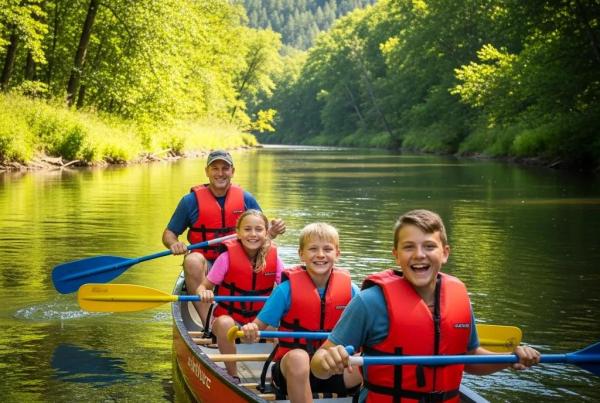
The property boasts family amenities designed to appeal to a wide range of ages and interests, including a Wibit water park, a swimming lake, relaxing river float trips on the Shiawassee River, playgrounds, a dog park, sports courts, a game room, and organized weekend events. These amenities provide effortless entertainment options and keep children engaged while adults can supervise nearby. The blend of active and passive amenities significantly enhances the value for multigenerational groups and families with pets.
How Can You Easily Book Your Stay at Walnut Hills Family Campground?
Walnut Hills makes booking easy with its Online Reservation System, which displays real-time availability and site types. Use the reservation system to filter for RV and Tent Sites, review site maps, and select adjacent spots whenever possible; be sure to add reservation notes requesting group adjacency. Book well in advance for peak weekends and organized events to secure your desired sites and confirm policies for vehicles and occupancy before finalizing your reservation.
What Are the Best Practices for Booking Tent and RV Friendly Campsites Near You?
Best practices involve smart timing, effective reservation tactics, and clear communication with campground staff to secure adjacent or compatible sites. Book with ample lead time, especially during peak season, utilize reservation system filters and site maps, and communicate your requests via reservation notes or a phone call. Keep an eye on cancellation policies and plan your payment and backup options to minimize risk. These practices significantly increase the likelihood of a smooth mixed camping experience for your family.
When Is the Best Time to Book Mixed Camping Sites?
It’s best to book early for summer and holiday weekends when demand is at its highest, and consider the shoulder seasons for better availability and fewer crowds. As a general rule, reserve several weeks in advance for peak periods and keep an eye on same-day availability through apps for last-minute opportunities. Planning around specific event weekends at campgrounds is crucial if you want adjacent sites for your family group. Early booking ensures you get your preferred site types and adjacency.
How Can You Use Online Reservations to Secure Your Family Campground Spot?
Leverage the filters and site maps within the Online Reservation System to identify adjacent RV and tent sites, and then add clear reservation notes requesting grouped placement. If notes alone aren’t sufficient, follow up with the campground directly to confirm adjacency and clarify any policies regarding extra vehicles or occupancy. Always verify cancellation and change policies before making a payment and save all confirmations to streamline your check-in process. These steps will transform an online discovery into a reliable on-site experience.
Here are your booking action steps: the table below summarizes actionable booking items you can follow to secure mixed camping sites.
Applying these booking actions reduces uncertainty and increases the likelihood that tents and RVs can camp together successfully.
Frequently Asked Questions
What are the benefits of mixed camping for families?
Mixed camping allows families to enjoy the outdoors together while accommodating different sleeping preferences. Tents and RVs can be set up close to each other, facilitating easy supervision of children and pets. This arrangement also simplifies logistics, as families can share resources and amenities. Additionally, mixed camping can enhance the overall experience by providing a variety of accommodations, allowing each family member to choose their preferred setup while still enjoying communal activities and bonding time.
How can I ensure my group is placed together at a campground?
To ensure your group is placed together, communicate your needs clearly during the booking process. Use online reservation systems to filter for adjacent sites and include specific requests in reservation notes. It’s also beneficial to contact the campground directly to confirm your requests and discuss any special arrangements. Booking early, especially during peak seasons, increases the likelihood of securing the desired sites together, so plan ahead to avoid disappointment.
What should I consider when choosing a campground for mixed camping?
When choosing a campground for mixed camping, consider the amenities that cater to both RV and tent campers, such as full hookups for RVs and level tent pads. Evaluate the campground’s policies regarding vehicle limits, occupancy, and quiet hours to ensure compatibility with your group’s needs. Additionally, look for family-friendly activities and shared facilities that can enhance the experience for all members. Proximity to local attractions and natural features can also influence your choice.
Are there specific campgrounds known for accommodating mixed camping?
Yes, many campgrounds are known for accommodating mixed camping, such as Walnut Hills Family Campground in Michigan. These campgrounds typically offer a variety of site types, including RV sites with full hookups and spacious tent areas. They often provide family-friendly amenities and activities that cater to diverse interests, making them ideal for groups with varying preferences. Researching and reading reviews can help identify campgrounds that excel in mixed camping accommodations.
What are the common challenges faced during mixed camping?
Common challenges during mixed camping include coordinating logistics between different types of accommodations, such as ensuring adequate space and amenities for both tents and RVs. Noise levels can also be a concern, especially if events are happening nearby. Additionally, differing needs for facilities, such as restroom proximity for tent campers, can create friction. Clear communication and planning can help mitigate these challenges, ensuring a smoother experience for everyone involved.
How can I find reviews specific to mixed camping experiences?
To find reviews specific to mixed camping experiences, search for campground reviews on platforms that allow filtering by site type, such as RV and tent sites. Look for comments that mention family setups, site proximity, and overall experiences with mixed groups. Websites like TripAdvisor, Yelp, and campground-specific forums often have detailed user feedback. Pay attention to recent reviews, as they provide the most relevant insights into current conditions and policies.
What are the best practices for maintaining a good camping experience for both RV and tent campers?
To maintain a good camping experience for both RV and tent campers, establish clear communication about shared spaces and schedules. Respect quiet hours and be mindful of noise levels, especially during late-night activities. Ensure that shared amenities, like bathrooms and recreational areas, are kept clean and accessible for everyone. Planning group meals and activities can also foster a sense of community while allowing each camper to enjoy their preferred setup comfortably.
Conclusion
Finding campgrounds that accommodate both tents and RVs enhances family bonding and simplifies logistics for mixed camping groups. By utilizing effective search strategies, filtering options, and understanding campground policies, you can secure the ideal site for your needs. Explore the diverse amenities and activities available at family-friendly campgrounds like Walnut Hills to ensure a memorable experience. Start planning your next adventure today and discover the perfect spot for your family camping trip!