Discover Campgrounds That Welcome Both Tents and RVs Near You for Family-Friendly Outdoor Adventures
Planning a family getaway and need a campground that welcomes both tents and RVs? This guide will show you how to find, evaluate, and book the best local mixed-accommodation sites. You’ll learn practical search techniques for finding campgrounds that accommodate both tents and RVs near you, clear selection criteria for mixed groups, and tips for comfortable stays whether you prefer primitive tent camping sites or full-hookup RV sites. Many families struggle to coordinate groups that include both trailers and tent campers; this article solves that by walking you through campground types, Michigan-specific advantages, site differences, family-focused amenities, and an easy online booking process. The article’s H2 sections cover where to look for campgrounds, why Michigan family campgrounds are ideal, how RV and tent sites differ, which amenities enhance family trips, and step-by-step booking guidance. Throughout, expect checklists, comparison tables, and concrete examples you can apply immediately when searching for local mixed-site camping.
What Are the Best Campgrounds With Tent and RV Sites Near Me?
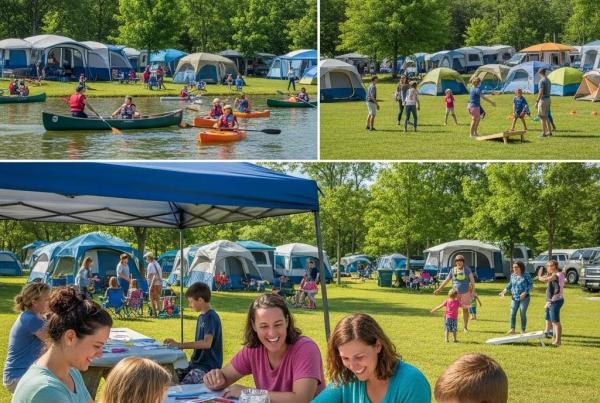
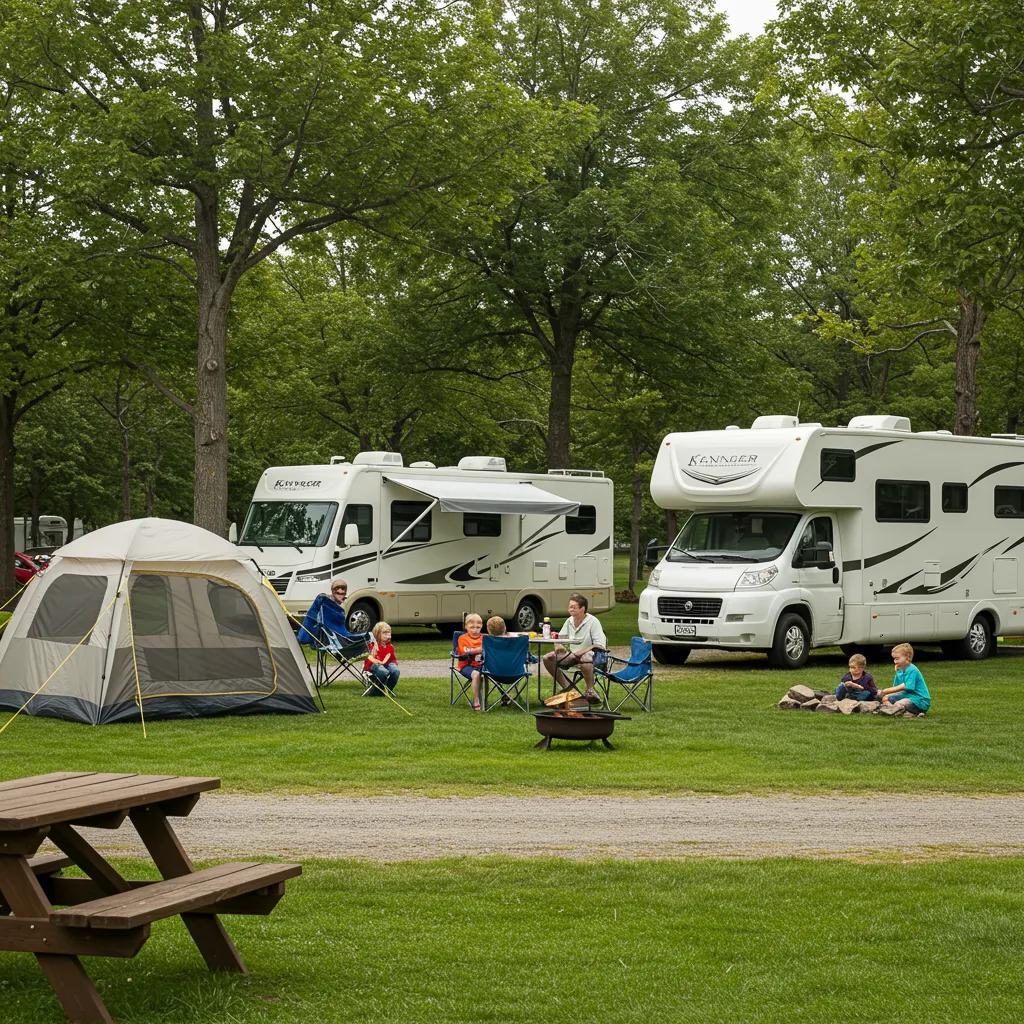
A campground that offers both tent and RV sites provides flexible accommodations by combining site variety, utilities, and family amenities to serve mixed groups effectively. These campgrounds work by offering distinct site types—primitive tent plots and designated RV pads—while coordinating nearby amenities such as bathrooms, play areas, and communal spaces that benefit all guests. The result is a camping stay where groups can mix tent and RV campers without sacrificing convenience or safety, making them ideal for family reunions, multi-generational trips, and mixed-gear outings. Below are practical ways to find and evaluate these campgrounds locally, plus examples to verify offerings before you book.
Which Campgrounds Offer Both Tent and RV Camping Options?
Many private family campgrounds, regional KOA-style resorts, and state park systems commonly offer both tent and RV accommodations, providing a range of site types from primitive tent spots to full hookup RV sites. When searching, use map filters and the campground’s site map to confirm there are clustered tent-only areas and dedicated RV loops with 30 AMP or 50 AMP options; verify bathrooms and shower quality in listings. Contact options such as online booking notes or campground FAQs often state whether groups can reserve adjacent tent and RV sites, which helps mixed groups stay together. Checking recent guest photos and campground amenity lists also quickly confirms real-world site layouts and mixed-use friendliness.
How to Choose Campgrounds That Allow Both Tents and RVs?
Choosing the right mixed-use campground depends on prioritizing hookups, safety, and family amenities while confirming site proximity and pet rules for your group. Start with a checklist that ranks must-haves—hookup type, restroom quality, recreational options, and policy clarity—and then weigh second-tier preferences like playgrounds, dog areas, and quiet hours. Use this checklist to compare candidate campgrounds side-by-side, and ask about the campground’s experience hosting mixed groups and the availability of adjacent reservations. Clear policies and visible site maps reduce surprises and ensure the campground supports both tent camping and RV living for the duration of your stay.
- Use this quick selection checklist when evaluating campgrounds:
Confirm the campground offers both primitive tent camping sites and full or water/electric RV sites.
Verify restroom and shower standards and proximity to tent and RV loops.
Check family amenities and on-site recreation that serve mixed groups.
What Makes Family Campgrounds in Michigan Ideal for RV and Tent Camping?
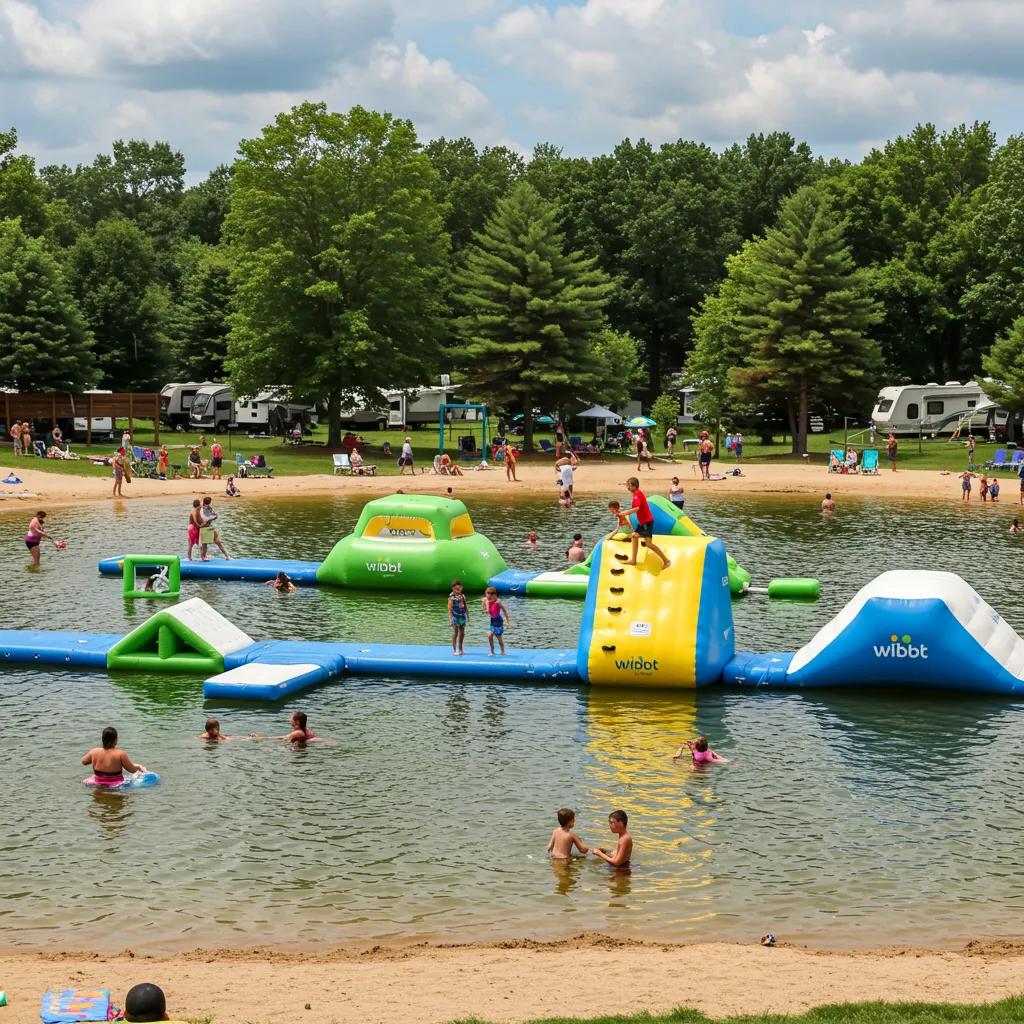
Family campgrounds in Michigan excel for mixed camping groups because of abundant freshwater recreation, seasonally active onsite programming, and infrastructure that supports a range of accommodations. Michigan’s natural features—lakes and rivers—combine with family amenities like water attractions and playgrounds to deliver varied day activity options for both tent and RV campers. These elements increase the appeal of regional destinations for “michigan family campgrounds with rv and tent sites” searches by providing safe water play, accessible rentals, and family events that extend visit value. Below is a focused comparison of family-focused amenities and how they add value to stays for diverse groups.
Different family amenities serve distinct purposes and create tangible benefits for mixed camping groups.
These amenity comparisons show how specific features make Michigan campgrounds strong choices for families traveling with both tent and RV campers. Highlighting nearby river float options and on-site rentals can further differentiate a campground’s family appeal.
What Amenities Should You Expect at Michigan Family Campgrounds?
Expect a mix of water-based attractions, renovated facilities, and varied play areas that support family comfort and recreation across accommodation types. Key amenities to prioritize include quality bathrooms and showers near both tent and RV areas, a campground store for quick supplies, multiple playgrounds for different age groups, and a large dog park to accommodate pets. Amenities such as sand volleyball, basketball courts, and family-friendly weekend events help mixed groups find activities together while preserving separate sleeping arrangements. Noting these amenities in search results or site maps helps you evaluate whether a campground fits the needs of both tent campers and RV travelers.
- Michigan amenity priorities for families:
Safe, supervised water features for kids.
Clean, renovated bathrooms and showers close to camping loops.
Onsite rentals and events that create all-ages programming.
These priorities guide families toward parks that balance conveniences for RV hookups with primitive tent experiences.
How Do Michigan Campgrounds Cater to Mixed Groups With RVs and Tents?
Campgrounds use site layout, booking policies, and group-site options to host mixed groups effectively, often reserving adjacent pads or loops for parties that include both RVs and tents. Practical measures include offering site maps with dimensions, permitting adjacent reservations, and designating group campsites or cluster sites that allow tents near RV pads while keeping utilities separate. Communication with campground staff and early reservation of contiguous sites reduces the risk of separation and ensures shared access to restrooms and communal areas. Planning ahead and confirming adjacency policies lets mixed groups enjoy both communal activities and private tent or RV space.
- Tips for reserving mixed-group sites:
Book early and request adjacent site numbers.
Review site dimensions and pad types before finalizing.
Confirm campground group policies regarding tents on RV pads.
These steps yield practical outcomes: better coordination, peace of mind, and a more cohesive family experience.
How Do RV and Tent Camping Sites Differ at Popular Campgrounds?
RV and tent campsites differ primarily in utilities, surface type, and space allocation, which directly affects comfort, logistics, and equipment needs. Full hookup RV sites typically provide water, electric (30 AMP or 50 AMP), and sewer, plus level pads that support larger vehicles and accessories; primitive tent sites prioritize natural immersion with minimal infrastructure, often featuring a fire ring and picnic table. Understanding these differences helps campers choose sites that match their vehicle size, desired comfort level, and proximity to amenities. Below is a concise comparison table showing core site attributes to guide decisions for mixed groups.
This table compares RV site types and tent site types so you can match needs to available options.
The table clarifies how accommodation choices impact equipment planning and proximity to shared amenities, enabling informed site selection for mixed groups.
What Are the Features of Full Hookup RV Sites?
Full hookup RV sites provide water, electric (commonly 30 AMP or 50 AMP), and sewer connections, sitting on a level gravel or concrete pad sized for towables and motorhomes. These sites are designed to power appliances, run climate control, and offer immediate access to utilities so campers can enjoy extended stays without generator use. Full hookup sites are often located near restrooms, dump stations, and store facilities to streamline logistics, making them a practical choice for families that value convenience and accessibility. When reserving, check pad length and posted vehicle limits to ensure your RV fits comfortably and allows adjacent tent spaces when needed.
- Quick checklist for full hookup reservations:
Confirm AMP rating and sewer availability.
Verify pad length and turnaround clearance.
Check proximity to restrooms and family amenities.
These checks reduce setup time and improve the overall comfort of an RV-based family trip.
What Defines Primitive and Nature-Immersed Tent Sites?
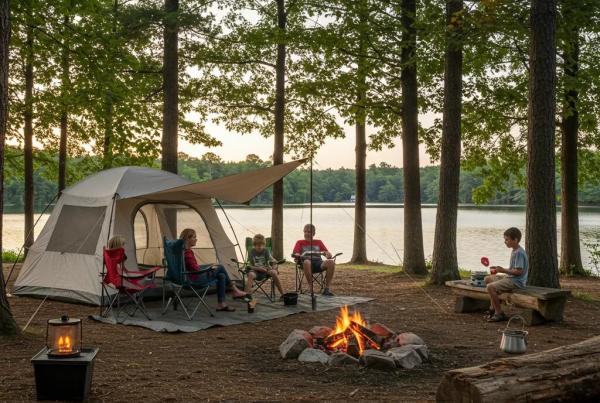
Primitive tent sites emphasize a nature-immersed experience with minimal infrastructure: they usually lack water, electric, and sewer hookups, and instead provide essentials like a fire ring, picnic table, and nearby shared restroom access. These sites reward campers seeking quiet, lower-cost stays and greater proximity to trails and natural features, but they require planning for water, food storage, and weather protection. Tent campers should bring appropriate gear—sleeping systems, water containers, and cooking equipment—and confirm fire and pet policies before arrival. Choosing primitive sites near shared amenities can balance immersion with convenience for families traveling with both tents and RVs.
- Tent camping preparation tips:
Bring portable water and cooking supplies.
Pack layered sleeping gear for variable Michigan weather.
Review campground fire rules and wildlife guidance.
Proper preparation ensures a safe, comfortable primitive camping experience while staying close to family activities.
Which Activities and Amenities Enhance the Camping Experience for Families?
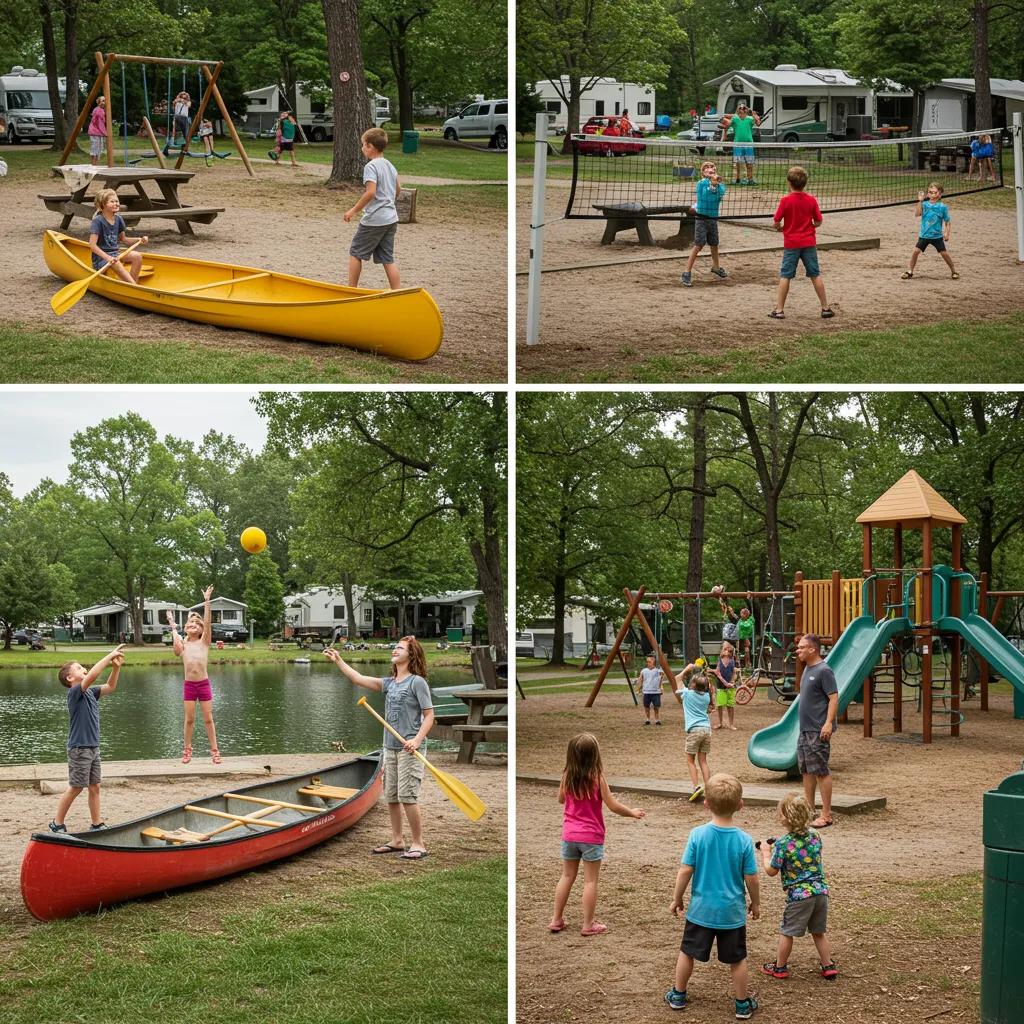
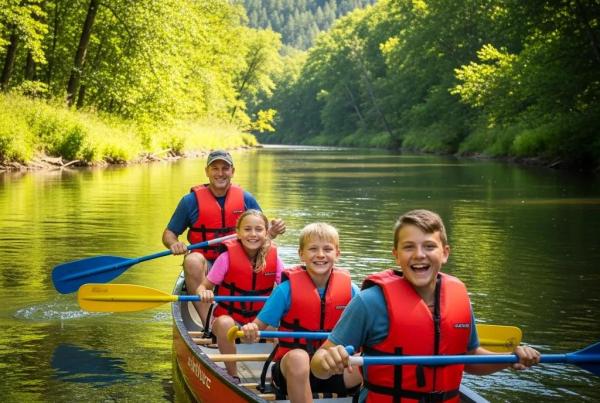
Activities and amenities that promote shared family experiences—water play, organized events, and varied recreational spaces—significantly increase the value of a campground for mixed groups. Features like a Wibit water park or swimming lake create supervised, multi-age play opportunities, while playgrounds, sports courts, and a game room offer alternatives on cooler days. On-site rental options, such as canoe and kayak rentals for river floats, extend adventure opportunities for both RV and tent campers and encourage exploration of nearby natural features. The list below highlights top amenities that consistently enhance family camping stays.
Below are key amenities that add the most family value and why they matter.
- Water attractions: Provide safe, engaging play and extend daytime activity options.
- Organized weekend events: Create low-effort entertainment and bonding for all ages.
- Recreation facilities: Playgrounds, courts, and game rooms support varied interests.
These amenities increase family satisfaction and often justify longer stays by offering diverse ways to enjoy the campground.
How Do Water Parks and Swimming Lakes Add Value to Campgrounds?
On-site water attractions such as a Wibit water park and a swimming lake enhance family camping by offering structured, supervised water play that appeals to a broad age range and increases perceived vacation value. Water features encourage longer daytime engagement, reduce the need for offsite excursions, and provide memorable shared experiences for mixed groups. Safety provisions—lifeguards or designated swim zones—also make water-based amenities particularly valuable to families with children. An example is a family campground that pairs a Wibit water park with canoe and kayak rentals to diversify water-based options while supporting both tent and RV guests.
- Safety and planning note:
Check lifeguard schedules and age-restrictions.
Pack water shoes and life jackets for young children.
Schedule rental slots in advance for river floats.
These practices maximize enjoyment while keeping safety a priority during water activities.
What Outdoor Activities Are Available for RV and Tent Campers?
Outdoor activities that fit both RV and tent campers range from self-guided options—hiking, swimming, and playground time—to rental-based adventures like canoe and kayak float trips down local rivers. Equipment-light activities such as sand volleyball, horseshoes, and gaga ball accommodate mixed groups without heavy gear, while on-site canoe and kayak rentals enable families to explore nearby waterways conveniently. Organized events, sports fields, and a campground store further support activity planning and reduce the need to travel offsite for entertainment. Booking rentals and coordinating activity times helps mixed groups enjoy shared pursuits with minimal logistical friction.
- Typical mixed-group activities checklist:
Reserve canoe/kayak rentals for river float trips.
Plan a mix of supervised and independent activities.
Use campground event schedules to coordinate family meetups.
Coordinated activity planning helps maximize participation across tent and RV campers of all ages.
How Can I Easily Book a Stay at Campgrounds That Welcome Both Tents and RVs?
Booking a mixed-site stay online is efficient when you use site filters, map views, and site-specific notes to secure adjacent tent and RV spots; the online process typically walks you from search filters to site selection to payment and confirmation. Start by filtering for site type (RV sites, primitive tent camping sites, cabin rentals), then use map view to identify adjacent numbers and site dimensions, and finally read reservation policies about deposits and cancellations before paying. Below is a step-by-step approach that simplifies online booking and reduces surprises, followed by a practical reservation options table.
Use this straightforward booking process to reserve the right combination of sites.
- Search: Filter by accommodation type and family amenities.
- Map: Use site maps to select adjacent or grouped sites.
- Confirm: Review fees, deposit rules, and site-specific restrictions before finalizing.
Different reservation options map to accommodation types and booking methods for clarity.
This table clarifies which booking method suits each accommodation and which practical checks to perform before completing a reservation.
What Is the Online Reservation Process for RV and Tent Sites?
The online reservation process normally begins with selecting your destination and applying filters for site type, hookups, and family amenities, then moves to map-based site selection and payment. Use the map view to pick adjacent site numbers for mixed groups, check site dimensions in the booking notes, and read cancellation and deposit policies carefully before payment to avoid surprises. After booking, confirm special requests—adjacent sites, pet permissions, or group check-in—with campground staff if a contact option is available. Doing these steps ensures the online reservation aligns with your needs for both tents and RVs.
- Reservation quick tips:
Book early for weekend events and family-friendly dates.
Save screenshots or confirmations showing site numbers.
Ask about late arrival procedures if needed.
Confirmations and clear notes make arrival and setup smoother for mixed groups.
Are There FAQs About Tent and RV Camping Reservations?
Common reservation questions address whether tents are allowed on RV sites, how to reserve adjacent sites, and what deposit or cancellation policies apply; answers usually appear in campground FAQs or booking tooltips. Many campgrounds prohibit tents on full hookup RV pads for safety, but will offer adjacent primitive sites or group sites to keep parties together; always verify this in the reservation notes. Deposits and cancellation terms vary by campground and accommodation type, so check the policy for RV sites, primitive tent camping sites, or cabin rentals before booking. Clear communication before arrival prevents misunderstandings and ensures families can coordinate site adjacency and activity plans.
- Typical FAQ-style clarifications:
Tents on RV pads — often not permitted; request adjacent sites instead.
Group bookings — reserve contiguous sites early and note group name.
Deposits/cancellations — review policies per accommodation type.
These practices reduce booking friction and safeguard expectations for mixed-group camping.
For a local, family-friendly example that matches many of the features and booking approaches described above, Walnut Hills Family Campground in Durand, Michigan operates as a flagship location under GatherGrounds Resorts and offers RV sites (30 and 50 AMP with water/electric or full hookups), primitive tent camping sites, and cabin rentals. Walnut Hills lists family-focused amenities including a Wibit water park, a swimming lake, renovated bathrooms and showers, a campground store, multiple playgrounds, a large dog park, sand volleyball, basketball, horseshoes, a gaga ball pit, a game room, a ball field, family- and kid-friendly events every weekend, and on-site canoe and kayak rentals for float trips down the Shiawassee River. Check the campground’s booking and FAQ resources directly to match site availability and reservation policies to your group’s needs.
Frequently Asked Questions
What should I consider when camping with both tents and RVs?
When camping with both tents and RVs, consider the layout of the campground, the availability of adjacent sites, and the amenities offered. Ensure that the campground has designated areas for both types of accommodations, as well as shared facilities like restrooms and recreational spaces. Additionally, check for policies regarding pets, campfires, and noise levels to ensure a harmonious experience for all campers. Planning ahead and communicating with campground staff can help address any specific needs your group may have.
How can I ensure my family stays together at the campground?
To keep your family together at the campground, book your sites early and request adjacent or clustered sites. Many campgrounds allow reservations for mixed groups, so be sure to mention your needs when booking. Additionally, review the campground’s site map to confirm the proximity of your sites. Communicating with campground staff about your group size and requirements can also help ensure that everyone is accommodated comfortably and conveniently.
Are there specific safety tips for children in mixed camping groups?
When camping with children in mixed groups, prioritize safety by establishing clear boundaries and rules. Ensure that children are supervised near water features and communal areas. Pack essential safety gear, such as life jackets for water activities and first aid kits for minor injuries. Familiarize children with campground rules and emergency procedures. Additionally, consider using bright clothing or markers to help keep track of kids in busy areas, ensuring they can be easily spotted at all times.
What types of activities are suitable for mixed groups at campgrounds?
Mixed groups can enjoy a variety of activities at campgrounds, including hiking, swimming, and organized games. Look for campgrounds that offer amenities like playgrounds, sports courts, and water attractions to cater to different age groups. Renting canoes or kayaks for river floats can also be a fun way to bond. Planning a mix of structured events and free time allows families to engage together while accommodating individual preferences and energy levels.
How do I find campgrounds that specifically cater to families?
To find campgrounds that cater to families, start by searching online for family-friendly campgrounds in your desired area. Look for reviews and ratings that highlight amenities such as playgrounds, water features, and organized activities. Websites and apps that specialize in camping can provide filters for family-friendly options. Additionally, consider reaching out to local tourism boards or camping associations for recommendations on campgrounds known for their family-oriented services and facilities.
What are the benefits of booking a campground with both tent and RV options?
Booking a campground that offers both tent and RV options provides flexibility for mixed groups, allowing everyone to enjoy their preferred camping style. This arrangement fosters family bonding by enabling shared experiences while accommodating different comfort levels. Campgrounds with diverse accommodations often feature amenities that cater to all guests, such as communal areas, recreational activities, and family-friendly events. This variety enhances the overall camping experience, making it enjoyable for both tent campers and RV travelers.
Conclusion
Finding the perfect campground that accommodates both tents and RVs can transform your family getaway into a memorable adventure filled with shared experiences. By prioritizing amenities, safety, and site proximity, you can ensure a comfortable stay for everyone, regardless of their camping preference. Take the next step in planning your family trip by exploring our curated list of campgrounds that cater to mixed groups. Start your journey today and create lasting memories in the great outdoors!