
Finding Ideal Campgrounds for Dogs: Highly-Rated Dog Friendly Campgrounds in Michigan That Meet Your Pet’s Needs
Finding a truly dog-friendly campground goes beyond just allowing pets; it means having safe off-leash areas, clear pet etiquette, and accommodations designed for both animals and their families. This guide will walk you through identifying top-rated dog-friendly campgrounds near you that truly cater to your pet’s needs. We’ll cover the essential criteria, highlight key amenities, and show you how to prepare and book responsibly. You’ll learn practical evaluation tips, what to pack, how to handle health preparations, where to find local pet services, and step-by-step booking advice specifically for camping with dogs in Michigan. We’ll explore which campgrounds boast large dog parks and off-leash play areas, essential features like pet waste stations and dog wash facilities, comprehensive packing checklists, nearby services and attractions, and concrete reservation steps for RV sites and cabins. As a real-world example, we’ll feature Walnut Hills Family Campground in Durand, Michigan – a highly-rated, family-oriented spot with dedicated pet amenities. Use this resource to compare your options, pack smart, and reserve the best pet-friendly spots for your next Michigan camping adventure.
What Are the Best Dog Friendly Campgrounds in Michigan?
The best dog-friendly campgrounds are those that combine pet-focused amenities, clear pet policies, glowing reviews, and convenient access to veterinary and supply services. These elements work together to ensure safe, comfortable stays where your dog can exercise, socialize, and stay secure while you enjoy your vacation. Evaluating campgrounds based on these criteria will help you prioritize spots offering fenced off-leash areas, well-maintained pet waste stations, and flexible accommodation options like RV sites, tent sites, or cabins. Below is a quick criteria list to help you compare options efficiently before diving into specific examples and local highlights.
Here’s what to evaluate when choosing a dog-friendly campground:
- Amenities and Safety: Fenced dog parks, pet waste stations, and dog wash areas all contribute to a responsible and enjoyable pet stay.
- Accommodation Flexibility: RV sites, tent sites, and pet-friendly cabins, all with clear pet rules, help avoid unexpected issues.
- Local Services and Reviews: Nearby vets and positive guest feedback signal reliable support and a good overall experience.
These straightforward criteria will naturally lead you to campgrounds with standout amenities, including spacious dog parks and family-friendly programming that enhance the experience for both pets and their owners.
Which Campgrounds Offer Large Dog Parks for Off-Leash Play?
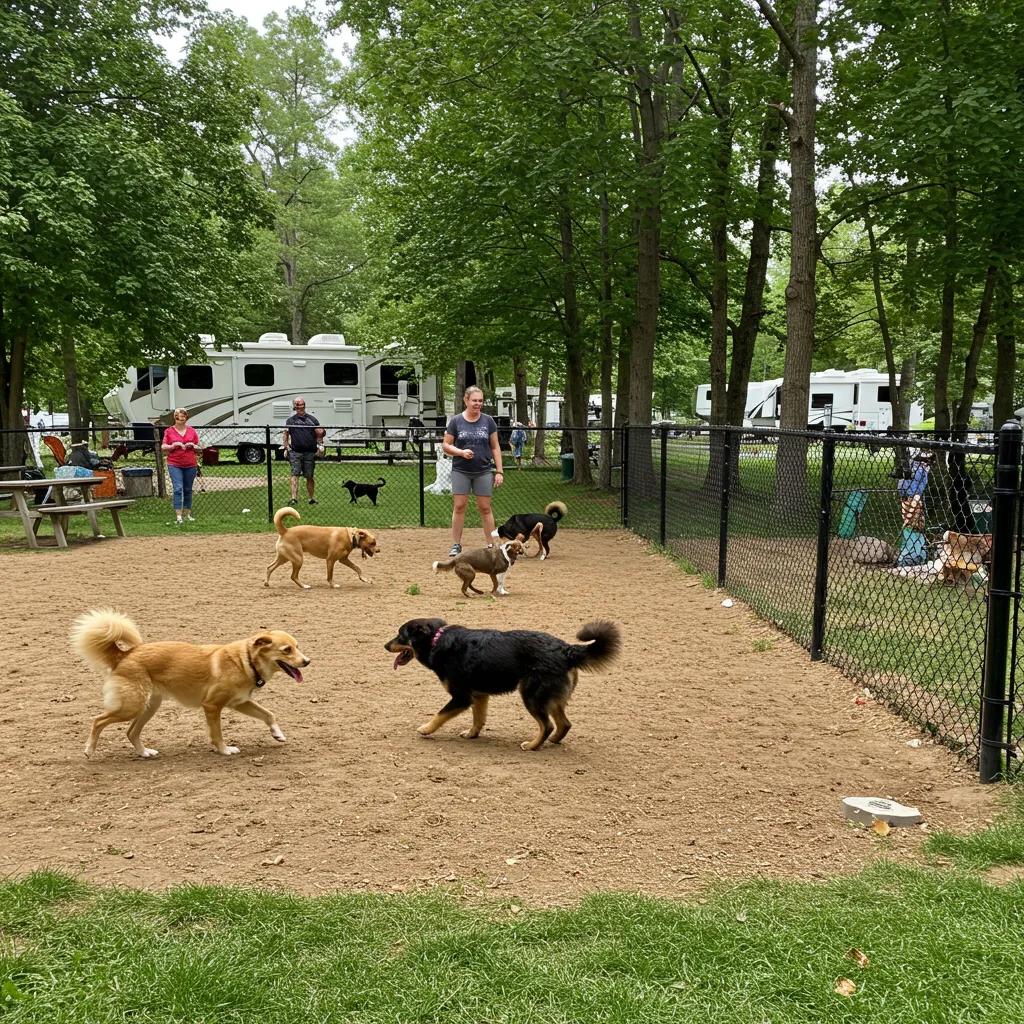
A campground featuring a large dog park provides a secure, fenced environment where your dog can exercise off-leash, socialize, and burn energy under your watchful eye. Off-leash dog parks are effective because fencing prevents escapes, water stations help prevent overheating, and separate areas for smaller or more timid dogs can reduce potential conflicts. Safety is maintained through vaccination checks, posted rules, and readily available waste stations that promote cleanliness. These features significantly reduce owner stress while allowing for healthy, happy dog play. When assessing dog parks, prioritize secure gates, ample shade and water access, and well-maintained ground cover to minimize risks of injury and overheating.
This focus on safe off-leash play directly connects to your accommodation choices and the campground’s overall policies, which dictate where your dog can be supervised and how you’ll manage transitions between the park and your campsite.
What Pet-Friendly Accommodations Are Available: RV Sites, Tents, and Cabins?
Pet-friendly accommodations typically include RV sites, tent camping options, and cabins that clearly state their petsAllowed terms, along with any limitations or fees. RV sites often welcome dogs on-site with leash rules and accessible walking areas nearby. Tent sites require secure containment at night, while cabins offer enclosed shelter with guidance on keeping pets contained indoors. It’s crucial to check for clear maximum pet counts and any breed or size restrictions before booking to avoid surprises and ensure a comfortable stay for everyone. Practical preparation varies by accommodation type: consider crate or tether options for cabins, secure staking for tents, and shade or hookup considerations for RVs during warmer weather.
Comparing these accommodation attributes helps you select sites that best suit your dog’s temperament and needs, and this comparison will inform your booking process, which we’ll cover later.
How Do Campgrounds Like Walnut Hills Ensure a Safe Environment for Dogs?
Campgrounds that prioritize canine safety design their facilities and policies to minimize risks and encourage courteous behavior among guests. Physical measures include fenced dog parks, clear signage, and readily available pet waste stations, while operational policies often require supervision, vaccination verification, and leash rules outside of designated off-leash zones. Walnut Hills Family Campground in Durand, Michigan exemplifies these principles with its large dog park, accessible pet waste stations, and a family-focused layout that supports safe dog recreation alongside playgrounds and water features. Observed practices like attentive staff oversight during busy periods and posted etiquette reminders further reduce incidents and help owners relax while their dogs socialize.
Highlighting these safety measures points directly to the specific amenities you should prioritize when researching and booking a pet-friendly campground.
What Are the Essential Amenities to Look for in Pet Friendly Campgrounds?

Essential pet-friendly amenities are key to creating a convenient, hygienic, and enriching experience for both dogs and their owners, making stays safer and more enjoyable. The top amenities to seek out include a fenced dog park, readily available pet waste stations, convenient dog wash areas, proximity to water access, and clearly marked dog-friendly trails. Each amenity serves a distinct purpose: facilitating off-leash play, maintaining cleanliness, enabling post-activity grooming, ensuring hydration and recreation, and providing safe outdoor exercise. Below is a concise, prioritized list you can quickly scan when comparing campgrounds before you book.
Here are the top five amenities to verify before booking:
- Fenced Dog Park: Offers secure off-leash exercise and socialization opportunities.
- Pet Waste Stations: Help maintain campground cleanliness and promote good etiquette.
- Dog Wash Stations: Perfect for cleaning pets after muddy hikes or lake swims.
- Nearby Trails & Water Access: Provide diverse exercise options for your dog.
- Clear Pet Policies: Outline fees, limits, and supervision rules to prevent surprises.
Walnut Hills’ implementation of a large dog park and accessible pet waste stations serves as a prime example of how these amenities work together to support clean, active stays for dogs and their families.
How Do Dog Parks, Pet Waste Stations, and Dog Wash Areas Enhance Your Stay?
Dog parks provide structured off-leash exercise, which can reduce leash tension and behavioral issues while offering valuable social opportunities for both dogs and their owners. Pet waste stations make it simple to maintain sanitary conditions and signal community expectations, thereby reducing conflicts and health risks. Dog wash areas are incredibly practical for rinsing off lake mud or trail debris, helping to keep your cabin or RV clean and minimizing post-trip chores. Collectively, these amenities reduce friction during multi-day stays and increase the likelihood that owners will choose to return to the same campground for future trips.
Understanding how these amenities function in practice will lead to better packing and behavior planning, which the next section will address.
What Are Common Leash Rules and Pet Etiquette at Michigan Campgrounds?
Leash rules typically require dogs to be leashed (often six feet or shorter) when outside of designated off-leash zones and under the owner’s control at all times. This is to minimize wildlife disturbance and prevent conflicts with other guests. Etiquette expectations include immediate cleanup of pet waste, maintaining quiet around other campsites during designated quiet hours, and never leaving pets unattended for extended periods. Some campgrounds may require proof of vaccinations or limit the number of pets per site to reduce noise and safety concerns. Adhering clearly to these practices helps owners avoid fines, protect other guests, and maintain access to pet-friendly privileges.
Leash rules and etiquette are closely linked to trail access and activity choices, which you should confirm before heading out for hikes or water-based recreation.
Which Trails and Activities Are Suitable for Dogs at These Campgrounds?
Dog-suitable trails are generally low-impact loops or out-and-back paths featuring shade, moderate difficulty, and minimal technical obstacles to reduce the risk of injury. Activities such as supervised swimming in designated water access points, short hikes with planned breaks, and structured play sessions at dog parks align with canine endurance and safety considerations. Seasonal factors—like peak tick season and hot summer days—can influence what is appropriate, so owners should select trails and times that match their dog’s fitness level and local conditions. Planning a variety of low-to-moderate intensity activities ensures your dog gets sufficient exercise without overexertion and ties directly into your packing and health preparations for the trip.
Trail selection and activity planning naturally lead into a practical packing checklist and health preparation for your canine campers.
How Can You Prepare for Camping with Your Dog at Michigan Campgrounds?
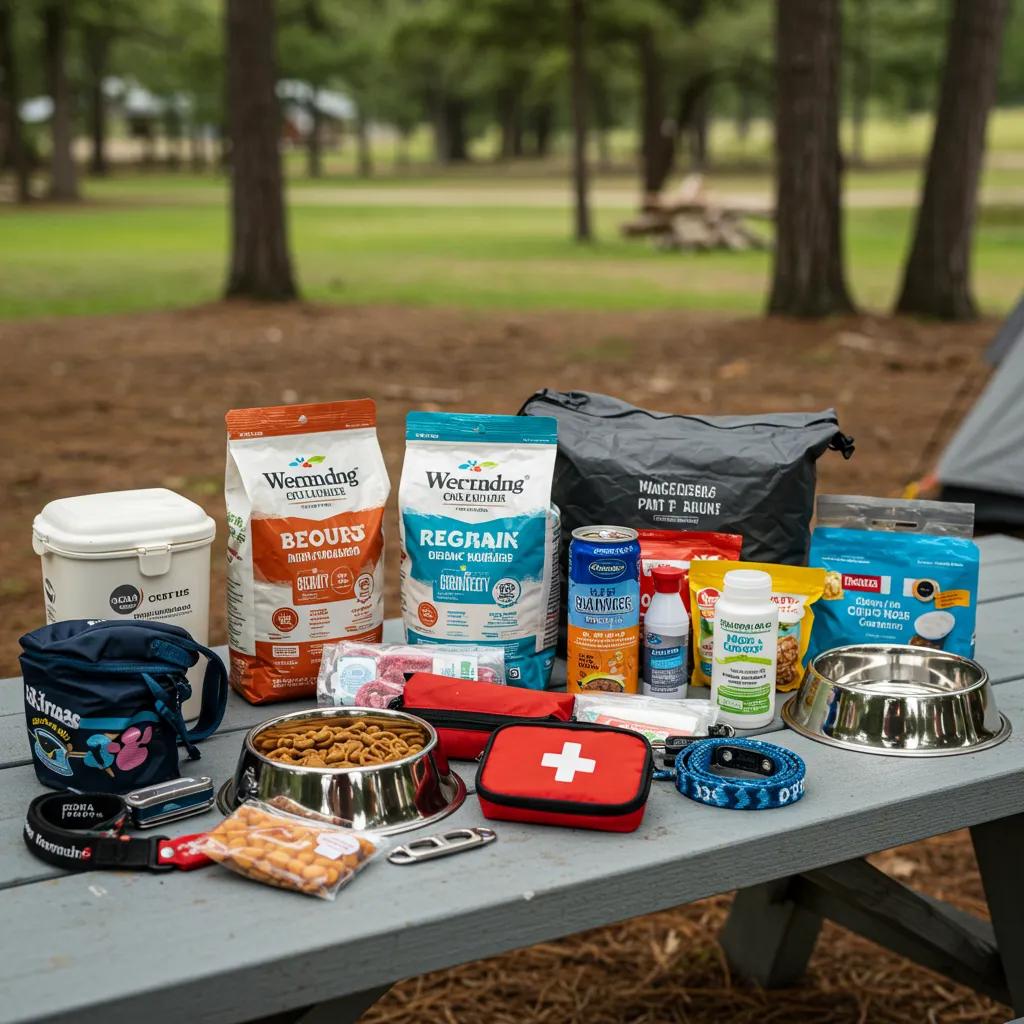
Thorough preparation reduces stress and helps prevent emergencies by ensuring you have the right gear, necessary documentation, and contingency plans tailored for outdoor stays with your dog. Essential preparations include packing adequate food and water supplies, first-aid items, comfortable bedding, waste bags, and up-to-date identification and vaccination records. Health preparation also involves addressing flea, tick, and heartworm prevention, and having a basic first-aid kit and emergency contact information readily accessible. Behavior preparation means reinforcing recall, leash manners, and socialization skills so your dog adapts smoothly to campground environments.
A clear checklist and a commitment to following policies will make your trip more predictable and enjoyable for both you and your dog.
What Should Be Included in a Pet Camping Checklist?
This checklist covers the core items you’ll need for your dog’s comfort, safety, and compliance during a camping trip. Be sure to pack ample food and portable water bowls, a sturdy leash and harness, comfortable bedding or a crate, pet-safe first-aid supplies, ID tags and vaccination records, plenty of waste bags, and grooming or dog wash supplies. Also include any necessary medications, a recent photo of your dog, and a small towel for quick drying after lake play. Having these items organized in a dedicated pet bag will streamline your arrival and reduce the risk of forgetting essentials.
Following this checklist and reviewing campground pet policies before your arrival will ensure a smoother check-in and a more relaxed stay.
How to Follow Campground Pet Policies for a Smooth Experience?
Begin by thoroughly reading the campground’s pet policy before you book, paying close attention to limits on pet counts, any size or breed restrictions, associated fees, and leash requirements. Confirm the pet rules again at check-in, inquire about designated off-leash areas and dog park hours, and clarify expectations regarding unattended animals. Have proof of vaccinations and any required permits readily available to expedite check-in and avoid potential disputes. Strict adherence to these practices prevents penalties and helps maintain good relations with campground staff and fellow campers.
Understanding and following these policies directly enhances safety and your access to amenities designed for dogs, which ultimately reduces stress for everyone on-site.
Where Can You Find Nearby Pet Services and Attractions When Camping in Michigan?
Knowing the location of nearby veterinary clinics, emergency animal hospitals, and pet supply stores before you arrive provides a crucial safety net and adds convenience to your overnight stays. Utilize local mapping tools and campground information to identify clinics and carriers for emergencies, and plan stops for essential supplies like food or waste bags. Dog-friendly attractions—such as beaches, parks, and short nature trails—can complement your campground stays by offering variety for active dogs and families. Preparing a short list of nearby services and attractions will improve your resilience and enhance your daily plans during your visit.
Planning stops for services and attractions naturally leads to identifying specific local options and making reservations for pet-friendly sites.
Which Veterinary Clinics and Pet Supply Stores Are Close to Popular Campgrounds?
Research nearby veterinary options by checking clinic hours, emergency availability, and client reviews before your arrival; add contact details to your emergency plan. If services are located far from the campground, pack extra medications and supplies to cover potential delays, and identify transportation options in case of an emergency. Carrying a compact first-aid kit and a recent snapshot of your dog’s medical records will help you communicate efficiently with veterinary professionals. These steps minimize risk when camping in more remote areas of Michigan.
Knowing about local services also informs where you can go for grooming, dog wash needs, or last-minute supply purchases during your stay.
What Dog-Friendly Attractions Can Enhance Your Camping Trip?
Dog-friendly attractions add an extra layer of enrichment to your camping itinerary and can include off-leash beaches, municipal dog parks, scenic short trails, and family attractions that permit well-behaved dogs. Choose attractions that match your dog’s energy level and always obey posted rules, such as leash requirements or seasonal restrictions. Planning attraction visits for the morning or evening can help you avoid crowds and excessive heat, and combining a trail outing with a quick dog wash afterward helps maintain campsite cleanliness. These activities create memorable experiences while respecting local regulations and other visitors.
Selecting appropriate attractions complements your campsite amenities and informs your packing choices, such as bringing extra towels or cooling vests.
How Do You Book and Reserve Pet Friendly Camping Spots at Top Michigan Campgrounds?
Booking pet-friendly sites requires confirming availability, understanding policy details, and noting any additional fees before finalizing your reservation. Start by searching for campgrounds that explicitly list pet amenities, then check calendar availability for RV sites, tent sites, or cabins, and note any site-specific pet restrictions. Prepare information about your pet—such as the number, size, and breed if requested—and confirm the payment and cancellation terms that may apply to pet bookings. Booking early during peak season significantly increases your chances of securing your preferred pet-friendly site.
Below is a straightforward booking checklist and a comparison table to help you organize your reservation steps.
- Search Listings: Filter for campgrounds with explicit pet amenities and carefully read their policy details.
- Prepare Pet Info: Have your pet counts, weights, and vaccination status ready for the booking process.
- Confirm Fees: Inquire about any per-pet fees or deposits before finalizing your reservation.
For a recommended example, check availability and specific pet-friendly options for Walnut Hills Family Campground in Durand, Michigan. Reserve RV sites or cabins that align with your dog’s needs and verify any pet-related requirements before your travel.
What Are the Steps to Reserve Dog Friendly RV Sites and Cabins?
Reserve dog-friendly RV sites and cabins by identifying pet-allowing site types, confirming the maximum number of pets allowed, and noting any weight or breed restrictions. Have vaccination records and pet details readily available when booking, and inquire about proximity to dog parks or trails connected to your chosen site to ensure convenience. Pay any required pet fees or deposits during the booking process, and request written confirmation of pet policy terms to avoid disputes at check-in. Early reservations offer better site selection and increase your chances of securing adjacent pet-friendly amenities.
These steps help reduce uncertainty and guarantee a pet-friendly experience that aligns with your expectations.
Are There Pet Fees or Restrictions to Know Before Booking?
Pet fees commonly appear as per-night charges, flat per-stay fees, or refundable deposits intended to cover potential damage. Restrictions may limit the number of pets, their weight, or even certain breeds. Always request explicit fee breakdowns and refund conditions prior to payment, and confirm whether service animals have different rules. Understanding fee structures and restrictions prevents unexpected charges at check-in and ensures compliance with campground policies. If a site’s pet rules seem vague, ask management for written clarification before finalizing your reservation.
Confirming fees and restrictions protects your trip budget and preserves your access to the pet-friendly amenities you value.
Frequently Asked Questions
What should I consider when choosing a dog-friendly campground?
When selecting a dog-friendly campground, consider factors such as the availability of fenced dog parks, pet waste stations, and nearby veterinary services. Look for campgrounds that have clear pet policies regarding leash rules and pet limits. Additionally, evaluate the types of accommodations available, such as RV sites, tents, or cabins, and ensure they meet your pet’s needs. Reading reviews from other pet owners can also provide valuable insights into the campground’s suitability for dogs.
How can I ensure my dog is safe while camping?
To ensure your dog’s safety while camping, always supervise them, especially in off-leash areas. Make sure they are up-to-date on vaccinations and consider using a leash in shared spaces. Familiarize yourself with the campground’s pet policies and adhere to them strictly. Bring a first-aid kit specifically for your dog, and ensure they have proper identification, including a collar with tags. Additionally, keep an eye out for local wildlife and avoid areas where your dog could encounter hazards.
What are the best practices for maintaining cleanliness at a dog-friendly campground?
Maintaining cleanliness at a dog-friendly campground involves promptly picking up after your pet and utilizing designated waste stations. Bring biodegradable waste bags to dispose of your dog’s waste properly. If your dog enjoys swimming or playing in muddy areas, consider using a dog wash station if available, or bring towels to clean them before returning to your campsite. Following these practices not only keeps the campground clean but also ensures a pleasant experience for all guests.
Are there specific health preparations I should make for my dog before camping?
Before camping, ensure your dog is healthy and up-to-date on vaccinations, including flea and tick prevention. Pack a first-aid kit that includes items like bandages, antiseptic wipes, and any medications your dog may need. It’s also wise to have a recent photo of your dog and their medical records on hand in case of emergencies. Additionally, consider your dog’s fitness level and plan activities that match their energy and health needs to avoid overexertion.
What activities can I do with my dog while camping?
While camping, you can engage in various activities with your dog, such as hiking on dog-friendly trails, swimming in designated areas, or playing fetch in open spaces. Many campgrounds also have dog parks where your pet can socialize with other dogs. Always check the campground’s rules regarding off-leash play and ensure your dog is well-behaved around other campers. Planning a mix of activities will keep your dog entertained and help them expend energy during your trip.
How can I find dog-friendly attractions near my campground?
To find dog-friendly attractions near your campground, use local mapping tools or apps that highlight pet-friendly locations. Research nearby parks, beaches, and trails that allow dogs. Many campgrounds provide information on local attractions, so check their resources or ask staff for recommendations. Additionally, online forums and social media groups for pet owners can offer insights into popular dog-friendly spots in the area, enhancing your camping experience with fun outings.
What should I do if my dog has an emergency while camping?
If your dog experiences an emergency while camping, remain calm and assess the situation. Have a list of nearby veterinary clinics and emergency animal hospitals ready before your trip. If your dog is injured, apply basic first-aid measures if you are trained to do so, and transport them to the nearest veterinary facility as quickly as possible. Always carry a first-aid kit and your dog’s medical records to facilitate treatment. Being prepared can make a significant difference in an emergency.
Conclusion
Choosing the right dog-friendly campground in Michigan ensures a safe and enjoyable experience for both you and your pet, with essential amenities like fenced dog parks and pet waste stations enhancing your stay. By understanding campground policies and preparing adequately, you can minimize stress and maximize fun during your outdoor adventures. Explore our curated list of highly-rated campgrounds to find the perfect spot that meets your needs. Start planning your next camping trip today and create unforgettable memories with your furry friend!