Essential Traits to Look for in Your Ideal Campground Real Estate Agent for a Successful Sale
Selling a campground is more than just a financial transaction; it’s an emotional handoff. The right partner can make all the difference in maximizing your value, timing the sale perfectly, and preserving the legacy you’ve built. This guide will walk you through how to evaluate campground-specialized agents and alternative buyers, ensuring you protect your financial interests while honoring your traditions. You’ll discover the personal and technical traits—like market expertise, integrity, communication, negotiation skills, and adaptability—that are most critical when selling an RV park or campground. We’ll map out a practical selection process, compare brokers versus direct buyers, and provide checklists for valuation and documentation to support your negotiations and due diligence. Along the way, we’ll highlight how a family-owned direct buyer can be an excellent alternative for owners who prioritize stewardship and a streamlined transition. We’ve woven in keywords such as “how do i choose the right campground real estate agent for my needs,” “qualities of a good campground real estate agent,” and “selling campground without broker” to help you find the practical steps you can apply immediately.
What Are the Most Important Qualities of a Good Campground Real Estate Agent?
A great campground real estate agent brings together specialized outdoor-hospitality expertise with ethical practices, strong communication, and effective problem-solving skills to ensure a successful sale.
Essentially, this means the agent understands how seasonal income, amenities, and operational metrics influence valuation, and then applies negotiation tactics to safeguard your proceeds.
The direct benefit to you is increased certainty of sale and a transition that preserves both the value and the unique identity of your campground.
You should prioritize agents who can translate your campground’s specific attributes—like seasonal income, amenities, and financial performance—into compelling valuation narratives that stand up to scrutiny.
The next section dives into why deep market expertise in outdoor hospitality is the bedrock for achieving these outcomes.
Here’s a quick summary of top trait priorities and their immediate seller benefits, perfect for featured snippets:
A campground agent should possess five essential qualities:
- Deep market expertise in outdoor hospitality: They can translate seasonality and amenity data into accurate pricing.
- Integrity and transparency: Clear fee disclosures and honest timelines protect your sale outcomes.
- Strong communication and negotiation: They provide timely updates and advocate for terms beyond just price.
- Problem-solving and adaptability: They can resolve hiccups with permitting, title, or financing to keep deals on track.
- Responsiveness and specialized marketing capability: They offer targeted buyer outreach and discreet sale options.
This concise list clarifies your priorities when evaluating candidates and sets the stage for the specific skill checks that follow.
Why Is Deep Market Expertise in Outdoor Hospitality Crucial?
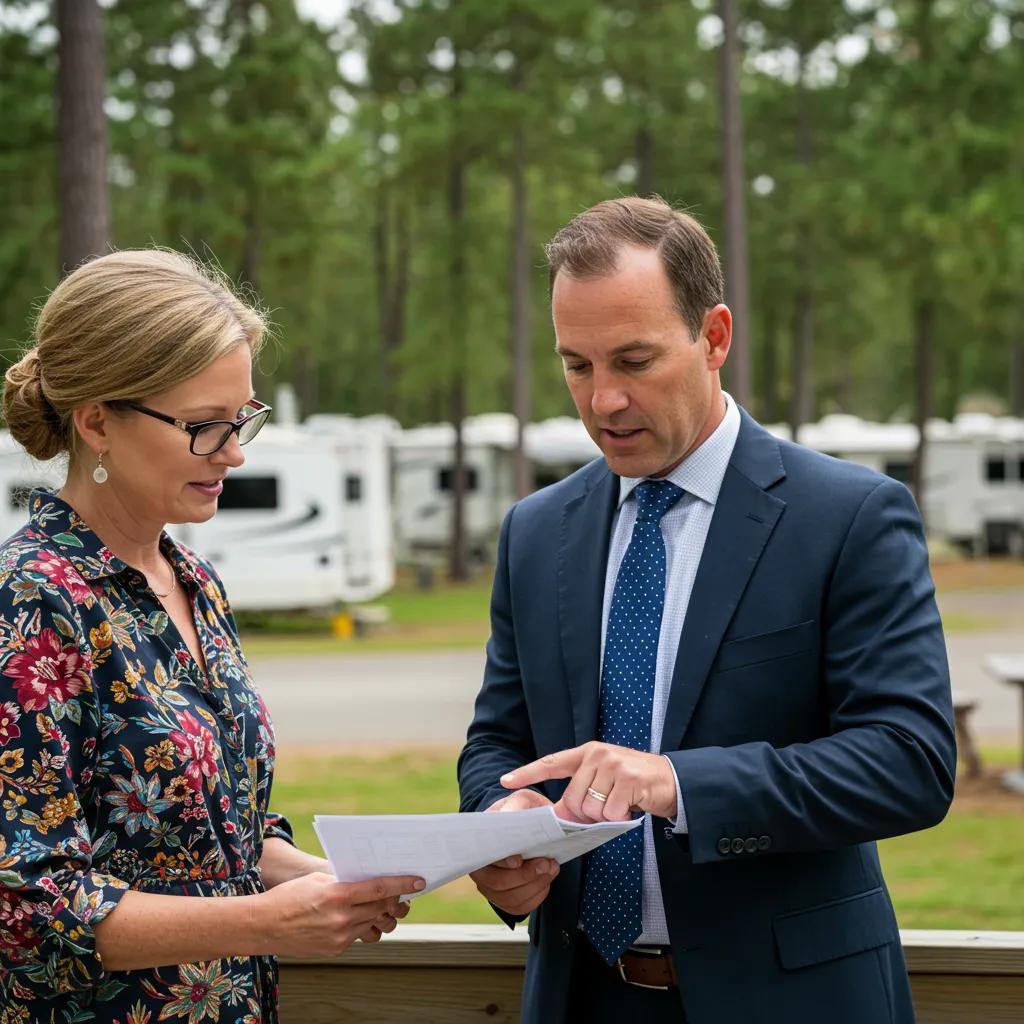
Deep market expertise means the agent truly understands how campground-specific drivers—like seasonal occupancy swings, revenue per site, and your amenity mix—impact buyer demand and valuation. This expertise works by mapping your campground’s unique meronyms, such as seasonal income and amenities, to comparable transactions and relevant operational buyer pools, which directly enhances pricing accuracy. The benefit for you is improved buyer targeting and more defensible offers that reflect the true operational value, rather than generic commercial comparables. When interviewing agents, ask for specific examples of how they’ve adjusted valuations for cabins, lakeside lots, or glamping versus basic RV pad inventory; these examples will demonstrate their applied knowledge and naturally lead into assessing their integrity and transparency.
How Does Integrity and Transparency Build Trust in Campground Sales?
Integrity and transparency mean full disclosure of fees, potential conflicts of interest, and realistic timelines, which ultimately reduces later disputes and preserves your seller reputation and legacy. Practically, this looks like clear commission agreements, documented buyer qualifications, and upfront explanations of valuation assumptions. The result is stronger seller confidence and fewer surprises during due diligence and closing. Asking an agent for anonymized transaction summaries and referral contacts is a great way to surface these behaviors and will naturally lead into evaluating their communication and negotiation style.
The Importance of Honesty and Integrity in Sales Leadership
No matter whether you are a salesperson or in a sales leadership position, the most important thing is to be honest and act with integrity. How does one know how to be ethical, honest, and act with integrity? What are the key principles that guide ethical decision-making in sales?
Sales Ethics and Transparency, 2020
What Communication and Negotiation Skills Should an Ideal Agent Have?

An ideal agent uses multiple channels—scheduled calls, email summaries, and secure document repositories—to keep you informed and to coordinate complex tasks across counsel, lenders, and permit authorities. The mechanism here is a disciplined reporting cadence and proactive issue escalation that prevents small problems from derailing your sale. You benefit through reduced stress and improved leverage during offer negotiations, as timely information enables decisive counteroffers and contingency structuring. Use this criteria to test their responsiveness during initial conversations and to evaluate the negotiation tactics an agent proposes.
How Do Problem-Solving and Adaptability Impact Campground Transactions?
Problem-solving and adaptability allow an agent to reframe obstacles—whether they’re related to permits, environmental findings, or financing gaps—into solvable risk-management plans that preserve your deal’s value. This process often requires local regulatory contacts, creative contractual protections, and rapid triage to keep closing timelines intact. The direct benefit to you is fewer failed deals and better net proceeds, as the agent mitigates value-eroding surprises. After confirming this capability, you should move on to an interview checklist to choose the right broker or realtor.
How Do You Choose the Right RV Park Broker or Campground Realtor?
Choosing the right RV park broker is a decision framework: evaluate specialization, responsiveness, valuation competence, and marketing approach to align with your sale goals. The mechanism is structured interviews and documentation requests that reveal an agent’s buyer networks, financial fluency, and off-market capabilities. The benefit is a faster sale at a price that reflects both operational value and market appetite. Below are practical steps to guide your selection and a decision checklist to conduct interviews and compare finalists.
Start with these four practical steps to choose an agent:
- Identify specialists with demonstrated campground/RV park transactions and ask for relevant references.
- Request a sample marketing plan, including targeted buyer lists and off-market confidentiality measures.
- Verify financial analysis capability by asking for sample valuation models and required seller documents.
- Test responsiveness by setting communication expectations and observing their follow-up behavior.
These steps create a defensible selection process and lead into deeper checks on specialization and responsiveness.
What Role Does Specialization in Campground and RV Park Sales Play?
Specialization matters because niche brokers maintain targeted buyer lists and understand valuation multipliers tied to campground attributes, enabling better buyer matching and quicker sales. The mechanism is a focused network—operators, regional investors, and strategic acquirers—who value amenities, location, and operational history differently than generic commercial buyers. You benefit through higher-quality offers that consider operational fit rather than purely financial comps. When interviewing, ask agents to describe recent buyer types they’ve engaged for comparable properties to gauge their network’s depth.
How to Evaluate an Agent’s Responsiveness and Client Support?
Responsiveness is measured by concrete benchmarks such as 24-48 hour initial reply windows, weekly progress reports, and milestone alerts during due diligence. The mechanism here is documenting expectations in the listing agreement and testing them during the interview stage. You gain clarity and lower anxiety because predictable communication prevents last-minute surprises and enables timely decisions. Include specific interview questions about reporting cadence and who on the agent’s team will handle client support.
Why Is Understanding Financial Performance and Valuation Essential?
Agents must analyze 3-5 years of P&L, occupancy patterns, and utility costs to produce credible valuations that withstand buyer scrutiny and lender underwriting. The mechanism involves adjusting valuation by revenue per site, seasonal income distribution, and ongoing capital expenditure needs—factors that materially change net operating income and cap-rate calculations. The benefit is receiving offers that align with operational reality and minimizing lowball bids from uninformed buyers. Request a checklist of required documents and sample valuation logic during agent vetting.
Here’s an introduction to an EAV table: the table below helps owners compare key valuation factors that an expert agent should evaluate and explain.
This table clarifies what agents should request early and why those items materially affect offers and negotiations.
Summary: Agents who can articulate these factors with data provide stronger, faster outcomes for sellers.
How Can You Assess an Agent’s Marketing Strategy for Your Campground?
A strong marketing plan blends targeted buyer outreach, high-quality prospectuses, and a privacy-aware off-market approach when requested by the seller. The mechanism is delivering sample materials—teaser, confidential prospectus, and outreach lists—and explaining the rationale for buyer segmentation.
You benefit because tailored marketing increases the likelihood of competitive offers while protecting your community’s reputation. Ask for example deliverables and success metrics before signing an engagement.
What Are the Differences Between a Campground Broker and a Direct Buyer Like GatherGrounds Resorts?
A brokered sale seeks the broadest buyer pool and potential competitive bidding, while a direct-buyer transaction offers speed, discretion, and operational continuity when a good fit exists. The mechanism differs: brokers market and solicit multiple offers; direct buyers evaluate operational fit and make a single strategic offer. You gain market price potential with brokers and often quicker, simpler transitions with direct buyers. Below is a neutral comparison table showing typical trade-offs between approaches.
This comparison helps owners weigh their priorities—maximum price versus speed and stewardship—and prepares them to choose the right path.
What Are the Pros and Cons of Using a Campground Real Estate Broker?
Brokers offer reach and the possibility of competitive bidding, increasing chances of market-driven price discovery and attracting structured bidders. The mechanism is broad exposure through networks and listing channels that surface multiple offers and create leverage. The downside is marketing costs, longer timelines, and potentially misaligned incentives if commissions favor speed over stewardship. You should weigh these trade-offs against your personal goals—maximum price, timeline, or legacy.
How Does GatherGrounds’ Family-Owned Direct Buyer Model Offer a Thoughtful Transition?
GatherGrounds Resorts’ direct acquisition service for campground owners positions the buyer as a family-owned alternative emphasizing stewardship and preservation of campground identity. The mechanism described is direct conversation with future operators, avoiding layers of corporate approvals, which can accelerate decision-making and clarify transition commitments. The specific benefit for owners is a potential for a thoughtful, continuity-focused transition that honors traditions while enabling investment in amenities and guest experience. Mentioning this option helps sellers who value trust, care, and preservation when considering direct-sale pathways.
How Do Agent and Direct Buyer Approaches Differ in Valuing Your Campground?
Brokers often drive value through market exposure and competitive bidding, focusing on highest market price, while direct buyers incorporate operational fit and long-term stewardship value into their offers. The mechanism for brokers is comparative market analysis and buyer auction dynamics; for direct buyers it is strategic evaluation of how the property fits existing operations and investment plans. The outcome is that brokers may deliver higher headline prices in hot markets, while direct buyers offer speed and predictability, often with terms supporting continuity.
Why Might Selling Directly to GatherGrounds Be a Better Fit for Some Owners?
- Owners ready for quick transition, minimal public marketing, or seeking stewardship should consider direct-buyer discussions.
- Owners aiming for maximum market price and willing to accept longer timelines should prioritize broker-led marketing.
- Owners who value both options may explore a hybrid pathway or request direct offers before full market launch.
What Market Knowledge Should Your Campground Real Estate Agent Possess?
An effective campground agent has granular knowledge of seasonality, amenity-driven revenue drivers, land use regulations, and emerging outdoor-hospitality trends to position your property correctly. That knowledge operates by translating campground attributes into buyer-relevant metrics and investment narratives, increasing alignment with lenders and strategic acquirers. The tangible benefit is better-qualified offers and fewer valuation surprises during due diligence. The following subsections and EAV table clarify these valuation drivers and their reporting requirements.
How Does Understanding Seasonal Income and Amenities Affect Valuation?
Understanding seasonal income requires reporting monthly occupancy and revenue by site type, which informs buyer underwriting and cap-rate adjustments. The mechanism is demonstrating reliable peak-season performance, off-season expenses, and revenue per available site, enabling buyers to model cash flow accurately. Sellers who present clear seasonality data yield higher confidence from lenders and reduced price adjustments for perceived volatility. Preparing standardized occupancy and revenue schedules makes valuation discussions more efficient and credible.
Why Is Knowledge of Land Use Regulations and Outdoor Hospitality Trends Important?
Agents must surface zoning, permitting status, and environmental constraints early because regulatory issues can halt transfers or require remediation that materially reduces value. The mechanism is early regulatory due diligence to identify constraints on expansion or use changes and to present mitigation strategies. Awareness of trends—glamping, demand for upgraded utilities, or off-season programming—helps position the property for buyers seeking growth opportunities. A well-prepared agent flags regulatory risks and opportunities that affect the marketing message.
Here’s an intro to an EAV table: the table below shows entity-attribute-value examples that agents should analyze and communicate to buyers.
Summary: Presenting these EAVs helps buyers and lenders map operational data to valuation adjustments and reduces ambiguity during negotiation.
How Can an Agent’s Experience Influence Negotiation Outcomes?
An experienced agent anticipates financing and permitting snags, recommends appropriate earnest money and due-diligence timelines, and negotiates transition services that preserve value. The mechanism is using prior deal playbooks and specialist networks to structure contingencies that reduce fall-through risk. You benefit from more reliable closings and often more favorable terms beyond headline price, such as seller financing or transition agreements. Probe for agent examples where negotiation structure preserved price and enabled a smooth handoff.
How Can Integrity and Transparency Influence Your Campground Sale Experience?
Integrity and transparency function as deal risk reducers; agents who disclose conflicts, realistic comps, and timelines protect your financial outcomes and community reputation. The mechanism is clear documentation and honest market feedback that prevent post-sale disputes and ensure your choices align with your priorities. The benefit is sustained legacy protection, fewer renegotiations, and clearer buyer-seller expectations. The next subsections identify common ethical pitfalls, how honesty protects legacy, and real-world practices to expect from reputable agents.
What Are Common Ethical Pitfalls to Avoid in Campground Sales?
Common pitfalls include undisclosed dual agency, inflated comparables to win listings, and hidden marketing costs that erode net proceeds. The mechanism of harm is misaligned incentives that prioritize listing acquisition over seller outcomes. You should ask direct red-flag questions about conflicts, references, and sample valuations to detect these behaviors. A transparent agent will proactively address these issues and provide verifiable examples that reduce your risk.
The Importance of Honesty and Integrity in Sales Leadership
No matter whether you are a salesperson or in a sales leadership position, the most important thing is to be honest and act with integrity. How does one know how to be ethical, honest, and act with integrity? What are the key principles that guide ethical decision-making in sales?
Sales Ethics and Transparency, 2020
How Does an Agent’s Honesty Protect Your Legacy and Financial Interests?
Honest advice about transition terms—staff retention, community notification, and operational handover—protects both your reputation and the campground’s traditions. The mechanism is negotiating clear clauses in the purchase agreement that address transitional responsibilities and preserving legacy elements. The result is reduced post-closing friction and a smoother community transition that honors your intentions. Ask for sample contractual language that addresses these legacy protections during negotiation.
What Examples Demonstrate Integrity in Successful Campground Transactions?
Integrity shows up in practices such as transparent fee disclosures, documented buyer qualifications, and realistic timeline commitments that match market conditions. The mechanism is verifiable documentation and references that confirm the agent prioritized seller outcomes over convenience. You should expect anonymized case summaries and contactable references that demonstrate these behaviors. These examples give practical assurance that the agent will protect both your financial and legacy interests.
How Do Effective Communication and Negotiation Skills Benefit Campground Sellers?
Effective communication and negotiation reduce uncertainty, protect sale value, and preserve relationships with staff and the local community. Mechanically, this requires regular updates, shared document access, and negotiation levers that address earnest money, contingency periods, and transition services. You gain higher net proceeds and less stress because clear expectations and tactical bargaining reduce deal friction. The following subsections detail recommended channels, negotiation levers, and how transparency lowers seller anxiety during the sale.
What Communication Channels Should Your Agent Use?
Agents should combine scheduled phone calls, concise email summaries, and secure shared document repositories to ensure timely information flow and documented decisions. The mechanism is consistent cadence and redundancy—multiple channels ensure critical updates are received and preserved. You benefit by having a clear audit trail of decisions and fewer surprises during due diligence. Establish a reporting schedule in the engagement letter to set expectations from the outset.
How Does Skilled Negotiation Maximize Your Campground’s Sale Value?
Skilled negotiators use levers such as earnest money size, shortened or staged due-diligence periods, and transition-service agreements to make offers more attractive and reduce fall-through risk. The mechanism is structuring terms that increase buyer commitment while preserving seller protections, which can translate into better net price and smoother closings. You should ask agents to outline negotiation strategies and sample term structures that produced successful outcomes in prior deals.
How Can Transparent Communication Reduce Stress During the Sale?
Transparent communication reduces stress by creating predictable checkpoints and by documenting expectations for both parties, which prevents misunderstandings that lead to disputes. The mechanism is scheduled milestone notifications and shared repositories for financials and permits so all stakeholders see the same information. You benefit through lowered anxiety and a clearer path to closing, with fewer last-minute renegotiations. Set minimum reporting expectations and confirm who on the agent’s team will be your point of contact.
Why Are Problem-Solving and Adaptability Essential Traits in Campground Real Estate Agents?
Problem-solving and adaptability keep deals on track when common campground-specific issues arise, such as permitting setbacks, seasonal financing gaps, or environmental findings. The mechanism includes rapid escalation protocols, access to local specialists, and flexible deal structuring to preserve value. You benefit through reduced fall-through risk and more predictable closings. The following subsections list common challenges, describe how agents should respond to issues, and present how a direct buyer’s operational experience can be helpful.
What Common Challenges Arise in Campground Sales?
Common obstacles include seasonality affecting buyer financing, permitting or zoning complications, utility infrastructure deficiencies, and environmental findings that require remediation. The mechanism to manage these challenges is early disclosure, targeted remediation plans, and contingency structuring that allocates risk and responsibility. You benefit when agents anticipate these problems and present mitigation strategies before marketing broadly. Look for agents who include contingency plans and local specialist contacts in their marketing materials.
How Should an Agent Handle Unexpected Issues During Closing?
When issues surface during closing, an effective agent immediately triages the problem, communicates a transparent action plan, and coordinates legal or technical specialists to limit delay. The mechanism involves an escalation framework, escrow holds or adjustments, and clear timeline revisions to keep parties aligned. You benefit from timely remediation and a higher probability of closing without substantial price concessions. Confirm the agent’s escalation protocol and sample past responses when vetting candidates.
How Does GatherGrounds’ Experience Help Navigate Complex Transactions?
GatherGrounds Resorts’ direct acquisition service for campground owners is described as an operator-acquirer model where operational experience supports practical resolution of transition and operational issues. The mechanism is that a direct buyer with hands-on campground management knowledge can evaluate operational remediation needs and make faster decisions without multi-layered corporate approvals. The benefit for sellers is a potential for a more streamlined path to closing and a transition that emphasizes stewardship and preservation of what works. Owners interested in exploring a no-obligation conversation with this direct-buyer option can request that discussion to see if it aligns with their goals and timing.
- For owners prioritizing stewardship and continuity, a family-owned direct buyer can be a viable alternative to brokered listings.
- For those seeking maximum market exposure, traditional brokerage remains the primary route.
- Hybrid approaches are also possible depending on seller goals and market conditions.
This set of criteria should help owners match sale pathways to personal and financial priorities.
What Market Knowledge Should Your Campground Real Estate Agent Possess?
An effective campground agent has granular knowledge of seasonality, amenity-driven revenue drivers, land use regulations, and emerging outdoor-hospitality trends to position your property correctly. That knowledge operates by translating campground attributes into buyer-relevant metrics and investment narratives, increasing alignment with lenders and strategic acquirers. The tangible benefit is better-qualified offers and fewer valuation surprises during due diligence. The following subsections and EAV table clarify these valuation drivers and their reporting requirements.
How Does Understanding Seasonal Income and Amenities Affect Valuation?
Understanding seasonal income requires reporting monthly occupancy and revenue by site type, which informs buyer underwriting and cap-rate adjustments. The mechanism is demonstrating reliable peak-season performance, off-season expenses, and revenue per available site, enabling buyers to model cash flow accurately. Sellers who present clear seasonality data yield higher confidence from lenders and reduced price adjustments for perceived volatility. Preparing standardized occupancy and revenue schedules makes valuation discussions more efficient and credible.
Why Is Knowledge of Land Use Regulations and Outdoor Hospitality Trends Important?
Agents must surface zoning, permitting status, and environmental constraints early because regulatory issues can halt transfers or require remediation that materially reduces value. The mechanism is early regulatory due diligence to identify constraints on expansion or use changes and to present mitigation strategies. Awareness of trends—glamping, demand for upgraded utilities, or off-season programming—helps position the property for buyers seeking growth opportunities. A well-prepared agent flags regulatory risks and opportunities that affect the marketing message.
Here’s an intro to an EAV table: the table below shows entity-attribute-value examples that agents should analyze and communicate to buyers.
Summary: Presenting these EAVs helps buyers and lenders map operational data to valuation adjustments and reduces ambiguity during negotiation.
How Can an Agent’s Experience Influence Negotiation Outcomes?
An experienced agent anticipates financing and permitting snags, recommends appropriate earnest money and due-diligence timelines, and negotiates transition services that preserve value. The mechanism is using prior deal playbooks and specialist networks to structure contingencies that reduce fall-through risk. You benefit from more reliable closings and often more favorable terms beyond headline price, such as seller financing or transition agreements. Probe for agent examples where negotiation structure preserved price and enabled a smooth handoff.
Frequently Asked Questions
What should I consider when evaluating a campground real estate agent’s experience?
When evaluating a campground real estate agent’s experience, consider their track record in selling similar properties, particularly in outdoor hospitality. Look for agents who can provide references from past clients and examples of successful transactions. Additionally, assess their familiarity with local market trends, zoning regulations, and seasonal income patterns. An agent with a strong background in campground sales will be better equipped to navigate the unique challenges of this niche market and provide valuable insights during the selling process.
How can I prepare my campground for a successful sale?
Preparing your campground for a successful sale involves several key steps. Start by organizing financial documents, including profit and loss statements, occupancy rates, and maintenance records. Enhance the property’s appeal by addressing any maintenance issues and improving amenities. Consider obtaining a professional appraisal to establish a fair market value. Additionally, creating a detailed prospectus that highlights the campground’s unique features and potential can attract serious buyers. Proper preparation can lead to a smoother transaction and potentially higher offers.
What are the benefits of selling my campground directly to a buyer versus using a broker?
Selling your campground directly to a buyer can offer several advantages, including a faster transaction process and reduced costs associated with broker commissions. Direct buyers often prioritize operational continuity and stewardship, which can be beneficial for preserving the campground’s legacy. Additionally, this approach allows for more personalized negotiations and less public exposure, which may be preferable for some sellers. However, it’s essential to weigh these benefits against the potential for broader market exposure that a broker can provide.
How can I ensure my campground’s legacy is preserved during the sale?
To ensure your campground’s legacy is preserved during the sale, communicate your values and vision to potential buyers. Look for buyers who share your commitment to maintaining the campground’s identity and community ties. Including specific terms in the sale agreement that address staff retention, community engagement, and operational continuity can also help safeguard your legacy. Engaging with family-owned or stewardship-focused buyers may further enhance the likelihood of a thoughtful transition that honors your campground’s history.
What role does marketing play in selling a campground?
Marketing plays a crucial role in selling a campground by attracting potential buyers and showcasing the property’s unique features. A well-crafted marketing strategy should include high-quality visuals, detailed descriptions, and targeted outreach to relevant buyer segments. Utilizing online platforms, social media, and industry networks can enhance visibility. Additionally, a strong marketing plan can create a sense of urgency and competition among buyers, potentially leading to better offers. Effective marketing is essential for maximizing the sale price and ensuring a successful transaction.
What are the common pitfalls to avoid when selling a campground?
Common pitfalls to avoid when selling a campground include failing to disclose critical information, such as zoning issues or financial discrepancies, which can lead to disputes later. Overpricing the property based on inflated expectations can deter serious buyers and prolong the sale process. Additionally, neglecting to prepare the campground for viewings can diminish its appeal. Engaging a knowledgeable agent or conducting thorough research can help you navigate these challenges and ensure a smoother selling experience.
Conclusion
Choosing the right campground real estate agent is crucial for a successful sale, as their expertise can significantly impact both financial outcomes and the preservation of your campground’s legacy. By prioritizing traits such as market knowledge, integrity, and strong communication, sellers can ensure a smoother transaction process and better offers. For those considering their options, exploring both traditional brokerage and direct buyer pathways can lead to a tailored approach that meets individual goals. Start your journey today by reaching out to a qualified agent or direct buyer to discuss your unique needs.