
Discover Kid-Friendly Campgrounds Featuring Amazing Play Areas and Family Activities
Kid-friendly campgrounds are outdoor recreation areas designed to combine safe play spaces and engaging activities so children enjoy active days while parents relax knowing supervision and amenities support family needs. These campgrounds work by clustering age-appropriate play equipment, water features, and organized programs near family accommodations to maximize convenience and on-site engagement. The result is easier planning, more family bonding, and memorable weekend escapes that cater to toddlers through teens while offering modern comforts for caregivers. This article explores the top amenities that define great family campgrounds, where to find parks with water features and playgrounds in Michigan, practical planning tips for family trips, the role of organized events, and safety practices parents should expect and verify. Readers will learn which playground types and water attractions best suit different ages, how river floats and beaches enhance outdoor fun, accommodation trade-offs, and how organizers create themed weekends that keep kids entertained. Throughout, we reference local examples and facility features to help families pick campgrounds that match their priorities for play, comfort, and safety.
What Are the Best Kid-Friendly Campground Amenities for Family Fun?
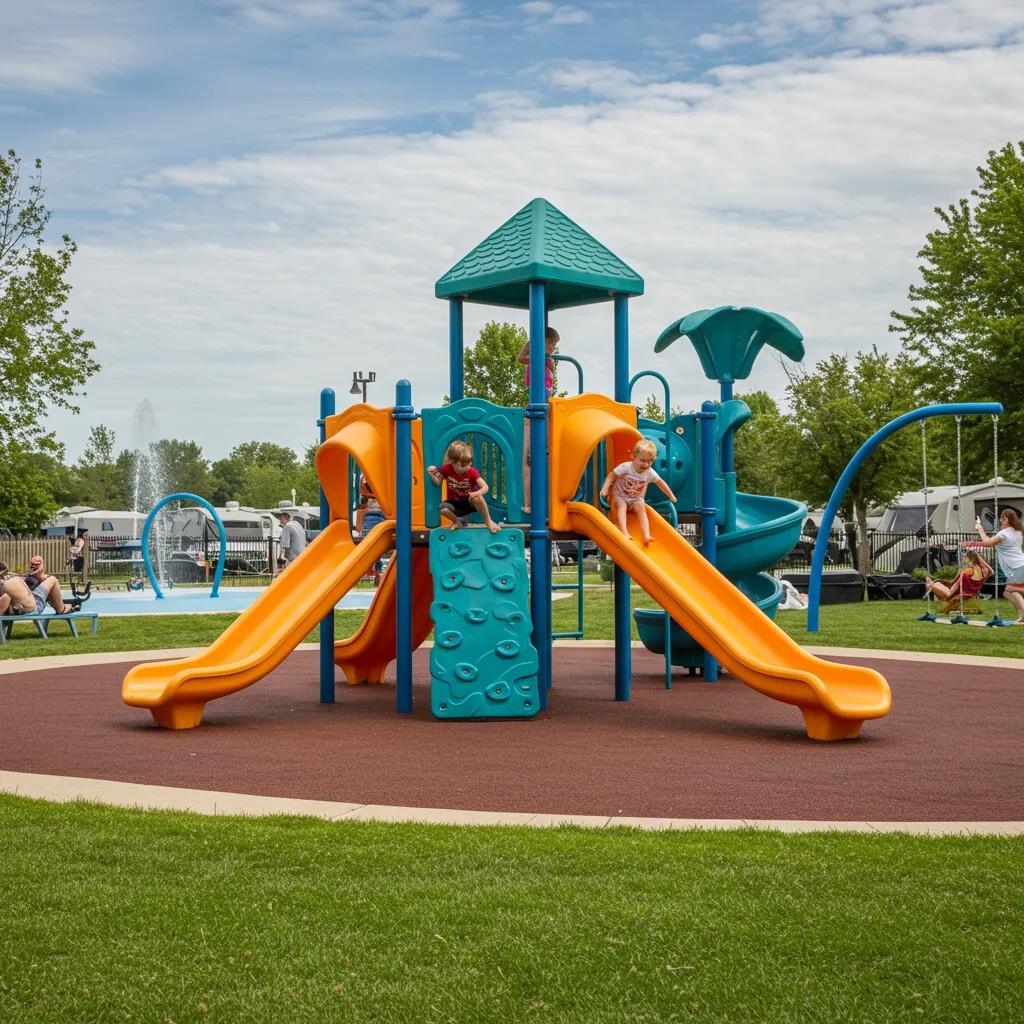
Kid-friendly campground amenities are the mix of play structures, water features, and supervised activities that enable children to play, explore, and socialize while families enjoy shared experiences and downtime. These amenities function by providing safe, age-appropriate zones, organized schedules, and accessible facilities that reduce logistical friction for parents and increase on-site engagement for kids. The main benefit is streamlined family enjoyment: children have stimulating options close to lodging while adults gain peace of mind and opportunities for relaxation. Below we list the highest-impact amenities and compare practical attributes so families can prioritize what matters most for their next camping trip. This leads into specifics about playground types that fit different developmental stages and how water attractions expand the play footprint.
Campground amenities that consistently deliver family fun include:
- Playgrounds with varied zones: Separate toddler and older-kid equipment to match developmental needs.
- Water attractions: Inflatable courses, beaches, or splash pads that provide cooling play and supervised excitement.
- Organized programming: Crafts, games, and themed events that offer structure and social opportunities for kids.
These core amenities reduce planning burdens and help families concentrate on making memories, which is why many parents look specifically for campgrounds offering them when choosing a getaway.
Which Playgrounds and Fun Zones Are Ideal for Kids of All Ages?
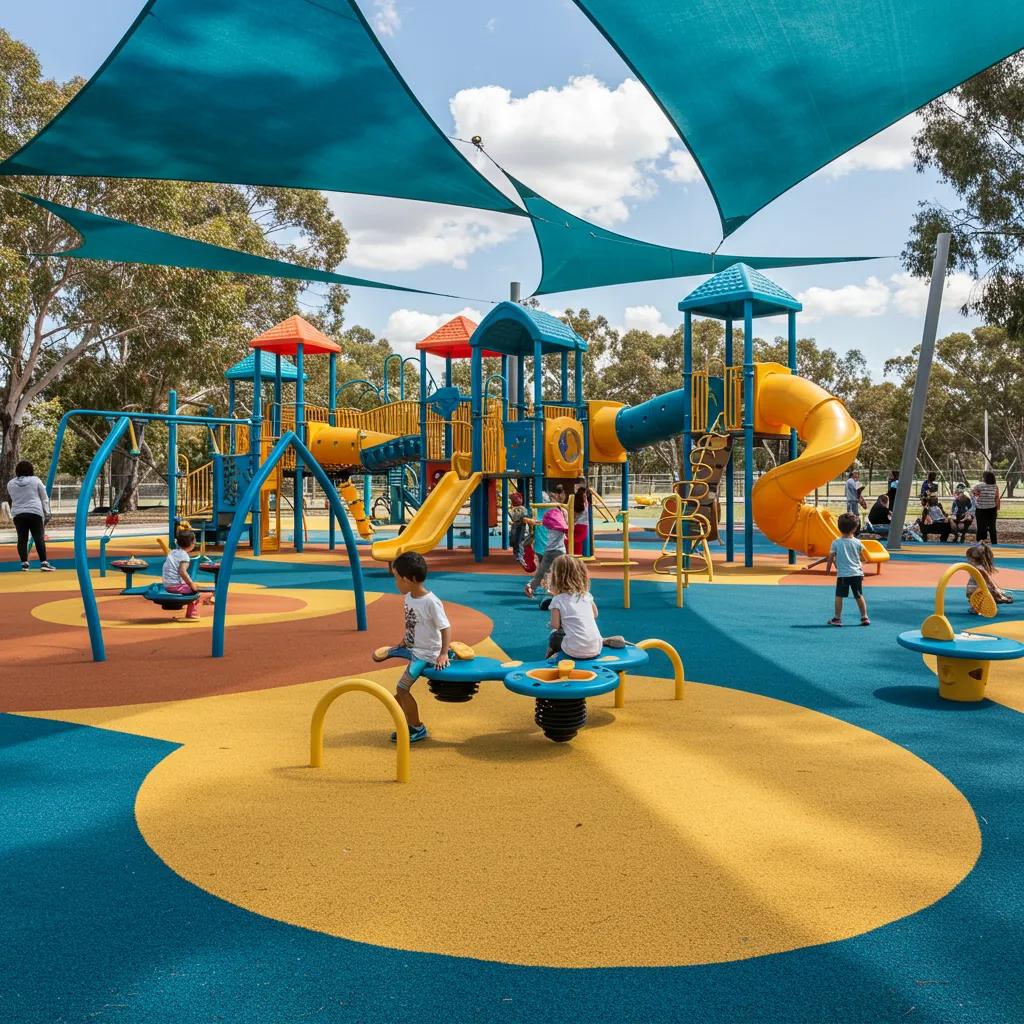
Playgrounds ideal for families include multi-zone layouts with distinct areas for toddlers, young children, and older kids, plus accessible surfacing and caregiver seating to support supervision. Age-separation works because toddlers need low platforms and sensory elements while older children seek climbing walls and challenge courses; providing both ensures siblings can play safely near each other. Design elements such as soft surfacing, shade structures, and clear sightlines improve safety and caregiver comfort, and seating adjacent to play zones supports relaxed supervision. When evaluating a campground’s playgrounds, look for signage indicating recommended ages, shaded benches for parents, and nearby restroom access to minimize interruptions during play.
Families often look for these playground features:
- Separate toddler-friendly areas with low slides and sensory panels.
- Adventure structures and climbing features for school-age kids.
- Accessible ramps and inclusive equipment so children of varying abilities can participate.
Choosing campgrounds with thoughtful playground zoning helps maximize daily playtime and reduce supervision stress for parents while keeping children engaged.
How Do Water Parks and Splash Pads Enhance Family Camping Experiences?

Water attractions such as inflatable obstacle courses, splash pads, and swimming lakes enrich family camping by offering active cooling, cooperative play, and memorable challenges that span ages and skill levels. Inflatable courses like Wibit-style features encourage teamwork and confidence as kids climb and balance, while splash pads provide safe, shallow play for younger children who cannot swim. Water attractions also create predictable peak times—often midday and weekends—so families can schedule quieter morning activities or reserved swim sessions. Effective water features complement playgrounds by delivering higher-energy play options that tire kids out and create natural opportunities for family interaction and photographs.
Key advantages of on-site water amenities include:
- Active engagement through obstacle challenges and team play.
- Cooling relief and extended play windows during warm months.
- Cross-age appeal that keeps siblings entertained together.
Recognizing peak hours and supervision policies allows families to plan swim times that suit energy levels and safety preferences.
Where Can Families Find Campgrounds with Water Parks and Playgrounds in Michigan?
Campgrounds with water parks and playgrounds in Michigan are often located near lakes, rivers, or developed resort properties that focus on family engagement and accessible play features. These locations succeed by combining natural water access—beaches and swim areas—with constructed play amenities and scheduled activities that encourage repeat visits and weekend bookings. Families benefit from choosing sites with a variety of water play options and playgrounds clustered near accommodations so children can move between activities with minimal transit. One notable Michigan example that showcases these combined assets is The Oaks Campground, a flagship property operated by GatherGrounds Resorts in Chelsea, Michigan, which features a swimming lake with sandy beach and several playgrounds for different ages.
When selecting a Michigan campground, check for:
- Proximity of accommodations to play areas for convenience and safety.
- Variety of water features (inflatable courses, lake swim areas, beaches).
- On-site programming and equipment that suit your children’s ages.
Highlighting local options like The Oaks Campground helps families visualize how combined water attractions and playgrounds can deliver a full day of on-site family recreation and easy transitions between activities.
What Unique Features Does The Oaks Campground Offer for Kids?
The Oaks Campground (operated by GatherGrounds Resorts) provides a signature mix of kid-focused amenities designed for memory-making, including a swimming lake with sandy beach and several playgrounds for different ages. These features work together to create choices for varying energy levels and weather conditions so families can pivot between high-energy water play and quieter indoor activities. The benefit to families is a concentrated set of attractions that support multi-day stays without repetitive planning, and the variety appeals to toddlers through older kids. Families planning trips to the area can prioritize dates when weekend events are active to maximize on-site programming.
Families often appreciate these specific amenities:
- Swimming lake and beach for casual swims and sand play.
- Multiple playgrounds for different age groups.
This amenity suite demonstrates how an integrated approach to play areas can make a campground a true family destination.
How Do River Float Trips and Swimming Lakes Add to Outdoor Recreation?
River float trips and swimming lakes expand campground offerings by providing low-cost, nature-based adventures that teach water safety and encourage family cooperation during floats and shoreline play. These activities function by pairing simple equipment—tubes, canoes, kayaks—with guided safety practices and staging areas near campgrounds so families can easily access river routes and launch points. The specific benefits include varied pacing for a stay (relaxed float versus active water play), exposure to local ecosystems, and opportunities for multigenerational participation. Families should prepare with appropriate flotation devices, waterproof bags for essentials, and knowledge of current conditions to maximize safety and enjoyment during floats and lake swims.
Practical float and swim tips include:
- Bring U.S. Coast Guard–approved life jackets for children and non-swimmers.
- Use waterproof storage and sunscreen for extended floats.
- Plan float timing to avoid peak winds and higher river flows.
Integrating river floats with on-site water amenities creates a wider outdoor play palette that enhances the overall family camping experience.
How Can Families Plan a Memorable Camping Trip with Kids?
Planning a family camping trip combines choosing the right accommodations, packing appropriately for ages and activities, and scheduling around organized events and peak amenity hours to reduce stress and maximize fun. Effective planning works by aligning lodging choices with proximity to play areas and by preparing gear tailored to water features and varying weather so families can pivot during a multi-day stay. The most tangible benefit is reduced decision fatigue on-site—when families pre-book suitable lodging, pack for anticipated activities, and check event schedules, days flow more smoothly and kids stay engaged. Below we compare accommodation types and offer a packing checklist to guide decision-making for families with children of different ages.
Families deciding accommodations should weigh:
- Comfort needs and sleeping arrangements for naps and late nights.
- Proximity to play areas and bathrooms for easy transitions.
- Amenities such as hookups, running water, and privacy for caregiving tasks.
Making those choices early simplifies on-site logistics and improves the overall experience for children and adults alike.
What Types of Family-Friendly Accommodations Are Available?
Family-friendly accommodations at campgrounds typically include cabins, RV and tent sites, and sometimes seasonal site options, each offering distinct comfort, convenience, and proximity trade-offs. Cabins provide glamping-style comfort and predictable shelter, which helps with early bedtimes and weather protection, while RV sites deliver hookups and mobility advantages that some families prefer for storage and cooking convenience. Tent sites offer immersive outdoor experience and closer proximity to nature but typically require more packing and may be farther from indoor facilities. Evaluating comfort, accessibility, and proximity to play areas helps families choose the right option for their children’s routines and energy levels.
Compare these accommodation attributes:
- Cabins: higher comfort and simple setup for families with young children.
- RV sites: utility hookups and storage for extended family stays.
- Tent sites: authentic camping with closer nature immersion but more preparation needed.
Balancing these attributes against your children’s needs helps ensure restful nights and easy days.
How Do Modern Facilities Improve Comfort for Families Camping with Children?
Modern facilities such as recently renovated bathrooms and showers and an on-site campground store significantly reduce caregiving friction and make stays easier for families with small children. Clean, updated bathing areas speed routines and improve hygiene comfort, while a campground store supplies forgotten essentials, snacks, and quick meal options that remove the need for long supply runs. These conveniences matter because they reduce downtime and parental stress, enabling more time for play and planned activities. Families should verify on-site facility descriptions when booking to confirm that comfort features align with their expectations and needs during a stay.
Practical implications of modern facilities include:
- Faster clean-up and bedtime routines with renovated bathrooms and showers.
- Last-minute convenience purchases at the campground store to salvage activities.
- Increased overall relaxation when parents can rely on comfortable amenities.
Confirming these features in advance helps families avoid unwanted surprises and focus on play-based priorities.
Why Are Organized Family Activities and Themed Events Important at Kid-Friendly Campgrounds?
Organized family activities and themed events provide structure, social opportunities, and easy engagement for children, turning a campground stay into a curated experience that fosters memories and encourages repeat visits. These programs work by scheduling age-appropriate crafts, games, and themed evenings at central pavilions so families can participate without intensive planning. Benefits include consistent entertainment for kids, community-building among guests, and simplified daily planning for parents who prefer built-in options. Below we list common event types and explain how courts and group games support bonding and physical activity, with an example of campground weekend programming.
Common organized event types include:
- Movie nights and scavenger hunts that give kids collective goals.
- Arts and crafts sessions tailored to different age brackets.
- Sports tournaments and family challenges that welcome all ages.
Structured programming reduces planning load while creating shared experiences that families remember.
What Types of Weekend Themed Events and Kids Crafts Are Offered?
Weekend themed events and kids crafts typically include scavenger hunts, nature crafts, pajama movie nights, and seasonal celebrations that scale by age and allow families to join at their comfort level. These activities operate from central pavilions or activity zones and often include time slots by age group so toddlers and older children can both participate safely. The benefit is predictable entertainment that requires minimal parental prep and encourages social interaction with other families. When reviewing campground calendars, families should look for themes that match their children’s interests and note any registration details for limited-capacity workshops.
Sample themed event schedule elements:
- Morning nature crafts for preschoolers and family hikes.
- Afternoon scavenger hunts and sport rotations for school-age kids.
- Evening movie nights or singalongs for the whole family.
These predictable blocks help families plan meals and downtime efficiently during a busy weekend.
How Do Sports Courts and Group Games Encourage Family Bonding?
Sports courts and group games like sand volleyball, basketball, horseshoes, and gaga ball create low-barrier opportunities for intergenerational play that strengthen family bonds and encourage physical activity. Courts function as communal hubs where families can organize pickup games or join scheduled tournaments, offering a mix of structured and spontaneous engagement. The advantages include inclusive participation for different age groups, friendly competition that builds teamwork, and simple rules that even young children can follow. Planning short family tournaments or rotating teams during a stay turns casual activity time into memorable cooperative play.
Simple tips for organizing games:
- Schedule brief family rounds to accommodate naps and meals.
- Use mixed-age teams to include younger children in play.
- Rotate court times to avoid fatigue and keep participation fresh.
Organized sports and group games are effective at creating shared achievements and energetic memories.
How Do Kid-Friendly Campgrounds Ensure Safety and Supervision in Play Areas?
Kid-friendly campgrounds ensure safety and supervision by combining infrastructure—such as lifeguards, fenced play areas, and soft surfacing—with operational policies like age limits, posted hours, and staff-led activities that standardize expectations for families. These measures work because they reduce ambiguity about supervision responsibilities and provide trained personnel where higher risks exist, such as swimming areas or inflatable courses. The result is a clearer safety environment that supports parental oversight and creates reliable conditions for play. Below we outline typical safety features, recommended supervision practices, and what families should confirm before booking.
Families should check the following safety items:
- Lifeguard coverage and certification for swim areas.
- Clear age signage and fenced play zones for younger children.
- Operational hours and posted rules for water attractions and inflatables.
Verifying these elements upfront helps parents plan supervision routines and select campgrounds that align with their safety expectations.
What Safety Features Are Included in Playgrounds and Water Parks?
Typical safety features include certified lifeguards at staffed swim areas, age-separated playground zones, impact-absorbing surfacing, clear signage about age and height limits, and fences around higher-risk play areas; together these elements reduce common injury vectors and clarify responsibility. Facilities often maintain posted operational hours and attendant oversight for high-impact attractions like Wibit inflatables to manage capacity and safety. Families benefit from these measures because they add layers of protection that supplement caregiver supervision and create predictable play conditions. When touring a campground, look for visible signage, safety equipment storage, and staff presence at key amenity locations.
Confirming these features provides peace of mind and helps parents structure supervision during active play times.
How Can Parents Maximize Fun While Keeping Kids Safe?
Parents can maximize fun and safety by packing essential safety gear—life jackets sized for children, a small first-aid kit, and sun protection—establishing a buddy system with clear meeting points, and scheduling play during supervised hours when lifeguards or staff are present. Clear communication about boundaries and expected behavior, combined with checking facility policies and event times in advance, minimizes surprises and keeps children within staff-monitored windows of activity. The payoff is longer, more confident play sessions and fewer interruptions caused by unexpected needs or safety concerns. Establishing simple routines and checkpoints before each activity enables children to explore while parents maintain effective oversight.
Practical parent checklist:
- Confirm supervised swim times and pack appropriate flotation devices.
- Set clear meeting points and use visible clothing for easy spotting.
- Keep basic first-aid items on hand and review staff locations upon arrival.
Applying these practices helps families enjoy amenities fully while maintaining a safe environment for all children.
The Oaks Campground (operated by GatherGrounds Resorts) offers a comprehensive family camping experience with RV and tent sites, cabins, and seasonal sites complemented by a wide array of facilities and activities designed for children and families. Families aiming to secure access to playgrounds and the swimming lake for upcoming weekends are encouraged to check availability and reservations early to align lodging and event schedules. Reserving a suitable cabin, RV or tent site and confirming renovated bathroom access can simplify routines and guarantee proximity to play areas during busy weekends when organized family and kid-friendly events every weekend at pavilions are active.
Frequently Asked Questions
What should families consider when choosing a kid-friendly campground?
When selecting a kid-friendly campground, families should prioritize proximity to play areas and water features, as well as the variety of amenities available. It’s essential to evaluate the safety measures in place, such as lifeguards at swimming areas and age-appropriate play zones. Additionally, consider the types of accommodations offered, such as cabins or RV sites, and their comfort levels. Checking for organized activities and events can also enhance the camping experience, ensuring that children remain engaged and entertained throughout the stay.
How can families prepare for unexpected weather during their camping trip?
To prepare for unexpected weather during a camping trip, families should pack versatile clothing suitable for various conditions, including rain gear and warm layers. Bringing waterproof bags for essentials and extra blankets can help keep items dry and comfortable. It’s also wise to check the weather forecast regularly and have a backup plan for indoor activities, such as board games or crafts. Ensuring that accommodations have adequate shelter and access to indoor facilities can provide a safe haven during inclement weather.
What are some tips for engaging children in outdoor activities while camping?
Engaging children in outdoor activities while camping can be achieved by incorporating fun and interactive games that encourage exploration. Families can organize scavenger hunts, nature walks, or simple sports like frisbee or soccer. Involving kids in planning activities, such as choosing hiking trails or setting up camp, can also increase their enthusiasm. Additionally, providing opportunities for creative expression, like nature crafts or storytelling around the campfire, can enhance their connection to the outdoors and make the experience more memorable.
How can families ensure their children are safe while enjoying water activities?
To ensure children’s safety during water activities, parents should always supervise them closely and establish clear rules about swimming areas and boundaries. It’s crucial to equip children with U.S. Coast Guard-approved life jackets, especially for non-swimmers. Parents should also familiarize themselves with the campground’s safety policies, including lifeguard availability and peak swim times. Teaching children basic water safety skills, such as floating and signaling for help, can further enhance their confidence and safety while enjoying water features.
What types of organized activities can families expect at kid-friendly campgrounds?
Kid-friendly campgrounds typically offer a variety of organized activities designed to engage children and families. Common options include arts and crafts sessions, scavenger hunts, movie nights, and sports tournaments. These activities are often scheduled by age group to ensure that all children can participate safely and enjoyably. Families can also expect themed events that align with seasonal celebrations, providing opportunities for social interaction and community building among guests, making the camping experience more enriching and memorable.
How can families maximize their camping experience with limited time?
To maximize a camping experience with limited time, families should plan their itinerary in advance, prioritizing must-see attractions and activities. Booking accommodations close to play areas and amenities can save time and reduce travel stress. Utilizing campground schedules for organized events allows families to participate in activities without extensive planning. Additionally, packing efficiently and preparing meals ahead of time can free up more time for fun and relaxation, ensuring that families can fully enjoy their camping adventure without feeling rushed.
Conclusion
Choosing a kid-friendly campground with engaging amenities like playgrounds and water features ensures a memorable family getaway filled with fun and relaxation. These campgrounds provide a safe environment where children can explore and play while parents enjoy peace of mind. By planning ahead and selecting the right accommodations, families can maximize their enjoyment and create lasting memories together. Start your adventure today by exploring our recommended campgrounds and securing your spot for an unforgettable experience.