
Uncovering Hidden Fees: What to Know When Booking Local Campgrounds Near You
Unexpected charges can turn a relaxing camping trip into a frustrating surprise, so learning to spot hidden fees when booking local campgrounds near you is essential. This guide explains what “hidden fees” means in a campground context, why they exist, and how they affect your total cost so you can budget accurately and avoid surprises. After a clear definition and practical examples, the article walks through common fee types, step-by-step checks to prevent extra charges, incidental costs during a stay, and concise answers to frequently asked questions about campground fees. Walnut Hills Family Campground in Durand, Michigan, is referenced as a transparency-minded example; the campground’s family-focused amenities and suggested pricing clarity are used to show how fees can be presented clearly. Read on for actionable steps, comparison tables, and checklists to help you identify fees like reservation charges, resort or amenity fees, pet and utility surcharges, and cancellation penalties before you complete a booking.
What Are the Most Common Hidden Fees at Campgrounds?
Hidden fees are line items not always obvious in initial pricing; they increase the final booking cost and often appear at checkout. These fees exist because campgrounds recover operational, amenity, or administrative costs that the base nightly rate may not cover. Recognizing them up front helps travelers compare total trip costs and avoid surprises when asked to pay at check-in or on-site. Understanding these common fee types directly prepares you to interrogate a booking flow and request transparent pricing before confirming a reservation.
Common hidden fee types include reservation fees, resort or amenity fees, lock-in site fees, pet fees, utility or hookup fees, cancellation fees, and firewood or store charges. These categories appear across state parks, private campgrounds, and third-party booking platforms, so reading final checkout summaries is critical. Below is a concise reference list to clarify definitions.
- Reservation fees: small processing or platform charges added at booking.
- Resort/amenity fees: per-stay or nightly fees for access to pools, parks, or activities.
- Lock-in site fees: charges tied to a specific premium site designation.
This quick list highlights what to check on a booking page and sets up the fee comparison table that follows.
These examples show where fees commonly appear and why they are charged. Recognizing these patterns lets you evaluate whether a campsite offers fair “campground pricing transparency” or hides add-ons until payment.
Which Reservation Fees Should Campers Expect?
Reservation fees are administrative charges applied during the booking process that cover processing, platform commissions, or secure-hold costs. They typically appear as a small line item during checkout and can be charged per reservation, per night, or per guest depending on the platform. Knowing where to find reservation fee information—often in the booking terms or final payment screen—lets you compare total costs across direct and third-party booking channels. Always check confirmation emails for any post-booking adjustments to avoid unexpected charges at arrival.
What Are Resort and Amenity Fees Explained?
Resort and amenity fees pay for shared features such as water parks, organized family events, or lake access and can be charged nightly or once per stay. These fees differ from included amenities, which are part of the base rate; amenity fees are an explicit additional cost for premium services. Asking if specific attractions are included in the rate clarifies whether a campsite offers bundled pricing or itemized add-ons. Confirming inclusion avoids double-counting value when comparing campgrounds on “cost of camping at Walnut Hills” or other properties.
Do Campgrounds Charge Extra for Pets and Utilities?
Pet fees and utility charges are common sources of extra cost, with pet fees often structured as per-pet or per-stay charges and utility fees applied for metered or premium RV hookups. These fees cover cleaning, wear-and-tear, and utility consumption beyond standard service levels. Confirming pet policies and whether utilities are included in site rates lets you anticipate the true total for family camping trips. Always verify whether dog parks or designated pet areas are available and whether they incur separate charges.
How Do Cancellation and Change Fees Impact Your Booking?
Cancellation and change fees define refundability and flexibility for reservations and often depend on timing: full refunds within an early window, partial refunds in a mid window, and non-refundable periods close to arrival. These policies protect campgrounds from no-shows while shifting risk to guests who may need to alter plans. Understanding the specific cancellation timeline and any change fees is crucial to managing financial risk; where possible, choose refundable rates or purchase trip insurance to reduce exposure.
How Does Walnut Hills Family Campground Ensure Transparent Pricing?
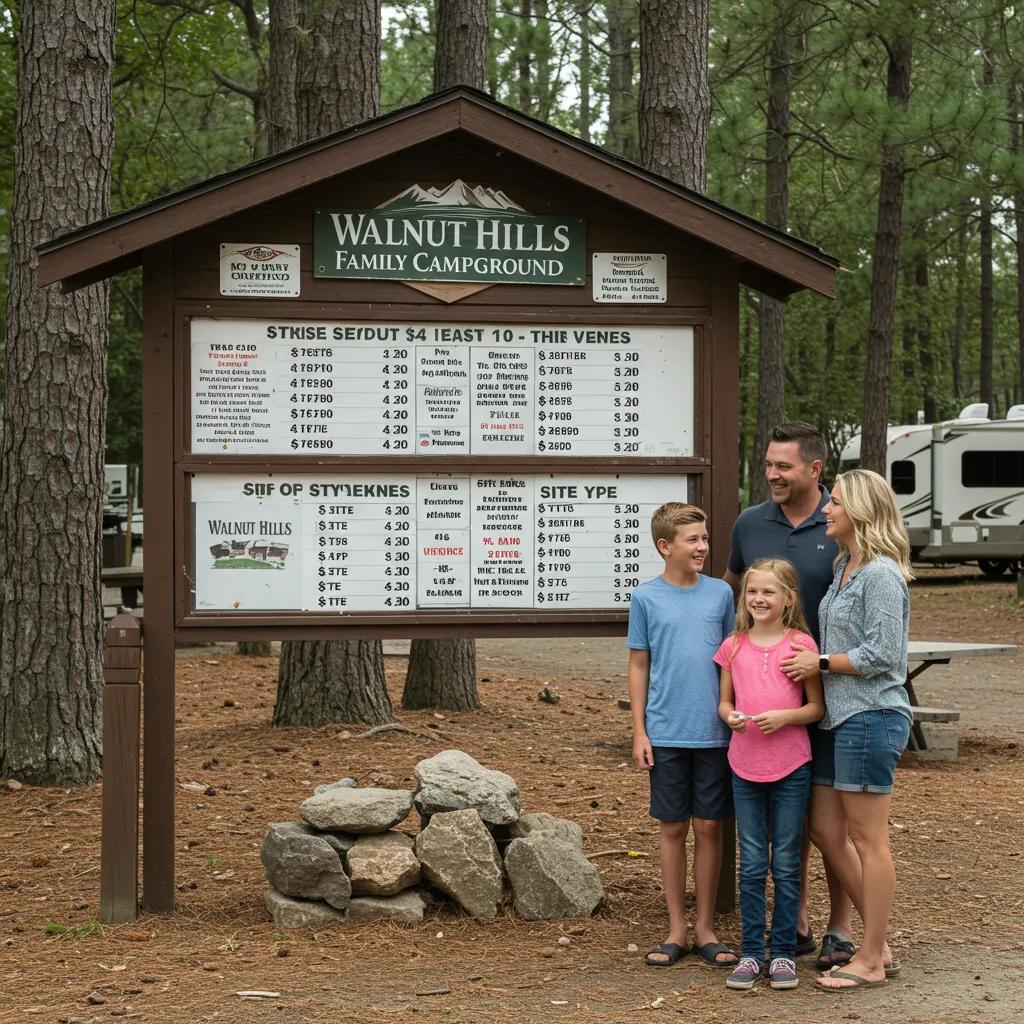
Transparent pricing means listing what is included in the nightly rate versus what incurs an extra charge and making reservation and cancellation policies clear at booking. Walnut Hills Family Campground, a flagship property of GatherGrounds Resorts in Durand, Michigan, emphasizes family-friendly amenities and could present rates alongside clear notes on included services to demonstrate pricing transparency. Using explicit tables for site types and attributes helps guests compare RV sites, tent sites, and cabins at a glance and reduces surprises at check-in.
The table below shows site types and attributes to illustrate the kind of clarity campers should expect.
Presenting rates and attributes in a simple table clarifies expectations and makes comparison straightforward. Guests should look for similar tables when evaluating “Walnut Hills Family Campground rates” or other local listings.
What Are the Rates for RV Sites, Tent Sites, and Cabins?
Clear, tabulated nightly rates by site type allow campers to compare base costs and identify seasonal or weekend differentials that affect total expense. A transparent rate table should note whether taxes, reservation fees, or utility charges are additional and should state any seasonal validity for listed prices. When rates are ambiguous, request a full cost breakdown in writing to compare against other campgrounds and confirm the true out-the-door price for your dates.
Are There Any Reservation or Booking Fees at Walnut Hills?
A direct statement about reservation or booking fees helps travelers decide between direct booking or third-party platforms; transparency requires disclosing the existence and amount of any processing or platform fees. If a reservation fee is applied, it should appear before the final confirmation and on the guest’s receipt. Guests should verify whether same-day bookings or phone reservations change fee application and ask for a line-item breakdown to ensure pricing clarity.
Which Amenities and Activities Have Additional Costs?
Amenities such as canoe and kayak rentals, river float trips, special event tickets, and water-park attractions are commonly offered as paid activities rather than automatically included. Clear lists separating included amenities—like playgrounds, a swimming lake, or dog parks—from paid rentals or guided trips help campers plan budgets. Booking paid activities in advance and asking about group or family pricing can reduce on-site surprises and secure availability.
What Is Walnut Hills’ Pet Policy and Associated Fees?
Pet policies should explicitly state whether pets are allowed, location restrictions, leash rules, and any per-pet or per-stay fees to cover cleaning or liability. Designated pet amenities like a large dog park are valuable features, but guests should confirm rules and any additional charges before booking. Written confirmation of pet allowances in the reservation reduces miscommunication and potential extra fees at check-in.
How Does Walnut Hills Handle Cancellations and No-Shows?
A clear cancellation policy outlines refund windows, penalties, and the process for requesting exceptions; no-show policies explain whether full charges apply if a guest does not arrive. Presenting cancellation windows in a short table or bulleted list makes the policy easy to scan and reduces confusion during changes. Guests should request the cancellation terms be included in their reservation confirmation to ensure a shared understanding.
How Can You Avoid Unexpected Charges When Booking a Campsite?
Avoiding unexpected charges begins with deliberate review of policies, comparing total costs across channels, and asking direct questions before confirming payment. Proactively checking the final checkout summary, reading the campground’s terms, and requesting written confirmation of included amenities minimize the chance of surprise fees. These actions directly reduce the risk of encountering fees like reservation charges, amenity access costs, or unexpected pet surcharges during your stay.
Follow this checklist to reduce surprises before booking:
- Read the full booking terms and cancellation policy before payment.
- Review the checkout summary to spot taxes, service, or reservation fees.
- Confirm which amenities are included in the nightly rate in writing.
Performing these three checks helps identify red flags and ensures you compare apples-to-apples when evaluating “campground pricing transparency” among local options.
What Steps Should You Take to Review All Fees Before Booking?
Systematically check the booking page for line-item fees, review the campground’s policy pages for pet and utility rules, and inspect confirmation emails for any post-booking additions. Ask staff whether amenity access or activities require separate payment and request exact cost figures when possible. Keeping a short list of required confirmations and securing written acknowledgment reduces ambiguity and creates leverage if discrepancies arise at arrival.
How Can Online Booking Platforms Help Reveal Hidden Costs?
Third-party platforms often add service or processing fees and may omit taxes until checkout, while direct bookings sometimes provide fuller transparency or different fee structures. Compare the final total across channels, ensuring any platform convenience is worth the added fees. Always check the final payment screen and confirmation to see whether platform-specific charges or taxes are present and factor them into your comparison.
What Questions Should You Ask Campground Staff About Extra Charges?
Ask direct, concise questions such as: “Are there any resort or amenity fees?”, “Is firewood sold on-site and at what price?”, and “What is your cancellation policy and refund timeline?” Request answers in writing or included in your reservation confirmation. This short script helps secure clarity and prevents verbal-only promises that are hard to enforce.
Are There Ways to Save on Amenity and Activity Fees?
Practical savings include booking bundled packages, visiting off-peak, bringing permitted gear to avoid rental costs, and asking about family or multi-day discounts. Signing up for newsletters or membership programs sometimes unlocks reduced activity pricing. Planning activities in advance and comparing package options can lower per-person costs and maximize value.
- Booking a package: Combines lodging and activities at a discount.
- Bringing your own equipment: Avoids rental fees for kayaks or life vests.
- Off-peak travel: Often reduces nightly rates and reduces the need to pay for peak-time amenities.
These tactics reduce incidental spending and stretch family camping budgets.
What Additional Costs Might Appear During Your Camping Stay?
Incidental charges during a stay often include camp store purchases, firewood, equipment rentals, event fees, and early check-in or late check-out surcharges. These costs are typically charged on-site at the point of sale or added to the final bill and vary by campground. Anticipating these expenses and planning accordingly ensures you can avoid last-minute purchases or higher rental fees.
Campgrounds commonly differentiate included services from paid extras; the table below shows which on-site services are typically included and which often cost extra.
Are Firewood and Camp Store Purchases Typically Charged Separately?
Camp stores generally sell firewood and basic supplies separately, and many areas require purchased firewood to prevent invasive species spread. Expect separate charges for consumables, and plan to bring allowed essentials to reduce store purchases. Confirming camp store hours and prices ahead of arrival prevents surprises and helps you pack smarter for family camping trips.
Do Special Events or River Float Trips Have Extra Fees?
Guided activities, river float trips, and special events usually require additional payment and sometimes advance reservations due to limited capacity. These activities may be offered by the campground as optional add-ons and charged per participant. Booking these experiences early secures a spot and reveals any separate cancellation rules or deposit requirements.
Are Early Check-In or Late Check-Out Fees Common?
Early check-in and late check-out fees depend on occupancy and staffing levels and are sometimes waived during low-demand periods. Asking about flexibility at booking and requesting written confirmation of any waived fees increases your chance of avoiding extra charges. If fees apply, negotiating a reduced rate or alternate times can preserve budget without sacrificing convenience.
Frequently Asked Questions
What Should I Do If I Encounter Unexpected Fees After Booking?
If you encounter unexpected fees after booking, the first step is to review your confirmation email and the campground’s cancellation policy. Contact the campground directly to discuss the charges and seek clarification. If the fees were not disclosed during the booking process, you may have grounds to dispute them. Document all communications and request written confirmation of any agreements or adjustments. If necessary, consider escalating the issue to consumer protection agencies or review platforms to share your experience.
How Can I Compare Campground Fees Effectively?
To compare campground fees effectively, create a checklist of all potential charges, including nightly rates, reservation fees, and amenity costs. Use a spreadsheet to track these details across different campgrounds. Look for transparency in pricing, such as clear breakdowns of included services versus additional costs. Additionally, read reviews to gauge other campers’ experiences regarding hidden fees. This systematic approach will help you make informed decisions and avoid surprises during your stay.
Are There Discounts Available for Extended Stays at Campgrounds?
Many campgrounds offer discounts for extended stays, typically for bookings of a week or more. These discounts can vary widely, so it’s essential to inquire directly with the campground about their policies. Some may provide a percentage off the nightly rate or offer a free night after a certain number of paid nights. Always ask about any special promotions or loyalty programs that could further reduce costs, especially during off-peak seasons.
What Are the Best Practices for Booking Campgrounds Online?
When booking campgrounds online, always read the fine print regarding fees and policies. Start by checking the campground’s official website for the most accurate information. Use reputable booking platforms that provide clear fee disclosures. Before finalizing your reservation, review the total cost, including taxes and fees, and confirm the cancellation policy. Additionally, consider reaching out to campground staff with any questions to ensure you have a complete understanding of what to expect.
How Can I Ensure My Family’s Needs Are Met When Booking a Campsite?
To ensure your family’s needs are met when booking a campsite, start by identifying your specific requirements, such as the number of guests, pet policies, and desired amenities. Research campgrounds that cater to families, focusing on those with kid-friendly activities and facilities. When booking, communicate directly with campground staff to confirm that your needs can be accommodated, and ask about any additional costs associated with specific amenities or services. This proactive approach will help create a more enjoyable camping experience.
What Should I Know About Group Bookings at Campgrounds?
Group bookings at campgrounds often come with unique considerations, such as special rates or reserved areas for larger parties. It’s essential to contact the campground directly to discuss your group’s size and needs. Some campgrounds may offer discounts for group reservations or provide additional amenities like picnic areas or event spaces. Be sure to inquire about any specific policies regarding deposits, cancellations, and payment timelines to ensure a smooth booking process for your group.
How Can I Identify and Understand Lock-In Site Fees?
A lock-in site fee is a premium charge tied to reserving a specific high-demand or premium campsite and can appear as an added nightly or one-time cost. Detect lock-in fees by noting whether a site selection step adds a separate charge during checkout. To avoid or challenge these fees, compare similar sites, request alternatives, or ask whether the fee can be waived for direct bookings.
What Is a Campground Resort Fee and When Is It Charged?
A resort fee generally funds shared amenities and is charged per night or per stay to grant access to facilities like water parks or organized events. Identify resort fees on the booking summary and in the property’s pricing policy to determine whether the fee is justified by included amenities. If a resort fee seems high, request an itemized list of included services to evaluate value.
Are Pet Fees Standard Across All Campgrounds?
Pet fee policies vary widely: some campgrounds charge per pet, others per stay, and some require deposits or have size restrictions. Verify pet limits, leash rules, and any designated pet areas when booking. Written policy confirmation avoids disputes and helps you budget for pet-related charges.
What Are Typical Cancellation Fee Policies at Family Campgrounds?
Cancellation policies usually include full refunds within an early cancellation window, partial refunds in a mid window, and no refunds close to arrival dates; exact days vary by campground. Family campgrounds may offer flexible options for family emergencies but always check the specific timeline. Purchasing refundable rates or travel protection can safeguard your cost if plans change.
How Do I Know If There Are Any Hidden Fees Before Booking?
Spot hidden fees by scanning the booking checkout for line-item charges, reading the campground’s pricing and policy pages, and asking staff to confirm what is included. Red flags include vague language about “fees may apply” and missing itemized totals before payment. If unclear, request a written estimate that lists nightly rate, taxes, reservation fees, amenity charges, and potential incidental costs to ensure transparent comparison among options.
Conclusion
Understanding hidden fees when booking local campgrounds is crucial for a stress-free camping experience. By recognizing common charges and asking the right questions, you can ensure transparency and avoid unexpected costs. Take the time to review policies and compare options to make informed decisions for your family trips. Start planning your next adventure today by exploring our comprehensive guides and resources.