
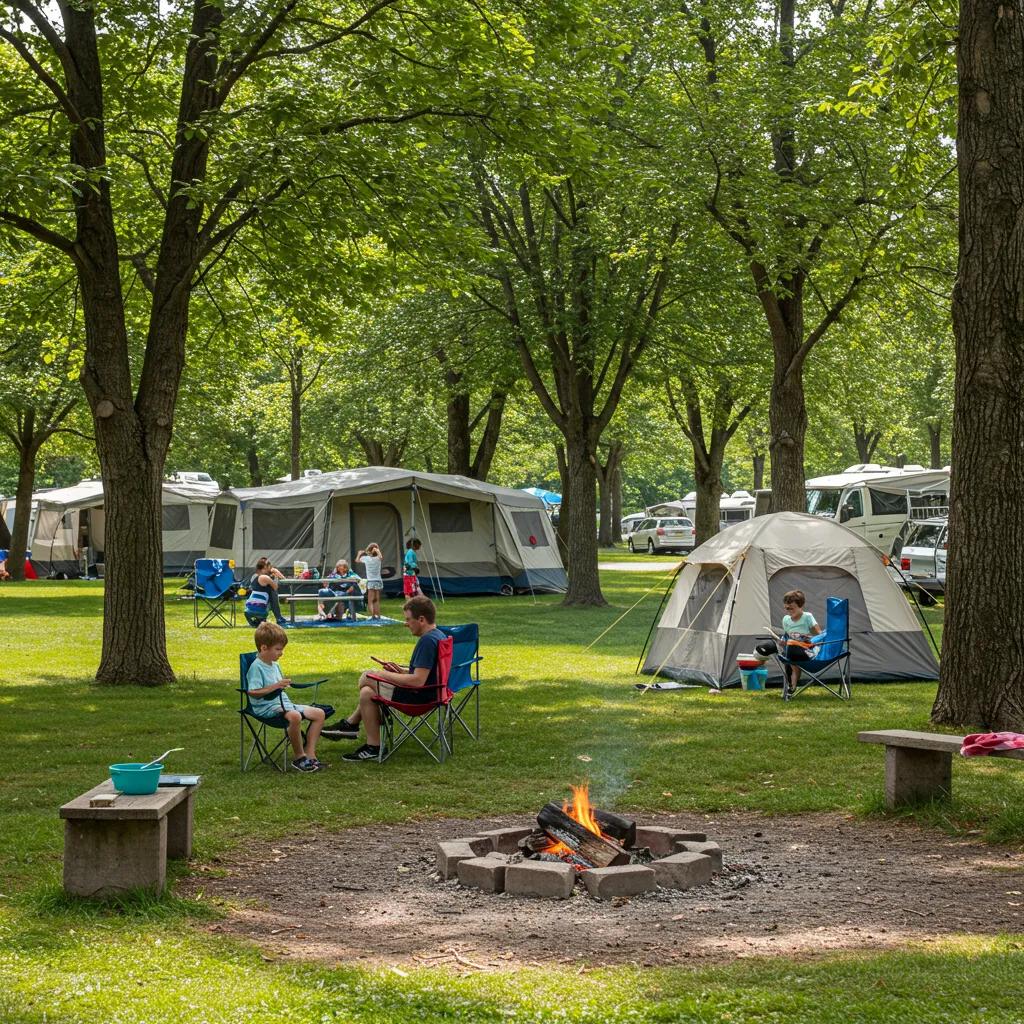
Established vs. New Campgrounds: Comparing Quality and Service Standards for Family Camping
Established campgrounds and new campgrounds represent two distinct approaches to family outdoor stays, and choosing between them affects comfort, convenience, and the range of activities available. This article explains how established sites differ from newer developments in infrastructure, service standards, and family programming, and it helps families decide which setting best matches their priorities. Readers will learn definitions, practical amenity comparisons, how modernization bridges gaps, and what to expect from booking and on-site support. The piece draws on examples of modernization outcomes to show how legacy locations can add contemporary amenities without losing character. In the sections that follow we define both campground types, compare quality standards and customer service models, review family-friendly programming, and explain why a modernized established campground can deliver balanced value for families. Relevant keywords such as established campground modernization, full hookup RV sites, and family-friendly campground Michigan are woven through the analysis to aid practical decision-making.
What Defines Established and New Campgrounds? Key Differences in Quality and Amenities
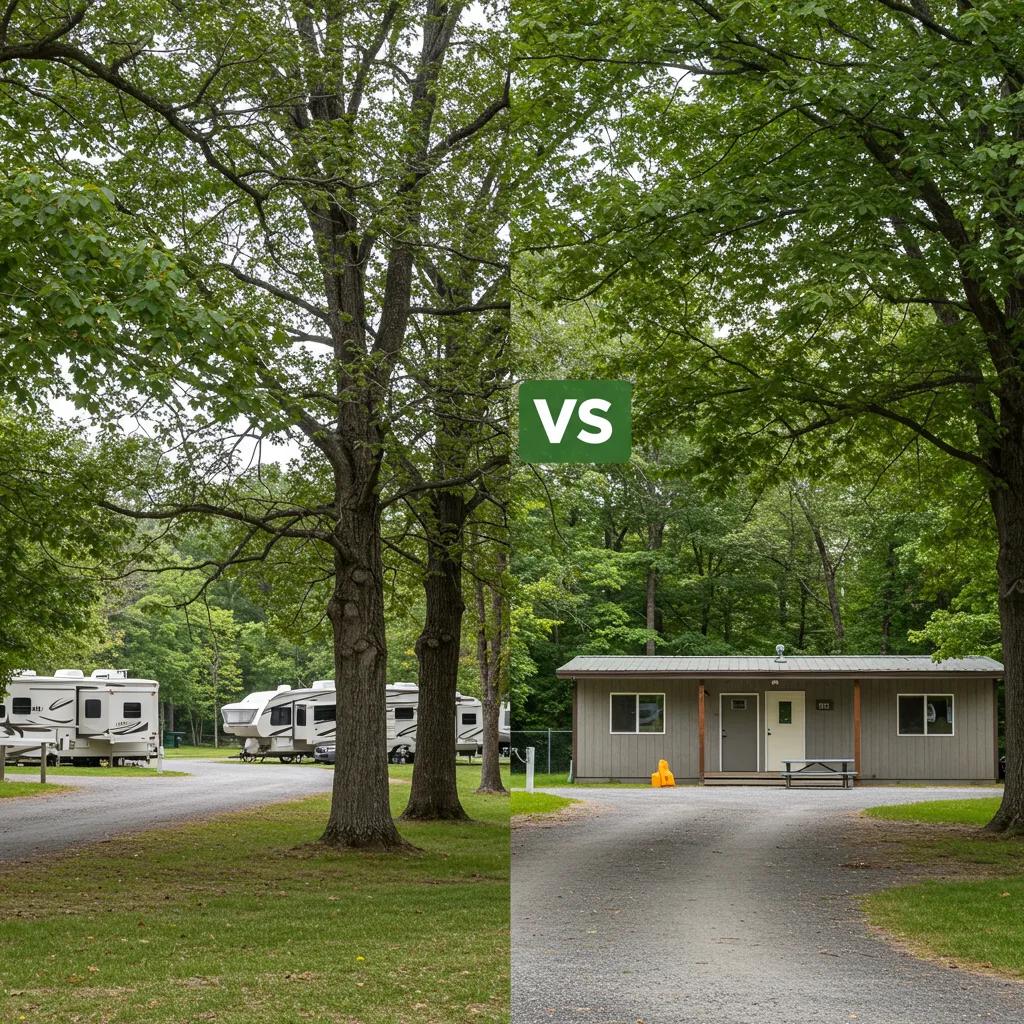
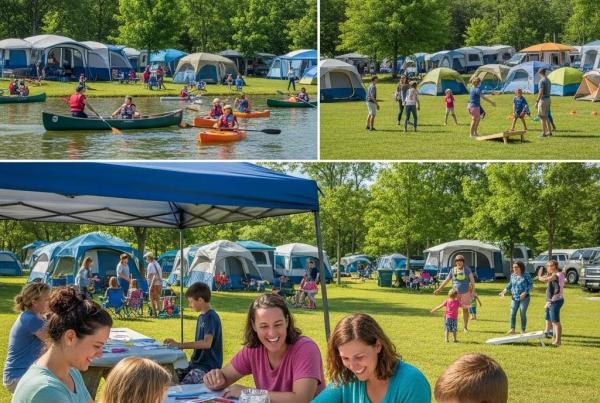
An established campground is a site with an existing layout, mature landscapes, and a history of guest use, while a new campground is purpose-built with contemporary infrastructure and design. The mechanism behind their difference is that established sites often trade built-in natural assets and community traditions for older infrastructure, whereas new sites prioritize modern utility installation and planned recreational features. Families benefit from established campgrounds through setting and accessibility, but new campgrounds tend to deliver uniform accessibility and freshly installed amenities. Below is a quick comparison list that highlights these typical contrasts and helps readers spot which factors matter most when choosing a site.
- Mature trees, established layouts, and legacy trails often define established campgrounds and create scenic value for families.
- New campgrounds typically provide contemporary utility infrastructure, restaurant-style recreation, and deliberate accessibility planning.
- Modernization projects aim to combine an established campground’s location advantages with new amenities like full hookups and upgraded bathhouses.
These core distinctions lead directly into how established properties maintain charm and how modernization can preserve assets while upgrading facilities.
How Do Established Campgrounds Maintain Their Legacy and Charm?
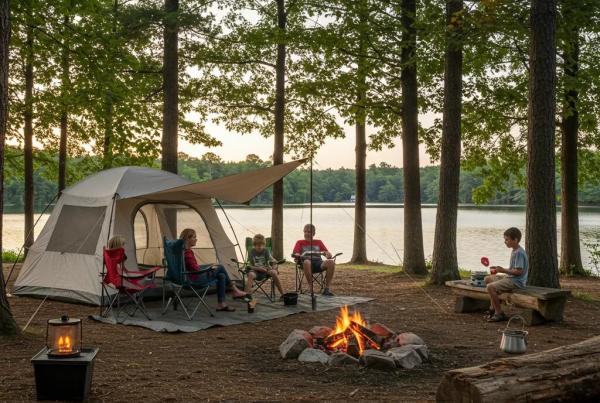
Established campgrounds preserve legacy through landscape stewardship, long-running events, and careful infrastructure upkeep that prioritizes natural character. Managers maintain mature tree lines, historical site names, and community programming that sustain visitor traditions and emotional attachment, which appeals strongly to returning families. Practical measures include phased road resurfacing, selective site enlargement, and preservation of river or lake frontage to keep the setting intact while improving safety. Maintaining charm requires balancing conservation with targeted upgrades, which sets the stage for explaining what new campgrounds typically offer as a contrast.
What Amenities Typically Distinguish New Campgrounds?
New campgrounds typically distinguish themselves with resort-style recreational features, standardized full hookups, and contemporary accessibility and safety design. Developers install reliable Wi-Fi infrastructure, full hookup RV sites, and purpose-built playgrounds or water attractions during construction to meet modern family expectations. These features support convenience for multi-generational groups and attract guests who prioritize immediate access to modern comforts. Understanding these amenities helps families weigh whether convenience or character is their primary booking criterion.
How Does Modernization Bridge the Gap Between Old and New Campgrounds?
Modernization bridges legacy and modernity by sequencing infrastructure upgrades—such as renovated bathhouses, upgraded electrical capacity, and improved on-site roads—while preserving mature landscapes and recreational traditions. Renovation projects improve guest experience by adding family-centric attractions and safety upgrades without erasing natural assets, and phased work keeps disruption low. This process explains why a modernized established campground can deliver many benefits associated with new builds while retaining location-based advantages, which leads into a deeper look at how quality standards compare across site types.
How Do Campground Quality Standards Compare Between Established and New Sites?
Campground quality standards vary across infrastructure reliability, amenity scope, and operational cleanliness; new sites often start with modern standards while established sites rely on upgrades to match them. Infrastructure—roads, hookups, bathhouse condition—directly affects perceived quality because families judge comfort and safety first. Below is a focused comparison table that clarifies differences among Established Campgrounds, New Campgrounds, and Modernized Established Campgrounds using concrete facility attributes.
This comparison shows that modernization projects close the gap on critical amenities while preserving natural site value, and the next subsection details which specific facility upgrades deliver the most impact for guests.
What Facility Upgrades Improve Established Campgrounds’ Quality?
Facility upgrades that most improve perceived quality include renovated bathhouses with modern fixtures, upgraded electrical and sewer hookups for RVs, and repaved internal roads with clearer signage. These upgrades directly enhance family comfort, reduce complaints, and expand the types of rigs and guests a site can serve. Practical examples of success factors include adding accessible shower stalls and increasing amperage at RV pedestals to support larger units. The impact of these upgrades leads naturally to identifying which amenities families consider essential for a modern campground experience.
Which Amenities Are Essential for Modern Campground Quality?
Essential amenities for modern family camping include clean, accessible restrooms; recreational features like water play structures; pet-friendly zones; and reliable utility hookups. These amenities reduce friction for families, keep children engaged, and enable longer stays by providing comfort and convenience. Specifically, attractions such as interactive water features and dog parks extend appeal across age groups and support multi-day programming schedules. Recognizing these essentials helps explain how cleanliness and maintenance protocols differ across campground types.
How Is Cleanliness and Maintenance Managed Differently?
Cleanliness and maintenance are managed through scheduled routines, seasonal deep-clean cycles, and rapid-response repairs; new campgrounds often implement standards from day one, while established sites may adopt structured schedules during modernization. Operationally, teams use daily restroom checks, nightly site inspections, and guest reporting channels to manage standards, and modernization typically adds staffing or technology to track work orders. Feedback loops and documented SOPs turn observations into measurable improvements, which connects to how service expectations vary for camping guests.
What Are the Differences in Customer Service Expectations at Established vs. New Campgrounds?
Customer service expectations hinge on booking ease, check-in speed, staff availability, and programmatic support; newer campgrounds often offer streamlined online booking and automated confirmations, while established campgrounds rely on reputation and on-site relationships unless modernized. Guests expect family-focused responsiveness, clear policies, and friendly staff who can handle activities and logistics. The following table contrasts booking and on-site service practices and illustrates how a standardized model can enhance satisfaction.
This comparison shows that standardized customer service systems increase repeat visitation and trust, and the next subsection explains GatherGrounds’ specific model as an illustrative best practice.
How Does the GatherGrounds Customer Service Model Enhance Guest Satisfaction?
GatherGrounds emphasizes family-focused staff interactions, standardized booking and check-in protocols, and activity programming to enhance guest satisfaction across properties. The model trains staff to combine friendliness with operational consistency, ensuring families receive clear information on arrival and responsive support during their stay. Programming teams coordinate events and recreational offerings to increase on-site engagement, while procedures for handling feedback feed directly into operational improvements. These service practices exemplify how a structured approach translates into measurable guest outcomes and segue into the role of feedback in continuous improvement.
What Role Does Guest Feedback Play in Service Improvement?
Guest feedback—via reviews, front-desk reports, and direct communications—functions as the primary input for prioritizing repairs, upgrades, and programming changes. Operators analyze trends in feedback to schedule renovations, expand successful activities, or refine staffing schedules for peak season coverage. Public responses to reviews and transparent action plans build trust and demonstrate accountability to families considering return visits. Effective feedback loops therefore link guest experience data to operational decisions, which influences booking systems and on-site support differences explored next.
How Do Booking and On-Site Support Differ Across Campground Types?
Booking and on-site support differ primarily in technology adoption, staffing levels, and programming depth: new campgrounds prioritize integrated online systems and program teams, while established sites vary based on modernization investments. For a family making a last-minute change, a new site might provide instant confirmation and mobile check-in, whereas an established site may require phone coordination unless updated. On-site, staffing models range from single-desk operations to dedicated activity teams that deliver scheduled events and rapid assistance, shaping the overall guest experience and informing family choices.
How Do Family-Friendly Activities and Facilities Vary Between Established and New Campgrounds?
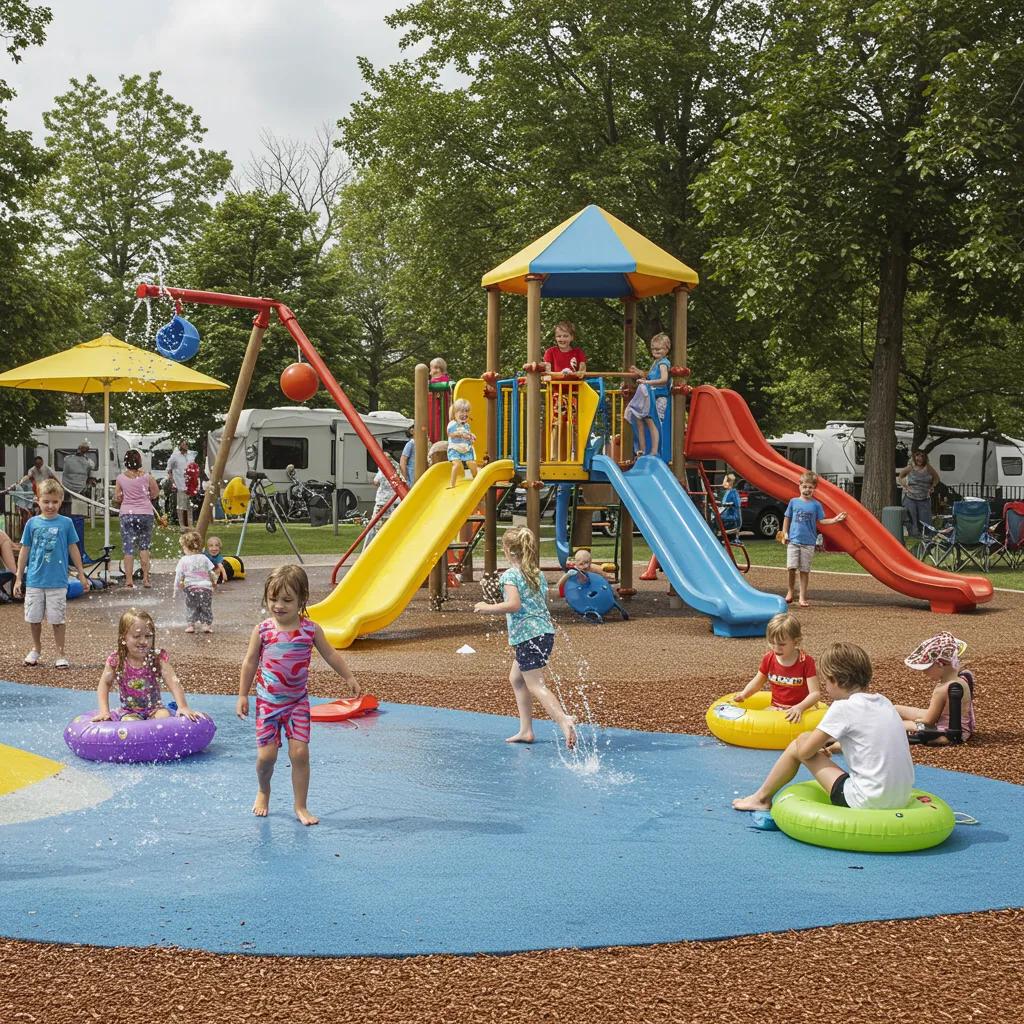
Family activities and facilities fall along a spectrum: established campgrounds may offer traditional natural activities and community events, new campgrounds often provide planned recreational attractions, and modernized established sites blend both approaches. Families evaluate offerings by age suitability, seasonal availability, and whether activities are staffed or self-guided. The EAV table below helps families assess which campground type typically provides which activity level and when those activities are available.
This activity breakdown clarifies where families find staffed attractions versus self-guided natural experiences, and the following subsections give concrete examples and explain accommodation implications.
What Unique Family Activities Does Walnut Hills Offer?
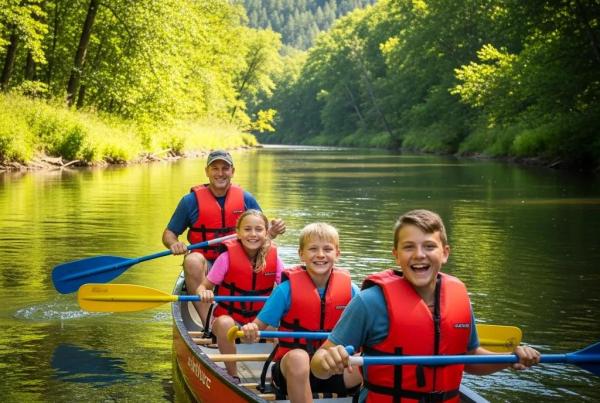
Walnut Hills Family Campground, operated by GatherGrounds Resorts, provides family-centered programming including a Wibit-style water park, themed weekend events, river float trips on the Shiawassee River, and playground areas. These activities serve a wide range of ages and create structured entertainment options that complement natural exploration. By adding renovated bathhouses and full hookup sites, Walnut Hills demonstrates how modernization enables broader family programming without sacrificing the established site’s river access and scenic assets.
How Do Modern Amenities Support Family Camping Experiences?
Modern amenities—clean restrooms, reliable full hookups, dog parks, and stable Wi-Fi—reduce friction for parents and keep kids engaged, which increases overall satisfaction and length of stay. Convenience amenities allow families to spend more time on activities and less time managing logistics like sanitation and power needs for medical devices or cooking. Pet-friendly spaces expand options for whole-family travel, and technology amenities support multi-generational coordination and safety. Recognizing these practical benefits helps families choose accommodations that fit their group composition.
Why Are Diverse Accommodation Options Important for Families?
Offering RV sites, tent sites, cabins, and glamping options lets campgrounds serve multi-generational groups and varying budgets, from grandparents needing accessible cabins to teens preferring tent adventures. Diverse lodging increases flexibility for families traveling together with different comfort needs and enables longer stays by widening appeal. Accommodation variety also supports event programming, as cabins can host families wanting comfort while tent sites attract those seeking a traditional experience. These considerations feed into final judgments about value and convenience when comparing modernized established sites to new campgrounds.
Why Choose a Modernized Established Campground Over a New One?
A modernized established campground can deliver the best of both worlds: the convenience of an accessible, familiar location and contemporary amenities that families expect, making it a strong choice for multi-generational trips. Key benefits include preserved natural assets combined with upgraded facilities that support comfort, a broader set of family activities, and service models designed to boost guest satisfaction. The short list below summarizes why families often favor modernized established sites when weighing location, amenities, and community value.
- Balanced Value: Modernized sites retain scenic advantages while providing modern utilities and recreational features.
- Family Programming: Upgraded parks and events increase on-site engagement for all age groups.
- Convenience: Improved hookups, renovated bathhouses, and better roads reduce trip friction for large rigs.
Each benefit supports the decision to prioritize family needs over novelty alone, and the final H3s unpack Walnut Hills’ advantages, location considerations, and preservation strategies.
What Are the Benefits of Staying at Walnut Hills Family Campground?
Walnut Hills combines renovated amenities—such as refreshed bathhouses and full hookup RV sites—with family programming like water play and river floats, offering families both comfort and activity options. The property’s river access and playgrounds support outdoor exploration, while modernization projects have increased utility reliability and site accessibility. As a case study operated by GatherGrounds Resorts, Walnut Hills illustrates how focused renovations elevate guest experience without erasing the established site’s natural appeal.
How Does Location and Accessibility Affect Camper Convenience?
Location and accessibility determine travel time, availability of nearby services, and ease of maneuvering large rigs into sites; an established campground near regional centers typically reduces drive time and enhances usable vacation hours. Site layout, pull-through sites, and onsite parking influence whether larger RVs can park and whether families can unload efficiently. Proximity to groceries, fuel, and medical services also changes logistics planning, making location a non-negotiable factor for many family trips and an important reason to consider modernized established campgrounds.
How Do Modernized Campgrounds Balance Nature and Comfort?
Modernized campgrounds balance nature and comfort by preserving tree lines, using low-impact amenity placement, and integrating sustainable upgrades like efficient water and energy fixtures. Design choices focus on situating recreational features where they minimize ecological disturbance while maximizing family access and safety. This selective approach maintains a rustic feel even as comfort levels rise, ensuring the natural experience remains central to camping while modern amenities reduce barriers to enjoyable stays.
Frequently Asked Questions
What should families consider when choosing between established and new campgrounds?
When choosing between established and new campgrounds, families should consider factors such as location, amenities, and the type of activities available. Established campgrounds often provide a scenic, natural environment with a sense of history, while new campgrounds may offer modern facilities and planned recreational features. Additionally, families should evaluate their specific needs, such as accessibility for larger RVs, proximity to local attractions, and the types of family-friendly activities that are available at each site.
Are there any safety concerns associated with older established campgrounds?
Safety concerns at older established campgrounds can include outdated infrastructure, such as older bathhouses and roads that may require maintenance. However, many established campgrounds are undergoing modernization efforts to address these issues, improving safety features while preserving their natural charm. Families should inquire about recent upgrades and maintenance schedules to ensure that the campground meets current safety standards, especially if traveling with children or elderly family members.
How can families find out about the specific activities offered at a campground?
Families can find out about specific activities offered at a campground by visiting the campground’s official website, where they often list available amenities and scheduled events. Additionally, contacting the campground directly can provide insights into seasonal activities, age-appropriate programming, and any special events planned during their stay. Online reviews and social media pages can also offer valuable information from previous guests about their experiences and the types of activities available.
What are the benefits of modern amenities in campgrounds for families?
Modern amenities in campgrounds, such as clean restrooms, reliable Wi-Fi, and full hookups, significantly enhance the camping experience for families. These conveniences reduce logistical challenges, allowing families to focus on enjoying their time together. Features like pet-friendly zones and recreational facilities cater to diverse family needs, making it easier to accommodate different age groups and preferences. Overall, modern amenities contribute to a more comfortable and enjoyable camping experience, encouraging longer stays and repeat visits.
How do family-friendly activities differ across campground types?
Family-friendly activities can vary significantly between campground types. Established campgrounds may focus on traditional outdoor experiences, such as hiking and community events, while new campgrounds often provide structured recreational attractions like water parks and organized activities. Modernized established campgrounds typically blend both approaches, offering a mix of natural exploration and planned events. Families should assess the age suitability and seasonal availability of activities to ensure they align with their interests and needs.
What role does technology play in enhancing the camping experience?
Technology plays a crucial role in enhancing the camping experience by streamlining booking processes, improving communication, and providing access to amenities. New campgrounds often utilize integrated online booking systems, mobile check-in, and real-time updates on activities. Established campgrounds that modernize may adopt similar technologies to enhance guest interactions and operational efficiency. Additionally, reliable Wi-Fi allows families to stay connected, share experiences, and access information about local attractions, making their stay more enjoyable and convenient.
How can families ensure they choose a campground that meets their needs?
To ensure they choose a campground that meets their needs, families should start by identifying their priorities, such as desired amenities, activities, and location. Researching campgrounds online, reading reviews, and comparing features can help families make informed decisions. Additionally, reaching out to campground staff for specific questions about accommodations, safety measures, and family programming can provide clarity. Finally, considering the needs of all family members, including pets and children, will help in selecting the most suitable campground for a memorable experience.
Conclusion
Choosing between established and new campgrounds can significantly impact your family’s camping experience, balancing natural charm with modern conveniences. Modernized established campgrounds offer the best of both worlds, combining scenic advantages with upgraded amenities that enhance comfort and engagement. Families can enjoy a variety of activities and improved service standards, ensuring a memorable stay for all ages. Discover the perfect campground for your next adventure by exploring our curated selection today.