

Comparing Campground Costs: Ohio vs. Neighboring States – What You Need to Know About Pricing and Value
Camping costs can really vary depending on the type of site, who owns it, and the time of year. Knowing these differences helps families and RV adventurers find the best bang for their buck. This article breaks down how campground prices in Ohio stack up against those in Michigan, Pennsylvania, and Indiana. We’ll look at prices for full-hookup RV spots, basic tent sites, cabins, and glamping, and highlight the amenities that influence the cost. You’ll get a feel for typical Ohio price ranges, how private campgrounds compare to Ohio State Parks, the impact of seasons and long-term stays, and smart ways to cut down your total trip expenses. We’ve included specific examples, with a closer look at Ridge Ranch Campground by GatherGrounds near Newton Falls, Ohio, as a great private option, complete with site rates and family-focused amenities. Keep reading for state-by-state cost breakdowns, checklists for spotting hidden fees, the pros and cons of seasonal and monthly camping, and actionable booking tips to get the most amenities for your dollar on your next getaway.
What Are the Average Campground Prices in Ohio for Different Site Types?
The average campground prices in Ohio mostly come down to the type of site and the amenities offered. Full-hookup RV sites naturally cost more than primitive tent sites, and cabins or glamping options come with a premium for the added comfort. Pricing is structured around amenity tiers: basic sites have minimal facilities, electric sites add power and sometimes water, and full-hookup RV sites include sewer, water, and electricity, which all contribute to higher nightly rates. For families and groups, this means balancing the nightly cost against the convenience of included features that might save you from using laundromats or renting equipment. The table below gives you a quick look at typical Ohio site pricing and what you can generally expect for those costs.
Common Ohio site pricing and what you typically get:
This quick overview shows that primitive tent sites are the most budget-friendly option, while cabins and glamping units can often double the basic site rates. Understanding these tiers helps you figure out which price range fits your needs before you even start comparing states. The next section dives into how RV, tent, and cabin costs relate to each other in Ohio.
How Much Do RV Sites Cost in Ohio Compared to Tent and Cabin Sites?
Full-hookup RV sites in Ohio generally cost more than primitive tent sites because the full infrastructure—sewer, water, and 30/50A electric—adds to operating and maintenance expenses. However, they often simplify trip logistics for families and longer stays. The logic is straightforward: higher initial investment and utility provision lead to a higher nightly rate, but it also means fewer extra costs like dump station fees or buying portable water. Typical price ranges in Ohio often place full-hookup RV sites between $25–$45 per night, while tent sites usually fall between $10–$35, depending on whether electricity is available. Cabins and glamping units are priced above both site types because they bundle lodging, climate control, and furnishings, typically ranging from $45–$90. This can be a smart choice for groups who might otherwise need to pay for multiple tent or RV sites. Grasping this price ladder helps travelers pick the right accommodation based on overall trip costs and convenience.
What Amenities Are Included in Ohio Campground Prices?

The differences in price are largely explained by amenity tiers. Sites offering just a picnic table and shared restroom are the most affordable, while those with full hookups, showers, Wi-Fi, and access to a beach or pool command higher rates because they reduce the need for extra purchases and boost convenience. Amenities are key components of the campground experience—full hookups, lake or beach access, playgrounds, and organized activities all add to the perceived value and justify price increases. Many private campgrounds include activity packages, equipment rentals, and entertainment in their higher-tier site rates, whereas public campgrounds typically offer fewer on-site services but maintain lower base prices. When you’re comparing RV park rates or glamping prices, it’s smart to check which amenities are included so you can calculate the total trip cost, not just the nightly rate.
How Do Seasonal Rates Affect Ohio Campground Pricing?
Seasonality in Ohio is driven by peak summer demand, holiday weekends, and local event schedules. This creates a dynamic where limited high-demand dates lead to price increases and reduced availability for popular sites. Peak months often see rates jump 10–50% higher than shoulder-season prices, especially at properties located on lakes or geared towards families. Holiday weekends might also come with surcharges or minimum-stay requirements that push up the overall cost. Off-peak periods usually feature discounts, lower nightly rates, and more flexible booking windows, bringing per-night costs well below summer levels. For those watching their budget, shifting travel dates to shoulder seasons or opting for midweek stays is a reliable way to lower nightly costs while still enjoying many of the available amenities.
How Does Ridge Ranch Campground Offer Value Compared to Ohio State Parks?
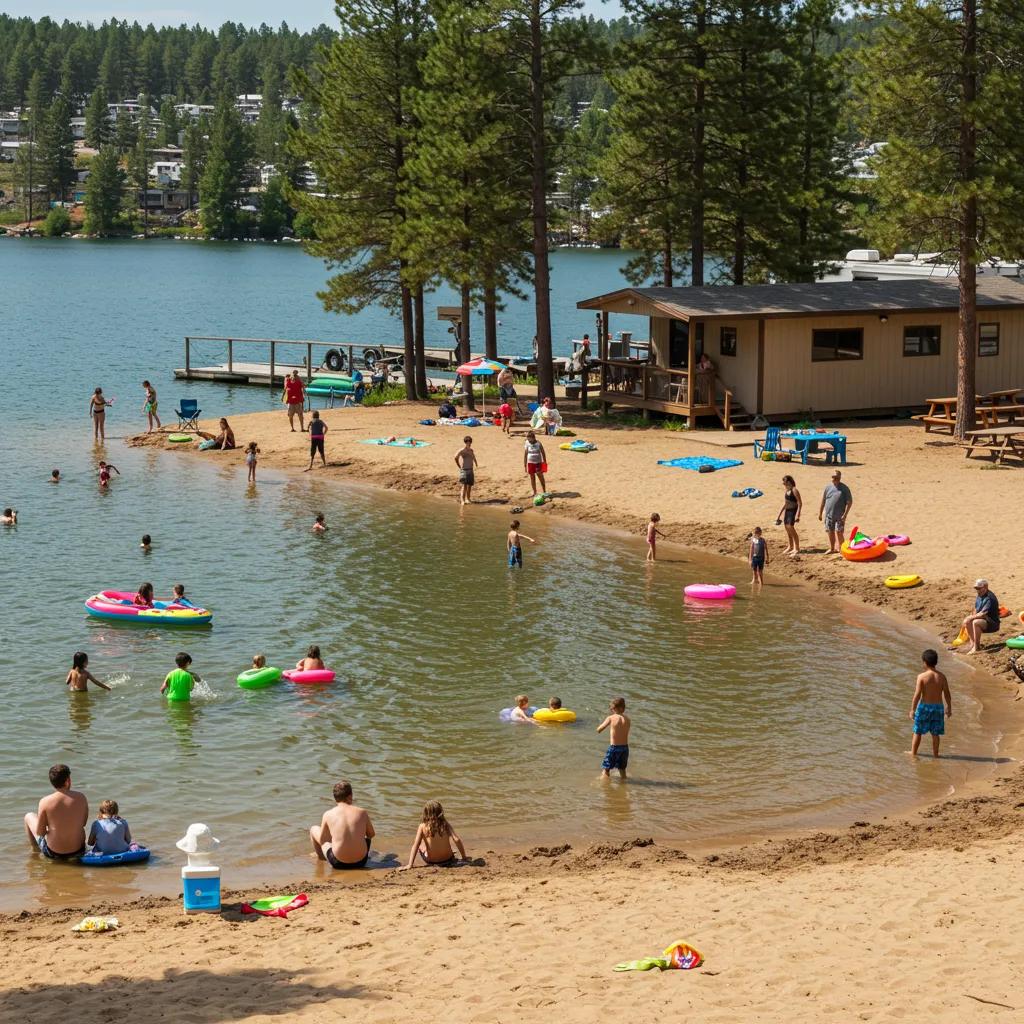
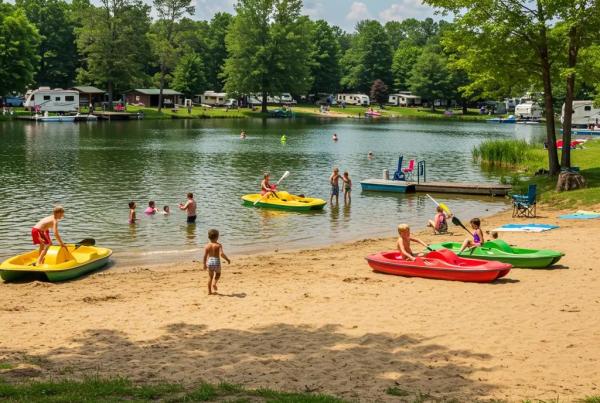
Ridge Ranch Campground by GatherGrounds offers a compelling mix of lakefront features and family programming that sets its value apart from many Ohio State Parks. While state parks often have lower base fees, they typically provide fewer amenities and less frequent organized activities. The value proposition at Ridge Ranch lies in its all-inclusive approach: with a 17-acre lake featuring a sandy beach and swimming deck, regular family activities, and a variety of accommodation options, the campground delivers more included experiences per night compared to the standard state park offering. For families who prioritize on-site entertainment and consolidated services, this amenity-per-dollar strategy can significantly reduce off-site spending and logistical hassles, translating into practical savings even if nightly rates are similar or slightly higher. The table below compares Ridge Ranch’s cited rates and included amenities directly with typical Ohio State Park offerings to highlight this difference.
This side-by-side comparison shows that Ridge Ranch bundles lakefront access and family activities, which many state parks don’t include in their base camping fees. This can make Ridge Ranch a very attractive option for families looking for programmed entertainment. The next section details Ridge Ranch’s specific family-friendly amenities, illustrating what drives its value proposition.
What Are Ridge Ranch’s Rates for RV, Tent, Cabin, and Glamping Sites?
Ridge Ranch Campground’s published site pricing offers clear benchmarks for budgeting: RV sites (many with full hookups) start at approximately $28 per night, tent sites are available for $25–$28 per night, and deluxe cabins and glamping teepees range from $50–$75 per night. These rates reflect the property’s comprehensive amenity package: a 17-acre lake with a sandy beach and swimming deck, regular family activities, and on-site recreational rentals, all designed to reduce the need for off-site entertainment spending. The pricing structure is set to compete effectively with Ohio State Parks on rates while offering more included experiences and conveniences, making it straightforward for families to compare the total trip cost against a state park stay. Understanding the exact pricing for each site type helps travelers choose the right accommodation for their comfort and budget.
Which Family-Friendly Amenities and Activities Are Included at Ridge Ranch?
Ridge Ranch focuses on family-oriented amenities that enhance enjoyment without requiring extra vendor fees. These include a 17-acre lake, a sandy beach, and a swimming deck, along with scheduled events and recreational rentals that encourage guests to stay on-site. Activities and facilities act as bundled benefits: paddleboat and canoe rentals, fishing, playgrounds, horseshoes, volleyball, and basketball courts provide continuous entertainment options that typically cut down on extra excursion costs. The campground’s themed nights—DJ nights, karaoke, bingo, and crafts—build a sense of community that many state parks lack. Planned future enhancements, such as a Wibit waterpark and arcade, are set to further expand the on-site activity offerings. For families who value integrated entertainment and water access, these amenities translate into a higher perceived value per night compared to a basic state park reservation.
How Does Ridge Ranch’s Pricing Compare to Ohio State Park Fees?
When you compare Ridge Ranch’s cited nightly ranges with typical Ohio State Park fees, the main distinction is the density of amenities. State parks often charge lower base rates for primitive sites but offer fewer bundled activities. Ridge Ranch, with its slightly higher or comparable rates, includes more on-site programming and water recreation. The underlying principle is value per night: Ridge Ranch’s pricing aims to offset what families might otherwise spend off-site on attractions by incorporating lake access and scheduled activities into the campground experience. For travelers weighing pure cost against a comprehensive experience, Ridge Ranch frequently offers better amenities-per-dollar for family stays. However, budget-focused campers primarily seeking primitive sites might find state parks to be the more economical choice.
How Do Ohio Campground Costs Compare to Michigan, Pennsylvania, and Indiana?
Regional campground costs vary by state due to differences in demand patterns, natural attractions, and the mix of public versus private campgrounds. This means nearby states can be either cheaper or more expensive than Ohio, depending on the specific location and season. Michigan’s popular shorelines and well-visited parks can drive up rates in the summer; Pennsylvania’s blend of rural parks and high-demand recreation areas leads to price variability; and Indiana’s generally lower land costs and fewer coastal attractions often translate to modestly lower average fees. Understanding the balance between public and private options, along with key cost drivers, helps campers select a state and type of property that aligns with their budget and desired amenities. The following table summarizes average RV, tent, and cabin price tendencies across these states and what typically influences those differences.
This matrix indicates that Michigan often sees higher peak-season prices due to shoreline demand, Pennsylvania exhibits significant price variation around popular spots, and Indiana tends to be moderately more affordable. Ohio falls in the middle, with numerous private properties offering a wide range of amenities. The next few sections compare Michigan, Pennsylvania, and Indiana individually.
What Are the Average Camping Rates in Michigan vs. Ohio?
Michigan’s average camping rates tend to be higher than Ohio’s for similar site types during peak summer months, largely due to demand along the Great Lakes shoreline and concentrated tourist routes. The driving factor is seasonal concentration: limited inventory of high-amenity shoreline sites meets strong summer demand, pushing up prices at private campgrounds, which often start higher than Ohio’s baseline rates. Michigan’s public campgrounds might still offer competitive pricing during the off-season, but private parks with lake access frequently charge a premium that exceeds that of comparable Ohio properties during the warmer months. For travelers prioritizing shoreline access, Michigan can be more expensive but offers distinct natural attractions that justify the higher cost.
How Do Pennsylvania Campground Prices Differ from Ohio’s?
Pennsylvania’s campground pricing shows considerable variation, largely influenced by regional tourism hubs like Appalachian Trail access points, state park attractions, or specialized private resorts. This variability creates areas where prices exceed Ohio’s averages and others that remain more affordable. The key is heterogeneity: state park policies and the amenities offered by private campgrounds result in a mixed cost landscape, where cabin and glamping prices in popular destinations might match or even surpass Ohio’s ranges. Travelers should anticipate higher seasonal rates near notable attractions and more moderate pricing in less-trafficked rural areas. Comparing the amenities offered for the price across different properties helps determine where Pennsylvania represents better value versus where it might be more expensive.
What Are the Key Differences in Indiana Camping Costs Compared to Ohio?
Indiana’s camping costs generally trend slightly lower than Ohio’s averages for comparable site types. This is influenced by fewer major coastal attractions and lower land costs, which tend to reduce pricing pressure on private campgrounds. The underlying mechanism is supply and demand: a greater availability of inland inventory and less concentrated tourism typically keep nightly rates modest, making full-hookup RV and tent sites more affordable in many Indiana regions. However, specialized private resorts or destination campgrounds in Indiana can match or exceed Ohio prices if they offer significant amenities. For budget-conscious planners, Indiana often provides strong low-cost options without compromising on basic services.
How Do Public and Private Campgrounds Affect Pricing Across These States?
Public and private campgrounds operate on different pricing models. Public campgrounds typically offer lower base rates with more basic amenities, while private campgrounds charge higher nightly prices but often include more programming and services. This difference stems from their funding and scope of services: public parks focus on conservation and fundamental recreation, whereas private operators invest in entertainment, facilities, and hospitality, which increases their operating costs. Reservation policies, membership discounts, and platform fees also differ between ownership types, which can make private stays seem more expensive initially but potentially more cost-effective when bundled amenities replace off-site spending. Evaluating the total trip cost—including any hidden fees and activity charges—will reveal which model offers better value for your specific needs.
What Factors Influence Campground Pricing Across Ohio and Neighboring States?
Several factors influence campground pricing: geographic location and proximity to attractions, amenity levels such as full hookups and pools, seasonality, and the ownership model. Each factor acts as a price driver: proximity to lakes or parks increases demand and associated premiums, added amenities boost perceived value and cost, peak-season demand limits availability and raises rates, and private ownership often bundles activities that alter the total cost equation. Recognizing these influences helps campers anticipate where prices might be higher and which attributes justify paying more for convenience or a richer experience. The following sections delve into how location, amenities, and seasonality specifically impact rates.
How Do Location and Proximity to Attractions Affect Campground Rates?
Location is a primary factor in setting rates: sites that are lakefront, beach-adjacent, or close to major attractions typically command price premiums. This is because the principles of scarcity and convenience drive up demand for those specific spots. Campgrounds located near urban areas can also be pricier due to higher land values and the convenience they offer visitors, while remote rural parks often provide lower nightly costs but fewer on-site services. Proximity to popular trails, festivals, or tourist destinations might lead to weekend surcharges or minimum-stay requirements, increasing the effective per-night cost. Travelers should consider travel time and the availability of on-site amenities when deciding if location-based premiums align with their trip objectives.
What Role Do Amenities Like Full Hookups and Pools Play in Pricing?
Specific amenities predictably lead to price premiums: full hookups typically add a noticeable nightly surcharge due to the installed infrastructure and utility provision. Recreational amenities like pools, lake access, and on-site programming also increase perceived value and, consequently, nightly rates. The mechanism involves a direct pass-through of costs combined with value bundling—operators charge more to cover maintenance expenses and to attract guests who are willing to pay for convenience. When comparing campgrounds, it’s beneficial to quantify the potential savings from included amenities (for instance, avoiding rental or excursion fees) to determine if a higher nightly rate truly offers better overall trip value.
How Does Seasonality and Peak vs. Off-Peak Pricing Vary Regionally?
Seasonality affects regions differently. Michigan’s shoreline season is often tightly concentrated in the summer, leading to sharp peak pricing. In contrast, Ohio and Pennsylvania might have longer shoulder seasons and more variable peak periods tied to festivals or events. The influencing factor is climate and the timing of attractions—short, intense demand windows result in higher peak multipliers and stricter booking policies. Off-peak discounts, weekly specials, and midweek pricing are common strategies used to smooth out demand and lower effective nightly costs. Planning around shoulder seasons or booking well in advance typically yields the best rates.
What Are the Benefits and Costs of Seasonal and Long-Term Camping in Ohio?
Seasonal and long-term camping can significantly lower effective nightly costs and provide deeper access to a campground community, but it requires longer commitments and may involve additional fees for utilities and site maintenance. The principle of cost amortization makes seasonal stays appealing: a monthly or seasonal contract spreads fixed costs and often eliminates repeated booking fees, resulting in a lower per-night cost for extended visitors. Benefits include access to community programming, convenience for storage, and planning stability, while potential downsides include reduced flexibility and possible extra charges. The table below outlines typical considerations for seasonal and long-term stays to help families and those planning extended trips weigh their options.
This summary illustrates that long-term stays can reduce effective nightly costs and increase access to community amenities, but they come with commitments and potential utility fees as tradeoffs. The following sections provide Ridge Ranch-specific seasonal context and the advantages of monthly stays.
How Do Seasonal Camping Rates at Ridge Ranch Compare to Other Campgrounds?
Ridge Ranch Campground’s stated nightly rates for RV and tent sites offer a starting point for discussing seasonal pricing. RV sites (many with full hookups) begin around $28 per night, and tent sites are priced between $25–$28 per night. For long-term or seasonal arrangements, a private campground like Ridge Ranch typically offers negotiated packages or monthly options that reduce the effective nightly cost while still including access to on-site activities and the lake. This creates added value for families and groups. The underlying concept is bundled access: paying a seasonal rate at a property with numerous included activities often results in a lower total vacation budget than making repeated short-term bookings combined with separate activity fees. Travelers considering extended stays should inquire directly about seasonal packages and what services are included to accurately compare total costs.
What Are the Advantages of Monthly Camping Stays in Ohio?
Monthly camping offers a reduced effective cost per night, fosters a sense of community and program continuity, and simplifies logistics like mail, storage, and vehicle parking for extended stays. The primary reason is amortization: fixed operational costs and booking fees are spread across many nights, lowering per-night expenses compared to consecutive nightly bookings. Monthly stays also allow for deeper engagement with on-site programming and create social value for families and remote workers seeking longer-term outdoor living arrangements. The main tradeoff is commitment—extended stays require planning around site maintenance and potential utility surcharges, which can increase the overall monthly total if not negotiated upfront.
How Do Seasonal Rates in Neighboring States Compare?
Seasonal rate dynamics differ by state. Michigan’s concentrated shoreline season often leads to higher peak premiums but can offer attractive long-term summer packages in tourist corridors. Pennsylvania’s popular spots might present competitive seasonal deals outside of peak tourist times, while Indiana’s longer periods of lower demand can make seasonal arrangements more affordable. The influencing factor is local demand and the concentration of inventory. Regions with high short-term demand often feature structured seasonal pricing that benefits full-season bookings, whereas areas with steadier, lower demand frequently offer more affordable monthly rates year-round. Comparing seasonal packages across states helps identify the best long-term value based on your preferred amenities and location.
How Can Campers Find the Best Value When Comparing Ohio and Neighboring State Campgrounds?
To find the best value, you need to calculate the total trip cost—including any hidden fees—compare amenities relative to price, time your booking for off-peak savings, and effectively use discounts or packages to lower the effective nightly rate. The approach is comprehensive budgeting: nightly rates are just one piece of the puzzle, and factoring in activity fees, utility surcharges, and reservation charges can change which option appears cheapest. The list below provides practical steps to uncover true value when comparing properties across Ohio, Michigan, Pennsylvania, and Indiana.
Practical steps to find the best value:
- Calculate the all-in nightly cost: Make sure to include resort fees, utility surcharges, pet fees, and activity rentals when comparing options.
- Compare amenities-per-price: Prioritize properties that include activities or services you would otherwise pay for off-site.
- Time bookings for shoulder seasons and midweek: Book outside of peak months or choose weekdays to access lower rates.
- Ask about packages and membership discounts: Inquire about weekly or seasonal packages that reduce effective nightly costs.
Following these steps reveals that sometimes a slightly higher nightly rate with more included amenities actually represents better overall value than the lowest advertised price. The next three sections expand on hidden fees, discounts, and timing strategies.
What Should You Know About Hidden Fees and Additional Charges?
Hidden fees commonly include reservation processing fees, pet fees, surcharges for additional vehicles, dumping fees for RVs, and activity rentals that aren’t part of the base rate. These can add anywhere from 10–30% to the advertised nightly price. The mechanism is add-on monetization: operators separate base site charges from optional services to keep advertised rates low while generating revenue from extras. To accurately calculate the true cost, request a detailed quote that includes all likely surcharges and compare that total across properties. Being clear about what’s included prevents surprises and allows for accurate apples-to-apples comparisons.
How Can Discounts and Packages Improve Camping Affordability?
Discounts such as midweek rates, multi-night or weekly packages, membership savings, and off-season promotions can significantly reduce effective nightly costs and make upgraded accommodations more accessible. The strategy is demand smoothing—campgrounds incentivize visits during lower-demand periods through targeted discounts that still utilize their fixed infrastructure. Look for bundled activity packages or seasonal deals that include rentals or programming, as these can reduce separate out-of-pocket expenses. Negotiating or inquiring about unpublished packages can also lead to savings, particularly for long-term or repeat visitors.
What Are the Best Times to Book for Lower Rates in Ohio and Nearby States?
The best times to secure lower rates are during off-peak months, on weekday nights, and in the shoulder seasons surrounding major summer demand periods. Booking 30–90 days in advance often allows you to take advantage of early-bird discounts, while last-minute midweek openings can also present good deals. The principle is demand elasticity—shifting away from peak demand dates and weekends reduces the price premium. For Michigan shoreline trips, aim for early June or late August for better pricing. In Ohio and Indiana, extended shoulder seasons offer more flexible opportunities for bargain hunting. Monitoring properties and booking when you have flexibility typically yields the best balance of price and availability.
What Are Common Questions About Campground Costs in Ohio and Neighboring States?
Campers frequently ask about the cost of full-hookup RV sites, the most budget-friendly options, variations in tent site pricing, and how different accommodation types affect the overall price. Providing clear, concise answers helps travelers make quick decisions. The common queries stem from practical budgeting needs—readers want direct price ranges and straightforward tips for planning. The following brief answers provide the essential information travelers seek when comparing regions and site types.
How Much Does a Full Hookup RV Site Cost in Ohio Compared to Neighboring States?
A full-hookup RV site in Ohio typically ranges from $25–$45 per night. Neighboring states show variations: Michigan often has higher peak-season rates ($30–$55), Pennsylvania is similar to Ohio with potential local spikes ($25–$50), and Indiana is frequently slightly lower ($20–$40). Price differences are driven by local demand, proximity to attractions, and the amenity levels offered by private parks versus public campgrounds. When budgeting, remember to include reservation and utility surcharges and compare the total nightly costs, not just the headline rate.
What Are the Cheapest Campgrounds in Ohio and Surrounding States?
The most affordable options are typically primitive state park campsites and off-season deals at private campgrounds. Minimal amenities at these locations translate into the lowest nightly rates. The underlying reason is reduced infrastructure and service levels—less maintenance, no hookups, and fewer on-site activities lead to lower costs. To find these sites, filter for primitive or walk-in sites at state parks and look for off-peak promotions from private campgrounds.
How Do Tent Camping Costs Vary Between Ohio and Its Neighbors?
Tent camping costs depend on the level of amenities. Primitive tent sites in Ohio and nearby states often fall between $10–$25 per night, while electric tent sites range from $20–$40. Enhanced tent experiences near lakes or at private parks can approach cabin prices. The influencing factor is amenity bundling—electricity, water access, and proximity to paid amenities increase rates. Comparing amenity lists helps clarify whether paying extra for a private park offers savings in convenience or bundled services.
What Types of Accommodations Are Available and How Do They Affect Price?
Accommodation types span from primitive tent sites to electric tent sites, full-hookup RV sites, deluxe cabins, and glamping teepees. Each category establishes distinct price tiers based on infrastructure and included services. The pricing mechanism is straightforward: more built environment and services equate to a higher price, but also increased convenience and a reduced need for external purchases. Selecting the right type depends on your desired comfort level, group size, and whether the included amenities justify the higher per-night rates.
How Does Ridge Ranch Campground Prepare for Future Enhancements Affecting Value?
Ridge Ranch Campground by GatherGrounds has announced upcoming enhancements, including a Wibit waterpark and an arcade, both slated for 2026. These additions are expected to significantly boost on-site activity options and family appeal, potentially influencing future pricing and occupancy rates. The addition of new attractions typically increases perceived value and demand, which can lead to modest nightly rate increases or the introduction of premium activity fees to capture additional revenue. Planning ahead allows travelers to decide whether to book before new amenities potentially raise prices or to target stays after the enhancements are complete for a fuller family experience.
What New Amenities Like the Wibit Waterpark and Arcade Are Coming in 2026?
Planned additions at Ridge Ranch include a Wibit waterpark and an on-site arcade, both designed to expand family entertainment offerings and provide more reasons for guests to stay on the property. These amenities function as bundled experience enhancers—water play and indoor recreation add to the resort-like value of a campground, especially for families with children. By incorporating such attractions, the property aims to shift some spending on activities from off-site venues back into the campground experience, improving convenience and potentially increasing guest satisfaction.
How Will These Additions Impact Campground Pricing and Experience?
New attractions generally lead to two pricing scenarios: a modest per-night premium to capitalize on increased demand, or maintaining current rates while introducing optional activity fees that directly monetize the new amenities. Either approach typically increases overall revenue while simultaneously enhancing the guest experience. The underlying principle is demand uplift—improved offerings attract more bookings during peak periods and can justify higher rates, while also increasing occupied nights. For travelers, booking strategies might involve reserving dates before the enhancements to secure lower rates or planning post-enhancement stays if the new attractions align with family priorities and justify slightly higher costs.
Frequently Asked Questions
What are the best strategies for finding affordable campgrounds in Ohio?
To find affordable campgrounds in Ohio, start by calculating the total cost, including hidden fees like reservation charges and utility surcharges. Compare amenities to ensure you’re getting value for your money, and consider booking during off-peak seasons or weekdays to access lower rates. Additionally, inquire about discounts or packages that may be available for longer stays or group bookings. By being proactive and thorough in your research, you can uncover the best deals that fit your budget.
How do campground amenities impact overall camping costs?
Amenities significantly influence camping costs, as sites with more features—like full hookups, pools, and recreational activities—tend to charge higher rates. The added value of these amenities can justify the increased cost, especially for families looking to minimize off-site spending. When comparing campgrounds, consider not just the nightly rate but also what is included. A higher price may be worth it if it means fewer additional expenses for activities or services during your stay.
What are the typical seasonal trends in campground pricing?
Seasonal trends in campground pricing often see peak rates during summer months and holiday weekends due to increased demand. Prices can rise by 10-50% during these times, especially at popular locations. Conversely, off-peak seasons typically offer lower rates and more flexible booking options. Understanding these trends allows campers to plan their trips strategically, taking advantage of discounts and lower prices by choosing to visit during shoulder seasons or midweek.
How can families maximize their camping experience on a budget?
Families can maximize their camping experience on a budget by selecting campgrounds that offer bundled amenities, such as activities and rentals included in the nightly rate. Planning meals, bringing your own recreational equipment, and participating in free on-site activities can also help reduce costs. Additionally, consider seasonal or long-term stays, which often provide lower effective nightly rates. By being strategic about your choices, you can enhance your camping experience without overspending.
What should campers know about the differences between public and private campgrounds?
Public campgrounds typically offer lower base rates with fewer amenities, focusing on basic recreation and conservation. In contrast, private campgrounds often charge higher rates but provide more extensive services, activities, and facilities. Understanding these differences is crucial for campers, as the choice between public and private can significantly impact the overall experience and cost. Evaluate what amenities are essential for your trip to determine which type of campground best suits your needs.
Are there any specific tips for booking campgrounds in neighboring states?
When booking campgrounds in neighboring states, research the average prices and amenities offered in each area, as they can vary significantly. Look for regional trends, such as peak seasons or local events that may affect pricing. Additionally, consider using online platforms that aggregate campground options and allow for easy comparison. Booking in advance, especially for popular destinations, can also secure better rates and availability, ensuring a smoother camping experience.
What are the advantages of seasonal camping compared to short-term stays?
Seasonal camping offers several advantages over short-term stays, including lower effective nightly rates and greater access to community amenities and programming. By committing to a longer stay, campers can spread fixed costs over many nights, reducing overall expenses. Seasonal campers also benefit from a sense of community and continuity, making it easier to engage with on-site activities. However, this option requires more planning and commitment, so it’s essential to weigh the benefits against the potential trade-offs.
Conclusion
Understanding campground costs in Ohio and its neighboring states empowers travelers to make informed decisions that align with their budget and preferences. By comparing site types, amenities, and seasonal pricing, families can maximize their camping experience while minimizing expenses. Whether you’re drawn to the family-friendly offerings of Ridge Ranch or the natural beauty of state parks, there’s a perfect spot waiting for you. Start planning your next adventure today and discover the best value for your camping needs!