Understanding the Key Differences in Selling Campgrounds vs. RV Resorts: A Complete Guide to Selling a Campground or RV Park
Campgrounds and RV resorts are distinct segments within outdoor hospitality real estate. Grasping their differences is key when you’re ready to sell. This guide breaks down the core distinctions between a campground and an RV resort, how valuation drivers like Net Operating Income (NOI) and site counts vary, and what sellers need to do to optimize their price and find the right buyer. You’ll learn practical steps for operational preparation, legal and zoning due diligence, buyer profiling, and timing strategies to maximize value and smooth out the transaction. GatherGrounds Resorts’ family-owned acquisition approach is presented as an example of a buyer type that prioritizes legacy preservation and thoughtful transitions for properties with 130+ sites, offering context for your decisions. The article then maps the sale process across valuation, operations, legal checks, buyer types, seller preparation, and specific advantages of selling to a family-owned acquirer, using targeted lists and EAV-style comparison tables to make your decisions actionable. Throughout, keywords like campground valuation, RV resort investment value, seller financing, and zoning for RV parks are integrated to address common seller questions and featured-snippet opportunities.
What Are the Fundamental Differences Between Campgrounds and RV Resorts?
Campgrounds and RV resorts primarily differ in guest experience, infrastructure intensity, and business model, all of which directly influence marketability and valuation. Campgrounds often highlight natural settings, seasonal use, and a mix of tent and primitive sites. RV resorts, on the other hand, typically offer full hookups, paved pads, and year-round amenities that attract both transient and long-stay guests. These structural and experiential differences shape revenue composition: campgrounds tend to rely on seasonal site revenue and ancillary sales, while RV resorts generate steadier NOI from full-hookup sites, memberships, and on-site services. Understanding these contrasts helps you position your property listing, tailor disclosures, and choose the best buyer pool to maximize your sale outcomes.
How Do Campgrounds Differ from RV Resorts in Guest Experience and Infrastructure?

Campgrounds typically focus on primitive or semi-developed sites that emphasize outdoor recreation and seasonal visits. RV resorts, however, provide more developed stays with amenities like pools, showers, and full utility hookups. The reason behind guest preference is simple: more infrastructure means more convenience and broader appeal, which increases per-site revenue but also adds operational complexity and capital expenditure needs. For you as a seller, documenting amenity condition, utility systems, and reservation flows is essential because buyers assess physical readiness and upgrade liabilities when valuing a property. Clear descriptions of site types and infrastructure enable accurate buyer filtering and a smoother due diligence process.
What Are the Typical Business Models for Campgrounds vs. RV Parks?
Campgrounds often depend on seasonal revenue peaks, membership or annual-pass programs, and ancillary income from activities and retail. RV parks and resorts, conversely, combine nightly transient revenue with monthly or long-term leases and service-driven income streams. These business models affect cash flow stability: seasonal campgrounds face concentrated revenue windows, whereas full-service RV resorts can support year-round NOI and attract investors seeking stable returns. You should present seasonality-normalized financials and highlight ancillary revenue streams that might not appear in headline earnings but materially affect valuation. Clearly conveying the business model reduces buyer uncertainty and highlights opportunities to improve your price.
Why Does Understanding These Differences Matter When Selling?
Knowing the operational and experiential distinctions shapes your marketing, valuation narratives, and the buyer shortlist for any sale. Buyers evaluate properties differently based on expected NOI stability, capital needs, and brand or community fit. For instance, an investor seeking steady cash flow will value an RV resort differently than a buyer focused on seasonal recreation or legacy preservation. Sellers who align listing materials—photographs, amenity inventories, and normalized earnings—to the right buyer type reduce time on market and negotiate from a position of strength. Effective positioning also reveals which improvements yield the highest ROI before a sale, allowing you to prioritize pre-sale capital allocation.
How Is Campground Valuation Different from RV Resort Valuation?
Valuation of campgrounds versus RV resorts centers on differing NOI drivers, site mix, seasonality, and amenity premiums, which buyers translate into cap rates or valuation multiples. Campground value is sensitive to site count, seasonal occupancy peaks, and ancillary on-site services, whereas RV resort appraisal emphasizes full-hookup site premiums, year-round occupancy stability, and higher per-site revenue potential. Because buyers use NOI as the principal lever, accurately normalizing earnings for owner benefits, one-off events, and deferred maintenance is critical to realizing your maximum sale price. The following subsections and EAV-style table break down key factors and offer seller-facing guidance to improve valuation outcomes.
What Key Factors Influence Campground Valuation?
Campground valuation hinges on seasonal demand patterns, the number and type of sites (tent, primitive, cabin, seasonal RV), and occupancy rates during peak months, along with ancillary sales like equipment rentals or retail. The reason these factors matter is that seasonality concentrates revenue risk, and fewer full-hookup sites typically lower per-site revenue potential compared with RV resorts. You should prioritize demonstrating historical occupancy trends, guest mix, and ancillary revenue streams to help buyers underwrite future cash flows. Presenting normalized monthly revenue and clear explanations for variances reduces perceived risk and improves comparability for potential buyers.
What Valuation Metrics Are Unique to RV Resorts?
RV resort valuation favors metrics like transient revenue per occupied site, the percentage of full-hookup sites, average length of stay, and membership or long-stay contract income, all of which increase NOI stability. Full-hookup sites command a pricing premium because they enable higher nightly rates and attract a broader range of guests, which in turn compresses cap rates for buyers seeking predictable income. You should compile per-site revenue breakdowns and occupancy analytics that separate transient, monthly, and seasonal revenue to demonstrate a resilient revenue mix. Accurate metric segmentation helps buyers apply appropriate valuation multiples tied to amenity and hookup quality.
Introductory table: this EAV-style comparison summarizes primary valuation drivers for campgrounds and RV resorts to clarify what buyers will prioritize during offers.
This table demonstrates that clear attribute reporting reduces valuation ambiguity and helps you target appropriate buyer profiles.
How Does Net Operating Income Impact Selling Price for Both?
NOI is the central bridge between operations and valuation: buyers apply cap rates or multiples to stabilized NOI to derive purchase offers, making accurate NOI calculation pivotal to sale outcomes. For campgrounds, NOI often fluctuates with seasonality and owner perks; for RV resorts, NOI benefits from steadier monthly and transient revenue and amenity-driven premiums. You should present normalized NOI that adjusts for owner discretionary expenses, one-time capital projects, and deferred maintenance to enable reliable buyer underwriting. A worked example comparing two hypothetical properties—one seasonal campground and one full-service RV resort—illustrates how similar gross revenues can lead to different valuation multiples when NOI stability differs.
What Are the Main Valuation Differences in a Side-by-Side Comparison?
Side-by-side comparisons synthesize site count, hookup quality, NOI stability, required CAPEX, and typical cap-rate ranges to give you a clear view of market expectations. The analytic value comes from directly contrasting attributes so buyers can quickly assess trade-offs between lower-capex seasonal campgrounds and higher-infrastructure RV resorts that command stronger multipliers. You should use a compact EAV-style table to present these comparisons and follow with action items that can improve perceived value before listing. Clear, standardized comparison data accelerates buyer decisions and minimizes time-consuming back-and-forth during negotiation.
This comparison supports your decisions on which upgrades or documentation to prioritize to enhance valuation.
What Operational and Management Differences Affect Selling Campgrounds vs. RV Resorts?
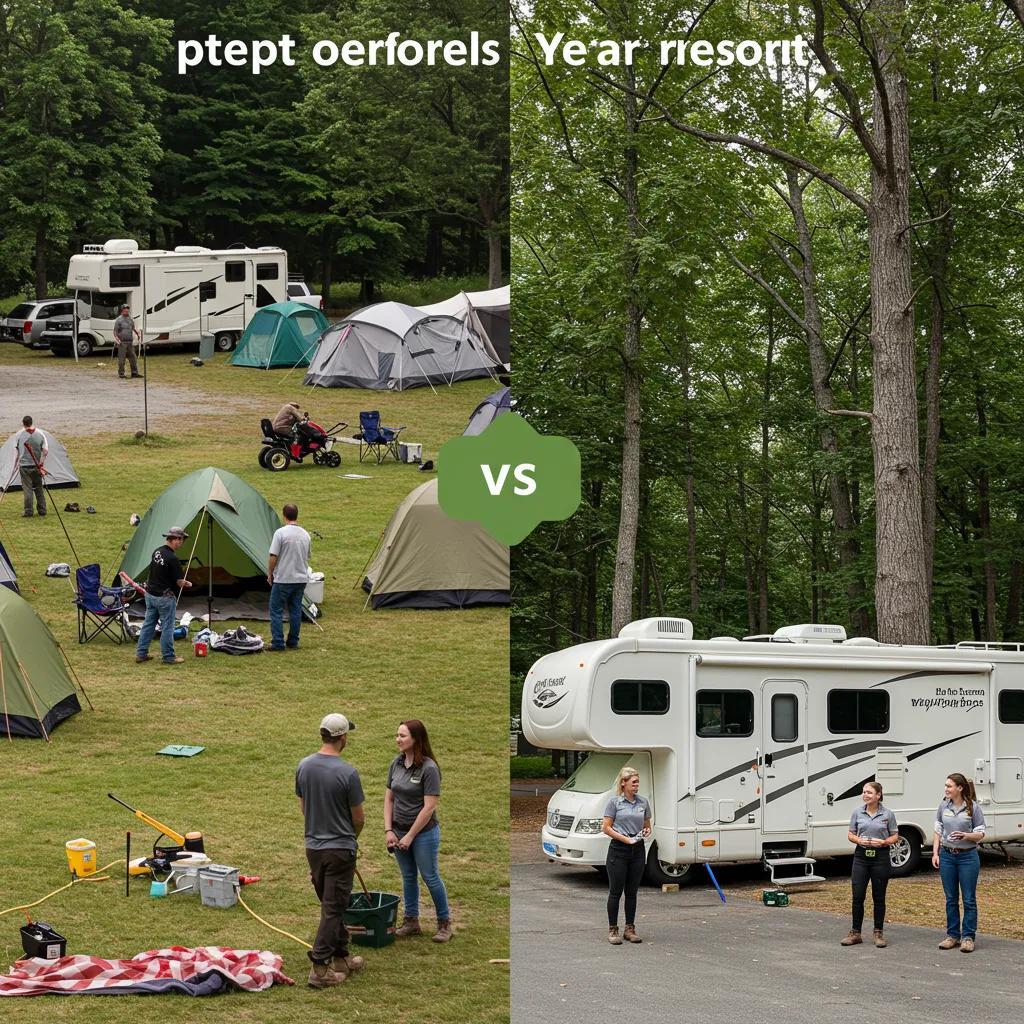
Operational attributes like staffing, amenity upkeep, reservation systems, and marketing strategy materially affect buyer assessment and transfer risk. RV resorts typically require year-round staff, more sophisticated utility and waste systems, and higher maintenance regimes, while campgrounds may rely on seasonal crews and simpler infrastructure but require strong seasonal planning. Buyers evaluate operational continuity risk, vendor contracts, and documented procedures when deciding on price and conditions. The following subsections provide concrete checklists and a table to help you present operational strengths clearly to prospective buyers.
How Do Staffing Needs Vary Between Campgrounds and RV Parks?
Staffing differs by seasonality and service level: campgrounds often operate with a lean, seasonal workforce augmented by part-time personnel, whereas RV parks and resorts usually maintain year-round staff including maintenance, front-desk, and hospitality roles. This difference matters because buyer assessments of labor continuity, wage exposure, and local hiring markets influence projected operating expenses. You should prepare staffing rosters, employment agreements, and documentation of critical skills to demonstrate continuity and reduce perceived transition risk. Clear staff documentation reassures buyers and preserves operational value.
What Are the Amenity Expectations and Maintenance Requirements?
Amenity expectations—pools, clubhouses, paved roads, sewer systems—drive both guest willingness to pay and maintenance obligations; RV resorts often carry heavier maintenance burdens tied to these amenities. The mechanism is straightforward: more amenities increase revenue but also raise CAPEX and lifecycle replacement planning, which buyers factor into valuation and reserve calculations. You should provide maintenance logs, recent capital improvements, and three-year capital plans to make future funding needs transparent. Demonstrating proactive maintenance reduces buyer risk and supports higher offers.
Introductory table: this EAV-style operational table outlines staffing, amenity, and maintenance expectations so you can present consistent operational data to buyers.
How Do Guest Profiles and Marketing Strategies Differ?
Guest profiles diverge: campgrounds attract families and outdoor enthusiasts seeking nature experiences, with seasonal marketing focused on weekends and holidays, while RV resorts target transient RVers, retirees, and regional travelers with messaging about amenities and extended-stay convenience. The reason marketing differs is that guest acquisition channels and messaging must match the guest’s desired experience to convert reservations and maximize occupancy. You should present guest analytics, channel performance, and customer segments to demonstrate repeat visit rates and lifetime value. Conveying the marketing strategy and guest segmentation helps buyers project future revenue and plan growth.
What Operational Differences Should Sellers Highlight to Buyers?
You should highlight maintenance logs, vendor contracts, staffing continuity plans, reservation system data, and clear inventories of amenity condition, as these documents reduce perceived risk. The mechanism here is transparency: buyers place higher value on properties with organized operations because they face lower integration and ramp-up costs. Compile a seller-ready checklist that includes contracts, SOPs, maintenance histories, and capital reserve recommendations to streamline diligence. Presenting operations as a turnkey package can increase buyer competition and support a better sale price.
What Legal, Zoning, and Due Diligence Considerations Are Unique to Campgrounds and RV Resorts?
Legal and regulatory assessments—zoning, permits, site leases, environmental reports—can materially impact sale feasibility and price, and requirements differ between campgrounds and RV resorts. Campgrounds may rely more on seasonal permits and shoreline or land-use restrictions, whereas RV resorts often have stricter wastewater, utility, and long-term land-use considerations. Early legal review, clear lease documentation for long-term residents, and proactive environmental assessments reduce deal delay risk and improve buyer confidence. The subsections below outline zoning checks, lease nuances, environmental assessments, and a prioritized due diligence checklist to prepare you.
How Do Zoning Regulations Differ for Campgrounds vs. RV Parks?
Zoning classifications and permitted uses vary by jurisdiction and often treat campgrounds and RV parks under different categories; campgrounds may qualify as recreational open-space while RV parks might be classified under mobile home or lodging zoning. These classification differences affect permitted density, septic and sewage requirements, and potential for redevelopment, which in turn influence valuation and buyer interest. You should obtain current zoning letters or certified land-use opinions and document any non-conforming uses to reduce uncertainty. Proactive zoning verification accelerates buyer underwriting and avoids last-minute obstacles.
What Are the Differences in Lease and Site Agreements?
Lease and site agreements differ in term length, transferability, and tenant rights: seasonal campsite agreements are typically short-term and flexible, while long-term RV site leases and resident agreements may include protections that complicate transfers. The practical consequence for you as a seller is that transferable long-term leases can reduce buyer control or require assumption negotiations, potentially affecting price. You should prepare a lease matrix summarizing term, rent, transfer clauses, and any rent control or local tenant protections to present during diligence. Clear lease documentation allows buyers to model future cash flows more reliably.
What Environmental Assessments Are Required for Each Property Type?
Environmental checks commonly include wetlands delineation, septic system inspections, historical contamination screening, and stormwater assessments; the likelihood of each varies by property type and site history. RV resorts with extensive utility systems and septic fields often require more in-depth septic and wastewater compliance reviews, while campgrounds near water bodies may need wetlands and shoreline impact studies. You benefit from ordering key reports early to avoid delays and to price remediation risks appropriately. Early environmental due diligence provides buyers with transparency and reduces negotiation over contingencies.
How Can Sellers Prepare for Due Diligence?
You should assemble a prioritized data room covering legal, operational, financial, and environmental items with clear folder structure and executive summaries to guide buyers through diligence. The reason this matters is that well-organized materials shorten time-to-close and reduce buyer requests for extensions or price reductions tied to uncertainty. Key folders should include P&Ls, occupancy and reservation data, maintenance logs, permits, lease matrices, and environmental reports, with a timeline for expected review milestones. Preparing the data room proactively signals professionalism and can unlock more favorable deal terms.
Who Are the Typical Buyers for Campgrounds and RV Resorts, and What Do They Look For?
Buyers range from family operators to portfolio investors and institutional funds, each with distinct criteria that align with different property attributes. Family-owned buyers and operators prioritize legacy preservation, community relationships, and operational continuity, while investment firms mainly evaluate NOI stability, growth levers, and exit multiples. Understanding buyer motivations enables you to craft targeted materials and negotiation strategies that attract the most compatible bidders. The following subsections profile buyer types, explain GatherGrounds Resorts’ family-owned acquisition model as an example, outline seller financing options, and offer guidance on matching your property to the right buyer.
What Types of Buyers Are Interested in Campgrounds vs. RV Parks?
Buyer profiles include family operators, independent multi-property operators, private equity or institutional buyers, and opportunistic developers, each attracted by different attributes like legacy value, operational upside, or redevelopment potential. The mechanism of selection is buyer-specific underwriting: some buyers prioritize cultural fit and preservation, while others focus on cap-rate arbitrage and NOI improvements. You should identify which buyer type is most likely to value your property’s strengths and tailor the information package accordingly. Presenting clear financial normalization and operational detail helps buyers across the spectrum model acquisition returns.
How Does GatherGrounds Resorts’ Family-Owned Acquisition Model Differ?
GatherGrounds Resorts is a family-owned company focused on acquiring and operating campgrounds and RV parks, and our acquisition approach emphasizes legacy preservation, thoughtful transition, and working with sellers in a no-pressure conversation framework. This buyer profile typically values community continuity and operational handover plans, and we actively seek properties with over 130 sites, which informs which sellers will find an immediate strategic fit. For owners who prioritize legacy and a sensitive transition, engaging a family-owned acquirer can reduce emotional friction and ensure the property’s character is respected. Understanding this model helps you decide whether to target direct buyers or pursue broader brokerage channels.
What Seller Financing Options Are Common in These Sales?
Seller financing instruments commonly used include seller notes, earn-outs tied to future performance, partial rollover equity, and structured payment schedules, each of which can broaden the buyer pool and enhance price realization. The reason seller financing is useful is that it mitigates buyer financing gaps and aligns seller and buyer incentives during transition periods. You should evaluate tax implications, default risk, and the impact on sale timing when structuring financing options. Clear example term summaries and contingencies make these arrangements more palatable to buyers while protecting your interests.
How Can Sellers Identify the Right Buyer for Their Property?
Matching property attributes to buyer priorities requires a simple decision matrix that scores attributes like NOI stability, site mix, amenity level, and legacy concerns against buyer types to identify the best-fit pool. The mechanism is strategic alignment: properties with strong year-round NOI attract institutional buyers, while legacy-focused properties are better suited to family operators or local acquirers. You should prepare targeted teasers and detailed data packages for each buyer type and consider direct outreach to compatible acquirers before broad listing. Using a structured fit assessment reduces wasted marketing effort and increases the chance of a successful sale.
- The decision matrix approach helps you prioritize outreach to likely acquirers.
- Score attributes such as site count, hookup percentage, NOI stability, and community ties.
- Focus initial conversations on buyers whose priorities align with top-scoring attributes.
This matrix-based outreach shortens marketing time and improves buyer quality, leading to more efficient negotiations.
How Should Sellers Prepare Their Campground or RV Resort for Sale?
Preparation combines property improvements, financial organization, timing strategy, and thoughtful employee and tenant management to preserve value through the transaction. Sellers who prioritize high-ROI upgrades, assemble clean financials, and manage communications with staff and tenants reduce buyer friction and often command higher prices. The following subsections offer prioritized enhancement lists, financial documentation checklists, seasonality guidance on timing, and practical tips for handling employees and tenants during the sale process. GatherGrounds Resorts’ seller-support approach is noted as an example of a buyer who assists with transition planning without pressure.
What Property Enhancements Increase Value Before Selling?
Cost-effective improvements that commonly increase sale price include repairing utility hookups, repaving critical access roads, upgrading reservation and point-of-sale systems, and refreshing high-impact guest-facing amenities. The reason these improvements pay is they directly affect guest satisfaction, occupancy, and per-site revenue while signaling a well-maintained asset to buyers. You should prioritize projects with measurable ROI and minimal capital risk and document all work with before/after photos and permits to justify expenditure. A prioritized enhancement plan that ties each improvement to projected revenue uplift helps buyers and supports stronger offers.
- Fix critical infrastructure: Ensure hookups, septic, and power are in good condition.
- Upgrade reservation systems: Modern booking increases revenue management capabilities.
- Address curb appeal: Roads, signage, and site cleanliness improve first impressions.
These targeted improvements typically yield higher buyer confidence and a shorter sale timeline.
How Should Financial Records Be Organized for a Smooth Sale?
Buyers expect transparent financial documentation including multi-year P&Ls, occupancy reports, normalized NOI statements, tax returns, and reconciled bank statements, all organized in a clear data-room structure. The reason clear financials matter is they allow buyers to model future cash flows accurately and reduce requests for time-consuming adjustments during diligence. You should prepare a normalization memo explaining owner perks, one-time expenses, and seasonal adjustments to make earnings comparable and defensible. Presenting financials with consistent templates and executive summaries improves buyer trust and speeds closing.
When Is the Best Time to Sell a Campground or RV Park?
Seasonality strongly influences buyer interest: listing in late winter or early spring often aligns with buyer underwriting cycles before peak seasons, while selling during off-peak months can still work if financials are clearly normalized and inspections are complete. Market conditions—interest rates, local tourism trends, and buyer appetite for outdoor hospitality—also affect timing, and you should weigh urgency against potential seasonal price lifts. If you need to sell outside ideal windows, preparing comprehensive documentation and pre-ordering environmental or zoning reports can mitigate timing disadvantages. Strategic timing paired with strong documentation maximizes buyer competition.
How Can Sellers Manage Employees and Tenants During the Sale?
Transparent, respectful communications and retention plans preserve operations and goodwill; you should provide staff with timelines, role expectations, and reassurance about continuity whenever possible. The mechanism for preserving value is minimizing turnover and service disruption, which keeps revenue stable during the marketing and diligence phases. You should prepare simple communication scripts, outline benefit continuations or transition bonuses if feasible, and ensure lease assignments or tenant notifications are handled legally. Protecting employee and tenant relationships reduces operational risk and preserves the asset’s revenue profile during sale.
- Prepare a clear employee communication plan.
- Offer role transition documentation and retention incentives where appropriate.
- Secure tenant lease summaries and explain transfer provisions early.
These steps protect operations and preserve value through the sale process.
What Are the Advantages of Selling Your Campground or RV Resort to GatherGrounds Resorts?
Selling to a family-owned buyer like GatherGrounds Resorts offers advantages centered on legacy preservation, thoughtful transition planning, and a seller-focused conversation style that reduces emotional friction. GatherGrounds operates with a preservation mindset and targets properties with over 130 sites, which aligns with sellers prioritizing continuity, community relationships, and careful operational handover. Our acquisition approach typically includes collaborative evaluation, sensitivity to staff and guest relationships, and a focus on maintaining the property’s character post-sale. The subsections below explain legacy preservation, our acquisition process, anonymized success snapshots, and practical next steps for sellers interested in initiating a conversation.
How Does GatherGrounds Preserve the Legacy and Heart of Properties?
GatherGrounds Resorts emphasizes maintaining community traditions, local relationships, and guest-facing character when taking over operations, often preserving established programs and staff roles that contribute to a property’s identity. The rationale behind this approach is that community goodwill and repeat visitation are intangible assets that support long-term revenue and brand value. Sellers considering a family-owned acquirer should seek clarity on transition commitments, staff integration plans, and community engagement strategies to ensure the property’s legacy is honored. Presenting evidence of community ties and guest loyalty can be persuasive when pursuing a buyer who values preservation.
What Is the GatherGrounds Acquisition Process for Sellers?
GatherGrounds’ acquisition process typically starts with a no-pressure conversation to understand the property, followed by a preliminary evaluation, due diligence, and collaborative transition planning that emphasizes thoughtful handover and operational continuity. This stepwise engagement reduces seller stress by focusing on listening and understanding seller priorities before formal offers or timelines are established. You should prepare basic financial summaries and site inventories for initial conversations and expect transparent dialogue about fit and potential next steps. A clear process with mutual respect and defined milestones tends to produce smoother closings and better post-sale outcomes.
- Initial conversation to assess fit and seller priorities.
- Preliminary evaluation and data review.
- Due diligence and transition planning with seller input.
- Close and collaborative handover focused on legacy preservation.
These steps highlight a seller-focused acquisition pathway that balances operational realities with community values.
What Recent Success Stories Illustrate GatherGrounds’ Approach?
Generalized case snapshots show GatherGrounds completing acquisitions where we preserved staff structures, maintained guest programs, and invested in targeted improvements that enhanced revenue without sacrificing the property’s character. These outcomes demonstrate that a preservation-minded buyer can both safeguard traditions and implement upgrades that improve NOI and guest satisfaction. Sellers who value a careful transition can find these examples reassuring when evaluating offers. Sharing concise examples of measured operational improvements and stabilized guest metrics helps you gauge potential fit and expected outcomes.
How Can Sellers Start a Conversation with GatherGrounds Resorts?
Sellers considering a conversation should prepare a concise property summary, including site count, basic financial performance, and primary operational contacts to enable an efficient initial discussion that respects your time and priorities. GatherGrounds’ approach centers on no-pressure exploratory conversations to determine mutual fit before proceeding to detailed diligence, which is ideal for owners who want a respectful and deliberate sale process. You should have recent P&L summaries, occupancy data, and a basic description of major amenities ready to facilitate productive early talks. Starting with a focused summary accelerates alignment and helps both parties determine next steps.
- Prepare a one-page property summary with site count and key metrics.
- Be ready to discuss top priorities for sale, such as legacy preservation or timing.
- Expect an exploratory, no-pressure conversation focused on mutual fit.
These steps streamline initial outreach and set expectations for a respectful acquisition dialogue.
Frequently Asked Questions
What are the common challenges sellers face when selling campgrounds or RV resorts?
Sellers often encounter challenges such as accurately valuing their property, navigating complex zoning regulations, and managing buyer expectations. The seasonal nature of campgrounds can complicate financial projections, while RV resorts may require detailed documentation of amenities and operational history. Additionally, sellers must prepare for due diligence processes that can reveal unexpected issues, such as maintenance backlogs or legal compliance concerns. Understanding these challenges in advance can help you streamline the process and enhance your property’s appeal to potential buyers.
How can sellers effectively market their campground or RV resort?
Effective marketing involves highlighting unique features, such as location, amenities, and guest experiences. You should create comprehensive listings that include high-quality images, detailed descriptions, and financial performance data. Utilizing online platforms, social media, and targeted outreach to potential buyers can increase visibility. Additionally, crafting a narrative around the property’s history and community ties can resonate with buyers looking for legacy opportunities. Engaging a real estate professional with experience in outdoor hospitality can also enhance marketing efforts and attract the right audience.
What role does seasonal demand play in the sale of campgrounds and RV resorts?
Seasonal demand significantly impacts the valuation and sale process for campgrounds and RV resorts. Campgrounds often experience peak revenue during summer months, which can lead to fluctuating cash flows and complicate financial assessments. In contrast, RV resorts may benefit from more stable year-round occupancy, making them more attractive to certain buyers. You should be prepared to present normalized financials that account for seasonality, demonstrating potential revenue stability to prospective buyers. Understanding these dynamics can help you time your listings effectively.
What are the key financial documents sellers should prepare for potential buyers?
You should prepare a comprehensive set of financial documents, including multi-year profit and loss statements, occupancy reports, normalized net operating income (NOI statements), and tax returns. Additionally, providing reconciled bank statements and a normalization memo that explains any adjustments for owner perks or one-time expenses is crucial. These documents help buyers accurately assess the property’s financial health and future cash flow potential, reducing uncertainty and facilitating smoother negotiations during the sale process.
How can sellers ensure a smooth transition for employees and tenants during the sale?
To ensure a smooth transition, you should communicate transparently with employees and tenants about the sale process, timelines, and any changes that may occur. Providing reassurance about job security and continuity of services can help maintain morale and operational stability. You may also consider offering retention bonuses or transition plans to key staff members. Clear communication and planning can minimize disruptions and preserve the property’s value during the sale, making it more appealing to potential buyers.
What are the benefits of selling to a family-owned buyer like GatherGrounds Resorts?
Selling to a family-owned buyer like GatherGrounds Resorts offers several advantages, including a focus on legacy preservation and community relationships. These buyers often prioritize thoughtful transitions that respect the property’s history and existing staff. Our approach typically involves collaborative discussions that allow sellers to express their priorities and concerns. This can lead to a smoother sale process and a commitment to maintaining the property’s character post-sale, which is particularly appealing for sellers who value continuity and community ties.
Conclusion
Understanding the differences between selling campgrounds and RV resorts is crucial for maximizing your value and attracting the right buyers. By leveraging insights on valuation, operational nuances, and buyer profiles, you can position your property effectively in the market. Engaging with a family-owned acquirer like GatherGrounds Resorts can provide a thoughtful transition that honors the property’s legacy. Start your journey towards a successful sale by exploring our resources and connecting with potential buyers today.