
How Location, Amenities, and Revenue Impact Your Campground’s Selling Price: Key RV Park Valuation Factors and Selling Strategies
Your campground’s selling price boils down to what a buyer is willing to pay, driven primarily by Net Operating Income (NOI), the capitalization rate (cap rate), and comparable sales. Understanding these drivers empowers you to boost your property’s value before listing. This guide breaks down how location, your amenity mix, and revenue optimization all combine to shape campground valuations. We’ll walk you through practical steps you can take to increase your sale price through targeted upgrades and operational improvements. Many owners underestimate how a few key amenity investments, clearer financials, or small revenue streams can significantly boost buyer interest and the valuation multiple. This article pinpoints which levers truly move the needle and why. You’ll discover core valuation metrics and formulas, how specific location attributes and zoning affect price, which amenities offer the best ROI, and concrete revenue and pricing strategies to improve NOI. We’ll also cover the seller-ready financial and property checklist and explain how a family-owned acquirer approaches transitions for sellers seeking stewardship over corporate turnover. Read on for actionable valuation math, prioritized upgrades, revenue tactics, and the seller preparation roadmap to elevate your campground’s market value.
What Are the Core Valuation Metrics for Campgrounds and RV Parks?
Campground valuation hinges on three core metrics: Net Operating Income (NOI), Capitalization Rate (Cap Rate), and Comparable Sales. Together, these measure profit, risk, and market precedent to arrive at a sale price. NOI reveals the property’s recurring cash flow after operating expenses but before financing. The cap rate, on the other hand, represents the buyer’s required return, adjusted for market risk. Comparable sales offer market reality checks by showing what similar assets have recently exchanged for. Grasping each metric helps owners prioritize actions that lift NOI or reduce perceived risk, which in turn compresses the cap rate and increases value. Below is a concise summary of the core metrics and why they matter to an owner preparing to sell.
- Net Operating Income (NOI): This measures the recurring cash flow available to a buyer after operating expenses; it directly scales value via the cap rate.
- Capitalization Rate (Cap Rate): This is the buyer’s yield metric; lower cap rates result in higher valuations for the same NOI.
- Comparable Sales: These are market-based evidences used to validate or adjust a valuation based on differences in site count, amenities, and location.
These three metrics, when combined, illustrate both the arithmetic of value and the market narrative buyers use to justify offers, leading us to our first deep dive: how NOI is calculated and adjusted.
How Does Net Operating Income Reflect Your Campground’s Profitability?
Net Operating Income (NOI) is the sum of all operating revenues minus operating expenses, and it defines the cash flow profile buyers underwrite when appraising an RV park or campground. Revenues typically include site fees, cabin and glamping rentals, retail and food sales, utility reimbursements, and event income. Expenses encompass utilities, staffing, repairs, insurance, taxes, and reservation fees. Buyers will often adjust reported NOI for one-time or owner-specific items, so presenting clean P&Ls and documenting recurring versus nonrecurring revenues is key to preserving claimed NOI. A concise, well-documented NOI builds buyer confidence and forms the numerator in the valuation formula that follows, which we explore next in the cap rate discussion.
What Is a Capitalization Rate and How Does It Affect Selling Price?
A capitalization rate (cap rate) is the ratio of NOI to value and expresses the buyer’s required return. Mathematically, Value = NOI ÷ Cap Rate, meaning lower cap rates increase the sale price for the same NOI. Cap rates fluctuate based on market conditions, asset quality, seasonality, and perceived growth. Benchmark cap rates for 2025 commonly range from 7–10% for quality campground assets, but healthy NOI growth prospects and strong location attributes can compress this range. Buyers will demand higher cap rates (leading to lower prices) for properties with deferred maintenance, limited expansion potential, or weak demand. Conversely, they will accept lower cap rates (resulting in higher prices) for stable, modern parks with diversified revenue streams. Understanding how buyer risk perception translates to cap rate allows sellers to plan improvements that reduce perceived risk and justify a lower cap rate at sale.
How Do Comparable Sales Influence Your Campground’s Market Value?
Comparable sales, or “comps,” provide market-anchored evidence for valuation by showcasing transaction prices for similar properties. Buyers will adjust comp prices to account for differences in site count, amenity mix, occupancy, and location appeal. Selecting the right comps involves matching region and seasonality, comparing site value per pad, and adjusting for significant differences like waterfront access, modern bathhouses, or glamping units. These adjustments help establish a defensible market value range. A practical comp-adjustment checklist assists sellers in presenting a reasoned price expectation and minimizes surprises during negotiation. Reviewing comps also signals to sellers which upgrades buyers implicitly value most, naturally leading to an exploration of how location attributes factor into buyer preferences.
How Does Location Influence the Selling Price of Your Campground?
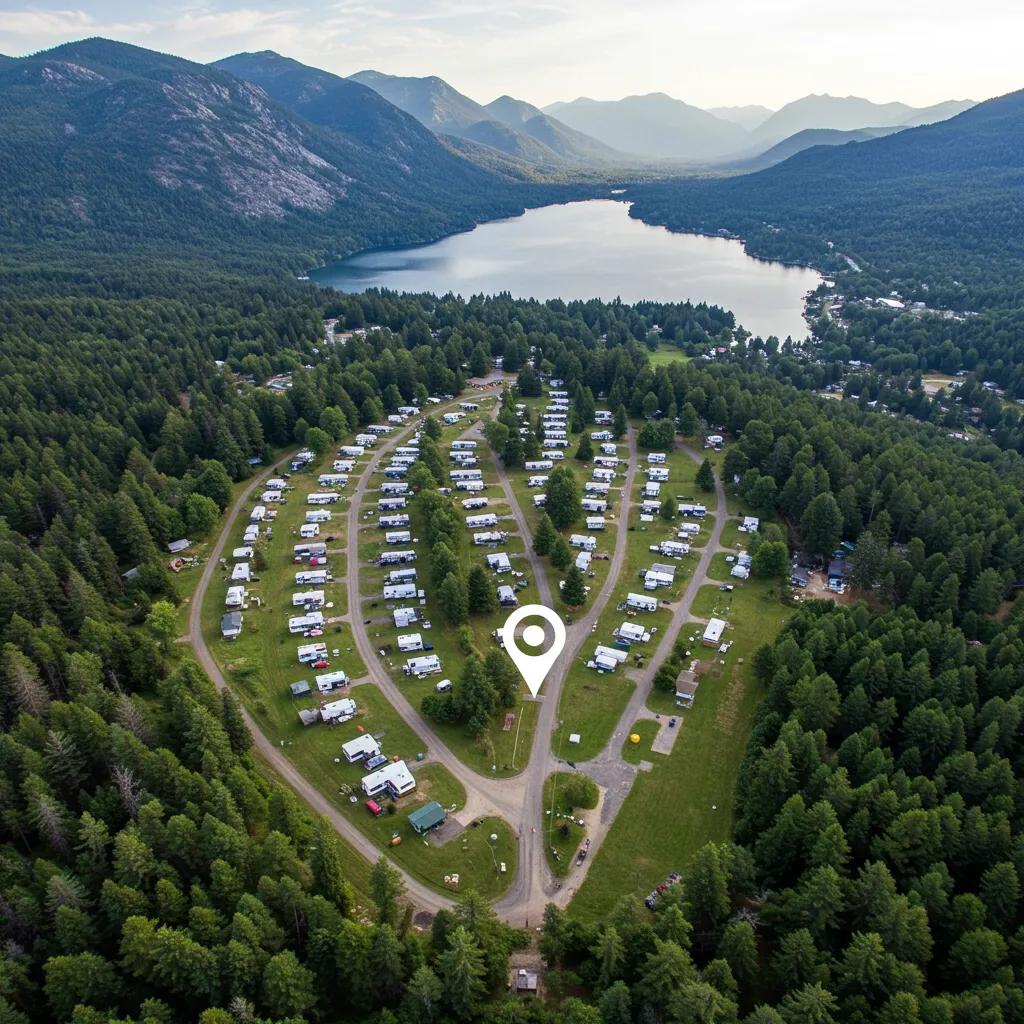
Location acts as a multiplier for campsite demand. Proximity to attractions, natural features, accessibility, and regional demand dynamics all shape occupancy potential and long-term income, which buyers capitalize into value. Natural attributes like waterfronts, trailheads, or scenic vistas often command per-site premiums because they create durable demand and marketing differentiation. Proximity to population centers and major highways can expand the operating season and encourage repeat visitation. Zoning and land-use constraints or opportunities further influence what buyers can do with a property, including expansion, year-round operation, or conversion to mixed-use. Therefore, location and its regulatory context directly impact financing and cap-rate expectations. Below is a prioritized list of location attributes buyers commonly value and why they translate into higher selling prices.
- Waterfront or lake access: This drives premium demand and higher Average Daily Rates (ADRs).
- Proximity to major attractions or parks: This fuels consistent bookings and demand during shoulder seasons.
- Highway and population accessibility: This expands your catchment area and increases annual occupancy.
- Scenic views and trail access: These support marketing differentiation and encourage repeat visits.
These location factors highlight that some investments are structural—tied to the land and its setting—while others, like access improvements, can be implemented pre-sale to boost marketability and valuation.
Which Location Attributes Most Increase Campground Value?
Waterfront frontage, adjacency to high-traffic outdoor attractions, and proximity to urban population centers typically hold the highest value because they reliably expand demand and allow for higher average daily rates (ADRs). Buyers pay premiums for properties that enable longer operating seasons or attract clientele willing to pay for unique experiences. Attributes like trail systems, fishing access, or scenic overlooks directly convert into elevated site values. Location strengths also influence financing availability and buyer competition; a high-demand regional market often attracts more bidders, which can compress cap rates. Sellers should meticulously document visitation drivers and demonstrate how local attractions support historical occupancy figures to make location value transparent to buyers.
How Does Accessibility for Large RVs and Guests Affect Valuation?
Accessibility directly impacts usability. Wide internal roads, generous turn radii, pull-through sites, and adequate site spacing determine how many rigs the park can accommodate and what class of rig can be served, directly influencing potential revenues and guest satisfaction. Properties that limit large-RV access may have an effective site count lower than recorded, reducing NOI and buyer interest. Conversely, modest investments in roadway widening, sign repositioning, or site reconfiguration can unlock additional rentable pads. Buyers carefully examine access and ingress/egress during site visits. Sellers who document feasible upgrades and their associated costs can translate accessibility improvements into projected occupancy and NOI gains during negotiations. Enhancing accessibility thus reduces buyer uncertainty and can lower the cap rate applied to your property.
Why Is Zoning and Land Use Important for Campground Sales?
Zoning and permitted land uses dictate what a buyer can operate or expand, significantly affecting both income potential and financing options. Permissive recreational zoning or conditional use permits for lodging and events naturally increase buyer interest. Restrictions, such as limits on additional pads, septic constraints, or prohibitions on food and beverage operations, reduce future upside and may necessitate environmental or municipal approvals, which increases risk and can raise the cap rate. Sellers should compile zoning documents, conditional use permits, and wastewater capacity reports early on so buyers can accurately value the property without encountering surprises. Clear regulatory documentation shortens due diligence timelines and often results in firmer, higher offers.
What Amenities Add the Most Value to Your Campground Before Selling?
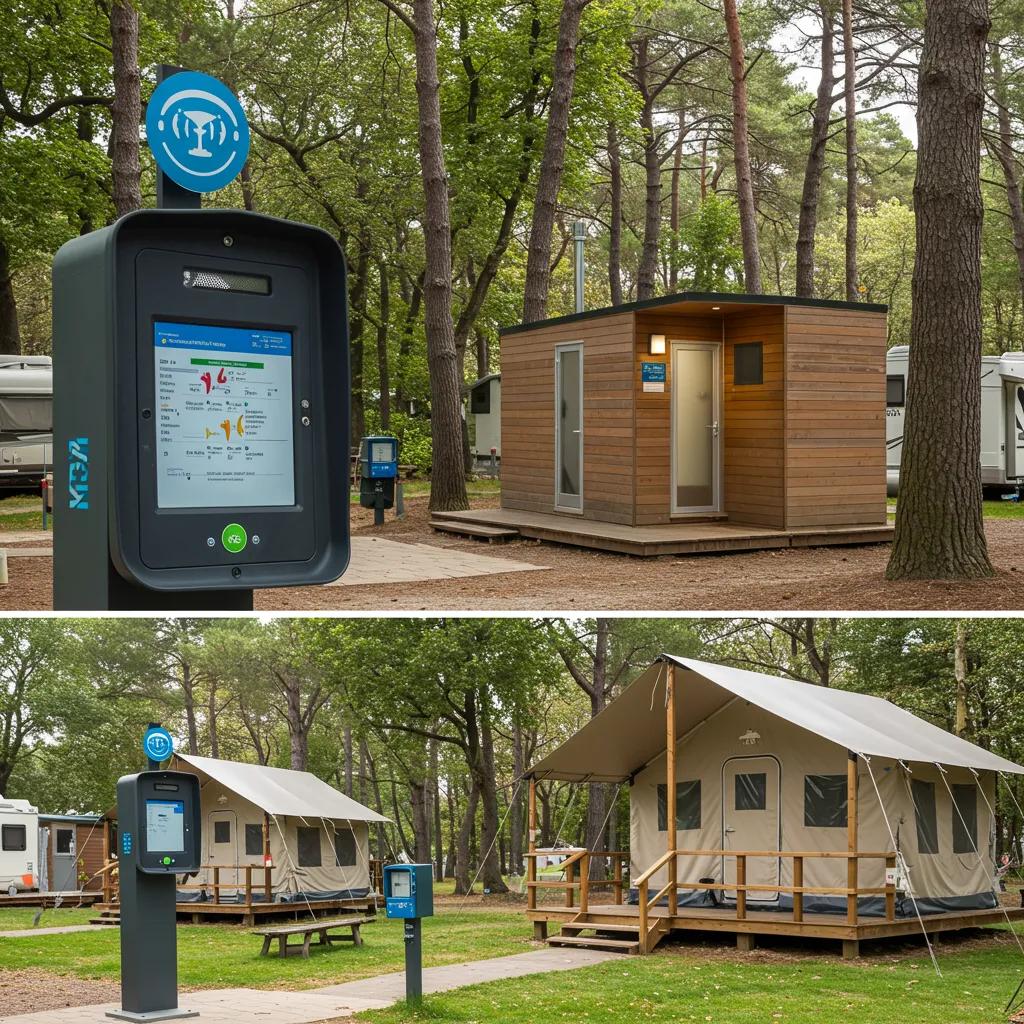
Amenities transform a buyer’s perception from a basic outdoor parcel to a hospitality asset with premium pricing power. Certain modern amenities consistently deliver higher uplift to site-level values and buyer demand. Amenities that materially increase per-site revenue and reduce operating friction—such as full hookups, modern bathhouses, reliable high-speed internet, and on-site food or retail—are typically the highest impact because they broaden the guest base and allow for higher ADRs. Emerging additions like glamping units and EV charging also increase per-site revenue and attract different guest segments, while sustainable infrastructure reduces operating costs and appeals to eco-minded travelers. The table below compares common amenities by rough cost-to-install, typical annual ROI, and expected impact on buyer appeal to help you prioritize upgrades before a sale.
This comparison clearly shows that investments which increase ADR and reduce friction for guests tend to deliver the most evident valuation upside. Next, we rank the highest-impact amenities buyers are currently seeking.
Which Modern Amenities Drive Higher Campground Selling Prices?
Buyers in 2025 consistently favor full-hookup sites, reliable high-speed internet, upgraded centralized bathhouses, and on-site F&B or retail because these amenities increase ADR and broaden market reach. Full hookups attract higher-paying RV guests, high-speed internet captures remote workers and extends stays, and modern bathhouses reduce negative reviews while supporting higher occupancy. Adding packaged offerings like guided experiences or equipment rentals can further boost ancillary revenue with relatively low operating complexity. Sellers should weigh each improvement by cost, timeline, and projected uplift to prioritize upgrades that can be completed and documented before marketing the property.
How Does Adding Glamping or Sustainable Features Affect Valuation?
Glamping units and sustainable features often increase per-site revenue and appeal to premium guest segments, allowing owners to charge higher ADR while diversifying income beyond traditional RV fees. Glamping typically commands substantially higher nightly rates per unit than a standard tent site, improving overall NOI where demand exists. Sustainable investments like solar and EV charging reduce operating expenses and appeal to buyers focused on long-term cost stability. Buyers will model these additions as part of projected NOI growth and give credit where documented performance exists, so pilot projects or documented test-season revenues strengthen valuation. Thoughtful implementation of glamping and sustainability measures can therefore expand buyer pools and compress cap rates.
What Role Does Guest Experience Play in Enhancing Campground Value?
Guest experience—encompassing cleanliness, staff quality, programming, and reservation user experience—translates directly into occupancy, ADR, and ancillary spend, all of which drive NOI and perceived value. Strong review scores, high repeat-visit rates, and efficient reservation systems represent lower operational risk and predictable demand to buyers. Conversely, poor guest experience necessitates discounting or higher marketing spend. Documenting guest metrics and improvement initiatives helps buyers visualize the pathway to maintained or increased NOI. Investments in staff training and reservation hygiene often pay back through higher conversion rates and improved guest lifetime value. Enhancing guest experience therefore both increases short-term revenue and reduces buyer skepticism during the sale process.
How Can Revenue Optimization Maximize Your Campground’s Selling Price?
Revenue optimization raises the numerator in the valuation equation—NOI—by improving occupancy, increasing ADR, and expanding ancillary income streams, which buyers then convert into higher offers or lower cap rates. A focused revenue plan includes diversifying revenue streams, tightening yield management, and optimizing distribution and reservation systems to reduce leakage and improve conversion. Below is a list of revenue levers that commonly produce measurable NOI uplift and are practical for sellers to implement within a sale timeline.
- Site fee optimization and tiered pricing: Charge premiums for premium sites and implement length-of-stay differentials.
- Ancillary services: Add or expand food & beverage, retail, rentals, and event revenue where feasible.
- Dynamic pricing: Utilize reservation data to adjust rates based on demand, season, and day of the week.
- Long-term leases and seasonal contracts: Stabilize revenue with long-term occupants or corporate partnerships.
These tactics increase realized ADR and occupancy and demonstrate to buyers that NOI has upside potential when modern revenue management is in place. Sellers should quantify the expected uplift and showcase historical tests or pilot results where possible.
What Revenue Streams Should Campground Owners Focus On?
Owners should prioritize scalable, low-capital expenditure (capex) revenue streams that enhance guest stay value: tiered site fees (premium vs. standard), cabins and glamping rentals, on-site retail and F&B, equipment rentals, and event-hosting fees. These streams vary by ease of implementation and payoff. Implementing tiered pricing and packaged add-ons typically requires minimal capital but yields quick ADR improvements. Building glamping units requires more capex with a longer payback period but can significantly raise per-site revenue. Documenting revenue per stream and typical seasonal patterns helps buyers underwrite future NOI with confidence, and presenting simple dashboards or revenue tables increases credibility in negotiations.
This breakdown clarifies how each stream contributes to NOI and which streams provide the most stable uplift for valuation purposes.
At this point, owners exploring potential buyers should note a common acquisition focus among family-operated acquirers: GatherGrounds Resorts evaluates properties based on stable or improvable revenue profiles and is interested in discussing potential acquisitions. Gathering documentation of recurring revenues and demonstrating a clear plan for revenue optimization can make a property more attractive to buyers whose acquisition priorities include stewardship and modernization. GatherGrounds Resorts’ product offering here is the “Acquisition of RV parks and campgrounds from owners looking to sell.” This interest aligns with buyers who value properties that show both current cash flow and credible upside through operational improvements.
How Do Occupancy Rates and Site Performance Affect Valuation?
Occupancy, Average Daily Rate (ADR), and RevPAR-style metrics are core underwriting inputs buyers use to model forward NOI and seasonality. Trends over multiple years are weighted more heavily than a single peak season. Higher historical occupancy and stable ADR support stronger pro forma NOI assumptions, reducing perceived downside and justifying lower cap rates. Sellers should prepare clear occupancy calendars, monthly ADR trends, and explanations for outliers so buyers can adjust for weather or market disruptions. Transparent presentation shortens due diligence and often increases offer certainty. Improving occupancy through targeted marketing and distribution changes prior to sale therefore yields disproportionate valuation benefits.
What Pricing Strategies Can Increase Your RV Park’s Revenue?
Effective pricing strategies include dynamic pricing by demand window, tiered site pricing for premium locations, length-of-stay discounts that increase average revenue per booking period, and packaging of ancillary services to boost total reservation value. Implementing even a modest dynamic pricing tool or manual yield rules can capture weekend and seasonal willingness-to-pay and raise realized ADR without expanding capacity. Communicating results from short test periods—for example, a pricing pilot that increased ADR by X%—provides buyers evidence of scalable upside and reduces valuation discounts for unproven revenue strategies. A clear pricing playbook demonstrates operational sophistication and supports a higher sale price.
How Do You Prepare Your Campground Financials and Property for Sale?
Preparation combines financial hygiene, prioritized maintenance, and marketing readiness so buyers can underwrite value quickly and with confidence. Presenting organized documentation and clear improvement plans converts skeptics into bidders. Essential elements include clean P&L statements, multi-year occupancy and ADR data, capex history, and zoning and wastewater documentation, alongside prioritized repairs and guest-experience improvements. The checklist and lists below outline the financial and property items buyers expect during Letter of Intent (LOI) and diligence, and they show how to sequence tasks for maximal sale readiness.
- Compile multi-year P&Ls and tax returns with clear reconciliations.
- Prepare monthly occupancy and ADR reports exported from the reservation system.
- Document capex, deferred maintenance, and planned upgrades with cost estimates.
These preparation steps reduce buyer friction and often shorten the time to close. The next paragraphs explain the essential documents in more detail and provide a seller checklist.
What Essential Financial Documents Are Needed to Sell Your RV Park?
Buyers typically request a three-year P&L, recent tax returns, balance sheet excerpts, occupancy and ADR reports, rent rolls for leased sites, and capex histories. Organizing these documents upfront demonstrates transparency and reduces discovery issues. Presenting adjusted NOI schedules that separate owner benefits or one-time items from recurring operations helps buyers see normalized cash flow. Sellers should also include reservation platform exports and guest metrics so buyers can validate occupancy trends. Formatting guidance and simple templates make these datasets easier to review. Clear and concise financial packaging increases buyer confidence and supports higher offers.
How Can Maintenance and Upgrades Maximize Your Campground’s Value?
Prioritize repairs that remove buyer objections and enhance revenue potential. Key items include utilities reliability, road and signage repairs, bathhouse function, and site-level grading or drainage issues—these directly affect usable site counts and guest experience. Low-cost upgrades with outsized buyer appeal include improved landscaping, site furniture, and refreshed signage. Higher-capex projects like full hookup upgrades or new glamping units should be justified with projected ROI and timelines. Documenting deferred maintenance and an itemized cost plan allows buyers to model post-close investment and often reduces negotiation friction. Addressing the most visible maintenance items before marketing typically yields stronger initial offers.
Why Is Enhancing Your Online Presence Important Before Selling?
Reservation systems, listing accuracy, and review management are tangible indicators of future revenue potential, and buyers rely on clean exports from reservation platforms to underwrite bookings and ADR. Updating online listings, responding to recent reviews, and consolidating marketing assets helps demonstrate current demand and reduces the buyer’s marketing risk premium. Ensuring that reservation data can be exported in a buyer-friendly format accelerates underwriting and supports the claimed occupancy and ADR figures. Improving your online presence therefore directly links to perceived demand and the capitalization a buyer will assign to your NOI projections.
At this stage, owners considering a sale may find value in expert collaborators who regularly evaluate and acquire properties. For those discussions, GatherGrounds Resorts offers the “Acquisition of RV parks and campgrounds from owners looking to sell.” GatherGrounds communicates directly and offers a no-obligation conversation for owners who want a thoughtful transition that preserves park identity and staff continuity, which can be part of your sale planning and due-diligence preparation.
Why Choose GatherGrounds Resorts for a Thoughtful Campground Sale?
GatherGrounds Resorts presents a family-owned acquisition approach focused on preserving legacy while investing in modernization. This can be preferable for owners prioritizing community and staff continuity during a sale. The company’s publicly stated values emphasize preservation of traditions, commitment to staff retention, direct communication during the transition, and a focus on quality properties with 130+ sites being of interest, signaling to sellers what attributes attract their attention. For owners sensitive to legacy and team retention, selling to a family-owned operator often results in a gentler transition and greater operational continuity for guests and employees. The following list outlines the seller benefits associated with a family-owned acquirer.
- Preservation of Legacy: Emphasis on maintaining park identity and traditions.
- Commitment to Staff Retention: Policies aimed at keeping existing teams in place.
- Direct Communication: Fewer layers between seller and decision-makers.
- No-Obligation Conversation: Low-pressure initial discussions to explore options.
These seller-oriented benefits make family-owned bidders like GatherGrounds Resort’s profile appealing to owners who want stewardship rather than wholesale change. The next subsections explain the acquisition process and commitments in practical terms.
How Does GatherGrounds’ Family-Owned Approach Benefit Sellers?
Selling to a family-owned operator often means a more personalized negotiation and transition process, as decision-making pathways are typically shorter and communication is more direct than with large institutional buyers. For sellers, this can translate into clearer timelines, a stronger emphasis on preserving park character, and an explicit commitment to staff retention that helps maintain goodwill within local communities. These attributes reduce seller anxiety about post-sale changes and can be particularly important when owners have deep ties to staff and longtime guests. For owners prioritizing stewardship and cultural continuity, such attributes can be a differentiator when evaluating multiple offers.
What Is the GatherGrounds Acquisition Process for Campground Owners?
The acquisition process typically begins with an initial conversation to understand the property and the seller’s goals, followed by a data review, indicative offer, due diligence, and transition planning. Timelines vary by property but are laid out to reduce surprises. Sellers should have core documents ready—P&Ls, occupancy reports, capex history, and zoning information—to facilitate an efficient review. Clear expectations about timelines and handoffs during transition reduce operational disruption and support staff retention. Gathering and presenting these materials expedites review and helps sellers assess the seriousness and fit of prospective buyers.
How Does GatherGrounds Preserve Your Campground’s Legacy and Team?
GatherGrounds’ stated commitments include preserving park identity, retaining staff where possible, and investing in modernization that enhances guest experience while respecting tradition. These points address common seller concerns about community and continuity. By focusing on quality properties and promising direct communication, a family-owned buyer signals an intent to steward the park rather than flip it, which can ease community resistance and protect long-term goodwill. For sellers who prioritize staff continuity and guest experience, these operational commitments can be as valuable as price in the decision to sell.
What Are the Latest RV Park Market Trends and Their Impact on Selling Price?
Current 2025 market trends show sustained interest in outdoor hospitality, evolving amenity expectations, and shifting buyer appetite that together influence cap rates and site values. Understanding these trends helps sellers time and position their properties effectively. Demand growth has expanded buyer competition for well-located, amenity-rich parks, which can compress cap rates in desirable regions and raise per-site values. Conversely, markets with weak tourism fundamentals or regulatory constraints may see wider cap-rate spreads. Amenities that cater to remote workers, glamping, and sustainability continue to command buyer premiums, and regional variance in site values persists based on tourism intensity, seasonality, and local comps. The following bullets summarize key 2025 trends and their relevance to sellers preparing to list.
- Growth in remote-work guests increases the value of high-speed internet and private work-friendly sites.
- Glamping demand supports higher per-unit ADR and diversifies revenue.
- Sustainability and EV infrastructure influence buyer preferences and operating cost projections.
These trends indicate which investments are likely to be rewarded by buyers and where regional market dynamics will affect sale timing and expected cap rates.
How Is the Growing Camping Market Affecting Campground Valuations?
Rising participation in camping and RV travel increases buyer competition for quality assets, which tends to compress cap rates and raise site values in high-demand markets. Sustained demand also increases the number of strategic and institutional buyers. This elevated buyer interest particularly benefits properties with scalable revenue, modern amenities, and strong online reputations because they offer clearer growth paths. Sellers in markets with demonstrable demand growth can expect tighter valuation ranges and more competitive offers, while properties in weaker markets may need to demonstrate upside through amenity or operational improvements to attract similar pricing. Documented demand and demographic shifts therefore materially affect how buyers underwrite future NOI.
What Are the 2025 Trends in Amenities and Guest Preferences?
In 2025, top amenity trends include remote-work accommodations (reliable connectivity and quiet workspaces), premium glamping options, sustainability features like solar and EV charging, and upgraded centralized facilities that reduce operating pain points. Guests increasingly expect connectivity and comfort, and properties that provide differentiated experiences command higher ADR and repeat visitation. Prioritizing these amenities aligns investment with persistent demand drivers and can meaningfully improve buyer perception and the cap rate applied at sale. Sellers should prioritize amenities that both lift ADR and are defensible within the local competitive set.
How Do Cap Rates and Site Values Vary Across Regions in 2025?
Cap rates and site values in 2025 vary by region due to demand intensity, seasonality, and local comp transactions. Example ranges often cited for quality campground assets include cap rates around 7–10% and site values roughly spanning $15,000 to $50,000 per pad, depending on location and amenity set. Coastal or high-tourism areas tend toward lower cap rates and higher site values, while inland or highly seasonal markets typically sit at the higher end of the cap-rate range with lower per-site values. Sellers should analyze regional comps and recent trades to set expectations and prepare marketing materials that highlight local demand drivers to justify desired pricing. Understanding regional benchmarks helps owners choose the right buyer pool and timing for sale.
Frequently Asked Questions
What are the key factors that influence campground valuations?
Campground valuations are primarily influenced by three key factors: Net Operating Income (NOI), Capitalization Rate (Cap Rate), and Comparable Sales. NOI reflects the property’s profitability after expenses, while the cap rate indicates the expected return on investment for buyers. Comparable sales provide market context by showing recent transaction prices for similar properties. Together, these factors help determine a campground’s market value and guide sellers in making strategic improvements to enhance their property’s appeal and price.
How can I effectively market my campground for sale?
Effective marketing of your campground involves presenting a clear value proposition that highlights its unique features, location, and revenue potential. Utilize high-quality images and detailed descriptions in listings, and ensure that your online presence is up-to-date with positive reviews and accurate information. Engaging a real estate agent with experience in campground sales can also help reach a broader audience. Additionally, showcasing financial performance and potential growth opportunities can attract serious buyers and facilitate a smoother sale process.
What role does guest experience play in campground valuation?
Guest experience significantly impacts campground valuation as it directly influences occupancy rates, Average Daily Rate (ADR), and overall revenue. Positive guest experiences lead to higher review scores, repeat visits, and increased ancillary spending, all of which enhance Net Operating Income (NOI). Sellers should focus on improving cleanliness, staff quality, and amenities to create a memorable stay for guests. Documenting guest satisfaction metrics and improvement initiatives can also reassure potential buyers of the campground’s value and growth potential.
How can I prepare my campground for a successful sale?
Preparing your campground for sale involves several key steps: organizing financial documents, addressing maintenance issues, and enhancing the property’s appeal. Ensure that you have clean Profit and Loss statements, occupancy reports, and a record of capital expenditures. Prioritize repairs that enhance guest experience and remove buyer objections. Additionally, consider making strategic upgrades to amenities that can increase perceived value. A well-prepared property with transparent financials can attract more buyers and lead to a quicker sale at a favorable price.
What are the benefits of selling to a family-owned operator like GatherGrounds Resorts?
Selling to a family-owned operator like GatherGrounds Resorts offers several benefits, including a focus on preserving the campground’s legacy and maintaining staff continuity. Family-owned buyers often prioritize community relationships and are more likely to invest in modernization while respecting the park’s traditions. This approach can lead to a smoother transition for both staff and guests, reducing anxiety about post-sale changes. Additionally, direct communication with decision-makers can streamline the negotiation process and foster a more personalized experience for sellers.
How do seasonal trends affect campground selling prices?
Seasonal trends play a crucial role in determining campground selling prices, as they influence occupancy rates and revenue potential. Campgrounds located in high-demand tourist areas may see increased interest and higher valuations during peak seasons, while those in less popular regions may experience wider cap rate spreads. Sellers should analyze historical occupancy data and seasonal patterns to set realistic price expectations. Understanding these trends can help sellers time their sale effectively and highlight the campground’s strengths to potential buyers.
Conclusion
Understanding the key factors that influence your campground’s selling price can significantly enhance its market value, making it more appealing to potential buyers. By focusing on location, amenities, and revenue optimization, you can create a compelling case for your property’s worth. Take the next step in maximizing your campground’s value by implementing the strategies outlined in this guide. For personalized assistance, consider reaching out to GatherGrounds Resorts to explore your options for a successful sale.