

Your Guide to Pet Policies in Ohio State Campgrounds: What to Know Before You Go
Bringing your furry friends along for an Ohio state park adventure? Many campgrounds welcome pets, but understanding the rules is key to a smooth and enjoyable trip for everyone. This guide breaks down Ohio’s pet camping regulations, covering leash laws, vaccination and ID requirements, waste disposal, and where your pets are welcome or need to sit this one out. Knowing these details helps you plan stress-free outings, avoid fines, protect local wildlife, and choose the perfect spot – whether it’s a state park or a private gem like Ridge Ranch Campground, which offers extra pet-friendly perks. You’ll learn about general state park rules, identify pet-friendly zones, get tips for booking with pets, and discover how Ridge Ranch compares to state park offerings. We’ll cover leash and vaccine rules, where pets can roam (like RV and tent sites), typical fees, booking advice, and nearby attractions like Nelson Ledges State Park. By the end, you’ll be ready to pick the right campground, pack smart, and make the most of pet-friendly amenities.
What Are the General Pet Rules and Restrictions in Ohio State Campgrounds?
Ohio state campgrounds have rules in place to ensure everyone’s safety, protect wildlife, and maintain cleanliness. These policies require pet owners to keep their animals under control, up-to-date on vaccinations, and to clean up after them. The goal is simple: to prevent conflicts between pets, people, and wildlife, and to reduce the risk of disease. Following these guidelines means a more predictable and enjoyable experience for all visitors. Here’s a quick rundown of the core rules you’ll likely encounter across Ohio parks:
Common statewide pet rules include:
- Pets must be leashed and under your control at all times when outside your vehicle or campsite.
- Proof of current rabies vaccination and visible identification tags are a must.
- Promptly clean up and properly dispose of pet waste to keep our parks clean and protect water sources.
- Some campgrounds may limit the number or type of pets per site, and certain breeds might be restricted based on local ordinances.
These basic guidelines set the stage for choosing your campsite and preparing for your trip. Let’s dive into the specifics of leashes, vaccines, waste, and pet limits.
What Leash Laws Apply to Pets in Ohio State Parks?
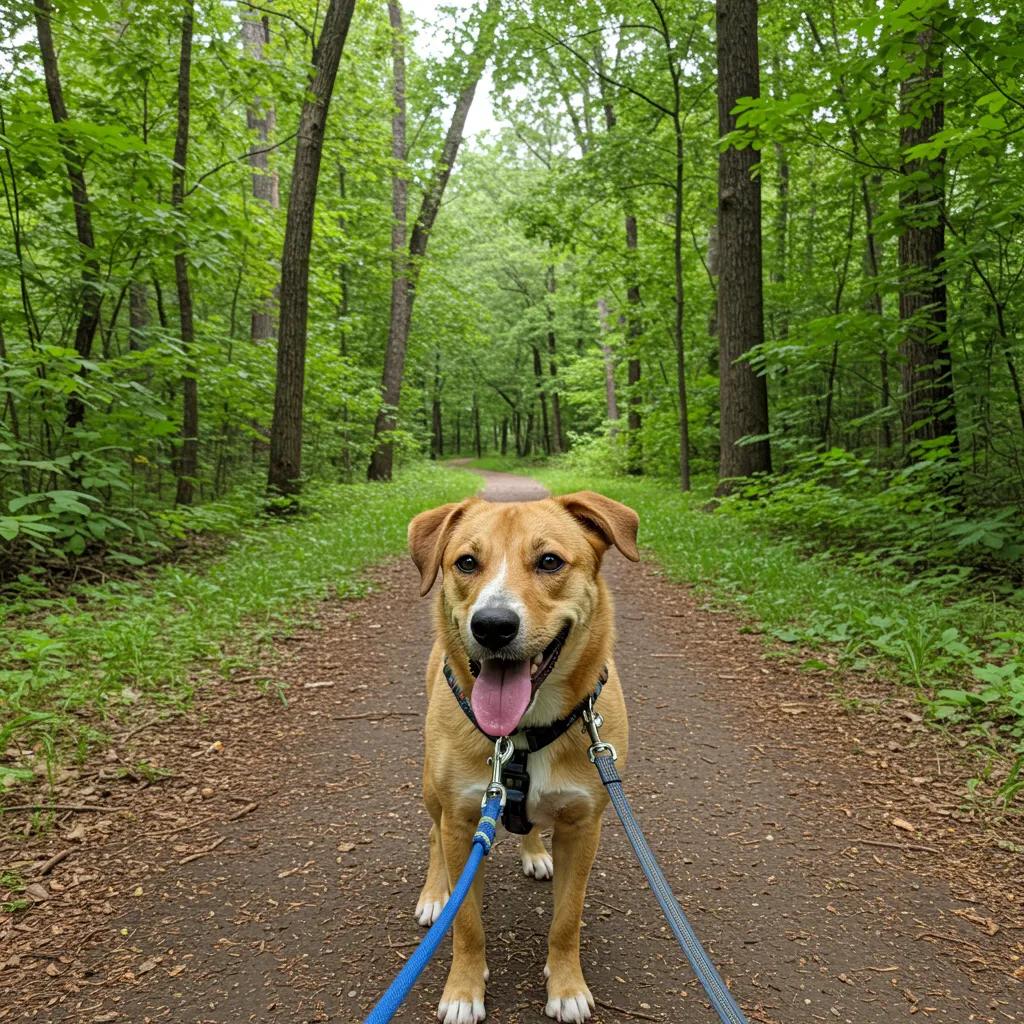
In Ohio state parks, pets generally need to be on a leash no longer than six feet and kept under control, unless a specific off-leash area is available. This rule strikes a balance, allowing pets some freedom while preventing disturbances to wildlife and ensuring safety for other visitors and your own pet. The clear benefit is a more peaceful and secure environment for everyone. Park staff or rangers typically enforce these rules, and violations can lead to warnings, fines, or even removal from the park. Knowing these leash expectations will help you plan your hikes and identify campgrounds that might offer designated off-leash spaces.
What Vaccination and Identification Are Required for Pets?
Ohio park guidelines usually require pets to have up-to-date rabies vaccinations and wear visible ID tags with your contact information. This is crucial for public health and helps reunite lost pets with their owners. The main idea is to prevent the spread of diseases like rabies, protecting wildlife, pets, and people. When you comply with these requirements, you reduce the chances of facing quarantine orders or being denied entry. It’s a good practice to carry printed vaccination records and microchip information, just in case park officials ask for proof. Being prepared with documentation before your trip will make check-in smoother and ensure positive interactions with park staff.
Ohio Rabies Vaccination Laws for Pets in State Parks
In order to protect public health, the majority of states have laws mandating the prophylactic vaccination of dogs and cats against rabies. Of the 21 states that have endemic raccoon rabies variant, Ohio was the only one that did not have a statewide requirement for vaccination of dogs, and was one of only two that did not require vaccination of cats. This study had three major objectives; the first was to determine the post-epizootic incidence of rabies in US dogs, cats, and ferrets and identify trends by comparing states with and without raccoon rabies variant activity. Analyzing surveillance data from 2000 to 2010 found that the proportion of total dog cases diagnosed in endemic states has been increasing over the last several years. Cats remained the most common rabid domestic animal in the US, and the vast majority (79%) of cases occurred in states endemic for raccoon rabies.
How Is Pet Waste Managed in Ohio Campgrounds?
Campgrounds require you to promptly clean up and properly dispose of pet waste. This is essential for preventing contamination of water sources, stopping the spread of diseases, and ensuring a pleasant environment for all visitors. Signage and waste stations in busy areas help with this. By removing waste, you help protect water quality and wildlife by preventing the runoff of parasites and nutrients. When everyone pitches in, campers enjoy cleaner sites, fewer odors, and better trails. The best approach is to always carry waste bags, use designated disposal bins, and pack out waste if facilities aren’t available. Planning for waste management is a key part of your campsite routine.
Are There Limits on the Number or Type of Pets Allowed?
Many campgrounds have limits on the number of pets per campsite and may restrict certain species to manage space, noise, and cleanliness. Typically, you can bring one or two pets per site, and some cabins or special units might not allow pets at all. These limits help protect park resources and minimize disruptions for other guests, ensuring a quality experience for everyone. For pet owners, understanding these limits can influence whether you book adjacent sites or opt for a larger private campsite that can better accommodate your pets. Always check the reservation rules for any cabin-specific restrictions or breed/size limitations that might be in place.
Which Areas Are Pet-Friendly and Which Are Restricted in Ohio State Campgrounds?
Campgrounds designate specific areas for pets to protect sensitive habitats and maintain public health. Pets are usually welcome in campsites and on some trails, but often restricted from beaches, buildings, and swimming areas. This spatial zoning ensures that areas requiring higher sanitation standards or wildlife protection, like swimming spots or dining areas, remain pet-free. For visitors, this means clear expectations about where pets can go and where they can’t. The following sections will detail which sites are typically pet-friendly, common no-pet zones, and how to find designated dog parks or swim areas.
Where Are Pets Allowed in Campgrounds: RV Sites, Tent Sites, and Cabins?
Pets are generally permitted in RV and tent camping areas, provided they are leashed and supervised. This allows you to enjoy overnight outdoor adventures with your pets while maintaining control and sanitation standards. These dispersed outdoor sites typically pose fewer sanitation risks, allowing pet activity to be contained within your campsite. The benefit is that most campers can bring their dogs to these basic campsite types without significant issues. Cabins, however, often have stricter pet policies or prohibit pets altogether due to cleaning, allergen, and wear-and-tear concerns. It’s always best to confirm cabin rules before booking to avoid any surprises.
What Areas Are Off-Limits to Pets, Such as Beaches and Buildings?
Beaches, enclosed public buildings, playgrounds, and certain lakeside swimming areas are commonly off-limits to pets. These restrictions are in place to protect wildlife, ensure sanitation, and prevent conflicts with swimmers and children. The reasoning behind these rules is to mitigate risks in high-traffic areas, especially those involving water or food, where pet presence could increase contamination or disturbance. Visitors benefit from safer, cleaner public spaces when these rules are followed. Pet owners should look for alternative locations for exercise or swimming. If beaches are restricted, check for nearby designated dog swim spots or times when pets might be permitted.
Navigating Pet-Friendly Campground Rules and Regulations
Even the most pet-friendly places have rules and regulations.
Are There Designated Dog Parks or Pet Swim Areas in Ohio Campgrounds?
Some campgrounds and nearby parks feature fenced dog parks or designated dog swim hours, offering safe spaces for pets to play off-leash. However, the availability of these amenities varies greatly by location and facility. These dedicated areas often include features like fencing, clear signage, and separate waste stations, which help manage high-energy pet activities away from general visitor areas. For pet owners, these amenities provide excellent opportunities for socialization and exercise without compromising leash rules elsewhere. Before planning an off-leash visit, check the campground’s amenity list, inquire at check-in about hours and rules, and confirm if dog parks are fenced and well-maintained.
What Pet-Friendly Amenities and Activities Are Available at Ridge Ranch Campground?

Ridge Ranch Campground offers pet-welcoming campsites and is developing new features to enhance the pet experience, combining lakeside enjoyment with future pet-specific facilities. The campground is investing in amenities like a large dog park and planning pet-friendly events to attract families and campers traveling with their pets. Guests can enjoy lakeside RV and tent camping that accommodates pets, with more features planned to support active dogs and their owners. The table below outlines current and planned pet amenities at Ridge Ranch, with notes to help you know what to expect:
This table highlights how Ridge Ranch blends current pet-friendly camping with plans for a large dog park, setting it apart from many standard state park offerings. The following sections will provide more details on the dog park plans, nearby trails, and lodging options.
What Features Will the Future Ridge Ranch Dog Park Include?
The planned large dog park at Ridge Ranch Campground is set to be a dedicated off-leash space for dogs. It’s expected to feature fenced areas, open play zones, and seating for owners to supervise. A fenced dog park provides a safe, contained environment for pets to exercise and socialize, away from campsite areas and shared paths. This offers a great benefit for owners looking for a place where their dogs can run freely and interact with others. Since this is a future amenity, keep an eye on Ridge Ranch’s reservation information for updates on its size, rules, and opening date.
Which Pet-Friendly Trails and Walking Paths Are Nearby?
Nelson Ledges State Park is a nearby attraction that generally welcomes leashed dogs on its trails and natural areas, offering a great complement to your campground stay. This provides access to regional trail networks, allowing your pets to explore varied terrain and enjoy longer hikes. For campers at Ridge Ranch, this means convenient access to local trails perfect for active dogs, all while adhering to leash rules. Always check trail-specific regulations before you go to ensure they are pet-friendly and to be aware of any seasonal restrictions.
What Pet-Friendly Camping Options Does Ridge Ranch Offer?
Ridge Ranch Campground currently offers lakeside RV and tent sites that welcome pets in their outdoor areas. This provides convenient overnight options for pet owners exploring the region. These sites allow families to camp with their dogs while enjoying lake activities and planned community events that are designed to be pet-inclusive. While specific cabin pet policies aren’t detailed in the current information, prospective guests should always confirm allowances on reservation pages when booking. The main advantage is that Ridge Ranch provides standard pet-friendly site types and is actively planning additional amenities to enhance the pet-owner experience.
How Do Ridge Ranch Campground Pet Policies Compare to Ohio State Park Regulations?
Ridge Ranch’s pet policies align with Ohio state park rules on key aspects like leash requirements, vaccinations, ID, and waste management. However, its planned private amenities offer potential advantages over many state park offerings. The comparison is based on shared safety regulations and Ridge Ranch’s ability to add unique features like a large dog park. For pet-owning campers, this means a clearer choice: state parks offer consistent rules, while private campgrounds like Ridge Ranch can provide extra services tailored to families and pets. Here’s a quick comparison:
This comparison shows that while the basic rules are similar, Ridge Ranch’s planned dog park and focus on family-centric events could offer enhanced pet amenities not always found in state parks. Let’s look at the similarities and distinct advantages.
What Are the Similarities Between Ridge Ranch and Ohio State Park Pet Rules?
Both Ridge Ranch and Ohio state parks prioritize pet control, vaccination standards, and responsible waste disposal to protect visitors and wildlife. These are standard practices for public land management. Private campgrounds often adopt these accepted public safety measures to minimize incidents and maintain guest satisfaction. For campers, this consistency means that rules regarding leashing, ID, and waste management are similar whether you’re at a state park or a private campground. This makes it easier to transition between different types of parks without having to learn entirely new rules or face unexpected restrictions.
How Does Ridge Ranch Offer Enhanced Pet-Friendly Experiences?
Ridge Ranch aims to elevate the pet-friendly experience through planned amenities and family-oriented events that cater to pets. This includes the upcoming large dog park and onsite activities designed to be pet-inclusive. Private campgrounds can invest in infrastructure and programming that state parks might not offer due to budget or conservation priorities. Guests benefit from these enhancements as they expand options for pet exercise, socialization, and family activities right at the campsite. These differences make Ridge Ranch an appealing choice for families looking for campground amenities that go beyond the basic rules.
Pet Policies in Pennsylvania State Park Campgrounds
Also more and more state park systems are allowing pets in at least some of their overnight camping facilities. Campgrounds consider themselves “pet friendly.”
What Are the Pet Fees and Booking Policies for Camping with Pets in Ohio?
Pet fee structures and booking policies in Ohio campgrounds can differ depending on the operator. Common practices include nightly or per-stay charges for pets, along with specific rules and limits for cabins that can affect the total cost and availability. Fees are typically in place to cover the extra cleaning, wear, and monitoring required for pets. Booking systems are designed to flag pet reservations to ensure rules are followed. Understanding typical fee ranges and cabin restrictions helps set expectations and budget for your trip. Here’s a practical table comparing common fee types with guidance for booking at Ridge Ranch:
This fee table provides a clear comparison of common practices and directs you to verify Ridge Ranch-specific fees when booking. After fees, let’s look at cabin policies and preparation steps.
What Are the Typical Pet Fees at Ridge Ranch and Ohio State Parks?
Pet fees at campgrounds can include nightly charges, a one-time per-stay fee, or a cabin cleaning surcharge. The exact amounts vary by property and are intended to cover additional cleaning and maintenance costs. Ridge Ranch advises checking its reservation page for specific pet fee and cabin policy details, ensuring you have the most current information before booking. This transparency helps avoid surprises upon arrival and ensures compliance with the campground’s policies. For travelers, confirming fees during booking allows for better budgeting and selection of the most suitable accommodation for your pet.
Are Pet-Friendly Cabins Available and What Are Their Restrictions?
Pet-friendly cabins are available at some private campgrounds and state parks, but they often come with stricter rules. These can include limits on the number, size, or breed of pets, as well as additional cleaning fees. This is because enclosed spaces require more intensive sanitation and allergen management to ensure comfort for future guests. Booking a pet-friendly cabin offers convenience and weather-protected lodging, but it’s essential to confirm all restrictions and potential extra fees before your arrival. Always read the reservation terms carefully and ask for clarification if cabin pet policies aren’t clearly listed.
How Should You Prepare for Camping with Pets in Ohio?
Getting ready for a pet-friendly camping trip involves having the right documentation, supplies, and a plan for your pet’s behavior. Make sure to bring updated vaccination records, visible ID tags, a leash and harness, plenty of food and water, waste bags, and a basic pet first-aid kit for common outdoor issues. Proper preparation minimizes the risk of emergencies, park violations, and campsite disturbances, leading to a smoother trip. Here’s a handy checklist to help you pack:
- Vaccination Records and ID: Carry printed proof of rabies vaccination and microchip information.
- Leash, Harness, and Crate: Essential equipment for control and secure transport.
- Waste Bags and Portable Scooper: For immediate cleanup at your site and on trails.
- Food, Water, and Bowls: Pack enough for your entire trip, plus a little extra.
- First-Aid Kit and Medications: Include bandages, a tick removal tool, and any necessary prescriptions.
Having these items ready will help prevent complications during your stay and ensure you comply with campground rules. The final section addresses common questions to clear up any remaining doubts.
Frequently Asked Questions
What Should I Bring When Camping with My Pet in Ohio?
When camping with your pet in Ohio, it’s essential to pack specific items to ensure a smooth experience. Bring updated vaccination records, visible ID tags, a sturdy leash, food and water supplies, waste bags, and a basic first-aid kit. These items help manage your pet’s needs and comply with campground regulations. Additionally, consider bringing a crate for secure transport and a comfortable bed or blanket to make your pet feel at home. Preparing these essentials in advance reduces stress and enhances your camping experience.
Are There Specific Pet-Friendly Events at Ridge Ranch Campground?
Ridge Ranch Campground plans to host various pet-friendly events aimed at enhancing the camping experience for families with pets. These events may include dog-friendly activities, social gatherings, and competitions designed to engage both pets and their owners. The mechanism behind these events is to foster community and provide opportunities for socialization among pets. To stay updated on upcoming events, check the campground’s website or inquire at check-in for a schedule of activities that welcome pets.
How Can I Find Nearby Veterinary Services While Camping?
Finding veterinary services while camping is crucial for pet owners. Before your trip, research local veterinary clinics or animal hospitals near your campground. Many campgrounds provide information on nearby services, so ask at check-in. Additionally, consider using mobile apps or websites that list veterinary services based on your location. Having this information handy ensures you can quickly address any health concerns or emergencies that may arise during your camping trip.
What Are the Best Practices for Socializing My Dog at Campgrounds?
Socializing your dog at campgrounds involves introducing them to other pets and people in a controlled manner. Start by keeping your dog on a leash and observing their behavior around other animals. Gradually allow them to interact with friendly dogs while ensuring they remain calm and well-behaved. Always ask other pet owners for permission before letting your dog approach theirs. This approach fosters positive experiences and helps your dog learn appropriate social behaviors in a campground setting.
What Should I Do If My Pet Gets Lost While Camping?
If your pet goes missing while camping, act quickly to increase the chances of a safe return. First, search the immediate area, calling your pet’s name and checking nearby campsites. Inform campground staff and fellow campers about your lost pet, as they can assist in the search. Utilize social media or local community groups to spread the word. Ensure your pet has visible ID tags and consider microchipping for added security, which can help reunite you if they wander off.
Are There Any Seasonal Considerations for Camping with Pets in Ohio?
Yes, seasonal considerations can significantly impact camping with pets in Ohio. During warmer months, ensure your pet stays hydrated and cool, as heat can lead to heatstroke. In colder months, provide adequate shelter and warmth for your pet. Additionally, be aware of seasonal wildlife activity, such as ticks in spring and summer, which can pose health risks. Always check campground policies regarding seasonal restrictions, as some areas may have specific rules during certain times of the year to protect wildlife and habitats.
What Rules and Restrictions Apply to Camping with Dogs in Ohio?
Dogs camping in Ohio typically must be leashed when outside the campsite, have current rabies vaccinations, wear visible ID, and owners must promptly clean up waste. These measures help prevent disease spread and minimize disturbances to wildlife. The purpose of these rules is to ensure public safety and protect natural resources, keeping campsites clean and secure for everyone. As a camper, it’s important to bring necessary documentation and follow posted signs to avoid any enforcement issues. Always refer to official park guidance for site-specific details, as rules can vary.
Are Dogs Allowed in Ohio State Park Cabins and Campgrounds?
Dogs are generally permitted in state park campgrounds, including many RV and tent sites. However, cabin policies differ, and some cabins do not allow pets due to cleaning and allergen concerns. This distinction is made because outdoor sites are generally easier to manage for pets than enclosed cabin spaces. The key takeaway is to always confirm cabin pet policies when booking and select pet-allowed units only if the property explicitly permits them. Verifying in advance will prevent any surprises upon arrival.
What Are the Leash Laws for Pets in Ohio Campgrounds?
Leash laws in Ohio campgrounds commonly require pets to be leashed and under control, typically with a leash no longer than six feet, unless a designated off-leash area is available. The underlying principle is to reduce risks associated with wildlife encounters and ensure human safety. For campers, using a sturdy leash and supervising pets on trails helps avoid enforcement issues and protects local wildlife. If you plan on off-leash activities, look for fenced dog parks or designated areas.
Which Areas Are Restricted for Pets in Ohio Campgrounds?
Commonly restricted areas include beaches, certain swimming decks, playgrounds, public buildings, and food-service facilities. These restrictions are primarily in place to prevent contamination and protect vulnerable users like children. The mechanism involves site-specific sanitation and safety rules designed to minimize risks. Campers should pay attention to signage and campground maps that indicate restricted zones and plan pet activities accordingly. If you’re unsure, it’s always best to ask park staff at check-in for official guidance.
Are Dog-Friendly Beaches at Ohio Campgrounds?
Some Ohio parks and private campgrounds offer designated dog swim areas or allow dogs on beaches during specific times. However, availability varies widely and may be subject to seasonal or water-quality restrictions. These dog-friendly beach areas are managed locally to balance recreation with environmental protection. Pet owners should always verify beach rules before visiting and adhere to posted guidelines to avoid closures or penalties. If dog beaches aren’t available, nearby trails or planned off-leash parks can offer alternative water access points.
Where Can You Find Nearby Pet-Friendly Attractions When Camping in Ohio?
Exploring local pet-friendly attractions can significantly enhance your camping trip. Nelson Ledges State Park is a nearby example, offering hiking opportunities where pets are generally permitted on trails, making it a great addition to your stay at many campgrounds. Combining campground stays with regional attractions adds value to your trip by providing diverse experiences for both pets and owners. For guests at Ridge Ranch, identifying nearby trails and parks is helpful for planning day trips and off-site exercise for their dogs. Here are some suggestions and tips for finding more pet-friendly spots:
What Pet-Friendly Features Does Nelson Ledges State Park Offer?
Nelson Ledges State Park is known for its hiking trails and natural landscapes, which typically allow leashed dogs. This makes it an appealing outdoor option for campers looking for woodland walks and scenic exploration. The park’s trail system allows pets to experience varied terrain and viewpoints while remaining under owner control. Campers can enjoy combining a campsite stay with daytime trail excursions for exercise and discovery. Always check for any trail-specific rules or seasonal closures before bringing your dogs.
What Other Dog-Friendly Places Are Close to Ridge Ranch Campground?
Beyond Nelson Ledges, other dog-friendly options in the broader region might include municipal parks, walking trails, and privately operated off-leash facilities. It’s always a good idea to confirm availability through property listings and official park websites before visiting. Local research is key to finding these spots—check park amenity lists and community resources for fenced dog parks, pet-friendly cafes with outdoor seating, or trails that welcome leashed dogs. For Ridge Ranch guests, combining onsite amenities with nearby attractions allows for varied activities for pets and families. Checking reservation and programming notes can also reveal pet-accommodating events or services.
For families planning a getaway that includes their pets, Ridge Ranch Campground presents itself as a welcoming option with lakeside RV and tent camping, plus planned pet-centered amenities like its future large dog park. Prospective guests are encouraged to review Ridge Ranch’s reservation details for current pet fees and cabin policies before booking. This approach ensures compliance and helps maximize enjoyment of nearby pet-friendly attractions like Nelson Ledges State Park, while aligning expectations with campsite rules and available amenities.
Conclusion
Understanding pet policies in Ohio state campgrounds empowers pet owners to enjoy their outdoor adventures while ensuring compliance with local regulations. By knowing leash laws, vaccination requirements, and waste management practices, you can create a safe and enjoyable experience for both your pets and fellow campers. Ridge Ranch Campground stands out with its planned amenities that cater specifically to pet owners, enhancing your camping experience. Start planning your next pet-friendly getaway today and explore the unique offerings at Ridge Ranch!