Plan Your Float: Age & Size Guidelines for Safe Family River Tubing
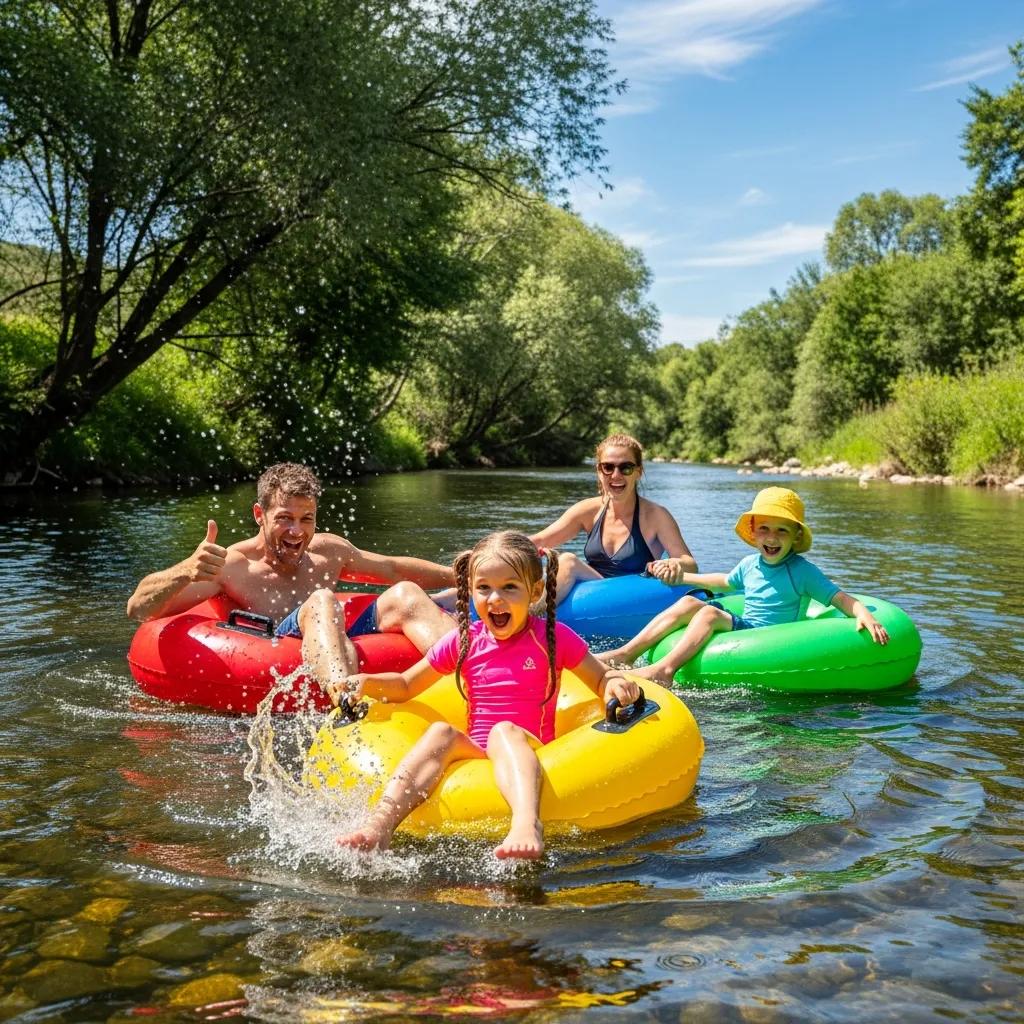
River tubing at Walnut Hills is an easy, fun way for families to spend a sunny afternoon — but safety comes first. This guide walks you through our age rules, height and weight limits, required safety gear, and the waiver and booking steps so you can arrive prepared and relaxed. Read on for essentials — minimum ages, supervision rules, size limits, life jacket policy, and how to reserve your spot online.
What Are the Essential Age Restrictions for River Tubing at Walnut Hills?
Knowing the age guidelines helps keep everyone safe while families enjoy the river; the rules protect younger tubers without taking the fun out of the day.
What Is the Minimum Age to Participate in River Tubing?
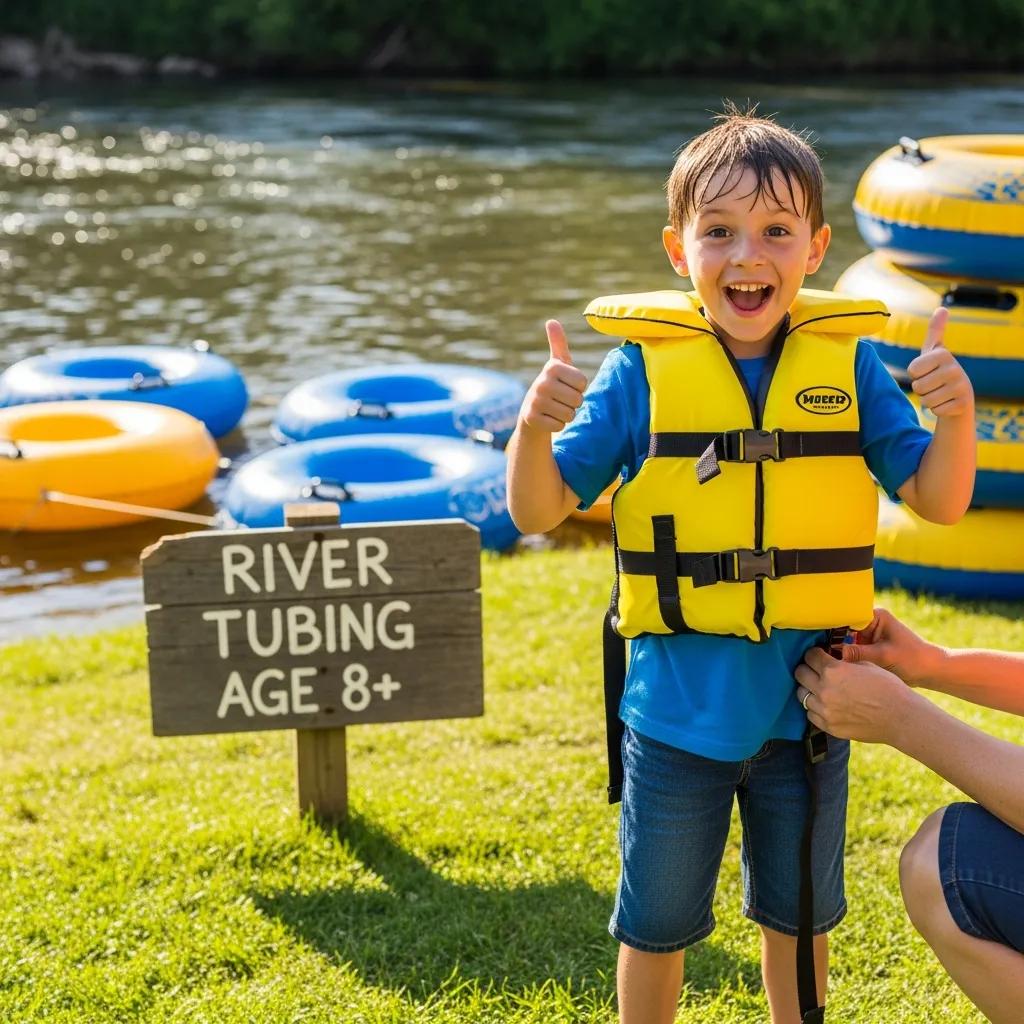
Our minimum age for river tubing is 6 years old. At that age, children are generally able to follow instructions, sit securely in a tube, and handle the basic physical demands of the activity. Children younger than six are not permitted to tube for safety reasons.
What Are the Adult Supervision Requirements for Children?
Children under 12 must be supervised by an adult while tubing. We recommend one adult for every three children to keep a close eye on the group and step in quickly if anyone needs help. Adults should ensure life jackets fit correctly and that kids follow all safety directions while on the water.
What Height and Weight Limits Ensure Safe River Tubing Experiences?
Size limits protect riders and equipment and ensure tubes perform as intended so tubers can sit and balance safely during the float.
What Is the Minimum Height Requirement for Tubers?
Tubers must be at least 48 inches tall to ensure secure seating and stability; children under 48 inches should wait until they meet the height requirement.
Are There Maximum Weight Limits for River Tubing Participants?
Yes — the maximum weight for a tuber is 275 pounds. This limit keeps the tube stable and safe for everyone. Exceeding 275 pounds can affect handling and may increase the risk of equipment problems.
What Are the Life Jacket and Safety Equipment Policies for River Tubing?

Safety gear is non-negotiable at Walnut Hills. Knowing what to wear and bring makes the trip safer and more enjoyable for everyone.
Who Must Wear Life Jackets During River Tubing?
Everyone must wear a life jacket while tubing; we pay extra attention to children under 12. Properly fitted PFDs (personal flotation devices) are required for all participants — they provide essential buoyancy and are a key layer of protection on the water.
Research highlights how important personal flotation devices are for preventing drowning in natural waterways.
Child PFD Use in Public Waterways
For children ages 1–14, 21.6% of drowning cases involve swimming, wading, or playing in natural bodies of water like rivers and lakes. Personal flotation devices are widely considered an effective prevention tool. The study measured compliance with local ordinances that encourage PFD use for children in public waterways.
Compliance with an ordinance requiring the use of personal flotation devices by children in public waterways, GJ Wintemute, 2013
What Safety Equipment Is Recommended for All Tubers?
Beyond life jackets, we recommend bringing a few extras to stay safe and comfortable on the water:
- Whistles: Easy way to call for help or get attention on the river.
- First Aid Kits: Handy for minor scrapes or bumps.
- Sunscreen: Use water-resistant SPF to protect exposed skin while you float.
How Do Waivers and Booking Procedures Work for River Tubing Adventures?
Planning ahead speeds up check-in and ensures everyone meets our safety requirements. Here’s how to handle waivers and online bookings so your day goes smoothly.
What Is the Waiver Process for River Tubing Participants?
All tubers must sign a waiver acknowledging the risks involved in tubing. You can usually complete this waiver online during booking — we recommend signing it before you arrive to save time at check-in.
How Can Families Book Their River Tubing Experience Online?
Booking is simple: pick a date, enter the number of participants, and complete the waiver on our website. That reserves your tubing time and lets our team prepare the right-sized tubes and life jackets for your group.
Following these age and size guidelines helps everyone have a safer, more relaxed day on the river. Stick to the rules, and you’ll be making memories instead of managing avoidable risks.
Frequently Asked Questions
What should I bring for a river tubing trip?
Pack the basics for comfort and safety: a properly fitted life jacket (we provide them if needed), sunscreen, a whistle, a small first aid kit, plenty of water, and a few snacks. A waterproof bag for keys and phones is also smart. Dress for getting wet and bring a towel and dry clothes for after the float.
Can I bring my own tube for river tubing?
Check with Walnut Hills before bringing your own tube. Some personal tubes are fine, but we may require specific sizes or types for safety. Using campground-provided tubes guarantees they meet our standards and are suited to the river conditions.
What are the weather considerations for river tubing?
Always check the forecast before you go. Heavy rain can raise river levels and increase currents — in those cases we may delay or cancel tubing for safety. Ideal tubing days are warm, relatively calm, and free of storms. Bring layers if temperatures might drop after you get out of the water.
Are there any health restrictions for river tubing participants?
If you have heart conditions, breathing problems, are pregnant, or have other medical concerns, talk to your doctor before tubing. The activity can be physically demanding, and we recommend erring on the side of caution. Let our staff know about any conditions that might affect safety during the float.
What should I do if someone falls out of their tube?
Stay calm and check that the person is wearing a life jacket. If they can float safely, guide them back to shore or to their tube. Use a paddle, rope, or reach assist if available and safe to do so. Call for help from our staff or emergency services if the person is struggling or injured.
Is there a specific time of year that is best for river tubing?
Late spring through early fall is usually the best season for tubing — water temperatures are warmer and flows are often ideal. Conditions vary by year and location, so check current river levels and local guidance before booking. We’ll advise you if conditions make tubing unsafe.
Conclusion
Knowing and following Walnut Hills’ age, height, and weight guidelines — plus wearing a life jacket and signing the waiver — makes your tubing day safer and more enjoyable. Plan ahead, book online, and bring the essentials so your family can relax and have fun on the water. Ready to float? Visit our website to reserve your tubing time and review our full safety policies.