“`html
Michigan Campfire Regulations You Must Know for Safe Local Park Fires
Campfires in Michigan parks are governed by a mix of state and local rules designed to reduce wildfire risk, protect natural areas, and keep families safe while enjoying outdoor recreation. This guide explains the core Michigan campfire regulations, how burn bans change what you can do, where fires are allowed in parks, what fuels are permitted, and the practical safety steps families should follow to build, manage, and extinguish recreational campfires. Many visitors worry about legality, fines, and changing conditions; this article provides clear, actionable steps to check restrictions, comply with park fire pit rules, and avoid penalties. You will learn how burn bans operate, which park locations typically allow fires, what materials to use or avoid, family-focused fire safety and extinguishing procedures, typical enforcement outcomes, and reliable ways to stay updated on rules and alerts. Throughout the guide we use plain guidance, short checklists, and quick-reference tables so you can prepare before arrival and keep your group safe while enjoying campfire cooking and warmth in Michigan parks.
What Are the Key Michigan State Park Burn Bans and Fire Restrictions?
A burn ban is an official order that temporarily prohibits certain open fires to prevent wildfires and protect public safety when conditions are hazardous. Authorities impose burn bans based on wildfire risk levels, drought, or red-flag conditions, and bans alter which recreational campfires and outdoor burning activities are permitted. Knowing a burn ban’s scope gives visitors the specific benefit of planning alternatives and avoiding violations that could lead to warnings or fines. Read the following practical triggers and pre-trip checklist so you can adapt plans before arriving at a park and keep your group safe.
When are burn bans enforced in Michigan parks is primarily a function of drought indicators and elevated wildfire risk. Typical triggers include prolonged dry weather, low soil moisture, and local emergency declarations; counties and parks can set bans independent of statewide orders. Checklists for pre-trip planning help families avoid surprises by verifying current conditions and readying allowed alternatives. The next subsection explains how those bans change permitted activities and what campers should bring to comply.
When Are Burn Bans Enforced in Michigan Parks?
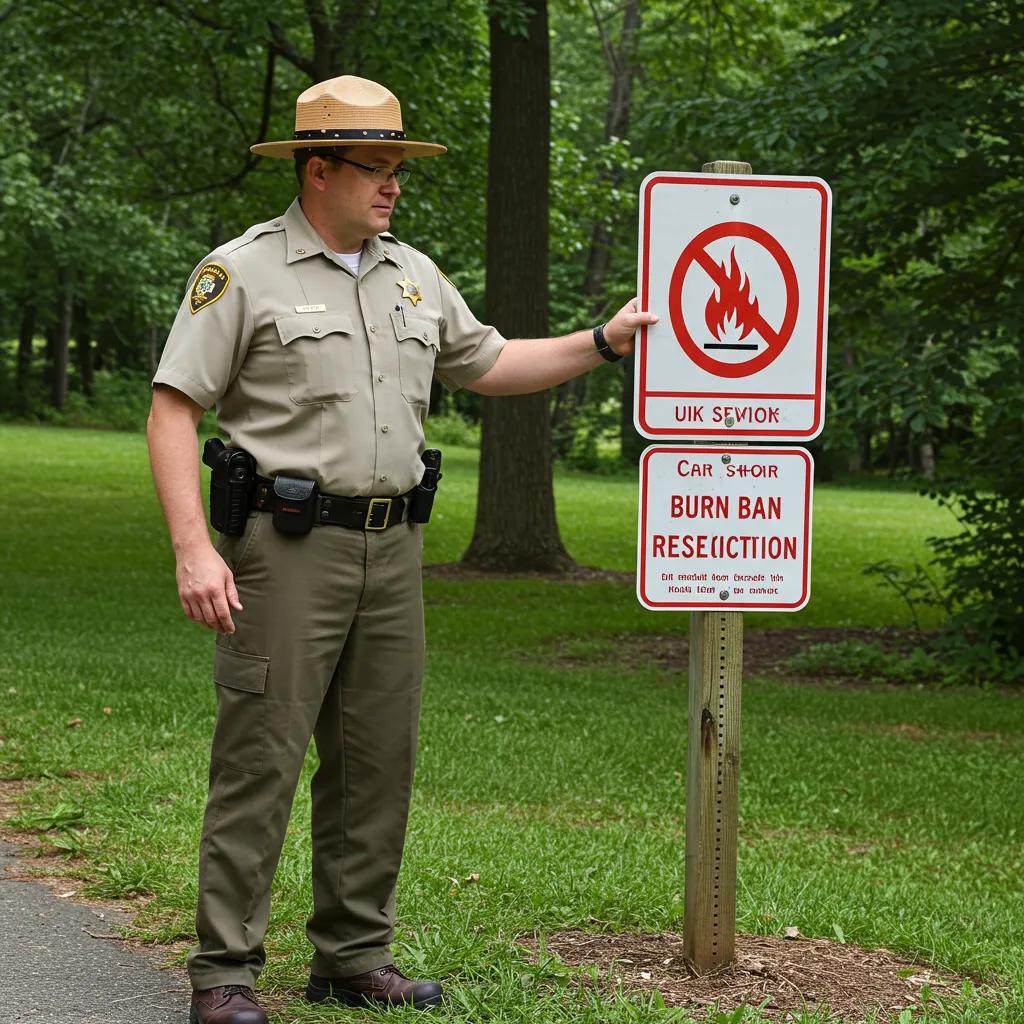
Burn bans are enforced when environmental indicators signal high fire danger, such as extended dry spells or official wildfire risk alerts, which prompt rapid restrictions on open flames. Enforcement timing varies by county and park jurisdiction, so a local ban may be active even when larger areas are unrestricted, and this variability matters for short trips and weekend plans. Campers should verify status before travel as a practical step: check park notices, county emergency updates, and state fire advisories to confirm whether campfires are allowed. Confirming burn-ban status before departure reduces the risk of arriving to find campfires prohibited and needing to change to approved stoves.
How Do Burn Bans Affect Campfire Use in Local Parks?
When a burn ban is active, the most common effect is a prohibition on recreational campfires and beach fires while allowing contained cooking on approved portable stoves. Permitted alternatives typically include liquid-fuel or gas camp stoves and enclosed grills, which reduce ember and spark hazards. Families benefit from planning to bring approved cooking devices and a clear supervision plan, since campfire cancellation affects meal plans and evening routines. Preparing alternatives before travel ensures meals and warmth needs remain met without violating local restrictions.
What Are the Local Park Fire Pit Rules in Michigan?
Local park fire pit rules define where fires may be built and what containment or equipment is required to reduce spread and smoke impacts. Designated campground fire pits and rings are typical permitted locations, and requirements often include using the provided fire ring, keeping the fire small, and maintaining a clear area around the pit. Understanding these rules helps families choose compliant sites and reduces the chance of ranger intervention. The next part lists common permitted locations and clarifies typical restrictions so you can pick safe spots.
Before the table, here is a concise list of common permitted and restricted locations in Michigan parks:
- Designated campground fire pits: These are the most commonly allowed locations for recreational fires.
- Group or picnic area rings: Larger, maintained rings intended for gatherings where rules require supervision.
- Prohibited: Sensitive habitats, dune areas, and unmaintained woods are typically off-limits for fires.
Intro to table: The following quick-reference table compares common rule types, where they apply, and a short example to guide site selection.
Where Are Campfires Allowed in Michigan State Parks?
Campfires are usually confined to marked fire pits, campground rings, and permitted group areas inside state parks, which provides clear containment and supervision benefits. Parks often prohibit fires in ecologically sensitive or restoration areas, near dry vegetation, or in locations without prepared pits to reduce risk. Families should choose sites with existing rings, follow clearance guidance, and prioritize sites with predictable supervision and accessible water. Selecting an established fire pit reduces the likelihood of sparks escaping and aids quick extinguishment.
What Materials Are Permitted for Campfires in Park Fire Pits?
Permitted fuels typically include seasoned firewood and charcoal, which burn more predictably and produce less hazardous smoke than treated or painted wood. Prohibited materials commonly include construction lumber, treated or painted wood, plastics, and trash because they emit toxic fumes and create persistent embers; bringing outside wood can also spread invasive pests. Campers benefit by using dry, local firewood or charcoal and by checking whether a park bans outside wood due to pest rules. Choosing approved fuels reduces smoke, toxic exposure, and the risk of uncontrolled embers.
Research into campfire policies in protected areas suggests that while outright bans may not always be the most effective solution for resource protection, designated campfire policies can significantly reduce the number of fire sites.
Campfire Policies and Resource Protection in Protected Areas
Using resource-monitoring data from seven protected areas, the effectiveness of three campfire policies— campfire ban, designated campfires, and unregulated campfires—were assessed based on the number of fire sites and the amount of tree damage. Results indicate that unregulated campfire policies permitted substantial numbers of fire sites and tree damage in campsites, although fire bans did not eliminate or even substantially decrease these problems. A designated campfire policy was effective in decreasing number of fire sites, but little difference was found among policies regarding tree damage. Given the importance of campfires to visitor experiences, campfire prohibitions could be viewed as unnecessarily restrictive based on their limited success in preventing resource damage. Conclusions encourage protected-area managers to consider designated campfire policies and prohibitions on axes, hatchets, and saws to better meet resource protection and visitor experience mandates.
A comparison of campfire impacts and policies in seven protected areas, JL Marion, 2005
How Can Families Practice Safe Campfire Practices in Michigan Parks?

Safe family campfire practices combine planning, proper construction, active management, and reliable extinguishing to minimize risk and keep everyone safe. Implementing these measures reduces the chance of escapes, injuries, and fines and makes evenings around a campfire predictable and enjoyable. Below is a practical step-by-step checklist families can follow before, during, and after a fire so everyone knows roles and expectations.
Families should follow this numbered safety checklist for every campfire outing:
- Check burn bans and park rules before arrival. Confirm whether open fires are allowed that day.
- Bring safety tools: water, bucket, and shovel. These tools allow quick extinguishing and ember control.
- Keep fires small and in designated rings. Small fires limit sparks and simplify extinguishing.
- Assign an adult supervisor at all times. Continuous supervision prevents unsafe behavior and quick responses.
Following this checklist ensures predictable behavior and reduces accidents during outings, and the next section details a concise extinguishing routine to verify a fire is fully out.
Intro to EAV table: The table below maps essential safety steps to the tools needed and why each action matters for family preparedness.
What Are the Essential Campground Fire Safety Tips in Michigan?
Essential safety tips start with prevention: know park rules, keep a water source nearby, and use only designated pits to contain flames. Maintaining a small flame and keeping seating and tents well back from the ring reduces heat and ember exposure, which protects people and gear. Supervising children with assigned responsibilities creates clear expectations and quick responses if embers escape, and having a shovel or extinguisher immediately available shortens response time. These core precautions naturally lead into the exact extinguishing steps families should memorize and apply each time.
How Should You Extinguish a Campfire Safely in Local Parks?
Extinguishing a campfire safely follows a repeatable three-step method: drown, stir, feel — which ensures no embers remain that could reignite. First, drown the fire with plenty of water until hissing stops, then stir ashes with a shovel to expose hidden embers, and finally feel remaining heat with the back of your hand at a safe distance to confirm cold-to-touch. Avoid burying embers with dirt alone because smoldering heat can continue under insulation; instead, use water and stirring for reliable cool-down. This precise routine prevents later flare-ups and aligns with most park enforcement expectations.
Walnut Hills Family Campground by GatherGrounds can be a helpful local resource for reservation-aware families planning compliant stays, and visitors may consult that campground’s website or Google Business Profile listing to confirm on-site fire rules and reservation availability. Using campground resources alongside state and county notices helps families coordinate safe fire plans and campsite selection.
What Are the Penalties for Violating Michigan Campfire Regulations?
Penalties for violating campfire regulations range from on-site warnings to citations and possible restitution for damages when fires cause harm, with enforcement varying by agency and severity. Park staff and rangers typically issue warnings for minor infractions and escalate to fines or law enforcement involvement for unsafe or repeat violations. Understanding likely outcomes helps campers respond appropriately if approached by staff and encourages proactive compliance to avoid penalties. The following table provides a quick comparison of violation types, enforcement bodies, and typical penalty ranges to guide expectations.
Intro to table: The table below clarifies common violations, who enforces them, and typical penalties or notes about outcomes.
How Are Campfire Violations Enforced in Michigan Parks?
Enforcement typically begins with park staff or rangers issuing a verbal warning and requesting corrective action, escalating to formal citations if unsafe conditions persist. In cases of significant risk or damage, local law enforcement may become involved and documentation of the incident may lead to fines or restitution requirements. If approached, cooperating, following staff instructions, and documenting the interaction are practical steps to resolve issues and reduce escalation. Knowing enforcement procedures ahead of time makes it easier to comply and recover from mistakes responsibly.
What Fines or Penalties Can Campers Expect?
Exact fine amounts vary by jurisdiction, nature of the violation, and whether damage occurred, but common outcomes include warnings, municipal fines, and liability for restoration or firefighting costs in severe cases. Repeat offenses and fires that cause resource damage or endanger public safety typically generate higher penalties and potential legal consequences. Campers should review local park fee schedules and follow appeal or contact instructions on citations to address disputes properly. Understanding these factors encourages careful behavior and quick remediation when needed.
How Can You Stay Updated on Michigan Campfire Rules and Alerts?
Staying updated requires checking authoritative channels—state park pages, county emergency management, and local park notices—to capture both broad burn bans and localized park-specific rules. Timely checks let visitors adapt plans, switch to permitted stoves, or reschedule activities to remain compliant and safe. The next subsections list precise sources and signup methods to receive alerts so you can get real-time status before and during a park visit.
Where to Find Current Michigan State Park Fire Restrictions Online?
Authoritative information is typically available on state park pages and county emergency management websites, which post burn ban notices, fire restrictions, and park-specific guidance. Use search terms like “state park fire restrictions” or the park name plus “burn ban” to locate the most current postings, and check official social channels for rapid updates when web pages lag. When online information is unclear, the park’s Google Business Profile or official campground page can provide contact options and status notices. These sources form a prioritized list for reliable pre-trip verification.
How to Sign Up for Local Burn Ban and Fire Safety Alerts?
Signing up for alerts via county emergency notification systems, state alert services, and park mailing lists provides real-time updates about changing fire conditions and bans. Enable push notifications where available, subscribe to county or state emergency lists for your travel area, and follow park social channels for urgent notices. Sharing alert preferences with traveling family members ensures everyone receives updates during a trip. Keeping multiple alert channels reduces the chance of missing a last-minute burn ban or park closure.
Walnut Hills Family Campground by GatherGrounds is one local resource visitors can consult for on-site rule confirmations and reservation details through the campground’s official online listing and public profile. Using campground resources in combination with state and county alerts ensures families get both regulatory context and site-specific instructions when planning safe park campfires.
Frequently Asked Questions
What should I do if I arrive at a park and find that campfires are prohibited?
If you arrive at a park and discover that campfires are prohibited due to a burn ban or other restrictions, it’s essential to adapt your plans accordingly. Consider using portable cooking stoves or grills that are allowed under the current regulations. Always check the park’s official website or contact park staff for alternative cooking options. Additionally, having a backup meal plan that doesn’t rely on open flames can help ensure your camping experience remains enjoyable and compliant with local rules.
Are there specific times of year when burn bans are more likely to be enforced?
Burn bans in Michigan are more likely to be enforced during the warmer months, particularly in late spring and summer when conditions are drier and wildfire risks are elevated. However, local factors such as recent weather patterns, drought conditions, and specific park regulations can influence the timing of burn bans. It’s crucial to stay informed by checking local park websites and county emergency management updates regularly, especially before planning a camping trip during these high-risk periods.
Can I bring my own firewood to Michigan parks?
Bringing your own firewood to Michigan parks is generally discouraged due to the risk of introducing invasive pests and diseases. Many parks have specific regulations that prohibit outside firewood to protect local ecosystems. Instead, it’s recommended to purchase firewood from local vendors near the park, as this wood is typically sourced from the area and is less likely to carry harmful pests. Always check the park’s rules regarding firewood before your visit to ensure compliance.
What should I do if I see someone violating campfire regulations?
If you witness someone violating campfire regulations, such as having an uncontained fire or burning prohibited materials, it’s best to report the situation to park staff or rangers rather than confronting the individual directly. Park personnel are trained to handle such situations and can take appropriate action to ensure safety and compliance. Your report can help prevent potential hazards and protect the natural environment, contributing to a safer experience for all visitors.
How can I ensure my campfire is completely extinguished?
To ensure your campfire is completely extinguished, follow the “drown, stir, feel” method. First, pour plenty of water over the fire until you no longer hear hissing sounds. Next, use a shovel to stir the ashes and expose any hidden embers. Finally, carefully feel the ashes with the back of your hand to check for heat. The fire should be cold to the touch before you leave the site. This thorough extinguishing process helps prevent rekindling and ensures compliance with park regulations.
What are the consequences of violating campfire regulations in Michigan parks?
Consequences for violating campfire regulations in Michigan parks can range from verbal warnings to fines and potential restitution for damages caused by the fire. The severity of the penalty often depends on the nature of the violation, such as ignoring burn bans or causing damage with an uncontained fire. Repeat offenders may face stricter penalties. Understanding these consequences encourages compliance and helps ensure a safe and enjoyable experience for all park visitors.
Conclusion
Understanding Michigan’s campfire regulations is essential for ensuring safety and compliance while enjoying the great outdoors. By following the guidelines on burn bans, permitted locations, and safe practices, families can create memorable experiences without the risk of penalties. Stay informed and prepared by checking local resources and park updates before your visit. Explore our comprehensive guides and resources to plan your next camping adventure safely.
“`