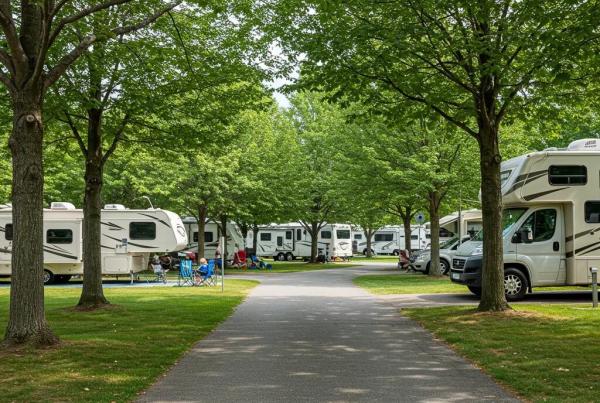


Unlock Your Campground’s True Value: Marketing Strategies for a Successful Sale
Smart marketing transforms how buyers see your RV park. It clarifies revenue potential, highlights unique guest experiences, and makes your operational strengths shine for investors and operators. This guide dives into how strategic marketing moves—from amenity upgrades to online booking data—directly impact key valuation metrics like Net Operating Income (NOI) and cap rate, making your campground easier to sell. Many owners find it tough to turn daily operations into a compelling sales story. Here, you’ll find practical steps to market your RV park effectively, turning buyer interest into quicker offers and better prices. You’ll discover how marketing boosts value, which tactics draw in the right buyers, how it smooths out brokered deals, what financial prep buyers expect, how to gauge marketing success, and answers to common seller questions. We’ll connect marketing actions to appraisal-relevant outcomes and provide handy checklists to get your property sale-ready.
How Does Smart Marketing Boost Your RV Park’s Value Before You Sell?
Effective marketing builds value by proving demand and showcasing repeatable revenue streams. Buyers translate this into higher projected NOI and stronger sale multiples. Marketing makes your amenities, occupancy trends, and booking data visible, empowering buyers to confidently model future cash flows and justify higher valuations. The result? A clearer investment case that streamlines buyer diligence, lowers perceived risk, and commands a premium. We’ll detail which upgrades and marketing signals most directly influence buyer valuation and how to present them for maximum sale impact.
Which Amenities and Upgrades Really Attract Buyers?

Top-tier amenities and site improvements grab buyer attention because they increase guest willingness to pay and reduce immediate capital expenditures, directly boosting NOI. Buyers often favor infrastructure that scales operations—reliable Wi-Fi, concrete pads for premium nightly rates, and modern restrooms that cut down on maintenance calls—as these features translate to instant revenue upside. Presenting these upgrades with before-and-after occupancy or rate data helps buyers connect investment with revenue. The table below maps common upgrades to their expected valuation impact, guiding owners on prioritizing improvements before marketing.
Use this table to decide which projects offer the best return on investment before you list.
This comparison shows how strategic capital improvements can be framed in your marketing materials to justify valuation increases and capture buyer interest through their revenue-generating potential. Highlighting these upgrades naturally leads into showcasing unique property features that command premium pricing.
How Does Showcasing Unique Features Drive Up Your Sale Price?
Showcasing unique features boosts your sale price by transforming intangible experiences into marketable assets that justify higher rates and stronger buyer interest. Storytelling that captures traditions, signature on-site events, stunning vistas, or a distinctive guest culture creates emotional resonance and sets your listing apart in a crowded market, potentially leading to a price premium. Use high-quality photography, concise narrative captions, and simple guest metrics (like repeat-visit percentages or review sentiment) to link experience directly to revenue. Emphasize the unique features that align with your target buyers’ motivations, ensuring the story supports both emotional fit and financial upside, which then leads into why location and market trends are crucial for valuation.
A key aspect of differentiating an RV park is highlighting its unique features, much like how hospitality businesses leverage distinct qualities to stand out.
Hospitality Differentiation Strategies: Uniqueness, Service, Location, and Brand
A differentiation strategy aims to set a company apart from its competitors to enhance its appeal to customers and boost revenue. In the hospitality industry, such as hotels, differentiation involves creating distinctive features or qualities that make the hotel stand out. This approach not only attracts guests but also helps to justify premium pricing and build customer loyalty. There are four primary types of differentiation strategies that hotels often employ:
Uniqueness(Product planning): This strategy focuses on offering something that is not available anywhere else. It might involve unique architectural designs, exclusive amenities, or themed rooms that provide a distinctive experience. For instance, a hotel might feature a world-class art collection, a rooftop garden with panoramic views, or an innovative room layout that caters to specific guest interests.
Service Level: Differentiating through service level means providing a higher standard of customer service than competitors. This could include personalized guest experiences, exceptional attention to detail, or superior service quality. For example, a hotel might offer 24/7 concierge services, bespoke guest experiences tailored to individual preferences, or highly trained staff that exceed guests’ expectations.
Location (distribution): Leveraging location involves highlighting the benefits of the hotel’s geographical position. This could mean being situated in a prime tourist area, offering stunning natural surroundings, or being conveniently located near key business districts or transportation hubs. A hotel might emphasize its proximity to popular attractions, scenic views, or unique local experiences that enhance the overall stay.
Brand (promotion): Branding involves creating a strong, recognizable identity that resonates with guests and distinguishes the hotel from its competitors. This could include a consistent theme or image, a reputation for quality, or a specific market positio
Strategies of Revenue Management, X Tran, 2024
Why Are Location and Market Trends So Important to Highlight?
Highlighting location and market trends is crucial because local demand drivers and tourism patterns dictate baseline occupancy and competitive standing, which buyers use to benchmark cap rates. Demonstrating proximity to attractions, understanding seasonal demand curves, and presenting market comparables allow buyers to model demand sensitivity and upside scenarios, reducing subjective risk. Showcase occupancy trends, your local events calendar, and competitor supply data to prove sustainable demand and justify projected NOI growth. Interpreting these trends for buyers sets the stage for targeted marketing strategies that attract qualified investors.
What Are the Top Marketing Strategies to Sell Your Campground Effectively?
The best marketing strategies for selling a campground blend performance transparency with compelling storytelling to attract qualified buyers swiftly and efficiently. Your marketing should reveal reservation and occupancy metrics, present a clear financial narrative, and visually package the guest experience for potential acquirers. Below are prioritized tactics that translate marketing actions into leads and valuation impact; owners should select the mix that best suits their buyer targets and current market position.
This list ranks five high-impact strategies and explains the direct benefit each offers for sale readiness.
- Optimize listings with reservation and occupancy data: Buyers scrutinize trends and conversion potential through documented performance metrics.
- Create a visual storybook of your property: Photography and video showcase the guest experience and justify premium pricing.
- Target direct outreach to operators and investors: Personal outreach connects you with pre-qualified buyers who value operational upside.
- Leverage industry listing platforms and niche channels: Specialized platforms link sellers with active campground and RV park buyers.
- Use structured marketing packages for due diligence: Packaged financial summaries and site audits build buyer confidence and shorten timelines.
Each tactic supports valuation in a unique way; the next section explains how to present your online presence and listings to attract those qualified buyers.
How Can Your Online Presence and Listings Attract Qualified Buyers?
A strong online presence attracts qualified buyers by making operational performance and guest demand transparent and easily searchable. Optimized listings should feature clear P&L highlights, occupancy calendars, average daily rate trends, and reservation system screenshots to demonstrate bookings and conversion. Prioritize industry listing platforms and include structured data that helps buyers find and compare properties, ensuring your listing points to meaningful KPIs buyers expect. A checklist approach to listing content helps owners prepare the materials buyers request early in diligence, which then supports the visual storytelling discussed next.
What Role Do Visuals and Storytelling Play in Marketing?
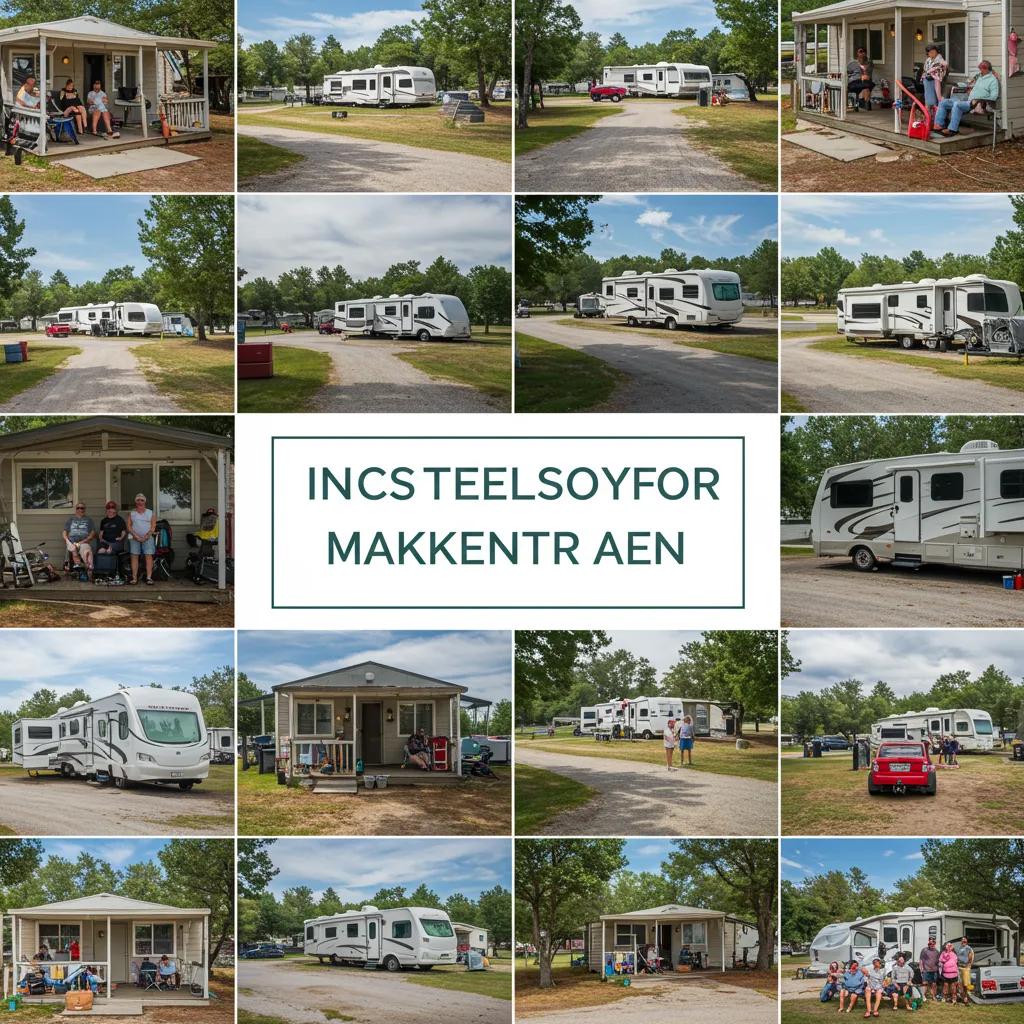
Visuals and storytelling transform operational facts into investible narratives that align buyer values with property potential. Use a photo and video shot list covering amenities, guest experiences, unique features, and site condition; include captions with metrics (e.g., occupancy lift after an amenity upgrade) to connect visuals directly to revenue. The narrative should blend heritage or legacy elements with clear financial upside to appeal to both stewardship-minded operators and investor buyers. Packaging these assets into a concise marketing book or data room accelerates buyer understanding and leads directly into buyer targeting tactics.
How Do You Target RV Park Investors and Niche Buyer Segments?
Targeting RV park investors and niche buyer segments requires messaging and channel selection tailored to specific acquisition criteria. Institutional investors focus on stabilized NOI and scale; individual operators prioritize operational ease and cultural fit; niche buyers (glamping, eco-retreats) value unique experiences and expansion potential. Customize your outreach lists, prepare financial snapshots aligned with each buyer type, and use different platforms—investor networks for large buyers, operator lists and forums for hands-on buyers—to reach the right audiences. Precision in defining buyer segments makes marketing more efficient and reduces time on market, which connects to how direct marketing compares to brokered sales.
Before we compare direct sales, use this table to weigh marketing tactics by audience and expected outcome.
This comparison clarifies which tactics generate the leads buyers use to model value, and the next section examines how marketing simplifies selling compared to using brokers.
How Does Marketing Streamline the Selling Process Compared to Using Brokers?
Marketing simplifies selling by pre-qualifying buyers, reducing information asymmetry, and shortening negotiation cycles compared to relying solely on traditional brokerage. When marketing highlights performance metrics and presents a cohesive narrative, fewer intermediaries are needed because buyers can assess value quickly and make informed offers. The result is lower transaction friction, potential savings on broker fees, and a faster path to closing when direct buyers are engaged. The following H3 subsections compare the practical benefits of direct sale options and outline why personal communication is key.
What Are the Benefits of Selling Directly to GatherGrounds Resorts?
Selling directly to GatherGrounds Resorts offers advantages for owners seeking a stewardship-minded transition, including direct access to decision-makers and a focus on preserving campground legacy. As a family-owned acquirer committed to preserving property character and traditions, GatherGrounds provides an alternative to larger investment firms that may prioritize rapid repositioning. Sellers can expect a no-obligation conversation and a process designed for smooth transition planning, which can shorten timelines and reduce intermediary fees. This direct-buy option demonstrates how marketing that emphasizes legacy and operational strengths can attract compatible operators rather than distant investors.
How Does Marketing Reduce Fees and Accelerate Transactions?
Marketing reduces fees and speeds transactions by pre-qualifying buyers and providing organized documentation that accelerates due diligence; fewer intermediaries and clearer information lead to fewer negotiation rounds. Clear marketing packages, including reservation data, summarized financials, and site condition reports, allow serious buyers to focus on offer terms rather than discovery, shortening the transaction timeline. A comparative logic chain shows sellers the steps saved when marketing presents a complete investment case upfront. The efficiency gained through marketing directly impacts the importance of personal communication during negotiations.
Why Is Personal Communication Crucial in the Selling Process?
Personal communication is vital because it builds trust, clarifies seller priorities, and enables tailored transition planning that preserves community relationships and operational continuity. Direct conversations with buyers or acquirers allow sellers to articulate legacy elements, preferred timelines, and expectations for staff continuity, all of which can be critical to achieving favorable sale terms. Best practices include preparing a concise transition summary and highlighting non-financial values alongside financial metrics to guide negotiation. Effective personal communication complements marketing by ensuring offers align with both financial and stewardship goals.
What Financial Preparations Support Effective Marketing and a Successful Sale?
Financial preparation supports marketing by translating operational performance into the documents buyers need to model NOI and valuation, accelerating offers and improving outcomes. Organized financials reduce buyer uncertainty and allow marketing materials to present concise, credible revenue and expense trends. The key is to prioritize the documents buyers request, prepare clear NOI reconciliations, and stage exit planning to align improvements with the marketing timeline. Below are the documents to gather and how each addresses buyer questions, followed by a table mapping documents to their buyer-purpose examples.
Which Financial Documents Should You Organize Before Selling?
Organizing standard financial documents makes your marketing credible and speeds buyer evaluation: Profit & Loss statements, balance sheets, tax returns, and reservation/occupancy reports are essentials that showcase historical performance and seasonal patterns. Buyers typically request 2–3 years of P&L and tax returns along with recent monthly reports and reservation system exports to validate revenue trends. Summarize multi-year performance in a one-page investor summary highlighting NOI, major expense lines, and non-recurring items to aid rapid assessment. Preparing these documents upfront directly feeds into demonstrating NOI for valuation conversations.
Use this table to see how specific documents answer buyer questions during marketing and diligence.
This mapping explains why buyers expect these records and how they support marketing claims; next, we explain how to use NOI in marketing materials.
How Does Demonstrating Strong Net Operating Income Help?
Demonstrating strong NOI is crucial because buyers directly use NOI to calculate valuation via cap rate multiples, making NOI the central metric in most campground acquisitions. Show a clear NOI calculation with normalization adjustments for owner-specific expenses and one-time items so buyers can see recurring cash flow. Use marketing to highlight revenue drivers—repeat guest percentages, ancillary revenue (store, rentals), and reservation growth—that support upward NOI trends. Presenting NOI transparently reduces buyer skepticism and increases the likelihood of competitive offers, which leads into exit planning steps to maximize these effects.
What Exit Planning Steps Enhance Marketing Outcomes?
Exit planning steps taken 12–24 months before a sale enhance marketing outcomes by aligning operational improvements and financial tidiness with the optimal listing moment. Recommended actions include stabilizing occupancy, completing high-ROI upgrades, organizing accounting, and documenting standard operating procedures to reduce buyer-perceived risk. Create a prioritized 12-month checklist that sequences visible guest-facing upgrades first and back-office tidying next, so marketing can present a compelling, low-risk investment case. Thoughtful exit planning makes marketing materials credible and supports a smoother, faster sale process.
How Can You Measure the Success of Your RV Park Marketing Efforts?
Measuring marketing success requires tracking KPIs that signal buyer interest and operational strength, such as qualified inquiries, listing views, reservation requests, and conversion rates into NDAs or LOIs. These metrics help owners gauge whether marketing is attracting the right audience and whether messaging or assets need refinement. Use analytics tools, CRM logs, and reservation exports to build a compact dashboard linking marketing inputs to buyer-stage outcomes. The subsections below list key KPIs, explain the SEO impact of featured snippets and rankings, and recommend a cadence for content and data updates to maintain strong visibility.
What Key Performance Indicators Should You Track?
Track KPIs that map to buyer interest and valuation: qualified buyer inquiries, listing views, reservation and occupancy trends, average daily rate (ADR), and conversion from inquiry to NDA or LOI. Use tools like search analytics, listing platform dashboards, and simple CRM tracking to measure each KPI and note changes after marketing updates. Benchmarks vary by market, but the trend direction is most important: rising qualified inquiries and improved conversion to NDA indicate effective marketing. Regularly reviewing these KPIs informs whether to adjust messaging, targeting, or listing distribution.
How Do Featured Snippets and Search Rankings Impact Buyer Interest?
Featured snippets and search rankings boost buyer interest by improving discoverability and perception of authority, making properties more likely to be seen by active buyers researching market options. Structured content—clear Q&A, concise data points, and summarized performance metrics—can win snippet placements that drive high-intent traffic. Aim for direct-answer sections and well-labeled documents to enhance search visibility and encourage trusted discovery. A strong search presence complements direct outreach and listing strategies by generating inbound interest from buyers actively comparing opportunities.
Why Is Continuous Content and Market Trend Updating Crucial?
Continuous content and market trend updating is crucial because fresh data sustains buyer confidence and improves search signals over time, making your listing more competitive. Recommended cadence includes quarterly updates to performance figures, seasonal content refreshes, and periodic photography or video updates after significant improvements. Updating financial metrics and occupancy figures prevents stale claims and keeps the sales narrative aligned with current performance. Regular maintenance of marketing assets ensures ongoing visibility and better conversion of inquiries into offers.
What Are Common Questions Campground Owners Have About Marketing and Selling?
Campground owners commonly ask how to sell quickly using marketing, which tactics maximize sale price, and how a marketing-led sale compares to traditional brokerage. Answering these questions directly with actionable plans helps owners decide whether to pursue a marketing-driven exit, engage a broker, or consider direct acquirers. The following H3 subsections provide concise action plans and comparative guidance so owners can select a path aligned with their goals.
How Do I Sell My RV Park Fast Using Marketing?
To sell fast using marketing, follow a 90-day plan that prepares core materials, targets buyers, and stages inspections: optimize your listing with performance snapshots, capture professional visuals, conduct targeted outreach to likely acquirers, and schedule staged site visits. Provide a one-page investor summary, reservation exports, and a short transition plan to reduce buyer discovery time. Prioritize quick wins that show immediate NOI stability, then use direct outreach to operators and investors who can move quickly. This rapid plan naturally leads to selecting the highest-ROI marketing tactics for price maximization.
What Marketing Tactics Maximize My RV Park’s Sale Price?
Marketing tactics that maximize sale price focus on demonstrable revenue improvements and differentiation: invest in Wi-Fi infrastructure and upgraded pads, document occupancy and ADR improvements, and tell a clear story linking upgrades to revenue. Rank tactics by ROI and present numerical evidence—before/after metrics, revenue lifts, and repeat-guest percentages—to justify higher offers. Packaging these tactics with a focused buyer pitch attracts purchasers willing to pay premiums for proven upside. Clear evidence of recurring revenue and upside potential is central to convincing buyers to bid up the price.
How Does Marketing Compare to Traditional Brokerage Services?
Marketing compares to brokerage services in a trade-off between targeted, data-driven buyer engagement and the broad exposure brokers can provide; each approach has distinct cost, timeline, and fit implications. Brokers offer network reach and marketing support but charge commissions and can add intermediaries; marketing-led direct approaches can reduce fees and speed transactions when they successfully attract qualified buyers. A small comparative table clarifies these trade-offs so owners can choose the approach that best matches their priorities—speed, price, or legacy preservation.
This comparison sets up the final branded section describing how a stewardship-minded acquirer approaches marketing and legacy.
How Does GatherGrounds Resorts’ Marketing Approach Preserve Your Campground’s Legacy?
GatherGrounds Resorts’ marketing approach emphasizes stewardship and legacy preservation by combining operational improvements with narrative marketing that highlights traditions and community value. As a family-owned acquirer focused on preserving the original character of properties, GatherGrounds positions marketing to attract buyers who value continuity and guest experience. This stewardship model pairs direct communication with owners and operational plans that maintain community ties while enhancing amenities and revenue. The final H3 subsections explain why legacy matters, how GatherGrounds communicates, and what differentiates their approach from larger investment firms.
Why Is Legacy Preservation Important During Marketing and Sale?
Legacy preservation matters because many campground owners prioritize community relationships, traditions, and continued guest experience as much as financial outcomes, and marketing can spotlight these elements to attract like-minded buyers. Documenting legacy elements—annual events, long-standing staff roles, and guest traditions—helps target buyers who will honor those practices and can be a decisive factor in negotiation. Including legacy narratives in marketing materials increases the chance of finding a buyer aligned with the seller’s non-financial goals. Emphasizing legacy also strengthens the emotional case for a smooth transition and supports stewardship-based offers.
How Does GatherGrounds Communicate Directly with Owners?
GatherGrounds communicates directly with owners through straightforward, no-obligation conversations that prioritize clarity about valuation, transition planning, and stewardship expectations. This direct-communication model ensures sellers speak with decision-makers who can discuss valuation approaches and personalized transition options without intermediary layers. Typical communication steps focus on listening to the seller’s priorities, reviewing key financial and operational summaries, and discussing transitional roles or expectations to preserve legacy. Clear, personal dialogue complements marketing materials by aligning buyer intent with seller values.
What Makes GatherGrounds’ Marketing Different from Large Investment Firms?
GatherGrounds’ marketing differs from large investment firms by prioritizing personalization, community continuity, and hands-on property improvements rather than purely transactional repositioning for short-term returns. The family-owned approach emphasizes preserving character and traditions while making targeted upgrades that improve guest experience and NOI, creating a balance between stewardship and financial performance. This tone and intent show in marketing narratives that highlight legacy as an asset, attracting buyers who value long-term stewardship. For owners seeking an acquirer that aligns with both financial and legacy goals, GatherGrounds’ Campground Acquisition Service presents an alternative that combines direct acquisition with preservation-focused marketing and a no-obligation conversation to explore fit.
Frequently Asked Questions
What are the key elements of a successful marketing strategy for RV parks?
A successful marketing strategy for RV parks includes a combination of performance transparency, compelling storytelling, and targeted outreach. Owners should optimize their listings with clear financial metrics, showcase unique amenities through high-quality visuals, and engage directly with potential buyers. Additionally, leveraging industry-specific platforms and creating structured marketing packages can enhance visibility and attract qualified buyers. By focusing on these elements, campground owners can effectively communicate their property’s value and appeal to the right audience.
How can I effectively showcase my RV park’s unique features?
To effectively showcase your RV park’s unique features, use high-quality photography and engaging narratives that highlight the experiences guests can expect. Document traditions, special events, and scenic views to create an emotional connection with potential buyers. Include metrics such as repeat-visit percentages and guest reviews to substantiate the appeal of these features. By presenting a compelling story that ties unique attributes to financial benefits, you can differentiate your property in a competitive market and justify higher sale prices.
What role does online presence play in selling an RV park?
An online presence is crucial for selling an RV park as it enhances visibility and credibility. Optimized listings on industry platforms should include detailed financial data, occupancy trends, and high-quality visuals to attract serious buyers. A strong online presence also allows potential buyers to easily access information about the property, making it easier for them to evaluate its investment potential. Regular updates and engagement on social media can further boost interest and drive inquiries from qualified buyers.
How can I prepare my financial documents for potential buyers?
Preparing financial documents for potential buyers involves organizing essential records such as Profit & Loss statements, balance sheets, tax returns, and reservation reports. Aim to provide 2-3 years of historical data to demonstrate revenue trends and seasonal patterns. Summarizing this information in a one-page investor summary can help buyers quickly assess the property’s financial health. Clear and organized financial documentation not only builds credibility but also facilitates a smoother due diligence process, increasing the likelihood of a successful sale.
What are the benefits of using targeted outreach in marketing my RV park?
Targeted outreach in marketing your RV park allows you to connect directly with potential buyers who are most likely to be interested in your property. By identifying specific buyer segments—such as individual operators or institutional investors—you can tailor your messaging and approach to resonate with their unique needs and priorities. This strategy can lead to pre-qualified inquiries, faster negotiations, and ultimately, a quicker sale. Personalized communication also helps build trust and rapport, which can be crucial in the decision-making process.
How can I measure the effectiveness of my marketing efforts?
Measuring the effectiveness of your marketing efforts involves tracking key performance indicators (KPIs) such as qualified inquiries, listing views, reservation requests, and conversion rates. Utilize analytics tools and CRM systems to monitor these metrics and assess changes over time. Regularly reviewing this data will help you understand which marketing strategies are working and where adjustments may be needed. By focusing on trends rather than just numbers, you can refine your approach to better attract and engage potential buyers.
What should I consider when planning for a smooth transition after the sale?
When planning for a smooth transition after the sale of your RV park, consider outlining a clear transition plan that addresses operational continuity, staff roles, and community relationships. Communicate your expectations and any legacy elements that should be preserved to the new owner. Providing a detailed summary of operational procedures and key contacts can facilitate a seamless handover. Additionally, maintaining open lines of communication with the buyer during the transition period can help address any concerns and ensure a successful changeover.
Conclusion
Effective marketing is essential for RV park owners looking to maximize their property’s value and attract qualified buyers. By showcasing unique features, operational strengths, and financial performance, sellers can create compelling narratives that resonate with potential acquirers. Implementing targeted marketing strategies not only simplifies the selling process but also enhances the likelihood of achieving favorable offers. Start optimizing your marketing approach today to ensure a successful sale and preserve your campground’s legacy.