

How to Choose the Best Campground Broker Today: A Complete Guide for Campground Owners
Picking the right campground broker is a big deal that can really affect your sale price, how smoothly things go, and the future of your property. This guide will walk you through what a campground broker actually does, what to look for when you’re choosing one, and how selling with a broker stacks up against selling directly to a buyer. Campground owners, you’ll get practical advice on valuing your place, a look at the typical broker sales process, and the red flags to watch out for, all to help you make a smart decision about your exit strategy. We’ll cover defining broker services, listing out what to evaluate, comparing brokers and direct buyers, outlining valuation methods, walking through broker processes, providing a checklist for vetting brokers, and introducing a family-owned direct-buyer option. Throughout this guide, you’ll find checklists, comparison tables, and solid negotiation tips designed to help you answer “how to choose a campground broker” with current market insights and practical tools. Whether your main goal is to get the highest price, keep your property’s legacy intact, or speed up the sale, this guide breaks down the trade-offs and the key questions to ask.
What Does a Campground Broker Do? Understanding Their Role and Services
A campground broker is all about marketing and selling campgrounds and RV parks. They use their industry connections, know-how in valuing properties, and coordination skills to find the right buyers and get you the best terms. Brokers add value by putting together your financials, creating marketing specifically for investors and operators, and handling negotiations and closing details, which takes a load off your plate. If you’re thinking about using a broker, understanding these services will show you why a specialist can often reach more buyers and potentially get you a higher sale price than a general agent. The next few sections will break down the broker’s role into clear definitions, steps in facilitating a sale, what you can expect them to deliver, and how they differ from typical real estate agents, helping you decide if a specialist fits your exit goals.
What is an RV Park or Campground Broker?
A campground broker is a licensed professional who focuses specifically on selling recreational properties. They combine real estate expertise with deep knowledge of the campground industry. They understand how campgrounds make money, their seasonal ups and downs, how to value different types of sites, and who typically buys these properties – think operators, investors, or even family members taking over. This specialization allows brokers to create listing strategies that fit the market, estimate value using industry-specific metrics, and target buyers who truly get how campgrounds operate. Knowing a broker’s niche expertise helps sellers figure out if they need someone who can really speak the language of investors when highlighting their property’s strengths.
How Do Campground Brokers Facilitate Sales?
Campground brokers make sales happen by doing valuation analyses, creating custom marketing materials, vetting buyers, negotiating offers, and managing the due diligence and closing processes. They set up information rooms and handle financial disclosures so buyers can check occupancy, revenue, and operational data during diligence, saving you time from answering endless questions. Brokers also structure offers to protect your interests and work with lawyers, lenders, and escrow agents to keep the deal moving forward. Understanding how these steps connect will show you where brokers smooth things out and where you should stay actively involved.
What Services Should You Expect from a Campground Broker?

When you hire a broker, expect a written marketing plan, a valuation analysis of your property, targeted outreach to potential buyers, coordination of site visits, and management of negotiation and closing logistics. A good broker will put together a confidential offering memorandum, handle initial buyer screening, and show you potential net proceeds after factoring in commissions and closing costs. You should also expect regular updates on marketing efforts and buyer interest, plus help with gathering due diligence documents. Setting clear expectations for what they’ll deliver helps avoid confusion and leads to a smoother transition.
How Do Brokers Differ from Real Estate Agents in Campground Sales?
Campground brokers stand out from general real estate agents because they have deeper industry connections, use specialized valuation methods, and are experienced in handling the unique operational details of campgrounds. While an agent might list your property on the MLS, a campground broker actively markets to a carefully selected group of buyers and knows how to present site mix, amenity value, and seasonal cash flow to buyers who understand these specifics. Their commission structures and service levels can also differ, with brokers often negotiating retention fees, success-based commissions, and marketing budgets tailored to niche outreach. Recognizing these distinctions helps sellers choose a professional whose scope matches the complexity of their property and their sale objectives.
What Are the Key Factors to Consider When Choosing a Campground Broker?
Choosing the right broker means looking closely at their experience, how well they communicate, their marketing reach, their fee structure, and how they vet buyers. These factors all play a role in your net proceeds, the sale timeline, and how smoothly the closing goes. Treating this selection as a strategic decision will lead to better results. This guide dives into proof of experience, expectations for transparency, the impact of marketing reach, typical fees, and how to check their buyer vetting procedures. These criteria will help you build a practical checklist for when you’re interviewing potential brokers.
How Important is Experience and Industry Expertise?
Industry expertise is crucial because campgrounds have unique revenue streams, seasonal patterns, and operational complexities that require specialized valuation and buyer targeting. Ask brokers for examples of similar sales they’ve handled, case studies, and metrics that show their success with properties that have comparable site counts, amenity offerings, and local demand. Experience also helps a broker price your property accurately and attract buyers who appreciate campground-specific assets, rather than just seeing it as raw land. Verifying their relevant transaction history reduces pricing risks and builds buyer confidence during negotiations.
Why Transparency and Communication Matter in Broker Selection?
Clear and open communication prevents misunderstandings, provides timely market feedback, and keeps you in control during sensitive negotiations and confidential marketing efforts. You should expect a baseline of communication—regular status updates, summaries of offers, and quick responses to buyer inquiries—so you can make informed decisions without any surprises. Red flags include vague reporting, inconsistent contact, or a reluctance to share marketing plans and buyer lists. Good communication practices align expectations and minimize friction between listing and closing.
How Does Marketing Reach Impact Your Campground Sale?
Your broker’s marketing reach directly influences the size and quality of the buyer pool, which affects the likelihood of competitive offers and accurate valuation discovery. Effective campaigns combine industry platforms, direct outreach to operator networks, targeted investor lists, and professional materials that highlight amenities and revenue streams. A broker with both regional and national reach can connect you with local operators and institutional investors alike, broadening your options. Evaluating a broker’s marketing channels and sample materials will show you how they plan to position your property to the right buyers.
What Are Typical Brokerage Fees and Commission Structures?
Brokerage fees usually involve a commission percentage based on the sale price, and sometimes upfront marketing costs or retainers. Having clear breakdowns makes it easier to compare your potential net proceeds. While typical structures vary, you should always ask for a written fee schedule and examples of net proceeds calculations at different sale prices. Negotiation is often possible—especially on marketing budgets, performance milestones, and tiered commissions—so review proposals carefully for any hidden costs before signing. Transparent fee terms ensure you can compare brokers on both price and service.
How to Evaluate a Broker’s Buyer Qualification Process?
An effective buyer qualification process saves you time and protects confidentiality by ensuring only credible buyers get access to sensitive financial data and site visits. Key qualification steps include verifying proof of funds, obtaining lender pre-approval, receiving a written indication of interest, and confirming relevant operational or investment experience. Ask brokers how they verify buyer credentials and what documentation they require before sharing detailed offering materials. A rigorous qualification process helps maintain your leverage and shortens the time spent on unqualified prospects.
Campground Brokers vs. Direct Buyers: Which Selling Option is Best for You?
Deciding between a broker-led sale and selling directly to a buyer means weighing potential price, timeline, confidentiality, and legacy concerns against your specific goals and property characteristics. Brokers can expand your buyer reach and create competitive bidding situations, while direct buyers often offer speed, streamlined negotiations, and fewer intermediaries. This section compares costs, timelines, buyer types, and decision scenarios using a clear entity-attribute comparison so you can choose the route that best aligns with your priorities.
This table clarifies how your choice of route impacts net proceeds, timing, and confidentiality, helping you match a route to your goals and urgency.
What Are the Advantages of Using a Campground Broker?
Brokers can provide broader exposure, specialized marketing, and the potential for competitive bidding, all of which can increase your sale price and maximize your net proceeds. They manage multiple interested parties, coordinate offers, and can often find buyers willing to pay a premium for operational upside or expansion potential. Brokers also offer market comparables and negotiation expertise that can lead to better contractual terms for sellers. These strengths make brokers a good choice when maximizing price and tapping into a wide investor base are your primary objectives.
What Are the Benefits of Selling Directly to a Buyer Like GatherGrounds Resorts?
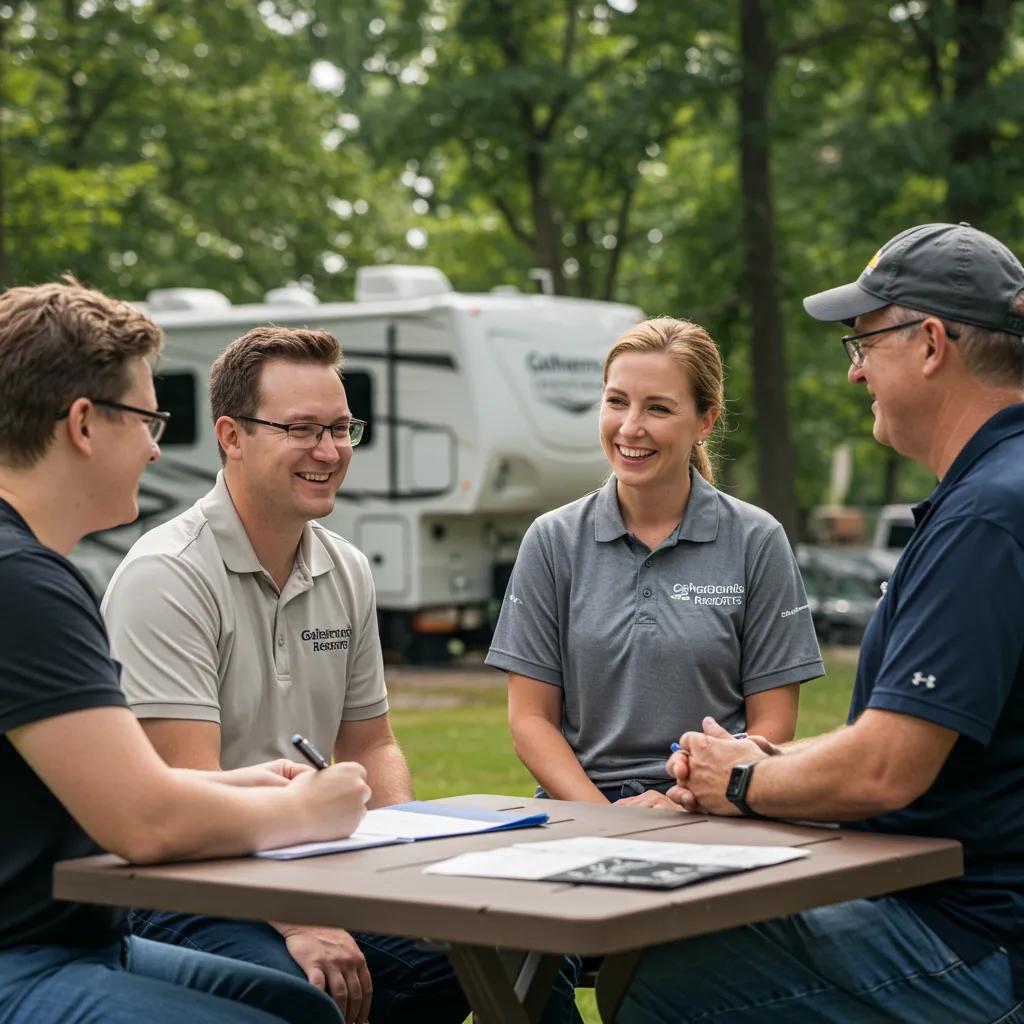
Selling directly to a buyer like GatherGrounds Resorts offers quicker timelines, lower intermediary fees, and a stewardship-focused transition that respects family values and your property’s legacy. GatherGrounds Resorts is a family-owned company that acquires and operates campgrounds and RV parks, mainly in the upper Midwest, and typically looks for properties with over 130 sites. Owners who value confidentiality, direct communication, and a continuation of their property’s culture might find a direct buyer offers a more thoughtful transition than large investment firms. This direct approach cuts down on layers of corporate approvals and can speed up decision-making for sellers who prioritize preserving their legacy and ensuring operational continuity.
How Do Costs and Fees Compare Between Brokers and Direct Buyers?
When working with a broker, expect commissions and potential marketing expenses that can reduce your net proceeds, but these costs can also drive higher sale prices through a competitive process. Direct buyers generally present lower transaction costs and fewer fees, trading some potential for higher price discovery for speed and certainty of closing. The decision comes down to whether the potential uplift from broader market exposure outweighs the cost of commissions and time. A clear net-proceeds comparison during early negotiations will help clarify the trade-offs for each route.
How Does the Sales Timeline Differ Between Brokers and Direct Buyers?
Broker-led sales often require months for marketing, buyer qualification, and negotiation before due diligence and closing can begin, with timelines typically ranging from three months to a year. Direct buyer transactions shorten this timeline by reducing the marketing and competitive stages, focusing instead on direct valuation, due diligence, and a streamlined closing process that can be completed in weeks to a few months. Timeline variations depend on financing contingencies, regulatory approvals, and how ready the seller is to provide documentation. Choosing based on your timeline needs ensures the sale aligns with your exit timing and liquidity goals.
When Should You Choose a Broker Over a Direct Buyer?
Opt for a broker when maximizing sale price, achieving broad market exposure, or soliciting competitive bids is more important than speed or confidentiality. Brokers are a good choice when your property would benefit from public exposure to investors and operators who can appreciate specific amenity-driven premiums, or when you’re seeking market validation for your price. Conversely, sellers focused on preserving legacy, ensuring operational continuity, or completing a quick private sale might prefer a direct-buyer route. Align your choice with whether price discovery or stewardship and speed is your dominant objective.
How to Value Your Campground Accurately Before Choosing a Broker
Accurate valuation involves assessing revenue streams, expenses, occupancy trends, site mix, amenities, and local demand to arrive at a defensible price that supports negotiation. Valuation combines quantitative metrics—like cap rate, net operating income (NOI), and gross revenue multipliers—with qualitative factors such as site condition and amenity quality. Understanding how market trends, such as interest rates and the demand for glamping, affect buyer pools helps owners set realistic expectations. The following table shows key valuation drivers and their typical impact to guide your preparation for broker interviews or direct-buyer discussions.
This table highlights which revenue sources most strongly influence value and where you should focus your documentation and improvements before discussing a sale.
What Key Factors Affect Campground and RV Park Valuation?
The main drivers of valuation include gross revenue, operating expenses, occupancy rate, site count and mix, infrastructure condition, and intangible factors like location and brand reputation. Key metrics like NOI and cap rate are central: NOI determines cash flow, while cap rate reflects market expectations for risk and return. Site-specific details—such as whether sites are pull-through or back-in, the presence of cabins or glamping units, and utility capacity—affect a buyer’s willingness to pay a premium. Documenting historical revenue, occupancy patterns, and consistent expenses provides the evidence buyers and brokers need to support your asking price.
How Do Market Trends Influence Your Property’s Value?
Market trends—including the interest rate environment, overall travel demand, urban-to-rural migration, and the growth of glamping—influence buyer demand, financing availability, and the cap rates buyers apply to campground assets. Higher interest rates can narrow the buyer pool and increase required returns, potentially lowering multiples, while increased occupancy or demand for amenities can justify premium pricing. Local tourism dynamics and infrastructure investments also shift a property’s competitive standing. Understanding these trends helps sellers time their marketing efforts and set realistic expectations.
What Tools and Experts Can Help You Determine Your Campground’s Worth?
Consider engaging independent appraisers with outdoor hospitality experience, specialized campground brokers, and financial advisors familiar with hospitality cap rates to triangulate value using comparable sales, income approaches, and normalized expenses. Useful tools include historical financial models, occupancy trend analysis, and a campground valuation checklist that documents site mix, capital expenditures, and deferred maintenance. Combining third-party appraisals, broker comparables, and a preliminary evaluation from a direct buyer can provide a credible range of values to guide your negotiations. These expert inputs will strengthen your position, whether you choose a broker or pursue a direct sale.
How to Use Valuation Insights to Negotiate with Brokers or Buyers?
Use documented revenue, verifiable occupancy records, and capital expenditure histories as leverage to justify your asking price and resist lowball offers during negotiations. Presenting normalized NOI and supporting occupancy trends helps defend your chosen multiples and cap rate assumptions, while competitive offers or third-party valuations increase your bargaining power. For broker-led sales, use your valuations to guide the broker on minimum acceptable terms; for direct buyers, use them to structure conditional offers and earnest-money thresholds. Well-prepared valuation evidence can speed up due diligence and improve the likelihood of securing terms that meet your objectives.
What Is the Typical Campground Sales Process When Working with a Broker?
A broker-managed sale usually follows distinct phases: engagement and listing preparation, targeted marketing and buyer outreach, offer negotiation and selection, due diligence coordination, and closing with post-sale transition planning. Each stage involves specific seller responsibilities and expected durations, and the broker’s role is to sequence tasks, manage buyer interactions, and protect your leverage through confidentiality controls. Understanding the timeline and documentation requirements at each stage will reduce surprises and lead to smoother closings. The table below outlines the stages, expected durations, and core responsibilities for clarity.
This comparison clarifies expected timelines and the division of tasks so you know what to anticipate when working with a broker.
What Are the Step-by-Step Stages of Selling Through a Broker?
Selling through a broker begins with engagement: selecting a broker, signing an agreement, and preparing an offering memorandum that compiles your financials and property details. Next comes targeted marketing and buyer qualification, where brokers reach out to their networks, distribute confidential materials, and schedule site tours for vetted parties. After offers are received, there’s negotiation of price and terms, followed by buyer due diligence—which involves document review, inspections, and financing verification—ultimately leading to closing and transition planning. Anticipating each stage and preparing your documentation in advance can speed up the process and reduce closing contingencies.
What Legal and Financial Considerations Should Sellers Know?
Sellers need to understand the components of the purchase agreement—price, contingencies, escrow terms, representations, and warranties—as well as the tax implications, including the possibility of a 1031 exchange for deferring capital gains. Escrow processes, the allocation of closing costs, and coordinating lien payoffs require legal counsel experienced in campground transactions to avoid post-closing liabilities. Sellers should also prepare documentation that supports reported revenues and capital expenditures to satisfy buyer and lender reviews. Early legal and tax planning can preserve value and minimize surprises during closing.
How Do Brokers Help Navigate Buyer Qualification and Financing?
Brokers screen potential buyers for proof of funds, lender pre-approvals, and relevant operational experience, which reduces the risk of wasted diligence and late-stage financing failures. They act as a liaison between buyers, lenders, and attorneys to clarify financing conditions and structure contingency timelines that protect seller interests. Brokers can also introduce specialized lenders who understand campground collateral and cash flow profiles, increasing financing certainty for qualified buyers. Effective broker facilitation improves the likelihood of a successful close by aligning buyer readiness with seller expectations.
What Are Common Challenges in the Broker Sales Process and How to Overcome Them?
Common challenges include receiving low initial offers, lengthy due diligence periods, and buyer financing gaps. Each of these can be managed through proactive documentation, staged disclosures, and strict buyer qualification. Address low offers by presenting valuation evidence and inviting competitive bids; expedite due diligence by maintaining an organized data room; reduce financing risk by requiring proof of funds and early lender engagement. A brokerage partner that enforces qualification thresholds and anticipates common friction points will help keep transactions on schedule and preserve seller value.
How to Identify the Best Campground Broker for Your Property
Selecting the best broker involves a structured vetting process: prepare targeted questions, verify track records and references, watch for red flags, and use a consistent scoring framework to compare proposals. This systematic approach ensures you evaluate net proceeds, timeline, marketing approach, and non-financial terms like confidentiality and transition support. Below is a practical question checklist to use during interviews and a simple rubric concept for comparing proposals.
- What comparable campground sales have you closed?: Ask for specific examples and outcomes to confirm their experience.
- What is your marketing plan for a property like mine?: Look for targeted channels and buyer lists.
- How do you qualify prospective buyers?: Confirm their practices for verifying proof of funds and lender approval.
- What are your fee structure and any estimated marketing costs?: Request a clear, written breakdown.
These questions will help you assess a broker’s capabilities and how well they align with your goals.
How to Verify a Broker’s Track Record and References?
Request client references, public sale records, and performance metrics such as list-to-sale ratios and average time-to-close on comparable properties to verify their claims. Cross-check references and review any available offering memoranda or sale announcements to confirm outcomes. Public records and title searches can validate transaction history and reveal closing details. A validated track record reduces the risk of overpromising and helps you choose a broker who delivers results.
What Red Flags Indicate a Broker May Not Be the Right Fit?
Red flags include vague explanations of fees, reluctance to share references, poor communication responsiveness, or an inability to demonstrate comparable experience. Other warning signs are overly broad marketing claims without specific buyer lists and pressure to accept unfavorable contract terms. If a broker can’t explain their buyer qualification steps or lacks a plan for confidential marketing, consider other candidates. Recognizing these signs early can protect you from wasted time and potential deal failures.
How to Compare Multiple Brokers and Make an Informed Choice?
Use a consistent scoring rubric to compare proposals across key criteria: estimated net proceeds, projected timeline, marketing scope, buyer qualification rigor, communication plan, and fee transparency. Rank each broker on the same scale, weight factors according to your priorities (price, speed, confidentiality), and compare total scores to make an objective selection. Request written proposals and use reference checks to validate claims before signing. A structured comparison leads to a defensible selection and reduces bias.
Why GatherGrounds Resorts Offers a Unique Alternative to Traditional Campground Brokers
GatherGrounds Resorts offers a direct-buyer alternative to traditional brokers by acquiring and operating campgrounds and RV parks with a family-owned stewardship model focused on preserving property legacy and culture. Their acquisition approach targets properties with over 130 sites, primarily in the upper Midwest states, and emphasizes direct communication with owners to reduce intermediary friction. Sellers who prioritize continuity, preservation of family values, and a more personal transition may find this model aligns well with their succession goals.
How Does GatherGrounds’ Family-Owned Approach Benefit Sellers?
A family-owned buyer like GatherGrounds Resorts emphasizes continuity of culture, hands-on stewardship, and personalized transition planning that protects legacy and community relationships. This approach typically leads to direct negotiation and decision-making by principals, rather than through layered corporate approvals, which can shorten timelines and reduce miscommunication. Sellers who value the preservation of traditions and a careful operational handover often prefer family-owned acquirers due to their long-term perspective and focus on guest experience. The result is a transition that balances financial terms with stewardship commitments.
What Is the GatherGrounds Acquisition Process for Campground Owners?
GatherGrounds Resorts follows a streamlined acquisition path: initial direct contact and information exchange, valuation and preliminary offer, due diligence coordination, closing, and post-sale stewardship focused on preserving guest experience. This process minimizes intermediaries and emphasizes transparent, direct communication between seller and buyer to expedite decisions. Sellers can expect a focus on property legacy and operational continuity during the transition planning stage. The model is designed to be an alternative for owners seeking a thoughtful, efficient sale.
How Does Selling Directly to GatherGrounds Compare to Using a Broker?
Selling directly to a buyer like GatherGrounds Resorts typically offers less transaction friction, faster decision timelines, and higher confidentiality compared to a broker-led public listing, although broker routes may generate higher competitive pricing through broad exposure. Direct sales reduce commission layers and streamline negotiations, but sellers should weigh potential price discovery trade-offs against the benefits of speed and stewardship. Owners whose primary goals are legacy preservation and a measured operational handover often find direct buyers to be an attractive alternative to brokerage exposure. This comparison highlights whether net proceeds or stewardship priorities are more important to the seller.
What Sellers Say About Their Experience with GatherGrounds Resorts
Sellers often express appreciation for clear, direct communication, careful transition planning, and the assurance that their property’s values will be maintained following acquisition by a family-owned operator. Many sellers who prioritize legacy and operational continuity value the reduced complexity of dealing with a direct buyer and the personalized handover. While individual outcomes vary, the consistent feedback is that direct acquisition by a stewardship-focused buyer preserves both the property’s character and its guest experience. Owners considering a direct sale should weigh these stewardship benefits against traditional market-based outcomes.
Frequently Asked Questions
What should I look for in a campground broker’s marketing strategy?
When evaluating a campground broker’s marketing strategy, consider their approach to reaching potential buyers. Look for a broker who uses a mix of online platforms, industry-specific channels, and targeted outreach to investor networks. A strong marketing plan should include professional materials that highlight your campground’s unique features and revenue potential. Also, ask about their past successes in marketing similar properties and how they plan to create visibility for your campground to attract qualified buyers.
How can I prepare my campground for sale before contacting a broker?
Preparing your campground for sale involves several key steps. Start by organizing your financial records, including revenue, expenses, and occupancy rates, to present a clear picture of your property’s performance. Consider making minor repairs or improvements to enhance curb appeal and operational efficiency. Additionally, gather documentation on site amenities and any unique features that could attract buyers. This preparation not only helps in setting a realistic asking price but also facilitates a smoother sales process once you engage a broker.
What are the potential risks of selling directly to a buyer?
Selling directly to a buyer can present several risks, including the potential for lower sale prices due to limited market exposure. Without a broker, you might miss out on competitive bidding that could drive up the price. Additionally, direct negotiations can lead to misunderstandings or unfavorable terms if you’re not experienced in real estate transactions. It’s crucial to ensure the buyer is qualified and that all legal and financial aspects are thoroughly vetted to avoid complications during the sale.
How can I ensure confidentiality during the selling process?
To maintain confidentiality during the selling process, consider working with a broker who understands the importance of discretion. They should implement measures such as non-disclosure agreements (NDAs) for potential buyers and limit the distribution of sensitive financial information. If selling directly, you can control who has access to your information by carefully vetting interested parties and only sharing details with serious buyers. Clear communication about your confidentiality expectations is essential to protect your interests throughout the transaction.
What are the common mistakes sellers make when choosing a broker?
Common mistakes sellers make when choosing a broker include failing to verify the broker’s experience and track record in campground sales, not asking for references, and overlooking the importance of a tailored marketing strategy. Additionally, some sellers may rush the selection process without comparing multiple brokers or fully understanding their fee structures. It’s vital to take the time to interview potential brokers, ask detailed questions, and ensure their approach aligns with your specific selling goals to avoid costly missteps.
How can I assess the effectiveness of a broker’s buyer qualification process?
To assess a broker’s buyer qualification process, inquire about the specific steps they take to vet potential buyers. A robust process should include verifying proof of funds, assessing buyers’ financial backgrounds, and ensuring they have relevant experience in campground operations. Ask for examples of how they have successfully qualified buyers in the past and what documentation they require before sharing sensitive information. A thorough qualification process helps protect your interests and ensures that only serious buyers engage with your property.
Conclusion
Choosing the right campground broker can significantly impact your sale’s success, ensuring you achieve the best price while preserving your property’s legacy. By understanding the broker’s role, evaluating their expertise, and considering your unique needs, you can make an informed decision that aligns with your goals. Whether you opt for a broker or a direct buyer like GatherGrounds Resorts, the key is to prioritize what matters most to you—be it price, speed, or continuity. Start your journey today by exploring your options and connecting with professionals who can guide you through the process.