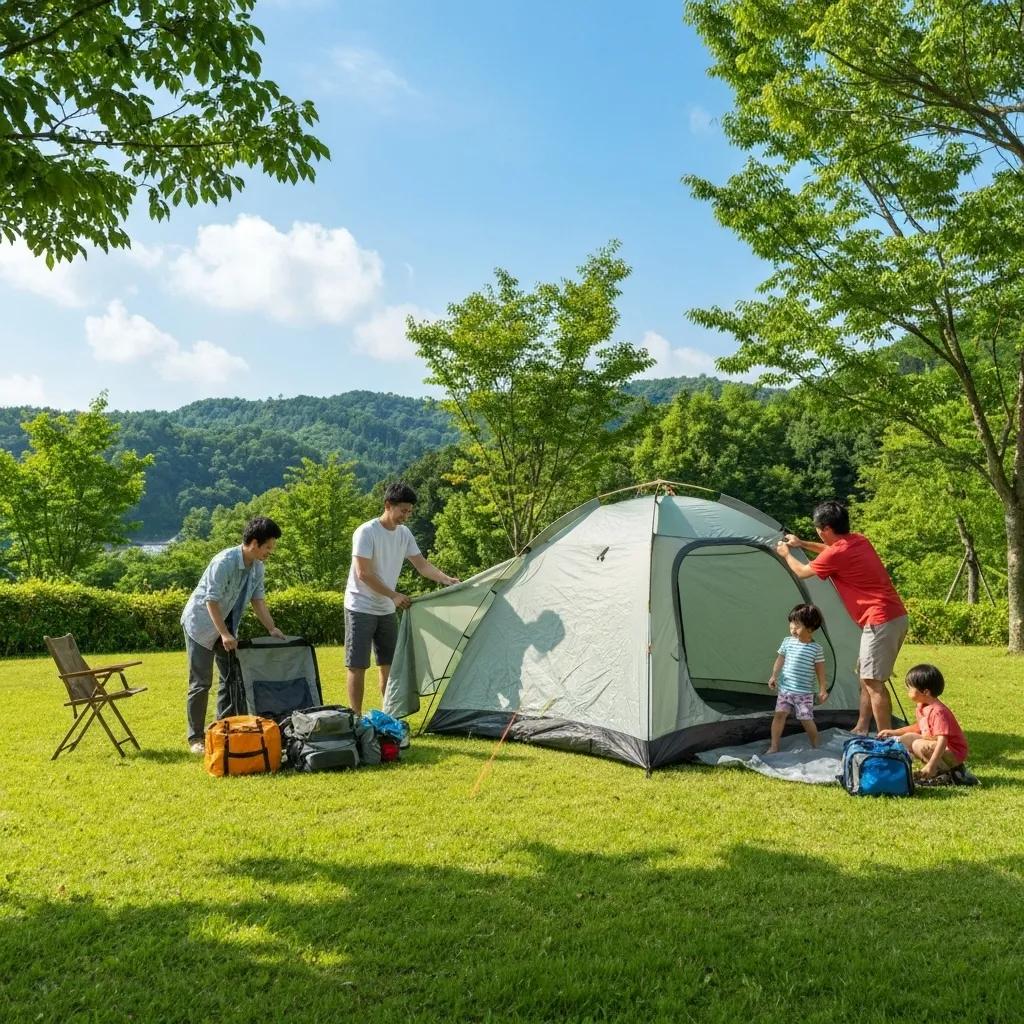
Master Tent Setup for the Perfect Campsite: Your Complete Tent Camping Setup Guide

Choosing and pitching your tent with precision transforms any outdoor stay into a carefree escape. In this guide, you’ll discover how to select the ideal site, master tent pitching techniques, gather essential gear, organize your campsite efficiently, and ensure comfort and safety throughout your adventure. We’ll also highlight how Ridge Ranch Campground’s family-friendly layouts, group accommodations, and seamless online reservations enhance every step of your setup. By the end, you’ll have clear, actionable strategies—from terrain evaluation to amenity leverage—to create the perfect tent camping experience and confidently reserve your spot for an unforgettable getaway.

How Do You Choose the Ideal Campsite for Tent Camping?

Identifying the optimal campsite involves assessing terrain characteristics, proximity to facilities, and environmental factors to ensure stability, comfort, and safety. Evaluating level surfaces, natural windbreaks, and easy access to restrooms or water sources prevents common setup challenges. For example, selecting a gently sloping site near a lavatory loop at Ridge Ranch Campground lets families pitch quickly while staying close to amenities. These principles lay the foundation for pinpointing the best location for your tent.

CRR Hospitality, Mastering Campground Site Selection: A Comprehensive Guide (2023)

What Terrain Features Make a Campsite Perfect for Tent Pitching?

When evaluating potential sites, consider these terrain attributes that contribute to a safe and comfortable tent setup:

  • Level ground provides a stable base that prevents the tent from shifting during the night.
  • Good drainage ensures rainwater flows away from your tent rather than pooling at the entrance.
  • Natural shade moderates temperature inside the tent and protects from midday heat.
  • Wind protection from trees or rock formations reduces gusts and preserves tent integrity.

Each feature directly influences structural stability and occupant comfort, guiding you toward the most reliable site selection strategies.

How Does Ridge Ranch Campground Enhance Your Campsite Selection?

Ridge Ranch Campground offers designated tent loops with varied terrain—from oak-shaded groves to open meadow sites—so you can match ground conditions to your preferences. On-site hosts maintain level platforms and clear debris, streamlining pitch setup. Proximity to playgrounds and bathhouses means families and groups can arrive, unpack, and settle without navigating uneven ground. These curated site options remove guesswork from selection, letting campers focus on enjoying their outdoor retreat.

What Are the Best Practices for Selecting a Safe and Comfortable Tent Site?

Selecting a tent site that balances convenience and safety involves multiple criteria:

  1. Choose proximity to lavatories and water spigots to minimize nighttime treks.
  2. Confirm the site allows pets and campfires if you plan to bring a dog or cook over an open flame.
  3. Inspect for signs of wildlife activity—such as diggings or droppings—to avoid frequent animal visits.
  4. Leave a buffer from steep embankments or riverbanks to reduce flood and fall hazards.

What Are the Step-by-Step Tent Pitching Techniques for All Skill Levels?

A precise pitching process combines component preparation, structural assembly, and stabilization tactics that work whether you’re a first-time camper or an experienced trekker. Proper assembly of poles and stakes sets the stage, while rainfly and footprint alignment protects against weather. Adding guylines and mallets secures your shelter in windy conditions, and avoiding common pitfalls ensures a smooth setup. Mastering these steps translates to quick, durable, and weather-resistant tent installation.

How Do You Assemble Tent Poles and Secure Stakes Properly?

Begin by laying out all tent components on a clean groundsheet to confirm you have poles, stakes, clips, and connectors. Connect each pole section fully until the shock-cord snaps in place, then thread them through the tent’s pole sleeves or clip attachments. Position the tent base, push poles into grommets or brackets, and flex the poles to create the frame’s shape. Finally, use mallet-driven stakes inserted at a 45° angle away from the tent base to anchor corners and guy points securely.

What Is the Correct Way to Set Up a Rainfly and Footprint?

A footprint protects the tent floor from abrasion and moisture, while a rainfly shields against precipitation. First, spread the footprint slightly smaller than the tent base so rainwater flows off rather than pooling underneath. Then, attach the rainfly’s buckles or Velcro tabs to the tent body, ensuring taut coverage over mesh windows and doors. Tighten adjustment straps at each corner to prevent flapping, and confirm that vestibule extensions form a dry entryway into your shelter.

How Can You Use Guylines and Mallets to Stabilize Your Tent?

Guylines extend from reinforced attachment points and require tensioning to brace the tent against wind uplift. Drive stakes outward from the tent at a 45° angle, then clip or tie guylines at mid-pole height. Use tensioners or prusik knots to adjust line tautness, eliminating slack. When stakes hit rocky soil, tap gently with a mallet while holding the line to seat each peg firmly. Properly tensioned guylines distribute wind load, maintaining tent shape and preventing zipper strain.

What Are Common Mistakes to Avoid When Pitching a Tent?

Even seasoned campers can overlook basic steps that compromise shelter performance:

  • Skipping footprint placement, which leads to floor punctures and water seepage.
  • Under-staking corners, causing tent walls to sag and pinch rainfly fabric.
  • Overlooking vestibule tension, resulting in rainwater pooling at door seams.
  • Ignoring wind direction, which can place low-pressure zones under weaker tent sections.

By recognizing and correcting these errors, you’ll maintain structural integrity and extend the lifespan of your camping gear.

What Essential Camping Gear Do You Need for a Flawless Tent Setup?

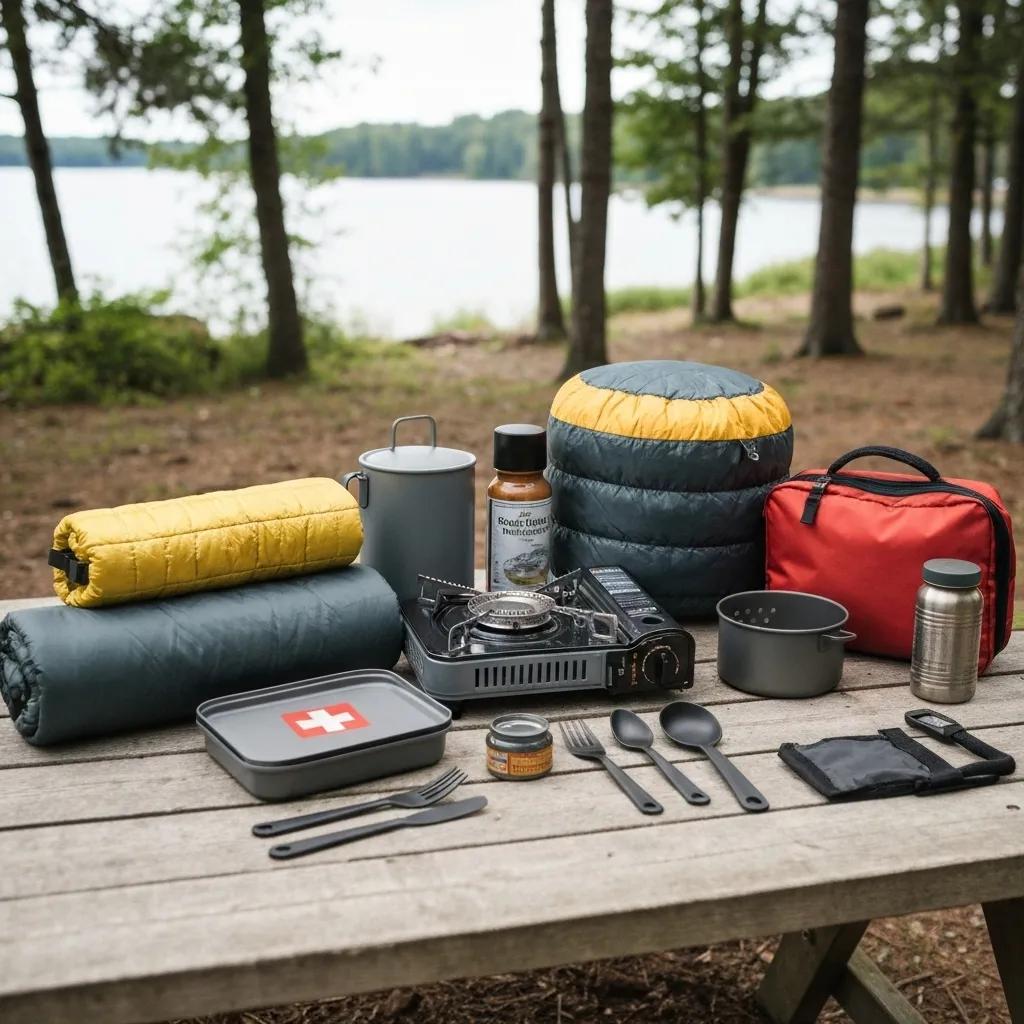
Essential camping gear displayed on a picnic table, showcasing items for a flawless tent setup

Equipping yourself with reliable gear transforms a basic tent into a comfortable, weather-resistant home away from home. You’ll need sleeping systems that regulate temperature, cookware for camp-style meals, safety kits for emergencies, and specialized items for family groups. Categorizing gear ensures nothing essential is left behind and streamlines packing for any camper at Ridge Ranch Campground.

REI, Camping Essentials Checklist (n.d.)

Here is a breakdown of critical equipment categories, typical item examples, and their primary purpose:

CategoryItem ExamplesPurpose
Sleeping SystemsInsulated sleeping bag, foam pad, pillowProvide warmth, cushioning, and head support
Cooking GearPortable stove, cookware set, utensilsEnable hot meals and efficient food prep
Safety & WeatherFirst-aid kit, headlamp, rain jacketAddress emergencies and protect from elements
Family & GroupExtra tent stakes, folding chairs, outdoor gamesAccommodate multiple campers and boost enjoyment

Which Sleeping Gear and Comfort Items Are Must-Haves?

Selecting a sleeping bag rated for temperatures below expected night lows prevents heat loss, while an insulated pad creates a barrier against ground chill. Adding a packable pillow enhances neck support, and bringing an extra blanket allows layering for unexpected weather shifts. Together, these items transform a basic cot into a restful retreat outdoors.

What Cooking and Camp Kitchen Equipment Should You Bring?

A compact two-burner stove partnered with lightweight cookware enables hot breakfasts and communal dinners. Include utensils, cutting board, and sealable containers to organize ingredients. A collapsible cooler maintains perishables, while biodegradable soap and a wash basin facilitate cleanup without harming the environment. A streamlined camp kitchen motivates home-style meals under the stars.

How Do Safety and Weather Preparedness Gear Improve Your Camping Experience?

A well-stocked first-aid kit addresses minor injuries before they escalate, and a reliable headlamp ensures clear navigation at night. Waterproof layers and quick-dry clothing protect against sudden showers, while a multi-tool and duct tape handle unexpected repairs. These preparations reduce risk, letting you focus on outdoor adventures instead of equipment failures.

What Are Recommended Gear Items for Family and Group Camping?

Bringing additional tent stakes and heavy-duty mallets ensures larger shelters remain anchored. Folding tables and chairs create communal dining and social spaces, while outdoor games like cornhole kits keep children entertained. Extra tarps extend covered areas for gear storage or impromptu shade, fostering shared comfort for every member of your group.

How Can You Organize Your Campsite for Comfort and Efficiency?

Well-organized campsite layout with designated areas for sleeping, cooking, and storage

A purposeful layout separates sleeping, cooking, and storage areas to prevent clutter, minimize trip hazards, and streamline daily routines. Position cooking gear downwind from the tent, establish a trash station away from sleeping quarters, and store gear under a canopy to protect equipment. This level of organization speeds tasks and elevates your overall campsite comfort.

What Are Effective Layout Ideas for Sleeping, Cooking, and Storage Areas?

Designate zones by function:

  1. Position the tent on clean, level ground away from fire and cooking sparks.
  2. Set up the camp kitchen under a tarp or canopy downwind of sleeping areas.
  3. Arrange storage bins in a dry corner to keep gear off the ground and accessible.

This separation reduces safety risks and keeps each activity area orderly, leading into our next focus on cleanliness and safety protocols.

How Do You Keep Your Campsite Clean and Safe?

Implement a “pack-in, pack-out” system by placing trash in sealed bags immediately after meals. Store food in wildlife-proof containers or vehicles overnight to deter foraging animals. Regularly sweep debris from tent floors to prevent insects and maintain hygiene. These routines protect both campers and local wildlife alike, reinforcing a respectful outdoor ethic.

What Lighting and Seating Arrangements Create a Comfortable Tent Camping Environment?

Hang a lantern centrally inside the tent for ambient light, and position headlamps or clip-on lights near entrances for quick access. Around camp, arrange chairs in a semicircle facing the fire pit to promote conversation. Hammocks strung between trees provide alternate relaxation spots. Thoughtful lighting and seating foster social connection while maintaining a safe, well-lit campsite.

How Do You Create a Comfortable and Safe Tent Camping Experience?

Comfort and safety stem from proactive weather planning, fire management, and environmental stewardship. Anticipating wind, rain, or temperature swings allows you to adjust shelter and clothing. Embracing fire protocols and Leave No Trace principles preserves both camper well-being and the natural setting for future guests at Ridge Ranch Campground.

What Are the Best Practices for Weather Preparedness at Your Campsite?

Check forecasts before departure and pack layers accordingly, including insulated jackets and moisture-wicking base layers. Position your tent with the lowest wind profile facing prevailing gusts and keep rainfly tensioned to channel water away. During extreme heat, select shaded sites and open ventilation panels. These adjustments maintain comfort when conditions fluctuate.

How Do You Implement Fire Safety and Wildlife Awareness?

Maintain a cleared fire ring at least 10 feet from tents and low branches, and keep water or sand nearby for immediate suppression. Never leave embers unattended, and fully extinguish fires before retiring. Store cooking odors in sealed containers away from sleeping areas to avoid attracting wildlife. Such vigilance safeguards campers and local fauna from preventable harm.

What Are Leave No Trace Principles and How Do They Apply to Tent Camping?

Leave No Trace encourages minimizing campfire impacts, respecting wildlife, and disposing of waste properly. Camp on durable surfaces, use established fire rings, and carry out all litter. Avoid altering rock or vegetation, and choose biodegradable soaps at water sources. Adhering to these principles preserves Ridge Ranch’s natural beauty for generations to come.

Leave No Trace, The Seven Principles of Leave No Trace (2022)

How Do Ridge Ranch Campground Amenities Enhance Your Tent Setup?

Ridge Ranch Campground’s amenities—from paved pathways to restroom facilities—transform standard tent loops into comfortable retreats. Playgrounds, picnic tables, and fire pits integrate social spaces around your pitched shelter. Group-oriented sites feature multiple tent platforms, allowing each guest their own defined area. Collectively, these features support a setup that feels both polished and intentionally designed.

What Family-Friendly Facilities Support a Perfect Tent Camping Experience?

Designated play areas keep children engaged while parents complete setup tasks. Clean latrines and hot-water showers sit a short walk from each loop, reducing packing of excessive water or hygiene supplies. Shaded picnic shelters adjacent to campsites offer flexible spaces for crafts, snacks, or rainy-day activities. These conveniences help families maintain routines and comfort within the natural setting.

How Do Group Camping Amenities Improve Your Setup and Stay?

Large group sites at Ridge Ranch feature multiple tent pads arranged around communal fire circles, fostering camaraderie while preserving personal space. Extra picnic tables and extended benches accommodate group meals and gear staging. On-site activity zones—like volleyball courts and hiking trails—keep guests entertained beyond the main camping area, expanding how you utilize your tent setup zone.

What Are the Top Tips for Seamlessly Reserving Your Tent Site at Ridge Ranch?

Booking early secures preferred terrain features—such as shaded groves or scenic meadow overlooks. Use the campground’s online portal to view real-time availability across loops designated for families and groups. Note site specifications (electric hookup, fire pit access) when selecting and add any special requests to enhance comfort. These proactive steps ensure your chosen tent setup aligns perfectly with your needs.

What Are the Top Tips for Comfortable Tent Camping at Ridge Ranch?

Tailoring your campsite to local conditions and personal preferences elevates comfort and enjoyment. Maximizing shade, selecting the right tent dimensions, and adding personal touches create a cozy ambiance. By applying site-specific advice—such as leveraging ridge-top breezes or oak-grove cover—you’ll merge expert setup techniques with Ridge Ranch’s unique environment for a truly memorable stay.

How Do You Maximize Shade and Wind Protection at Ridge Ranch Campsites?

Identify mature trees and natural wind corridors on campground maps during reservation. Position your tent beneath canopy cover to reduce solar heating and angle the tent entrance away from prevailing winds. Use supplemental shade structures—like pop-up awnings—over vestibule areas for additional comfort during midday. These practices harness Ridge Ranch’s terrain to your advantage.

What Are Recommended Tent Types and Sizes for Families and Groups?

Dome tents offer quick assembly and low profile for solo or duo campers, while cabin-style tents deliver vertical walls and spacious interiors ideal for families. For larger gatherings, multi-room tunnel tents with separate sleeping compartments maximize privacy. Matching tent capacity to group size—plus a small buffer for gear—ensures everyone rests comfortably without overcrowding.

How Can You Personalize Your Campsite for a Cozy Outdoor Experience?

Decorate your space with string lights suspended between trees for soft evening glow. Add outdoor rugs beneath tent awnings to create a living-room feel and deploy wind-resistant throw pillows on camp chairs for lounge comfort. Hang lightweight fabric panels as privacy screens around seating circles. These touches transform a functional setup into a warm, personalized retreat beneath the stars.

Preparing your site with intention, mastering pitching techniques, and leveraging Ridge Ranch Campground’s thoughtfully designed amenities ensures every moment spent outdoors is enjoyable and stress-free. From selecting level, well-drained ground to outfitting your camp with the right gear and organizational strategies, you now have a comprehensive blueprint for a flawless tent setup. Embrace the campsite layout ideas, safety protocols, and comfort-enhancing tips outlined here to create your perfect outdoor haven. When you’re ready to reserve your ideal tent site and experience Ridge Ranch’s family-friendly environment firsthand, secure your booking online and start planning the getaway you deserve.