
Sell Your RV Park Like a Pro for Maximum Profit
Selling your RV park for the best possible price means going beyond just listing it. It requires a sharp understanding of its true value, getting your operations in top shape, and finding the right buyer who respects your park’s legacy. This guide will walk you through how to pinpoint your RV park’s valuation using key metrics like Net Operating Income (NOI), Seller Discretionary Earnings (SDE), and capitalization rates. We’ll show you how to use these numbers to set a realistic asking price and identify the most impactful improvements. Many owners struggle with long broker timelines, concerns about confidentiality, or undervaluing their park due to incomplete records. This article offers practical solutions to minimize those risks and achieve a better sale outcome. You’ll discover insights on market timing, step-by-step valuation methods, smart upgrades with projected returns, and a clear framework for deciding between brokers and direct buyers. We also cover the essentials of due diligence and closing, and how a family-owned buyer like GatherGrounds can ensure a smooth, thoughtful transition, especially if preserving your park’s legacy is a priority. Throughout, we’ll use phrases like “sell my campground for maximum profit,” “RV park valuation,” and “sell campground without broker” to help you make informed decisions.
Why Now Is the Perfect Time to Sell Your RV Park or Campground
Now is an excellent time to sell your RV park because the demand for outdoor hospitality remains robust, and investors are actively seeking stable income-generating assets. This creates a favorable market for well-managed properties. Current market dynamics, including the surge in RV travel, limited new development, and the increasing use of technology to optimize revenue, all contribute to conditions where you can convert your park’s operational success into significant sale proceeds. Understanding what drives buyer interest will help you time your offers, present compelling financials, and position your property to attract competitive bids. Below, we’ll explore the latest trends, traveler behaviors, and the core profitability metrics that buyers prioritize, empowering you to decide whether to sell or hold.
What Market Trends Are Fueling RV Park Sales Right Now?
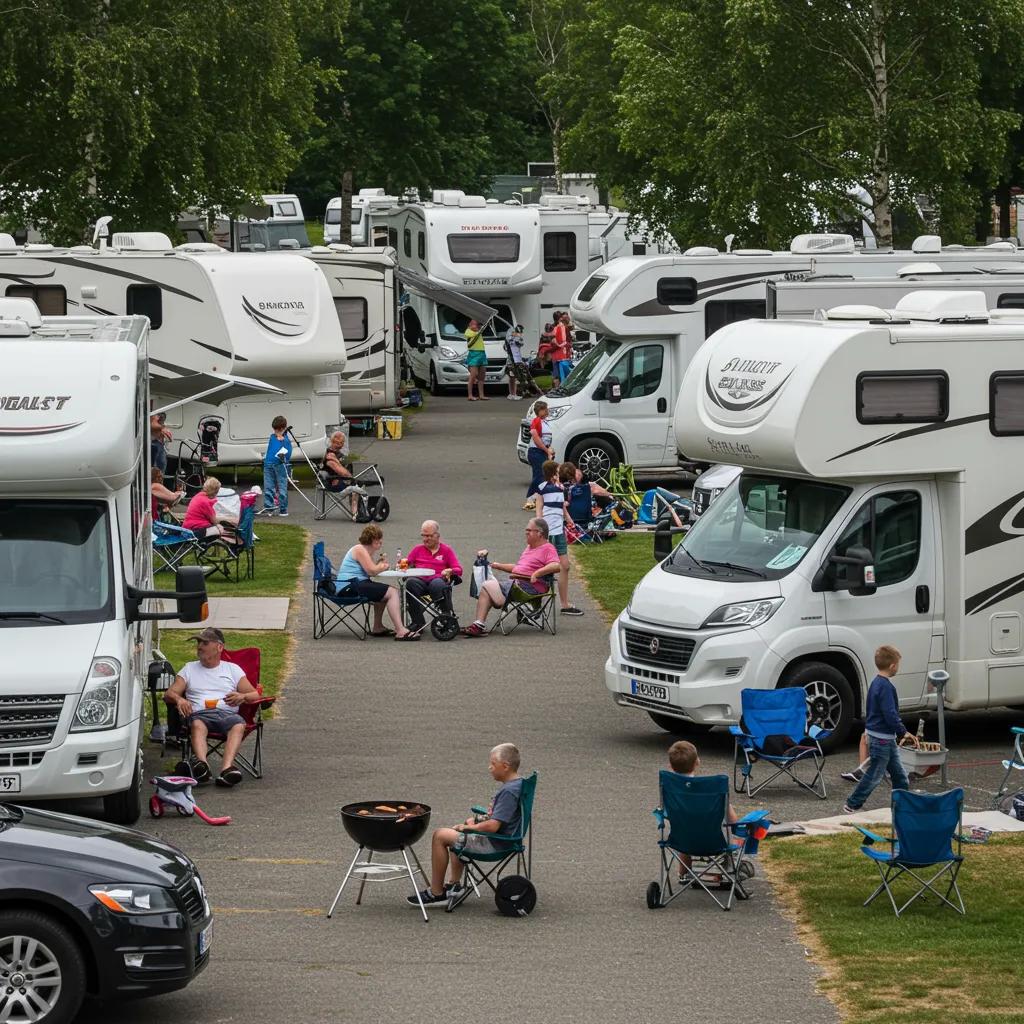
Key market trends driving RV park sales include the growing popularity of RV ownership, a development pipeline that’s struggling to keep pace with demand, and increasing interest from institutional investors in outdoor hospitality as a resilient asset class. More households are choosing RV travel for its flexibility and affordability, leading to higher occupancy rates and demand for short-term stays at parks. Investors are drawn to these assets for their consistent cash flow and relative stability compared to other hospitality sectors, intensifying competition for well-documented properties. These trends create demand-side pressure that can boost valuations based on cap rates and shorten the marketing window for quality assets.
- Market demand is on the rise, fueled by increased RV travel and evolving demographics.
- New site development is not matching the growth in RV ownership.
- Both institutional and private investors are directing capital toward outdoor hospitality.
These trend-driven dynamics pave the way for owners to translate strong operational performance into higher sale price expectations. This naturally leads us to the next crucial topic: how traveler behavior specifically impacts your campground’s value.
How Does Increased RV Travel Impact Your Campground’s Value?
Increased RV travel directly boosts your park’s value by improving occupancy rates, allowing for higher average daily rates (ADR), and strengthening your Net Operating Income (NOI) – the key figures buyers use for pricing. When occupancy and ADR climb, whether seasonally or year-round, your revenue grows, and operational leverage can enhance profit margins. This directly increases NOI and, consequently, your valuation under cap-rate models. Technology-driven channels, such as online bookings and dynamic pricing, are instrumental in capturing demand and converting transient interest into measurable revenue. Understanding these connections allows you to present data-backed revenue trends to potential buyers, supporting a stronger valuation during negotiations.
Higher travel demand also underscores the importance of meticulously documenting your reservation history and guest metrics. This leads directly into the next critical set of figures that buyers scrutinize when valuing a campground: profitability metrics.
What Profitability Metrics Should Owners Be Aware of Before Selling?
Owners must prioritize three core metrics: Net Operating Income (NOI), Seller Discretionary Earnings (SDE), and the capitalization rate (cap rate). Buyers rely heavily on these figures to compare and price campground businesses. NOI represents the property’s operating profit before debt service. SDE captures the owner-adjusted cash flow for owner-operated parks. The cap rate translates NOI into a market-based price. Additional Key Performance Indicators (KPIs) like occupancy rates, ADR, and expense ratios provide a more complete financial picture and help buyers model future performance. Clear, consistent financial reporting for these metrics minimizes buyer friction and supports a stronger asking price, which naturally leads into our discussion on valuation methods.
How to Accurately Value Your RV Park for Sale
Accurate valuation is a blend of financial metrics, market comparables, and adjustments for operational quality. The fundamental approach involves translating NOI or SDE into a market price using cap-rate or multiple frameworks. Sellers should prepare audited Profit & Loss statements, reconciled tax returns, and normalized adjustments to present reliable NOI and SDE figures. Buyers will rigorously examine revenue consistency, seasonality effects, and expense drivers during due diligence, so it’s crucial for sellers to document all assumptions and any recent operational improvements. Below, we’ll define NOI, SDE, cap rates, and illustrate how targeted improvements can significantly increase your park’s worth.
What Is Net Operating Income and Why Is It So Important?
Net Operating Income (NOI) is calculated as total revenue minus operating expenses. It’s critical because it reflects the asset’s recurring cash flow before financing costs, which investors use for property comparisons. Buyers apply a capitalization rate to NOI to estimate property value using the formula: Price = NOI / Cap Rate. This makes NOI the primary driver for many valuations. Common adjustments include normalizing owner perks, non-recurring expenses, and reserve allocations to present a sustainable NOI. Accurate NOI calculation reduces negotiation gaps and facilitates faster offers, setting the stage for our discussion on SDE.
How to Calculate Seller Discretionary Earnings for Your Campground
Seller Discretionary Earnings (SDE) is an adjusted cash-flow figure specifically used for owner-operated campgrounds. It begins with pre-tax profit and then adds back owner salary, discretionary expenses, and non-recurring costs to reveal the true cash flow available to a new owner. Typical add-backs include owner draws, personal vehicle expenses, one-time repairs, and non-essential owner benefits that a buyer would not typically incur. SDE is particularly relevant for smaller parks where the owner’s role significantly influences earnings. Presenting a transparent SDE calculation helps business buyers assess acquisition returns. Detailing your SDE calculations and supporting documents reduces valuation uncertainty and bridges effectively to cap-rate analysis.
This table offers a comparison of sample campground profiles against key valuation assumptions, illustrating how size and scale influence NOI and pricing. Examining these profiles helps owners estimate market expectations and prepares them for buyer discussions regarding multiples and cap rates.
What Role Do Capitalization Rates Play in RV Park Valuation?
The capitalization rate (cap rate) signifies a buyer’s required rate of return and connects NOI to price through the formula: Price = NOI / Cap Rate. A lower cap rate indicates a higher price for the same NOI. Cap rates fluctuate based on perceived risk, asset quality, location, and market liquidity. Parks with stable cash flow, strong long-term demand drivers, and modern systems typically command lower cap rates. Sellers can influence the effective cap-rate outcome by demonstrating consistent occupancy, diversified revenue streams, and well-documented operational improvements. Understanding prevailing market cap-rate ranges provides sellers with a realistic pricing bandwidth and informs their negotiation strategy.
How Can Operational Improvements Increase Your RV Park’s Worth?

Operational improvements enhance value by boosting NOI or by reducing perceived risk, which can lead to tighter cap-rate expectations. Practical enhancements include upgrading reservation systems, improving utility hookups, and investing in targeted amenities. Improvements that directly increase revenue or decrease expenses—such as implementing dynamic pricing or tightening cost controls—have a direct impact on valuation. Documenting the Return on Investment (ROI) and showcasing historical performance data before and after improvements during due diligence will persuade buyers to offer a premium. Prioritizing upgrades that enhance the guest experience and streamline back-office efficiency will provide stronger valuation evidence for buyers.
The Step-by-Step Process to Sell Your Campground Directly to GatherGrounds Resorts
Selling directly to a qualified buyer like GatherGrounds streamlines the process by eliminating public listings. Our approach is a confidential, phased engagement, from your initial inquiry through to the final transition planning. GatherGrounds Resorts’ direct acquisition of campgrounds and RV parks follows a streamlined path focused on sensitive handling, thorough valuation, and a thoughtful transition to preserve your park’s legacy. A direct sale to a family-owned buyer can shorten timelines, reduce exposure, and appeal to sellers who value continuity in staff and guest experience. Below is a practical, step-by-step outline illustrating the typical journey when sellers engage a direct buyer like GatherGrounds.
How Does GatherGrounds Simplify the Selling Process Compared to Brokers?
A direct buyer simplifies the sale by minimizing intermediaries. This means fewer marketing steps, confidential negotiations, and a coordinated due diligence process that avoids disruptive public showings. This model reduces time on market and exposure to speculative offers, often simplifying the transaction compared to brokered listings that require extensive marketing campaigns. For owners who prioritize legacy preservation, a family-owned acquirer offers alignment on transition planning and continuity in guest experience. These advantages make the direct route particularly appealing for owners who value confidentiality and a smooth handover, leading us to the specific steps you can expect.
What Are the Key Steps from Initial Contact to Closing the Sale?
The direct acquisition timeline typically follows a clear sequence that balances speed with careful evaluation: initial confidential inquiry, preliminary data exchange, indicative valuation, due diligence, and closing with transition planning. Timelines can often be compressed because the buyer manages acquisition capital and due diligence coordination, enabling faster progress. Sellers provide financials, site maps, and operational records during the data exchange, and buyers present an indicative offer that can become final after diligence is complete. This structured process clarifies expectations and minimizes surprises on the path to closing.
- Initial confidential contact and high-level information exchange.
- Preliminary valuation and an indicative offer based on provided financials.
- Detailed due diligence, including site inspections and financial verification.
- Final offer, contract negotiation, and closing logistics.
- Transition planning to preserve operations and legacy.
This structured sequence demonstrates how a direct buyer like GatherGrounds can manage an efficient yet considerate sale. Next, we’ll discuss how legacy preservation is specifically addressed during transitions.
How Does GatherGrounds Preserve Your Campground’s Legacy During Transition?
GatherGrounds is committed to stewardship through operational continuity, engaging key staff in retention discussions, and preserving the traditions that define a park’s unique identity. This approach ensures owner peace of mind during the transfer. Our process includes documenting guest expectations, maintaining signature events, and communicating with the local community to preserve goodwill. A thoughtful transition also involves aligning on staffing plans and honoring existing contracts where appropriate to minimize disruption. These legacy-preserving practices allow owners to move forward with confidence, knowing the park’s core spirit will endure.
Should You Sell Your RV Park Through a Broker or Directly to a Buyer?
The decision between using a broker and selling directly to a buyer hinges on your priorities: maximizing market exposure and potentially achieving a higher price versus prioritizing speed, confidentiality, and legacy preservation. Brokers expand the buyer pool through marketing efforts and can generate competitive tension, but they come with commission costs, longer marketing timelines, and frequent showings. Direct buyers offer a confidential route, often leading to faster closings and simplified logistics, but may result in fewer bidders and different pricing dynamics. The optimal choice depends on your timeline, tolerance for public exposure, and how much you value preserving your park’s traditions.
What Are the Advantages and Disadvantages of Using a Campground Broker?
Brokers offer the advantage of increased market exposure and can potentially generate multiple offers that drive up the price. However, they charge commissions and require a public marketing program that can extend the time on market. Brokers typically coordinate showings, handle buyer vetting, and leverage listing networks to reach investors, which benefits sellers seeking top dollar through competition. The disadvantages include commission costs, reduced confidentiality, and potential operational distractions from frequent site visits. Weighing these trade-offs helps owners determine if the broker route aligns with their financial and emotional goals, setting the stage for a comparison with direct buyers.
This comparison table highlights how brokers and direct buyers differ on key transactional attributes, clarifying the trade-offs for sellers making their decision. With this context, let’s consider the specific benefits of selling directly to a family-owned buyer.
How Does Selling Directly to GatherGrounds Resorts Benefit You?
Selling directly to GatherGrounds Resorts, through our direct acquisition program for campgrounds and RV parks, can shorten the sale timeline, maintain confidentiality, and prioritize legacy preservation via our family-owned stewardship model. This direct-buyer approach eliminates the need for public listings or campground brokerages, reducing marketing logistics and exposure. Sellers seeking a thoughtful transition—one that values staff continuity and the campground’s traditions—may find this alternative highly attractive compared to institutional buyers. Recognizing these benefits can help owners align their sale strategy with their personal and financial priorities.
How to Decide Which Selling Option Aligns with Your Goals
Make your decision by mapping out your priorities. If maximizing the sale price through competitive bids is your primary goal, a brokered sale might be appropriate. However, if speed, confidentiality, and legacy preservation are more important, a direct buyer is likely a better fit. Consider your timeline constraints, the complexity of existing leases or encumbrances, and your tolerance for public marketing. Create a simple decision checklist to weigh your financial goals against emotional factors and logistical realities. The next section will cover concrete ways to increase profit if you choose to prepare your park for market.
- Assess your timeline and need for confidentiality.
- Evaluate the importance of legacy preservation versus the absolute top-line price.
- Review property complexity, existing leases, and buyer financing requirements.
This checklist leads directly into tactical actions owners can implement to maximize their sale proceeds.
How Can You Maximize Profit When Preparing Your RV Park for Sale?
Maximizing profit before sale involves increasing NOI, documenting reliable revenue streams, and targeting upgrades with a strong ROI. The key is to convert operational improvements into verifiable financial gains. Prioritize system upgrades, amenity enhancements, and pricing strategies that buyers value, and create clear documentation that showcases the uplift. Below, we outline operational efficiencies, amenity investments, dynamic pricing strategies, and tax considerations that collectively enhance buyer confidence and increase sale proceeds.
What Operational Efficiencies Boost Your Campground’s Value?
Operational efficiencies include implementing cost control measures, adopting property management software, and standardizing staff procedures to reduce variable expenses while preserving the guest experience. Switching to centralized reservation systems can lower labor hours and minimize booking leakage, thereby increasing effective ADR and occupancy capture. Standardized maintenance schedules and supplier contracts reduce unexpected capital drains and improve predictability for buyers. Documenting these operational gains demonstrates improved NOI and supports a higher valuation, naturally leading into the topic of amenity upgrades that buyers find appealing.
Which Amenity Upgrades Attract Higher Offers?
Amenity upgrades that significantly appeal to buyers include enhanced WiFi, upgraded hookups (full-service utilities), renovated bathhouses, and integrated online booking systems. These improvements drive higher occupancy and ADR. Buyers often reward infrastructure investments that increase usable capacity or reduce operational headaches, so investments in utility reliability and reservation software typically yield strong returns. Rank potential upgrades by estimated revenue lift and payback period to prioritize your efforts before the sale.
This table compares common upgrades with their expected revenue uplift and payback timelines, helping owners prioritize investments that will maximize sale value. Following upgrades, dynamic pricing can further enhance revenue capture.
How Does Dynamic Pricing Impact Your RV Park’s Profitability?
Dynamic pricing leverages demand signals to adjust rates by season, day of the week, and special events, thereby increasing average daily rate (ADR) without sacrificing occupancy. This mechanism optimizes revenue yield by capturing the highest willingness to pay during peak demand. Implementing dynamic pricing tools requires historical occupancy data, competitive rate monitoring, and channel integration to automate rate changes. A simple calculation illustrates the impact: a 5% ADR increase across 10,000 site-nights can yield significant annual NOI improvement, which compounds valuation effects under cap-rate models. When executed properly, dynamic pricing demonstrates operational sophistication that buyers highly value.
What Are the Tax Implications of Selling Your RV Park?
Selling an RV park involves capital gains considerations and potential opportunities like tax-deferral strategies for real estate-heavy transactions. It is crucial to plan ahead with qualified tax and legal advisors. Key topics to prepare for include the allocation between real property and business assets, potential depreciation recapture, and whether a 1031 exchange is suitable for deferring taxes on real estate proceeds. Early tax planning influences deal structure and seller net proceeds, and clear tax strategy documentation minimizes surprises at closing. Consulting professionals early on protects your value and simplifies negotiations.
What Legal and Due Diligence Steps Are Essential When Selling Your Campground?
A thorough legal and due diligence process minimizes transaction risk by ensuring clear title, regulatory compliance, and verified financials. The mechanism involves presenting a pre-packaged set of documents that proactively answers buyer questions and expedites closing. Preparing documents in advance and organizing records into clear, labeled files helps buyers assess risk quickly. Below, we list essential documents, explain how due diligence protects both parties, and outline typical closing procedures.
What Documents and Financial Records Should You Prepare?
You should prepare Profit & Loss statements, tax returns, detailed site maps, permits and licenses, maintenance logs, and reservation histories, as buyers will request these to verify revenue and operational condition. Include copies of contracts, leases, vendor agreements, and employment arrangements to clarify ongoing obligations. Properly documented guest data and booking histories help validate revenue trends and support NOI calculations. Organizing this material ahead of buyer review reduces diligence times and positions you as a professional and prepared seller.
How Does Due Diligence Protect Both Seller and Buyer?
Due diligence protects both parties by identifying title issues, environmental liabilities, and regulatory noncompliance early on, thereby avoiding post-closing disputes and unexpected costs. For sellers, proactive disclosure limits later claims and speeds up negotiations. For buyers, thorough diligence confirms valuation assumptions and reveals necessary capital improvements. Common diligence areas include environmental assessments, utility easements, and zoning compliance. Clear documentation and transparent answers to diligence questions foster trust and lead to smoother closings.
What Are the Typical Closing Procedures in an RV Park Sale?
Typical closing procedures involve escrow and title transfer, final walk-throughs, delivery of financial statements, and the signing of transfer documents to move operations from seller to buyer. The process concludes with fund transfer and recorded deeds. Post-closing transition steps often include staff introductions and operational handovers to maintain guest experience continuity. Proactively managing these steps reduces last-minute delays and facilitates a smoother handover.
Where Can You Find Success Stories and Testimonials from Campground Owners Who Sold to GatherGrounds?
Owners considering a direct sale often seek evidence of respectful transitions. Success stories illustrate outcomes such as preserved traditions, staff continuity, and simplified closings, proving the effectiveness of our legacy-focused acquisition approach. GatherGrounds positions itself as a family-owned alternative to institutional buyers, emphasizing thoughtful transitions and stewardship of acquired properties. Reading concise case summaries can help owners evaluate cultural fit and the expected transactional experience before initiating confidential conversations.
How Have Other Owners Benefited from Selling Directly to GatherGrounds?
Owners who prioritized confidentiality, speed, and legacy preservation benefited from fewer public showings, quicker timelines, and coordinated transition plans that retained staff and traditions. Reported outcomes frequently highlight reduced stress, clearer timelines, and a focus on continuity in guest services. These benefits are significant for sellers who value trust and stewardship over a pure price-maximization strategy, naturally leading to an understanding of what sets a family-owned acquirer apart.
What Makes GatherGrounds’ Family-Owned Approach Unique?
A family-owned acquirer like GatherGrounds focuses on preserving a campground’s legacy, traditions, and family values while integrating properties into a larger family of parks. This approach contrasts with institutional buyers who may prioritize portfolio metrics. Our stewardship model emphasizes thoughtful transition planning and operational continuity to maintain guest experience and community relationships. For owners seeking a buyer that values the park’s identity as much as its financials, this approach offers reassurance during and after the sale.
This final overview naturally leads to taking the next step: if you value a confidential, legacy-preserving sale, consider initiating a no-pressure conversation about a potential direct acquisition by GatherGrounds Resorts and how a thoughtful transition might look for your property.
Frequently Asked Questions
What should I consider when preparing my RV park for sale?
When preparing your RV park for sale, focus on enhancing its appeal and operational efficiency. This includes improving amenities, upgrading technology for reservations, and ensuring that financial records are accurate and well-documented. Additionally, consider making aesthetic improvements to the property, such as landscaping and facility upgrades, which can significantly boost buyer interest and perceived value. A thorough assessment of your park’s strengths and weaknesses will help you prioritize the most impactful changes before listing it for sale.
How can I ensure a smooth transition for my RV park after the sale?
To ensure a smooth transition after selling your RV park, create a detailed transition plan that includes staff retention strategies, operational handover processes, and communication with guests. Engaging with the new owner early on to discuss their vision for the park can help align expectations. Additionally, maintaining open lines of communication with both staff and guests during the transition period can help preserve relationships and ensure continuity in service, which is crucial for maintaining the park’s reputation.
What are the common pitfalls to avoid when selling an RV park?
Common pitfalls when selling an RV park include inadequate financial documentation, overpricing the property, and failing to prepare for due diligence. Sellers should avoid emotional decision-making and ensure that all financial records are transparent and up-to-date. Additionally, neglecting to highlight the park’s unique features and operational strengths can lead to undervaluation. Engaging a professional advisor or consultant can help navigate these challenges and enhance the selling process.
How can I market my RV park effectively to potential buyers?
Effective marketing of your RV park involves showcasing its unique features, operational strengths, and financial performance. Utilize high-quality images and videos to highlight the park’s amenities and surroundings. Create a compelling listing that emphasizes the park’s potential for growth and profitability. Additionally, consider leveraging online platforms, social media, and industry networks to reach a broader audience. Engaging a real estate professional with experience in campground sales can also enhance visibility and attract serious buyers.
What role does location play in the valuation of my RV park?
Location is a critical factor in the valuation of your RV park, as it influences demand, occupancy rates, and potential revenue. Parks situated near popular tourist attractions, natural landmarks, or major highways typically command higher prices due to increased visibility and accessibility. Additionally, the surrounding community’s amenities, such as restaurants, shopping, and recreational activities, can enhance the park’s appeal to potential buyers. Understanding local market trends and demographics can help you position your park effectively during the sale process.
What are the tax implications I should be aware of when selling my RV park?
When selling your RV park, be aware of potential capital gains taxes and the implications of depreciation recapture. It’s essential to consult with a tax professional to understand how the sale will affect your tax situation and explore options like a 1031 exchange, which allows you to defer taxes by reinvesting in similar properties. Proper tax planning can significantly impact your net proceeds from the sale, so early consultation with qualified advisors is crucial to navigate these complexities effectively.
Conclusion
Successfully selling your RV park involves understanding valuation metrics, market trends, and operational improvements that can significantly enhance your property’s worth. By leveraging a direct buyer like GatherGrounds Resorts, you can ensure a smooth transition that prioritizes legacy preservation and confidentiality. This approach not only simplifies the selling process but also aligns with your personal and financial goals. Take the next step towards a thoughtful sale by reaching out to explore how GatherGrounds can support your unique needs.