Selling Your Campground or RV Park: Your Guide to Maximizing Profit and a Smooth Transition
Selling your campground or RV park is a significant undertaking, requiring both sharp financial acumen and a deep understanding of its legacy. You need a solid plan to get the best value while ensuring a thoughtful handover. This guide is designed for campground and RV park owners like you. We’ll walk you through assessing the best time to sell, how to calculate your park’s worth using Net Operating Income and cap rates, preparing your financial and legal documents, and managing the entire sale process from marketing to closing. You’ll also learn about operational tweaks and amenity upgrades that directly boost sale prices, plus practical advice on due diligence and timelines. If you’re looking for a buyer who shares your values and understands the importance of community, GatherGrounds Resorts offers a direct, confidential way to discuss valuation and your transition plans. Keep reading for practical checklists, real-world valuation examples, and step-by-step actions to help you sell your campground for top dollar while ensuring continuity for your staff and community.
Why 2025 is the Smart Time to Sell Your Campground or RV Park
Selling in 2025 presents a prime opportunity. Demand for outdoor hospitality remains robust, and the pool of interested buyers is expanding. Timing your sale strategically can lead to more offers and a quicker closing. The market momentum is undeniable: strong RV shipments, continued enthusiasm for camping among younger generations, and growing interest from outdoor hospitality investors all influence pricing and financing options. Understanding these 2025 trends will help you position your park’s amenities and financials to attract serious buyers and justify competitive cap rates. Here’s a look at the key reasons sellers are considering listing in 2025 and how to approach pricing and preparation.
What Campground Market Trends Matter Most to Sellers?
The market trends we’re seeing in 2024–2025 point to sustained camping participation and ongoing activity in the RV sector, which bodes well for well-managed campgrounds and RV parks. Recent data shows a surge in RV shipments and a growing number of Millennial and Gen Z owners, increasing demand for modern amenities and flexible lodging. As a seller, you benefit when you can present up-to-date occupancy rates and Average Daily Rates (ADR). Investors are also increasingly focused on properties with diverse revenue streams—think glamping, cabins, and other add-on services—so clear, segmented financial reporting is crucial. These trends mean that sellers who can demonstrate consistent occupancy, documented ancillary income, and strategic amenity investments are best positioned for stronger valuations.
How Are Demographic Shifts Shaping Campground Sales?
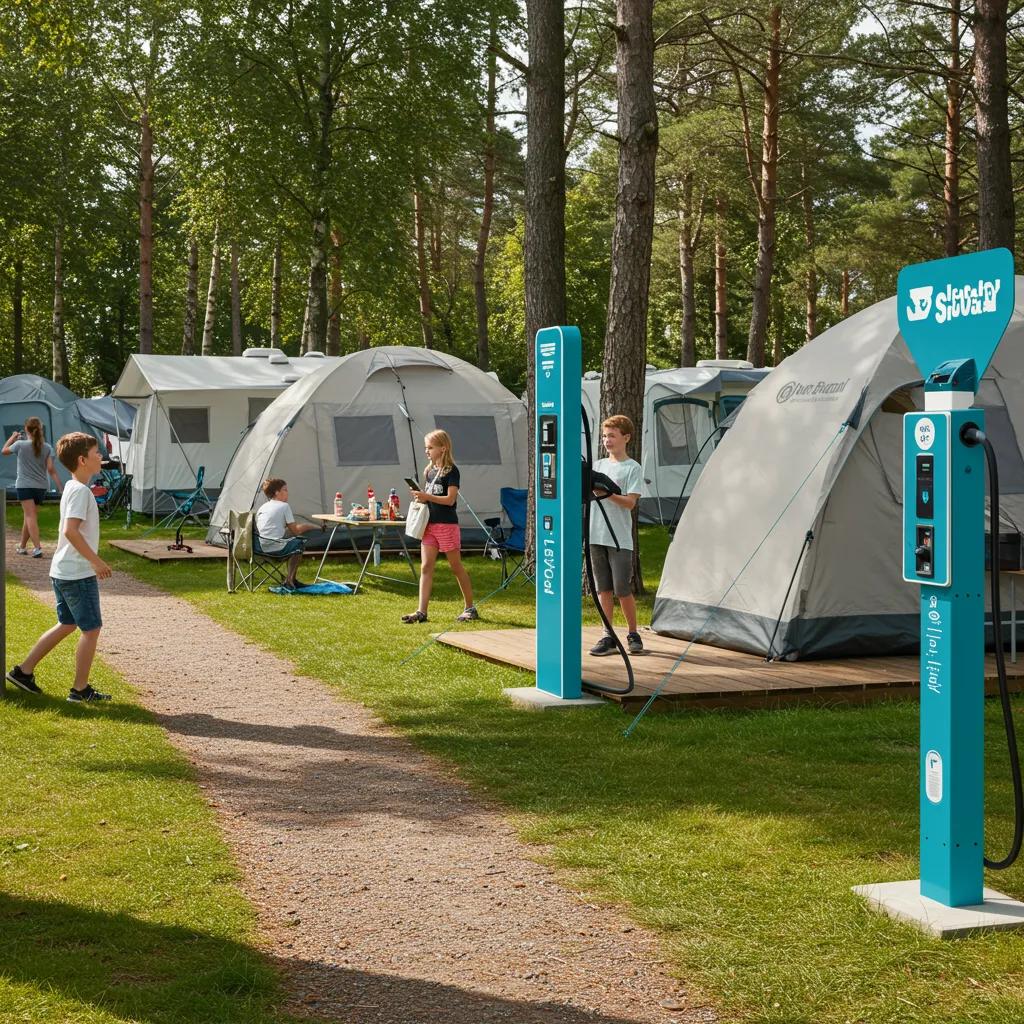
Shifting demographics, particularly the increased engagement from Millennials and Gen Z, are changing what buyers are looking for and which assets command a premium. This directly impacts how you should present your offering. Younger campers prioritize connectivity, unique lodging options (like glamping or tiny cabins), engaging outdoor experiences, and EV charging. Highlighting these features in your marketing and financial breakdowns can significantly boost buyer interest. This demographic-driven demand also encourages buyers to project revenue growth from enhanced amenities, so it’s wise for sellers to gather data on guest preferences and occupancy by segment. Presenting evidence of demographic appeal and amenity offerings helps buyers justify their valuations and perceive lower risk.
What New Amenities Are Boosting Campground Value in 2025?
In 2025, key amenities that add significant value include reliable high-speed Wi-Fi, attractive glamping setups, EV charging stations, and comfortable work-friendly common areas. When executed well, these can lead to higher nightly rates and longer stays. Buyers often pay more for properties offering diverse lodging types, proven ancillary income from rentals or concessions, and infrastructure that supports year-round use. Sellers who can document revenue increases from these amenities are likely to receive stronger offers. Focus on upgrades with a clear return on investment—improvements to Wi-Fi and reservation systems, for instance, typically deliver operational and revenue boosts faster than extensive landscaping. Presenting objective ROI estimates and data on amenity usage strengthens your case for a higher asking price.
How to Accurately Value Your Campground or RV Park
Accurate valuation begins with a precise Net Operating Income (NOI) calculation, followed by applying a market-appropriate capitalization rate (cap rate). Cross-checking these results with comparable sales and revenue-multiple approaches provides a comprehensive picture. Valuation works by translating your park’s historical and normalized cash flow into a market-driven price, with buyers using cap rates that reflect location, asset quality, and operational risk. For you, the seller, the primary benefit of a thorough valuation is establishing a defensible price that supports negotiations and discourages low-ball offers. Below, we cover the core valuation concepts, compare different approaches, and explain how to use each method effectively.
Before diving into the table, remember this: Net Operating Income (NOI) is the bedrock of most income-based valuations. Confidently presenting your normalized NOI can significantly reduce buyer adjustments and speed up the offer process.
This comparison highlights why the NOI/cap rate method is often primary, while comparables and multiples serve as valuable checks against outliers.
What is Net Operating Income and Why is it Crucial?
Net Operating Income (NOI) is your campground’s total revenue minus its operating expenses, excluding debt service and certain owner-specific costs. It’s critical because buyers use NOI as the fundamental measure of cash flow for income capitalization. NOI works by isolating the repeatable operational earnings a new owner can expect. Common revenue sources include nightly site fees, cabin/glamping rentals, retail and food services, and utility reimbursements. Typical expenses cover utilities, payroll, maintenance, property taxes, insurance, and reservation fees. As a seller, you should normalize any one-time or owner-specific expenses to reflect typical market operating levels. For example, if your annual revenue is $900,000 and normalized operating expenses are $540,000, your NOI is $360,000, which then feeds directly into your cap rate valuation.
How Do Cap Rates Influence Your Campground’s Market Value?
A capitalization rate (cap rate) represents the expected return for buyers. It converts NOI into value using the formula: Value = NOI / Cap Rate. This means lower cap rates result in higher valuations for the same NOI. The cap rate selection depends on factors like location, asset quality, revenue stability, and buyer sentiment. Properties with reliable NOI and strong amenities often attract lower (more favorable) cap rates. Market cap rates can vary by region and investor type, so sellers should present comparable sales and risk mitigants—such as recent capital improvements and long-term reservations—to justify a lower cap rate. Demonstrating stable historical occupancy and documented ancillary income can significantly influence the cap rate applied.
What Other Factors Impact Campground Valuation?
Beyond NOI and cap rate, a range of tangible and intangible factors influence value: location, transferable permits, the condition of infrastructure, any deferred maintenance, and the strength of your brand or repeat-guest loyalty all matter to buyers. For instance, transferable septic, well, or utility hookups, along with clear easements, reduce buyer risk and increase value. Conversely, deferred maintenance or zoning ambiguities can push cap rates higher. Sellers should prepare documentation on site maps, utility capacity, permits, and recent capital expenditures. These items streamline buyer diligence and can lead to better offers. Proactively addressing these factors turns potential price deductions into preserved value at the offer stage.
Where Can You Find Reliable RV Park Valuation Resources?
Authoritative valuation resources include industry association reports, brokerage market analyses, and appraisal guidance that detail cap rate trends and revenue multipliers specific to outdoor hospitality assets. Use industry association data to validate RV shipment and camping participation trends, consult brokerage reports for regional cap rate benchmarks, and consider an independent commercial appraisal for a well-supported starting price. Cross-referencing multiple sources helps reconcile valuation approaches and prepares you to defend your asking price during negotiations. Sellers who present well-researched data and a clear valuation narrative build credibility and improve their negotiation outcomes.
Essential Steps to Prepare Your Campground for Sale

Preparing your campground for sale involves disciplined financial organization, strategic maintenance and amenity investments, proactive resolution of legal and permit issues, and operational improvements that boost Net Operating Income. Each preparatory step helps reduce buyer friction, can shorten the time to close, and improves the quality of offers you receive. Sellers should create a structured checklist of necessary documents, repairs, and operational changes, then sequence the work to align with marketing timelines and your financial objectives. Below is a practical checklist table to help you map each document/item to its purpose and location.
The following table organizes the essential documents and items buyers expect and explains where to find or how to prepare them.
How Should You Organize Financial Records and Tax Documents?
Buyers expect clear Profit & Loss statements, tax returns, and reservation data broken down by revenue stream. Organizing these records enhances credibility and simplifies valuation reconciliation. Normalize owner perks, one-time personal expenses, or related-party transactions so buyers can see market-level NOI. Include a reconciliation memo explaining any adjustments and assumptions. Maintain monthly occupancy and ADR reports as exported from your reservation system, and group ancillary revenue by source to highlight diversification. Well-organized financials reduce buyer request friction and shorten the diligence window, often leading to stronger offers and faster closings.
What Property Maintenance and Upgrades Increase Sale Price?
High-impact, cost-effective upgrades include improving site electrical/utility hookups, enhancing Wi-Fi coverage, installing EV charging where feasible, and creating a select number of glamping platforms or cabins to diversify revenue. Prioritize infrastructure repairs that reduce buyer risk—think septic, roads, and utility systems—and opt for cosmetic upgrades that create a strong first impression in marketing materials. Sellers should estimate the simple ROI: modest upgrades to Wi-Fi and the reservation system often boost occupancy and average nightly rates with a short payback period, while large-scale lodging additions require more capital and longer horizons. Presenting documented pre- and post-upgrade metrics helps buyers accept projected revenue increases.
Which Legal and Due Diligence Steps Are Necessary?
Legal due diligence typically focuses on clear title, necessary permits and licenses, environmental disclosures, and documented easements and utilities. Resolving these issues before marketing can prevent last-minute purchase price concessions. Prepare a title history, current surveys, and copies of any special use permits or variances. If environmental concerns exist, obtain preliminary assessments to frame potential remediation responsibilities. For leased land or vendor agreements, compile copies and provide a summary of terms affecting transferability. Proactively addressing legal items reduces perceived risk and positions your property as transaction-ready, encouraging stronger, cleaner offers.
How Can You Maximize Profit Through Operational Improvements?
Operational improvements that increase NOI include implementing dynamic pricing, targeted marketing to high-value segments, streamlining staffing, and introducing new ancillary revenue streams like equipment rentals or food services. Revenue management—using data to adjust pricing for peak weekends and shoulder seasons—directly improves your average daily rate and occupancy. Implementing an integrated reservation and payment system can reduce overhead and enhance the guest experience, supporting repeat visitation and higher lifetime guest value. Small operational changes often yield quick financial results, and documented performance improvements build buyer confidence in your projected NOI.
The Campground Selling Process: From Start to Finish
The selling process unfolds through several key stages: valuation, marketing, buyer qualification, offers/LOI (Letter of Intent), due diligence, and closing. Each stage involves specific seller deliverables and expected timelines that influence the time-to-close and the final price. Structuring your actions around these stages creates predictable progress and reduces negotiation friction. Sellers should be prepared to provide standardized documents, host site visits, and respond to buyer questions promptly to maintain momentum. The table below maps out these stages, their typical durations, and your responsibilities to set realistic expectations.
What Are the Key Stages in Selling a Campground or RV Park?
The essential stages include initial valuation and preparation, targeted marketing to qualified buyers, reviewing and negotiating offers, formal due diligence, and managing closing logistics. Each stage requires specific documentation and seller responsiveness. During valuation, you’ll prepare normalized financials and a marketing package. During marketing, focus on qualified buyers who understand the outdoor hospitality sector. Negotiations will lead to an LOI that outlines price, timing, and contingencies. Due diligence then tests these assumptions and verifies documentation. Being organized at every stage minimizes delays and preserves your negotiating leverage, often resulting in better net proceeds.
How Long Does It Typically Take to Sell a Campground?
Typical timelines range from several months to over a year, depending on the property’s size, financing complexity, and buyer availability. Well-prepared sellers who market to qualified buyers can often shorten this to under six months. Factors that can lengthen the sales process include unique permitting issues, environmental concerns, or large owner-specific operations requiring complex transition agreements. Conversely, simpler transactions involving smaller parks with clean title and strong financials can close more quickly, especially when buyers have financing readily available. Preparing complete diligence materials and addressing common red flags in advance can help compress timelines and lead to faster closings.
Should You Sell as a Business or Real Estate Only?
The decision to sell the entire operating business along with the real estate, or to sell the real estate only, depends on your tax, financing, and transition objectives. Selling the business with the real estate often attracts strategic buyers, while real estate-only sales may appeal more to investors seeking asset plays. Selling the operating business includes goodwill, reservation systems, and staff—this can potentially yield higher total proceeds but may complicate financing and tax treatment. Real estate-only sales simplify transfers but might reduce the overall value for buyers seeking a turnkey operation. Carefully analyze buyer preferences, tax considerations, and your personal transition goals to determine the best structure for your sale.
How Can You Make Your Campground More Attractive to Buyers?
Presentation is key: professional photos, virtual tours, segmented financials, and clear documentation of guest metrics make your property more attractive and help justify your asking price. Stage your property for showings, highlight your high-margin revenue streams, and provide a concise prospectus that includes normalized NOI, occupancy trends, and capital improvement history. Implement basic staging—tidy common areas, visible signage, and well-maintained sites—to create compelling first impressions that reduce buyer negotiation leverage on perceived condition. Effective presentation and transparent data can shorten the buyer decision cycle and often lead to stronger offers.
Why Choose GatherGrounds Resorts Over Traditional Campground Brokers?
Deciding between working with an acquirer versus using a broker hinges on your priorities for legacy, speed, and control. GatherGrounds Resorts offers a distinct alternative as a family-owned direct buyer, focused on thoughtful transitions and clear communication. As a direct buyer, GatherGrounds can streamline negotiations, reduce intermediary layers, and propose transition plans that prioritize community continuity—benefits many owners seek when preserving legacy is paramount. Sellers who value a no-pressure, personal approach may find direct dialogue with our family-owned team more appealing than a conventional brokered listing process. The sections below detail specific aspects of GatherGrounds’ approach and how it differs from traditional brokerage routes.
What Makes GatherGrounds’ Family-Owned Approach Unique?
At GatherGrounds Resorts, we emphasize small-team decision-making and a commitment to continuity of values. This typically results in a personalized acquisition experience and stewardship-focused post-sale operations. Our family-owned model provides direct access to decision-makers, allowing for tailored transaction terms and transition timelines that respect community and staff priorities. The specific advantage here is cultural continuity: many sellers prefer the assurance that community events and on-site traditions will remain intact. For owners looking to preserve their legacy while achieving fair financial terms, this personalized approach balances both financial and emotional outcomes.
How Does GatherGrounds Ensure a Thoughtful, No-Pressure Transition?
GatherGrounds structures transitions to respect staff, guests, and local partners by offering phased handovers, clear communication plans, and support for existing programs. This approach minimizes disruption and helps preserve valuable goodwill. Typical transition elements include collaborative staffing discussions, continued community programming, and gradual operational adjustments informed by your invaluable institutional knowledge. Our no-pressure approach means we discuss options confidentially and work to align closing timing with your comfort and the community’s needs. Sellers who prioritize a stewarding buyer often find this collaborative process significantly eases the emotional burden of selling.
What Are the Benefits of Direct Communication with GatherGrounds?
Direct communication with our acquiring family team reduces decision-making layers and accelerates clarity on offers, contingencies, and transition details, ultimately shortening negotiation cycles. Quick, transparent responses from our core decision-makers help avoid prolonged back-and-forth and reduce deal uncertainty that can erode value. This streamlined dialogue often leads to more flexible deal structures and practical transition plans that protect staff and guest continuity. For sellers seeking a simpler, more predictable sale experience, direct conversations with a buyer like GatherGrounds can be a significant advantage.
How Does GatherGrounds Preserve Your Campground’s Legacy?
GatherGrounds preserves legacy through explicit commitments, such as maintaining community events, honoring on-site traditions, and making branding or amenity changes thoughtfully and incrementally to respect local identity. Our preservation practices may include retaining key staff, continuing popular programming, and consulting with you on planned improvements to ensure cultural continuity. These practices help communities maintain the character they value while allowing for the investment and operational improvements necessary for long-term viability. Sellers who prioritize legacy preservation often find that a stewarding acquisition approach aligns their financial goals with genuine community care.
Real Seller Experiences with GatherGrounds Resorts
Real seller experiences consistently highlight financial clarity, emotional relief, and community continuity following an acquisition—these outcomes are central to how GatherGrounds communicates with prospective sellers. Sellers often report that disciplined documentation and transparent discussions during valuation and due diligence led to efficient closings and predictable outcomes. The narratives that resonate most with prospective sellers focus on problem-solution-outcome paths where both financial goals and legacy concerns receive dedicated attention. The following subsections summarize typical transition stories, seller benefits, and community impacts in an anonymized, outcome-oriented manner.
Which Campground Legacy Transition Stories Highlight Success?
Typical success stories follow a clear pattern: a seller with strong community ties sought certainty and continuity. GatherGrounds proposed a phased transition that retained key staff and preserved signature events. The result was maintained occupancy with a modest, investment-driven uplift. The combination of targeted capital improvements and operational continuity often improved guest satisfaction metrics while honoring legacy practices. These narratives illustrate how aligning acquisition strategy with community values can produce both financial and emotional seller outcomes. Prospective sellers should look for comparable patterns when evaluating potential buyers.
How Have Previous Sellers Benefited Financially and Emotionally?
Sellers frequently cite financial clarity—clear valuation and transparent deal terms—and emotional relief from knowing their campground is in stewardship-oriented hands as core benefits after the sale. Financially, structured offers that reflect normalized NOI and documented ancillary revenue reduce post-offer renegotiation and lead to cleaner closings. Emotionally, sellers appreciate direct communication and transition plans that preserve staff roles and community programming. Together, these outcomes demonstrate how a careful sale process can successfully meet both monetary and legacy objectives for owners.
What Community Impacts Result from GatherGrounds Acquisitions?
Community impacts commonly include maintained employment, continued local programming, and modest amenity investments that enhance guest experience without erasing local identity. By preserving events and retaining staff, such acquisitions help sustain local economies and the community relationships tied to the campground. Investments targeted at infrastructure and guest experience often increase visitation and local spending, offering long-term community benefits. Sellers should document local partnerships and community programming to highlight these values during buyer discussions.
Your Most Common Questions About Selling a Campground
Sellers routinely ask about tactics to maximize sale price, whether to hire a broker, tax implications, due diligence preparation, and closing expectations. Clear, actionable answers can reduce uncertainty and speed up decision-making. The following concise answers combine practical steps and decision criteria you can act on immediately. After these practical answers, owners seeking a confidential, no-pressure conversation about valuation and transition options are encouraged to contact GatherGrounds Resorts to explore possible acquisition paths and community-preserving transitions.
How Can I Maximize My Campground Sale Price?
Maximize your sale price by cleaning up your financials, prioritizing high-ROI amenity or infrastructure upgrades, and documenting operational improvements that increase NOI. Thorough preparation builds buyer confidence and supports higher offers. Specifically, you should normalize financial statements, segment revenue streams (sites, rentals, retail), and present occupancy trends with guest demographic information. Effective, smaller investments—like Wi-Fi, reservation systems, or upgraded hookups—often produce quick NOI uplift that buyers recognize. Prioritizing items with measurable returns and presenting supporting data is the fastest route to improved sale outcomes.
- Organize financial records: Present clear P&Ls, tax returns, and reservation histories.
- Prioritize high-ROI upgrades: Focus on infrastructure and amenity improvements that raise rates or occupancy.
- Document operational gains: Show marketing efforts, yield management, and ancillary revenue increases.
These steps create a defensible valuation and a stronger negotiating position, which typically improves net proceeds and shortens the sale timeline.
Is It Necessary to Hire a Broker to Sell My Campground?
Hiring a broker can expand your marketing reach and attract multiple bidders, but selling directly to a qualified buyer can reduce fees, simplify negotiations, and preserve confidentiality. The right choice depends on your specific objectives. Brokers often add value when broad exposure and competitive bidding are priorities, whereas direct sales suit owners prioritizing legacy, speed, or privacy. GatherGrounds Resorts offers a direct-buyer alternative for sellers who want a personalized, no-pressure conversation about selling. Evaluating both paths with clear criteria—expected net proceeds, timeline, and legacy concerns—will guide your decision.
What Are the Tax Implications of Selling a Campground?
Tax implications vary based on the sale structure (asset sale vs. real estate-only sale) and jurisdiction. They may include capital gains, depreciation recapture, and potential installment sale considerations. It’s crucial to consult a tax advisor for tailored guidance. Sellers should understand how timing, allocation of the purchase price, and sale structure affect net proceeds and tax liabilities. Early consultation with tax and legal advisors enables sellers to structure deals that align with their financial and estate objectives. Preparing tax-aware documentation and scenario analyses improves bargaining power and reduces closing surprises.
How Can I Prepare for Buyer Due Diligence?
Prepare for due diligence by assembling a prioritized bundle of documents—normalized financial statements, tax returns, title and survey documents, permits, vendor contracts, and maintenance records—and by resolving common red flags in advance. Anticipate questions about environmental reports, utility capacity, and transferable permits; providing preliminary assessments or remediation plans demonstrates preparedness. Streamline responses with a single, organized file repository and a designated contact person to handle buyer requests quickly. Proactive diligence preparation reduces contingencies and helps maintain offer momentum.
What Should I Expect During the Closing Process?
During closing, expect coordinated exchanges of documentation, escrow instructions, title transfers, final reconciliations, and potential escrow holdbacks for agreed-upon conditions. The timing often spans several weeks after due diligence concludes. Sellers must deliver clear title, execute closing documents, and reconcile any prorations for taxes and utilities. Buyers commonly require final walkthroughs and confirmation of operational status. Anticipate some closing costs and prepare for a short post-closing transition period as negotiated. For owners seeking guidance through closing logistics and a confidential discussion of transition options, GatherGrounds Resorts can discuss thoughtful, community-focused approaches to completing a sale.
Frequently Asked Questions
What are the key factors to consider when choosing a buyer for my campground?
When selecting a buyer for your campground, consider their alignment with your values, their financial capability, and their vision for the property. A buyer who understands the importance of community and legacy can ensure a smoother transition. Additionally, evaluate their experience in the outdoor hospitality sector, as this can impact their ability to maintain and enhance the campground’s operations. Engaging in open discussions about their plans can help you gauge their commitment to preserving the essence of your campground.
How can I effectively market my campground to potential buyers?
To effectively market your campground, create a comprehensive prospectus that highlights its unique features, financial performance, and community impact. Utilize professional photography and virtual tours to showcase the property’s appeal. Leverage online platforms, social media, and industry networks to reach a broader audience. Additionally, consider targeting specific buyer segments, such as family-oriented investors or those interested in eco-tourism, to attract buyers who share your vision for the campground’s future.
What role does emotional attachment play in selling a campground?
Emotional attachment can significantly influence the selling process of a campground. Owners often have deep connections to the property, its history, and the community it serves. This attachment can affect decision-making, pricing, and negotiations. It’s essential to balance emotional considerations with financial realities. Engaging with a buyer who respects your legacy can help ease the emotional burden, ensuring that the transition honors your values while achieving your financial goals.
What are the common pitfalls to avoid when selling a campground?
Common pitfalls when selling a campground include inadequate preparation, unrealistic pricing, and poor communication with potential buyers. Failing to organize financial records or address maintenance issues can deter buyers and lower offers. Additionally, not being transparent about the campground’s operations and potential challenges can lead to trust issues during negotiations. To avoid these pitfalls, ensure thorough documentation, realistic valuation, and open dialogue with interested parties throughout the selling process.
How can I ensure a smooth transition for staff and guests after the sale?
To ensure a smooth transition for staff and guests, develop a comprehensive transition plan that includes clear communication with all stakeholders. Involve key staff in discussions with the buyer to maintain continuity and address any concerns. Gradually introduce the new owner to guests and the community, highlighting their commitment to preserving the campground’s values. Providing training and support for staff during the transition can also help maintain morale and operational stability, ensuring a positive experience for everyone involved.
What should I do if I receive multiple offers for my campground?
If you receive multiple offers for your campground, carefully evaluate each one based on financial terms, buyer qualifications, and alignment with your values. Consider not just the highest offer but also the buyer’s vision for the property and their ability to follow through on their commitments. Engaging a professional advisor can help you navigate the complexities of multiple offers, ensuring you make an informed decision that meets both your financial and emotional objectives.
How can I prepare for potential buyer questions during the selling process?
Preparing for potential buyer questions involves anticipating their concerns and gathering relevant information in advance. Common inquiries may relate to financial performance, occupancy rates, maintenance history, and future growth potential. Create a comprehensive FAQ document that addresses these topics, and be ready to provide supporting documentation, such as financial statements and maintenance records. Being transparent and well-prepared can build trust with buyers and facilitate smoother negotiations throughout the selling process.
Conclusion
Successfully selling your campground involves understanding market trends, accurately valuing your property, and preparing for a seamless transition that honors your legacy. By leveraging operational improvements and presenting clear financials, you can maximize your sale price while ensuring continuity for your staff and community. Engaging with a thoughtful buyer like GatherGrounds Resorts can simplify the process and align your goals with community values. Take the next step towards a successful sale by exploring our personalized approach today.