


What Makes Your RV Park Stand Out? Essential Valuation and Selling Strategies for Campground Owners
Selling an RV park is both an emotional and financial decision, and owners need clarity on how buyers evaluate value and what preparations yield the best sale outcomes. This article explains how RV park valuation works, practical steps to maximize sale price, the end-to-end sale process, and objective guidance on selling directly versus using a broker. Owners will learn valuation mechanics (NOI, cap rate, comparable sales), a prioritized seller checklist (maintenance, amenities, financial organization), and decision guidelines for direct offers and brokered listings. The content also maps current market dynamics for 2025 and describes how a family-owned buyer approaches acquisitions with stewardship in mind. Read on for structured, actionable guidance, checklists, comparison tables, and practical next steps that align with common seller goals and contemporary market conditions.
How Is an RV Park Valued? Key Valuation Methods and Factors That Buyers Consider
Valuing an RV park typically relies on three primary approaches: the Income Approach (capitalizing Net Operating Income), Comparable Sales (per-site or per-acre comps), and the Cost Approach (replacement cost for improvements). Buyers use these methods to translate operational performance, physical features, and market comparables into a monetary offer, making NOI, occupancy, and site mix central inputs. Clear financial records and site-level data reduce valuation uncertainty and often improve offers. Below we define the methods and outline the documents buyers request to run accurate valuations.
What Are the Main RV Park Valuation Methods?
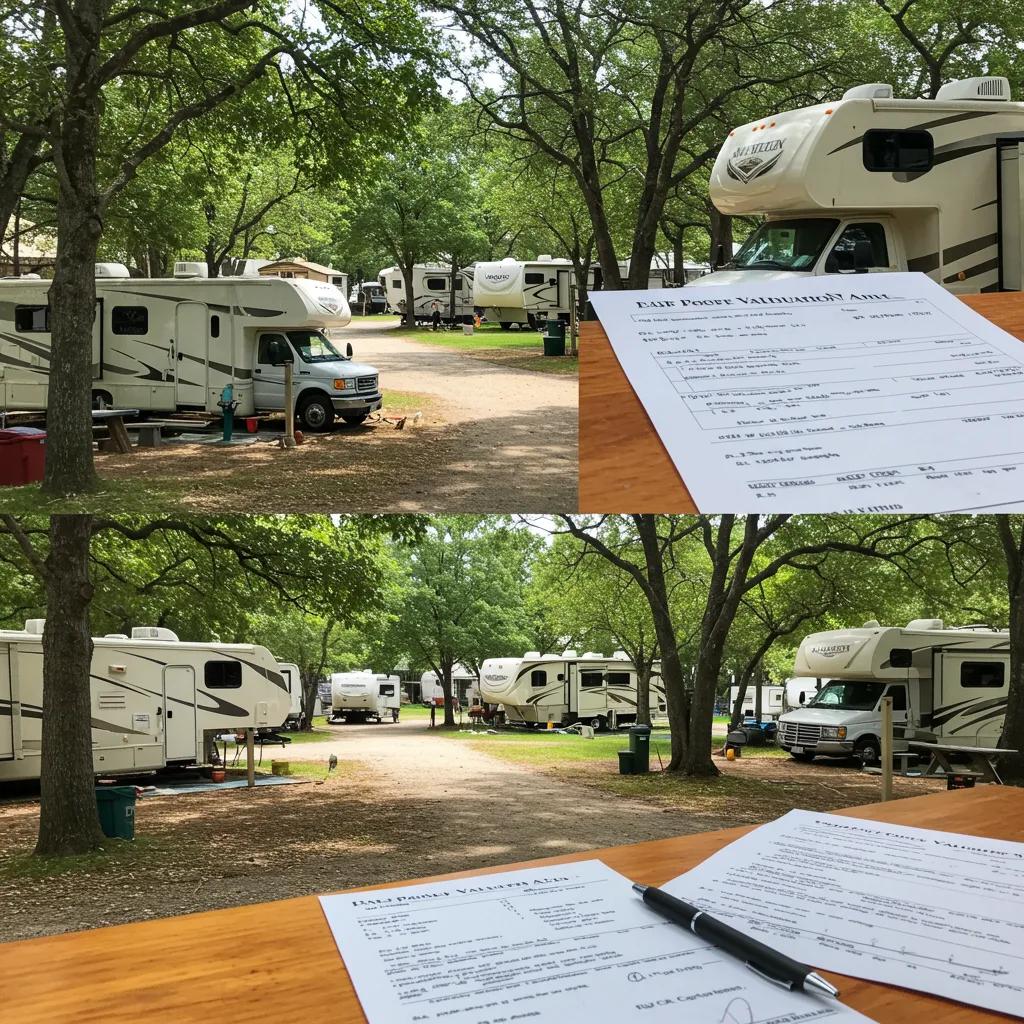
The Income Approach values a park by dividing stabilized Net Operating Income (NOI) by an appropriate cap rate (Value = NOI / Cap Rate), which captures investor return expectations. The Comparable Sales method analyzes recent transactions for similar parks—often expressed as value per site or per acre—adjusted for location and amenity differences. The Cost Approach estimates replacement cost minus depreciation for buildings and infrastructure, which is helpful for unique improvements. Each method has strengths: income for stabilized operations, comps for active markets, and cost for specialized assets, and buyers will often blend them to triangulate value.
Which Factors Most Influence RV Park Value?
Buyers focus on operational metrics first—NOI, occupancy rate, average daily revenue per site, and revenue diversification—because these determine cash flow and financing viability. Physical attributes follow: number of sites, hookups (full vs partial), paved roads, sewer/water capacity, and site mix (pull-through vs back-in) materially change per-site values. Market and location factors—seasonality, proximity to attractions, and regional demand—can swing comparable valuations significantly. Understanding how these drivers interact helps sellers prioritize improvements that yield the greatest valuation lift.
What Financial Documents Are Needed for Accurate Valuation?
Buyers expect an organized packet including Profit & Loss (P&L) statements, tax returns for recent years, occupancy and reservation reports, site-level revenue breakdowns, and a rent roll for long-term leases or monthly sites. Capital expenditure (CapEx) histories, maintenance logs, and utility bills help underwrite future expense assumptions and reduce buyer risk. Providing an executive financial summary upfront speeds valuation and often yields stronger, faster offers. Proper documentation also reduces protracted diligence and introduces confidence into the pricing discussion.
How Do Market Trends Affect RV Park Valuation in 2025?
Current 2025 market dynamics show sustained demand for outdoor hospitality, pressure on cap rates in select regions, and an ongoing buyer preference for parks with modern amenities and diversified revenue. Limited supply of quality parks in some regions has tightened comparable sales, raising per-site benchmarks in buyer models. Seasonal markets and regional tourism trends still create variability, so timing and local demand patterns can materially impact top-line offers. Sellers should evaluate their regional comparables and seasonality before committing to a sale timeline to maximize value.
How Does GatherGrounds Assess RV Park Value Differently?
GatherGrounds Resorts approaches valuation with the same technical methods buyers use—NOI/cap rate analysis, comparable site sales, and cost assessment—but couples them with qualitative stewardship factors that affect offer structure and transition planning. As a family-owned acquirer focused on preserving legacy and operations continuity, GatherGrounds factors staff retention and community relationships into its operational projections and post-acquisition plans. Owners who wish to explore fit can request a confidential, no-obligation valuation conversation that blends financial rigor with an emphasis on legacy preservation. This direct valuation pathway often shortens the feedback loop and clarifies timing for sellers considering options.
Different valuation approaches emphasize distinct attributes as shown below.
How Can You Maximize Your Campground’s Sale Price? Proven Preparation and Enhancement Tips
Maximizing sale price combines operational improvements, targeted capital projects, and clear financial presentation to buyers. Prioritize safety and utility reliability, then invest in high-return amenities and curb appeal to boost marketability and occupancy. Organize records to present normalized NOI and ancillary revenue streams, and develop a concise seller packet to guide buyer due diligence. The next sections lay out specific maintenance priorities, amenity impacts, curb-appeal tips, record organization practices, and presentation strategies to help sellers capture top offers.
What Property Maintenance and Repairs Boost Sale Value?
Start with safety and regulatory compliance—electrical, septic, and ADA-compliant common facilities—which remove major buyer contingencies and expedite offers. Ensure hookups, water supply, and sewer systems are fully functional and documented, since utility reliability directly affects guest satisfaction and revenue. Road grading, drainage, and basic landscaping lift first impressions and reduce buyer-estimated CapEx deductions. Focusing on these items first typically yields the highest return relative to cost and minimizes negotiation holdbacks during diligence.
Which Amenities Increase RV Park Appeal and Profitability?

Modern essentials like reliable high-speed Wi-Fi, consistent full hookups (electric/water/sewer), and upgraded restrooms/showers have high impact on occupancy and guest reviews. Revenue-driving additions such as glamping units, rentable cabins, and event spaces generate incremental revenue and diversify income beyond nightly site fees. Low-maintenance guest amenities—trails, playgrounds, and pet areas—enhance guest experience with moderate operating cost. Prioritize amenities that align with your market demand and that can be shown to increase average daily revenue.
The following amenities commonly improve appeal and revenue:
- Reliable full hookups and upgraded electric services.
- High-quality Wi-Fi and an integrated reservations system.
- Glamping or small-cabin rentals for higher ADR.
How Does Curb Appeal Impact Buyer Interest?
First impressions matter: a well-marked entrance, tidy landscaping, and clean common areas create buyer confidence and signal consistent management. Simple investments—fresh signage, cleared sightlines, trimmed trees, and staged model sites—reduce perceived immediate maintenance needs and can shorten buyer inspections. Well-photographed before-and-after images in listings highlight care and justify asking price. Improving curb appeal also helps during physical tours and virtual showings, which are often the decisive moments for buyer offers.
Why Is Organizing Financial Records Critical Before Selling?
Organized financials translate into credibility and speed: buyers value P&Ls that clearly separate operating revenue from ancillary income and that show normalized NOI adjustments. Presenting multi-year occupancy reports, reservation exports, and CapEx logs allows buyers to model future cash flows with fewer assumptions. Avoid common mistakes like undocumented owner perks or inconsistent categorization of expenses, which can erode trust and lower offers. Preparing these records in a seller packet improves comparability and reduces time lost during diligence.
What Are the Best Practices for Showcasing Your Campground to Buyers?
A strong seller packet includes an executive summary, financial snapshot, site map, amenity list, and recent maintenance/CapEx records to orient buyers immediately. Plan model-site tours that showcase premium sites and amenities during peak conditions, and offer high-quality virtual tours for remote buyers to reduce travel barriers. Coordinate a guided tour script for staff to ensure consistent messaging and highlight revenue drivers. These practices help buyers visualize operations and reinforce the park’s strengths during valuation discussions.
What Is the Process of Selling an RV Park? Step-by-Step Guide for Campground Owners
Selling an RV park follows a structured path: prepare and value the property, market or reach out to buyers, negotiate terms and letters of intent, support due diligence, close the transaction, and manage transition and handover. Timelines vary with market conditions and buyer type, but transparent preparation and proactive mitigation of common issues speed the process. The subsections below cover realistic timelines, the critical steps, diligence preparation tactics, common challenges, and transition options that preserve value and community relationships.
How Long Does It Typically Take to Sell a Campground?
Typical sale durations for parks often fall between six and twelve months from initial marketing to closing when records are organized and there are no legal or environmental hold-ups. Prepared sellers who present clear financials and realistic pricing tend to attract qualified buyers and shorten timelines, while markets with limited buyer pools or complex zoning can extend the process. Direct sales to motivated buyers often close faster than brokered auctions because of fewer layers of negotiation. Understanding realistic timing helps sellers plan for operating seasons and staffing during the sale process.
What Are the Key Steps in the Selling Process?
The sale workflow generally includes preparation and valuation, targeted marketing or buyer outreach, receipt and negotiation of offers leading to a letter of intent (LOI), due diligence and financing contingencies, and closing with transition planning. Each step requires specific documentation: valuation needs P&Ls and occupancy, LOIs outline price and terms, due diligence demands environmental and title documents, and closing necessitates agreed transitional provisions. Preparing these materials early prevents delays and strengthens negotiating position.
- Prepare records and do a pre-listing inspection.
- Market or contact buyers and evaluate offers.
- Negotiate LOI, complete due diligence, and close.
How Should Sellers Prepare for Due Diligence?
Proactive diligence preparation includes commissioning recent surveys, environmental reports where applicable, clear title documentation, and compiling leases or vendor contracts. Address common red flags in advance—undeclared easements, deferred utility repairs, or undocumented site encroachments—by disclosing findings and, where feasible, resolving small issues. Providing a comprehensive data room reduces buyer discovery items and expedites closing timelines. Preparing in this way signals transparency and reduces the probability of renegotiation.
What Are Common Challenges in Selling an RV Park?
Common obstacles include buyer financing limitations, zoning or permitting constraints, and deferred maintenance that surfaces during inspections. Financing can be mitigated by offering clear stabilized NOI and demonstrating diversified revenue streams; zoning issues require early consultation with local authorities or documentation of compliant operations. Deferred maintenance is frequently managed through pre-sale repairs or negotiated escrows, both of which preserve buyer confidence. Anticipating these challenges and addressing them proactively diminishes negotiation leverage for buyers seeking price reductions.
How Can Sellers Ensure a Smooth Transition Post-Sale?
A smooth transition combines documented operations, retention incentives for key staff, and a staged handoff schedule that protects guest experience and revenue. Options range from a short consultancy period to a phased operational handover with seller involvement in early seasons; contractual retention bonuses for key staff preserve institutional knowledge. Clear communication plans to guests and the local community maintain goodwill and reduce churn. Sellers should negotiate transition terms explicitly to align expectations and preserve the park’s legacy during the transfer.
Should You Sell Your RV Park Directly or Use a Campground Brokerage? Pros and Cons Explained
Choosing between a direct sale to a buyer, engaging a broker, or using a hybrid approach depends on seller goals: speed, net proceeds, confidentiality, or maximizing competitive bidding. Direct sales can minimize transaction layers and fees, while brokers offer market reach and competitive tension that may raise price. This section compares routes, explains when each is advantageous, and provides practical recommendations for common seller profiles.
The following comparison table clarifies typical trade-offs across time, fees, and control.
What Are the Benefits of Selling Directly to a Buyer Like GatherGrounds Resorts?
Selling directly to a buyer like GatherGrounds Resorts offers several advantages when sellers prioritize stewardship, speed, and reduced transaction complexity. Direct sales generally avoid broker commissions, allow sellers to negotiate terms with decision-makers, and can include transition arrangements that preserve staff and legacy. For owners seeking a confidential conversation about fit and timing, engaging directly often shortens the evaluation cycle and clarifies possible transition structures. Owners should weigh these benefits against potential market exposure lost when not soliciting multiple competitive bids.
When Is Using a Campground Broker Advantageous?
A campground broker is advantageous when maximizing sale price through competitive bidding and confidential nationwide marketing is the seller’s priority. Brokers bring networks of qualified buyers, manage marketing confidentiality, and can create auction-like tension to drive higher offers in hot markets. Sellers with well-prepared properties and time to market often realize higher gross proceeds with a broker, especially where regional comparables drive strong demand. However, sellers must accept commission costs in exchange for broader market access and professional deal orchestration.
How Do Fees and Commissions Compare Between Direct Sales and Brokered Sales?
Broker commissions vary and are usually a percentage of sale price, which reduces net proceeds but can be offset by higher sale prices achieved through market exposure. Direct sales remove agent commission layers, potentially increasing net proceeds for the seller, while sometimes offering faster closings and simpler negotiations. Sellers should request written fee schedules and projected net proceeds from brokers and compare those to direct offers to make an informed choice. Transparency in projected net proceeds is critical to compare the true economic outcomes of each route.
What Should Sellers Know About Working with Real Estate Agents and Brokerages?
When vetting brokers, ask for recent campground comps, marketing plans tailored to leisure real estate, buyer qualification processes, and references for similar deals. Pay close attention to listing agreement terms—exclusivity duration, commission structure, and termination clauses—and be wary of open-ended marketing promises without measurable deliverables. Evaluate how brokers qualify buyers and handle confidentiality to protect operations during marketing. A thorough vetting process ensures the broker aligns with the seller’s timing, pricing, and privacy objectives.
How Does GatherGrounds’ Family-Owned Approach Contrast with Corporate Buyers and Brokers?
GatherGrounds Resorts emphasizes family-owned stewardship, a hands-on decision-making process, and preservation of existing staff and traditions compared with institutional buyers that may prioritize cost-cutting or portfolio-scale integration. This approach often leads to more direct engagement with owners, customized transition plans, and a focus on reinvestment that sustains guest experience. Sellers who value legacy preservation and operational continuity may find such an approach aligns closely with their goals. Those seeking top-market exposure for competitive bidding should weigh this approach against brokered pathways.
What Amenities and Features Make an RV Park Valuable to Buyers? Key Attributes That Increase Market Appeal
Amenities, natural features, operational efficiencies, and technology integration together shape buyer appeal and valuation. Modern essentials boost guest satisfaction and occupancy, while natural assets and location lift willingness to pay. Operational systems reduce labor cost and improve margins, and ancillary revenue streams diversify income. The sections below list high-demand amenities, discuss natural feature value, operational efficiency metrics buyers care about, technology opportunities, and additional revenue streams that strengthen buyer interest.
Which Modern Amenities Are Most Sought After in 2025?
In 2025 buyers prioritize reliable high-speed Wi-Fi, full hookups at most sites, and upgraded restrooms/shower facilities because these amenities directly support longer stays and higher reviews. Experience-oriented amenities such as glamping units, rentable cabins, and small event spaces increase average daily rates and appeal to non-RV guests. Low-maintenance recreation—trails, playgrounds, and pet areas—improves occupancy without large operating cost increases. Investing in a mix of essential infrastructure and a few revenue-driving amenities typically yields the best return.
How Do Natural Features and Location Enhance RV Park Value?
Water access, scenic views, and proximity to sought-after attractions materially increase occupancy and per-site value, especially in leisure-driven markets. Properties near lakes, rivers, trails, or cultural destinations command premium rates during peak seasons and provide marketing differentiation. Documenting and marketing these natural assets—through maps, photo libraries, and guest testimonials—translates physical features into measurable demand drivers. Sellers should highlight documented visitation trends tied to nearby attractions to support premium pricing.
What Role Does Operational Efficiency Play in Valuation?
Operational efficiency—measured by staffing ratios, reservation system utilization, and cost per occupied site—directly affects NOI and buyer underwriting assumptions. Buyers look for consistent processes, a reliable reservation and property management system (PMS), and documented maintenance schedules to reduce perceived operational risk. Demonstrating lower operating costs per occupied site or high automation levels increases perceived value and can lower required cap rate adjustments. Presenting KPIs clearly in the seller packet makes valuation models more favorable.
How Can Technology Integration Improve Guest Experience and Revenue?
An integrated tech stack—online booking, dynamic pricing tools, contactless check-in, and Wi-Fi analytics—improves conversion, raises occupancy, and enables data-driven pricing strategies. Technology reduces labor overhead, captures guest data for marketing, and smooths the guest journey, which increases repeat visits and ancillary spend. Buyers value parks that digitize bookings and operations because such systems support scalable growth and clearer performance forecasting. Showcasing tech-enabled revenue uplift in financials helps justify higher valuations.
What Revenue Streams Beyond Site Rentals Add Value?
Ancillary streams—on-site retail, food and beverage, storage, event rentals, and long-term leases—offer higher margins and stabilize cash flow outside peak seasons. These diversified revenues reduce dependence on nightly site sales and are attractive to buyers seeking resilience. Tracking and presenting ancillary revenue separately in financials clarifies their contribution to NOI and demonstrates growth potential. Buyers place a premium on parks with documented, stable ancillary income streams because they enhance overall valuation stability.
How Does GatherGrounds Ensure a Thoughtful and Legacy-Preserving Acquisition? Understanding Their Unique Value Proposition
GatherGrounds Resorts positions its acquisition approach around family-owned stewardship, operational continuity, and respectful reinvestment rather than disruptive consolidation. Their stated focus includes preserving a campground’s legacy, maintaining community relationships, and engaging sellers directly in confidential conversations about fit, timing, and transition. GatherGrounds emphasizes smooth transitions with attention to staff retention and incremental property improvements that honor traditions while enhancing the guest experience. Sellers interested in discussing a potential sale can present core park information to begin a no-obligation evaluation.
What Does a Smooth Transition Look Like for Sellers?
A smooth transition often involves a phased handoff where critical systems and staff remain in place while new owners implement enhancements gradually; this minimizes guest disruption and revenue loss. Knowledge transfer includes documented procedures, tours of operational systems, and overlapping management periods to coach retained staff. Retention incentives for key employees—formalized in transition agreements—help ensure continuity of service and protect the park’s reputation. Sellers can request explicit transition timelines and staff retention clauses when negotiating terms to preserve operational stability.
How Does GatherGrounds Engage Directly with Campground Owners?
GatherGrounds Resorts prefers direct, no-obligation conversations with owners to assess fit and timing personally, which reduces intermediary layers and clarifies intentions early. These direct engagements typically focus on understanding the park’s legacy, operational strengths, and seller objectives before discussing valuation mechanics. Direct dialogue lets owners present context that quantitative models might miss, such as community relationships or unique traditions. This owner-centered approach can shorten evaluation cycles and produce offers structured around both financial and stewardship goals.
Why Is Preserving Staff and Community Important in Acquisitions?
Retaining staff and maintaining local community ties preserve operational knowledge and guest relationships that drive revenue, decreasing the risk of turnover-related service degradation. Community goodwill often translates into stable referral streams and local support for events that boost occupancy. Structuring retention incentives and transparent communication plans protects these intangible assets during ownership changes. Buyers that prioritize these elements reduce transition friction and sustain long-term value for the property.
What Reinvestment Plans Does GatherGrounds Implement Post-Acquisition?
GatherGrounds indicates a focus on measured reinvestment in amenities, infrastructure, and guest experience enhancements to sustain and grow park value while respecting legacy features. Typical reinvestments prioritize utility reliability, guest-facing amenity upgrades, and modest revenue-driving units that fit the park’s character. Reinvestment aims to increase NOI without eroding the property’s identity, thereby improving long-term valuation. Sellers can request examples or case studies during a confidential conversation to better understand potential reinvestment approaches.
How Can Sellers Start a No-Obligation Conversation with GatherGrounds?
Sellers considering a confidential discussion should prepare basic property details—site count, a recent financial snapshot, and a summary of key amenities—to enable an initial, no-obligation assessment of fit and timing. The first conversation typically covers high-level valuation expectations, potential transition preferences, and whether a deeper diligence phase is warranted. GatherGrounds frames these outreach conversations as exploratory and confidential to respect seller privacy and legacy concerns. Owners seeking clarity on options can initiate contact with that minimal information to begin an assessment.
- Prepare site count, basic financial snapshot, and amenity list.
- Request a confidential, no-obligation conversation to discuss fit and timing.
- Use the initial discussion to decide whether to proceed with a detailed valuation.
Frequently Asked Questions
What are the common mistakes sellers make when preparing their RV park for sale?
Common mistakes include neglecting to organize financial records, failing to address maintenance issues, and not highlighting unique amenities. Sellers often underestimate the importance of presenting clear and accurate financials, which can erode buyer trust. Additionally, overlooking necessary repairs or upgrades can lead to lower offers or prolonged negotiations. It’s crucial to prepare a comprehensive seller packet that showcases the park’s strengths and operational efficiency to avoid these pitfalls and attract serious buyers.
How can sellers effectively market their RV park to potential buyers?
Effective marketing involves creating a compelling listing that highlights the park’s unique features, amenities, and financial performance. High-quality photographs, virtual tours, and detailed descriptions can enhance appeal. Utilizing online platforms, social media, and targeted outreach to potential buyers or brokers can broaden exposure. Additionally, showcasing positive guest reviews and testimonials can build credibility. Sellers should also consider timing their marketing efforts to align with peak buying seasons to maximize interest and offers.
What role does seasonal demand play in the sale of an RV park?
Seasonal demand significantly impacts the valuation and sale process of an RV park. Parks located in tourist-heavy areas may see fluctuations in occupancy and revenue based on peak seasons. Sellers should analyze historical occupancy rates and revenue trends to present a realistic picture to potential buyers. Understanding local tourism patterns can help sellers time their sale for maximum impact, ensuring they capitalize on high-demand periods to attract more competitive offers.
How can sellers ensure they are pricing their RV park competitively?
To price an RV park competitively, sellers should conduct thorough market research, analyzing comparable sales in the area and current market trends. Engaging a professional appraiser or broker can provide valuable insights into fair market value. Sellers should also consider their park’s unique features, operational performance, and potential for future growth. Setting a realistic price based on data rather than emotional attachment can attract serious buyers and facilitate a smoother sale process.
What are the benefits of having a well-documented operational history for an RV park?
A well-documented operational history provides transparency and builds trust with potential buyers. It allows them to assess the park’s performance, including occupancy rates, revenue streams, and maintenance records. This documentation can streamline the due diligence process, reducing buyer concerns and expediting offers. Additionally, showcasing a strong operational history can justify a higher asking price, as it demonstrates the park’s stability and potential for continued success under new ownership.
What should sellers consider when negotiating terms with potential buyers?
When negotiating terms, sellers should consider not only the price but also the conditions of the sale, including financing options, contingencies, and transition support. It’s essential to be clear about what is included in the sale, such as equipment and inventory. Sellers should also assess the buyer’s qualifications and intentions to ensure a good fit. Open communication and flexibility can lead to mutually beneficial agreements that satisfy both parties’ needs and expectations.
How can sellers prepare for potential buyer questions during the sale process?
Sellers can prepare for potential buyer questions by anticipating common inquiries related to financial performance, operational challenges, and future growth opportunities. Compiling a comprehensive FAQ document or a detailed seller packet can help address these questions proactively. Additionally, being transparent about any issues and providing solutions or plans for improvement can instill confidence in buyers. Practicing responses to questions can also help sellers communicate effectively and maintain a positive dialogue throughout the negotiation process.
Conclusion
Understanding the valuation and selling strategies for RV parks empowers owners to maximize their investment and achieve favorable sale outcomes. By focusing on key operational metrics, enhancing property appeal, and organizing financial records, sellers can significantly influence buyer interest and offers. Engaging in a direct conversation with GatherGrounds can provide tailored insights and a seamless transition process that respects the park’s legacy. Take the first step towards a successful sale by reaching out for a confidential, no-obligation discussion today.