How to Sell Your Campground and Maximize Its Value: A Step-by-Step Guide for Owners
Selling a campground is a significant undertaking, blending real estate, operations, community stewardship, and financial planning. This guide is designed to help you navigate each step effectively, ensuring you maximize your sale value. You’ll discover a clear selling workflow, understand the valuation metrics buyers use, identify prioritized upgrades with a focus on ROI, and learn about exit-planning essentials to protect your legacy and retirement goals. This article dives into the practical aspects of selling your campground and boosting its value by outlining key processes, explaining the importance of each step, and providing actionable advice for owners before, during, and after a sale. We address common challenges like uncertain valuations, disorganized records, and transition risks with checklists, valuation tables, and negotiation strategies designed to reduce friction and increase price certainty. The guide is structured around these core sections: the step-by-step sale process, valuation methods with examples, pre-sale improvements and operational enhancements, the option for a direct sale to GatherGrounds Resorts, 2025 market trends, a comparison of broker versus direct sales, and exit-strategy planning. Throughout, we’ve integrated keywords such as “how to sell a campground,” “campground valuation,” and “how to increase campground value” to offer advice you can apply immediately.
What Are the Key Steps to Sell Your Campground Successfully?
Successfully selling your campground begins with a well-defined plan that aligns your financial, timing, and legacy objectives with the practical tasks needed to prepare your property for the market. Establishing clear goals and assembling accurate financial records lay the groundwork for realistic valuations and credible buyer discussions, ultimately reducing delays during due diligence. Thorough preparation also enhances marketing outcomes, whether you opt for a broker or a direct buyer, as organized data builds buyer confidence and supports stronger offers. This section breaks down the process into actionable phases: initiation, documentation, negotiation, and closing, providing checklist items to help you progress efficiently while safeguarding your property’s reputation.
How Do You Start the Selling Process for a Campground or RV Park?
To begin the selling process, you need to clarify your objectives, gather essential documents, and decide on the sales route that best suits your priorities. Start by listing your goals, including your desired timeline, price point, legacy considerations, and staff transition plans. Then, collect three to five years of profit-and-loss statements, tax returns, occupancy reports, reservation records, and basic property maps. Early on, decide whether you prefer broad market exposure through a broker or a targeted direct sale. Prepare a concise summary packet highlighting your campground’s strengths and any known challenges to share with potential buyers. Starting with this clarity shortens the vetting period and sets expectations for negotiations, leading directly into the assembly of full due diligence documentation.
What Due Diligence and Documentation Are Required?
Buyers and lenders will expect a comprehensive set of financial, property, and operational documents that verify revenue trends, title status, and ongoing obligations. Typical requests include P&Ls, tax returns, occupancy and ADR reports, title and survey documents, environmental assessments (if applicable), utility records, vendor contracts, and a summary of your reservation system data. Pre-assembling these items and creating a clear due-diligence index will accelerate buyer review and minimize last-minute surprises, enhancing the perceived reliability of your offering. A well-organized documentation package also strengthens your valuation position, naturally leading into how offers are evaluated and negotiated.
How Does Negotiation and Agreement Work When Selling a Campground?
Negotiations for a campground sale commonly involve price, earnest money deposits, contingencies (such as financing or environmental approvals), transition services, and potential seller financing or earn-out structures. Evaluate offers based on total value, certainty of closing, and non-price terms like the length of the transition period, staff retention plans, and assumed liabilities. Typical negotiation tactics include structuring earnest money to signal commitment, narrowing contingencies with readily available documentation, and clarifying transition roles in the letter of intent. Understanding these elements will prepare you to compare competing offers and select the one that best aligns with your objectives, which is crucial before proceeding to the formal closing steps.
What Happens During Closing and Transfer of Ownership?
The closing process consolidates escrow, title transfer, permit and license assignments, final walk-throughs, and operational handover tasks. It requires coordinated timing across legal, financial, and staff communications. A practical final 60/30/7/1-day checklist includes confirming escrow instructions, ensuring utility transfers are scheduled, notifying vendors and insurers, preparing guest communications, and documenting operational procedures for the incoming team. Plan specific transition activities for staff and community outreach to preserve goodwill, and schedule time for an orientation period where seller knowledge is transferred. A well-managed close minimizes operational disruptions and protects your campground’s reputation, supporting the long-term value buyers seek.
How Is a Campground Valued? Understanding Campground Valuation Methods

Campground valuation typically combines income-based metrics, per-site benchmarks, and comparable sales to estimate market value. Buyers commonly rely on Net Operating Income (NOI) divided by a market capitalization rate (cap rate) as a primary method. NOI measures the property’s operating performance (revenue minus operating expenses), and the cap rate reflects market risk and buyer return expectations. Therefore, the valuation result is directly tied to operational improvements and demand trends. Sellers should understand per-site value calculations and how occupancy and amenities influence per-site benchmarks to prioritize pre-sale actions. The following table summarizes common valuation metrics and example ranges used by market participants.
Valuation metrics summarize financial performance and market benchmarks to help sellers estimate potential price ranges.
This table helps sellers identify which factors most influence the headline price and sets the stage for practical valuation calculations and discussions with buyers.
What Are the Most Important Valuation Metrics for Campgrounds?
The three core valuation metrics are NOI, cap rate, and per-site value; each plays a distinct role in the final price calculation and in negotiations. NOI quantifies sustainable operating cash flow and is sensitive to occupancy, average daily revenue, and controllable expenses. Cap rates translate that cash flow into a market price and fluctuate with interest rates and investor appetite. Per-site values offer a quick market check and reflect demand for specific site types and amenities, meaning that enhancing amenities can often increase per-site benchmarks more than marginal revenue increases. Understanding these metrics enables sellers to model various scenarios and pinpoint which operational improvements will have the most significant impact on valuation.
Which Factors Influence Your Campground’s Market Value?
Market value is influenced by location, accessibility, the number of sites, occupancy history, amenity mix, the condition of infrastructure, zoning and environmental regulations, and market trends such as demographic shifts and RV shipment patterns. Buyers weigh these factors differently—some prioritize income stability, while others focus on the upside potential from modernization. Ranking these factors by their impact helps sellers invest in the highest-return areas before listing. For instance, reliable utility infrastructure and quality bathhouses can materially increase offers, whereas unresolved environmental liabilities reduce buyer certainty and lower cap-rate assumptions. These elements influence both comparable adjustments and the pool of interested buyers, leading into the decision of when to commission a professional appraisal.
How Can You Get a Professional Campground Appraisal?
A professional appraisal or a valuation from a specialist broker is advisable when you need a formal market opinion for financing, estate planning, or to establish benchmark negotiable price ranges. Appraisers will utilize income, sales comparables, and cost approaches as relevant. When selecting a specialist, prioritize experience with outdoor hospitality assets and inquire about recent comparable transactions they rely upon and how they account for seasonal revenue. Expect qualitative guidance on the timeline and documentation required. Commissioning an appraisal often accelerates serious buyer interest and helps establish a defensible asking price. A professional appraisal complements preliminary seller estimates and positions you for stronger negotiations.
How Can You Maximize Your Campground’s Sale Price Before Selling?
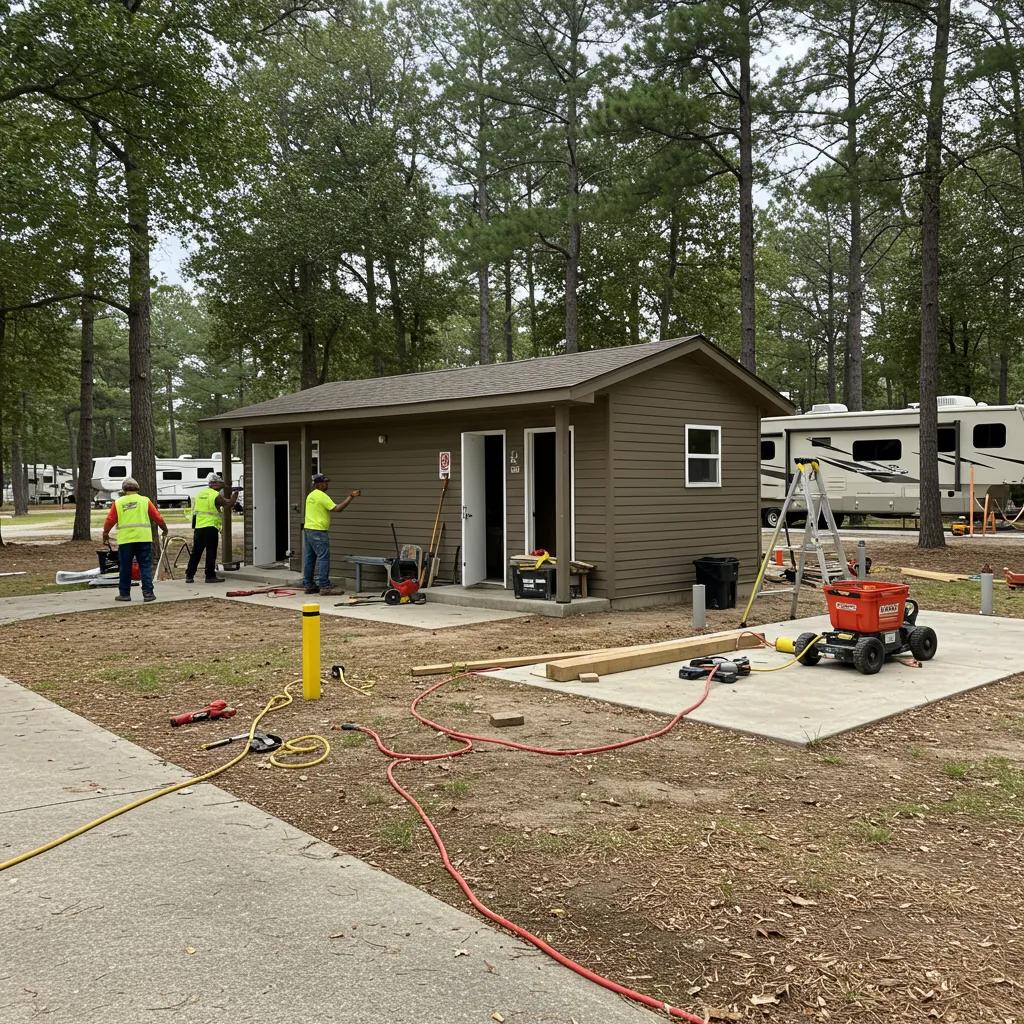
Maximizing your sale price involves a strategic mix of infrastructure fixes, amenity upgrades, technology adoption, and operational improvements that boost NOI and buyer appeal. Focus on investments with a clear payback period or those that significantly shift per-site values. Critical infrastructure maintenance, upgraded restrooms, reliable hookups, and improved site layouts often yield outsized buyer interest. Operational changes, such as implementing a modern reservation system, tidying up financial records, and instituting dynamic pricing, can increase realized revenue and reduce perceived risk. The table below helps owners prioritize upgrades based on estimated impact and payback.
This table outlines typical pre-sale improvements, their expected impact on revenue or occupancy, and estimated payback periods to guide your spending priorities.
Use this matrix to prioritize projects that buyers will value most, balancing seller-side improvements against potential buyer-led modernization.
What Property Upgrades and Maintenance Boost Campground Value?
Targeted property improvements that reduce buyer uncertainty and visibly enhance the guest experience typically deliver the strongest valuation uplift. Essential items include reliable septic or sewer systems, upgraded electrical capacity for RVs, resurfaced internal roads, ADA accessibility improvements, and refreshed bathhouses. Cosmetic updates, such as consistent site signage, clearly defined site boundaries, and well-maintained landscaping, create better first impressions that increase perceived value. Prioritizing deferred maintenance and safety-related fixes also shortens buyer contingencies and preserves negotiating leverage.
How Does Technology Adoption Increase Campground Appeal and Value?
Technology that enhances guest convenience and operational transparency—such as reservation and property management systems, online booking channels, contactless check-in, and robust high-speed Wi-Fi—directly impacts occupancy, ancillary spending, and guest reviews. Implementing a modern reservation system simplifies revenue management, supports dynamic pricing, and provides clean historical data that buyers value during due diligence. Upgrading Wi-Fi to meet current expectations can increase nightly rates for work-campers and digital nomads, broadening your buyer pool. These technology investments also result in tidy operational records that boost buyer confidence.
How Can Operational Efficiency Improve Your Campground’s Profitability?
Operational efficiency enhances Net Operating Income through optimized staffing models, vendor consolidation, preventative maintenance schedules, and yield-focused pricing strategies. Track and improve key performance indicators (KPIs) such as occupancy rate, average daily rate (ADR), RevPAR (revenue per available site), and expense ratios to identify improvement opportunities that buyers will value. Simple actions, like streamlining vendor contracts, standardizing cleaning and maintenance protocols, and training front-line staff on upselling techniques, can reduce costs and increase ancillary revenue. Clean, auditable financials that reflect these efficiencies support stronger, more defensible valuations and smoother due diligence.
Why Should You Sell Your Campground Directly to GatherGrounds Resorts?
Selling directly to a buyer like GatherGrounds Resorts can offer you a streamlined path to closing, emphasizing legacy preservation, direct communication, and targeted acquisition criteria aligned with operational scale. GatherGrounds Resorts is a family-owned company focused on thoughtful transitions that preserve unique property traditions while investing in the modernization and operation of campgrounds and RV parks. For owners seeking a lower-friction sale process and a buyer committed to post-acquisition investment, a direct sale to a family-led operator can reduce approval layers and expedite decision-making. The following subsections detail our approach, communication benefits, seller experiences, and our focus on properties with 130+ sites.
What Is GatherGrounds’ Family-Owned Approach to Campground Acquisition?
GatherGrounds Resorts views acquisition as stewardship, where preserving the property’s identity and community relationships is central to our post-sale plans. Our family-owned approach prioritizes long-term operational investment over short-term asset flipping, aiming to modernize amenities while retaining the unique traditions that define the guest experience. For sellers, this can mean a transition that considers staff continuity, community messaging, and phased improvements that respect the property’s legacy. This stewardship perspective often resonates with owners who prioritize legacy preservation alongside a financial settlement.
How Does Direct Communication with GatherGrounds Benefit Sellers?
Direct communication with GatherGrounds Resorts allows for faster responses, clearer negotiations, and more personalized transition planning compared to multi-layered corporate or brokered processes. You can discuss specific operational details, transition roles, and improvement plans directly with us, which tends to shorten timelines and reduce misunderstandings. A straightforward initial conversation often clarifies eligibility and our approach, helping you decide quickly whether to pursue a direct sale. This streamlined dialogue naturally leads to arranging a No-Obligation Conversation for preliminary valuation and next steps.
What Are Real Seller Experiences with GatherGrounds Resorts?
Many sellers appreciate anonymized summaries of transitions that highlight smooth handovers, targeted investments, and community-sensitive messaging—outcomes that illustrate our commitment to legacy and operational improvement. Sellers frequently report valuing personalized transition planning, direct owner-to-owner communication, and clarity regarding post-acquisition investment priorities. While individual experiences vary, these high-level patterns indicate that a family-owned approach can reduce seller anxiety about change and protect guest relationships. These points help set expectations for sellers exploring a direct sale option.
Why Does GatherGrounds Focus on Campgrounds with 130+ Sites?
Our focus on campgrounds with 130+ sites is driven by an operational and financial scale rationale: larger parks achieve economies of scale, produce steadier NOI, and support professionalized staffing and revenue-management practices. A 130+ site threshold signals to buyers that the property can absorb modernization investments and generate reliable returns, which broadens financing options and buyer interest. Owners of smaller properties should consider pathway strategies such as demonstrating growth potential, clustering nearby parcels, or investing in high-impact amenities to increase appeal. Understanding this focus helps owners position their properties for the right buyer segments.
What Are the Current Market Trends Affecting Campground Sales in 2025?
Market dynamics in 2025 are shaped by continued interest in outdoor recreation, evolving buyer demographics, changing amenity expectations, and capital markets that influence cap-rate assumptions. Recent shifts include increased participation from younger demographics seeking private, amenity-rich sites and higher per-day spending on experiences, which leads buyers to value properties with glamping or premium site options more highly. Technology expectations (online booking, Wi-Fi) and increased demand heterogeneity mean buyers place a premium on properties that can serve multiple guest segments. Sellers should align their timing and upgrades with these trends to capture more competitive valuations.
How Is the Camping and RV Industry Growing and Changing?
The camping and RV industry continues to attract a diverse range of new participants, with growing interest in flexible stays, glamping experiences, and longer seasonal occupancy. These demand drivers expand buyer appetite for assets offering varied site types and modern amenities. Supply constraints in certain regions and shifting recreational preferences have increased competition for well-located parks, which can compress cap rates for high-quality assets. Market entrants and specialized operators are increasingly targeting properties with stable NOI and upgrade potential, influencing how sellers present growth opportunities during marketing.
What Are the Latest Buyer Preferences and Spending Patterns?
Buyers and guests now favor private, amenity-rich sites, enhanced on-site experiences, and reliable technology that supports remote work and contactless services, and they are willing to pay higher daily rates for differentiated offerings. Younger cohorts and glamping customers often spend more on premium experiences, increasing ancillary revenue potential for properties catering to those segments. Sellers who demonstrate diversified revenue streams, robust booking channels, and clear plans for amenity upgrades typically attract stronger, more competitive offers from buyers.
How Do Market Trends Impact Campground Valuation and Sale Timing?
Market trends influence both cap-rate expectations and buyer competition. When demand is rising for amenity-rich, larger parks, sellers can often command tighter cap rates and higher per-site values. Timing a sale to align with peak demand cycles, completed high-impact upgrades, or stronger historical occupancy data enhances negotiating leverage. Conversely, selling into a period of market softness or without demonstrating a path to capture new demand segments can lead to lower offers. Use trend-aware timing and documented upgrade plans to maximize buyer interest and valuation.
Should You Use a Broker or Sell Directly? Comparing Campground Sale Options
Choosing between a broker and a direct buyer depends on your priorities regarding price maximization, confidentiality, speed, and control over transition terms. This section compares both paths to help you decide. Brokers provide market exposure, targeted marketing campaigns, and negotiation support that can increase the competitive bidding pool and potentially raise the price, but they typically add commission costs and longer listing timelines. Direct buyers like GatherGrounds Resorts offer faster decision-making, fewer intermediaries, and greater certainty in transition planning, which can reduce friction and accelerate closing. The table below compares common selling options.
What Are the Pros and Cons of Using RV Park Real Estate Brokers?
Using specialized brokers brings broader market exposure, access to qualified buyer lists, and professional marketing, which can increase competitive bids and the final price. Brokers also manage confidentiality and vet prospects, reducing time wasted on unqualified inquiries. However, brokerage fees and longer listing durations are trade-offs for that wider reach. Ask brokers for a clear marketing plan, comparable sales they expect to target, and references from previous campground clients. These considerations will help you determine if the broker route aligns with your timeline and pricing objectives.
How Does Selling Directly to a Buyer Like GatherGrounds Differ?
Selling directly to a buyer like GatherGrounds Resorts often shortens decision timelines and removes intermediary layers, enabling more direct negotiation on transition terms and stewardship priorities. Direct buyers can offer clearer, more personalized transition plans and may invest in modernization and operation of campgrounds and RV parks post-acquisition, benefiting communities and guest experience. The trade-off can be a narrower buyer pool and potential price differences compared to a broad competitive auction, but increased certainty and legacy preservation are important value considerations. Sellers should prepare targeted information packets and questions for direct buyer discussions.
When Is a Broker the Right Choice for Your Campground Sale?
A broker is often the right choice when your primary objective is to maximize sale price through broad market exposure or when your property is unique and requires specialized marketing to reach the right buyer set. Brokers are also useful when a confidential process is required or when multiple buyer offers are expected to drive competitive pricing. Use selection criteria such as outdoor-hospitality experience, recent comparable closings, and transparent fee structures to choose a broker that aligns with your goals. Deciding between a broker and a direct sale depends on your priorities for price, timing, and transition control.
How Do You Plan an Effective Exit Strategy When Selling Your Campground?
An effective exit strategy aligns legal, tax, retirement, and succession planning with transactional timing and transition arrangements to maximize net proceeds and protect your legacy. Early engagement with advisors—your attorney, CPA, and financial planner—helps shape sale structure choices (asset vs. stock sale, installment sale, or earn-out) that affect tax outcomes and retirement funding. Succession planning for staff, documented operational procedures, and a communication plan for the community and vendors ensure continuity. The following subsections address financial planning, succession, and legal/tax steps owners should consider as they finalize exit strategies and prepare for next steps.
What Financial and Retirement Considerations Should You Address?
Financial planning should quantify expected net proceeds, tax liabilities, and retirement income needs, and compare lump-sum versus phased payment options to find the most secure outcome. Consult a CPA or financial advisor to model after-tax proceeds, consider diversification of proceeds, and evaluate options like seller financing or earn-outs against your liquidity needs. Align sale timing with retirement milestones and understand how different sale structures affect cash flow and tax timing. Solid financial planning reduces post-sale uncertainty and enables confident negotiation choices.
How Can You Ensure a Smooth Succession or Legacy Transition?
Ensuring a smooth succession hinges on documenting operations, communicating early with staff and the local community, and structuring defined transition roles or training periods. Create an operational manual, hold joint meetings with key staff during transition planning, and provide a clear guest communication plan so regular visitors understand the continuity of service. Consider transitional consulting agreements to transfer institutional knowledge while protecting the property’s legacy. Thoughtful succession planning preserves goodwill and helps the buyer maintain revenue stability after the sale.
What Are the Key Legal and Tax Steps in Exit Strategy Planning?
Key legal and tax steps include reviewing your entity structure, understanding capital gains versus ordinary income consequences, preparing sale agreements that clearly allocate liabilities, and coordinating escrow and permit transfers. Engage an experienced attorney and tax advisor early to draft a sale structure that aligns with your objectives and to identify potential transaction liabilities. Ensure all vendor and employment contracts are reviewed for assignability and that necessary licenses and permits can transfer smoothly. Early legal alignment minimizes closing delays and supports a clean post-sale transition.
For owners ready to explore a direct sale, GatherGrounds Resorts offers acquisition of campgrounds and RV parks with a Family-Owned Approach, Direct Communication, and a focus on Legacy Preservation. Owners seeking a low-pressure first step can request a No-Obligation Conversation to discuss preliminary valuation and next steps; this option provides a risk-free way to learn about potential outcomes while preserving your options to pursue other sale routes. GatherGrounds also emphasizes investment in modernization and operation of campgrounds and RV parks post-acquisition, which can be useful context when evaluating which pre-sale upgrades to pursue.
Frequently Asked Questions
What are the common mistakes to avoid when selling a campground?
Common mistakes include inadequate preparation, such as failing to gather necessary documentation or neglecting property maintenance. Sellers often underestimate the importance of clear financial records, which can lead to valuation discrepancies. Additionally, not understanding market trends or buyer preferences can hinder negotiations. Overpricing the property or being inflexible during negotiations can also deter potential buyers. To avoid these pitfalls, it’s crucial to conduct thorough research, prepare all necessary documents, and remain open to feedback during the selling process.
How can I effectively market my campground for sale?
Effective marketing involves creating a compelling listing that highlights the campground’s unique features, amenities, and location. High-quality photos and virtual tours can attract more interest. Utilize online platforms, social media, and industry-specific websites to reach a broader audience. Engaging a real estate broker with experience in campground sales can also enhance visibility. Additionally, consider hosting open houses or informational sessions to showcase the property to potential buyers. Tailoring your marketing strategy to target specific buyer demographics can further increase interest.
What role does location play in campground valuation?
Location is a critical factor in campground valuation as it directly influences demand, accessibility, and potential revenue. Campgrounds situated near popular attractions, natural parks, or urban areas typically command higher prices due to increased visitor traffic. Proximity to amenities such as restaurants, shopping, and recreational activities can also enhance appeal. Buyers often assess the surrounding environment, including safety and community reputation, which can impact their willingness to pay. Therefore, highlighting the campground’s location advantages is essential during the selling process.
What should I include in a property information packet for potential buyers?
A comprehensive property information packet should include financial statements, occupancy rates, and maintenance records. Additionally, provide details about amenities, local attractions, and any recent upgrades or renovations. Include a summary of operational procedures, staff information, and community engagement efforts. Clear maps and photographs of the property can enhance the packet’s appeal. This information helps potential buyers assess the campground’s value and operational viability, making it easier for them to make informed decisions during the buying process.
How can I prepare my staff for the transition after the sale?
Preparing staff for a transition involves clear communication about the sale process and what to expect. Hold meetings to discuss the changes and reassure them about their roles post-sale. Providing training sessions for new operational procedures or introducing the new owner can help ease the transition. Consider creating a transition plan that outlines staff responsibilities and timelines for the handover. Engaging staff in the process fosters a sense of stability and continuity, which can positively impact the campground’s operations during and after the transition.
What are the tax implications of selling a campground?
Tax implications can vary based on the sale structure, such as whether it’s an asset sale or stock sale. Capital gains tax may apply to the profit made from the sale, and understanding the difference between long-term and short-term capital gains is crucial. Consulting with a tax advisor can help sellers navigate potential liabilities and explore options like installment sales or 1031 exchanges to defer taxes. Proper planning can minimize tax burdens and maximize net proceeds from the sale, making it an essential part of the selling process.
How can I assess the right time to sell my campground?
Assessing the right time to sell involves analyzing market conditions, seasonal trends, and personal circumstances. Monitor local real estate trends, including demand for campgrounds and pricing fluctuations. Consider selling during peak camping seasons when buyer interest is high. Additionally, evaluate your financial readiness and retirement plans to ensure alignment with your selling timeline. Engaging with real estate professionals can provide insights into market timing and help you make informed decisions about when to list your property for sale.
Conclusion
Successfully selling a campground involves understanding valuation metrics, preparing thorough documentation, and making strategic improvements to enhance buyer appeal. By following the outlined steps, owners can maximize their sale price while ensuring a smooth transition that respects their legacy. For those considering a direct sale, GatherGrounds Resorts offers a streamlined process that prioritizes communication and investment in the property’s future. Take the first step towards a successful sale by requesting a No-Obligation Conversation today.