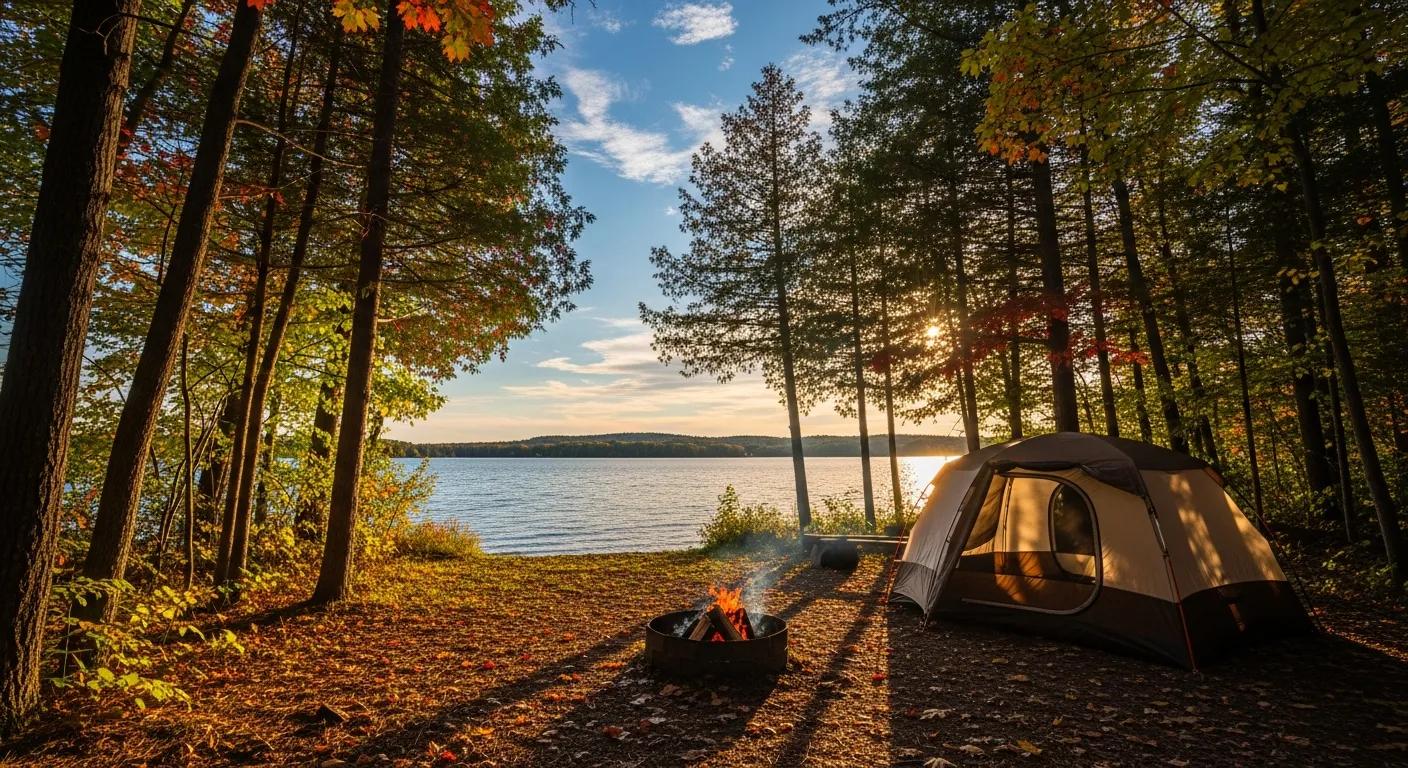
Plan your Michigan camping budget
“Extra costs” are the line-item charges that sit on top of a campsite’s base nightly rate—things campgrounds bill separately for amenities, services or guest behavior. That matters in Michigan: 2024 state park fee updates and different billing habits among private parks mean the advertised rate can be a starting point, not the whole bill. This guide walks through the most common fee types, how recent DNR changes affect trip planning, typical private-campground billing (like metered utilities), the trade-offs between seasonal and nightly stays, and practical ways to avoid surprises. You’ll find quick-reference tables and checklists to compare pet rules, metered electricity, guest and vehicle surcharges, amenity rentals, and seasonal inclusions. Along the way we use clear examples and highlight how The Oaks Campground by GatherGrounds models transparent pricing so you can plan with confidence. First, we’ll list the fees you’re most likely to encounter, then dive into state park changes, private-campground practices, seasonal economics, The Oaks’ transparency approach, and final budgeting tips.
What are the common extra fees at Michigan campgrounds?
Extra fees are charges for services or uses not covered by the campsite’s base rate. They exist because some amenities need staffing, maintenance or rentals. Campgrounds apply these charges in different ways—per night, per stay, flat rental, or metered usage—and that billing choice affects how easy it is to forecast your total cost. Identifying fee categories before you book reduces surprises and makes it easier to compare state parks with private resorts.
The list below summarizes typical categories, and the following table gives a compact view to compare how fees are commonly billed across campground types.
Common extra fee categories include:
- Pet fees: Charges to register pets or cover extra cleaning.
- Additional vehicle or guest fees: Per-vehicle or per-guest surcharges that help manage site occupancy.
- Metered utilities: Electricity or water billed by use rather than included in the site rate.
- Amenity rentals or premium-use fees: Charges for lake inflatables, golf carts, boat launches, laundry and similar services.
These categories explain why two nearby campgrounds with similar nightly rates can end up with very different final bills. The next step is understanding how each fee is calculated.
Fee types show up under different billing models at Michigan campgrounds; the table below highlights common pairings to help you compare options quickly.
This comparison makes clear that a fee name can mask different calculations—ask for the billing model rather than relying on a single number. With that context, here are the amenities that most often carry extra charges.
Which amenities typically incur additional charges?
Amenities that require equipment, staffing, maintenance or consumables are the ones most likely to be charged separately. Private campgrounds, in particular, often monetize premium recreational features. Expect extra charges for water attractions and inflatable parks, boat and paddleboard rentals, golf cart rentals, laundry machines, premium Wi‑Fi and special-event access. These are usually priced as rentals or per-use fees to cover upkeep and liability. When you see “lake access,” confirm whether that means free general access or paid rentals for seats, boards or inflatables. Knowing which amenities are usually extra helps you prioritize what to budget for.
How do pet fees and policies affect camping costs?
Pet fees vary and can materially change your trip cost. Typical models include per-night charges, a single per-stay fee, or one pet included with surcharges for additional animals. Some properties may require refundable deposits or assess cleaning fees for violations. Policies that affect value include leash rules, where pets are allowed, and documentation like vaccination records—these can create unexpected admin steps if not checked beforehand. Pet fees are meant to offset cleaning, damage and extra sanitation; ask for the exact billing method and any exclusions when you book so there are no surprises at checkout.
How have Michigan state park fee increases in 2024 changed camping costs?
Michigan’s 2024 state park fee updates raised nightly rates for certain campsite categories, which changes how campers calculate overall trip costs. The Michigan Department of Natural Resources targeted increases on modern and semi-modern sites to reflect maintenance and service needs, making direct price comparisons with private campgrounds more nuanced—private parks often bundle amenities differently. The Recreation Passport still affects entry fees, so whether you hold one changes the value proposition. Knowing these adjustments helps you weigh state-park reliability and conservation funding against private campgrounds’ amenity bundles when budgeting.
“Modern” and “semi-modern” site labels are tied to available utilities and facilities. The DNR increases hit higher-service categories more significantly: modern sites—those with fuller hookups—saw larger adjustments, while semi-modern and rustic sites were less affected. When comparing options, confirm whether “modern” means electricity and water are included or simply that the site is closer to facilities. Reviewing DNR notices will give exact numbers, but in practice state park camping now competes more closely with private campgrounds on price-for-service.
What are the new rates for modern and semi-modern campsites?
Generally, “modern” sites imply full hookups or on-site sewer dump facilities; “semi-modern” sites usually offer water and electricity but may lack sewer connections. The DNR’s 2024 adjustments raised fees for higher-service categories to cover infrastructure and upkeep, lifting the baseline cost for campers who want modern conveniences. For planning, treat modern sites as a higher-inclusion tier and semi-modern as a middle option where some utilities might still be metered or charged separately. Check official DNR resources for exact ranges and compare them to private campground bundles to find the best value for your needs.
How does the Michigan Recreation Passport influence fees?
The Michigan Recreation Passport is a vehicle decal or pass that waives or reduces state park entry fees and can lower total trip cost by removing per-vehicle day-use charges. It doesn’t always lower campsite nightly rates, but it often makes multi-day or multi-site trips more economical—especially for families planning several day visits. If you visit multiple state-managed sites in a season, the passport can quickly pay for itself. For single short trips, it may be cheaper to pay per entry. Estimate your number of park entries and compare that with any campsite rate differences introduced in 2024 to decide whether the passport is worth it for your trip.
What extra costs should you expect at private Michigan campgrounds?
Private campgrounds commonly add charges for utilities, amenity rentals and guest services. Operators may bill for metered electricity, premium attractions (like inflatable water parks), equipment rentals, vehicle or guest surcharges, reservation fees and nonrefundable deposits. Private parks often offer more recreational options than state parks, which can mean more itemized fees—handy if you only want certain paid features, but it complicates price comparisons when base rates differ. The table below lists typical private-campground add-ons and how they’re usually billed so you can ask the right questions.
How are metered utilities and amenity usage priced?
Metered utilities are billed either by actual consumption (kWh for electricity) or by a flat daily fee that approximates average use. kWh billing charges campers for what they use and is common for full-hookup RV sites with dedicated meters—this creates variability between light- and heavy-usage stays. Flat daily fees give predictable budgeting but may be costly for low-usage visitors. Some properties pair either model with caps or thresholds to limit extremes. When booking, ask if electricity is included, metered, or flat-rate and request examples of past bills or meter-read policies to estimate costs.
What guest and additional vehicle fees are common?
Guest and additional vehicle fees manage occupancy and parking and can be charged per person, per vehicle, per night or per stay depending on property rules and parking capacity. These fees help cover extra trash, restroom use and insurance exposure tied to unregistered visitors. To avoid unexpected charges, consolidate vehicles when possible, register all guests in advance, and confirm whether day visitors will be charged. Verify parking rules at booking so your group’s arrival plans match the campground’s policy.
How do seasonal and nightly camping rates compare in Michigan?
Seasonal and nightly rates differ in payment model, predictability and included services. Seasonal leases typically bundle storage, a preferred site assignment and sometimes utilities; nightly stays offer flexibility but often carry per-use fees. Seasonal sites suit people who plan extended use or frequent visits and want a lower effective per-night cost; nightly reservations work best for short trips or one-off weekends. When comparing, weigh included utilities, amenity access, upfront deposits and how itemized a campground’s billing is. The list below highlights the main trade-offs.
- Predictability vs. flexibility: Seasonal leases fix costs; nightly stays let you pick dates as you go.
- Included services: Seasonal sites often include storage and some utilities; nightly stays may charge those separately.
- Upfront commitment: Seasonal agreements usually require longer commitments and deposits; nightly reservations do not.
What are the cost benefits of seasonal sites versus nightly stays?
Seasonal sites usually lower your effective per-night cost because fixed expenses—reservation overhead, some utilities and storage—are bundled into one recurring payment. That makes seasonal leasing attractive for locals or repeat visitors who use the site often and want predictability. Downsides include less flexibility, potential long-term contracts and larger upfront payments than a single night’s fee. To decide, estimate how many nights you’ll use the site and compare the bundled seasonal cost to the total of nightly rates plus common add-ons.
Which amenities are included or extra in seasonal versus nightly rates?
Seasonal sites commonly include storage, consistent site assignment and sometimes partial utilities or priority amenity access. Nightly stays often bill those same services as add-ons. Seasonal inclusions may carry caps or restrictions, so review contract language carefully—what looks included could have limits. Compare the exact list of included services versus add-on charges to see which option fits your habits.
What transparent pricing does The Oaks Campground offer for amenities and fees?
The Oaks Campground by GatherGrounds emphasizes clear pricing and straightforward amenity disclosure, making it a useful example for campers who want predictable bills. The Oaks offers full-hookup and seasonal sites, a swimming lake (with a Wibit water park planned for 2025), a fishing pond, golf cart trails, playgrounds and regular weekend events, and the property focuses on clearly communicating what’s included versus what’s extra. GatherGrounds Resorts is slated to assume full ownership and operations at the close of the 2024 season, which may affect reservation and policy continuity. The table below maps common site types and major amenities to whether they’re typically included or may carry additional charges at The Oaks so you know what to expect when booking.
Which amenities are included and which have additional costs at The Oaks?
At The Oaks, core site features tied to a site type—like full hookups for RV sites—are presented as included, while specialty attractions and rentals are typically itemized as optional extras. For example, general lake access and the playground are part of the guest experience, but new or specialized attractions such as the planned Wibit water park will probably require a separate reservation or fee. This clear split helps campers know which costs to expect and which will vary by activity. Always request the current amenity fee list when you reserve to confirm what’s included for your dates and site type.
What are The Oaks Campground’s pet policies and associated fees?
The Oaks encourages guests to review pet policy details and any fees at reservation time rather than assuming rules. Pet allowances can change by site type or event schedule, and cleaning requirements or restricted zones may apply. Check leash areas, vaccination documentation and any per-night or per-stay fees before arrival. For exact pet fee structures and rules, consult The Oaks’ reservation information so your party arrives prepared and avoids unexpected charges. Clear communication on these points helps everyone have a smoother stay.
How can campers avoid hidden costs and budget effectively for Michigan camping?
Avoiding hidden costs starts with asking specific questions, getting written confirmations and budgeting conservatively—treat likely add-ons as part of your expected costs. Before you book, request an itemized fee list showing base nightly rates, any per-night or per-stay pet fees, guest and vehicle surcharges, metered utility policies, amenity rental fees and event-related charges. Insist on written confirmation of what’s included. Use the checklist below as a booking script and verification tool, and favor providers that highlight transparent pricing to reduce surprises. These steps make it easier to compare total trip costs across state parks and private campgrounds and pick the option that fits your needs.
Pre-trip checklist to avoid hidden fees:
- Confirm the billing model for electricity and water and ask for examples of past bills or meter-read policies.
- Ask whether pets incur per-night or per-stay fees and what documentation or restrictions apply.
- Verify guest/vehicle allowances and any associated per-person or per-vehicle charges.
What are common unexpected fees to watch for?
Unexpected fees often include late checkout penalties, cleaning or damage surcharges, event or special-activity access fees, fines for unregistered vehicles, and charges tied to misusing restricted amenities. These typically arise when booking confirmations lack detail or site rules aren’t explicit. To avoid them, get explicit terms on checkout times, deposits and damage policies, event schedules that could trigger extra charges, and enforcement for unregistered guests or vehicles. Written confirmation minimizes disputes and helps you decide if a campground’s transparency matches your comfort level.
What tips help campers plan for amenity and extra charges?
Ask for an itemized fee schedule at booking, estimate high for variable costs like metered electricity, consolidate vehicles to avoid extra vehicle fees, and decide which amenities are must-haves versus nice-to-haves. With private campgrounds, request historical utility usage or flat-rate options and ask about package deals that bundle commonly used amenities at a discount. Choose providers that list clear inclusions—like The Oaks’ transparent model—to reduce ambiguity and make budgeting reliable. End your reservation call by confirming the total estimated charges and any refundable deposits so there are no surprises at checkout.
This guide presents practical frameworks and checklists while using The Oaks Campground by GatherGrounds as a short transparency example. For up-to-date booking and The Oaks’ current fee list, consult their reservation information to confirm exact charges and secure your dates.
Frequently Asked Questions
What should I consider when comparing state parks and private campgrounds in Michigan?
Compare the amenities offered, how extra fees are billed, and how clearly prices are disclosed. State parks usually have fewer frills but a more natural setting and consistent rules. Private campgrounds often offer more recreational options but with itemized charges. Look at total cost—including utilities, rentals and guest access—and pick the option that fits your budget and camping style.
How can I effectively budget for a camping trip in Michigan?
Start with base rates, then add likely extras: pet fees, utility charges, amenity rentals and guest or vehicle surcharges. Ask for an itemized fee schedule when booking and build a buffer for surprises. Consider how long you’ll stay and which amenities you’ll use to prioritize expenses.
What are the benefits of booking a seasonal site versus nightly stays?
Seasonal sites usually offer a lower effective per-night cost and bundle services like storage and some utilities—good for frequent visitors. Nightly stays give flexibility without long-term commitments. Compare the bundled seasonal cost to the sum of nightly fees and common add-ons to see which makes financial sense for you.
What are some common mistakes campers make when budgeting for extra fees?
Underestimating utilities, overlooking pet fees and forgetting guest or vehicle surcharges are typical mistakes. Campers also skip asking about amenity usage specifics. Ask detailed questions when booking and request a full list of potential charges so your budget reflects the true trip cost.
How can I ensure that I understand the campground’s pet policies and fees?
Ask directly during booking about fee structure—per night or per stay—and any cleaning charges. Clarify where pets are allowed, leash rules and required documentation like vaccinations. Getting this information up front prevents surprises and helps you plan for a smooth arrival.
What should I do if I encounter unexpected fees during my stay?
First, review your booking confirmation and any provided documentation. If a charge doesn’t match what was communicated, speak calmly with campground management and ask for clarification or a detailed breakdown. Clear communication often resolves misunderstandings; keep copies of your reservation and any written confirmations.
Conclusion
Knowing the common extra costs of camping in Michigan helps you budget confidently and enjoy your trip without surprises. By asking specific questions, requesting written fee lists and choosing campgrounds that publish clear inclusions—like The Oaks Campground—you’ll be better prepared. Reach out to campgrounds for current fee details before you book, and start planning your next outdoor getaway with predictable costs and peace of mind.