
Sell Your Campground Fast with Expert Brokers for a Smooth, Family-Focused Transition
Looking to sell your campground quickly? It takes a smart plan that balances speed, value, and keeping your property’s legacy alive. This guide walks you through how expert campground brokers and direct buyers can speed up your sale, what valuation methods shape offers, and how to keep your park’s spirit intact during a fast transaction. If you’re searching for “sell my campground quickly” or “sell RV park fast,” you’ll find clear steps, seller priorities, and ways to choose between a broker or a direct sale. We’ll cover why brokers bring rapid market exposure, a streamlined, confidential sale process, smart tactics to boost your sale value, and what buyers look for in today’s market. You’ll also get a handy checklist for documents, a timeline overview, and tips for finding buyers who care about stewardship. Dive in for actionable advice, EAV tables showing what drives price, and sample lists for a faster, legacy-minded sale.
Why Choose Expert Campground Brokers for a Fast Sale?
Expert campground brokers accelerate sales by tapping into targeted buyer networks, using industry-specific marketing, and managing a structured negotiation process that quickly turns interest into offers. This works because brokers package your campground’s key features—sites, amenities, bookings, and vendor contracts—into compelling presentations that buyers can quickly assess, leading to faster matches and often competitive bidding. The clear advantage? Less time to an offer and professional handling of confidentiality and deal mechanics. Understanding these broker strengths helps you decide if broad market exposure or a direct buyer is the better route for speed and legacy preservation.
What Are the Advantages of Using Campground Brokers?
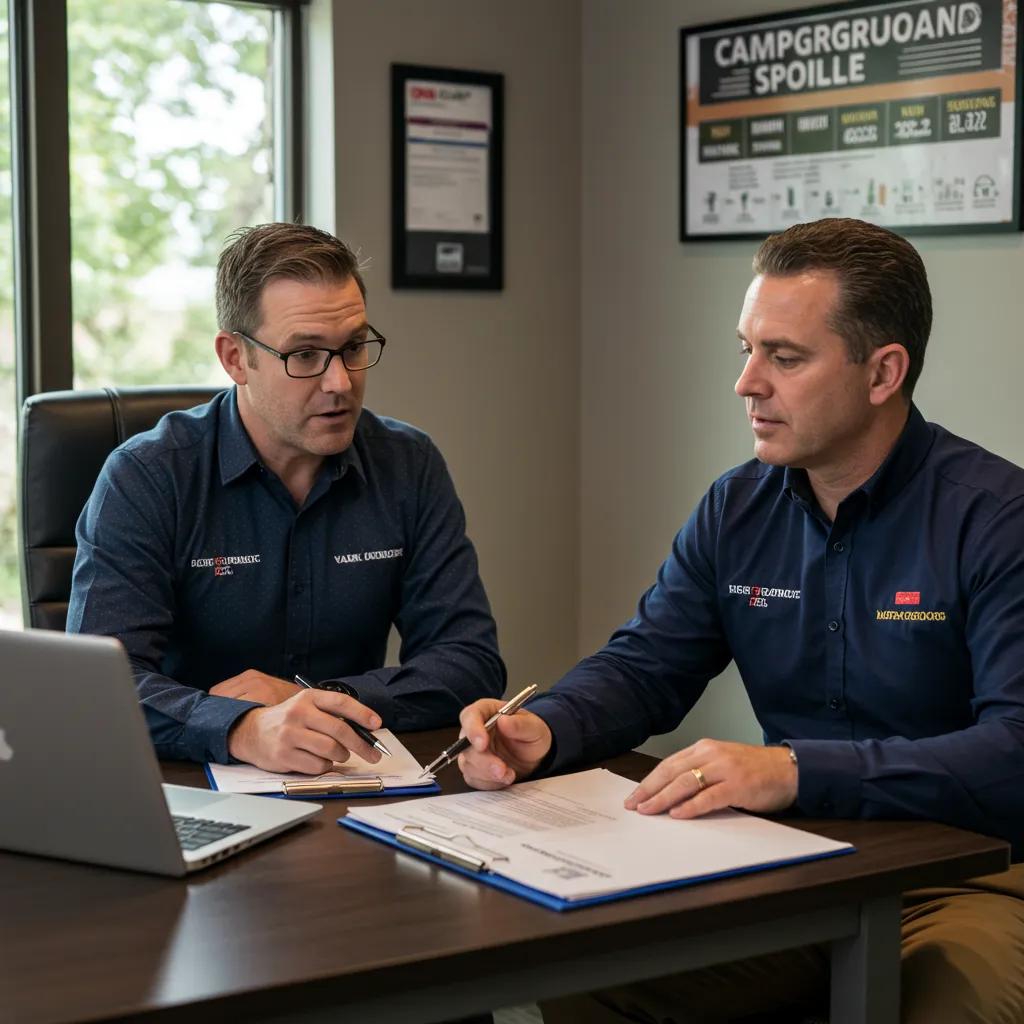
Brokers offer three practical advantages that shorten sale timelines, protect your interests, and expand your buyer reach. First, they provide market access and targeted buyer matching through investor lists and industry contacts, cutting down the discovery phase and increasing competitive offers. Second, they prepare financial and operational materials—like NOI summaries, occupancy reports, and amenity inventories—allowing prospective buyers to quickly evaluate value. Third, brokers manage confidentiality through controlled marketing and NDAs, minimizing operational disruption and community concern. These advantages naturally lead into how brokers specifically speed sales through their marketing and packaging tactics.
How Do Expert Brokers Help Sell Your RV Park Quickly?
Brokers speed up RV park sales by combining precise financial packaging, professional presentation, and investor outreach that compresses typical marketing windows. They create data-rich prospectuses, highlight key assets like cabins and sites, and coordinate virtual tours and financial disclosures so qualified buyers can make informed offers faster. Brokers often pre-qualify buyers and schedule staggered due diligence, shortening the negotiation phase and preventing unnecessary delays. This operational efficiency sets clear expectations for timelines and prepares you for the trade-offs between exposure and immediacy.
What Makes a Broker Different from a Direct Buyer?
A broker acts as an intermediary focused on maximizing market exposure and competitive tension, while a direct buyer offers immediacy and transaction certainty by purchasing the property outright. Brokers typically generate multiple bids and may achieve higher sale prices, though this can involve longer listing periods and broker fees. Direct buyers, on the other hand, reduce time-to-close and can offer smoother confidentiality, sometimes at a lower price multiple. Sellers prioritizing maximum proceeds and broad buyer choice often opt for brokers; those prioritizing speed, simplicity, and a stewardship-focused transition may favor direct buyers. Understanding these differences clarifies which path aligns best with your timeline and legacy goals.
How Does the Campground Selling Process Work with Expert Brokers?
The campground selling process with expert brokers follows defined phases—initial confidential exchange, valuation and marketing, negotiation and due diligence, then closing—each designed to protect your value while accelerating progress. These sequential steps work because brokers gather essential data (sites, revenue, leases), translate it into valuation metrics, and present it to a vetted buyer pool, ensuring offers arrive sooner and negotiations start from informed positions. The benefit to you is a predictable timeline with professional coordination that reduces surprises and speeds execution.
What Are the Key Steps in Selling a Campground or RV Park?
The key steps below outline a streamlined broker-led or direct-sale path designed for fast outcomes and clear timeline expectations.
- Confidential Initial Conversation: Share high-level property details under NDA to assess interest and fit.
- Valuation & Information Package: Compile revenue, occupancy, site counts, and amenity lists to produce a formal valuation.
- Marketing / Direct Offer: Broker lists to qualified buyers or direct buyers prepare an offer based on the package.
- Negotiation & Letter of Intent: Parties agree on major terms, price, and contingencies to enter due diligence.
- Due Diligence & Contingency Removal: Title, environmental, and financial reviews conclude; seller supports requested documents.
- Closing & Transition Planning: Final closing with agreed handover plan for staff, operations, and legacy commitments.
This checklist clarifies where time typically accumulates and leads into how valuation and marketing support each phase.
Here’s a timeline table explaining typical durations and deliverables:
This timeline table shows how concentrated preparation and targeted outreach can compress the calendar; next, we explain the valuation and marketing mechanics that feed these phases.
How Do Brokers Assist with Valuation and Marketing?
Brokers use established valuation methods—income approach (NOI and cap rates), comparable sales, and cost considerations—to determine a defensible asking price that appeals to investors. They assemble marketing collateral including financial summaries, virtual tours, photo libraries, and amenity inventories that highlight key strengths like cabin units, hookups, and recreational facilities. By packaging RV park valuation metrics and market trends into succinct prospectuses, brokers shorten buyer analysis time and prompt faster offers. This valuation clarity then supports smoother negotiation and quicker contingency resolution.
What Should Sellers Expect During Negotiation and Closing?
During negotiation and closing, expect a focused cadence of counteroffers, contingency alignment, and staged disclosures that protect confidentiality while enabling buyer verification. Common contingencies include financial verification, title and environmental assessments, and lease or vendor contract reviews, which can be managed with prepared documentation to expedite timelines. Sellers who proactively assemble records and anticipate typical buyer questions reduce friction and accelerate contingency removal. Preparing clear operational transition plans also smooths the final handover and maintains community confidence.
How GatherGrounds Works
GatherGrounds Resorts is a family-owned acquirer focused on preserving a campground’s heart, stewardship, and legacy while executing thoughtful transitions. Our direct-buyer model involves confidential initial conversations, targeted property evaluation, and operational transition planning with an emphasis on direct communication with owners and operators. Sellers prioritizing stewardship and a faster, no-nonsense sale can request a confidential conversation with GatherGrounds Resorts to explore acquisition fit and transition options. This practical example illustrates how a family-owned acquirer can parallel broker timelines while adding legacy-focused assurances.
How Can I Sell My Campground Fast While Preserving Its Legacy?
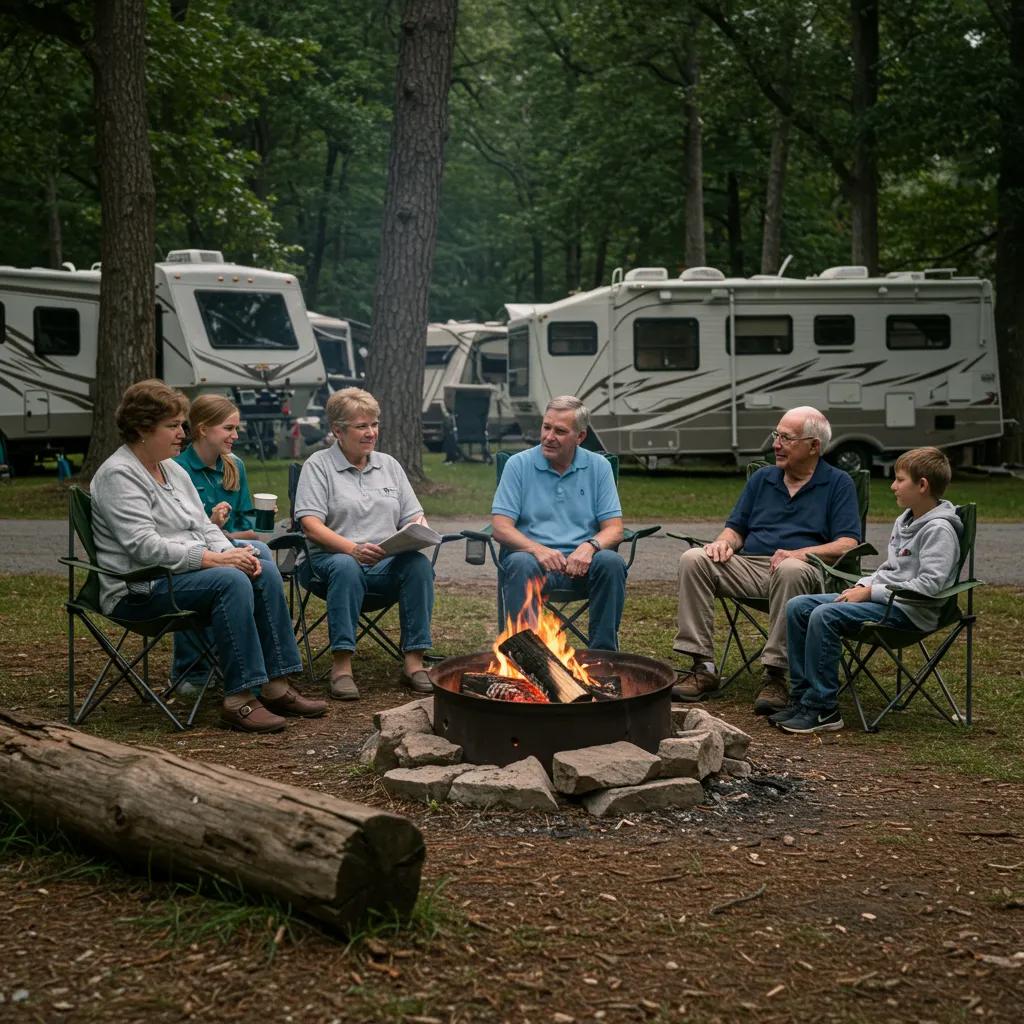
Selling quickly while preserving legacy means choosing buyers and processes that protect brand identity, staff continuity, and long-standing community relationships while achieving rapid transaction closure. The mechanism involves targeted vetting of buyers for stewardship commitments, preparing legacy documentation (traditions, guest records), and selecting sale terms that include transition collaboration. The benefit is a faster sale that avoids unwanted operational changes and respects your intent. Prioritizing stewardship reduces community disruption and helps preserve long-term guest loyalty.
Why Is Preserving Your Campground’s Heart and Soul Important?
Preserving a campground’s heart and soul matters because community trust, local partnerships, and guest loyalty are intangible assets that sustain revenue and brand value over time. These social and experiential elements—traditions, staff knowledge, signature events—translate into repeat bookings and word-of-mouth, which buyers value when forecasting future NOI. Protecting these elements can increase buyer interest and sometimes yield higher offers from stewardship-minded acquirers. Recognizing these connections leads to practical vetting steps to ensure continuity after sale.
How Do Family-Owned Buyers Like GatherGrounds Ensure a Thoughtful Transition?
Family-owned acquirers such as GatherGrounds Resorts ensure thoughtful transitions by committing to direct communication with owners, retaining staff where feasible, and preserving legacy programming and community relationships. Our process typically includes owner transition meetings, offering staff retention plans, and honoring key traditions in onboarding documents so guests experience continuity. This stewardship-focused approach reduces cultural disruption and reassures sellers that their campground’s identity will be maintained. Understanding these practices informs seller selection criteria for speed plus legacy protection.
What Are the Benefits of Selling to a Family-Owned Acquisition Company?
Selling to a family-owned acquisition company offers benefits including personalized negotiation, shorter decision chains, stewardship priorities, and a collaborative transition plan that values legacy preservation. Such buyers often prioritize long-term operational continuity over immediate asset liquidation, which can reassure owners who care about staff and community impact. The advantage for sellers seeking both speed and a respectful handover is a smoother closing and more controlled public messaging. These benefits make family-owned buyers a compelling option for owners whose primary objective is legacy continuity alongside a fast sale.
What Are the Best Strategies to Maximize Your Campground’s Sale Value?
Maximizing sale value quickly requires clear financial housekeeping, targeted capital improvements that yield immediate ROI, and packaging property strengths into an attractive, buyer-ready prospectus. The mechanism is straightforward: improving NOI, demonstrating stable occupancy, and highlighting desirable amenities directly raise buyer valuations under income and comparable approaches. The result is faster offers at stronger prices, especially when buyers can see immediate upside or operational stability.
How Can You Prepare Your Campground for a Quick Sale?
A prioritized preparation checklist speeds sale readiness by focusing on documents, low-cost repairs, and guest-data presentation that investors use in valuation. Begin by organizing financial statements, occupancy reports, vendor contracts, and site inventories; next, complete curated maintenance such as signage, campsite leveling, and amenity cleaning to improve first impressions. Finally, assemble guest feedback or retention metrics to demonstrate recurring revenue and community value. These preparations reduce due diligence friction and position the property for faster offers.
Key short-term improvements that commonly deliver strong seller ROI:
- Essential Document Organization: Financials, leases, and occupancy reports in an accessible package.
- Curb Appeal Upgrades: Signage, landscaping, and campsite repairs that improve first impressions.
- Amenity Readiness: Ensure cabins, hookups, and common areas are operational and well-documented.
These actions directly support valuation methods and help pivot to the next topic: how brokers and buyers calculate offers.
Here’s an EAV table comparing attributes to buyer interest and price impact:
This comparison shows which attributes buyers weigh most heavily and what you should prioritize before listing.
What Valuation Methods Do Expert Brokers Use?
Brokers typically apply three valuation methods—income approach (NOI and cap rates), comparable sales, and cost/replacement approach—to triangulate a defensible value. The income approach converts expected NOI into a value using market cap rates, which is especially relevant for operating campgrounds with predictable cash flow. Comparable sales provide market-context adjustments for location and amenity differences, while the cost approach helps assess land and replacement costs for newer assets. Combining these methods yields realistic price expectations that inform faster, more credible offers.
How Do Market Trends Affect Campground Sale Prices in 2025?
Market trends in 2025 show nuanced demand drivers: increased interest in outdoor hospitality, selective investor appetite tied to financing conditions, and growing preference for amenities like glamping and reliable internet. These trends influence cap rates and buyer willingness to pay premiums for modernization and diversified revenue streams. Sellers should emphasize amenity upgrades that match current demand and present forward-looking revenue scenarios to capture buyer interest. Practical takeaways include prioritizing investments that directly improve NOI and marketability in the current financing environment.
Who Is the Ideal Seller for Expert Campground Brokers and Buyers?
The ideal seller for brokers versus direct buyers depends on motivation, property profile, and desired timeline: retiring owners seeking valuation maximization may prefer brokers, while owners needing speed and stewardship may target direct buyers. This decision-making framework maps seller types and property attributes to optimal sale routes. The benefit is matching your goals to a sale strategy that optimizes speed, price, and legacy outcomes.
What Types of Campgrounds and RV Parks Are Most Sought After?
Buyers seek properties with defined scale, stable revenue, and attractive amenities; specifically, campgrounds with higher site counts, consistent occupancy, and revenue diversification attract stronger buyer competition. Preference for properties with over 130 sites is notable among acquisition-focused buyers, as scale improves operational leverage and investor returns. Desirable amenities—cabins, robust hookups, and recreational facilities—further boost appeal. Understanding these buyer priorities informs your decisions on whether to invest in upgrades or present the property as-is for a faster sale.
Here’s a table mapping seller types to match criteria:
This table clarifies which sellers align with brokers versus direct acquirers and leads into retirement-specific considerations.
How Does Retirement Influence the Decision to Sell Your Campground?
Retirement often prompts owners to prioritize certainty, timeline control, and legacy considerations, which affects the choice between brokered sales and direct buyers. Sellers nearing retirement may favor direct acquisitions for faster closures and simpler transitions, while those wanting to maximize proceeds might accept a longer brokered sale to capture competitive offers. Early planning—timeline mapping, succession documents, and financial advice—enables owners to set clear expectations and choose the route that best balances cash needs and legacy goals.
What Are the Signs It’s Time to Sell Your Campground Business?
Common signs it’s time to sell include declining occupancy, mounting operational stress, desire to retire, or when recruitment and capital needs outpace owner bandwidth; these indicators affect both timing and negotiation posture. Operational metrics such as falling NOI, rising maintenance backlogs, or sustained staffing shortages signal readiness to explore a sale. Personal readiness and strategic timing—aligning market conditions with personal goals—should guide the decision. Recognizing these signs allows sellers to prepare documents and select a sale path that meets their urgency and preservation objectives.
How Do Expert Brokers Ensure a Smooth and No-Pressure Selling Experience?
Expert brokers create no-pressure selling environments through confidential initial conversations, staged disclosures, and personalized negotiation approaches that respect seller timelines and legacy concerns. The mechanism is designed to reduce stress by controlling buyer access to sensitive information and by setting measured expectations for offers and timelines. The key benefit for sellers is a transparent, low-friction process that keeps operational disruption minimal and preserves relationships with staff and guests.
What Does a No-Pressure Conversation Look Like?
A no-pressure conversation begins with an introductory call that focuses on your goals, basic property facts, and confidentiality preferences, with the broker asking targeted questions and offering options rather than pushing immediate listings. Typical questions cover site count, revenue trends, staff structure, and desired timing, while broker responses outline potential routes—broker listing, targeted sale, or direct acquisition—and their implications. This initial exchange aims to build trust, establish boundaries, and map next steps without obligation. Such a tone naturally prepares sellers for the staged marketing or direct-offer options that follow.
How Is Confidentiality Maintained During the Sale?
Confidentiality is maintained through NDAs, controlled prospectus distribution, and staged disclosure where sensitive documents are shared only with qualified buyers during due diligence. Brokers commonly anonymize listings in early outreach and require proof of funds or buyer qualifications before disclosing detailed financials or staff information. These practices protect current operations, minimize community speculation, and preserve goodwill among guests and staff. Executing confidentiality protocols early reduces risk and supports a smoother transition process.
What Support Is Provided for Owners and Staff During Transition?
Support during transition typically includes staff retention discussions, operational onboarding, and communication planning to minimize disruption and honor legacy practices. Buyers and brokers may organize knowledge-transfer sessions, introduce transition teams, and establish short-term retention incentives to maintain service quality. Clear transition timelines and role definitions ease staff concerns and preserve guest experience continuity. Proactive transition planning helps protect occupancy and revenue in the immediate post-sale period.
What Are Common Questions About Selling Campgrounds to Expert Brokers?
Sellers commonly ask about timeline ranges, tax implications, structuring the sale, and how to find reliable brokers; concise answers help owners make informed choices quickly. Addressing these common questions with straightforward timelines, decision factors, and recommended next steps enables faster planning and reduces uncertainty. The information below provides practical guidance and points sellers toward professional advisors for specialized matters.
How Long Does It Typically Take to Sell a Campground?
Sale timelines vary: brokered listings often take several months to find the right buyer and close, while direct sales can complete in weeks when both parties are prepared. Typical brokered sale windows range from 3–9 months depending on market conditions and preparation, whereas direct acquisition can compress to 4–12 weeks if valuation and due diligence move swiftly. Key variables include document readiness, market demand, site complexity, and buyer financing. Preparing organized records and choosing the right sale path directly influence duration.
What Are the Tax Implications of Selling a Campground?
Tax considerations for campground sales commonly include capital gains, depreciation recapture, and allocation between real estate and business assets; the exact impact depends on sale structure and seller tax status. Sellers should consult tax professionals to analyze outcomes of asset sale versus equity sale or real estate-only transactions, as allocations affect tax liabilities. Early tax planning enables negotiation of favorable terms and helps sellers evaluate net proceeds. Professional advice reduces surprises and supports quicker, better-informed decisions.
Should I Sell My Campground as a Business or Real Estate Only?
Choosing between selling the business, equity, or real estate-only depends on buyer preference, tax consequences, and seller goals; each structure has trade-offs for price and liability transfer. Business or asset sales can command higher enterprise value by including goodwill and operational systems, while real estate-only sales simplify ownership transfer but may limit buyer pool. Buyers with operational plans may prefer asset-inclusive deals, whereas some investors seek land acquisitions. Evaluating buyer appetite and tax implications guides the optimal transaction structure.
How Do I Find a Reliable Campground Broker?
Finding a reliable broker requires vetting experience in outdoor hospitality real estate, requesting references, reviewing closed transactions, and confirming industry-specific networks; red flags include lack of references or vague timelines. Ask prospective brokers about their buyer lists, marketing approach, typical timelines, and confidentiality practices to gauge fit. Comparing proposals and checking references reduces risk and accelerates selection. A trusted broker shortens the process and aligns sale strategy with seller priorities.
What Is My Campground Worth and How Is It Determined?
A quick value estimate requires key data points: number of sites, annual revenue, NOI, occupancy rates, and amenity inventory; brokers use these inputs with cap rates and comparables to estimate value. Sellers can assemble a simple package—last three years of financials, site map, and occupancy trends—to obtain preliminary valuations. Formal valuation combines income, comparable sales, and cost approaches to produce a defensible price range for offers. Preparing these data accelerates credible offers and smooths negotiations.
Tables and lists summary: The EAV comparisons and timeline tables above show which attributes buyers prioritize and the realistic pace of each sale phase. By organizing financials, prioritizing targeted improvements, and choosing the sale path that matches your timing and legacy goals, you can sell your campground faster and with confidence.
How GatherGrounds Resorts can help: GatherGrounds Resorts is a family-owned company focused on acquiring and operating campgrounds and RV parks primarily in the upper Midwest, seeking properties—especially those with over 130 sites—that align with stewardship and legacy preservation. Owners who want a confidential, family-focused sale conversation can confidentially explore options with GatherGrounds Resorts to determine fit and transition planning.
Frequently Asked Questions
What Factors Should I Consider When Choosing Between a Broker and a Direct Buyer?
When deciding between a broker and a direct buyer, consider your priorities such as speed, sale price, and legacy preservation. Brokers typically offer broader market exposure and competitive bidding, which can lead to higher sale prices but may take longer. In contrast, direct buyers can provide a quicker, more straightforward transaction, often with less complexity. Assess your timeline, financial goals, and the importance of maintaining your campground’s identity to determine the best fit for your needs.
How Can I Ensure My Campground Attracts Serious Buyers?
To attract serious buyers, focus on enhancing your campground’s appeal through strategic improvements and effective marketing. Start by organizing financial documents and showcasing occupancy rates, revenue trends, and unique amenities. Consider making low-cost repairs and upgrades to improve curb appeal. Additionally, work with a broker who understands your market and can create a compelling prospectus that highlights your campground’s strengths, ensuring it stands out to potential buyers.
What Are the Common Mistakes to Avoid When Selling a Campground?
Common mistakes when selling a campground include inadequate preparation, unrealistic pricing, and poor communication with potential buyers. Failing to organize financial records or neglecting necessary repairs can deter buyers. Setting an asking price without proper valuation can lead to prolonged listings or low offers. Additionally, not maintaining confidentiality can create community concerns. Avoid these pitfalls by preparing thoroughly, consulting with experts, and being transparent yet strategic in your communications.
How Important Is It to Maintain Confidentiality During the Selling Process?
Maintaining confidentiality during the selling process is crucial to protect your campground’s reputation and operational stability. Disclosing sensitive information prematurely can lead to community speculation, staff anxiety, and potential disruptions in operations. Using non-disclosure agreements (NDAs) and controlled marketing strategies helps ensure that only qualified buyers receive detailed information. This approach not only preserves goodwill among guests and staff but also enhances the overall selling experience by minimizing unnecessary stress.
What Should I Include in My Campground’s Information Package for Buyers?
Your campground’s information package should include comprehensive financial documents, occupancy reports, and a detailed list of amenities. Include historical revenue data, site maps, and any unique features that set your campground apart. Highlight operational efficiencies, guest feedback, and community relationships to provide potential buyers with a clear understanding of the property’s value. A well-prepared package can significantly expedite the buyer’s evaluation process and lead to quicker offers.
How Can I Prepare for Buyer Due Diligence?
Preparing for buyer due diligence involves organizing all relevant documents and ensuring transparency. Gather financial statements, occupancy reports, vendor contracts, and maintenance records. Be ready to provide information on environmental assessments and title documents. Anticipate common buyer questions and prepare clear answers to facilitate the process. By being proactive and organized, you can streamline due diligence, reduce potential friction, and enhance buyer confidence in your campground’s value.
What Role Does Market Timing Play in Selling My Campground?
Market timing plays a significant role in selling your campground, as it can influence buyer demand and sale prices. Understanding seasonal trends, economic conditions, and local market dynamics can help you choose the optimal time to list your property. For instance, selling during peak camping seasons may attract more buyers, while economic downturns could lead to lower offers. Staying informed about market conditions and aligning your sale with favorable trends can enhance your chances of a successful transaction.
Conclusion
Selling your campground quickly while preserving its legacy is achievable with the right strategies and expert guidance. By leveraging the strengths of professional brokers or family-owned buyers, you can ensure a smooth transition that respects your property’s heart and soul. Prioritize your goals and prepare your property effectively to attract the right buyers and maximize your sale value. Take the next step by exploring our resources or contacting a trusted broker today.