Dog-Friendly Campgrounds in Michigan for Your Next Adventure
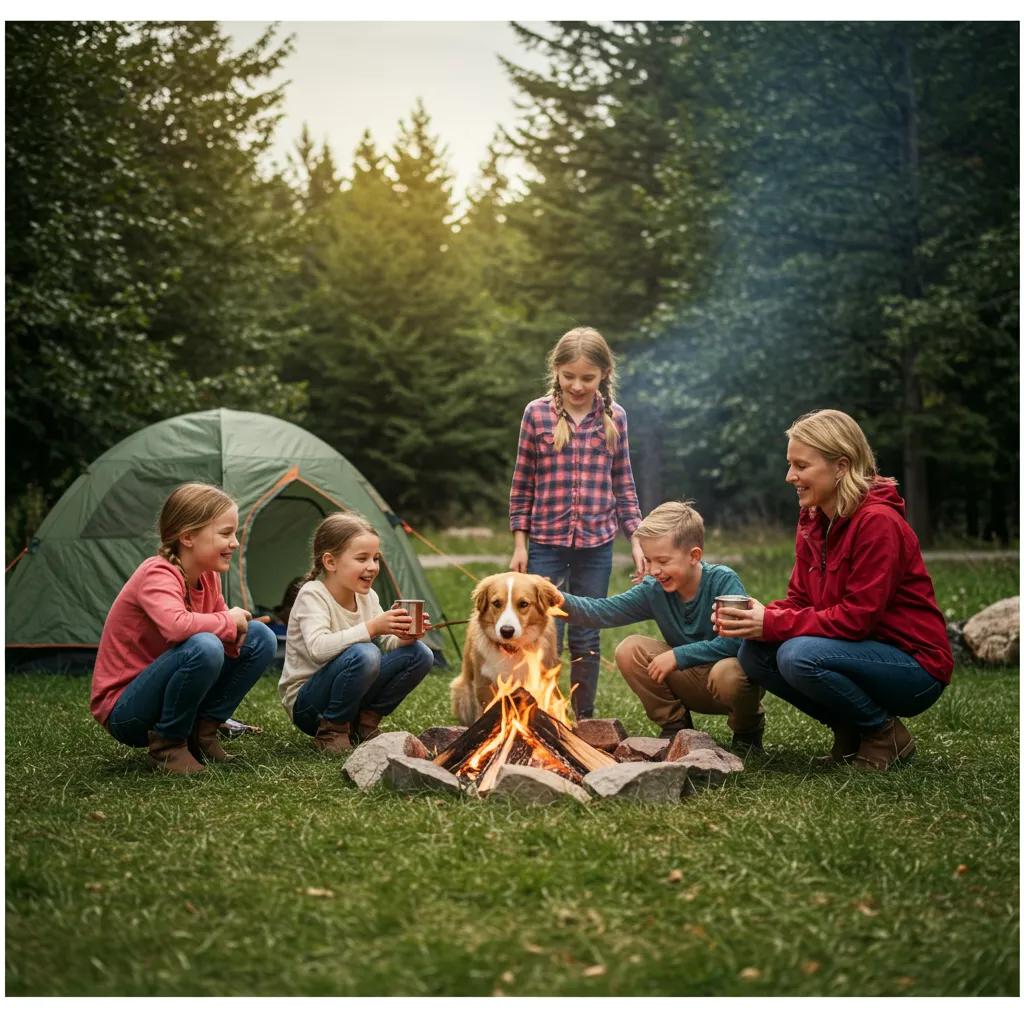
Bringing your dog along on a camping trip transforms a simple getaway into a shared outdoor adventure. It means your whole family can enjoy hiking, playing by the water, and gathering around the campfire together. This guide will walk you through what makes a campground truly dog-friendly, the essential pet policies you need to be aware of, the amenities that make a big difference for your canine companion, fun activities you can do with your dog, and the best places to stay. You’ll get practical tips for packing and booking, plus advice on how to pick the perfect campground. We’ve woven in keywords like “camping spots that welcome pets,” “dog friendly camping Michigan,” and “campgrounds with dog parks near me” to help you find exactly what you’re looking for. We know many families worry about rules, cleanliness, and safety when traveling with dogs, so this article offers clear solutions, easy-to-use checklists, and local examples to ease your mind. Get ready for straightforward policy summaries, amenity comparisons, and tips for choosing RV or tent sites that make camping with your dog a breeze.
Why Choose Dog-Friendly Campgrounds for Your Family Adventure?
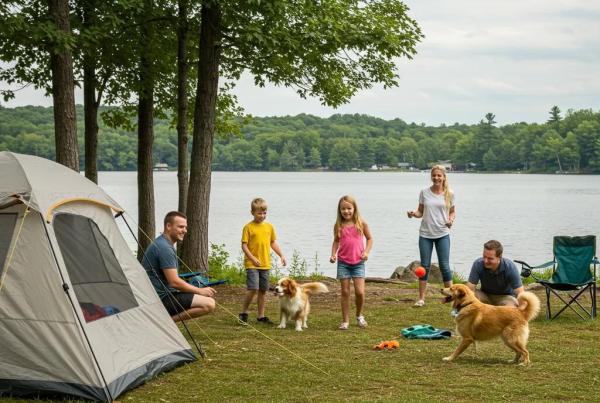
Dog-friendly campgrounds allow your whole family, including your furry members, to dive into outdoor fun. These spots create shared experiences that strengthen bonds and boost everyone’s well-being. Campgrounds that welcome pets do so by offering specific policies and amenities designed to make things smoother, like dedicated play areas and convenient waste stations, ensuring a cleaner and safer stay for all. Choosing a pet-friendly site also opens up more activity options – think walks, riverside fun, and chances for your dog to socialize – so both pets and people get plenty of exercise and enrichment. The following sections will guide you on what to look for and how to plan for a trip that’s enjoyable for everyone.
What Makes a Campground Truly Dog Friendly?
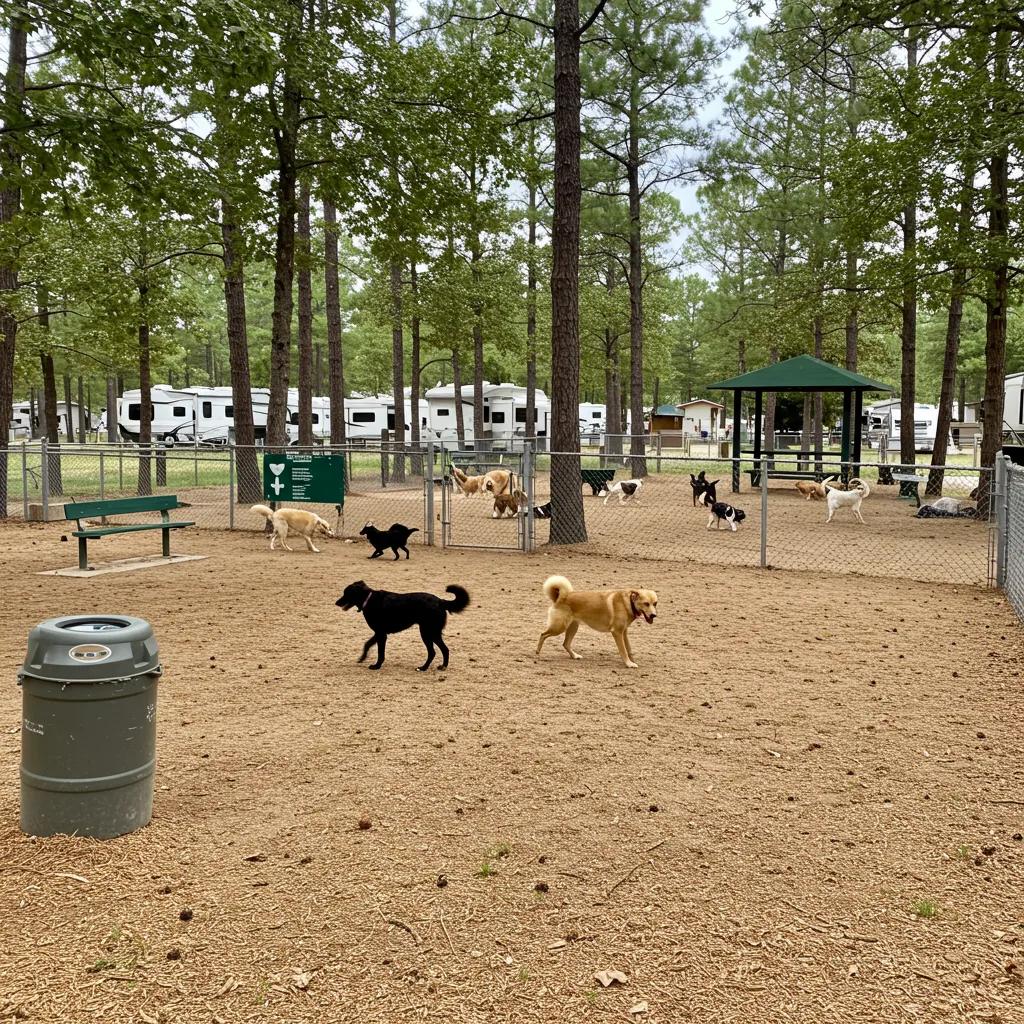
A truly dog-friendly campground goes beyond just allowing pets; it offers clear policies, thoughtful amenities, and helpful signage to guide visitors. Look for features like off-leash dog parks, readily available pet waste stations, convenient pet wash areas, and clearly marked trails where leashed dogs are welcome. These elements help prevent conflicts and minimize environmental impact. Think of it this way: a dog park is a key part of a campground that provides a safe space for your dog to run free. Understanding these specific features will help you choose campgrounds that perfectly match your dog’s energy and social needs, making your family’s camping experience even better.
How Do Dog-Friendly Campgrounds Enhance Family Camping Experiences?
Dog-friendly campgrounds simplify your trip by eliminating the need for pet-sitting and offering everyone opportunities for shared activities that create lasting memories. Amenities like spacious play areas and nearby trails mean less time spent managing your pet and more time enjoying active play and relaxation together. When rules are clear and consistently enforced, you can expect a safer and cleaner environment, making your stay more comfortable for kids and adults alike. This makes pet-friendly campgrounds an excellent choice for families seeking a practical, stress-free outdoor escape.
What Are the Essential Pet Policies at Dog Friendly Campgrounds?
Essential pet policies are in place to protect guests, wildlife, and the environment by clearly outlining leash rules, waste disposal guidelines, and restricted areas. You’ll typically find policies that specify leash length, the need for constant supervision, immediate waste cleanup, and areas where pets aren’t permitted. These rules are crucial for preventing injuries, maintaining sanitation, and avoiding conflicts among guests. The table below offers a quick overview of common policy items, so you can easily review them before booking and planning your trip. After the table, we’ll dive into specifics about leash and waste rules, restricted zones, and how aggressive behavior is managed.
When campground pet policies are clear and consistent, they serve as a great model for safety and guest experience, especially when paired with facilities that help you comply with the rules.
This table provides concise, practical rules designed to minimize confusion and help families prepare before they even arrive, leading us nicely into the details on leash and waste management.
What Are Typical Leash and Waste Cleanup Requirements?
Most dog-friendly campgrounds require dogs to be leashed, usually with a maximum length of six feet, and kept under your control at all times. This is to prevent them from chasing wildlife or bothering other campers. You’ll also be expected to pick up after your dog immediately, using the provided pet waste stations or designated bins to keep the campground clean and prevent the spread of germs. Following these leash and cleanup rules not only helps maintain a pleasant environment for everyone but also ensures your trip goes smoothly. Next, we’ll cover which areas are typically off-limits to pets.
Which Areas Are Usually Restricted for Pets?
You’ll often find that cabins, indoor campground buildings, specific beach areas, and certain lake access points are restricted for pets. These restrictions are in place to protect health, safeguard wildlife, and accommodate guests with allergies or sensitivities. They help balance the desire for pet access with the needs of guests who prefer animal-free spaces and protect delicate natural habitats. When you’re planning your trip, look for alternative pet-friendly spots like dog parks or marked trails where dogs are welcome. Knowing these restricted areas in advance will help you choose a site that suits your dog’s needs and avoid any surprises upon arrival.
How Are Aggressive Pet Behaviors Managed?
Campgrounds typically handle aggressive pet behavior with a clear, step-by-step approach: guests are encouraged to report incidents, staff may intervene, warnings can be issued, and removal from the campground is a possibility if necessary to ensure the safety of others. As an owner, you’re responsible for your dog’s training, supervision, and preventing interactions that might trigger aggression. Proactive measures, like early socialization and consistent obedience training, can significantly reduce the chances of such incidents. Understanding these procedures helps owners anticipate potential consequences and take preventive steps before a situation escalates.
Which Dog Friendly Amenities Should You Look for at Campgrounds?
Choosing campgrounds with the right amenities can make camping with your dog much more comfortable, cleaner, and easier to manage, offering dedicated spaces and tools for both pets and owners. Key amenities to look for include spacious off-leash dog parks, convenient pet waste stations, areas for washing your dog, shaded resting spots, and dog-friendly trails with safe water access. These features are designed to support your dog’s exercise, hygiene, and overall comfort during your stay. The comparison table below can help you weigh these amenities when selecting a campground, highlighting how each feature benefits both dogs and their owners.
Campground amenities offer practical solutions to common challenges faced when traveling with pets, providing dedicated infrastructure that supports pet care while minimizing impact on the environment and other guests.
This table clarifies which amenities are most important and leads us into the specifics of dog parks and where pet waste stations are typically located.
What Are the Benefits of Large Dog Parks at Campgrounds?
Large dog parks provide your dog with ample space to run, play, and socialize safely without ever leaving the campground. This is fantastic for burning off energy and can help prevent behavioral issues. Parks that offer separate areas for small and large dogs can reduce the risk of injury and give owners more peace of mind when letting their pets play off-leash. Amenities like benches, shade, and water stations also enhance the experience for owners who are supervising playtime. When you’re looking at campgrounds, prioritize those with sizable, well-maintained parks to ensure your dog has an active and enjoyable stay.
Where Are Pet Waste Stations Located and Why Are They Important?
You’ll typically find pet waste stations conveniently placed near campsites, trailheads, and entrances to dog parks. This placement encourages prompt cleanup and helps prevent waste from ending up in waterways or public areas. Having stations readily accessible makes it easier for everyone to comply with cleanup rules and reduces the burden on campground staff to maintain cleanliness throughout the property. Strategically located stations are a clear sign that a campground is committed to providing excellent pet-friendly infrastructure and promoting responsible pet ownership.
How Can You Enjoy Activities with Your Dog at Campgrounds?

Planning activities that suit your dog’s fitness level and personality is key to ensuring a safe and memorable outdoor experience, all while respecting campground rules and seasonal conditions. Popular options include guided or self-guided walks, supervised play in designated river areas (where permitted), and campground-hosted social events or training clinics that reinforce good behavior around others. The list below offers practical activity ideas to consider, and we always encourage you to check site-specific rules to make sure expectations are clear before you head out.
- Walking and Hiking: Choose trails marked as dog-friendly, and always bring water and waste bags.
- Water Play: Only swim or wade where pets are allowed, and always supervise your dog closely, especially near currents.
- Social Events: Join pet meetups or training demonstrations to help your dog socialize and pick up useful tips.
These activity suggestions are great for creating shared experiences and naturally lead into logistical tips and guidance on participating in events in the next subsection.
Which Walking Trails and River Access Are Available for Dogs?
Walking trails that welcome dogs usually require them to be leashed and can vary in terrain and length, offering everything from short loops to longer paths along the river. Trail signage will clearly indicate the specific pet rules for each route. River access points might allow supervised wading or swimming, but dogs are often excluded from certain beaches or swimming zones to protect wildlife and other swimmers. Implementing safety measures, such as using life jackets for dogs and being aware of currents, along with checking seasonal conditions, can significantly reduce risks during water activities. Planning routes that match your dog’s stamina and strictly adhering to all rules will ensure your outings are both safe and enjoyable.
Are There Special Campground Events for Dogs and Owners?
Many campgrounds host special events designed for pets and their owners, such as informal meetups, agility demonstrations, or social hours. These events are wonderful for encouraging responsible interaction and fostering a sense of community among pet owners. They provide structured opportunities for dogs to socialize and for owners to learn about local rules and pick up training tips from campground staff or volunteers. Be sure to check event calendars or ask staff about any registration requirements or space limitations before you plan to attend. Participating in these events can truly enhance your trip and connect you with other like-minded, pet-friendly travelers.
What Are the Best Pet-Friendly Accommodation Options for Camping?
Selecting the right accommodation depends on whether pets are allowed and what facilities are conveniently located nearby. RV sites and tent sites are generally very welcoming to dogs, whereas cabins often have restrictions against pets to protect furnishings and accommodate guests with allergies. The accommodation table below provides a quick summary of typical pet policies, helping you compare options efficiently when booking and choosing sites that place you close to parks, waste stations, and trailheads.
When considering accommodations, think about whether pets are allowed, how close they are to amenities, and any specific restrictions to help avoid any surprises upon arrival.
This table clarifies common policies and transitions us into concrete advice for choosing the best RV and tent sites.
Which RV and Tent Sites Welcome Dogs?
RV and tent sites are typically the most accommodating for dogs and are especially ideal when they are situated near pet waste stations, dog parks, or shaded areas, which makes pet care and cleanup much easier. When you’re making your reservation, look for sites that offer level ground, good shade, and are within a short walking distance to pet amenities; these details can significantly reduce stress for both your pet and for you. Be sure to pack a checklist of essentials like bowls, bedding, and waste bags to streamline your on-site routines. Choosing sites close to amenities truly enhances daily logistics and contributes to a better overall camping experience.
Why Are Pets Often Not Allowed in Cabins?
Cabins commonly prohibit pets due to concerns about potential allergens, damage to linens and furnishings, and the extra cleaning required, which can extend the turnaround time for staff. These restrictions also help protect guests who may have allergies or specific needs unrelated to pets, ensuring a balanced offering across different accommodation types. If a cabin ban is in place, consider alternatives like reserving an RV or tent site, or arranging for local pet care, which can still allow your family to enjoy the campground experience. Understanding these reasons will help you plan accommodations that perfectly suit both your travel style and your dog’s needs.
Frequently Asked Questions
What should I pack for a camping trip with my dog?
When you’re heading out for a camping trip with your dog, it’s crucial to pack items that ensure their comfort and safety throughout your adventure. Make sure to bring a sturdy leash, a collar with up-to-date ID tags, and a portable water bowl. Don’t forget plenty of waste bags for easy cleanup, a pet-specific first aid kit, and any necessary medications your dog might need. Additionally, consider packing a comfortable bed or blanket for them, some favorite toys for entertainment, and their regular food along with a feeding bowl. If your dog loves to swim, a life jacket can be a valuable safety addition. Being prepared with these essentials will help make your trip enjoyable for both you and your beloved pet.
How can I find dog-friendly campgrounds in Michigan?
To discover dog-friendly campgrounds in Michigan, start with online searches using specific keywords like “dog friendly campgrounds Michigan” or “pet-friendly camping near me.” Many websites dedicated to camping offer convenient filters for pet policies. You can also find great recommendations from local tourism boards and pet travel blogs. Social media groups focused on pet travel are another excellent resource for firsthand experiences and valuable tips from fellow travelers. It’s always a good idea to check the campground’s official website or give them a call directly to confirm their pet policies and available amenities before you finalize your booking.
Are there any health risks for dogs while camping?
Yes, there are several potential health risks for dogs while camping that owners should be aware of. These include exposure to ticks and fleas, which can transmit various diseases, as well as the risk of heatstroke during warmer weather. Dogs can also be susceptible to injuries from navigating rough terrain or from unexpected encounters with wildlife. To minimize these risks, ensure your dog is current on all vaccinations and flea/tick prevention treatments. Always provide ample water, closely monitor their activity levels, and keep them on a leash to prevent unwanted encounters with wild animals.
What activities can I do with my dog at campgrounds?
There are numerous enjoyable activities you can share with your dog at campgrounds. Popular choices include hiking on designated dog-friendly trails, swimming in approved areas, and participating in campground-hosted events like pet meetups or training clinics. You can also play games like fetch in open spaces or even set up a small agility course if the campground permits. Always take the time to review the campground’s specific rules regarding pet activities and ensure your dog is well-behaved and supervised during these outings to guarantee a safe and pleasant experience for everyone.
How do I ensure my dog is safe around other campers?
To ensure your dog remains safe and comfortable around other campers, always keep them on a leash and under your direct control, especially in areas where people are gathered. Socializing your dog well before your trip can help reduce anxiety and potential aggressive behaviors. Pay close attention to your dog’s body language and be ready to remove them from situations where they seem uncomfortable or stressed. Additionally, familiarize yourself with the campground’s specific rules for pets and adhere to them diligently. If your dog shows signs of aggression or significant anxiety, consider using a muzzle or keeping them in a designated, quieter area away from other guests until they have calmed down.
What should I do if my dog gets lost while camping?
If your dog happens to get lost while you’re camping, the most important thing is to remain calm and immediately begin searching the immediate vicinity. Call your dog’s name using familiar commands or sounds that might attract their attention. Inform the campground staff and fellow campers about the situation, as they can help keep an eye out. Utilize social media or local lost pet groups to broaden your search efforts. To help prevent this scenario, ensure your dog is wearing a collar with current ID tags and consider microchipping them before your trip. Always maintain close supervision of your pet, especially when you are in unfamiliar environments.
Can I leave my dog unattended at the campground?
Leaving your dog unattended at a campground is generally not advisable. Many campgrounds have specific policies against leaving pets alone, as it can lead to excessive barking, anxiety, or potential safety risks for the animal. If you absolutely must leave your dog for a brief period, ensure they are in a secure and comfortable area, such as a crate or a dog-friendly tent, and provide them with access to water and engaging toys. If you plan to participate in activities where pets are not allowed, consider bringing a trusted friend or family member to watch your dog. Always prioritize your dog’s safety and well-being above all else.
Conclusion
Choosing dog-friendly campgrounds in Michigan can truly transform your family trips into unforgettable adventures, allowing your beloved pets to be a part of all the fun. With clear pet policies, essential amenities, and engaging activities designed for everyone, these campgrounds ensure a safe and enjoyable experience for the entire family. By prioritizing the right features and planning ahead, you can create lasting memories while keeping your furry friends happy and healthy. Start planning your next outdoor getaway today by exploring our curated list of the best dog-friendly campgrounds!