Why Choose Campground Real Estate Agents for Quick Sales: Benefits, Process, and Alternatives
Selling a campground or RV park means deciding between listing with a specialist broker or exploring other avenues like direct buyers or for-sale-by-owner strategies. This guide breaks down the trade-offs campground owners face, explains how campground real estate agents can speed up sales, and outlines practical steps to ensure a swift, well-managed transaction while safeguarding your operational and legacy interests. Owners looking to sell their campground quickly or sell an RV park without a broker will find actionable comparisons, valuation factors, and seller best practices to help them choose the right path—whether it’s an agent, FSBO, or a direct buyer. We’ll cover the key advantages agents offer, how brokers conduct valuations and market listings, expected timelines, and how selling directly to acquisition companies differs in cost, speed, and legacy outcomes. Finally, we’ll highlight GatherGrounds Resorts‘ direct campground acquisition service as a real-world alternative for owners seeking no-commission, quick-close options that prioritize preserving campground traditions. Read on to weigh your options, follow checklists, and select the fastest, most respectful way to sell your campground.
What Are the Key Benefits of Using Campground Real Estate Agents for Quick Sales?
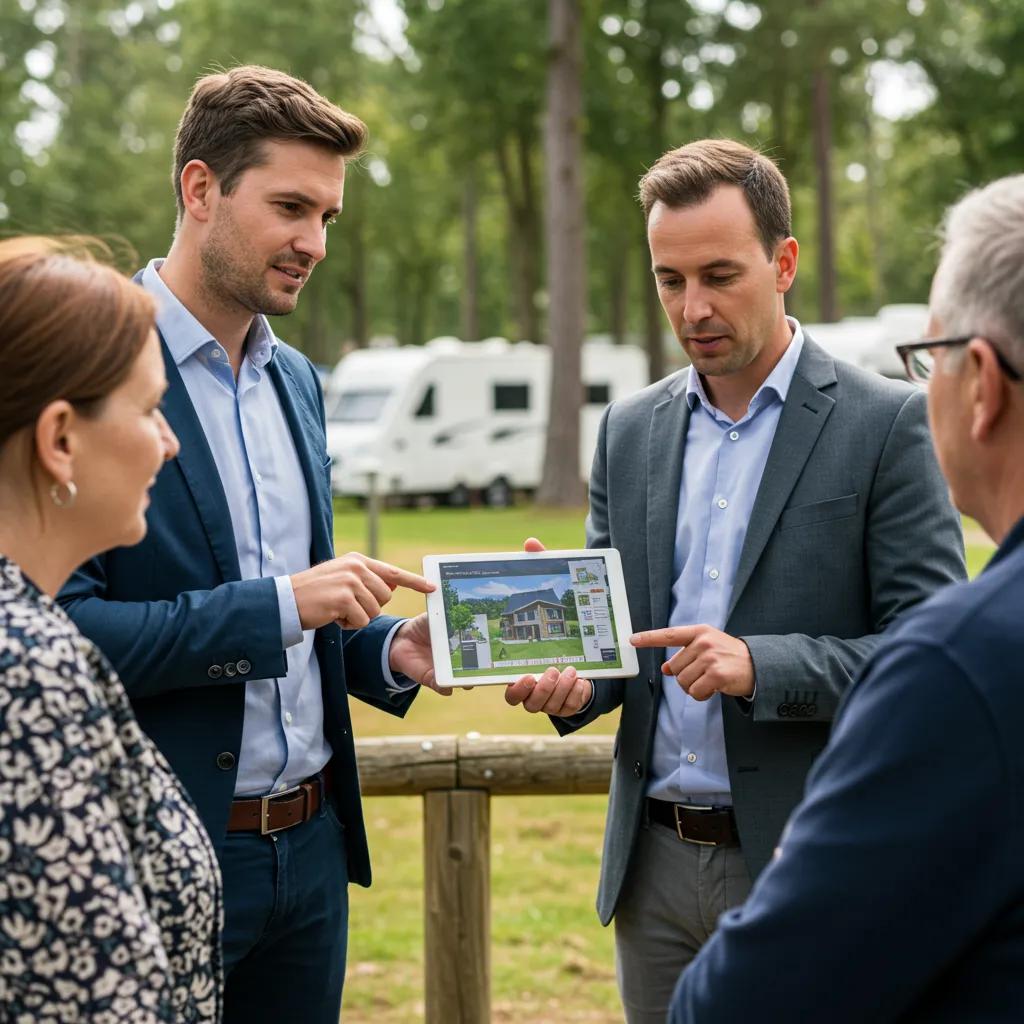
Campground real estate agents accelerate sales by combining specialized valuation expertise, targeted buyer networks, and transaction management that cuts down on time-on-market. Their approach is straightforward: agents translate campground operational metrics into compelling financial narratives, attract qualified buyers through private networks, and manage due diligence to minimize negotiation friction, leading to a faster sale with more qualified buyers. The specific advantage is a shorter sales timeline and a higher likelihood of closing with a buyer who truly understands campground operations, which preserves value and reduces post-sale disruptions. Owners who want to maximize net proceeds while still selling relatively quickly often rely on agents for these combined benefits.
Real estate agents employ a set of repeatable services to achieve these benefits, which we’ve summarized below in both list and table formats to clarify the service versus its impact. Understanding these services helps sellers determine when an agent’s speed and network outweigh the advantages of a direct sale.
Campground agent services that commonly speed up sales include targeted outreach, confidential offering memoranda, coordinated buyer financing, and escrow management. These services create a predictable sales pathway and reduce the risk of deals falling through, which in turn shortens the typical 6–12 month broker timeline when executed effectively.
Campground agent service comparison:
This table illustrates how specific agent services translate into measurable outcomes: improved buyer quality, accelerated offers, and more reliable closings. The next section delves into the practical tactics agents use to facilitate faster campground sales.
How Do Real Estate Agents Facilitate Faster Campground Sales?
Real estate agents facilitate faster campground sales by leveraging industry contacts, targeted marketing channels, and dedicated processes for qualifying buyers and managing transactions. They combine outreach to private buyer lists with confidential offering memoranda that highlight income, occupancy, site count, and unique natural features to attract investors specifically interested in campgrounds and RV parks. Agents also proactively negotiate deal terms and coordinate due diligence to minimize delays, reducing back-and-forth and shortening the negotiation window. By managing document requests, scheduling site visits efficiently, and working with experienced lender and title contacts in outdoor hospitality acquisitions, agents keep timelines tight and issues predictable for sellers.
These tactical advantages lead to measurable improvements in transaction velocity and offer quality, naturally leading into a discussion about the costs associated with these services and how fees impact net proceeds for sellers.
What Commission and Fees Are Typically Involved with Brokers?
Broker commissions for campground and RV park sales are typically structured as a percentage of the sale price and may include additional marketing or listing fees depending on the agreement. Common commission ranges vary by market and property size, and additional costs can include preparing offering packages, third-party valuations, and legal fees; these reduce the seller’s net proceeds compared to a no-commission direct sale. Agents often justify their fees through higher sale prices or faster closings, but sellers should conduct sensitivity analyses to compare net proceeds under different fee scenarios. Negotiation levers include exclusivity terms, performance-based incentives, and the scope of marketing, all of which can adjust the effective cost to the seller.
Understanding typical fees helps owners weigh whether the additional exposure and transaction support from a broker offset the cost, which naturally leads to how agents qualify buyers and protect sellers during the sale process.
How Do Agents Qualify Buyers to Ensure a Smooth Sale?
Agents qualify buyers using a standardized checklist that includes proof of funds, financing pre-approval, operational experience, and clear purchase intent, thereby reducing the risk of non-serious offers. This process often requires documentation like bank letters, lender pre-approvals, or evidence of prior campground ownership or management experience to assess the buyer’s ability to close and operate the property. Agents also look for red flags such as inconsistent financials, unrealistic timelines, or buyers lacking specialized operator experience, screening these early to prevent wasted time. Pre-qualification ensures that site visits and negotiations occur only with buyers who meet objective criteria, streamlining the sale and protecting seller time.
This buyer-screening approach dovetails with how brokers provide market exposure, which is the next crucial agent capability to review.
What Market Exposure Do Brokers Provide for Campgrounds and RV Parks?
Brokers provide market exposure through specialized listing platforms, industry networks, and confidential outreach to private buyer databases, increasing the probability of finding qualified buyers quickly. They prepare detailed offering memoranda and targeted marketing campaigns that present revenue history, site amenities, occupancy trends, and natural features to the most relevant buyer groups, including individual operators, family-owned buyers, and institutional investors. Confidential marketing preserves operational privacy while still reaching qualified prospects, which is particularly important for family-owned parks where preserving legacy is a priority. Quantifying reach varies by broker, but top specialists often combine national marketing with niche buyer lists to balance confidentiality and exposure.
With these exposure tools and qualification methods in hand, owners can weigh the broker advantage against direct-sale alternatives, which we examine next.
How Does Selling Directly to Campground Acquisition Companies Compare to Using Brokers?
Selling directly to campground acquisition companies offers a fundamentally different trade-off: faster, often no-commission closings versus reduced market exposure that could affect the final sale price. The mechanism behind direct acquisition is a direct buyer’s assessment of operational fitness and strategic fit, followed by an expedited offer and condensed due diligence that bypasses listing timelines and public marketing. The specific benefit is speed and lower transactional friction, while the potential cost is a smaller competitive bidding environment compared to a broad market sale. Owners focused on a quick campground sale with no fees or who want to preserve legacy often consider direct buyers or family-owned acquirers as pragmatic alternatives.
To clarify the differences, the table below compares brokers and direct buyers across common attributes.
This table clarifies core trade-offs: agents deliver wider market competition at the cost of fees and time, while direct buyers offer speed and lower transaction costs but less market-driven pricing.
What Are the Advantages of Selling Directly to Buyers Like GatherGrounds Resorts?

Selling directly to a buyer like GatherGrounds Resorts accelerates timing by eliminating listing cycles and broker intermediaries while delivering a family-owned approach that emphasizes preserving campground traditions. The mechanism is a direct evaluation based on operational metrics and cultural fit, leading to faster, often cash-backed offers that reduce financing contingencies and lengthy lender approvals. The specific benefits include no commissions, a more discreet negotiation, and the possibility of a smoother transition that respects staff and community relationships. For owners targeting a quick, respectful sale and who value legacy preservation, a family-owned direct buyer can be an especially compelling option.
These direct-sale advantages bring practical timeline differences compared with brokers, which we detail next.
How Does the Acquisition Process Differ from Traditional Brokerage Sales?
The acquisition process with a direct buyer typically compresses inquiry, valuation, offer, due diligence, and closing into a shortened timeline by removing public listing and broad marketing steps. Direct buyers perform focused due diligence using seller-provided financials, site maps, and amenity inventories, and they negotiate terms directly with the seller, which reduces intermediaries and creates clearer accountability for timelines. Offers from direct buyers often include fewer contingencies and, when cash-backed, permit rapid closing that can be measured in weeks rather than the months common in brokered sales. This simplified pathway reduces exposure and may better protect legacy concerns, though it limits bidding pressure that can maximize price.
While brokers reduce sale uncertainty through market competition, they also introduce longer exposure and fee structures, which we cover next.
What Are the Common Drawbacks of Using Real Estate Agents for Campground Sales?
Common drawbacks of using real estate agents include commission costs that reduce net proceeds, extended time-on-market that can span 6–12 months, and the possibility of receiving many low-quality inquiries despite targeted marketing. Agents’ broad exposure can sometimes invite opportunistic buyers or create public awareness that affects staff and community relationships. Mitigation strategies include setting strict buyer qualification criteria, negotiating fee structures tied to performance, and using confidential marketing to limit public disclosure. In scenarios where speed or legacy preservation is paramount, these drawbacks can make direct acquisition or FSBO more attractive.
When Is Selling For Sale By Owner a Viable Option?
Selling FSBO is viable when the owner already has a buyer-ready network, understands valuation and transactional steps, and can manage marketing, negotiation, and legal coordination without a broker. The mechanism relies on owner-driven outreach to known buyers, direct negotiation, and self-managed due diligence, which can save commission costs but requires time and transactional expertise. Owners comfortable handling financing coordination, title, and regulatory checks — or those who already have a qualified buyer — can achieve faster sales, but absent those conditions FSBO can lengthen timelines or increase risk. FSBO is most appropriate for small local parks, owners with industry relationships, or sellers prioritizing maximum net proceeds and willing to manage complexity.
When weighing FSBO against broker and direct buyer routes, understanding the broker-led process and documentation expectations helps owners make an informed choice, which we outline next.
What Is the Typical Process When Working with Campground Real Estate Agents?
Working with campground real estate agents follows a structured workflow: valuation and market analysis, preparation of offering materials, listing and targeted outreach, buyer qualification and negotiation, due diligence coordination, and closing logistics. Agents use valuation methods like income capitalization and comparable sales to set price guidance, then prepare financial packages and offering memoranda to attract qualified buyers. The process typically includes confidential marketing to relevant buyer lists, management of site visits, and coordinated due diligence that involves title, environmental, and operational records. This stepwise approach aims to balance price maximization with a reliable, timely sale outcome.
Key valuation factors for broker-led sales:
This EAV table clarifies how specific property attributes translate to value and transaction velocity. The next paragraphs outline typical listing-to-closing steps and required documentation.
A typical timeline from listing to closing with brokers includes preparing the offering, confidential marketing (2–6 weeks), receiving and negotiating offers (weeks to months), due diligence (30–90 days), and closing (dependent on financing). Agent responsibilities at each stage include compiling financial statements, coordinating site tours, vetting offers, and managing closing logistics with title and escrow. Sellers should expect an overall broker-led process that commonly spans 6–12 months, though strong demand, competitive pricing, and an experienced agent can shorten that timeframe.
Required documentation for broker sales includes operational financial statements, tax returns, site maps, permits, maintenance logs, and lease or vendor contracts — all of which speed valuation and due diligence when well organized. Keeping documentation current and accessible reduces buyer questions, prevents delays, and supports agent negotiations for faster, cleaner offers. For owners considering a faster path, the next section contrasts broker timelines with direct acquisition steps and provides a brief integration example.
How Can Campground Owners Ensure a Quick Sale When Using Real Estate Agents?
Owners can accelerate broker-led sales by preparing accurate financials, staging the property, pricing competitively, and selecting an agent with a proven campground network. The mechanism is preparation plus targeted execution: clear financial records reduce due diligence time, competitive pricing attracts timely offers, and an experienced broker’s buyer lists convert marketing into qualified site visits. The specific benefits are shorter marketing periods, fewer contingencies, and an increased likelihood of receiving strong offers quickly. Following a structured checklist and communication protocol with the agent keeps momentum across the sale timeline.
Below is a practical checklist in list format owners can follow to prepare for a quick agent-led sale.
- Organize three years of financial statements and tax returns to support valuation.
- Compile occupancy, rate, and expense histories to demonstrate stable NOI.
- Address deferred maintenance and improve curb appeal to reduce buyer objections.
- Prepare site maps, amenity inventories, and documentation for permits and leases.
Following this checklist reduces friction during offers and due diligence, making the sale process more predictable and efficient. The next subsections explain how to choose the right broker, pricing strategies, and communication practices that sustain velocity.
What Are the Best Practices for Preparing Your Campground for Sale?
Preparing a campground for sale involves both physical improvements and operational tidying to present a compelling, low-risk asset to buyers. Owners should address deferred maintenance, improve visible amenities, and stage key communal areas to highlight natural features and family-oriented attributes that buyers value. Equally important is organizing operational documents — financials, vendor agreements, permits, and maintenance records — to shorten buyer review periods and demonstrate fiscal stewardship. Presenting the property as ready-to-operate reduces contingencies and often accelerates buyer commitment.
How Can Owners Choose the Right Broker for Their Campground?
Choosing the right broker requires evaluating industry-specific experience, the quality of their buyer network, a clear marketing plan, and transparent fee structures. Owners should ask for references, past sale examples, and a detailed outreach strategy tailored to campgrounds and RV parks to ensure the broker can access qualified buyers quickly. Interview questions might include average time-to-close, approach to confidential marketing, and specific buyer profiles they target. A broker’s demonstrated track record with campgrounds, not just commercial real estate generally, is a strong predictor of faster, cleaner outcomes.
How Does Pricing Strategy Impact Sale Speed?
Pricing strategy directly influences buyer interest and sale velocity: realistic, market-based pricing attracts more qualified offers and shortens time-on-market, while aspirational pricing often extends the marketing period. Mechanisms like limited-time price windows, staged reductions, or seller concessions can stimulate early activity and convert interest into offers faster. Sellers should rely on income-based valuation and comparable campground sales to set an initial price, and they can use incentives to encourage quick closings when speed is the priority. Striking the right balance between price and speed maximizes net proceeds without sacrificing timing.
What Role Does Communication Play in Accelerating Sales?
Communication accelerates sales by ensuring swift responses to buyer inquiries, timely document delivery, and consistent updates that keep momentum across negotiation and due diligence stages. Turnaround benchmarks such as 24–48 hour responses and prioritized document sharing reduce buyer uncertainty and the chance of lost interest. Agents who provide regular status updates and proactively address potential objections help maintain buyer confidence and shorten negotiation cycles. Transparent communication also supports legacy-preserving transitions by aligning seller expectations with buyer operational plans.
Why Is Preserving Your Campground’s Legacy Important When Selling?
Preserving a campground’s legacy matters because many parks are community anchors with long histories, staff relationships, and brand goodwill that owners and neighbors value beyond pure price. The mechanism here is reputational continuity: decisions about the buyer and transaction structure influence whether traditions, events, and local staffing are maintained after sale. The specific benefit of prioritizing legacy is long-term community stability and protection of intangible value that can outlast immediate financial considerations. Owners often weigh legacy preservation against sale price and timeline, and some accept trade-offs to ensure the campground’s history continues.
Choosing a buyer aligned with legacy values reduces risks of disruptive operational changes, which is why family-owned buyers and specific contractual protections matter — next we examine how family-owned buyers approach these concerns.
How Do Family-Owned Buyers Like GatherGrounds Respect Campground Traditions?
Family-owned buyers such as GatherGrounds Resorts emphasize continuity by committing to thoughtful transitions that respect staff, community ties, and longstanding traditions. Their approach typically involves conversations with the seller about historical events, community expectations, and operational practices that should be preserved, then incorporating those priorities into transition plans and operational commitments. This mechanism promotes smoother cultural integration and staff retention, which protects the campground’s brand and customer goodwill. For sellers prioritizing legacy, family-owned acquisition companies can offer reassurance that extends beyond the closing date.
What Are the Risks of Losing Legacy When Selling Through Brokers?
Selling through brokers can increase the chance of legacy loss if exposure attracts institutional or opportunistic buyers who prioritize redevelopment or cost-cutting over tradition. Public listings may invite multiple bidder types, some of whom view the land as a redevelopment prospect rather than a hospitality asset. Sellers can mitigate these risks by screening buyers, including protective provisions in sale agreements, and specifying continuity terms for staff and operations. Careful buyer selection and contract clauses are effective mechanisms to preserve legacy even when using broker channels.
How Can Sellers Ensure a Thoughtful Transition for Their Campground?
Sellers can ensure a thoughtful transition by negotiating contractual protections such as employment continuity clauses, restrictions on branding or redevelopment, and earn-outs tied to preservation outcomes. Practical steps include documenting operational norms, creating transition timelines, and agreeing on community engagement commitments with the buyer to preserve events and staff roles. Escrowed funds or performance-based payments tied to preservation milestones provide financial enforcement for legacy commitments. These mechanisms allow sellers to balance sale proceeds with the social value of legacy preservation.
What Impact Does Legacy Preservation Have on Sale Decisions?
Legacy preservation affects buyer selection, pricing, and timing, as sellers motivated by continuity may favor family-owned buyers or include protective terms that change negotiation dynamics. The mechanism here is value reallocation: some sellers accept slightly lower offers in exchange for strong commitments to staff retention and operational continuity. This trade-off can lengthen the sale process if specialized buyer criteria narrow the buyer pool, or it can speed a sale if a well-aligned direct buyer is available and motivated. Ultimately, legacy considerations shape the transaction structure and the seller’s priorities when evaluating offers.
What Are Common Questions Campground Owners Have About Using Real Estate Agents?
Campground owners commonly ask about time-to-sale, commission negotiability, agent assistance with complex transactions like 1031 exchanges, and how agents market specialized properties to qualified buyers. These questions reflect owners’ desire to understand trade-offs between speed, net proceeds, tax strategy, and buyer quality. Clear answers help owners set expectations and choose the right route for their goals. Below we address these common concerns concisely to support owner decision-making and reduce uncertainty.
How Long Does It Take to Sell a Campground with an Agent?
Selling through an agent typically takes 6–12 months from listing to closing, driven by marketing, buyer qualification, offer negotiation, and financing timelines. Cash buyers or direct acquisition companies can shorten that timeframe to a few weeks or months, demonstrating the trade-off between market exposure and speed. Factors that speed a broker sale include competitive pricing, clean financial records, desirable amenities, and a strong buyer network; conversely, complex regulatory issues, overpricing, or weak financials can extend the process. Understanding these drivers helps owners set realistic expectations for timing.
Are Broker Commissions Negotiable for Campground Sales?
Broker commissions are often negotiable depending on exclusivity, property size, and scope of marketing; sellers can request performance-based structures or tiered incentives to align interests. For larger or specialty properties, negotiation may yield reduced percentages or custom fee arrangements tied to closing speed or price thresholds. Sellers should discuss commission mechanics upfront and compare net proceeds under multiple fee scenarios to ensure alignment with their speed and price objectives. Transparent fee negotiation is a practical tool to manage costs while retaining agent services.
Can Agents Help With Complex Transactions Like 1031 Exchanges?
Yes, agents often coordinate with 1031 exchange facilitators, tax advisors, and legal specialists to structure tax-deferred exchanges and align timelines with buyer financing and closing requirements. Their role is coordination and timing: agents identify buyers amenable to exchange timelines, sequence closings or replacement property searches, and ensure documentation aligns with exchange rules. While agents do not provide tax advice, they facilitate connections with qualified professionals to keep the exchange on track. Effective agent coordination reduces exchange risk and supports sellers pursuing tax-deferred strategies.
How Do Agents Market Campgrounds to Qualified Buyers?
Agents market campgrounds using private buyer networks, industry databases, confidential offering memoranda, and targeted outreach to investors, family-owned operators, and hospitality groups experienced in outdoor hospitality acquisitions. They craft materials that highlight site count, revenue streams, occupancy, amenities, and natural features to attract buyers who understand campground operations. Confidential campaigns balance exposure and discretion by controlling who receives full financials, preserving staff and community stability while reaching suitable buyers. These focused marketing tactics increase the likelihood of receiving timely, qualified offers.
How Does GatherGrounds Resorts Offer a Unique Alternative to Campground Brokers?
GatherGrounds Resorts’ direct campground acquisition service offers a family-owned, legacy-focused alternative that emphasizes no-commission purchases, thoughtful transitions, and streamlined acquisition steps for qualified properties. The mechanism combines a direct buyer evaluation of property fit with a no-pressure initial conversation and an expedited offer process, producing faster closings while respecting the campground’s history and community ties. GatherGrounds targets campgrounds and RV parks with 130+ sites, notable natural features, and family-oriented histories, making their approach a specialized match for sizable, legacy-rich properties. For owners prioritizing speed, minimal fees, and continuity, GatherGrounds presents a concrete path that differs from traditional broker listings.
What Is GatherGrounds’ Family-Owned Approach to Campground Acquisition?
GatherGrounds describes itself as a family-owned company focused on preserving traditions and executing thoughtful transitions rather than behaving like a large investment firm. Their approach centers on personal, no-pressure conversations with sellers to understand legacy priorities and operational nuances before making acquisition decisions. The value to sellers is reassurance that the property’s staff, community events, and historical identity are considered in the buyer’s integration plan. That family-oriented culture commonly results in smoother staff retention and continuity of guest experience after closing.
How Does GatherGrounds Ensure a Quick, Hassle-Free Closing?
GatherGrounds employs a direct acquisition pathway: inquiry, targeted valuation, offer, focused due diligence, and closing — structured to minimize intermediaries and condense timelines compared with typical broker sales. By evaluating properties directly and negotiating terms without listing cycles, GatherGrounds can often produce cash-backed or expedited offers that reduce financing contingencies and shorten the timeline from inquiry to closing. Sellers should expect transparent communication and a respectful handover process designed to preserve operational continuity. This streamlined approach supports owners who prioritize a fast, low-friction exit.
What Types of Campgrounds Does GatherGrounds Prefer to Acquire?
GatherGrounds prefers campgrounds with 130+ sites, strong natural features, and family-oriented histories that align with long-term hospitality operations rather than redevelopment. The mechanism is selective acquisition: larger site counts and unique landscapes increase operational scale and guest appeal, making them better fits for GatherGrounds’ operating model. Sellers of sizable, memory-rich parks are more likely to find common ground with this buyer profile, especially when legacy preservation is important. Owners assessing whether to pursue a direct sale should evaluate property fit against these preferences.
How Can Sellers Start a No-Obligation Conversation with GatherGrounds?
Sellers can initiate contact by submitting property details through the sell page for GatherGrounds Resorts’ direct campground acquisition service and expect a no-pressure conversation to discuss operational history, legacy priorities, and initial valuation. Useful information to provide includes site count, revenue history, occupancy trends, key amenities, and any recent capital improvements to enable a prompt valuation assessment. After the initial conversation, sellers receive clear next steps outlining valuation, offer timing, and likely due diligence scope, which can speed decision-making for owners wanting a quick sale. This pathway is designed to be respectful, streamlined, and focused on preserving what matters most to the seller.
These options — broker, FSBO, and direct acquisition — give owners clear, practical choices for selling quickly while protecting value and legacy.
Frequently Asked Questions
What should I consider when choosing between a broker and a direct buyer?
When deciding between a broker and a direct buyer, consider factors such as speed, cost, and legacy preservation. Brokers typically offer wider market exposure and can attract competitive bids, but they charge commissions and may take longer to close. In contrast, direct buyers often provide faster, no-commission sales but may limit market exposure, potentially affecting the final sale price. Assess your priorities—whether you value a quick sale, maximizing proceeds, or preserving the campground’s legacy—to make an informed choice.
How can I prepare my campground for a successful sale?
Preparing your campground for sale involves both physical and operational improvements. Address any deferred maintenance, enhance curb appeal, and stage communal areas to attract buyers. Additionally, organize financial documents, occupancy rates, and maintenance records to streamline the due diligence process. A well-prepared property not only presents a compelling asset but also reduces buyer objections and accelerates commitment, ultimately leading to a smoother transaction.
What are the potential risks of selling my campground without a broker?
Selling without a broker can save on commission costs, but it also carries risks such as limited market exposure and potential pricing errors. Without professional guidance, you may struggle with buyer qualification, leading to time wasted on non-serious inquiries. Additionally, navigating legal and transactional complexities can be challenging without expertise. If you lack a strong network of potential buyers or experience in real estate transactions, the risks may outweigh the benefits of a FSBO approach.
How do I ensure my campground’s legacy is preserved during the sale?
To preserve your campground’s legacy during the sale, prioritize buyers who share your values and commitment to maintaining traditions. Consider including contractual protections that ensure staff retention and operational continuity. Open discussions with potential buyers about your legacy goals can help align expectations. Additionally, family-owned buyers often emphasize legacy preservation, making them a suitable choice for sellers focused on maintaining community ties and historical significance.
What are the common challenges faced when selling a campground?
Common challenges when selling a campground include managing buyer expectations, navigating complex regulatory requirements, and addressing deferred maintenance issues. Additionally, sellers may face difficulties in accurately valuing their property, which can lead to overpricing or undervaluing. The emotional attachment to the property can also complicate negotiations. Engaging a knowledgeable broker or direct buyer can help mitigate these challenges by providing expertise and facilitating smoother transactions.
What role does market timing play in selling a campground?
Market timing is crucial when selling a campground, as it can significantly impact sale speed and price. Seasonal demand fluctuations can affect buyer interest, with peak seasons often yielding higher offers. Additionally, broader economic conditions, such as interest rates and tourism trends, can influence market dynamics. Sellers should monitor these factors and consider listing their property during favorable conditions to maximize exposure and attract qualified buyers quickly.
How can I evaluate the effectiveness of my chosen selling strategy?
To evaluate the effectiveness of your selling strategy, track key performance indicators such as time on market, number of inquiries, and offer quality. Regularly assess feedback from potential buyers and adjust your approach based on market response. If using a broker, maintain open communication to understand their marketing efforts and buyer engagement. If selling directly, consider the speed of offers and the alignment of buyer profiles with your legacy goals to gauge success.
Conclusion
Choosing the right path to sell your campground can significantly impact both the speed of the sale and the preservation of its legacy. Campground real estate agents offer specialized expertise and networks that can facilitate quicker transactions while maximizing value, making them a compelling option for many owners. Alternatively, direct buyers like GatherGrounds Resorts provide a no-commission, legacy-focused approach that respects the traditions of your property. Explore your options today to find the best fit for your unique selling needs.