Camping Gear Rental Services vs Buying: What Families Need to Know for Smart Outdoor Adventures
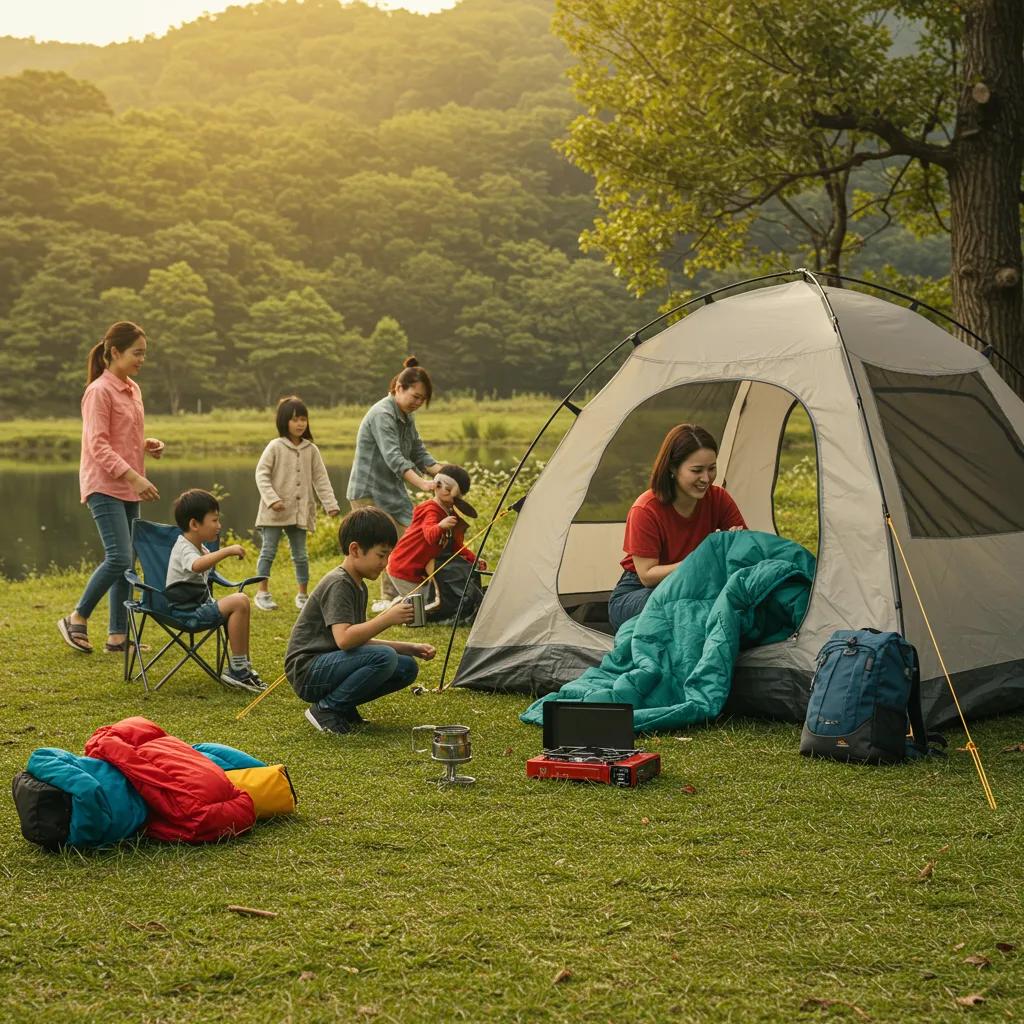
When it comes to camping gear, families face a choice: rent for budget-friendly, occasional use, or buy for personalized, long-term value. This guide breaks down how renting camping gear works, why it’s often the smart move for families who don’t camp often, and when buying makes more sense. We’ll cover practical tips, simple cost examples, and a straightforward decision process designed for families. You’ll discover the main perks of renting—like saving money, needing less storage, trying before you buy, and being more sustainable. We’ll also explore situations where buying is better and provide a step-by-step checklist to help you choose for your next family trip. Plus, we’ll touch on how on-site rentals at places like Walnut Hills Family Campground, with options like Kayak and Canoe rentals, can change your rent-vs-buy thinking. Finally, get ready with an essential gear checklist, budget advice for a weekend trip, and easy booking tips to make your next outdoor adventure smooth and enjoyable.
What Are the Key Benefits of Renting Camping Gear?
Renting camping gear means your family can get all the equipment you need without a big upfront cost, without worrying about where to store it, and without the hassle of maintenance. This makes planning short or infrequent trips much simpler. Rental services offer well-maintained, shared equipment, which cuts down on your per-trip expense and removes the long-term commitment of ownership. The real advantages? It’s easier to try new outdoor activities, you can pack for trips faster, and your home stays clutter-free—which is a huge plus when parents are already juggling so much. Renting also supports a more sustainable approach through shared use, reducing the demand for new production, a point that resonates with eco-conscious families.
Renting offers these clear, practical advantages:
- Lower Upfront Cost: Skip the big purchase price for items you might only use a few times a year.
- No Storage Burden: You won’t need to find precious garage or attic space for bulky gear.
- Try Before You Buy: Test out different models and sizes before you decide to invest in buying.
These benefits naturally lead to thinking about how renting saves money for families who don’t camp often.
Why Is Renting Camping Equipment Cost-Effective for Occasional Campers?

Renting is a smart financial choice because the fee for a single trip is often much less than the cost of buying and spreading it out over just a few uses, especially if you camp only once or twice a year. The math is simple: buying a tent, for instance, and dividing its cost by only one or two trips makes it very expensive per use. Renting that same tent for a weekend, however, is usually a small fraction of that cost. A good rule of thumb for families is: if you expect to use the gear fewer times than your purchase price divided by the rental cost, renting is likely the more economical option.
This cost-effectiveness naturally leads to thinking about the practicalities of storage and upkeep when you own gear.
How Does Renting Eliminate Storage and Maintenance Hassles?
Renting takes away the need for families to handle tasks like deep cleaning, finding dry storage, making repairs, and doing seasonal maintenance—chores that often get pushed aside when time and space are limited. The system works because rental companies share the responsibility; they handle repairs and ensure equipment is in good condition, so you avoid unexpected upkeep costs. This means you’re not paying for the upkeep of items you rarely use, and your garage or basement stays clear for everyday items. Recognizing these savings on maintenance helps families decide which gear is worth owning and which is better to rent.
Avoiding maintenance chores means you can focus more on enjoying your trip, which brings us to the benefit of trying gear before you buy.
Can Renting Help You Try Before You Buy?
Rental services allow families to test out different tent sizes, sleeping systems, and specialized gear like kayaks. This hands-on experience helps you figure out what fits best, what’s most comfortable, and what’s easiest to use before you commit to buying. The benefit is practical: using gear in real situations helps prevent buyer’s remorse and ensures your purchases truly meet your family’s needs. For example, trying a four-person tent on a weekend trip will show you if it has enough space and is comfortable for sleeping, guiding your decision on whether to upgrade or buy. Trying gear first is especially valuable for specialized items where fit and size are critical.
Getting a feel for gear through rentals also ties into environmental benefits, thanks to shared use and reduced waste.
What Environmental Benefits Come with Renting Camping Gear?
Renting helps reduce the environmental impact per person because shared equipment lowers the demand for manufacturing new items and can extend the lifespan of gear through professional maintenance. The core idea is simple efficiency: fewer items produced means less carbon emissions and less waste from discarded equipment. Research and industry insights show that shared-use models can significantly cut down on emissions and material waste compared to individual ownership, aligning with the values of eco-conscious families. Families who prioritize low-impact travel benefit greatly from renting gear they don’t use very often.
To give you a quick comparison, let’s look at the environmental impacts and cost savings side-by-side in the following table.
This table illustrates how renting supports both your household’s convenience and environmental goals, which naturally leads to considering when buying might be the better option.
When Should You Consider Buying Camping Gear Instead of Renting?
Buying gear makes more sense when your family camps frequently, needs specific fits, or requires guaranteed availability and durability for regular use. The key factor is frequency: owning spreads the purchase cost over many trips, and gear tailored to your needs offers better comfort and performance than standard rental items. For items where personal fit and hygiene are crucial—like footwear or sleeping bags—buying is often more practical sooner than for larger, more general gear. Understanding these points helps families prioritize purchases and identify items that are worth the investment.
Here’s a simple rule of thumb to help you decide when to buy versus rent.
- Buy if you camp frequently: Aim for 3–5+ trips per year for major items.
- Own for personalization: Think footwear, sleeping bags, and gear for children.
- Invest for durability: When long-term warranties and repair options are important.
These guidelines directly relate to how often you camp and how that influences your gear decisions.
How Does Frequent Camping Influence the Decision to Buy?
Frequent campers can lower their cost per trip by owning essential equipment; this is simply a matter of amortization, where repeated use reduces the effective cost of a purchase. For example, a family tent costing a few hundred dollars becomes more cost-effective after multiple trips compared to paying rental fees each time. Frequent use also makes investing in higher-quality gear with better warranties and repair options more sensible, lowering the total cost of ownership over time. Families who plan many trips each season should prioritize buying core shelter and sleep systems.
Considering frequent camping leads to thinking about which items families should own for maximum comfort and customization.
What Gear Items Are Best to Own for Personalization and Comfort?
Items that need a precise fit, consistent hygiene, or daily comfort are best to own: hiking footwear, sleeping bags, sleeping pads, and child-specific life vests. The reason is fit and reliable performance—personal items significantly impact safety and sleep quality more than generic rentals typically can. Owning these allows families to select models that match their body shapes and preferences and to maintain personal hygiene standards. These ownership choices often lead to more enjoyable trips and fewer hassles on outings.
Decisions about ownership also bring in considerations of long-term quality and warranty support.
How Do Long-Term Savings and Quality Factor into Buying Decisions?
Long-term savings come from owning durable gear that can be repaired, upgraded, or passed down, which reduces the need for replacements and lowers the cost per trip over time. The core principle is total cost of ownership: the purchase price plus maintenance and repair costs versus repeated rental fees. Warranties and the ability to repair gear become important when families plan many trips and expect heavy use. Choosing gear with good support turns ownership into a smart investment rather than an ongoing expense.
These quality and longevity considerations feed into a practical framework for families to make decisions for their specific trips.
How to Decide Between Renting and Buying Camping Gear for Your Family Trip?
A straightforward decision framework balances how often you’ll camp, your budget, storage space, and comfort needs: assess your trip plans, estimate how many times you’ll use the gear, check your available storage, and prioritize safety-critical items for ownership. The process acts as a filter, guiding families to rent specialized gear and own essential items, aligning purchase decisions with actual needs. Start with a quick budget review, then consider your trip frequency and storage realities to decide on each item. This checklist approach helps families avoid costly mistakes while ensuring a quality trip experience.
Use the checklist below to quickly apply this framework.
- Estimate trip frequency: Count how many trips you plan this year.
- List must-have items: Think about core shelter, sleep systems, and child safety gear.
- Decide based on storage: If space is tight, lean towards renting specialty items.
This framework is even more helpful with example numbers to compare your options.
Here’s a quick comparison of common family camping items to make the choice clearer.
This quick table shows where renting usually wins for infrequent use, while buying makes sense when you’ll use items often.
As a practical example, families visiting Walnut Hills can skip owning specialty watercraft by using convenient on-site rentals.
For families planning water adventures at Walnut Hills Family Campground, renting Kayaks and Canoes offers an easy way to enjoy the Shiawassee River without the need to buy or transport boats. This local rental option changes the rent-vs-buy equation for paddling: rent for weekend excursions and only buy if you plan to paddle many times each season. Considering what the campground offers simplifies logistics and reduces travel prep, which is perfect for busy families.
The next table summarizes the on-site rental options at Walnut Hills and provides booking tips.
This table clarifies what Walnut Hills currently offers and how families can plan their activities around these services.
What Camping Gear Can You Rent at Walnut Hills Family Campground?
Walnut Hills Family Campground offers on-site Kayak and Canoe rentals as part of its amenities, making it simple for guests to add paddling to their family getaway. The convenience is key: equipment is stored, maintained, and available right at the campground, so families avoid the hassle of transport and storage. These rentals connect directly to the Shiawassee River experience and the campground’s other water recreation options, making paddling accessible even for first-time family campers. Knowing what’s available on-site helps families decide whether to rent specialized items or bring their own.
How Do Kayak and Canoe Rentals Enhance Your Camping Experience?
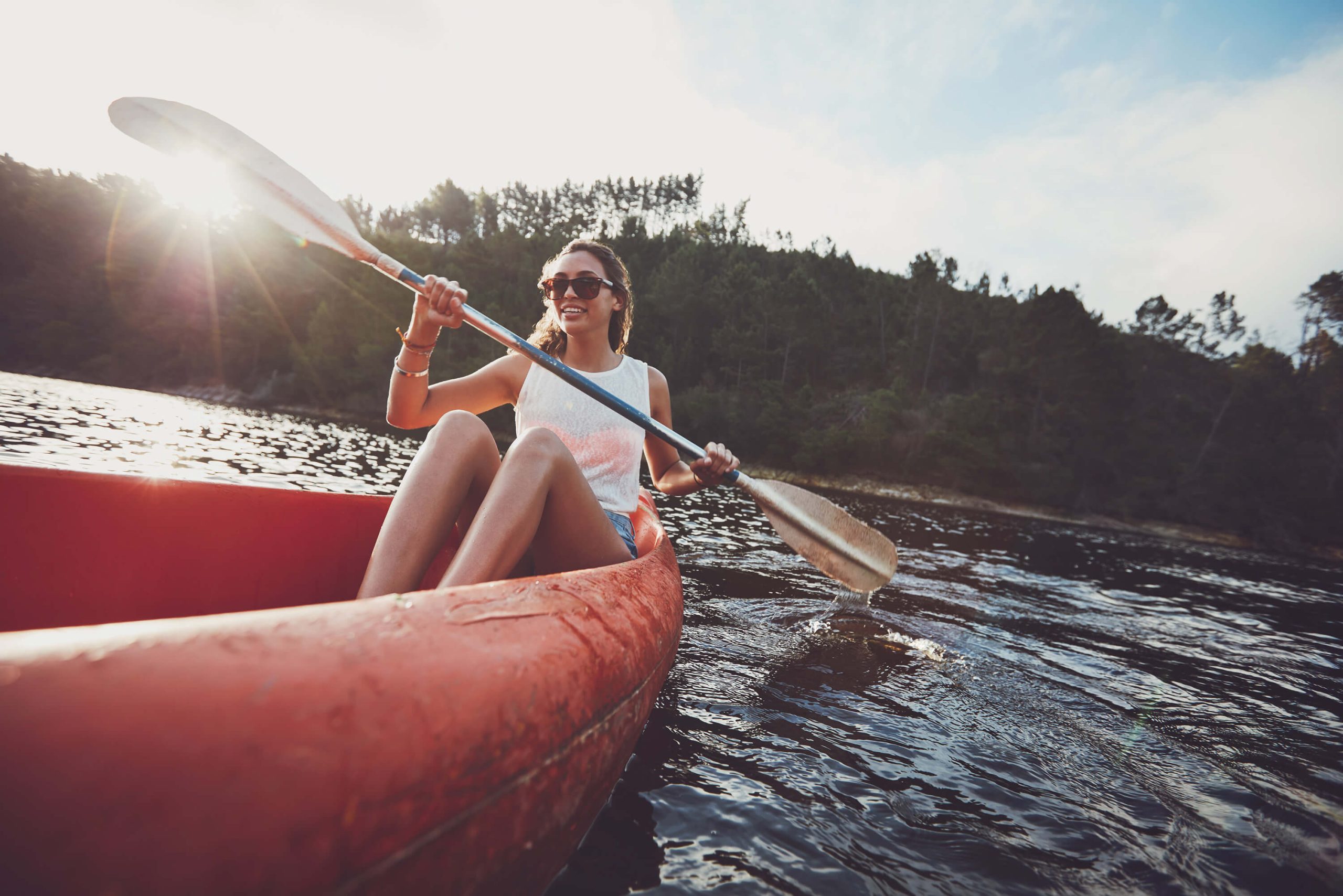
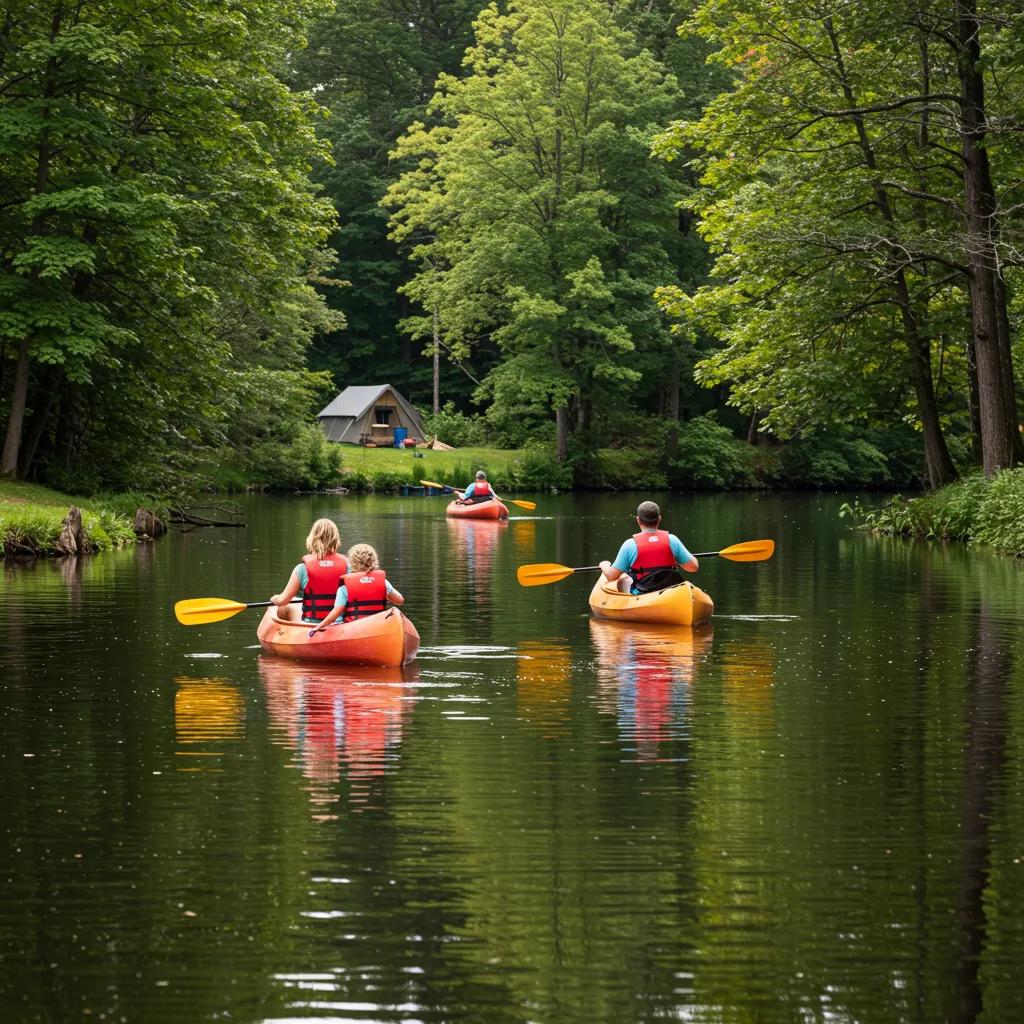
Renting Kayaks and Canoes provides immediate access to river floats and lake paddling without the need to own, transport, or store bulky boats, which significantly simplifies family logistics. Parents can plan shorter, safer excursions tailored to children’s abilities and energy levels, relying on campground staff for fitting life vests and basic safety guidance. Renting encourages spontaneous activities and cuts down on pre-trip preparation time, which is ideal for busy families. These rentals also make it easier to combine water activities with other campground amenities like swimming lakes and family events.
How Easy Is It to Book On-Site Rentals at Walnut Hills?
Booking on-site rentals at the campground is usually as simple as checking availability through the campground’s website or asking at check-in. During peak season, it’s wise to reserve early for busy weekends. This process streamlines logistics by letting families secure equipment upon arrival or confirm with campground staff before their trip, reducing uncertainty about transport and storage. Booking in advance is important during high season, so families planning river floats should request rentals as soon as they confirm their campsite dates. Simple booking steps remove a major hurdle when planning family water activities.
What Other Rental Options Could Walnut Hills Offer in the Future?
Walnut Hills could expand beyond Kayak and Canoe rentals to offer family tent kits, sleeping bag bundles, and basic cooking gear to further lower the barriers for first-time campers. Such additions would enhance the campground’s convenience model, allowing families to try out equipment before buying and making weekend trips accessible to those who don’t own gear. Future rental expansions would strengthen the campground’s family-friendly appeal by bundling essentials for short stays. If families express interest in specific items, campground operators can prioritize offerings that provide the most practical value.
How Can Families Plan Their Camping Gear Needs for a Walnut Hills Getaway?
Start with a split approach: own your core comfort and safety items, and rent bulky or specialized equipment you use infrequently. This balances budget, storage, and the overall trip experience. The key is prioritization—decide based on how often you’ll use an item and its impact on trip quality, then apply the rent-or-buy rule to each piece of gear. Include rental fees in your trip budget and favor campground rentals for large, heavy, or difficult-to-transport items. This planning method keeps gear decisions straightforward and aligned with your family’s priorities.
Below is a practical checklist of essentials and rental recommendations.
- Own: Comfortable sleeping bags, sleeping pads, footwear, child-specific safety gear.
- Rent: Kayaks and canoes, large family tents (if only used occasionally), specialty cooking gear.
- Pack: First-aid kit, layered clothing, quick-dry towels.
What Essential Camping Gear Should You Rent or Buy?
Families should own items that are crucial for comfort and safety—sleep systems, footwear, and child life vests—while renting large, transport-intensive, or specialized items. Ownership ensures proper fit, hygiene, and consistent performance; renting solves storage and transport challenges. Deciding which items to own versus rent should be based on frequency of use, available storage, and how much the item contributes to trip enjoyment. This rule simplifies decisions and keeps family trips focused on activities rather than logistics.
How Can You Budget Effectively for Camping Gear Rentals and Purchases?
Create a simple weekend budget example: campsite fee + rental fees for specialty items + fuel and food. Prioritize rentals in your budget for items that are costly to transport or used infrequently, and consider off-peak stays or package deals to reduce fees. Small cost-saving tactics include sharing rentals among families, booking early, and renting only the largest items. A clear budget helps prevent overspending and favors experiences over equipment.
This sample budget shows that rentals can fit affordably into a family weekend plan.
What Are the Best Tips for First-Time Campers Deciding on Gear?
First-time family campers should pack light, rent specialized items at the campground when available, and test key gear on short trips before committing to purchases. Ask campground staff about available rentals and local conditions to match your gear choices with on-site offerings and safety advice. Use a simple checklist to prioritize comfort and safety over gadgets, and refine your gear lists after each trip. Starting small and learning gradually helps avoid wasteful purchases and improves future trip planning.
For families ready to try rentals and simplify their trip planning, Walnut Hills Family Campground offers Kayak and Canoe rentals that make water activities accessible without the need for ownership—consider reserving a campsite and inquiring about on-site rentals when you plan your next family getaway.
Frequently Asked Questions
What types of camping gear are typically available for rent?
Camping gear rental services often provide a wide range of equipment, including tents, sleeping bags, cooking gear, and recreational items like kayaks and canoes. Families can rent essential items that are bulky or infrequently used, allowing them to enjoy outdoor activities without the burden of ownership. Some campgrounds, like Walnut Hills, even offer specialized rentals tailored to local activities, enhancing the camping experience while minimizing logistics and storage concerns.
How can families ensure they choose the right rental gear for their needs?
To select the right rental gear, families should assess their specific trip requirements, including the number of participants, planned activities, and duration of the trip. It’s helpful to consult with rental staff for recommendations based on experience and local conditions. Additionally, families should consider testing gear on shorter trips to gauge comfort and suitability before committing to rentals for longer excursions, ensuring a more enjoyable camping experience.
Are there any hidden costs associated with renting camping gear?
While renting camping gear can be cost-effective, families should be aware of potential hidden costs such as damage fees, cleaning charges, or late return penalties. It’s essential to read the rental agreement carefully and ask about any additional fees that may apply. Understanding the terms of the rental can help families avoid unexpected expenses and ensure a smooth rental experience, allowing them to focus on enjoying their outdoor adventure.
What should families do if they encounter issues with rented gear during their trip?
If families experience issues with rented gear, they should contact the rental service immediately for assistance. Most rental companies have policies in place to address equipment malfunctions or damage. Depending on the situation, they may offer replacements or repairs. It’s advisable to document any problems and communicate with the rental staff to resolve issues quickly, ensuring that the camping experience remains enjoyable and stress-free.
How can families maximize their camping experience while renting gear?
To maximize their camping experience, families should plan ahead by researching local rental options, understanding the gear they need, and making reservations in advance, especially during peak seasons. Additionally, they can enhance their experience by participating in campground activities, seeking advice from staff, and ensuring they have all necessary safety equipment. By being well-prepared and informed, families can enjoy a seamless and memorable outdoor adventure.
What are some common mistakes families make when renting camping gear?
Common mistakes families make when renting camping gear include underestimating the size or type of equipment needed, failing to read rental agreements thoroughly, and not reserving gear in advance. Additionally, some families may overlook the importance of testing gear before the trip, leading to discomfort or dissatisfaction. To avoid these pitfalls, families should carefully assess their needs, communicate with rental staff, and plan ahead to ensure a successful camping experience.
Conclusion
Choosing between camping gear rental services and purchasing equipment can significantly impact your family’s outdoor adventures. Renting offers cost savings, convenience, and the opportunity to try gear before committing, making it ideal for occasional campers. However, for families who camp frequently, investing in personalized gear ensures comfort and reliability. Explore your options today to find the best fit for your family’s next adventure!