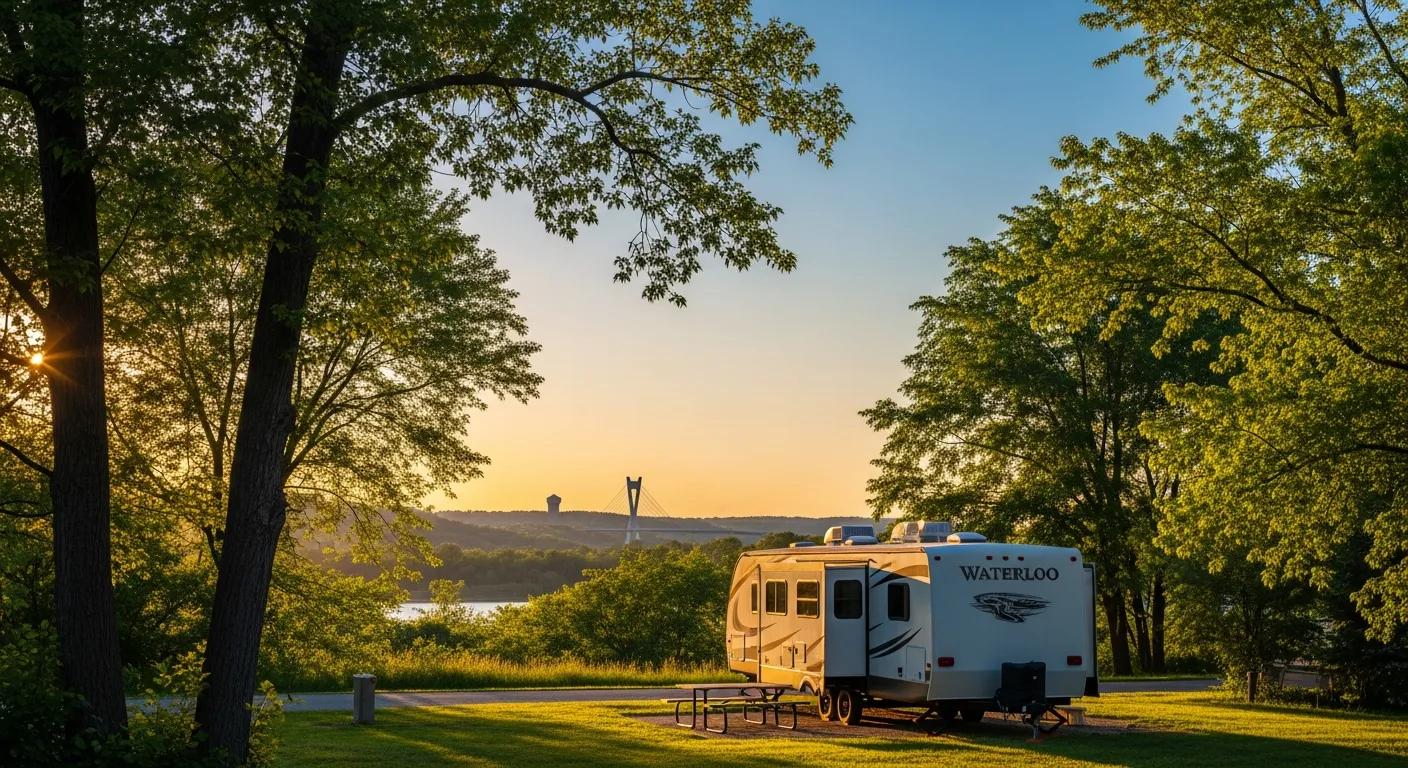
Find the Best RV Parks Near Waterloo
Choosing the right RV site around Waterloo State Recreation Area starts with matching your rig’s needs to the campsite’s hookups and layout. This guide walks you through electrical, water, and sewer hookup types; compares site sizes and layouts; reviews utility and recreational amenities; and highlights reliable full‑hookup options so you can pick the right park for a quick stop or a long stay. Campers often put electricity and convenient waste disposal at the top of the list because those systems have the biggest impact on comfort and safety. Understanding voltage and amperage, potable water connections, and sewer setups will cut down on surprises at arrival. We also outline practical steps — from measuring your RV to confirming pull‑through availability — so you can reserve with confidence. Expect clear definitions, side‑by‑side comparisons, actionable checklists, and example questions to ask campgrounds before you book.
The Waterloo area offers a variety of RV accommodations that differ by hookup completeness, site footprint, and family amenities. This piece prioritizes practical, technical information while using nearby campgrounds as concrete examples so you can see how parks present full‑hookup options and family features without drowning in detail. After a rundown of hookup basics, we compare site layouts and amenities, point out parks that commonly offer full hookups, and finish with a decision checklist and reservation tips so your next trip fits both your rig and your recreation plans.
What Are the Common RV Hookup Types Available Near Waterloo State Recreation Area?
Most campgrounds provide three core services: electric power at standard amperages, potable water at the site or central stations, and wastewater handling through on‑site sewer hookups or a shared dump station. Electricity comes from pedestals with different outlet types and amperage ratings, potable water is delivered via threaded spigots or RV‑style quick connects, and waste is either routed through a direct sewer inlet at your site or handled at a communal dump. Each arrangement affects convenience for long stays and compatibility with your RV systems. This section defines each hookup type, outlines typical capacities, and offers a short checklist to help you assess what you need before you arrive.
Campgrounds usually label sites by hookup type and may advertise “full hookup” when water, electric, and sewer are included. Full hookups make extended stays easier and cut setup time, while water‑only or electric‑only sites require workarounds for drinking water or tank disposal. Knowing the difference helps you prioritize sites based on trip length, rig requirements, and how much hands‑on maintenance you want during your stay.
Intro to a comparison table: the table below summarizes common hookup types, typical specs, and practical use cases to help you match your rig to the right connection.
This table highlights why amperage, water access, and sewer options shape daily comfort and long‑term planning for RVers. Use it to avoid surprises and select the right site for your setup.
How Do 20, 30, and 50 Amp Electric Hookups Differ for RV Campers?
A 20 amp outlet supplies basic 120V power suitable for smaller trailers with low electrical demand. A 30 amp hookup delivers a single 120V leg with enough capacity for air conditioning and common kitchen appliances in many travel trailers. A 50 amp service provides two 120V legs (essentially 240V capability), supporting multiple AC units, electric heat, and larger inverters found in big motorhomes and fifth‑wheels. To pick the right service, check your RV’s service panel rating and total peak loads for major appliances — that prevents tripped breakers and protects onboard systems. Always use UL‑listed adapters and never bypass shore‑power safety features. If the park offers lower amperage than your rig needs, plan to stagger high‑draw devices or bring a generator rated for continuous loads.
Because electrical availability dictates what you can run at once, confirm amperage for your specific site before arrival. If you need 50 amp and the park lists only 30 amp sites, speak with staff or look for alternatives; this choice directly affects daily comfort and appliance use.
Electrical safety checks to do before plugging in:
- Confirm your RV’s main breaker rating and shore‑power inlet type.
- Inspect the pedestal for visible damage and the correct outlet configuration.
- Use a surge protector or EMS device to protect sensitive electronics.
- Ask whether generators are allowed and where they may be used on the property.
These steps lower the risk of electrical problems and help you plan power use during your stay. Next we cover how water and sewer options affect extended‑stay logistics and daily waste management.
What Water and Sewer Connection Options Do Campgrounds Offer?
Campgrounds usually provide potable water at each site via threaded spigots or at central refill stations; fittings can be standard garden hose threads or RV‑specific quick connects, so using a pressure regulator is a smart move to protect onboard plumbing. Sewer options range from direct site hookups labeled “sewer” or “full hookup” to communal dump stations where you’ll manually empty black and gray tanks with the appropriate hose and adapters. For longer stays, on‑site sewer hookups are far more convenient because they eliminate frequent trips to a dump; dump stations remain a practical choice for short visits or when full hookups aren’t available.
Practical tips: always use a food‑grade potable water hose for drinking water, carry necessary sewer adapters and elbow fittings for secure connections, and keep a sanitation kit for hose cleaning. Check whether the campground posts water pressure levels or seasonal advisories about water lines to avoid leaks or freezes — important considerations for multi‑night stays near Waterloo.
Quick water/sewer planning list:
- Bring a pressure regulator and a food‑grade water hose for site hookups.
- Pack a sewer hose, fittings, gloves, and elbow adapters for dump stations.
- Ask the campground whether your site has a direct sewer or requires the dump station.
- Inspect all connections before leaving to prevent contamination or spills.
These preparations help you access safe drinking water and manage waste responsibly, whether you’re staying one night or several.
How Do RV Parks Near Waterloo State Recreation Area Vary in Site Sizes and Layouts?
Site length and layout determine whether your RV will fit comfortably and how easy hookups and maneuvering will be. Campgrounds range from compact back‑in pads for small trailers to generous pull‑through pads that accommodate long fifth‑wheels and motorhomes; shade, vegetation, and pad surface (gravel, concrete, paved) affect parking, comfort, and generator noise. Spacing between sites influences privacy and slide‑out clearance, and some parks reserve larger sites for seasonal guests while others mix sizes across loops. Knowing typical site categories and confirming pad length and surface before booking avoids awkward fits and last‑minute moves.
Before you reserve, request site dimensions, pad material, and whether the site is pull‑through or back‑in. Photos and site maps help, but clear questions to staff will reduce guesswork. The table below compares how campgrounds commonly describe site types and what to expect when assessing a fit for your rig.
This comparison shows site fit depends on both length and layout. Always confirm whether site length includes slide‑outs and your tow vehicle.
What Are the Differences Between Pull-Through and Back-In RV Sites?
Pull‑through sites let you drive in one end and out the other without unhitching, which makes arrival and departure easier — especially with towed trailers — and often simplifies utility hookups. Back‑in sites require backing maneuvers and can feel tighter around trees or pads, but they sometimes offer better shade or orientation for awnings and views. Pull‑throughs are generally favored for long rigs and easy hookups, while back‑ins can work well if you want more shelter or a specific campsite orientation.
Pros and cons checklist:
- Pull‑through pros: simple arrival/departure, good for long rigs, easier access to hookups.
- Pull‑through cons: sometimes less shade and fewer slide‑out placement options.
- Back‑in pros: potential for greater shade and privacy, flexible site orientation.
- Back‑in cons: requires backing skill or assistance and may not suit very long rigs.
Knowing these trade‑offs helps you choose a site that matches your maneuvering comfort and rig footprint. The next section explains how parks document length limits and booking rules for oversized RVs.
How Do Campgrounds Accommodate Various RV Lengths and Types?
Campgrounds usually list an allowed length that includes your tow vehicle and trailer, but definitions can vary, so confirm whether slide‑outs and tow vehicles are part of that measurement. Many parks sort sites into length categories (for example, 30–40 ft, 40–60 ft) and mark them on maps or reservation systems. Policies for oversized rigs differ — some require advance notice or limit generator hours and placement. Measure your overall rig from hitch to the rear‑most accessory and add a few feet for slide‑outs and rear mounts when in doubt.
Booking tips: ask the park to reserve a site rated for your measured length and request photos or exact site dimensions when possible. If a site looks tight, ask whether neighboring sites can be closed or if seasonal rules allow alternatives to avoid cramped setups and generator conflicts.
Which Amenities and Facilities Enhance the RV Camping Experience Near Waterloo State Recreation Area?
Beyond hookups and site fit, utilities and recreational amenities shape how enjoyable a stay will be. Key utilities include clean restrooms and showers, on‑site laundry, and convenient dump stations. Recreational features — trails, lakes, playgrounds, and weekend events — add value for families and multi‑day visitors. Parks that combine reliable utilities with family‑friendly recreation let guests focus on outdoor time instead of logistics; features like golf‑cart trails and a swimming lake can turn a simple overnight into a memorable vacation. Comparing infrastructure and leisure options helps you balance cost and convenience to match your group’s priorities.
To help you compare amenity packages, the table below lists common facility features across local parks and summarizes what to expect at a campground that balances hookups and recreation.
That comparison shows how pairing solid utilities with diverse recreation can improve the overall camping experience — particularly for families and longer stays.
What Recreational Facilities and Family-Friendly Amenities Are Offered?
Family‑focused campgrounds near Waterloo often feature multi‑use trails, fishing spots, sandy beaches, playgrounds, pavilions for group meals, and seasonal events that engage both kids and adults. These amenities support activities like hiking, biking, fishing, swimming, and golf‑cart exploration, making it easier to stay on‑site for entertainment. A park that balances open space with structured activities reduces the need to drive off property and encourages quality family time. For example, a property with extensive riding trails and a fishing pond lets families alternate active and relaxed pursuits without leaving camp.
- Recreational features to prioritize for family trips:
Protected swimming areas or a supervised beach for safer water play.
Trail networks suitable for bikes and golf carts to explore the grounds.
Playgrounds and pavilion spaces for family meals or events.
On‑site fishing ponds or scheduled weekend activities to entertain kids.
These amenities help create a lower‑stress vacation where both kids and adults stay engaged while minimizing drive time to off‑site attractions. The next section compares sanitation and laundry facilities that matter for extended stays.
How Do Restrooms, Showers, Laundry, and Dump Stations Compare Across Parks?
Campgrounds range from basic vault toilets to full bathhouses with hot showers and on‑site laundry. A well‑maintained restroom and shower block noticeably improves comfort for families and long‑term guests. On‑site dump stations streamline waste handling and are useful for those who don’t have direct sewer hookups or who need to empty tanks before leaving. Laundry facilities reduce packing needs and are often a deciding factor for multi‑week travelers. Cleanliness, privacy, and the number of stalls affect wait times and satisfaction — parks with multiple, well‑kept facilities clearly stand out.
Best‑practice checklist for evaluating sanitation amenities:
- Confirm whether restrooms are coin‑operated or free and check access hours.
- Ask about laundry capacity and machine availability during peak times.
- Verify whether dump stations are full‑service and whether black/gray separation is required.
- Read recent guest reviews or request photos to assess maintenance standards.
These checks save time and reduce surprises, especially over holiday weekends when facilities see heavy use. The next section highlights parks that focus on full hookups for a more worry‑free RV experience.
What Are the Best RV Parks Near Waterloo State Recreation Area for Full Hookup Sites?
Parks that reliably offer full hookups (water, electric, sewer or easy dump access) are ideal for extended stays, families, and RVers who want plug‑and‑play convenience. Full‑hookup sites reduce tank maintenance, streamline daily routines, and support higher electrical loads for air conditioning and appliances — especially valuable in warm weather or for larger rigs. This section points out what to look for when full hookups are a priority and summarizes expectations from parks that combine services with family recreation.
Below is a concise ranked list of attributes to look for when hunting full‑hookup parks; follow‑up sections include an example and notes on other local options.
- Reliable full hookups: Direct site sewer or dedicated dump stations with short wait times.
- Higher‑amp electrical options: Clear listing of 30 amp or 50 amp sites.
- On‑site utilities: Clean restrooms, showers, laundry, and potable water across loops.
- Recreation plus infrastructure: Trails, lakes, and family amenities paired with dependable utilities.
How Does The Oaks Campground Stand Out With Its Full Hookup Offerings?
The Oaks Campground by GatherGrounds offers full‑hookup RV sites with water, electric, and access to dump facilities — a good fit for campers who prefer low‑maintenance stays. The property emphasizes family recreation across 160 acres with a large fishing pond, 120 acres of golf‑cart riding trails, playgrounds, pavilions, weekend events, and a swimming lake with a sandy beach. A Wibit water park is planned for 2025 to add even more on‑site fun. Located near Waterloo State Recreation Area, The Oaks makes a convenient base for regional trails and outdoor adventures while returning to infrastructure that supports longer stays. For families and campers who want both hookups and activities, The Oaks blends practicality with recreation on one property.
If you plan to reserve a full‑hookup site at The Oaks, ask about the amperage at your chosen site and confirm pad type and length so your rig fits comfortably. The park’s mix of utilities and recreation is a good example of how a single property can reduce logistics and boost vacation ease.
What Other Campgrounds Provide Comprehensive Hookup Options Near Waterloo?
Several nearby parks offer comprehensive hookups, but exact offerings vary by season and by loop within a park. Many properties mix full, partial, and water‑only sites; some concentrate full hookups in specific loops reserved for larger rigs or seasonal guests. When comparing options, focus on site‑by‑site specifications, whether full‑hookup loops require reservations, and how quickly staff respond to utility issues.
- Comparison checklist for other full‑hookup parks:
Confirm site‑by‑site amperage and sewer availability rather than assuming uniform coverage.
Ask about pad surface and slide‑out clearance for larger rigs.
Verify recreational amenities if on‑site activities matter to your group.
Checking these details helps you find parks that match your comfort and utility expectations even when offerings change across a property. The next section gives a structured decision process to choose and reserve the right park.
How Can You Choose the Right RV Park Near Waterloo State Recreation Area for Your Hookup Needs?
Choosing the right park starts with a short list of non‑negotiables: required amperage, whether you need on‑site sewer, minimum pad length, and must‑have amenities like a swimming area or trails. Weigh proximity to Waterloo against the level of amenities you want — parks closer to trailheads may offer simpler hookups, while larger resort‑style properties often provide more utilities and recreation but can be a bit further from park entrances. Use a decision checklist to balance power needs, site layout, length restrictions, family priorities, and budget so your reservation matches both your rig and your itinerary.
Here’s an actionable checklist to guide selection and what to verify with any campground before booking.
- Confirm electrical needs: Verify whether your RV requires 30 amp or 50 amp service and that the specific site provides it.
- Verify sewer and water: Ask whether the site includes direct sewer or if you’ll rely on a dump station.
- Measure and match site length: Provide your total measured rig length and confirm the park’s length policy.
- Review amenities and rules: Check restroom quality, laundry access, pet policies, and quiet hours that could affect your stay.
What Factors Should You Consider When Selecting an RV Park?
Key factors include electrical capacity, sewer access, site length and layout, pad surface, and family amenities — each impacts comfort and the activities available. Balance cost against convenience: a park with full hookups and extensive recreation usually costs more but removes daily chores and off‑site trips. Consider seasonal needs (hot or cold weather affects power and water use) and whether you require laundry or nearby services. When online info is sparse, call the park to confirm details and keep a short checklist handy so you don’t forget essential questions.
These considerations will help you choose the best park for overnight stops, weekend family trips, or extended stays near Waterloo.
How to Make Reservations and Plan Your Stay at The Oaks Campground and Others?
When booking, give your exact RV length, required amperage, and whether you want a pull‑through or back‑in site. Ask the campground to confirm pad material and proximity to utilities so there are no surprises at arrival. Come prepared with a potable water hose, pressure regulator, sewer hose and adapters, surge protection for shore power, and a basic toolkit for setup tasks. For busy weekends and peak season, reserve in advance and request a site number so you can review photos or maps; site‑specific photos are especially helpful for assessing shade, pad slope, and clearance.
For The Oaks Campground, reference their published site types and family amenities when reserving to make sure your chosen loop lines up with your hookup and recreational needs. On arrival, check utility connections before unloading and confirm any park rules or quiet hours to ensure a smooth stay.
- Reservation and arrival checklist summary:
Provide accurate rig length and hookup requirements when booking.
Pack water and sewer hoses, adapters, a pressure regulator, and surge protection.
Request site photos or maps when available to verify fit.
Confirm arrival/departure times and any event schedules that may affect access.
Following these steps reduces mismatched expectations and makes hookups and site setup straightforward for your Waterloo‑area trip.
Frequently Asked Questions
What should I consider when planning an RV trip to Waterloo State Recreation Area?
Plan around the hookups you need (water, electric, sewer), your RV’s size and layout, and the amenities nearby campgrounds offer. Verify site amperage if you run high‑demand appliances, and look for recreational features like trails, lakes, and family activities to round out your stay. A bit of advance planning goes a long way toward a comfortable trip.
Are there any specific safety tips for using RV hookups?
Yes. Inspect the electrical pedestal for damage before you plug in and use a surge protector to protect electronics. For water, use a food‑grade hose and a pressure regulator to safeguard your plumbing. For sewer work, carry the right adapters and gloves and follow sanitary practices. Also, learn the campground’s rules on generator use and waste disposal to avoid problems.
How can I ensure my RV fits the campsite properly?
Measure your RV’s total length including tow vehicle and accessories like bike racks or ladders. When booking, confirm the campground’s length specs (some don’t include slide‑outs) and request site dimensions or photos when possible. That extra step prevents surprises on arrival.
What amenities should I look for in a family-friendly RV park?
Look for clean restrooms and showers, on‑site laundry, and recreational options like playgrounds, swimming areas, and scheduled activities. Multi‑use trails, fishing ponds, and pavilion spaces add value for families and help keep everyone entertained without long drives.
How do I handle waste disposal while camping in my RV?
If your site has a sewer hookup, connect your sewer hose securely and check the seal. If not, find the nearest dump station and plan regular visits. Always carry necessary sewer hoses, adapters, and gloves. Monitor tank levels so you avoid overflows and keep the campsite clean.
What are the benefits of full-hookup sites compared to partial hookups?
Full‑hookup sites save time and hassle by providing water, electric, and sewer right at your site. That convenience is especially handy for long stays, hot weather when AC is essential, or families who want a low‑maintenance base. Partial hookups can work for short stays or minimalist setups, but full hookups offer more comfort and flexibility.
How can I make the most of my RV camping experience near Waterloo?
Plan your days around both campground amenities and nearby outdoor activities. Check trail and event schedules, engage with neighbors and park staff, and pack the right gear for setup and maintenance. Above all, leave room to relax — balancing activity and downtime makes the trip memorable.
Conclusion
Picking the right RV park near Waterloo State Recreation Area makes your trip smoother and more enjoyable. Understanding hookup types, site layouts, and key amenities helps you make informed choices that match your rig and your plans. Prioritizing full‑hookup sites and family‑friendly features will reduce chores and increase time for the things you came to do — explore, relax, and make memories. Start planning your next adventure and book the park that fits your needs.