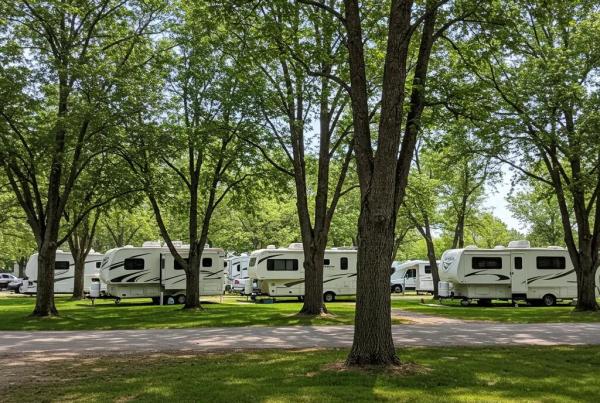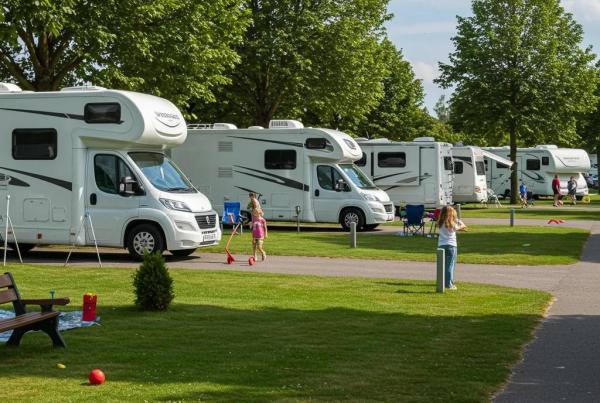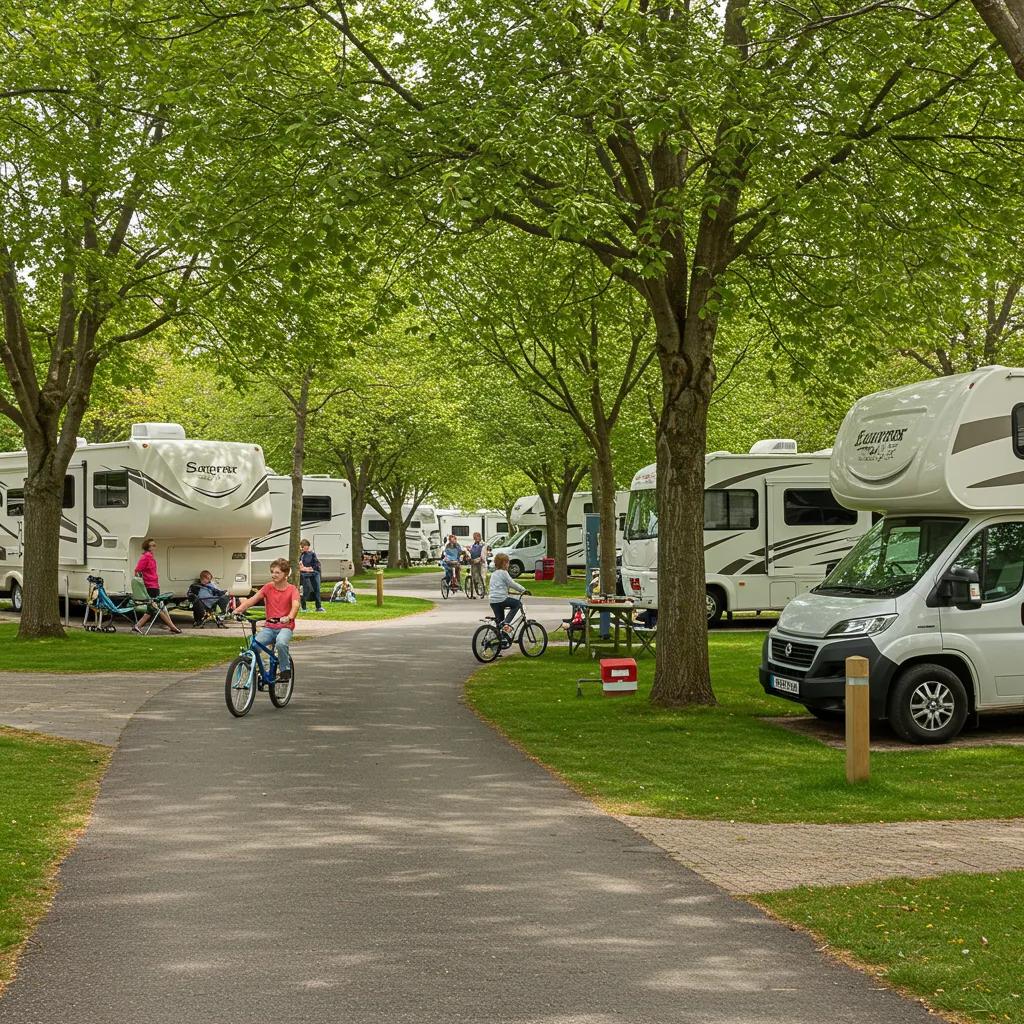
Understanding the RV Resort Market: Average Time to Sell Your Park Explained
Selling an RV resort or campground is a major life decision that hinges on timing, preparation, and the type of buyer you choose. In plain terms, “time to sell” means the calendar from listing or outreach to transfer of funds and operational handoff, and owners typically plan based on an expected range rather than a fixed date. This article explains how long it typically takes to sell an RV park or campground, breaks the process into stage-by-stage timelines, and outlines practical steps owners can take to shorten the sale window while preserving value. You will learn the stepwise selling process, valuation methods that drive offers, how market conditions in 2025 shape buyer appetite, and practical readiness actions (financial and operational) that reduce delays. The guide also compares brokered sales and direct buyers, explains cash-buyer dynamics, and profiles a family-owned direct acquirer that focuses on stewardship and parks with 130+ sites. Throughout, readers will find checklists, EAV-style tables, and decision lists to plan a realistic exit timeline.
How Long Does It Typically Take to Sell an RV Park or Campground?
The typical time to sell an RV park or campground varies by buyer type and deal complexity, but a reasonable expectation for most owner-assisted sales is roughly 6–12 months from marketing to closing, while cash buyers can often close in 30–120 days. This range reflects the combination of the marketing window, offer and LOI negotiation, due diligence, financing contingencies, and closing logistics; each phase adds predictable days or weeks. Understanding those stages helps owners plan retirement, tax timing, and employee transitions. The paragraphs below map stage durations to seller actions so owners can see which tasks shorten or lengthen the timeline.
The following table provides a compact stage-by-stage timeline owners can use to estimate their own sale schedule and to target areas for acceleration.
This EAV table highlights that financing and due diligence are the most variable parts of the timeline and that organized seller actions—like a prepared data room and prompt response—directly shorten the buyer’s review time. Cash buyers compress financing layers but due diligence still requires coordination and typically 30–120 days.
What Are the Typical Timeframes for Each Stage of the Selling Process?
The selling process splits into recognizable phases that each add predictable time; defining them helps owners prioritize work. Marketing and buyer outreach commonly take one to four months depending on exposure and whether a broker or direct outreach is used. After an LOI, negotiation and contract drafting usually take two to six weeks, with complexity around contingencies or assets included. Due diligence and inspections then run from one to three months, depending on environmental, title, and operational complexity; parallelizing document delivery and inspections speeds the process.
Organizing documents before listing is a concrete action that shortens practically every stage: providing recent P&Ls, occupancy reports, and permit records reduces back-and-forth with prospective buyers and lenders. A well-prepared data room and scheduled inspection windows can cut due diligence time by weeks. The next subsection explains major factors that change these stage estimates and practical seller actions to reduce each phase.
Which Factors Influence the Time to Sell Your RV Resort?
Several factors materially influence the calendar to close: local market liquidity, property condition, quality of financial records, buyer type, and financing climate. Market liquidity determines how large the buyer pool is; in tighter markets more time may be needed to find qualified offers. Property-specific issues such as deferred maintenance, unpermitted improvements, or ambiguous title matters create hold-ups during inspections and underwriting. Strong, consistent NOI and clear occupancy reporting reduce lender and buyer uncertainty and shorten underwriting.
Macro factors like interest rates affect buyer affordability and prevalence of financed buyers versus cash buyers, thereby shifting typical closing windows. Location and seasonality are also influential: listing just before peak camping season can increase buyer interest but complicate inspection scheduling. The following list summarizes top factors owners should audit before marketing.
- Market liquidity and buyer pool size: A larger pool shortens marketing time.
- Property condition and permits: Clean records avoid inspection delays.
- Financial transparency (NOI, P&L): Organized financials accelerate underwriting.
These factors tie directly into the market trends discussed later and suggest specific readiness steps owners should prioritize.
How Can Cash Buyers Affect the Selling Timeline?
Cash buyers can significantly shorten the sale timeline because they eliminate lender underwriting and appraisal cycles; typical cash-buyer closings fall in the 30–120 day window depending on diligence scope. The mechanism is straightforward: no loan reduces contingent conditions, enabling negotiators and title agents to focus solely on inspections, title, and transfer logistics. The main tradeoffs are that cash buyers may expect a discount relative to market financing offers and that a smaller pool of qualified cash buyers may limit competitive bidding.
Sellers evaluating cash offers should compare net proceeds after accounting for potential price concessions and the value of speed and certainty. Even with cash buyers, prepare the same documentation—clean title, financials, and environmental disclosures—because diligence remains necessary and often dictates the final closing date.
What Are the Key Steps in the RV Park Selling Process?

The RV park selling process follows a practical sequence: preparation, valuation, marketing, negotiation, due diligence, and closing. Each step has targeted seller tasks that reduce delays and protect value, and owners who map these tasks to a timeline can proactively remove bottlenecks. The following numbered list breaks the process into actionable phases with expected time windows so owners can build a project plan.
- Prepare: Organize P&Ls, tax returns, occupancy logs, site inventories, and permit records; perform essential maintenance.
- Value: Use income approach, market comps, and value-add analysis to set price expectations and anticipate buyer questions.
- Market & Vet Buyers: Choose channels—broker listing, direct outreach, or targeted investor solicitation—and vet buyer qualifications.
- Negotiate & Contract: Receive LOIs, negotiate contingencies, and execute a purchase agreement with clear milestones.
- Due Diligence & Financing: Provide data room access, support inspections and lender underwriting if required.
- Close & Transition: Complete escrow, finalize proration, transfer title, and implement a transition plan for staff and customers.
These steps form a practical roadmap and the next subsections explain preparation, valuation methods, negotiation dynamics, and closing procedures in detail. When negotiation and closing occur with an experienced direct buyer, streamlining is often possible as noted in the negotiation subsection below.
How Should You Prepare Your Campground for Sale?
Preparation starts with documentation, curb appeal, and smoothing operational processes to reduce perceived risk. Owners should gather 2–3 years of P&Ls and tax returns, occupancy and reservation histories, vendor contracts, property maps, and permits; these documents form the core of the data room and answer early buyer questions. Physical improvements should prioritize safety and deferred maintenance—repairing utilities, addressing septic or electrical issues, and ensuring ADA compliance where required—because these items commonly show up as inspection contingencies.
Presenting a clean operational state increases buyer confidence and often yields stronger offers, and scheduling targeted small-capex projects with clear ROI (like upgraded hookups or signage) can broaden buyer interest. A tidy, well-documented property coupled with operational continuity plans for staff reduces friction in contract stages and speeds due diligence.
How Is Your RV Park Valued Before Selling?
Campgrounds are commonly valued via three approaches: income (capitalization of NOI), market comparables, and value-add projections; each approach relies on distinct inputs and suits different buyer types. The income approach converts a stabilized Net Operating Income into value using a cap rate; market comps compare recent nearby sales on a per-site or per-acre basis; value-add analysis models upside through amenity or revenue improvements. Choosing the relevant method depends on buyer profile—operators prefer income/value-add while institutional investors emphasize stabilized NOI and comps.
This comparison clarifies that presenting clear NOI, documented comps, and a realistic value-add plan helps buyers and lenders converge on price faster.
What Happens During Due Diligence and Negotiation?
Due diligence is the period when buyers validate representations and investigate title, environmental, financial, and operational risks; it commonly includes document review, physical inspections, and third-party reports. Buyers will request a data room containing P&Ls, tax returns, occupancy logs, vendor contracts, utility bills, and maintenance records; simultaneously they schedule environmental site assessments, structural or systems inspections, and title review. Negotiation levers at this stage include price adjustments, repair credits, contingency windows, and assignment of liabilities, and they directly impact timing because each concession may require amendments to the purchase agreement.
Sellers who maintain an organized data room, pre-order common reports, and have clear disclosures often resolve buyer questions faster and avoid re-opening negotiations. When negotiating with a direct acquirer experienced in campground operations, due diligence can be more focused and integration planning clearer, which often reduces cycles of requests and contract amendments.
What Are the Closing Procedures When Selling an RV Park?
Closing consolidates the deal into escrow funding, title transfer, and final prorations; it typically follows satisfaction of all contingencies and lender conditions. Typical closing tasks include finalizing escrow instructions, delivering closing documents (deed, bill of sale, assignment of contracts), coordinating payoff of existing liens, and confirming insurance and utility transfers. Post-closing transition planning—staff handover, reservation transfers, and guest communications—should be mapped in advance to prevent service disruptions during peak seasons.
Anticipating common hurdles such as last-minute title issues or missing signatures reduces the chance of delayed funding. A clear, itemized closing checklist prepared by the seller and shared with buyer counsel and escrow avoids surprises and helps close on the scheduled date.
How Do Market Conditions in 2025 Affect RV Resort Sales?
Market conditions in 2025 shape buyer pools, financing terms, and acceptable cap rates, and owners who understand current dynamics can better time their sales or structure deals to match buyer appetite. Recent trends show evolving demand profiles—growth in private site preferences and amenity-driven stays—that influence which parks attract multiple offers. Interest rate levels and lending availability determine the share of financed buyers versus cash buyers, impacting typical closing timelines and the prevalence of financing contingencies.
Sellers should frame their offering around the current buyer motivations—stabilized cash flow or value-add upside—and adjust marketing messages and asking prices accordingly. The subsections below dig into current trends, interest rate impacts, and where investment opportunities remain attractive in 2025.
What Are the Current Trends in the RV Resort Market?
Recent market trends indicate a continued preference for private, amenity-rich camping experiences and increased direct booking adoption, which lifts revenue per site for parks that invest in reservation systems and private-site upgrades. Demographic shifts are bringing more diverse camper segments, and investors are paying attention to operational sophistication—parks with modern property management systems and steady occupancy data attract cleaner offers. These trends push buyers toward assets with clearer recurring revenue patterns and lower immediate capex needs.
For sellers, aligning upgrades and operational reporting with market preferences—such as offering private-site enhancements and streamlined booking—can materially increase buyer interest and reduce marketing time. The next subsection explains how interest rates and occupancy interplay with valuation and sale timing.
How Do Interest Rates and Occupancy Rates Impact Sales?
Interest rates influence buyer affordability and lender underwriting, with higher rates shrinking the pool of financed buyers and often lengthening underwriting and approval times as debt service tests tighten. Occupancy rates directly affect NOI and therefore the price buyers will underwrite; lower occupancy reduces lender comfort and may force buyers to demand longer contingencies or lower purchase prices. The combination of rate-sensitive financing and occupancy-driven cash flow determines both the valuation multiple (cap rate) and the practical speed at which deals close.
Sellers can mitigate these effects by demonstrating stable or improving occupancy, providing sensitivity models for lenders, and considering seller financing or bridging solutions to widen the buyer pool. The following list outlines defensive actions owners can take to protect value in rate-pressured markets.
- Document consistent occupancy and revenue trends to reassure lenders.
- Implement dynamic pricing and amenity fees to boost short-term NOI.
- Consider structured sale alternatives such as seller carry to bridge financing gaps.
These steps preserve buyer interest and can shorten financing timelines when rates tighten.
What Investment Opportunities Exist in the RV Park Market?
Even in soft markets, specific investment niches remain attractive: value-add repositioning (amenity upgrades, private sites), operational modernization (reservation and yield management systems), and experiential offerings such as glamping that drive higher ADRs (average daily rates). Investors who can execute targeted capex with predictable ROI often pay premiums, and operator-buyers value parks where operational improvements will quickly translate into NOI uplift. Identifying which projects have short payback periods is critical to attracting bidders willing to finance improvements.
Owners planning to sell should prioritize projects that de-risk future capital needs—upgrading electrical hookups or sewer systems reduces buyer-perceived future capex and often accelerates offers. The investment focus aligns with buyer profiles described earlier and guides where sellers should deploy limited pre-sale capital.
Should You Sell Your Campground Through a Broker or Direct Buyer?
Choosing between a brokered sale and a direct buyer is a strategic decision that trades exposure and competitive bidding against speed, confidentiality, and values alignment. Brokers typically offer broad marketing reach, competitive auction-style bids, and professional negotiation services, but at the cost of commissions and potentially longer marketing timelines. Direct buyers can provide faster, more confidential transactions, and may be preferable when sellers prioritize a smooth transition or have a target buyer profile in mind.
The neutral comparison below helps owners decide which route fits their priorities.
What Are the Advantages of Selling to a Direct Buyer Like GatherGrounds?
Selling to a direct buyer can simplify communication, speed decision-making, and support a stewardship-oriented transition when the buyer’s values align with the seller’s legacy goals. GatherGrounds Resorts is a family-owned company that acquires, professionally manages, and operates campgrounds and RV parks primarily in the upper Midwest, with a focus on properties that have 130 or more sites. Their model emphasizes enhancing properties with modern amenities while preserving traditions and the “heart” of a park, and they offer no-obligation conversations for owners considering a sale.
A values-aligned direct buyer reduces intermediary steps and often narrows negotiation cycles because both parties negotiate directly with the operating entity that will manage the park. For sellers interested in preserving legacy and speeding a handoff, such direct buyers can close faster in many cases and provide a smoother operational integration.
How Do Broker Services Compare to Direct Buyer Offers?
Brokers bring market exposure, professional marketing materials, and access to a wider buyer base, which can translate into higher sale prices through competitive bidding, but brokers charge commissions and the timeline can extend as the market is tested. Direct buyers reduce transactional overhead, can negotiate quickly, and may accept lower marketing fees in exchange for speed and certainty. Confidentiality is typically better preserved with direct buyers because outreach can be targeted and discreet.
When evaluating offers, compare not only headline price but net proceeds after commissions, closing costs, and potential price concessions, and weigh the value of a faster close against the possibility of a higher but slower brokered sale. The decision often hinges on owner priorities around timing, legacy, and acceptable net proceeds.
When Is It Beneficial to Use a Broker for Your RV Park Sale?
A broker is often the right choice when the asset is unique, when the seller wants maximum exposure to national or specialized investors, or when complex sale structures (multi-asset portfolios, tenant issues) require a broad marketing process. Brokers can uncover competitive bidders who might pay premium prices for strategic assets, and their negotiation and transaction management expertise helps when multiple parties and complex contingencies are expected. Vet brokers by asking for comparable sold listings, marketing plans, and references.
If a seller prioritizes confidentiality, speed, or prefers dealing directly with an operating buyer focused on stewardship, then a direct buyer route may be preferable. The checklist below helps owners decide which path to take.
- Use a broker when you need broad exposure and aim to maximize price.
- Use a direct buyer when speed, certainty, or stewardship alignment are top priorities.
- Hybrid approaches (targeted broker outreach plus direct buyer conversations) can also make sense in certain situations.
How Can You Prepare Financials and Operations to Speed Up Your RV Park Sale?
Presenting clean, standardized financials and streamlined operations makes your park readily underwritable and reduces buyer friction during due diligence. Buyers and lenders expect a consistent P&L, occupancy reports, adjusted NOI calculations, vendor contracts, and clear documentation of site inventories and permits. Organize these items into a data room before marketing to reduce repeated document requests and to shorten underwriting timelines.
The table below lists essential documents and why they matter, giving sellers concrete actions to assemble and present information that accelerates diligence.
A tidy data room signals professionalism and reduces the time buyers spend chasing information, often shortening the due diligence window by weeks.
What Financial Documents Are Essential for Selling Your Campground?
Buyers expect coherent financial histories that support NOI claims: multi-year P&Ls, tax returns, occupancy and ADR reports, vendor and utility contracts, and capital expenditure histories. Presenting adjusted EBITDA or adjusted NOI reconciliations with clear notes on one-time items and owner discretionary expenses makes underwriting easier. A well-organized, indexed data room with searchable files reduces buyer effort and speeds the review process.
Preparing these documents in advance and labeling them for ease of review creates a smoother buyer experience and reduces the likelihood of follow-up requests that extend timelines. The next subsection explains how improving NOI before sale can translate into significant valuation gains.
How Can Improving Net Operating Income Increase Your Park’s Value?
NOI is the central driver of value when buyers use the income approach: small percentage increases in NOI can translate into sizable valuation uplifts depending on cap rates. For example, boosting NOI by 10% on a park with a typical cap rate can raise sale price materially; the math of NOI times (1/cap rate) shows the leverage. Practical levers include modest revenue enhancements (site-specific fees, premium sites, amenity charges) and expense optimizations (vendor renegotiation, energy savings) that preserve guest experience while improving margins.
Targeting improvements with short payback periods increases buyer confidence in projected cash flows and often brings higher offers from income-focused buyers. Communicate projected and historical NOI clearly in valuation materials to capture the value uplift during negotiation.
What Operational Improvements Make Your RV Park More Attractive to Buyers?
Buyers favor parks with reliable reservation systems, clear site inventories, modern hook-ups, and minimal deferred maintenance because these features reduce near-term capex and operational risk. Upgrading reservation and property management systems makes revenue reporting transparent and helps buyers model future performance. Infrastructure improvements that decrease future capital needs—electrical upgrades, sewer repairs, improved roadbeds—often deliver outsized buyer confidence.
Rank proposed improvements by ROI and buyer appeal, focusing on projects that either boost revenue per site or reduce obvious future liabilities. Present planned improvements with cost estimates and realistic timelines to demonstrate a manageable path to higher NOI.
What Makes GatherGrounds Resorts a Unique Buyer for Your Campground?
GatherGrounds Resorts is a family-owned company focused on acquiring, managing, and operating campgrounds and RV parks primarily in the upper Midwest, with an expressed interest in properties of 130 or more sites. The company’s model centers on enhancing properties with modern amenities and implementing a customer service model described as the “GatherGrounds experience,” while emphasizing stewardship and legacy preservation. GatherGrounds offers owners a no-obligation conversation to explore potential acquisition fit, presenting a direct-buyer path that prioritizes operational continuity and respectful transitions.
This profile clarifies seller fit: owners with parks of the target size and location who value operational experience and legacy preservation may find direct negotiation with GatherGrounds to be an efficient, aligned option. The next subsections describe the stewardship emphasis, the acquisition process as described by the company, and how sellers can request more information or case studies.
How Does GatherGrounds Preserve the Legacy and Heart of Your Park?
GatherGrounds frames preservation as operational continuity with respect for park traditions and guest experience, balancing upgrades with respect for the park’s existing identity. As a family-owned operator, the company emphasizes stewardship language—preserving the “heart and soul and traditions” of parks—while implementing enhancements that support long-term sustainability. This stewardship approach appeals to owners who want their park’s legacy maintained while enabling professional management improvements.
Owners who prioritize legacy preservation should discuss transition plans early in conversations, aligning on staffing continuity, guest communications, and amenity evolution to ensure the park’s character remains intact after transfer.
What Is the GatherGrounds Acquisition Process and Timeline?
GatherGrounds begins with a no-obligation conversation to understand owner goals and property fit, focusing on properties aligned with the company’s geographic and size criteria. From that initial discussion, the process follows standard acquisition steps—expression of interest, more detailed information exchange, and a diligence period—while emphasizing professional management and thoughtful operational integration post-acquisition. Sellers should expect the company to assess site inventory, financials, permits, and alignment with stewardship priorities during its review.
While timelines depend on the specific deal and diligence scope, a direct acquirer like GatherGrounds can often reduce negotiation complexity because the buyer is also the operator, which streamlines integration planning and decision-making.
What Are Seller Experiences and Testimonials with GatherGrounds?
If sellers wish to review others’ experiences, the recommended step is to request case studies or anonymized seller summaries directly from the company, since public testimonials are not presented here. GatherGrounds invites owners to a no-obligation conversation, where sellers can ask for references, examples of operational transitions, and any available case study materials. This approach allows owners to evaluate the buyer’s stewardship claims and transition practices before making decisions.
Requesting specific seller-provided case summaries during initial conversations helps owners validate process speed, operational handoff, and whether legacy objectives were maintained post-sale.
Frequently Asked Questions
What Should I Do to Prepare My RV Park for Sale?
Preparing your RV park for sale involves several key steps. Start by organizing essential documents such as profit and loss statements, occupancy reports, and permits. Address any deferred maintenance issues to enhance curb appeal and operational safety. Additionally, consider making small improvements that can yield a high return on investment, like upgrading utilities or enhancing amenities. A well-prepared property not only attracts more buyers but can also lead to higher offers and a quicker sale.
How Can I Determine the Right Asking Price for My RV Park?
Determining the right asking price for your RV park involves using various valuation methods. The income approach, which capitalizes on the net operating income (NOI), is commonly used by buyers focused on cash flow. Market comparables can help you gauge what similar properties have sold for recently. Additionally, consider value-add projections that highlight potential revenue increases through improvements. Consulting with a real estate professional familiar with RV parks can also provide valuable insights into setting a competitive price.
What Are the Risks of Selling to a Cash Buyer?
While cash buyers can expedite the selling process, there are risks to consider. Cash offers may come in lower than financed offers, as buyers often expect a discount for the speed and certainty they provide. Additionally, a smaller pool of cash buyers may limit competitive bidding, potentially affecting the final sale price. It’s essential to evaluate the net proceeds after accounting for any price concessions and to ensure that the cash buyer is qualified and serious about the purchase.
How Do I Handle Buyer Due Diligence Requests?
Handling buyer due diligence requests effectively is crucial for a smooth transaction. Prepare a comprehensive data room that includes financial statements, occupancy reports, and maintenance records. Be proactive in providing requested documents to minimize delays. Clear communication is key; respond promptly to inquiries and be transparent about any issues. If you have pre-ordered common reports, such as environmental assessments, it can further streamline the process and build buyer confidence in your property.
What Should I Expect During the Closing Process?
The closing process involves several critical steps to finalize the sale. Expect to complete escrow funding, transfer the title, and finalize any prorations. You’ll need to provide closing documents, such as the deed and bill of sale, and coordinate the payoff of any existing liens. It’s also essential to have a transition plan in place for staff and guests to ensure a smooth handover. Anticipating common hurdles, like last-minute title issues, can help you avoid delays and close on schedule.
How Can Market Conditions Affect My Sale Timing?
Market conditions play a significant role in determining the timing of your RV park sale. Factors such as interest rates, buyer demand, and seasonal trends can influence how quickly you find a buyer. For instance, higher interest rates may reduce the number of financed buyers, potentially lengthening the sale process. Conversely, listing your park during peak camping season can attract more interest. Staying informed about current market trends can help you time your sale for maximum impact.
What Are the Benefits of Selling to a Family-Owned Company Like GatherGrounds?
Selling to a family-owned company like GatherGrounds can offer unique benefits, particularly for owners concerned about legacy preservation. Such companies often prioritize stewardship and operational continuity, ensuring that the park’s traditions and values are maintained. Additionally, direct negotiations with a family-owned buyer can streamline the process, reducing the complexity and time involved in the sale. This alignment of values can lead to a smoother transition for both the seller and the new owner.
How Long Does It Typically Take to Sell a Campground?
Typically, selling a campground takes about 6–12 months from initial marketing to closing for brokered or financed deals; cash buyers often close in 30–120 days depending on diligence. The actual timeline hinges on documentation readiness, property condition, buyer type, and financing availability.
- Factors that shorten timelines: organized data room, strong NOI, direct buyer interest.
- Factors that lengthen timelines: financing contingencies, environmental issues, poor documentation.
Owners should use the stage-by-stage table above to estimate their own timeline and prioritize tasks that reduce buyer friction.
What Are the Tax Implications of Selling an RV Park?
Tax implications depend on whether the sale is structured as an asset sale or an entity sale and on owner-specific factors; common considerations include capital gains, depreciation recapture, and state-level tax rules. Determining tax liability requires a review of transaction structure, ownership entity, and reinvestment options.
- Key action: Consult a qualified tax advisor or CPA who understands campground and commercial property transactions.
- Tip: Early tax planning during deal structuring can preserve more net proceeds for the seller.
This high-level answer is intended as a starting point and not tax advice.
Should I Sell My Campground as a Business or Real Estate Only?
Selling as a going concern (business plus real estate) transfers operations, staff, and brand value and often commands a premium when an operator buyer values continuity; selling real estate only simplifies the transfer but may limit buyer types. The decision depends on owner goals—retirement, ongoing income, or liquidation—and on liabilities and staff considerations.
- Sell entity when you want operational continuity and an operator buyer is in scope.
- Sell real estate only when you prefer a clean exit or are not transferring operations.
Evaluate buyer profiles, liability allocation, and tax consequences before choosing structure.
How Can I Make My Campground More Attractive to Potential Buyers?
Focus on documentation, short-payback operational improvements, and reducing visible deferred maintenance to increase buyer confidence and offers. Implementing a modern reservation system, upgrading hook-ups, and improving high-ROI amenities such as private sites or premium restrooms often broaden buyer interest.
- Prioritize: reservation system hygiene, clear P&Ls, and targeted infrastructure fixes.
- Communicate: present projected NOI improvements and capital plans in sale materials.
These improvements shorten diligence and increase perceived value.
Is It Necessary to Hire a Broker to Sell My Campground?
No single path fits every seller. A broker is beneficial when you need broad exposure, competitive bidding, and professional transaction management. A direct buyer route often works best when you prioritize speed, confidentiality, or values-aligned stewardship.
- Use a broker: if maximizing price via a competitive sale process is the priority.
- Consider a direct buyer: if speed, certainty, and operational continuity matter most.
- Hybrid: combining targeted outreach with selective broker engagement can also be effective.
Owners should match their priorities—speed vs. price vs. legacy—to the route they select and vet counterparties accordingly.
This article has walked through the stage-by-stage timeline, valuation pathways, market context for 2025, route comparisons, and practical readiness steps owners need to sell an RV resort or campground. For owners considering a direct-buyer conversation that emphasizes stewardship and operational continuity, GatherGrounds Resorts offers a no-obligation discussion focused on properties of 130 or more sites primarily in the upper Midwest.
Conclusion
Understanding the RV resort market and the average time to sell your park is crucial for making informed decisions that maximize value. By following the outlined steps and preparing effectively, owners can streamline the selling process and attract the right buyers. If you’re ready to explore your options, consider a no-obligation conversation with GatherGrounds Resorts to discuss how they can support your selling journey. Take the first step towards a successful sale today.