River Tubing: Age, Size & Safety Guidelines for Family-Friendly Floating
River floating and tubing are simple ways for families to get outdoors and have fun — but safety comes first. Knowing age limits, equipment sizing, and basic safety practices helps everyone enjoy a smooth, worry-free trip. Below are rules and tips for river tubing at Walnut Hills Family Campground — who can tube alone, choosing the right tube, and what to pack.
What Are the Age Restrictions for River Tubing at Walnut Hills Family Campground?
Before you plan, know the campground’s age rules. They protect younger guests who may lack the strength or coordination for moving water.
Minimum Age Requirements for Safe River Floating
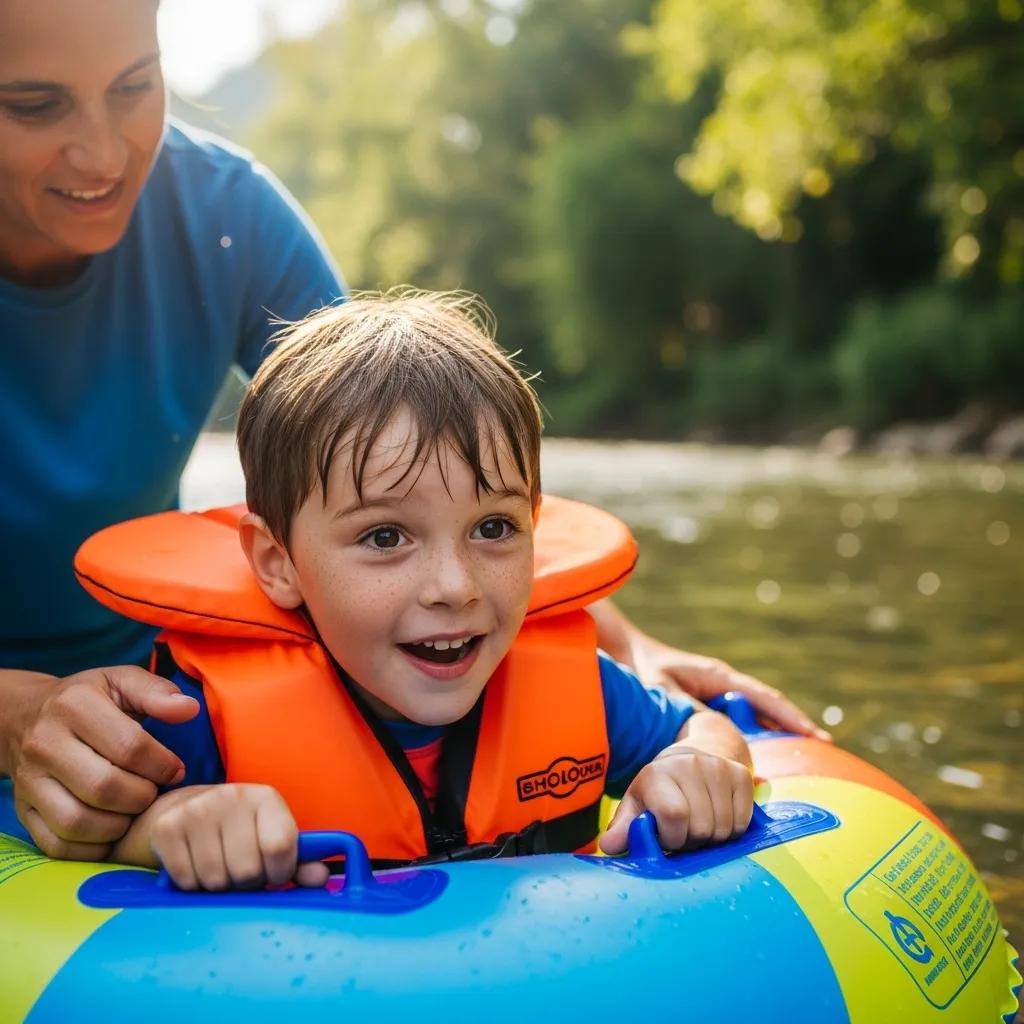
Walnut Hills Family Campground requires tubers to be 6 years or older. This helps ensure kids can handle the tube and follow safety directions. Parents should also consider each child’s swim skills and confidence in the water when deciding if tubing is appropriate.
Can Children Tube Alone? Supervision and Family Policies
Anyone under 12 must be accompanied by an adult. Parents and guardians are encouraged to join children on the river — supervision keeps kids safer and makes the day more fun.
What Size and Weight Guidelines Ensure Safe Tubing Experiences?
Correct tube size and weight limits keep riders stable and reduce the chance of mishaps. Below are the typical sizing and weight recommendations followed at the campground.
Tubing Size Limits and Weight Restrictions Explained
Recommended tube diameters are usually between 36 and 48 inches to suit different body types and improve stability on the water. Most tubes have a maximum weight limit of 300 pounds. Going over that limit can affect buoyancy and control, so follow the posted limits for safety.
How Equipment Sizing Supports Safety for All Ages
Pick the right tube for the rider: too small and it won’t support properly; too large and it can be hard to steer. Look for tubes with strong seams and comfortable handles — these features make a noticeable difference on the water.
Which Safety Equipment and Practices Are Required for River Floating?
Good gear and smart habits are the backbone of a safe tubing day. Follow these equipment recommendations and behavior tips to reduce risk and keep the whole group comfortable.
Life Jackets and Protective Gear: What You Need to Know
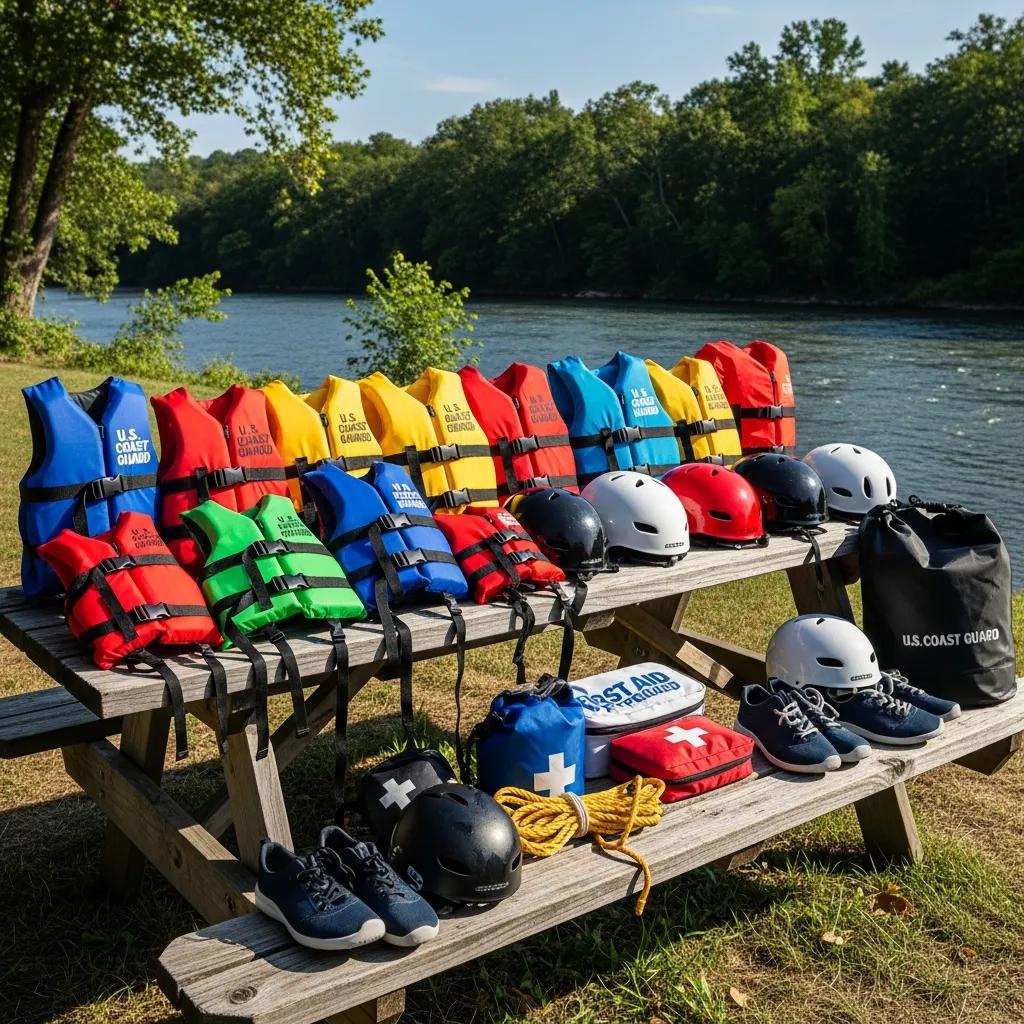
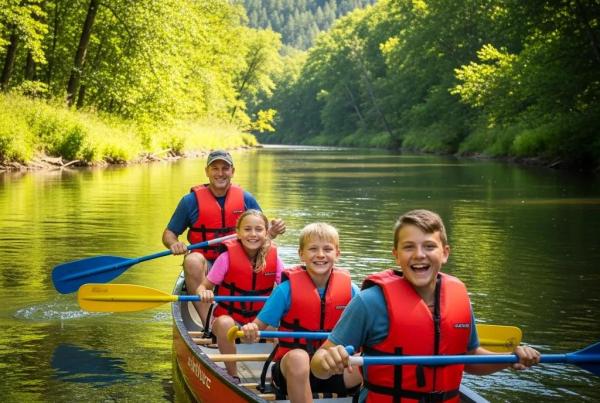
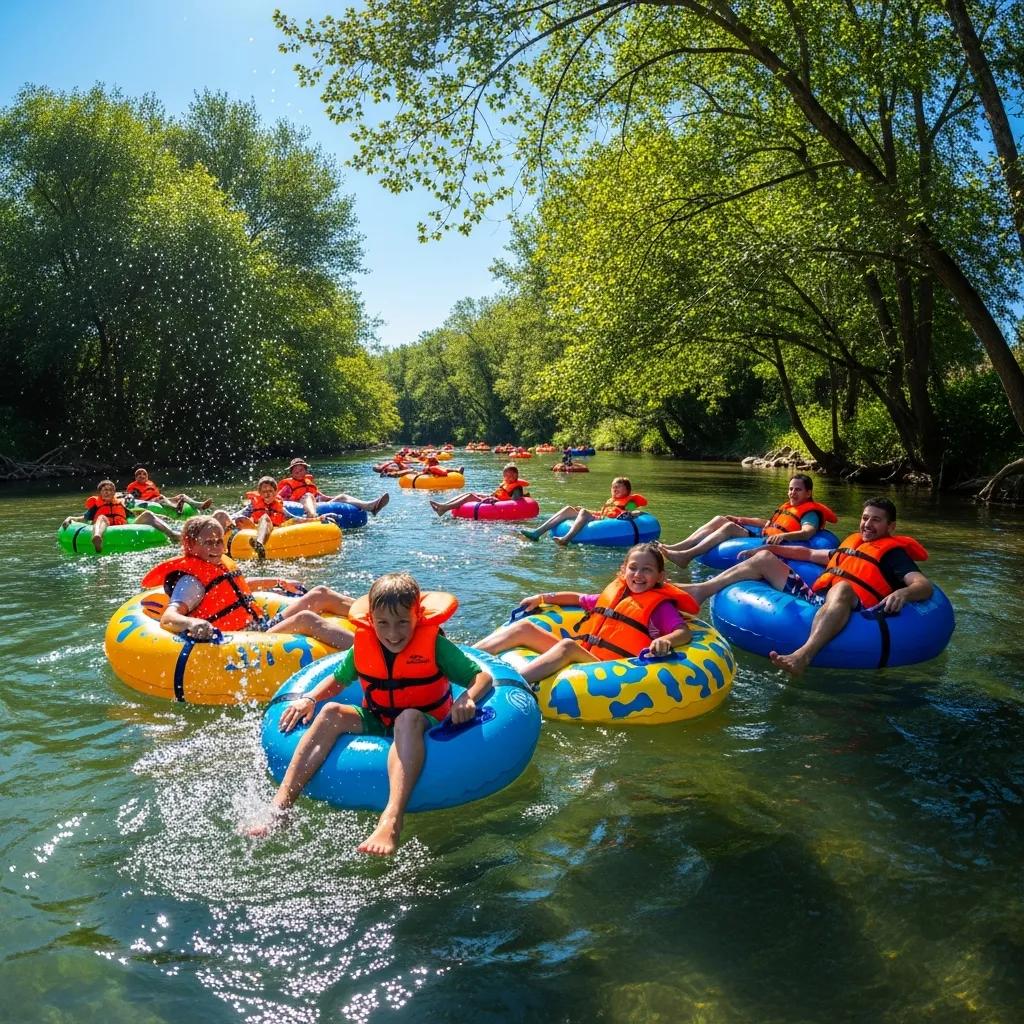
All tubers must wear U.S. Coast Guard–approved life jackets that fit snugly. Helmets may help on routes with obstacles or low-clearance areas.
Studies consistently show that supervision and life jacket use are among the most effective ways to prevent drowning during open-water recreation.
Open Water Safety: Drowning Prevention, Supervision & Life Jacket Use
Open-water recreation is a common context for drowning incidents, particularly in places where people have easy access to lakes, rivers, and coasts. To clarify safety messaging, 18 experts from 12 countries formed the International Task Force on Open Water Drowning Prevention (ITFDP) and produced 16 general open-water safety recommendations. This review looked at research from 1990 to 2010 and combined it with expert input to evaluate those messages. The strongest evidence supports close supervision and avoiding alcohol; there is also supporting evidence for measures such as lifeguards, CPR training, and life jacket use.
Where the evidence and expert opinion meet: A review of open-water recreational safety messages, R Franklin, 2011
Recommended Safety Guidelines for Family-Friendly Tubing
- Always wear a life jacket: Ensure every rider wears a properly fitted life jacket at all times.
- Stay in designated areas: Follow the campground’s marked tubing routes and avoid sections with strong currents.
- Supervise children closely: Keep kids within arm’s reach or sight, depending on their age and ability.
- Check the weather: Don’t tube during storms or in high winds — safety depends on calm, predictable conditions.
How Can Families Reserve and Prepare for a Safe Tubing Adventure?
A little planning goes a long way. Below are the reservation details and quick prep tips so your day runs smoothly.
Reservation Process and Facility Access at Walnut Hills
To reserve or ask about seasonal spots, call or email Walnut Hills Family Campground. Short-term camping runs May 1 to September 30; seasonal renters have access May 1 to October 31. Seasonal site fees range from $3,000 to $5,000 depending on site. Check availability and pricing through the campground’s online reservation system.
Tips for Preparing Children and Groups for River Tubing
- Review safety rules: Talk through expectations — how to hold the tube, what to do if they fall out, and how to signal for help.
- Pack the essentials: Sunscreen, plenty of water, snacks, and a small first-aid kit will keep everyone comfortable.
- Arrive early: Give your group time to get fitted for life jackets, practice getting on and off tubes, and ask any last-minute questions.
Frequently Asked Questions
What should I consider when choosing a river tubing location?
Look for gentle currents, shallow areas for easy exits, and routes free of major obstacles like large rocks or fallen trees. Prefer locations with designated tubing zones, available safety gear, and clear age or size rules. Nearby amenities such as restrooms and parking also make the trip easier for families.
Are there any health restrictions for river tubing participants?
Yes. If someone has heart issues, breathing problems, is pregnant, or has limited mobility, check with a healthcare provider before tubing. People who aren’t confident swimmers should choose calm routes and always wear a life jacket. Prioritize everyone’s health and comfort when deciding who should participate.
What should I do if someone falls out of their tube?
Stay calm and have the person float on their back with their feet pointed downstream if possible. Make sure their life jacket is secure. If you’re close, move toward them while watching the current. Signal for help from nearby adults or staff if needed — avoid risky rescues unless you’re trained.
How can I ensure my child is safe while tubing?
Keep them in a properly sized life jacket, stay nearby, and choose routes that match their ability. Teach them how to hold onto the tube and what to do if they fall out. Staying with the group and following adult instructions are key to a safe day on the water.
What are the best practices for tubing with a group?
Set clear rules before you launch: stay together, follow the marked route, and assign an adult leader to watch the group. Bring water, snacks, and sunscreen, and schedule breaks to regroup. Bright tubes or flags help keep everyone visible.
What should I pack for a day of river tubing?
Packing list basics: sunscreen, plenty of water, snacks, a small first-aid kit, waterproof bags for phones and keys, extra towels, and dry clothes. For young children, bring additional floatation aids if recommended, and a cooler if you plan to eat on breaks.
Conclusion
Knowing the age, size, and safety rules for river tubing makes the difference between a stressful outing and a memorable family day. Follow the campground guidelines, use the right gear, and plan ahead — and you’ll be set for a safe, enjoyable float at Walnut Hills Family Campground. We look forward to seeing you on the water — bring your sense of adventure and plan well.