Sell Your Campground Fast: Quick, Fair, and Direct Sale Strategies
Selling your campground quickly means having a solid plan that balances fair pricing, complete paperwork, and a smooth transaction process to minimize delays and keep your property’s legacy intact. This guide shows you how to sell your campground in record time by defining how to value it, getting your property and documents ready, and choosing the fastest way to sell—whether it’s a quick market sale or a direct sale to a qualified buyer. You’ll learn practical valuation methods like Net Operating Income (NOI) and cap rate, a prioritized checklist for sellers to get the property and operations ready, and step-by-step timelines to speed up due diligence and closing. We also cover 2025 market trends that affect timing and price, compare selling directly versus listing with a broker, and answer common seller questions with clear action steps. Throughout, we focus on sellers who want to “sell my campground fast,” “sell my RV park quickly,” or “expedite campground sale” while keeping guest experiences and staff continuity in mind.
How Do I Figure Out What My Campground or RV Park is Worth?
Determining your campground’s value involves translating its physical aspects, operations, and market performance into a solid price that buyers will trust, using standard commercial metrics. Valuation works by looking at income generation (NOI), applying a suitable cap rate based on market risk and comparable properties, and making adjustments using EBITDA or replacement-value analysis; this gives you a realistic price range. Understanding these methods helps you set expectations and know which documents and improvements will lead to the best offers. The next sections break down the factors that influence value, how a direct buyer assesses worth, and the exact documents you’ll need to speed up an appraisal and offer.
What Factors Influence Campground and RV Park Valuation?
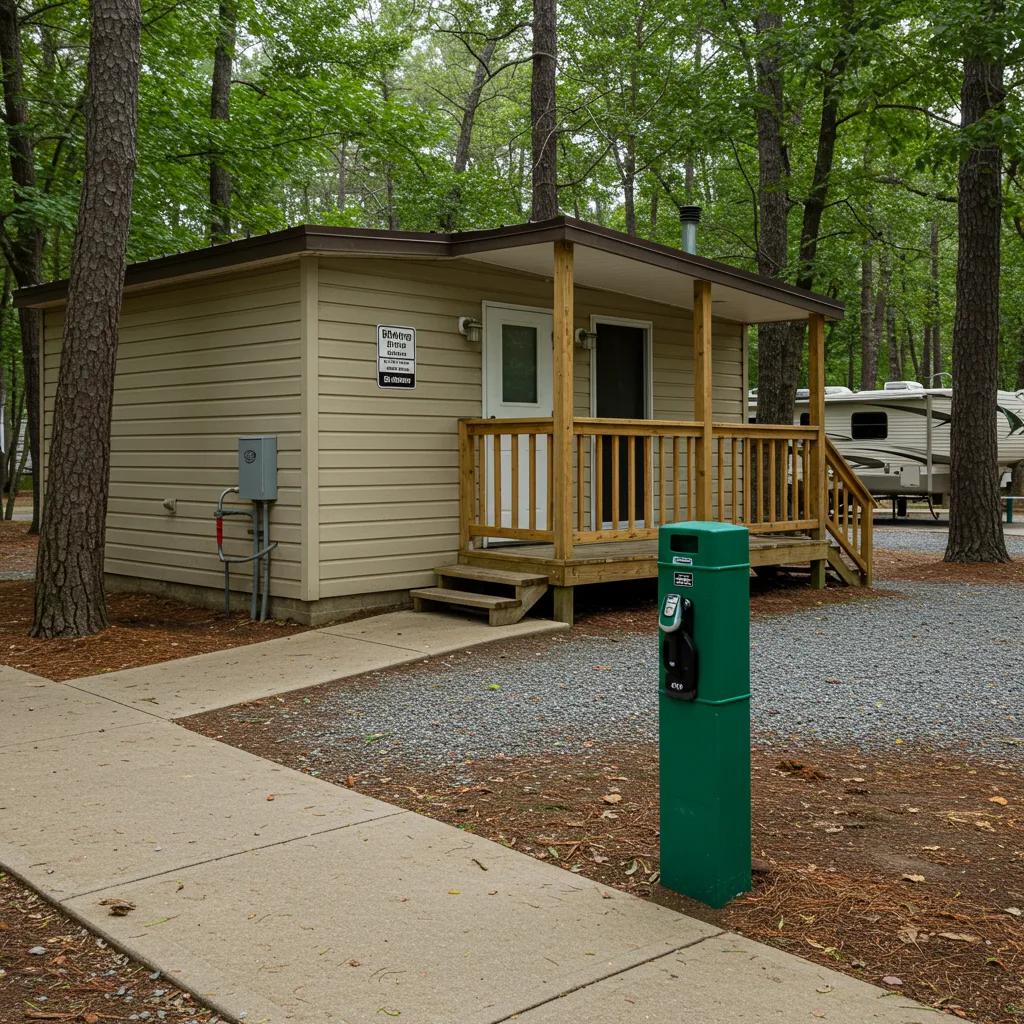
Your campground’s value depends on a mix of its physical features, how well it’s run, and market conditions, all of which shape buyer interest and pricing. Physical elements include the number of sites, land acreage, utility systems, and amenities like bathhouses and recreation areas; these directly impact revenue potential and the need for capital investment. Operational performance covers occupancy rates, average daily rates (ADR), seasonal patterns, expense ratios, and documented capital expenditures; strong, consistent performance boosts valuation. Market factors—like local demand, regional comparables, cap rate trends, and financing availability—influence the cap rate a buyer will use; understanding these categories helps you prioritize improvements that will make the biggest difference in price.
How Does GatherGrounds Assess Campground Worth?
GatherGrounds Resorts evaluates campground value through a structured process that focuses on income metrics, operational consistency, and alignment with your goals as a seller. Their approach typically starts with an initial conversation and a review of your financials to estimate NOI and potential cap rates, followed by a site visit to check the physical condition and quality of amenities; they specifically look for properties with over 130 sites, primarily in the upper Midwest. GatherGrounds then uses this information to provide an indicative offer that reflects both market value and their plans for enhancing amenities and guest experiences. Sellers who have core documents ready and can show stable occupancy will receive faster, more competitive offers from direct buyers.
Before you look at the table comparing valuation metrics, gather the documents that support your NOI and operating performance so you can see how each metric relates to a sample valuation.
Different valuation metrics highlight distinct aspects of a property’s worth and help sellers understand how buyers calculate their offers.
This table clarifies how buyers move from operating metrics to offer ranges and helps sellers identify which numbers to focus on before seeking an offer.
What Steps Should I Take to Prepare My Campground for a Fast Sale?
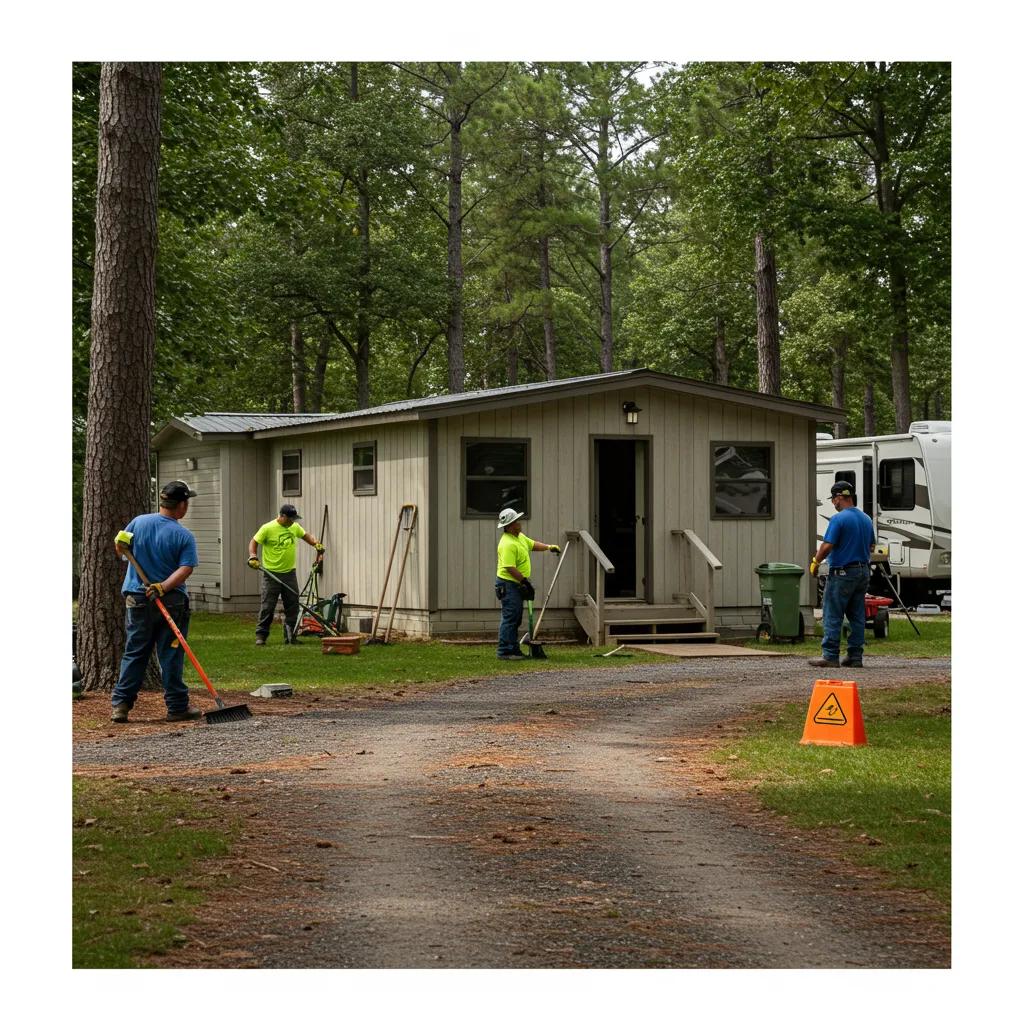
Getting your campground ready for a quick sale means prioritizing fixes and documentation that reduce buyer uncertainty and speed up the offer-to-close timeline. The main goal is to make things easier: fix safety and infrastructure issues, present clean financial records, and put together high-quality visuals and maps to build buyer confidence and speed up due diligence. Sellers who focus on these tasks consistently turn interest into offers faster and avoid lengthy listing periods. The following sections offer cost-effective physical improvements, priority legal and operational documents, and practical marketing items that make fast transactions realistic.
How Can I Improve My Campground to Attract Buyers Quickly?
Targeted, cost-effective improvements boost perceived value and prevent slow inspections that stall deals, focusing on safety, curb appeal, and amenity readiness. Priorities include fixing electrical and sewer hookups, ensuring clear signage and site markers, refreshing bathhouses and common areas, and improving connectivity where possible to meet guest expectations; these upgrades have a high impact on buyers for relatively low capital outlay. Documenting improvements with before/after photos and receipts shows good stewardship and reduces negotiations over condition. Small investments in high-visibility areas often lead to significant reductions in due diligence delays and stronger offers from buyers looking for operational continuity.
A concise list highlights priority on-the-ground improvements sellers should complete before showings.
- Clean and repair all visitor-facing facilities to eliminate immediate maintenance objections.
- Ensure all site hookups and utility systems pass a basic inspection or have repair documentation.
- Update signage, parking, and entrance landscaping to improve curb appeal and first impressions.
These prioritized tasks reduce buyer concerns and speed up the inspection and offer process.
What Legal and Operational Documents Should I Organize?
Organizing legal and operational documents in advance eliminates common deal delays by giving buyers immediate insight into title, compliance, and ongoing obligations. Essential items include three to five years of P&L statements and tax returns, occupancy and rate history, site maps and site-mix tables, leases or long-term contracts, vendor agreements, permits and licenses, insurance certificates, and recent environmental or septic reports if available. Clear, indexed folders—digital and physical—save time during due diligence and reduce the need for repeated seller responses. Preparing this packet also allows sellers to proactively resolve title or permit issues that commonly extend closing timelines.
Presenting a tidy documentation package increases buyer confidence and shortens the offer-to-close window, which we illustrate further in marketing and outreach steps below.
How Should I Market My Campground When Selling?
Even when pursuing a direct sale, a compact marketing packet speeds up buyer decisions by presenting a clear operational snapshot and compelling visual evidence of demand. Create a concise data package that includes high-quality photos, a site map and site-mix table, recent P&Ls, occupancy trend charts, and a short one-page executive summary that highlights unique assets and any recent capital improvements. Use targeted outreach—direct buyer networks, regional investors, and qualified acquirers—to present off-market opportunities while maintaining confidentiality when needed. A polished, focused packet reduces information requests and speeds offers, making the sale process more efficient.
A short list outlines the essential components of a seller data packet and why each matters.
- Executive summary: A one-page overview for quick buyer screening.
- Financial snapshot: P&Ls, occupancy, ADR for three years to validate revenue.
- Visual assets: Site map and high-resolution photos to eliminate surprise inspections.
Providing these documents upfront encourages faster indicative offers and a more streamlined due diligence phase.
What Is the Step-by-Step Process to Sell My Campground Quickly to GatherGrounds?
Selling directly to GatherGrounds Resorts follows a clear, action-driven sequence that minimizes intermediaries and focuses on a thoughtful transition for staff and guests. The process is designed to accelerate timelines by prioritizing an early financial review, a targeted site visit, and an expedited due diligence phase that leverages prepared seller documentation; this method reduces negotiation cycles and avoids brokerage listing delays. GatherGrounds acts as a direct acquirer—presenting an indicative offer, managing due diligence efficiently, and coordinating closing logistics with clear responsibilities. The subsections below explain how to initiate contact, what happens during the offer and diligence stages, and how closing and transition are managed to deliver both speed and stewardship.
How Do I Start the Inquiry and Consultation with GatherGrounds?
The initial inquiry with GatherGrounds begins with a confidential, no-obligation conversation focused on fit, timing, and basic property facts to determine if the property meets their acquisition profile. Sellers should prepare a short executive summary and key financial documents—P&Ls, occupancy data, site count—to enable a rapid preliminary assessment; confidentiality is a standard part of early discussions. GatherGrounds typically requests this package and will propose a site visit timeline if the property aligns with their criteria, prioritizing clear communication and stewardship considerations. Early, organized preparation of core documents and a concise property summary will significantly shorten the time to an indicative offer.
Organizing these initial items positions a seller to move quickly into an indicative offer and due diligence if the fit is right.
This timeline shows how preparedness at each step shortens the overall sale interval and clarifies responsibilities for both seller and buyer.
What Happens During the Offer and Due Diligence Phase?
During offer formation, GatherGrounds combines the NOI, cap rate expectations, and property verification data to present an indicative offer that balances speed and fairness; the offer typically includes clear contingencies for title, environmental, and financial verification. Due diligence focuses on confirming operating statements, title integrity, environmental status, and physical condition, with priority items identified upfront to avoid open-ended discovery periods. Sellers who pre-submit organized documentation—recent inspections, leases, permits, and insurance—can significantly reduce due diligence timelines and accelerate the move to closing. The objective is to convert an indicative offer into a binding agreement quickly by narrowing contingencies and ensuring both parties understand remaining risks.
Faster diligence hinges on seller readiness and transparent communication about any known issues, which then leads into how closing and transition are managed.
How Is Closing and Transition Managed for a Smooth Sale?
Closing logistics emphasize clear handoff responsibilities, communication with staff and guests, and an agreed transition timeline that preserves the property’s identity and operations. GatherGrounds prioritizes thoughtful transition options—such as owner-curated handovers, short-term management agreements, or consultative roles for sellers—so that guest experiences continue uninterrupted and staff transitions are handled respectfully. Typical closing tasks include final title transfer, settlement of any liens, utility account transitions, and notification plans for guests and vendors; having these items prepped shortens settlement timing. Post-closing, GatherGrounds invests in amenity enhancements and operational continuity to preserve legacy while improving guest services.
Well-managed transition planning reduces reputational risk and maintains occupancy momentum through the change of ownership.
Why Should I Sell Directly to GatherGrounds Instead of Using Brokers or Agents?
Selling directly to a qualified buyer like GatherGrounds can save time and reduce transaction costs while delivering a stewardship-focused outcome that preserves the campground’s character. Direct sales eliminate the listing cycle, brokerage commissions, and some negotiation rounds, allowing sellers to receive indicative offers faster and close more quickly when documents are prepared. GatherGrounds emphasizes family-owned stewardship, a thoughtful transition model, and direct buyer advantages—making direct sale an attractive route for owners prioritizing speed and legacy. The subsections below quantify time and cost savings, detail stewardship benefits, and outline realistic closing speed expectations.
How Does Selling Without a Broker Save Me Time and Money?
Selling without a broker eliminates typical commission structures and listing delays, enabling sellers to retain a larger share of proceeds and achieve faster liquidity. Typical brokerage fees and marketing time can extend the sale process by months and reduce net seller proceeds by a percentage that is negotiable but often material; avoiding that cycle expedites negotiation and closing. Direct sale trade-offs include narrower market exposure, but for sellers prioritizing speed and simplicity, direct offers from experienced acquirers often produce competitive outcomes and fewer contingencies. Preparing a clear financial package and site information amplifies these time and cost advantages and leads directly to faster offers.
This comparison shows that direct buyers reduce friction and time-to-close, while brokered sales trade speed for broader exposure.
What Are the Advantages of GatherGrounds’ Thoughtful Transition Model?
GatherGrounds views acquisitions as stewardship rather than corporate takeover, preserving guest experience and community relationships while investing in targeted amenity upgrades. The thoughtful transition model can include options for sellers to remain involved for a period, structured knowledge-transfer processes for staff, and clear communication plans for guests to maintain continuity and goodwill. This approach mitigates common seller anxieties about legacy and staff outcomes and helps preserve the park’s brand equity in the local market. Sellers who prioritize legacy preservation and a smooth operational handoff will find this transition focus reduces community friction after sale.
Understanding these transition options helps sellers decide if direct sale aligns with their financial and non-financial priorities.
How Fast Can I Expect My Campground Sale to Close with GatherGrounds?
Realistic time-to-close ranges depend on document readiness, title clarity, and environmental status, but direct acquisitions can often close significantly faster than brokered listings when both parties cooperate. An expedited scenario—where documentation is complete and no major title or environmental issues exist—can move from inquiry to closing within roughly 30–60 days; a standard expedited direct close might extend to 60–90 days depending on inspections and lender timelines. Factors that slow closing include unresolved title defects, environmental contamination, or complex lease structures; addressing these proactively shortens timelines. Sellers who compile organized financials, clear title documentation, and recent inspections will find the fastest path to settlement.
Prompt action on known issues is the single most effective accelerator for converting an indicative offer into a timely close.
What Are the Current Market Trends Affecting Campground Sales in 2025?
Market conditions in 2025 continue to shape buyer appetite, cap rate expectations, and which amenities command premiums, so sellers who understand current trends can time and price sales more effectively. Key 2025 trends include sustained interest in outdoor hospitality, growing investor focus on mid-market assets, and amenity-driven price premiums for properties offering glamping, reliable connectivity, and EV charging infrastructure. Financing conditions and cap rate compression in some regions affect buyer yields and therefore offer levels; sellers should monitor local demand and financing availability to decide whether to accelerate a sale. The next subsections unpack demographic forces, investment outlook, and how conditions translate to pricing and timing choices.
How Are Demographic Shifts Impacting Campground Demand?
Demographic changes—particularly increasing participation from younger cohorts and families—are expanding demand for campgrounds and shifting amenity expectations toward enhanced connectivity and diverse lodging options. Millennials and younger outdoor enthusiasts prioritize experiences and modern conveniences, which increases the value of sites with upgraded bathhouses, Wi-Fi, and alternative lodging like cabins or glamping tents. Regional demand variance persists; parks in high-access or nature-proximate markets command stronger occupancy and pricing. Aligning property positioning and modest amenity investments with these demographic preferences can boost short-term revenue and improve sale outcomes.
Understanding who your primary guest is helps prioritize capital improvements that buyers and guests both value.
What Is the Investment Outlook for Campgrounds and RV Parks?
Investors continue to view campgrounds as resilient mid-market assets, with a growing number of private investors and direct buyers pursuing off-market opportunities in the $1M–$10M segment. Financing availability and interest rate environments shape cap rate expectations and buyer competition; where financing tightens, direct buyers with operational expertise gain an advantage because they can move quickly and offer certainty. Off-market transactions and seller financing structures have become more common as parties seek speed and flexibility in 2025. Sellers should assess whether current demand and financing conditions favor a fast direct sale or whether waiting for improved pricing is preferable.
Adjusting the sale strategy to market liquidity and buyer profiles helps sellers optimize both speed and net proceeds.
How Do Market Conditions Affect Sale Prices and Timing?
Market indicators such as local occupancy trends, comparable sales, and financing conditions directly influence offered prices and sale timelines; a strong local market tightens cap rates and shortens listing periods. In a seller’s market, waiting briefly for more competitive offers may increase net proceeds, while in softer markets, accelerating a sale to a direct buyer can protect value and reduce exposure to protracted listing risks. Sellers should evaluate scenarios—accelerate for certainty or wait for peak pricing—and consider mitigation tactics like seller financing or staged transitions to balance speed and price. Tactical timing combined with the right transaction route can yield faster closings without sacrificing significant value.
Choosing between speed and price requires weighing current indicators against seller priorities and preparedness.
What Do Other Campground Owners Say About Selling to GatherGrounds?
Many owners weigh speed, legacy preservation, and net proceeds when choosing a buyer, and direct acquirers that emphasize stewardship address common seller concerns about staff and guest continuity. GatherGrounds Resorts positions acquisitions as family-owned stewardship focused on preserving the property’s heart while investing in guest-facing amenities and operational improvements. Sellers who value a thoughtful transition often prefer a direct sale route that avoids broker cycles and focuses on operational continuity, even if that route yields modest trade-offs in broad-market price exposure. The subsections below summarize typical success patterns and describe how stewardship shows up in early post-acquisition investments.
Which Success Stories Highlight Fast and Fair Campground Sales?
Sellers who prioritized documentation, addressed title and permitting issues before marketing, and prepared a concise data package typically experience the fastest, most predictable outcomes when selling to direct buyers. Those outcomes often include faster offers, fewer renegotiations, and smoother transitions for staff and guests, especially when the buyer communicates a clear plan for post-sale upgrades and service continuity. While individual case specifics vary, the common pattern is that preparedness and clarity about seller priorities (speed, legacy, cash) produce the best alignment with direct acquirers. This pattern underscores why an organized seller packet and early transparency about transition expectations matter.
These observed patterns guide sellers in choosing a path that delivers speed without sacrificing key non-financial outcomes.
How Has GatherGrounds Preserved Campground Legacies After Purchase?
GatherGrounds emphasizes preserving guest experience and community goodwill by investing in amenity upgrades that complement existing character and retaining or thoughtfully transitioning staff where appropriate. Their approach typically includes targeted capital improvements to bathhouses, site infrastructure, and guest services while maintaining the park’s identity and community relationships. Owners who value legacy preservation can negotiate specific transition roles or communication plans to ensure staff knowledge transfers and guest messaging are handled respectfully. The combination of modest, focused investment plus continuity planning helps preserve the campground’s reputation through the change of ownership.
This stewardship-oriented approach reduces community friction and maintains operational momentum after the sale.
What Common Questions Do Campground Sellers Have About Selling Fast?
Campground sellers frequently ask about realistic timelines, the broker-versus-direct decision, essential documents, and legitimate ways to avoid brokerage fees while securing competitive offers. Answering these concerns requires clear ranges for timing, a decision framework matching seller priorities to sale routes, a compact documentation checklist for speedy diligence, and practical tips for selling direct without sacrificing fairness. The subsections below provide concise, actionable responses that sellers can use to evaluate next steps and prepare for a fast, fair sale.
How Long Does It Typically Take to Sell a Campground?
Time-to-sell varies with preparedness and chosen route, but typical ranges help set expectations: an expedited direct sale can complete in roughly 30–90 days if documentation and title are clean, while brokered listings commonly take several months to over a year depending on market exposure and buyer competition. Seller actions such as organizing P&Ls, securing recent inspections, and clearing title issues reduce the timeline dramatically. External factors—environmental assessments, complex leases, or financing contingencies—are the most common causes of delay and should be addressed early. Realistic planning and focused preparation convert market interest into concrete, timely offers.
Actively resolving known issues upfront is the fastest controller of closing speed.
Should I Use a Broker or Sell Directly to a Buyer?
The choice depends on priorities: use a broker when maximizing market exposure and potentially achieving a higher sale price is critical; sell directly when speed, confidentiality, and reducing transaction complexity matter more. Hybrid approaches—targeted off-market outreach plus selective listing—can blend exposure with speed for sellers willing to invest time. Consider net proceeds after fees, the time-cost of extended listings, and how much you value continuity for staff and guests. Sellers who prioritize rapid transfer and legacy preservation often find direct buyers deliver the best balance of speed and stewardship.
Weigh your personal goals—time, price, and legacy—against the trade-offs of each route to select the optimal path.
What Documents Are Essential for a Quick Campground Sale?
A compact diligence packet speeds offers and shortens due diligence; essential documents include three to five years of P&Ls and tax returns, occupancy and ADR history, site maps and site-mix tables, leases and vendor contracts, permits and licenses, insurance certificates, recent inspection or environmental reports, and title information. Organize files digitally with clear filenames and an index to provide rapid access during buyer review. Missing permits, ambiguous lease terms, or unresolved title encumbrances are frequent deal-breakers that add weeks or months; addressing these before engaging buyers avoids common slowdowns. A well-structured packet demonstrates good stewardship and expedites the sale.
Providing these items upfront signals reliability and enables a fast transition from offer to close.
How Can I Avoid Brokerage Fees When Selling My Campground?
You can avoid or reduce brokerage fees legitimately by selling directly to a buyer, negotiating a flat-fee brokerage engagement, or using targeted off-market outreach to qualified acquirers to solicit offers without a full listing. Selling direct requires diligence to ensure competitive terms—prepare strong financial documentation and solicit multiple direct buyers if possible to create negotiating leverage. Be mindful of trade-offs: reduced fees often mean less market exposure, so confirm that the direct buyer’s offer aligns with your financial objectives and transition preferences. Clear expectations and documented terms protect seller outcomes when bypassing typical brokerage models.
When speed and privacy are top priorities, a direct sale can eliminate commissions while preserving value with disciplined negotiation.
Selling quickly and fairly is achievable when you prioritize accurate valuation, prepare focused documentation, and choose the transaction route that matches your timeline and legacy goals. For owners who want an efficient, stewardship-focused sale, GatherGrounds Resorts offers a direct acquisition approach—targeting campgrounds and RV parks over 130 sites—with a family-owned, values-driven model, a thoughtful transition process, and confidential, no-obligation conversations to explore fit and timing. If you value an expedited sale that emphasizes preservation and reasonable transition options, consider preparing the documentation and packet described above and initiating a confidential discussion to evaluate direct acquisition possibilities.
Frequently Asked Questions
What are the key benefits of selling my campground directly to GatherGrounds?
Selling directly to GatherGrounds offers several advantages, including faster transaction times, reduced costs, and a focus on preserving the campground’s legacy. By eliminating brokerage fees and lengthy listing processes, sellers can receive indicative offers more quickly. GatherGrounds emphasizes stewardship, ensuring that guest experiences and staff continuity are prioritized during the transition. This approach not only accelerates the sale but also fosters a respectful handover that maintains the campground’s character and community relationships.
How can I ensure my campground is market-ready before selling?
To make your campground market-ready, focus on essential repairs, aesthetic improvements, and thorough documentation. Address safety and infrastructure issues, enhance curb appeal with landscaping, and ensure all facilities are clean and functional. Additionally, organize financial documents, occupancy data, and maintenance records to present a clear operational picture to potential buyers. By demonstrating a well-maintained property and providing comprehensive documentation, you can instill buyer confidence and facilitate a quicker sale process.
What should I do if I encounter title issues during the sale process?
If you encounter title issues, it’s crucial to address them proactively to avoid delays in the sale. Start by obtaining a title report to identify any encumbrances or disputes. Work with a real estate attorney or title company to resolve these issues, whether through negotiations, clearances, or obtaining necessary documentation. Being transparent with potential buyers about any title concerns and showing that you are actively working to resolve them can help maintain buyer interest and trust throughout the process.
How can I effectively market my campground to potential buyers?
Effective marketing of your campground involves creating a compelling data package that highlights its unique features and operational strengths. Include high-quality photos, a detailed site map, occupancy trends, and a concise executive summary that outlines recent improvements and amenities. Utilize targeted outreach to direct buyer networks and local investors, ensuring confidentiality where necessary. A polished marketing approach not only attracts interest but also facilitates quicker decision-making from potential buyers.
What are the common pitfalls to avoid when selling my campground?
Common pitfalls when selling a campground include inadequate documentation, neglecting necessary repairs, and failing to understand market conditions. Sellers should avoid presenting incomplete financial records or overlooking essential legal documents, as these can lead to buyer skepticism and prolonged negotiations. Additionally, underestimating the importance of property presentation can deter potential buyers. By preparing thoroughly and addressing these areas, sellers can enhance their chances of a smooth and successful sale.
How can I assess the right time to sell my campground?
Assessing the right time to sell your campground involves analyzing market trends, local demand, and your personal circumstances. Monitor occupancy rates, comparable sales, and economic indicators that may affect buyer interest. If the market shows strong demand and favorable pricing, it may be an opportune time to sell. Additionally, consider your own readiness for a transition and whether you have the necessary documentation and improvements in place to attract buyers quickly.
Conclusion
Selling your campground quickly and fairly is achievable by focusing on accurate valuation, thorough documentation, and selecting the right transaction route that aligns with your goals. GatherGrounds Resorts provides a direct acquisition model that emphasizes stewardship and a smooth transition, ensuring your property’s legacy is preserved. If you’re ready to explore a fast sale while maintaining operational continuity, consider preparing your documentation and reaching out for a confidential discussion. Take the first step towards a seamless sale by contacting us today.