
Selling Your Campground: Finding Top Real Estate Agents and Direct Buyers
Selling a campground is a significant business decision, balancing price, timing, privacy, and the future of your staff and guests. This guide will walk you through navigating the choice between campground real estate agents, brokers, and direct buyers. You’ll discover how brokers and agents market hospitality properties, how campgrounds and RV parks are valued using NOI, comps, and site counts, and the practical steps every seller should take from preparation through closing. Our goal here is to compare broker-led sales with direct acquisition routes and provide practical valuation, due diligence, and buyer-selection strategies to help you achieve your goals. Many owners worry about commission costs, confidentiality, financing, and preserving their legacy; this article addresses those concerns, offering clear decision criteria and realistic timelines for both brokered and direct transactions. Read on for side-by-side comparisons, seller-ready checklists, EAV tables that break down attributes like fees and timelines, and an explanation of how a stewardship-focused direct buyer can be a viable alternative to traditional brokerage sales.
What Are My Options for Selling a Campground? Campground Brokers vs. Direct Buyers
Campground owners generally choose between engaging specialized campground brokerage services or selling directly to an operator or investment buyer. Each route offers distinct advantages regarding the buyer pool, timeline, and seller control. Brokers and campground real estate agents act as intermediaries, listing, marketing, and negotiating with multiple prospective buyers to maximize price and exposure. This can lead to higher sale proceeds but typically involves commissions and longer marketing windows. Direct buyers—operators or acquisition companies—offer a more streamlined path that can preserve confidentiality, speed up timelines, and reduce transaction layers, sometimes at a different pricing outcome. Understanding these mechanisms helps sellers decide whether to prioritize net price, speed, or the stewardship of their property. The rest of this section breaks down typical broker services, direct-buyer benefits, commission effects, and decision criteria to help you choose the right path.
What Services Do Campground Brokers and RV Park Real Estate Agents Provide?

Campground brokers offer specialized marketing, buyer qualification, valuation assistance, and negotiation support, acting as the seller’s representative for hospitality property sales. They create marketing packages and financial teasers, source and screen buyers from a broad national or regional pool, and manage confidentiality through controlled distributions and NDAs, which can be crucial for staff-sensitive transactions. Brokers often prepare broker price opinions or comparative market analyses (CMAs) and coordinate showings, lender introductions, and bidding processes that can generate competitive offers. While brokers can command higher sale prices in some markets, owners should weigh broker fees and marketing timelines against their personal objectives and the property’s complexity. Knowing the services brokers provide helps define what you expect from an agent during a sale.
- Brokers offer seller representation and broad buyer access.
- Brokers prepare marketing collateral, financial teasers, and CMAs.
- Brokers manage buyer vetting, negotiations, and closing coordination.
These service points explain why brokers are often chosen when owners seek maximum price and broad exposure, setting the stage for the next section on direct-sale benefits.
This table clarifies broker service components and their practical effects on a sale.
What Are the Benefits of Selling Directly to GatherGrounds Resorts?
Selling directly to a regional operator can shorten the sales path and reduce market exposure while preserving the campground’s character and staff continuity. GatherGrounds Resorts’ direct acquisition program for campgrounds and RV parks is an example of a family-owned operator that prioritizes stewardship. A direct buyer like this offers direct communication with owners and operators, bypassing layers of corporate approvals and often enabling faster decision cycles and fewer intermediaries during negotiation. For owners planning retirement or seeking a quiet transition, direct sales can allow for tailored transition plans that retain key team members and commit to property improvements that uphold guest experience. Direct acquisition also reduces the need for public listings and extensive marketing campaigns, helping to limit employee uncertainty and community disruption.
- Direct sales reduce public exposure and speed up timelines.
- Direct buyers can negotiate with fewer intermediaries and clearer intentions.
- Stewardship-focused operators often emphasize staff retention and property identity.
These direct-sale advantages explain why some owners prefer working with an operator directly rather than pursuing a brokered listing.
This comparison table highlights when each approach tends to be most beneficial and helps sellers match objectives to methods.
How Do Broker Commissions and Fees Affect My Sale?
Commission structures commonly used in campground and RV park brokerage are typically percentage-based and reduce the seller’s net proceeds. However, they may be justified if the broker’s marketing produces a materially higher sale price. Typical commission ranges in commercial hospitality transactions vary by market and deal size; owners should expect to review proposed fee schedules and the scope of included services before committing. Fees affect not just net proceeds but also the incentives for the brokerage to market and negotiate aggressively. Sellers should evaluate projected net cash after commissions when comparing offers. When weighing broker fees, consider the projected increase in sale price a broker might deliver versus the certainty, speed, and confidentiality a direct buyer can offer. Understanding fee impact is crucial to an apples-to-apples comparison between selling paths.
- Calculate Net Proceeds: Subtract estimated commissions and closing costs from gross offer price to compare net outcomes.
- Assess Value Added: Consider whether broker marketing and buyer competition are likely to yield a higher closing price that justifies fees.
- Negotiate Terms: Fee structures and promotional expenses can sometimes be adjusted based on the engagement scope.
Net-proceeds analysis is essential before deciding whether to pay a commission or pursue a direct sale.
When Should I Choose a Broker Over a Direct Buyer?
Choose a broker when maximizing sale price through market exposure and competitive bidding is your primary objective, or when your property needs wide geographic marketing to reach investors and institutional buyers. Brokers are also preferable if your campground has complex title issues, multiple leased parcels, or franchise or brand considerations that benefit from an agent’s experience and buyer network. Conversely, if you prioritize confidentiality, a quick transition, or a legacy-preserving handoff with staff retention, a direct buyer may better meet those needs. Use a decision checklist to align your goals with the selling route: prioritize highest net price and be willing to accept longer marketing if choosing a broker; prioritize speed, confidentiality, or stewardship when considering direct sale options.
- Prioritize a broker if you want maximum market exposure.
- Prioritize a direct buyer if you want speed and confidentiality.
- Consider hybrid approaches when you need limited marketing with vetted buyer outreach.
This decision framework helps owners select a path consistent with their financial and personal objectives, leading naturally into valuation considerations that influence pricing and buyer interest.
How Is My Campground Valued? Key Factors in Campground Valuation
Campground valuation depends primarily on location, net operating income (NOI), site count and mix, occupancy trends, and comparable sales, which together determine market value using income and sales-comparison approaches. NOI—calculated as revenue minus operating expenses—drives value under an income capitalization method, where a market cap rate converts NOI into an indicatory value; higher NOI or lower cap rates increase valuation. Physical attributes such as numberOfSites, amenityFeature quality, utility infrastructure, and permit status materially affect buyer interest and pricing, while recent comps and local demand shape applicable cap rates. This section outlines principal valuation elements, explains the appraisal role, and offers targeted actions owners can take to increase value before sale.
What Are the Main Elements That Determine Campground Value?
Key elements include location and market demand, demonstrated financial performance (NOI and historical revenues), physical asset quality such as site count and amenities, and legal or permitting status, all of which buyers evaluate as part of their underwriting. Location influences seasonality, ADR, and occupancy, while site mix—full hookup, back-in, pull-through, cabin units—affects revenue per site. NOI gives lenders and buyers a benchmark for debt service coverage and capitalization calculations, and higher stabilized NOI typically yields better offers. Presenting clean financial records and occupancy data helps buyers and appraisers trust revenue figures during valuation.
- Location and market demand directly shape occupancy and ADR.
- Site count and amenity quality influence revenue per available site.
- NOI and historical performance are primary drivers for income-based valuation.
These factors tie directly to why a professional appraisal or broker CMA is often essential before marketing a property.
How Does a Professional Appraisal Help in Selling My RV Park?
A professional appraisal establishes an independent opinion of value using income, sales-comparison, and sometimes cost approaches, which bolsters pricing credibility for buyers and lenders and strengthens negotiation positions. Appraisals document assumptions about stabilized NOI, cap rates, and comp adjustments, and they identify physical or legal issues that could affect value, helping sellers preempt buyer objections. Ordering an appraisal early gives owners a defensible baseline price and indicates where operational improvements could raise value before listing. The appraisal process is also useful when buyers require an independent valuation for lending decisions.
- Appraisals provide lender- and buyer-ready valuation reports.
- They clarify assumptions on cap rates and income stabilization.
- Early appraisals can highlight value-enhancing opportunities.
Understanding the appraisal deliverables helps sellers manage expectations and refine their sales strategy.
How Can I Improve My Campground’s Value Before Selling?
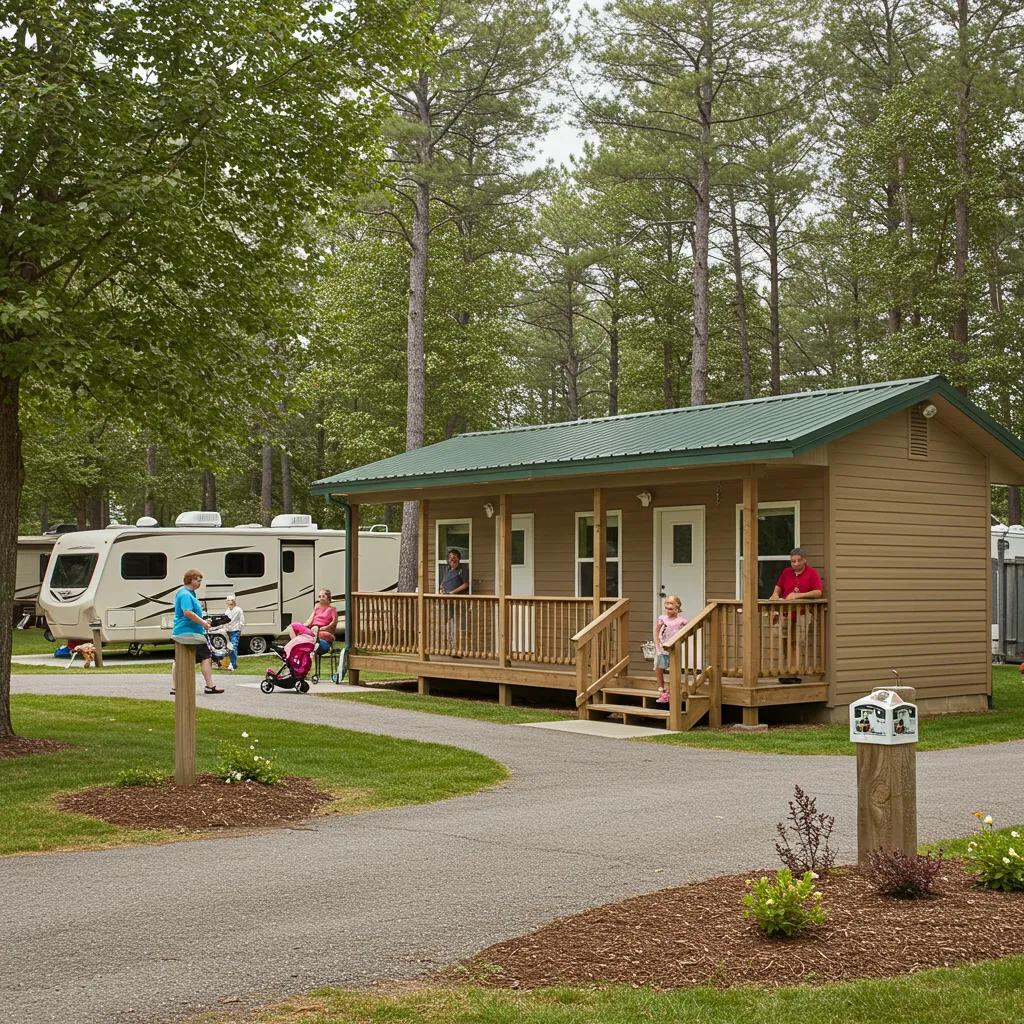
Improving value often centers on increasing NOI and reducing perceived risk through operational, capital, and financial housekeeping measures that yield high ROI prior to sale. Prioritize actions such as repairing deferred maintenance that affects guest experience, adding or upgrading amenityFeature elements that justify higher ADR, and documenting revenue streams like ancillary fees, retail sales, or event income to boost reported NOI. Operational adjustments—improving occupancy reporting, streamlining staffing payroll, and enhancing reservation analytics—can make financials cleaner and more attractive to buyers. Even modest capital projects that elevate guest experience or increase usable site counts can materially enhance buyer offers.
- Clean and standardize financial records to present transparent NOI.
- Target high-ROI capital projects that raise ADR or usable site counts.
- Improve operational systems to demonstrate sustainable revenue.
These steps reduce valuation risk and often translate directly into higher offers from both brokers’ buyer networks and direct operators.
This EAV-style table breaks valuation drivers into actionable attributes buyers evaluate when underwriting an offer.
What Is the Step-by-Step Process to Sell My Campground? Understanding the Sales Journey
Selling a campground typically moves through defined stages—preparation and valuation, marketing or direct inquiry, offer and negotiation, due diligence, and closing—and each stage demands specific seller actions and timelines. Preparation involves compiling financial records, site inventories, and operational documents; marketing differs by route with brokers executing public listings while direct buyers use private outreach; offers lead to negotiations over price and terms; due diligence covers financial, environmental, and title reviews; and closing handles escrow, transfer of assets, and transition planning. Below we outline practical steps for both brokered and direct sale paths with expected durations and owner responsibilities. The ensuing EAV table summarizes typical stages, attributes, and timeframes to set expectations.
How Do I Start the Selling Process with a Real Estate Agent or Broker?
Begin by vetting specialized campground brokers who demonstrate hospitality property expertise and a validated buyer network. Ask for recent comparable listings and deal references to assess fit and market reach. Prepare an information packet with profit & loss statements, tax returns, occupancy reports, site maps, and amenity lists to allow for quick valuation and marketing preparation. Interview brokers on marketing strategy, expected timeline, commission structure, confidentiality controls, and the buyer vetting process before signing an engagement agreement. Selecting a broker with clear deliverables helps streamline the listing process and positions your property effectively in the marketplace.
- Vet brokers by experience with campground and RV park sales.
- Compile a concise seller packet with financials and site data.
- Clarify timeline, fees, and confidentiality provisions in writing.
These first steps prepare you for either a public listing or for controlled, selective outreach to buyers.
This table presents a realistic timeline for each phase so sellers can plan cash flow and staffing around the sale.
What Does Selling Directly to GatherGrounds Resorts Involve?
Selling directly to GatherGrounds Resorts follows a concise acquisition timeline: initial inquiry leads to an assessment, which can result in a written offer followed by a focused due diligence period and closing. The interaction emphasizes stewardship and staff continuity. Owners who opt for GatherGrounds’ direct acquisition program for campgrounds and RV parks engage in direct communication with the operator to discuss objectives, operating handoffs, and transition commitments without corporate approval layers. The process typically centers on evaluating NOI, site counts, amenity conditions, and the cultural fit for preserving the property’s identity. Offers are structured to reflect both financial terms and agreed transition plans. This direct path often reduces marketing time and preserves confidentiality while focusing on a thoughtful transition.
- Initial inquiry triggers a targeted assessment and property review.
- Offers reflect both financial terms and transition commitments.
- Due diligence is focused and coordinated to minimize disruption.
These characteristics illustrate how a direct sale can be structured to meet retirement and legacy-preservation goals.
What Happens During Due Diligence and Negotiation?
Due diligence for campground sales covers verification of financial records, leases, utility and septic systems, environmental assessments, permits, and any encumbrances that affect transferability and operations. Sellers should prepare a due diligence folder with audited or reconciled P&Ls, occupancy reports, tax returns, site maps, lease copies, and maintenance logs to speed buyer review and reduce renegotiation risk. Negotiations focus on price, representations and warranties, allocation of closing costs, and transition timelines. Proactive disclosure of known issues often preserves buyer trust and reduces price adjustments. Clear, organized documentation is the most effective mitigation against extended diligence periods and deal fatigue.
- Prepare a due diligence packet with financials, leases, permits, and maintenance records.
- Address environmental and title issues early to avoid surprises.
- Negotiate transition terms including staff retention commitments and timing.
Well-managed due diligence accelerates closing and protects sale value.
How Is Closing Handled When Selling a Campground?
Closing mechanics include escrow and title transfer, buyer financing or cash confirmation, allocation of sale proceeds, and coordination of operational handoff and staff transition, which are critical for continuity of guest services. Sellers must decide whether to structure an asset sale or real-estate-only sale and prepare for associated tax and liability consequences. Buyers and lenders typically require clear title, updated surveys, and evidence of permit compliance. The closing period also finalizes transition logistics, including which staff members remain, transfer of vendor contracts, and timing of management handoffs to preserve the guest experience. Effective closing planning includes a post-closing transition schedule to ensure operational continuity.
- Escrow and title review finalize property transfer.
- Decide asset vs real estate-only structure with tax advisors.
- Implement a transition plan for staff, vendors, and guests.
Completing these tasks carefully reduces post-closing disruptions and supports a smoother operational handoff.
How Can I Prepare My Campground for Sale to Attract Top Buyers?
Preparing a campground to attract top buyers involves cleaning up financial records, prioritizing high-impact maintenance, and assembling marketing assets that communicate revenue potential and guest experience. Buyers and lenders want transparent P&Ls, occupancy and ADR data, and evidence of consistent operational practices; polishing these items reduces perceived risk and can shorten diligence. On the property side, addressing deferred maintenance, improving curb appeal, and ensuring utilities and permit documentation are current helps retain buyer confidence. This section outlines required financial documents, maintenance priorities, and marketing approaches that increase buyer interest and support stronger offers.
What Financial Records Should I Organize Before Selling?
Buyers expect a well-organized financial dossier including profit & loss statements, tax returns, occupancy and ADR reports, vendor contracts, payroll documentation, and bank statements to validate revenue and expense trends. Prepare at least three years of financial history if available, and reconcile any adjustments so that NOI is supported by source documents; clear documentation makes underwriting and lending decisions faster. Also include capital improvement records and schedules for major assets—these reduce questions about future capex needs. Presenting clean, consistent records communicates that the business has been professionally managed and lowers buyer due diligence time.
- P&Ls, tax returns, and occupancy reports are essential.
- Reconcile variances and prepare NOI supporting schedules.
- Include vendor contracts and capital improvement logs.
Organized financials shorten diligence and bolster buyer confidence, leading into maintenance actions that enhance perceived value.
How Do Property Maintenance and Improvements Impact Buyer Interest?
Visible maintenance and strategic improvements directly influence perceived risk and ADR potential; well-maintained bathhouses, clear site delineation, signage, and functional hookups all contribute to buyer confidence and can justify higher offers. Address deferred maintenance items that affect guest satisfaction or regulatory compliance first, and prioritize upgrades that increase usable site counts or allow higher nightly rates. Small aesthetic projects—landscaping, refreshed paint, improved signage—improve curb appeal and listing photos, while infrastructure investments in utilities may open finance options for buyers. Demonstrating a consistent maintenance schedule reassures buyers about future capex needs.
- Fix deferred maintenance that affects guest experience first.
- Prioritize projects that increase revenue per site or site capacity.
- Improve visible amenities to enhance marketing photography and perception.
These actions make a property easier to underwrite and faster to sell, segueing into targeted marketing strategies to reach appropriate buyers.
What Marketing Strategies Help Sell Campgrounds Faster?
Effective marketing combines specialized campground marketplaces, professional photography, and a focused buyer outreach list that includes lifestyle operators, consolidators, and institutional buyers as appropriate for the asset class. Create marketing collateral that highlights key metrics—NOI, occupancy, site mix, and amenityFeature quality—and include high-quality images, drone shots, and a succinct financial teaser for qualified buyers. Use selective marketing tactics such as controlled distributions, NDA-protected information packages, and targeted outreach to vetted buyers when confidentiality is important. Tailoring your marketing to the right buyer types increases the chance of competitive offers that match seller objectives.
- Use industry-specific listing channels and broker networks to reach qualified buyers.
- Prepare professional photography and a concise financial teaser to attract interest.
- Implement selective outreach and NDA protections when confidentiality is a priority.
These marketing tactics help sellers reach the buyer segments most likely to value their property and expedite the sale process.
What Are the Current RV Park Investment Trends Affecting Campground Sales?
Current trends in outdoor hospitality around 2024–2025 show continued interest from lifestyle operators, consolidators, and institutional buyers, driven by sustained consumer demand for outdoor experiences and diversified revenue models like glamping and short-term cabin rentals. Increased RV travel and interest in outdoor recreation have expanded buyer appetite, but financing conditions and interest rates moderate deal volume and pricing in certain regions. Buyers are also focusing on operational data and resilience to seasonal swings, seeking properties with stable occupancy, diversified revenue streams, and scalable amenities. Understanding these trends helps sellers position their campground to meet buyer priorities and timing considerations.
How Is the Outdoor Hospitality Market Growing in 2025 and Beyond?
The outdoor hospitality market is expanding via multiple channels—higher RV ownership, demand for experiential stays like glamping, and interest in near-market drives—which together support steady renter demand and strategic acquisition activity. This growth favors properties that can diversify revenue with cabins, outdoor event spaces, or enhanced amenityFeature offerings that increase ADR and extend season length. Regions with strong tourism economies or year-round accessibility tend to command higher cap rates and buyer competition, while properties in niche markets may attract lifestyle operators. Sellers can leverage these trends by highlighting non-traditional revenue streams and demonstrating adaptability.
- Diversified offerings such as glamping and cabins raise buyer interest.
- Strong local tourism supports higher occupancy and buyer competition.
- Owners should emphasize revenue diversification in marketing.
These dynamics influence buyer valuation assumptions and inform sale timing decisions.
How Do Economic Conditions Influence Campground Buyer Demand?
Macroeconomic factors like interest rates, lending availability, and travel costs shape buyer financing capacity and deal volume; higher rates often reduce buyer leverage and extend timelines, while lower rates can increase competition and pricing. Local economic health and tourism trends also affect occupancy forecasts and expected ADR, which buyers scrutinize in underwriting. Operational cost pressures—fuel, labor, utilities—impact NOI and buyer assumptions about future margins, so sellers need to present realistic expense forecasts. Monitoring financing conditions is essential when choosing between a brokered sale that might wait for better markets or a direct sale that prioritizes timing and continuity.
- Interest rates and lending terms influence buyer purchasing power.
- Operating cost trends affect projected NOI and buyer offers.
- Local tourism conditions shape occupancy assumptions and valuation.
These influences determine buyer appetite and help sellers decide when to market or seek direct offers.
Who Are the Typical Buyers of Campgrounds and RV Parks?
Typical buyers include lifestyle operators seeking owner-operated returns, consolidators aiming to add scale, strategic regional operators expanding portfolios, and institutional investors looking for stabilized cash flows; each buyer type evaluates different attributes during acquisition. Lifestyle buyers may focus on experiential amenities and community fit, consolidators prioritize operational synergies and scalability, and institutional buyers emphasize stabilized NOI and predictable seasonality. Understanding buyer motivations helps tailor marketing materials—highlight operational strengths for operators and stabilized financials for institutional buyers. Matching property attributes to buyer type increases the likelihood of a successful sale.
- Lifestyle buyers value community fit and guest experience.
- Consolidators look for scale and operational synergies.
- Institutional buyers require predictable NOI and strong documentation.
This buyer profiling informs targeting and negotiation strategy and transitions naturally into how a stewardship-focused acquirer approaches purchases.
How Does GatherGrounds Resorts’ Acquisition Process Differ from Traditional Brokerage Sales?
GatherGrounds Resorts presents a family-owned, stewardship-focused direct acquisition approach that contrasts with conventional brokerage-led sales by emphasizing personalized communication, staff retention, and preserving property identity. As a family-owned operator that acquires and operates campgrounds and RV parks—primarily in the upper Midwest—GatherGrounds focuses on modernizing properties while maintaining traditions and community relationships. Their direct acquisition program promises streamlined negotiation, reduced corporate layers, and commitments to keep great teams in place while investing in guest- and staff-facing improvements. This section explains the operator’s family-owned approach, legacy-preservation practices, and seller benefits from a thoughtful transition.
What Is GatherGrounds Resorts’ Family-Owned Approach to Campground Acquisition?
GatherGrounds Resorts follows a family-owned decision-making model that typically enables faster, personalized responses to owner inquiries and tailored transition planning that respects an asset’s history and community role. This approach means owners deal directly with operators who understand day-to-day campground operations and can structure offers that include operational continuity and practical transition terms. The family-owned philosophy supports flexible stewardship decisions and often results in a sale process that prioritizes long-term property health over rapid asset flipping. For sellers who prioritize legacy and staff outcomes, that personalized focus can be a decisive factor.
- Direct, personalized owner communication accelerates decision-making.
- Flexibility in transaction structure supports stewardship objectives.
- Emphasis on long-term property health over short-term returns.
These aspects show how a family-owned buyer differs from corporate or institutional acquirers when negotiating a sale.
How Does GatherGrounds Preserve My Campground’s Legacy and Team?
GatherGrounds Resorts commits to keeping great teams in place and investing in improvements that enhance guest and staff experiences, which reduces operational disruption and supports community continuity during ownership transfer. Preservation efforts can include honoring established traditions, maintaining branding elements where appropriate, and coordinating staff retention plans to avoid turnover during the transition. The operator’s direct acquisition program stresses open dialogue about legacy goals so that seller expectations around stewardship are mirrored in transactional commitments. This hands-on focus reassures owners concerned about the future of their campsites and personnel.
- Commit to staff retention and continuity of guest experience.
- Invest in property improvements that benefit guests and staff.
- Coordinate transition plans that respect property traditions.
These commitments explain why some sellers prefer a stewardship-minded direct buyer for legacy-sensitive transactions.
What Are the Benefits of a Thoughtful Transition When Selling to GatherGrounds?
A thoughtful transition minimizes disruption to guests and staff, preserves community relationships, and often results in a smoother operational handoff that protects revenue streams during and after closing. By focusing on stewardship and staff retention, GatherGrounds aims to maintain service levels and guest satisfaction, which supports lender confidence and stabilizes income post-sale. Sellers gain peace of mind knowing that transition commitments are part of the offer structure and that operational continuity is prioritized as part of the acquisition. For owners seeking a responsible exit, these outcomes can outweigh marginal price differences in favor of a reliable, values-aligned buyer.
- Minimized operational disruption and retained revenue continuity.
- Preservation of community relationships and guest experience.
- Reduced seller anxiety through clear transition commitments.
These benefits complete the company-specific comparison and lead into common seller questions that address timing, tax, and confidentiality.
What Are Common Seller Questions About Selling Campgrounds? FAQs on Selling My RV Park
Sellers frequently ask about timelines, taxes, sale structuring, the need for agents, and confidentiality—each question requires concise, practical guidance focused on planning and risk mitigation. Typical answers emphasize realistic timeframes, the importance of tax counsel for implications like depreciation recapture and 1031 exchanges, the tradeoffs between asset and real-estate-only sales, scenarios where a broker adds value, and specific steps to maintain confidentiality and protect staff. The Q&A below provides succinct, actionable responses for owners preparing to market or consider direct offers.
How Long Does It Typically Take to Sell a Campground?
Selling a campground commonly takes between six and twelve months from initial preparation to closing, though timing varies with market conditions, property complexity, and the sales route selected. Brokered listings that solicit broad market exposure often sit longer in marketing to achieve competitive bidding, while direct sales to operators can close more quickly if both parties align on price and transition terms. Financing availability, environmental reviews, and title issues can extend timelines, so realistic planning and early document preparation help prevent avoidable delays. Understanding these timing drivers allows owners to set realistic expectations and plan staffing and finances accordingly.
- Expect a 6–12 month typical timeframe, variable by route and complexity.
- Direct sales often close faster; brokered sales may take longer for market exposure.
- Early preparation reduces the likelihood of diligence-related delays.
Timely preparation and strategic route selection are key to meeting desired closing windows.
What Are the Tax Implications of Selling My Campground?
Tax implications include capital gains exposure, depreciation recapture, and potential opportunities such as 1031 exchanges for deferring taxes when reinvesting in like-kind commercial property. Sellers should consult tax professionals to structure transactions appropriately. The tax outcome depends on whether the sale is structured as an asset sale or a real estate-only transaction, and on allocations between land, buildings, and business goodwill. Early tax planning helps sellers understand net proceeds and informs decisions about deal structure and timing. Engaging qualified tax counsel is essential for accurate, transaction-specific guidance.
- Capital gains and depreciation recapture may apply.
- 1031 exchanges can defer taxes when properly structured.
- Asset vs real estate-only sales have different tax consequences.
Early consultation with tax advisors clarifies post-sale financial outcomes and structuring choices.
Should I Sell My Campground as a Business or Real Estate Only?
Deciding between an asset sale (business plus real estate) and a real-estate-only sale depends on tax considerations, buyer financing preferences, liability allocation, and whether the buyer wants operational control or only the land and improvements. Buyers seeking to operate the campground often prefer asset sales, while investors focusing on land value or redevelopment may prefer real-estate-only transactions. Seller goals, tax impacts, and buyer demands should be balanced with professional guidance to determine the most appropriate structure. Understanding buyer preferences helps position the property correctly in marketing and negotiations.
- Asset sales transfer operations and business goodwill to the buyer.
- Real-estate-only sales focus on land and improvements, potentially simplifying transfer.
- Choose structure based on tax, liability, and buyer financing considerations.
This decision affects negotiations, tax outcomes, and the transition plan.
Do I Need a Real Estate Agent to Sell Campground Sites?
You do not strictly need an agent, but a specialized campground broker adds value when broad exposure, complex negotiations, or unusual property features require market expertise and buyer networks that sellers typically lack. For sellers prioritizing confidentiality, direct approaches to operators can bypass listing agents and reduce exposure. Hybrid approaches—selective broker engagements or limited-market campaigns—offer middle paths that combine targeted exposure with confidentiality controls. Assess your comfort with marketing, negotiation, and managing diligence before deciding whether to engage an agent.
- Agents add value for broad exposure and complex deals.
- Direct sales can be preferable for confidentiality and speed.
- Hybrid approaches balance exposure with control.
Choosing representation depends on your objectives, capacity, and the property’s complexity.
How Can I Keep the Sale Confidential and Protect My Staff?
Maintaining confidentiality requires NDAs, selective marketing packages, staged disclosure of sensitive documents, and careful communications planning to avoid premature staff worry or community concern. Use limited distributions of financial details only to vetted buyers, require confidentiality agreements before detailed information is shared, and coordinate a communication plan that announces the sale only once key transition elements are agreed. For direct sales, private inquiry and operator-to-owner conversations reduce public exposure, and stewardship commitments can include explicit staff retention plans to protect employment and morale.
- Use NDAs and selective marketing to protect confidentiality.
- Stage disclosures so only vetted buyers see sensitive information.
- Include staff retention and transition agreements in deal terms.
These steps preserve staff stability and community relations while the sale progresses. If you want a private, stewardship-minded buyer conversation, consider reaching out to GatherGrounds Resorts’ direct acquisition program for campgrounds and RV parks to explore a no-obligation discussion about stewardship and transition options.
Frequently Asked Questions
What Should I Consider When Choosing Between a Broker and a Direct Buyer?
When deciding between a broker and a direct buyer, consider your primary goals: maximizing sale price, ensuring confidentiality, or achieving a quick sale. Brokers typically provide broader market exposure and can drive competitive bidding, which may lead to higher offers. However, if you prioritize a faster transaction and want to maintain confidentiality, a direct buyer may be more suitable. Evaluate the complexity of your property and your willingness to engage in negotiations, as these factors will influence your choice significantly.
How Can I Ensure a Smooth Transition for Staff and Guests After the Sale?
To ensure a smooth transition for staff and guests post-sale, develop a comprehensive transition plan that includes staff retention strategies and clear communication with employees. Engage with the buyer early to discuss their intentions regarding staff and operations. Providing reassurances to your team about job security and maintaining guest services during the transition can help preserve morale and customer satisfaction. A thoughtful approach to transition planning can significantly reduce disruptions and maintain the campground’s reputation.
What Are the Risks of Selling My Campground Without Professional Help?
Selling your campground without professional help can expose you to several risks, including undervaluing your property, mishandling negotiations, and failing to comply with legal requirements. Without a broker’s expertise, you may struggle to effectively market your campground or attract qualified buyers. Additionally, navigating the complexities of due diligence and closing processes can be challenging without professional guidance, potentially leading to costly mistakes. Engaging a knowledgeable broker can mitigate these risks and enhance your chances of a successful sale.
How Do I Prepare for Buyer Inquiries During the Selling Process?
Preparing for buyer inquiries involves organizing all relevant documentation and being ready to answer questions about your campground’s financial performance, occupancy rates, and operational practices. Create a comprehensive information packet that includes profit and loss statements, occupancy reports, and maintenance records. Being transparent and responsive to inquiries can build trust with potential buyers and facilitate smoother negotiations. Additionally, anticipate common questions and prepare clear, concise answers to demonstrate your campground’s value and operational integrity.
What Should I Do If I Receive Multiple Offers for My Campground?
If you receive multiple offers for your campground, carefully evaluate each one based not just on the price but also on the terms and conditions. Consider factors such as the buyer’s financial stability, their plans for the property, and how well their vision aligns with your goals for the campground. Engaging a broker can help you navigate this process, as they can provide insights into the strengths and weaknesses of each offer. Ultimately, choose the offer that best meets your financial and personal objectives.
How Can I Leverage Market Trends to Enhance My Sale?
To leverage market trends effectively, stay informed about current buyer preferences and industry developments, such as the growing demand for outdoor experiences and diversified revenue streams. Highlight features of your campground that align with these trends, such as glamping options or unique amenities. Additionally, consider timing your sale to coincide with peak market conditions, which can enhance buyer interest and competition. By aligning your marketing strategy with market trends, you can attract more qualified buyers and potentially achieve a higher sale price.
Conclusion
Successfully selling your campground involves understanding the nuances of both brokered and direct sales, allowing you to choose the best path for your unique situation. By weighing the benefits of professional representation against the streamlined approach of direct buyers, you can make informed decisions that align with your financial and personal goals. For a thoughtful transition that prioritizes legacy and staff continuity, consider exploring GatherGrounds Resorts’ direct acquisition program. Reach out today to discuss how we can support your campground sale with care and expertise.