Top Tips to Sell Your RV Park Fast: Expert Strategies for Quick Campground Sales
Selling an RV park can become a lengthy, complex process that frustrates owners who need speed, certainty, and preservation of legacy. This guide delivers clear, actionable strategies to sell your RV park quickly by focusing on preparation, valuation, streamlined processes, and seller protections that preserve staff and traditions. You will learn how to prepare financial and legal documents, which operational fixes produce the most buyer confidence, valuation levers such as NOI and occupancy rate, and practical steps to secure fast closings while protecting your campground’s identity. After this introduction we briefly note a stewardship-minded option: GatherGrounds Resorts purchases through an acquisition of existing RV parks and campgrounds from owners, and offers a no-obligation conversation for owners considering retirement or exploring options — a direct buyer alternative to conventional brokered sales. The article then walks through preparing your property, maximizing valuation, reasons to sell directly to buyers like GatherGrounds Resorts, a step-by-step sale process, ways to mitigate seller concerns, current market trends for 2024–2025, and case-study lessons to help you act decisively.
How Can You Prepare Your RV Park for a Quick Sale?
Preparation reduces friction, speeds due diligence, and increases buyer confidence by demonstrating well-documented operations and clear financials. Sellers who organize key documents, tidy operations, and address common title or permit questions shorten the time between inquiry and closing because buyers can rapidly underwrite NOI and occupancy rate projections. This section outlines essential financial records, operational improvements that deliver outsized buyer confidence, and legal steps that remove surprises during an accelerated sale process. Start by gathering records and performing pragmatic repairs, then move to legal cleanups that prevent last-minute delays.
What Financial Documents Are Essential for Selling Your Campground?

A clear, concise financial package defines value and speeds buyer underwriting by showing historical NOI, revenue sources, and stability. Campground Owners should compile profit & loss statements, tax returns, and site-level revenue breakdowns that separate site fees, hookup charges, and ancillary income such as cabins or retail. Lease rolls, vendor contracts, and occupancy reports that demonstrate seasonality and long-term site agreements help buyers model future cash flow and cap rate expectations. Organizing these files into labeled folders and a one-page executive summary makes it easy for a buyer or Real Estate Agent to assess core metrics quickly, which shortens the path to an initial offer.
The following list explains key documents buyers expect and why each matters:
- Profit & Loss Statements: Provide a picture of net operating income and trends across seasons.
- Tax Returns: Verify reported income and assist with historical NOI reconciliation.
- Site-Level Revenue Breakdowns: Show which site types drive revenue and how hook-up fees contribute.
- Occupancy Reports: Demonstrate utilization patterns and long-term reservation levels.
This checklist helps sellers assemble due-diligence-ready files so prospective buyers can move from inquiry to offer without extended document requests.
How Do Operational Improvements Speed Up the Sale Process?
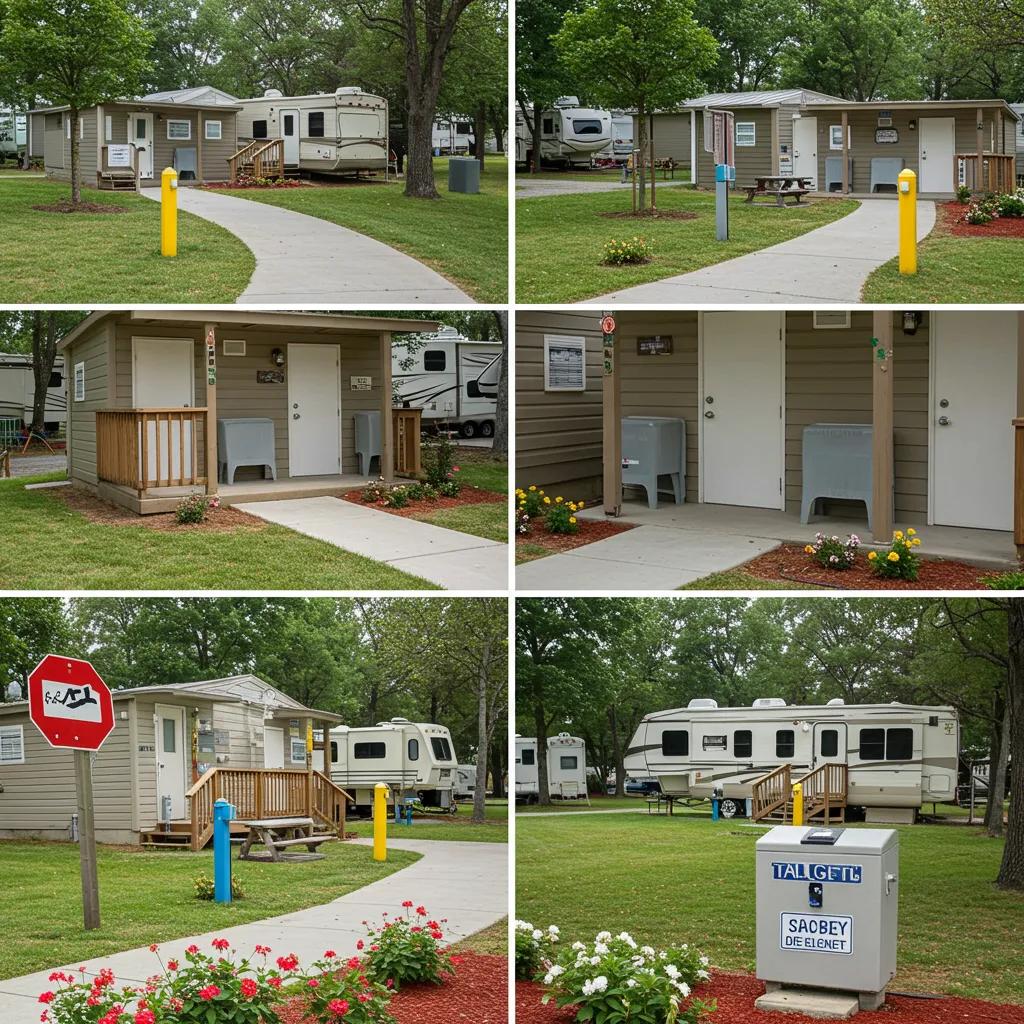
Operational improvements increase perceived value and reduce negotiation friction by showing a well-run campground that will transfer smoothly to a new owner. Prioritize safety fixes, visible maintenance, clean and updated bathhouses, signage, and simple landscaping that enhance curb appeal and signal stewardship to buyers. Creating an operations manual, staff roles documentation, and maintenance logs demonstrates continuity potential and reduces buyer concerns about operational ramp-up or training costs. These practical upgrades and organized documentation allow buyers to model post-acquisition staffing and expense assumptions with more confidence, accelerating offer timelines.
Cost-effective operational tasks that yield strong buyer confidence include:
- Safety and compliance updates that eliminate regulatory risk.
- Curb appeal and amenity refreshes that improve first impressions.
- Operations manuals and training checklists that simplify transition.
Documenting these improvements and their expected ROI helps buyers quantify value and move more quickly from interest to contract.
What Legal Steps Should You Take Before Selling Your RV Park?
Addressing title, permits, leases, and environmental questions early prevents legal surprises that can stall or collapse fast sales. Sellers should confirm clear title, review easements and access agreements, audit park leases and vendor contracts, and identify any open violations or permit lapses before engaging buyers. Preparing summaries of legal items, retention of critical records, and an outline of outstanding issues helps buyers plan limited-scope due diligence and reduces negotiation leverage for last-minute price concessions. Proactively resolving or disclosing legal items positions sellers for smoother, faster closings and preserves trust during accelerated transactions.
Essential legal actions that reduce closing risk include:
- Title and deed review to ensure transferability.
- Lease and vendor contract audits to confirm assignability.
- Permit and compliance checks to avoid surprise remediation.
Clearing or clearly documenting legal issues allows the buyer to focus on valuation and operations rather than contingencies that slow closings.
What Are the Best Valuation Tips to Maximize Your RV Park’s Sale Price?
Valuation depends primarily on NOI and market cap rates, while amenity mix, site count, and occupancy rate act as value multipliers that influence buyer willingness to pay a premium. Owners who improve recurring revenue streams, reduce controllable expenses, and document stable occupancy create a stronger NOI profile that supports higher valuation multiples. This section explains how buyers calculate value, which amenity investments deliver the largest premiums, and how a stewardship-focused buyer may assess non-financial attributes that preserve legacy and staff.
Before the table below, note that valuation factors tie directly to buyer modeling: NOI informs cap-rate valuation, occupancy stabilizes revenue forecasts, and amenities affect both average daily rates and length of stay assumptions.
How Is an RV Park’s Value Determined?
An RV park’s value is commonly estimated using NOI divided by a market cap rate, informed by comparable sales and adjustments for location, amenities, and growth potential. Buyers analyze historical NOI, adjust for normalized expenses and discretionary owner costs, and select a cap rate reflective of market risk and buyer appetite. Comparable sales and strategic buyer interest can compress cap rates, while operational risks or deferred maintenance can widen them and lower pricing. Providing clean financials, stabilized occupancy histories, and clear amenity plans helps buyers apply a tighter cap-rate range and justifies a higher implied sale price.
Illustrative valuation steps buyers follow include:
- Calculate normalized NOI from verified financials.
- Compare to recent campground sales and select a cap rate.
- Adjust valuation for unique asset attributes like location and amenity potential.
Clear documentation and a defensible NOI story reduce uncertainty and support faster, higher offers.
Which Amenities and Location Features Increase Your Campground’s Worth?
Upscale bathhouses, reliable high-speed connectivity, premium pull-through sites, on-site retail or food services, and well-maintained communal spaces increase ADR and length of stay, which buyers reward with valuation premiums. Proximity to major attractions, accessibility, and regional demand patterns also influence buyer interest by improving occupancy forecasts and reducing marketing costs. Sellers should prioritize amenities that produce measurable revenue uplifts or clear market differentiation, then document historic occupancy and ADR improvements that followed amenity upgrades. This creates a straightforward narrative linking amenity investment to increased NOI and supports a higher asking price.
Amenities that typically influence buyer pricing include:
- Connectivity and Wi-Fi infrastructure that attract longer-stay and remote-work guests.
- Upgraded bathhouse and laundry facilities that justify higher ADRs.
- Recreational amenities that improve guest experience and repeat visitation.
Framing amenity improvements as revenue drivers allows buyers to model payback and increases the likelihood of premium offers.
How Does GatherGrounds Assess RV Park Valuations Differently?
GatherGrounds Resorts emphasizes stewardship, continuity, and amenity potential when assessing value, blending financial metrics with operational and cultural considerations that matter to legacy-minded sellers. Their acquisition of existing RV parks and campgrounds from owners prioritizes properties with 130+ sites and values the preservation of a property’s identity, maintenance of existing teams, and honoring traditions while investing in modern amenities. This approach can shift valuation focus from purely transactional multiples to a longer-term operational upside that recognizes stabilized NOI plus amenity investment runway. Sellers who present stewardship-oriented plans and staff-retention strategies often find GatherGrounds’ direct purchase model moves faster and avoids the public marketing period required by traditional listings.
GatherGrounds’ valuation lens highlights:
- Operational continuity and staff retention as contributors to sustained NOI.
- Amenity upgrade potential that supports future ADR growth.
- Preservation of property identity to maintain community goodwill and occupancy.
This perspective attracts sellers who value legacy preservation alongside efficient, direct-sale execution.
Why Should You Sell Your Campground Directly to Buyers Like GatherGrounds Resorts?
Selling directly to a purchaser reduces intermediary friction, often results in faster closings, and can preserve your campground’s legacy through stewardship-minded ownership. Direct buyers eliminate the public listing process and broker-driven marketing cycles, which shortens time to offer and can minimize confidentiality concerns. This section compares sale methods and explains how family-owned buyers can provide a smooth transition for staff and traditions while offering mechanics like no commissions and streamlined diligence. Understanding these trade-offs helps sellers choose the route that best aligns with their timing and legacy priorities.
Before the comparison table, consider the key sale-method attributes buyers and sellers weigh when choosing a path to closing.
What Are the Advantages of Selling Without a Broker or Agent?
Selling without a broker removes listing time, reduces public exposure, and can eliminate standard broker commissions, delivering faster certainty for owners focused on an efficient exit. Direct sale processes typically require fewer disclosures in public marketing and allow tailored negotiations with a buyer who understands campground operations, which preserves confidentiality and reduces disruptive inquiries. Sellers retain greater control over timing and transition terms, which supports legacy-minded decisions such as staff retention and honoring long-standing vendor relationships. These advantages can be decisive for owners prioritizing a rapid close and minimal public attention.
Key advantages of direct sales include:
- Faster decision timelines due to reduced marketing cycles.
- Lower public visibility and fewer disruptive showings.
- Greater ability to negotiate transition terms that preserve staff and traditions.
Understanding these benefits helps sellers weigh the real cost of commission savings against potential pricing advantages from broad market exposure.
How Does a Family-Owned Buyer Preserve Your Campground’s Legacy?
Family-owned buyers often prioritize stewardship and continuity by committing to retain staff, preserve property identity, and make targeted amenity investments rather than wholesale rebranding. These buyers view acquisition as a long-term stewardship responsibility, which aligns with sellers who wish to protect community relationships and employee livelihoods. A clear transition plan—staff retention offers, phased investments, and honoring existing traditions—helps reassure owners that the property will continue to serve its community. For legacy-conscious sellers, choosing a buyer with explicit stewardship commitments reduces emotional friction and supports a smoother post-sale transition.
Stewardship practices that preserve legacy typically involve:
- Retaining existing teams to maintain guest service continuity.
- Preserving the campground’s identity while investing in thoughtful upgrades.
- Communicating transition plans to tenants and the local community.
These commitments make direct buyers especially attractive to owners who value stewardship alongside efficient sale execution.
How Can Direct Buyers Offer Faster Closings and No Commissions?
Direct buyers streamline close timing by removing the listing phase, offering liquidity or committed purchase terms, and executing focused due diligence that targets key risk areas. A direct purchase model often means sellers speak directly with buyer decision-makers, shortening negotiation cycles and clarifying terms rapidly. Eliminating broker commissions reduces seller outlays and simplifies the payment waterfall, while targeted due diligence and prepared documentation shorten the contract-to-close window. For sellers seeking speed and reduced transaction costs, this workflow increases certainty and reduces time exposed to market volatility.
Mechanics that accelerate closing include:
- Direct negotiation with buyer decision-makers to finalize terms quickly.
- Focused diligence requests that rely on prepared seller files.
- Structuring transactions to avoid extended marketing periods.
These efficiencies lower transaction friction and help owners reach a timely, orderly exit.
What Are the Step-by-Step Processes to Sell Your RV Park Quickly?
A clear, numbered roadmap transforms the abstract goal of a quick sale into achievable milestones that reduce uncertainty and coordinate seller actions with buyer expectations. The fastest transactions follow a sequence: initial inquiry and high-level offer, targeted due diligence, negotiated purchase agreement, and a focused closing process. Preparing documents ahead of time and understanding typical buyer requests can compress each stage into weeks rather than months. The following numbered steps provide a repeatable process sellers can follow to prioritize speed without sacrificing value.
- Prepare an executive summary and assemble key financials requested by buyers.
- Solicit initial indications of interest from qualified buyers and review offer terms.
- Provide targeted due-diligence documents and schedule necessary inspections.
- Negotiate purchase agreement terms, including transition and staff-retention provisions.
- Close with clear escrow instructions and transfer documentation to finalize the sale.
This step-by-step plan helps sellers and buyers align expectations and accelerates progress from conversation to closing.
How Do You Initiate Contact and Get a No-Obligation Offer?
Initiating contact efficiently requires a concise property profile that highlights site count, historical NOI, occupancy trends, and amenity summary to enable a buyer to deliver a quick indication of interest. Provide a one-page executive summary plus supplemental documents listed earlier so a buyer can produce an initial, non-binding offer based on verified metrics. Expect an initial response timeline measured in days to a couple of weeks when the package is complete, and prepare to clarify questions that link to NOI drivers. This focused approach reduces back-and-forth and enables faster movement to a formal offer or a request for limited diligence.
What to include for a fast initial offer:
- Site count and site-type mix with brief descriptions.
- Recent P&L and occupancy summaries to support NOI estimates.
- List of major amenities and known legal encumbrances.
A well-constructed inquiry packet speeds buyer assessment and often yields a rapid indication of interest.
What Happens During Due Diligence and Property Assessment?
Due diligence focuses on confirming the financials, inspecting physical assets, and assessing legal and environmental risk to validate the buyer’s underwriting assumptions. Typical diligence items include verification of P&L and tax returns, site inspection reports, infrastructure condition assessments, and review of title and permits. Preparing third-party reports in advance—when appropriate—and making documents accessible reduces the buyer’s workload and shortens timelines. Clear, prioritized responses to diligence items help maintain momentum and keep the closing timetable on track.
Common diligence tasks and timing considerations:
- Document verification and reconciliation of NOI.
- Physical inspections and targeted engineering or environmental reports.
- Title and permit clearance to support an unencumbered transfer.
Proactive preparation of these items reduces negotiation points and accelerates movement toward closing.
How Is the Closing Process Simplified with Direct Buyers?
Closing with direct buyers is simplified by focusing on necessary transfer documents, agreed escrow mechanics, and pre-negotiated transition commitments that limit post-closing contingencies. Sellers should prepare deed documents, assignable contract summaries, and final reconciliations of utilities or prepaid reservations to streamline escrow. Direct buyers often coordinate with sellers to schedule a narrow closing window once conditional items are resolved, minimizing prolonged escrow periods. Clear expectations about the records and approvals needed at closing reduce the chance of last-minute holds and support a timely transfer of ownership.
Documents commonly required at closing include:
- Executed deed and closing statement reflecting agreed adjustments.
- Assignment of contracts and vendor notices where needed.
- Evidence of permit and compliance status as agreed in the purchase agreement.
Efficient coordination of these materials enables direct buyers to deliver the speed sellers seek.
How Can You Address Common Seller Concerns When Selling Your Campground Fast?
Sellers worry about staff displacement, tenant notices, repair costs, timeline uncertainty, and confidentiality when pursuing a quick sale. Addressing these concerns proactively with transition plans, communication templates, and negotiation strategies reduces emotional and operational friction. Buyers that commit to staff retention or transparent tenant communication alleviate social concerns, while options like selling as-is or negotiating seller credits reduce out-of-pocket repair burdens. This section maps common concerns to mitigation steps that owners can implement to keep a fast sale on track.
The table below categorizes common seller concerns and practical mitigation steps to manage impact during a swift transaction.
How Do You Handle Tenant and Staff Transitions After Sale?
Managing tenant and staff transitions requires timely communication, clear documentation of existing agreements, and a transition plan that outlines roles and timelines to maintain operations. Provide lease summaries, employment agreements, and a proposed transition timeline to the buyer so they can incorporate continuity into their offer and staffing decisions. Sellers who include staff-retention proposals or phased role transitions often reduce operational disruption and preserve goodwill among long-term tenants and employees. Preparing communication templates and a prioritized transition checklist accelerates the buyer’s integration planning and reduces uncertainty for all stakeholders.
Best practices for transitions include:
- Early notification plans that respect legal notice requirements.
- Retention incentives or defined transition periods for key employees.
- Clear assignment or novation of tenant agreements when permitted.
These steps reduce turnover risk and help ensure an orderly handoff that supports continued occupancy and service levels.
What Are Typical Closing Timelines and How to Avoid Delays?
Typical closing timelines vary by sale method, but direct sales can often close in weeks to a few months when documentation and inspections are prearranged. Delays most commonly arise from incomplete financial records, title issues, or unexpected environmental or structural discoveries. Sellers can avoid these hold-ups by assembling required documents in advance, performing preliminary inspections, and rapidly addressing title or permit irregularities. Clear milestone-driven project plans shared with the buyer keep both parties aligned and reduce the chance of last-minute postponements.
Steps to reduce timeline risk:
- Prepare a documents checklist and confirm availability before listing.
- Commission targeted inspections early if expected by buyers.
- Resolve obvious title or permit issues before engaging buyers.
Proactive management of these items often shortens the contract-to-close period significantly.
How Do You Avoid Repair Costs and Broker Fees?
Sellers can avoid repair costs by offering the property “as-is” and negotiating a purchase price or seller credit that accounts for known deferred maintenance, or by achieving a direct sale that eliminates broker commissions. Presenting a transparent asset condition summary allows buyers to price known repairs into their offer rather than demanding post-inspection price reductions. Choosing a direct buyer or a negotiated fee structure reduces broker fees, while seller credits and escrow arrangements permit repairs to be addressed post-closing without delaying the transaction. Understanding negotiation levers gives sellers control over how and when repair responsibilities are allocated.
Typical options to manage costs include:
- Selling as-is with appropriate price adjustment.
- Negotiating seller credits or escrowed repair funds.
- Opting for direct purchase models that remove broker commissions.
These strategies preserve speed while protecting net proceeds and closing certainty.
What Market Trends Should RV Park Sellers Know to Sell Quickly in 2024-2025?
Current market dynamics in 2024–2025 affect buyer appetite, cap rates, and the value of specific amenities, making timing and positioning critical for sellers who want speed and strong outcomes. Demand for RV parks remains elevated as demographic trends and travel preferences favor outdoor stays, while interest-rate environments and financing availability influence how institutional and strategic buyers underwrite acquisitions. Sellers who can demonstrate stable occupancy, modernization potential, and amenity-driven ADR growth typically attract more competitive and faster offers. This section outlines demand drivers, macro effects, and the amenity trends that matter for valuation today.
How Is the Growing Demand for RV Parks Affecting Sale Opportunities?
Growing demand from travelers and buyers has increased competition for high-quality parks, shifting some seller power toward owners with well-documented NOI and strong amenity sets. Institutional and strategic buyers often favor parks with proven occupancy and upgradable amenities that support revenue growth, increasing liquidity for sellers who can present a clear operational story. This demand supports faster transactions when sellers prepare robust financials and highlight upgrade potential that aligns with modern guest expectations. For owners, demonstrating consistent demand patterns converts market interest into timely offers.
Demand signals that benefit sellers include:
- Higher buyer interest in parks with strong amenity portfolios.
- Preference for assets with clear operational continuity and staff retention.
Leveraging these trends with prepared documentation helps sellers capitalize on buyer interest quickly.
What Impact Do Interest Rates and Occupancy Rates Have on Sales?
Interest rates shape buyer financing costs and therefore cap-rate expectations, while occupancy rates drive NOI stability; both factors influence how quickly and at what price buyers will transact. When rates rise, buyers may require higher returns and therefore apply wider cap rates; strong occupancy and diversified revenue streams help offset this pressure by stabilizing projected NOI. Keeping occupancy high, demonstrating diversified income, and documenting reliable seasonal patterns improves buyer underwriting and shortens decision timelines. Sellers who understand and present these metrics clearly can navigate rate-sensitive buyer behavior and secure faster offers.
Practical seller actions related to macro trends:
- Emphasize occupancy stability and diversified revenue to offset rate impacts.
- Highlight amenity-driven ADR improvements that improve NOI resilience.
Sound financial storytelling mitigates macro-related valuation pressure and attracts buyers ready to move quickly.
Why Are Upscale Amenities Increasing RV Park Valuations?
Upscale amenities like premium bathhouses, reliable connectivity, and recreation spaces increase average daily rates, extend length of stay, and improve repeat visitation, which in turn increases NOI and buyer willingness to pay a premium. Younger demographics and remote-work travelers value connectivity and comfort, causing buyers to pay more for parks positioned to capture these guests. Sellers who document ADR gains tied to amenity investments provide concrete evidence linking improvements to revenue growth, shortening buyer skepticism and accelerating offers. Investing selectively in amenities with measurable returns is therefore a practical route to faster, higher-value sales.
Amenity investments to prioritize for valuation uplift:
- Reliable Wi-Fi and work-friendly communal areas.
- Modern bathhouses and laundry that justify higher ADRs.
- Recreational upgrades that increase stay length and repeat bookings.
These investments turn amenity potential into quantifiable NOI improvements that buyers reward with faster, stronger offers.
How Have Other Campground Owners Sold Their RV Parks Quickly?
Real-world examples show that sellers who combine thorough preparation, pragmatic repairs, clear legacy plans, and openness to direct buyers often close faster with high satisfaction. Case studies of quick sales highlight the benefits of preparedness, the power of stewardship-minded buyers to preserve staff and identity, and the efficiency gains from avoiding long marketing campaigns. Examining recent fast sales provides practical lessons sellers can apply immediately to their own transactions, from document assembly to negotiation posture. The short examples below demonstrate patterns that enable speed without sacrificing value.
What Success Stories Highlight Smooth Transitions with GatherGrounds Resorts?
Several recent owner transitions illustrate how a stewardship-first acquisition can preserve traditions and staff while delivering timely closings, though details are anonymized and illustrative to protect confidentiality. In these examples, owners provided well-organized financials and operational manuals, agreed transition roles for staff, and accepted a direct purchase model that avoided public listing. The result was a faster negotiation timeline, minimal operational disruption, and a buyer plan that invested in amenity upgrades while maintaining property identity. Sellers prioritized continuity and speed, and the buyer’s stewardship commitments reinforced community trust through the transition.
Common success elements in these stories include:
- Pre-assembled documentation that enabled rapid offers.
- Agreed staff-retention plans that eased community concerns.
- Streamlined diligence focused on core risk items.
These patterns show that clear preparation and compatible buyer priorities accelerate transactions and preserve legacy.
How Did Sellers Benefit from Direct Sales Compared to Traditional Brokers?
Owners who chose direct sales commonly experienced faster closings, reduced public exposure, and lower transaction friction compared with brokered approaches, while still achieving fair outcomes when documentation supported valuation. Direct transactions often avoided months of marketing and multiple rounds of public showings, and sellers were able to negotiate transition and staff-retention terms directly with the buyer. For sellers concerned with timing, confidentiality, and legacy preservation, these outcomes offered concrete benefits that outweighed the potential of broader market exposure. The comparative advantages favored sellers who sought speed and certainty.
Realized benefits from direct sales typically included:
- Shorter time from offer to close.
- Reduced disruption from public marketing.
- Greater control over transition terms.
These advantages make direct sale pathways attractive for many owners seeking a fast, orderly exit.
What Lessons Can You Learn from Recent Fast RV Park Sales?
Successful fast sales repeatedly show that preparation, focused repairs, transparent documentation, and alignment with a buyer’s stewardship priorities produce the best outcomes. Sellers should prioritize assembling financial documents, creating an operations manual, handling obvious legal items, and clearly articulating legacy and staff retention goals. Selecting sale methods that match timing and confidentiality needs — whether a direct sale or a tightly managed brokered process — determines speed and seller experience. Applying these lessons improves the likelihood of a quick sale without compromising value or community goodwill.
Practical lessons to implement immediately:
- Prepare due-diligence-ready files before engaging buyers.
- Prioritize low-cost operational improvements that increase buyer confidence.
- Choose a buyer whose priorities align with legacy and staff-retention goals.
These actionable steps put sellers in control and create the conditions for a fast, successful sale.
Frequently Asked Questions
What are the key factors that influence the sale price of an RV park?
The sale price of an RV park is primarily influenced by its Net Operating Income (NOI), occupancy rates, and the quality of amenities. A higher NOI indicates better profitability, which attracts buyers willing to pay more. Additionally, a stable occupancy rate reduces perceived risk for buyers, while upscale amenities can enhance the park’s appeal and justify a premium price. Sellers should focus on improving these factors to maximize their sale price.
How can sellers ensure a smooth transition for staff and tenants after the sale?
To ensure a smooth transition for staff and tenants, sellers should develop a clear communication plan that outlines the transition process. This includes notifying staff and tenants in advance, providing details about new ownership, and addressing any concerns they may have. Offering retention incentives for key employees and ensuring that tenant agreements are honored can also help maintain continuity and goodwill, making the transition easier for everyone involved.
What common mistakes should sellers avoid when preparing to sell their RV park?
Sellers should avoid several common mistakes, such as neglecting to organize financial documents, failing to address legal issues, and underestimating the importance of property presentation. Inadequate preparation can lead to delays and lower offers. Additionally, not understanding the market dynamics or buyer expectations can hinder the selling process. Sellers should prioritize thorough documentation, operational improvements, and clear communication to avoid these pitfalls.
How can sellers effectively market their RV park to attract buyers?
To effectively market an RV park, sellers should create a compelling property profile that highlights key features such as occupancy rates, revenue potential, and unique amenities. High-quality photos and a well-crafted narrative about the park’s history and community impact can enhance appeal. Utilizing online platforms, social media, and direct outreach to potential buyers, including stewardship-minded companies, can also increase visibility and attract serious inquiries.
What role do market trends play in the timing of selling an RV park?
Market trends significantly impact the timing of selling an RV park. Factors such as rising demand for outdoor experiences, interest rates, and economic conditions can influence buyer behavior and pricing. Sellers should stay informed about these trends to identify optimal selling windows. For instance, if demand for RV parks is increasing, it may be advantageous to sell sooner rather than later to capitalize on favorable market conditions.
How can sellers prepare for potential buyer questions during the sale process?
Sellers can prepare for potential buyer questions by compiling comprehensive documentation that addresses common concerns, such as financial performance, operational practices, and legal compliance. Anticipating questions about occupancy trends, maintenance history, and future revenue potential can also help. Being transparent and ready to provide detailed answers fosters trust and confidence, making buyers more likely to proceed with an offer.
Conclusion
Selling your RV park quickly is achievable through strategic preparation, clear documentation, and a focus on buyer confidence. By understanding the market dynamics and leveraging direct sale options, you can preserve your campground’s legacy while ensuring a smooth transition. Embrace the actionable insights provided in this guide to streamline your selling process and attract the right buyers. Start your journey today by exploring your options with GatherGrounds Resorts for a no-obligation conversation.