
How to Sell an RV Park Quickly: Proven Strategies for Campground Owners
Selling an RV park quickly means preparing the property, understanding valuation drivers, and choosing the right buyer to shorten timelines and reduce friction. This article explains practical tactics to sell your RV park quickly, including valuation basics, the documentation sellers must organize, and options for selling without a broker or to a direct buyer. Owners will learn how Net Operating Income (NOI), occupancy, amenities, and location determine price, what due diligence materials buyers expect, and specific steps that accelerate offers and closings. The guide maps the entire process from preparing financials and maintenance to choosing a sale pathway, and it compares brokered sales to selling as a direct buyer transaction to achieve a fast campground sale. Throughout, you’ll find checklists, EAV-style tables for valuation and due diligence, and actionable timelines to reduce time on market while protecting legacy and income.
Why Choose a Direct Buyer to Sell Your RV Park Quickly?
A direct buyer acquires an RV park without listing it on the open market, which shortens marketing cycles and reduces rounds of competing offers, thereby delivering a faster close. This approach works because it eliminates broker-mediated listing processes, simplifies negotiation parties, and often results in fewer contingencies that stall closings; the specific benefit is predictable timing and reduced transaction overhead. Sellers who want speed also gain confidentiality and a single point of contact, which protects staff, guest relationships, and operational continuity during the sale process. The next paragraphs unpack the practical benefits of selling without a broker, how a family-owned buyer preserves legacy, and how direct sales compress the timeline.
What Are the Benefits of Selling Your Campground Without a Broker?
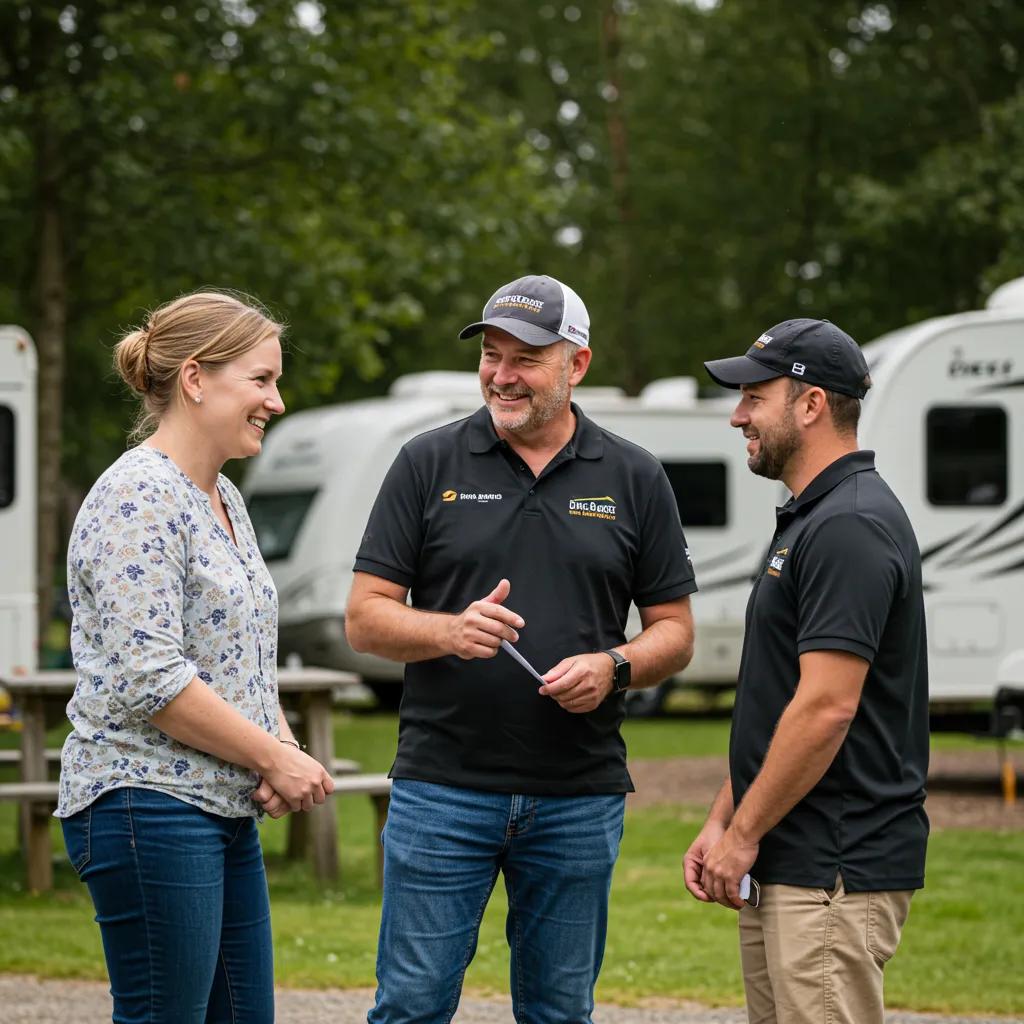
Selling a campground without a broker means fewer intermediaries, which typically reduces commissions and accelerates decision-making because offers come directly from buyers or investor groups. This mechanism lowers overall transaction fees and streamlines negotiations, allowing owners to retain more net proceeds while agreeing terms more quickly than in a multi-offer listing environment. Confidentiality is another practical advantage: avoiding broad market exposure prevents guest disruption and local speculation that can depress operations. Below is a short timeline comparison to illustrate speed differences between brokered and direct sales.
- Brokered sale timeline often involves listing, showings, and multiple offer cycles that can extend market time.
- Direct sale timeline generally compresses to initial outreach, targeted due diligence, and a negotiated close.
- For sellers prioritizing speed, a targeted direct sale reduces public marketing and shortens the path to closing.
These benefits make the direct route an appealing option for owners who need a fast campground sale while maintaining operational stability and confidentiality.
How Does a Family-Owned Buyer Preserve Your Campground’s Legacy During Acquisition?
Preserving legacy in an acquisition involves continuity planning, honoring existing brand elements, and protecting staff and guest relationships during transition, which reduces community disruption and preserves goodwill. A family-owned approach emphasizes a stewardship model and thoughtful transition plans that often retain key staff and continue programming, demonstrating how stewardship can be integrated into a sale. This preservation mechanism matters because it reassures sellers who care about their campground’s name and traditions, and it can maintain guest loyalty that supports revenue continuity. The following section explains how selling directly can also speed up the sale process through focused due diligence and predictable financing.
How Can Selling Directly Speed Up the RV Park Sale Process?
Selling directly shortens time-to-close through focused due diligence scopes agreed upon upfront, fewer negotiation rounds, and often predictable buyer funds, which together reduce contingency delays. A direct buyer typically requests a targeted set of documents and agrees on deadlines that enable parallel tasks—title review, environmental checks, and operational handover planning—rather than sequential cycles common in brokered deals. This approach yields practical timing benefits: quicker offers, shorter inspection windows, and faster scheduling of closing mechanics. The next section turns to the core valuation drivers buyers use when assessing an RV park, which directly influences how quickly an offer will meet seller expectations.
What Factors Influence Your RV Park’s Valuation?
Valuation of an RV park centers on Net Operating Income (NOI) and cap-rate application, because buyers value predictable cash flow and apply market cap rates to estimate price; this mechanism links current operations to sale value. Buyers also weigh occupancy stability, amenity mix, and location because these factors affect revenue predictability and future upside; robust amenities and strong location can compress perceived risk and lower cap rates. To help sellers prioritize improvements before listing, the following EAV-style table compares primary valuation drivers and their practical impact on buyer offers.
The table clarifies how buyers translate operational metrics into purchase price and what aspects sellers can optimize to boost estimated value.
This comparison helps sellers see which operational levers influence buyer valuation and guide pre-sale priorities. Next, we break down NOI, occupancy, and location mechanics in detail.
How Does Net Operating Income Affect Campground Value?
NOI is revenue minus operating expenses (excluding financing) and serves as the primary basis for valuation when buyers apply a capitalization rate, so improving NOI directly increases sale price. The formula—NOI × (1 / cap rate) = value—shows that modest NOI gains translate into material increases in offers, especially in markets with stable cap rates. Sellers can boost NOI before sale by reviewing rate structures, reducing non-essential expenses, and improving yield management during peak seasons to demonstrate income reliability. Understanding NOI lets owners prioritize measures that raise the most value per dollar invested and prepares them for buyer financial modeling.
What Role Do Occupancy Rates and Amenities Play in RV Park Pricing?
Occupancy rates measure revenue stability and are often seasonally variable, so buyers look for average daily rate (ADR) and occupancy trends to forecast annualized income. Amenities that increase per-guest spend—such as modern restrooms, reliable hookups, waterfront access, and glamping—improve ADR and reduce perceived revenue volatility. Buyers reward properties that combine steady occupancy with amenities that justify price premiums because they lower future capital expenditures and enhance guest retention. Next, we examine how location factors translate into comparable sales and buyer appetite.
Which Amenities Increase Your RV Park’s Appeal to Buyers?
Specific amenities—full hookups, reliable septic and electric infrastructure, modern bathhouses, connectivity, and experience-driven features like glamping or activity spaces—materially affect buyer interest and valuation. Low-cost, high-impact upgrades such as LED lighting, improved signage, and refreshed bathhouse finishes often yield outsized buyer confidence improvements. Infrastructure that reduces future capex risk, like upgraded septic or electric service, is particularly valuable because it shortens the buyer’s runway to profitability. The following section provides a due-diligence readiness checklist sellers can use to accelerate a fast sale.
What Are the Essential Steps to Prepare Your Campground for a Fast Sale?
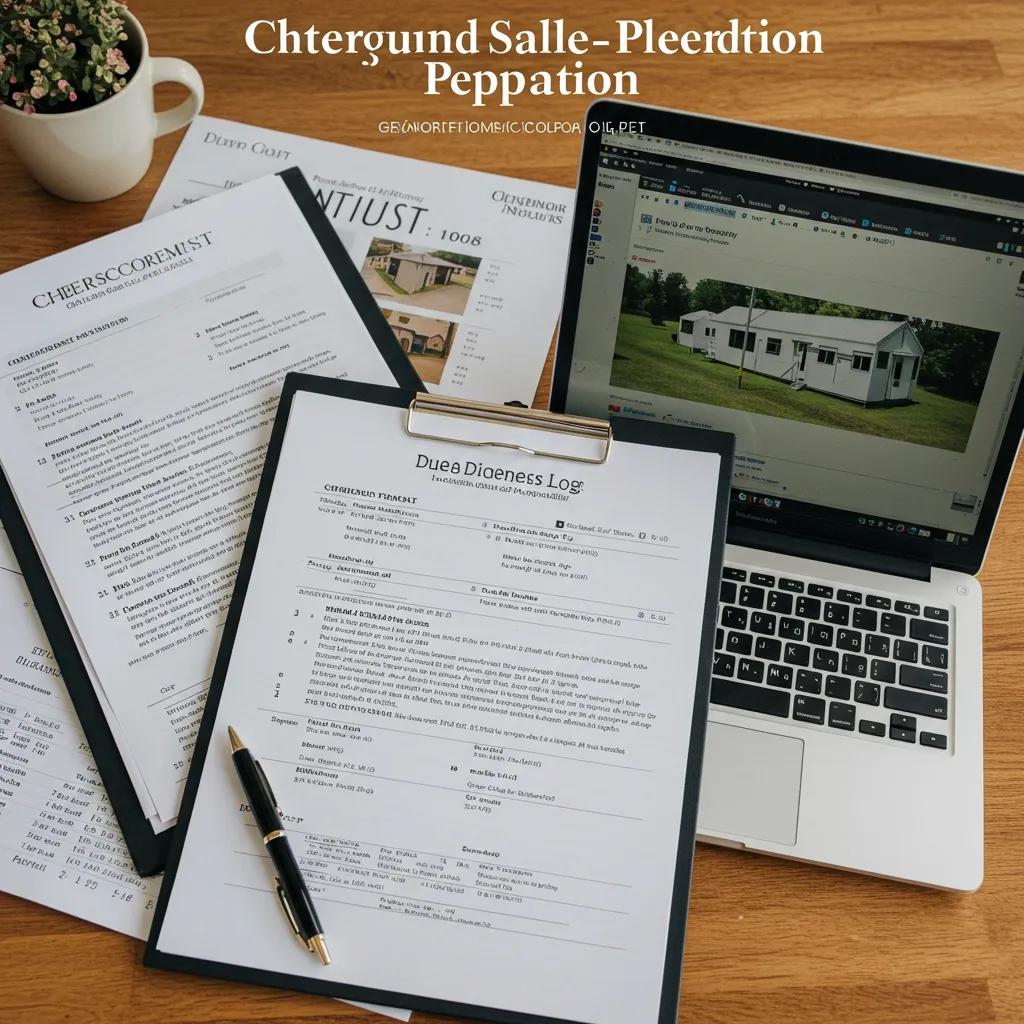
Preparing for a fast sale requires organizing financial records, addressing maintenance, and streamlining documentation so buyers can complete due diligence within compressed timelines; this structured readiness reduces delays and increases buyer confidence. Sellers should assemble a centralized due diligence package that includes P&L statements, tax returns, rent rolls, site maps, permits, and maintenance histories to prevent last-minute document requests from stalling the deal. The table below lists essential records and how they function in the buyer evaluation process.
Assembling these documents ahead of time shortens diligence windows and signals professionalism to buyers, which often speeds offer timelines. The next paragraphs explain how to organize these records and what maintenance items to prioritize.
How Should You Organize Financial Records for Due Diligence?
Organize financials into a clear folder structure: summary P&L and cash flow first, followed by supporting schedules, tax returns, and site-specific revenue reports, because buyers start with top-line validation before drilling into details. Present rent rolls and reservation system exports in standardized CSV or PDF formats and reconcile them to P&L statements to avoid discrepancies that trigger extended verification. Clean bookkeeping with consistent categorization reduces buyer concern and speeds the underwriting process. Preparing reconciled financial summaries lets a buyer move from LOI to offer with fewer questions and faster timelines.
What Property Maintenance and Improvements Boost Sale Speed?
Prioritize repairs that affect operations and guest perception—functional hookups, safe roads, and clean bathhouses—because visible and operational issues significantly slow buyer confidence and due diligence. Low-to-moderate cost upgrades with high perceived value include restroom refreshes, LED lighting, and signage clarity; these improvements often generate higher offers relative to investment and reduce buyer objections. Document completed maintenance with invoices and warranties to demonstrate care and lower perceived risk. The next subsection covers secure document sharing and timeline management to avoid typical procedural delays.
How Can You Streamline Documentation to Avoid Sale Delays?
Centralize due diligence materials in a secure folder with clear naming conventions and an index to expedite buyer review, because easy access and transparency reduce back-and-forth and accelerate decision-making. Pre-authorize common third-party inspections where possible—title, environmental screen, structural reports—to allow parallel tasks during diligence. Establish clear timeline expectations in writing and appoint a single seller point of contact to answer buyer questions promptly; this coordination shortens review cycles and prevents small issues from becoming deal-stoppers. With documentation streamlined, sellers often convert buyer interest into firm offers more quickly.
What Is the Typical Process When Selling Your RV Park to a Direct Buyer?
A typical direct-buyer process begins with a confidential, no-pressure conversation, followed by information exchange, indicative offer, due diligence, and a negotiated closing timeline; this sequence prioritizes speed and clarity. This buyer-side model demonstrates how sellers can compress traditional listing timelines by agreeing on documentation scope and deadlines upfront and by maintaining a single negotiation channel. A direct acquisition approach can simplify and speed the selling process compared to conventional brokered sales. The following subsections detail what to expect at initial contact, the steps from offer to closing, and practices that promote transparency and efficiency.
How Does the Initial No-Pressure Conversation Work?
The initial conversation is a confidential intake where the buyer asks for high-level metrics—number of sites, annual revenue, NOI estimates, and key infrastructure notes—so they can determine initial fit and next steps without formal listing exposure. Sellers should have summary financials, an overview of amenities, and a sense of timeline readiness prepared to make the call productive. The no-pressure framing allows sellers to explore a sale pathway quietly and to evaluate whether direct acquisition aligns with their priorities for speed and legacy preservation. Preparing these high-level materials speeds the transition to a targeted data exchange and indicative offer.
What Are the Key Steps from Offer to Closing?
A direct offer typically follows this sequence: initial LOI or indicative offer, agreed diligence scope with deadlines, completion of inspections and title review, negotiation of purchase agreement, and scheduled closing with transition planning. Clear deadlines and a focused diligence packet allow tasks to run in parallel, which shortens total time-to-close compared with drawn-out brokered processes. Sellers can accelerate each step by pre-supplying documents, authorizing timely inspections, and designating a single representative to answer buyer inquiries. The next subsection highlights how transparency and communication practices sustain a faster sale while protecting seller interests.
How Does a Direct Buyer Ensure a Transparent and Efficient Sale?
Transparency and efficiency are achieved through clear timelines, single-point communication, and advance sharing of due diligence requests so sellers can prepare responses in advance and avoid last-minute hold-ups. A stewardship approach also emphasizes transition planning that protects staff and preserves guest experience, which reduces operational disruption during ownership transfer. By committing to predictable steps and open communication, buyers and sellers maintain momentum and reduce the likelihood of renegotiation or elongation of the closing period. The following section situates these processes within current market trends for 2025 and explains how trends affect selling speed.
How Do Market Trends Affect Selling Your RV Park Quickly in 2025?
Current market conditions in 2025 show moderate softening in certain regions due to higher interest rates and selective buyer financing constraints, which lengthens time-on-market for some listings; sellers should expect buyers to be more disciplined around NOI and cap rates. At the same time, demand pockets driven by demographics, experiential travel, and infrastructure upgrades (like EV charging) create opportunities for sellers with compelling amenities and clear income histories. Understanding these trends helps owners set pricing expectations, choose sale timing, and prioritize improvements that attract buyers even in a tightened financing environment. The next subsections summarize market data, the interest-rate relationship with cap rates, and growth drivers owners can leverage.
What Is the Current State of the RV Park and Campground Market?
Recent sales data show meaningful mid-market activity with concentrated demand in resilient regions, and prior-year metrics highlighted total sales volume and average time-on-market benchmarks that sellers can use to benchmark expectations. Notably, comparable datasets show mid-market transactions and the time required to convert interest into offers, emphasizing the need for preparedness to avoid protracted listings. Sellers should align pricing with local comparables and demonstrate income reliability to stand out in a market where buyers are selective. The next subsection connects interest-rate dynamics to buyer purchasing power.
How Do Interest Rates and Cap Rates Influence Buyer Demand?
Interest rates affect buyer financing costs and thus influence cap-rate expectations: higher financing costs often raise required yields and compress buyer offer levels, which can slow transactions that rely on conventional financing. Direct buyers or cash purchasers can mitigate financing friction by offering alternatives that absorb interest-rate pressure, enabling faster closings when conventional buyers pull back. Sellers should be realistic about market cap rates and consider buyer mix—cash, institutional, or direct buyers—when planning a fast sale. The following subsection outlines practical growth drivers sellers can invest in to increase value.
What Growth Drivers Should Sellers Consider for Future Value?
Longer-term value drivers include adding experience-driven amenities like glamping, improving connectivity and EV charging, and targeting remote-worker demographics through marketing and extended-stay options. These upgrades increase ADR and occupancy diversity, which enhances NOI and buyer interest, particularly from investors seeking growth potential. Prioritize interventions with strong return-on-investment and clear documentation of incremental revenue to present a compelling growth narrative to buyers. The next section examines key financial and legal considerations sellers must evaluate.
What Financial and Legal Considerations Should You Know When Selling Your Campground?
Financial and legal planning for a sale includes evaluating seller financing options, tax implications, and legal transfer steps so sellers can structure a deal that balances speed and after-tax proceeds. Seller financing structures can expand the buyer pool and accelerate sales, while tax planning—considering capital gains, depreciation recapture, and exchange strategies—affects net proceeds and timing. Legally, sellers must ensure clear title, review leases and third-party contracts, and address environmental or regulatory issues early to prevent surprises. The EAV table below compares common financial/legal components and their practical implications for sellers.
This comparison outlines trade-offs sellers must weigh between speed and risk, and the next subsections dive deeper into financing, tax, and legal practicalities.
What Seller Financing Options Are Available for Campground Sales?
Seller financing can take forms like installment sales or seller-held notes and may include down payments with amortization schedules, enabling buyers with limited bank financing to close faster while providing sellers steady income. The mechanism speeds sales when traditional lenders are cautious, but it also introduces credit risk and potential administrative obligations for the seller. Sellers should assess buyer creditworthiness, consider security interests in the property, and consult legal counsel to structure safe terms that balance sale speed with long-term protection. The following subsection outlines tax considerations sellers must address.
How Do Tax Implications Affect Your RV Park Sale?
Tax implications include capital gains tax, depreciation recapture, and potential deferral strategies such as like-kind exchanges; these factors materially affect net proceeds and should be evaluated with a tax professional early in the sale process. Timing and transaction structure—cash sale versus installment sale—change the timing of taxable events and may influence seller preference for speed versus tax optimization. Sellers should consult a CPA to model scenarios and decide whether fast cash or structured financing better meets financial objectives. Next, we summarize legal steps that ensure a smooth ownership transfer.
What Legal Steps Ensure a Smooth Transfer of Ownership?
Essential legal steps include confirming clear title, reviewing and assigning or terminating leases and vendor contracts, and conducting environmental and regulatory reviews to uncover potential liabilities that could delay closing. A legal checklist, upfront resolution of title exceptions, and pre-ordered third-party reports help prevent last-minute surprise conditions. Engaging counsel early and preparing standard forms speeds negotiation of the purchase agreement and closing mechanics, which supports a fast, reliable transaction.
How Have Other Campground Owners Sold Their RV Parks Quickly?
Several factual seller examples illustrate that owners who prioritized documentation, preserved operational continuity, and explored direct acquisition pathways realized faster closings and respectful transitions. These case examples show a pattern: clear financials, targeted improvements, and willingness to negotiate focused diligence scopes produced shorter timelines and minimized community disruption. The buyer profile—a family-owned stewardship—also mattered to sellers who prioritized legacy preservation. The following subsections present concise success-story formats, seller descriptions of the experience, and distilled lessons owners can apply to their own sales.
What Success Stories Highlight a Smooth Transition and Legacy Preservation?
Challenge: Owners of sizable campgrounds wanted a quick sale without public listing and sought a steward buyer to maintain traditions. Action: The seller provided organized financials, documented maintenance histories, and agreed to a focused diligence timeline with a direct acquirer. Outcome: The sale closed more quickly than a typical brokered listing, staff retention was arranged, and transitions respected the campground legacy. These mini-cases demonstrate that preparedness and alignment on stewardship goals shorten closing timelines and protect community values.
How Do Sellers Describe Their Experience Working with a Direct Buyer?
Sellers report that a family-owned buyer approach provided a confidential, low-pressure conversation that prioritized continuity and a respectful handover of operations, which reduced emotional friction and expedited decision-making. The direct buyer pathway eliminated lengthy market exposure and multiple rounds of offers, enabling sellers to move from initial contact to closing in a shorter window while safeguarding guest relationships. These observations reinforce that a clear process and stewardship-focused buyer can accelerate a fast campground sale. The final subsection distills practical lessons for sellers.
What Lessons Can You Learn from Previous RV Park Sales?
Key lessons from recent fast sales include: start documentation early to avoid diligence delays, prioritize NOI improvements that increase buyer offers, and fix deferred maintenance that undermines confidence because these actions directly influence both offer levels and speed. Additionally, sellers benefit from evaluating direct buyers as an alternative to broker listings when timing and legacy preservation are priorities, and from consulting legal and tax advisors early to avoid last-minute structuring issues. For owners ready to explore a direct acquisition, a no-pressure conversation about a direct acquisition of campgrounds from owners can clarify fit and timelines while preserving options for legacy-focused transitions.
Frequently Asked Questions
What are the common mistakes to avoid when selling an RV park?
Common mistakes include inadequate preparation of financial records, neglecting necessary repairs, and failing to understand market conditions. Sellers often underestimate the importance of organized documentation, which can lead to delays during due diligence. Additionally, overlooking the need for property maintenance can deter potential buyers and lower offers. It’s crucial to have a clear understanding of the RV park’s valuation and to avoid overpricing based on emotional attachment rather than market realities. Proper planning and awareness can significantly enhance the selling process.
How can I determine the right asking price for my RV park?
Determining the right asking price involves analyzing several factors, including Net Operating Income (NOI), occupancy rates, and comparable sales in the area. Sellers should conduct a thorough market analysis to understand local demand and pricing trends. Engaging a professional appraiser or using valuation tools can provide insights into the park’s worth. Additionally, considering the unique features and amenities of the park can help set a competitive price that attracts buyers while ensuring a fair return on investment.
What should I include in my due diligence package for potential buyers?
Your due diligence package should include comprehensive financial records, such as profit and loss statements, tax returns, and rent rolls. Additionally, include property documentation like site maps, permits, and maintenance histories. Operational records, including guest reviews and staffing details, are also essential to demonstrate the park’s performance. Providing a well-organized and complete due diligence package not only speeds up the sale process but also builds buyer confidence, making your RV park more appealing to potential buyers.
How can I maintain guest relationships during the sale process?
Maintaining guest relationships during the sale process involves clear communication and transparency. Informing guests about the sale in a respectful manner can help alleviate concerns. It’s essential to reassure them that their experience will remain uninterrupted and that the new owners will uphold the park’s standards. Additionally, retaining key staff during the transition can help maintain continuity and foster trust among guests. A thoughtful approach to communication can preserve goodwill and ensure a smooth transition for all parties involved.
What financing options should I consider for potential buyers?
When selling your RV park, consider offering seller financing options, such as installment sales or promissory notes. This can attract buyers who may have difficulty securing traditional financing. Seller financing can expedite the sale process and expand your buyer pool. However, it’s essential to assess the buyer’s creditworthiness and structure the terms carefully to mitigate risks. Consulting with a financial advisor can help you navigate these options and ensure that the financing arrangement aligns with your financial goals.
How can I enhance my RV park’s appeal to potential buyers?
Enhancing your RV park’s appeal involves making strategic improvements that increase its value. Focus on upgrading amenities, such as modern restrooms, reliable hookups, and recreational facilities that cater to guest preferences. Additionally, improving the park’s overall aesthetics through landscaping and signage can create a more inviting atmosphere. Addressing maintenance issues and ensuring the property is well-kept will also boost buyer confidence. By investing in these enhancements, you can attract more interest and potentially secure higher offers from buyers.
What role does marketing play in selling my RV park quickly?
Marketing plays a crucial role in selling your RV park quickly by increasing visibility and attracting potential buyers. Effective marketing strategies include creating a compelling listing that highlights the park’s unique features, amenities, and financial performance. Utilizing online platforms, social media, and targeted advertising can reach a broader audience. Additionally, networking within industry circles and engaging with local real estate professionals can generate interest. A well-executed marketing plan can significantly shorten the time on the market and lead to a successful sale.
Conclusion
Selling your RV park quickly is achievable through strategic preparation, understanding valuation factors, and opting for direct buyers to streamline the process. By focusing on key elements like Net Operating Income, occupancy rates, and essential documentation, sellers can enhance their appeal and expedite offers. Embracing a direct sale approach not only preserves legacy but also ensures a smoother transition with less market exposure. If you’re ready to explore your options for a fast and efficient sale, reach out to us today.