How to Sell Your RV Park Fast: A Direct, Family-Owned Approach with GatherGrounds Resorts
Selling an RV park quickly means having a clear valuation, smooth logistics, and a buyer who respects its legacy and can move with confidence. This guide walks you through selling your RV park fast, covering practical steps, valuation methods like Net Operating Income and capitalization rate, preparation checklists, and the advantages of working directly with a cash buyer. If you’re facing time pressures, worried about financing falling through, or want to ensure your campground’s identity is preserved, you’ll find actionable tactics here to speed up a sale while protecting what you’ve built. We’ll map out a step-by-step process (inquiry → valuation → due diligence → closing → transition), show you how to quickly determine your RV park’s value, outline the benefits of a cash sale, and explain how to prepare your operational and legal documents to make things easier. You’ll see direct comparisons between selling through a broker and selling directly for cash, along with handy lists and tables to help you. By the end, you’ll know how to sell your RV park for cash, what data you need for a fast valuation, and how to pick a buyer who will be a good steward of your campground.
Why Choose GatherGrounds Resorts to Sell Your RV Park Quickly?
Choosing a buyer who truly understands campgrounds and can act decisively not only speeds up the transaction but also preserves the community value you’ve cultivated. GatherGrounds Resorts is a family-owned operator that buys campgrounds and RV parks directly from owners. This direct approach means faster decisions, fewer intermediaries, and a focus on stewardship during the transition. Working with a direct buyer cuts down on negotiation layers and avoids the extended listing periods often associated with brokers, leading to a quicker close and less public exposure. If you’re focused on your campground’s legacy and a smooth handover, these practical benefits are worth considering alongside the financial terms when deciding how to sell your campground.
What Makes Our Family-Owned Approach Unique?
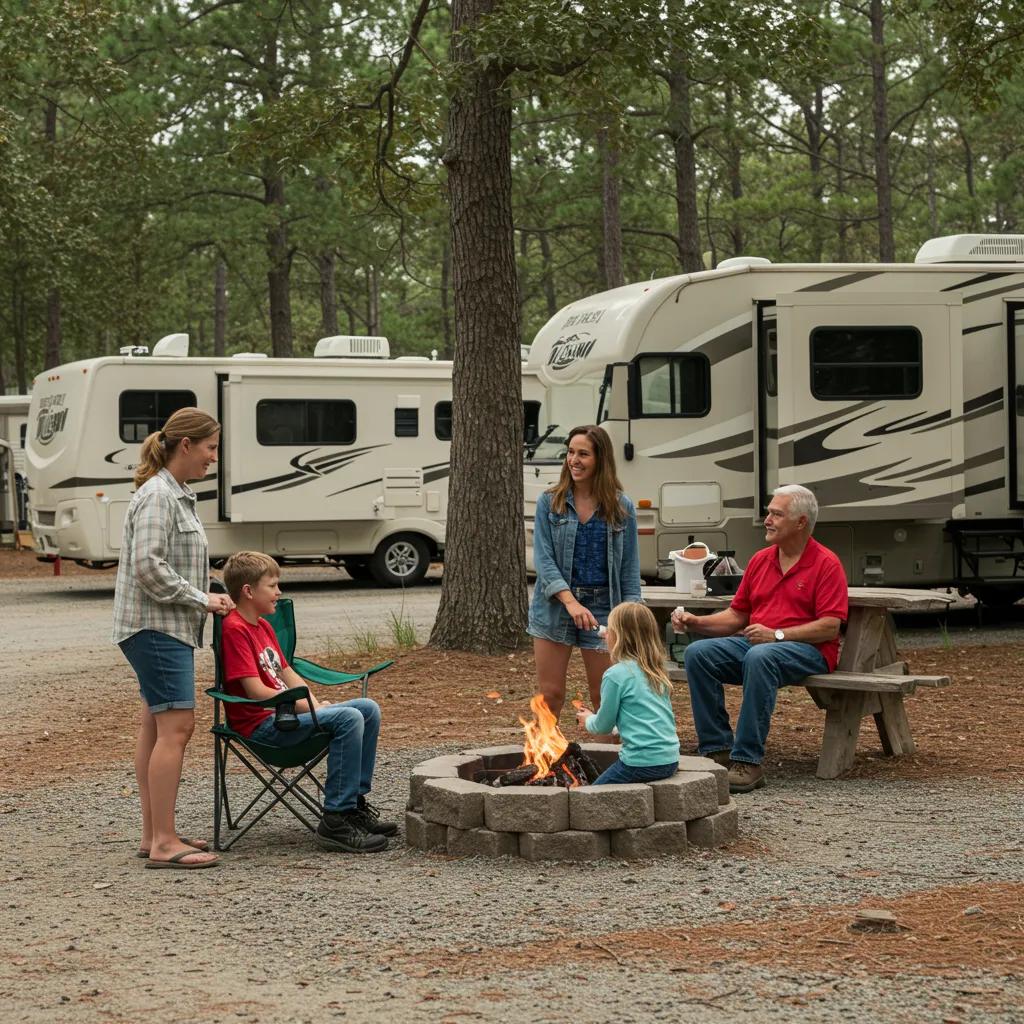
A family-owned approach means we deeply value stewardship, continuity of guest experience, and respect for the traditions that make long-standing campground communities special. At GatherGrounds Resorts, stewardship is a core principle. We promise to preserve your campground’s unique identity while investing in thoughtful upgrades to enhance guest appeal. This commitment builds trust with sellers who want their campground’s name, staff, or seasonal culture to continue, rather than be absorbed into a faceless corporate brand. Preserving these traditions often eases seller anxiety and creates clearer transition plans for staff and regular guests, which in turn helps accelerate operations after an offer is accepted.
How Does Selling Directly to GatherGrounds Avoid Broker Fees and Hassles?
Selling directly to us cuts out the listing, marketing, and brokerage commission steps that add time and expense to a traditional brokered sale. Direct offers mean no need for public listings or open-house cycles, shortening negotiation windows and reducing contingencies tied to buyer financing. You save on commission costs by choosing a direct acquisition path and avoid the back-and-forth common in multi-bid brokered processes. This streamlined negotiation typically leads to a simpler closing timeline and fewer surprises during due diligence, helping you sell your RV park quickly.
What Types of RV Parks and Campgrounds Do We Acquire?
GatherGrounds Resorts looks for properties that align with our operational scale and stewardship goals, prioritizing parks with a site count and amenity mix that support exceptional long-term guest experiences. We typically target RV sites, tent areas, and small cabin inventories at properties that can benefit from targeted reinvestment while preserving their natural charm. Our acquisition criteria focus on parks that foster family-friendly atmospheres and are at an operational scale where our direct management approach can maintain traditions. We encourage owners to assess their property’s fit by comparing site count, amenity quality, and local market demand before reaching out.
What Is the Step-by-Step Process to Sell My RV Park Fast?
A clear, five-stage workflow—inquiry, valuation, due diligence, closing, and transition—is the fastest route to a completed sale when each phase is well-prepared. This process works because clear data accelerates valuation, a cash purchaser bypasses lender delays, and an agreed-upon transition plan minimizes post-closing disruption. Below is a concise, numbered sequence designed to be an actionable checklist for owners deciding how to sell their campground.
- Initial Inquiry and Confidential Review: Share basic property facts and a financial snapshot to begin; your information will be kept confidential.
- Transparent Valuation & Preliminary Offer: We’ll evaluate your Net Operating Income and market cap assumptions to provide a preliminary offer.
- Due Diligence: We’ll verify title, permits, and operational records; timelines shorten significantly with readily available documentation.
- Closing: Cash closings eliminate lender contingencies and typically shorten escrow periods.
- Transition & Stewardship: Agreed-upon staffing and guest communications minimize operational gaps after the transfer.
This structured path helps you anticipate document needs and timing, and it prepares you to respond quickly to requests that can otherwise delay brokered transactions. When direct buyers like us offer a streamlined path, you benefit from a predictable calendar and clearer handover logistics.
How Do I Start with a No-Obligation Conversation?
Begin by compiling a concise summary of your property, including site count, typical seasonal occupancy, recent P&L highlights, and any notable infrastructure items. Inquiries that include a site count and a one-page financial snapshot allow us to provide preliminary feedback quickly, reducing initial back-and-forth. During our first conversation, ask about our timelines, transition approach, and whether we operate as a direct purchaser or through brokers—this clarifies the path to a cash closing. Having this information ready not only speeds up our review but also signals your readiness to move, helping you sell your RV park quickly.
How Is My RV Park Valued Transparently and Fairly?
Our valuation process centers on Net Operating Income (NOI) and an applied capitalization rate to determine market value, creating a transparent metric you can verify. NOI is your campground’s total revenue minus operating expenses, and value is estimated by dividing NOI by an appropriate capitalization rate. Stating these figures upfront allows for rapid preliminary offers. We review occupancy trends, average daily rates, ancillary income (rentals, store sales), and expense consistency to refine NOI and cap rate selection. A clear presentation of these items accelerates a fair valuation and reduces renegotiation risk during due diligence.
What Happens During Due Diligence and Closing?
Due diligence involves confirming title status, environmental and permitting compliance, and the accuracy of the financial records used to establish NOI, focusing on items that materially affect value. For sellers who have documents prepared in advance, the diligence window shortens because verifiable data replaces speculative checks and reduces discovery-based delays. For cash transactions, closing removes lender underwriting steps, allowing parties to select expedited escrow processes and mutually agreed-upon closing dates. A well-defined diligence checklist and prepared records make it possible to close in significantly fewer days than a traditional brokered sale.
How Does GatherGrounds Ensure a Smooth Transition After Sale?
We establish a clear transition plan that outlines roles, staff retention options, guest communications, and any phased operational changes to maintain continuity. GatherGrounds Resorts is committed to stewardship and often works closely with sellers on messaging to long-term guests and local partners, minimizing churn and operational disruption. Reinvestment plans for amenities can be scheduled to respect peak seasons, preserving revenue while upgrading facilities. This practical transition reduces operational risk and supports steady revenue immediately after closing.
How Can I Determine the Value of My RV Park Quickly?
Determining your RV park’s value quickly relies on a focused financial snapshot and a simple NOI/capitalization rate calculation that both buyers and sellers can verify. Start with your most recent 12-month revenue and expense totals, confirm occupancy trends by month, and isolate any one-time expenses that shouldn’t affect normalized NOI. Rapid valuation requires clear data on per-site revenue, ancillary income, and predictable operating costs so the derived NOI reflects sustainable performance. These core metrics enable initial market-value estimates and guide whether a professional appraisal is necessary to confirm pricing.
The table above shows the key valuation components we use to estimate value quickly. Providing clean values for each attribute reduces valuation friction and accelerates offer timelines.
What Are Net Operating Income and Capitalization Rate?
Net Operating Income (NOI) is your campground’s annual revenue after deducting recurring operating expenses, and the capitalization rate (cap rate) is the percentage return an investor expects from the property. The valuation formula is straightforward: NOI divided by Cap Rate equals Market Value. This simple relationship helps both parties reach a transparent number quickly. For example, if your normalized NOI is $200,000 and our cap rate is 8%, the implied value is $2,500,000. Presenting your NOI and recent occupancy figures upfront speeds up preliminary offers and information requests.
Commercial Campgrounds: Net Cash Revenue Analysis
per campsite basis, the small campground group had the highest net cash revenue.
Commercial Campgrounds on the Oregon Coast: Characteristics and Financial Status, 1977
Which Factors Most Influence My RV Park’s Market Value?
Occupancy levels, average daily rates, ancillary income, site mix, physical condition, and local market demand are primary value drivers we weigh heavily. Improvements like reliable utilities, modern restrooms, and cabin inventory increase per-site revenue potential and reduce the perceived risk embedded in cap rate selection. Conversely, deferred maintenance, uncertain permit status, or volatile seasonal demand can depress offers or widen the gap between preliminary and final valuations. Highlighting your property’s strengths and explaining any anomalies in your documentation helps us apply appropriate cap rates.
When Should I Consider Getting a Professional Appraisal?
A formal appraisal is advisable when financing contingencies are present, when there’s a dispute over fair market value, or when complex site characteristics require specialized expertise to value accurately. Appraisals provide an independent benchmark that supports negotiation and helps sellers understand the market assumptions behind cap rate selections. Appraisal timelines and costs vary, so weigh the urgency of a fast sale against the benefit of an independent valuation report. Often, a preliminary NOI/cap rate estimate suffices for cash buyers, while appraisals are more common for brokered or financed transactions.
What Are the Benefits of Selling My RV Park for Cash?

Selling your RV park for cash shortens timelines, reduces contingency risk, and simplifies logistics by eliminating lender underwriting steps that commonly cause delays. Cash buyers bypass mortgage approvals, appraisal contingencies tied to financing, and many lender-driven documentation demands, enabling faster title transfer and a more certain closing date. Cash transactions also reduce the administrative overhead of buyer approvals and allow for tailored transition terms that protect guest experience and staff continuity. These advantages are particularly valuable when your priority is to sell your RV park for cash and move on a set timetable.
- Cash sales typically close faster than financed deals, often within 30–60 days when documents are ready.
- Cash buyers reduce the risk of financing fall-through that can derail brokered transactions.
- Transactions conducted with fewer public disclosures preserve seller privacy and control.
Owners who prioritize speed and certainty should prepare their documentation to support a cash offer; the faster the records are assembled, the faster we can complete diligence and close. The next section explains how cash closings change specific steps and what costs and risks they help you avoid.
How Does a Cash Sale Speed Up the Selling Process?
A cash sale removes lender underwriting, appraisal contingencies tied to bank financing, and many financing-related conditions that extend the escrow period. Without lender timelines, parties can agree to custom closing dates, prioritize title work, and compress inspection windows into a shorter, focused diligence period. Cash buyers often use standardized purchase templates and experienced closing teams to accelerate administrative tasks. The reduced procedural overhead translates to concrete timeline savings for owners who need to sell their RV park quickly.
What Costs and Risks Can I Avoid by Selling for Cash?
By choosing a cash buyer, you can avoid delays caused by lender rejections, reduce the chance of last-minute demands for repairs required by appraisals, and limit costs associated with extended escrow or marketing. When a transaction bypasses brokered listing exposure, you may also avoid broader marketing expenses and the operational drag of hosting multiple buyer visits. Cash deals typically lower the risk of deal collapse due to financing issues and can reduce some closing costs tied to lender-required services. These factors collectively improve certainty and reduce the financial burden of prolonged sale processes.
How Does Selling for Cash Protect My Privacy and Confidentiality?
Cash transactions often occur with fewer public listings and more controlled, direct communication between buyer and seller, which helps limit exposure to competitors, staff uncertainty, and guest speculation. A confidential sale structure reduces the need for visible “For Sale” marketing and allows you to handpick the timing and scope of guest or staff notifications. Direct negotiations help preserve reputations in small markets and can be structured to minimize operational disruption. Maintaining confidentiality during the sale process helps uphold goodwill and supports a smoother transition post-closing.
How Do I Prepare My Campground for a Fast Sale?
Preparing your campground for sale means organizing financial records, prioritizing high-ROI maintenance, confirming permits, and crafting an exit strategy that aligns with your timing and tax considerations. Focused preparation removes common roadblocks that extend due diligence and limits renegotiation after offers are made. Start by assembling essential financial documents, then address physical fixes that most affect operational revenue and regulatory compliance. The following checklist and table provide a concrete starting point for your readiness.
Owners preparing for sale should prioritize document organization and targeted repairs to support a quick valuation and confident offer responses.
- Financial Records: Profit & Loss statements, tax returns, occupancy records.
- Site & Permit Documentation: Site maps, licenses, environmental checks.
- Maintenance Priorities: Septic, water systems, road access and safety items.
This table clarifies the most requested documents and why they matter for valuation and due diligence. Sellers who supply these items early typically shorten the offer-to-close window.
What Financial Documents Should I Have Ready?
Prepare Profit & Loss statements, tax returns, occupancy and reservation records, vendor contracts, and recent utility bills to support NOI calculations and verify revenue streams. Clear, consistent financials help us normalize one-time items and assess sustainable cash flow quickly. A compact financial packet reduces request cycles and helps preliminary offers more closely match final valuations. Having this packet also supports a faster path through due diligence and toward a cash closing.
How Can Property Maintenance Impact Sale Speed and Price?
Deferred maintenance often reduces perceived value and lengthens diligence as buyers investigate potential hidden costs; addressing high-impact repairs first increases confidence and can lead to better offers. Prioritize systems with high replacement costs or safety implications—septic, potable water, and roadways—as these directly affect operations and regulatory compliance. Cosmetic upgrades can improve buyer perception, but structural or system fixes have larger effects on cap rate assumptions. A focused maintenance plan targeting high-ROI items can shorten negotiation cycles and help you sell your RV park for cash more readily.
What Legal and Permitting Considerations Should I Review?
Review zoning restrictions, outstanding violations, wastewater and environmental compliance, and the status of occupancy permits to avoid last-minute title or regulatory holds. Disclosing known issues and providing remediation plans elevates buyer trust and can speed diligence approvals. If permits are in process, document timelines and interactions with local authorities to give us a clear picture of resolution prospects. Transparent handling of legal items reduces the potential for discoveries that might derail a fast sale.
How Do I Craft an Effective Exit Strategy?
An effective exit strategy balances timing, tax planning, and post-sale involvement or phased transitions to match your goals. Options include an outright sale for cash, limited seller financing, or a phased management handoff; each option affects timeline, tax consequences, and your involvement. Discussing your preferred outcomes with advisors helps build an offer structure that aligns with both speed and financial objectives. A clear exit plan informs negotiations and helps us propose realistic timelines to complete a purchase.
How Does Selling to GatherGrounds Compare to Using Campground Brokers?
Comparing a direct buyer like GatherGrounds Resorts with a campground broker highlights differences in fees, timeline, confidentiality, and transition control that matter to sellers. Brokers provide market exposure and may achieve higher sale prices in some markets, but they add listing windows, marketing costs, and commission fees that can lengthen closing. Direct buyers offer speed, certainty, and stewardship-focused transitions, often without brokerage commission layers, which benefits sellers prioritizing a fast close and legacy protection. Below is a comparison table that captures key distinctions to help you decide which route aligns with your goals.
This comparison table illustrates the trade-offs you face: broader market exposure versus faster, more confidential direct transactions. Sellers who want speed and control often prefer the direct-buyer path.
What Are the Key Differences Between Direct Buyers and Brokers?
Direct buyers generally offer speed, confidentiality, and simpler negotiations, while brokers provide market exposure, competitive bidding, and typically higher transactional marketing steps. Brokers may realize premium pricing in active markets but require listing duration and public exposure that some owners wish to avoid. Direct buyers often streamline paperwork and present offers based on NOI and cap rate analysis, enabling quicker decisions. Understanding these structural differences helps sellers choose the sale path that best matches their priorities.
How Does Direct Communication with Owners Benefit Sellers?
Direct communication reduces layers of representation, allowing immediate answers to operational questions and quicker approvals for decisions required during diligence. Owner-to-buyer dialogue facilitates tailored transition plans covering staff retention, guest communications, and timing that respects seasonal cycles. These direct conversations also reveal buyer intentions about stewardship and reinvestment, which can be decisive for sellers concerned about legacy. Clear, direct lines of communication thus shorten response cycles and support faster closings.
Why Is Legacy Preservation Important in Our Acquisition Model?
Legacy preservation matters because many campground owners view their property as a community asset with social and sentimental value beyond just financial return. GatherGrounds Resorts emphasizes stewardship to maintain guest experience and traditions, which reassures sellers that operational and cultural continuity will be respected. This focus often results in smoother transitions, lower staff turnover, and sustained guest loyalty post-sale. For owners who value legacy, a buyer committed to stewardship can be the decisive factor in choosing a sale path.
What Do Other Campground Owners Say About Selling to GatherGrounds?
Seller experiences often highlight fast timelines, careful transition coordination, and preservation of guest-facing traditions as benefits of selling to a stewardship-focused buyer. Case examples typically describe an initial confidentiality discussion, a transparent valuation based on NOI, and a closing timeline shortened by cash terms and prepared documentation. These recurring outcomes—speed, stewardship, and clear handoffs—illustrate how process alignment between seller and buyer delivers reliable results. Hearing other owners’ outcomes helps prospective sellers set realistic expectations for timing and transition.
Which Success Stories Highlight Our Smooth Acquisition Process?
Success stories commonly follow a Problem → Action → Outcome format: sellers facing time constraints or succession issues begin with an inquiry, provide a concise financial package, and agree to a cash-based offer that closes within an accelerated timeline. The action phase focuses on rapid verification of NOI and title, while outcomes report minimal operational disruption and retained guest loyalty. Sellers often cite clear communication and respectful transition planning as critical to their satisfaction. These patterns demonstrate that preparedness and alignment on stewardship make accelerated acquisitions achievable.
How Have Previous Sellers Benefited from Our Stewardship Approach?
Previous sellers report qualitative benefits such as preserved traditions, organized staff transitions, and continuity of guest services after sale, which reduce emotional and reputational costs associated with ownership transfer. Quantitatively, some sellers note that maintaining occupancy and guest satisfaction through the transition protected revenue streams that could have suffered under abrupt operational changes. Stewardship-driven acquisitions thus combine speed with a curated operational handoff that sustains campground value. Recognizing these benefits helps other owners evaluate buyer fit beyond price alone.
Ready to Sell Your RV Park Fast? How to Contact GatherGrounds Resorts Today
When preparing an inquiry to start a no-obligation conversation, include concise property basics, a financial snapshot, and photos to enable a rapid preliminary review. Provide site count, recent annual revenue and expenses, typical seasonal occupancy, and any notable permit or infrastructure issues to accelerate our assessment. GatherGrounds Resorts purchases campgrounds and RV parks directly from owners and offers a no-obligation conversation to review fit and timelines. A focused initial package lets us deliver preliminary feedback and a probable timeline for an offer.
What Information Should I Provide in My Initial Inquiry?
Sellers should include site count, last 12-month Profit & Loss highlights, monthly occupancy trends, a brief description of amenities, and current known issues or permit statuses when initiating contact. Attach photographs of key infrastructure, a site map if available, and indicate your preferred timing or constraints for a sale. This structured packet enables a rapid preliminary valuation and reduces iterative requests during early diligence. Providing these items at the outset improves the chance of receiving a timely preliminary offer.
How Quickly Can I Expect an Offer After Contacting GatherGrounds?
Initial reviews for well-documented properties often yield preliminary feedback within a few business days, with a more detailed preliminary offer possible within one to two weeks depending on document availability. Final offers and a closing timeline depend on diligence findings, but cash-based transactions can often reach closing in 30–60 days when title and permits are in order. Factors that can delay an offer include incomplete financial records, complex title issues, or unresolved permitting that requires remediation. Clear documentation and open communication are the fastest routes to a prompt offer and an expedited closing.
Frequently Asked Questions
What Should I Do to Prepare My RV Park for Sale?
Preparing your RV park for sale involves organizing financial records, addressing maintenance issues, and ensuring all permits are in order. Start by gathering essential documents like Profit & Loss statements, occupancy records, and site maps. Prioritize repairs that impact safety and compliance, such as septic and water systems. A well-prepared property not only speeds up the valuation process but also instills confidence in potential buyers, leading to quicker offers and smoother transactions.
How Can I Ensure a Smooth Transition for Guests After the Sale?
To ensure a smooth transition for guests after the sale, develop a clear transition plan that includes communication strategies for informing guests about the new ownership. Collaborate with the buyer to maintain staff continuity and preserve guest experiences. Addressing operational changes gradually and respecting peak seasons for reinvestment can help maintain revenue and guest loyalty. A well-coordinated transition minimizes disruptions and reassures guests about the continuity of services they value.
What Are the Common Mistakes to Avoid When Selling My RV Park?
Common mistakes when selling an RV park include inadequate preparation of financial documents, neglecting necessary repairs, and failing to communicate effectively with potential buyers. Sellers should avoid overpricing based on emotional attachment rather than market value. Additionally, not having a clear exit strategy can lead to complications during negotiations. By preparing thoroughly and being transparent about the property’s condition and financials, sellers can avoid pitfalls that may delay or derail the sale process.
How Do I Choose the Right Buyer for My RV Park?
Choosing the right buyer for your RV park involves assessing their understanding of campground operations and commitment to preserving the property’s legacy. Look for buyers who prioritize stewardship and have a clear plan for maintaining guest experiences. Engaging in direct conversations can help gauge their intentions and ensure alignment with your values. A buyer who respects the community and has a solid financial backing can facilitate a smoother transition and uphold the campground’s reputation.
What Role Does Market Demand Play in Selling My RV Park?
Market demand significantly influences the selling process of your RV park. High demand can lead to quicker sales and potentially higher offers, while low demand may require more strategic pricing and marketing efforts. Understanding local market trends, occupancy rates, and competition can help you position your property effectively. Sellers should stay informed about market conditions to set realistic expectations and adjust their selling strategies accordingly, ensuring they attract the right buyers.
Can I Sell My RV Park If It Has Outstanding Permits or Violations?
Yes, you can sell your RV park even if it has outstanding permits or violations, but it may complicate the sale process. Buyers will likely conduct due diligence to uncover any legal issues, which could affect their willingness to proceed or the offer price. It’s advisable to disclose any known issues upfront and provide a plan for remediation. Addressing these concerns proactively can enhance buyer trust and facilitate a smoother transaction.
What Are the Benefits of Selling My RV Park to a Family-Owned Business?
Selling your RV park to a family-owned business like GatherGrounds Resorts offers several benefits, including a focus on stewardship and community values. Family-owned buyers often prioritize preserving the campground’s identity and guest experience, which can ease seller concerns about legacy. Additionally, they typically provide a more personalized approach, ensuring smoother negotiations and transitions. This alignment of values can lead to a more satisfying sale process for both parties.
Conclusion
Successfully selling your RV park quickly is achievable through a direct, family-owned approach that prioritizes speed, certainty, and legacy preservation. By choosing GatherGrounds Resorts, you benefit from streamlined processes that eliminate broker fees and enhance confidentiality, ensuring a smooth transition for your community. Prepare your property with clear financial documentation and operational insights to facilitate a rapid valuation and offer. Start your journey today by reaching out for a no-obligation conversation to explore how we can assist you in selling your RV park efficiently.