Selling Your Campground: Essential Listing Tips and Tricks for Owners
Selling a campground or RV park means having your operations in order and knowing how to value it. This guide walks you through listing your campground for sale, offering practical steps and insights into valuation. You’ll learn the entire selling process, how buyers approach valuation (including net operating income and cap rates), the financial and operational documents buyers expect, and your options for a confidential direct sale versus working with a broker. We focus on actionable preparation—repairs, financial organization, marketing choices, and due diligence—so you can improve your sale outcomes and timing. We also compare selling to a direct buyer who values stewardship with more traditional brokerage routes, explaining how that choice impacts confidentiality, timeline, and legacy. Read on for a detailed walkthrough of listing logistics, valuation mechanics, buyer comparisons, market trends for 2025, and practical checklists to prepare your campground for a smooth sale.
What Are the Key Steps in Selling Your Campground?
The campground selling process is a series of preparation, valuation, marketing, negotiation, and closing tasks designed to reduce buyer friction and maximize value. You’ll start by preparing the property and documents, then choose a marketing approach—public listing with a broker, off-market outreach, or a confidential direct sale—before entering due diligence and closing. Each phase reduces information asymmetry so buyers can assess risk and price the asset appropriately, and careful preparation speeds offers and shortens due diligence. The next subsections outline how to ready your campground, which documents buyers commonly request, timing considerations influenced by market analysis, and what to expect during due diligence and closing.
How Do You Prepare Your Campground for Sale?
Preparing your campground for sale means prioritizing safety, regulatory compliance, and guest-facing condition to improve buyer confidence and perceived value. Start with a walkthrough to identify safety issues, deferred infrastructure repairs, and visible cosmetic upgrades that influence first impressions, and document any recent capital expenditures to demonstrate maintenance discipline. Small investments—upgraded signage, refreshed restrooms, repaired roadways—can materially affect buyer perception and negotiating leverage, especially when tied to documented receipts and permits. Preparing operations and staff transition notes also reassures buyers and sets the stage for a smoother handover, which leads into the financial documentation buyers will expect next.
What Financial Documents Are Needed to Sell an RV Park?

Buyers evaluating how to sell a campground expect standardized financial records that support revenue and expense claims and underpin valuation models like NOI and cap-rate calculations. Provide 3–5 years of profit & loss statements, corresponding tax returns, detailed occupancy and revenue breakdowns by site type, operating expense ledgers including utilities and payroll, and copies of major vendor and management contracts. These documents allow buyers to normalize cash flow, calculate net operating income, and model future performance; organizing them in a secure data room accelerates due diligence. Clear financial records also reduce perceived risk and help achieve market-aligned pricing, which is closely connected to the valuation methods covered next.
Here’s a look at the core financial documents and why each matters.
This table clarifies the core documents that materially affect valuation and buyer confidence, and it sets expectations for what will be requested during due diligence.
How Does Market Analysis Affect Your Sale Timing?
Market analysis affects whether you list now or time your sale to match peak demand and favorable financing conditions, since buyer appetite, interest rates, and seasonal patterns change buyer pools and valuation multiples. Campground seasonality means listing ahead of peak booking windows can attract more strategic buyers and competitive offers, while higher interest rates or tight lender conditions may compress cap-rate expectations and reduce the buyer pool. Local comparables and per-site values are essential inputs; a realistic comparative market analysis informs pricing and listing timing. Understanding these dynamics prepares you for whether to accelerate the process or make modest operational improvements and reprice when conditions are more favorable, which naturally leads into due diligence expectations during closing.
What Are the Due Diligence and Closing Procedures?
Due diligence typically spans document verification, site inspections, environmental and title reviews, and permit checks, followed by negotiation on repairs, contingencies, and closing logistics to transfer ownership and operations. Buyers will request access to the previously listed financials, conduct onsite inspections of infrastructure and utilities, review environmental assessments where applicable, and confirm zoning, permits, and leases. You should plan a response timeline, maintain a well-organized data room, and consider limited escrow or repair credit options to bridge inspection findings. A proactive closing checklist and communication plan with staff and vendors smooth the handover and ensure that license, permit, and operational transfers occur with minimal guest disruption.
How Is a Campground Valued? Understanding Campground Valuation Methods
Campground valuation commonly uses net operating income (NOI) divided by a selected cap rate, but buyers also use gross multipliers and per-site metrics to cross-check value. NOI reflects stabilized operating cash flow after normalizing expenses, and applying a market-appropriate cap rate converts that cash flow into an asset value; gross multipliers (revenue × multiple) or per-site valuations provide secondary checks and sensitivity analysis. Each method has trade-offs: NOI/cap rates emphasize cash-flow risk while gross multipliers are simpler but less precise for expenses variation. Below we compare these approaches and show typical ranges and implications for sellers in the current 2025 market context.
Here’s a comparison of valuation approaches.
This table helps you see how different methods produce differing valuations and why providing strong NOI documentation narrows valuation variance.
What Is Net Operating Income and Why Is It Important?
Net operating income (NOI) equals total operating revenue minus operating expenses, excluding financing costs and taxes, and it is the central cash-flow metric buyers use to assess a campground’s earning power. NOI matters because it is the basis for cap-rate valuations and reflects ongoing profitability after normalizing owner-specific discretionary items such as personal expenses. You should present a clearly reconciled NOI with supporting ledgers to show stabilized performance and to justify adjustments for one-time or owner-specific items. A transparent NOI reduces perceived risk and enables buyers and appraisers to apply a market cap rate with greater confidence, which transitions into how cap rates influence final price.
Impact of Other Revenue on Hotel NOI Profit Margin
Hotel ‘Other Revenue’ category is often overlooked as a means to improve NOI through heightened profit margin contribution. This study investigated the impact of ‘Other Revenue’ on NOI profit margin in 3,271 full and limited service U.S. hotels. A decision tree analysis was conducted to gain insight of various departmental expense ratios (independent variables) to NOI (dependent variable). Results indicated room and undistributed expense ratios had a greater impact on NOI than ‘Other Revenue’ in limited-service hotels, while food and beverage, undistributed, and room expense ratios had a greater impact on NOI profit margin than ‘Other Revenue’ in full-service hotels.
Exploratory Analysis of” Other Revenue” Impact on Full and Limited Service Hotel NOI, TA Maier, 2018
How Do Cap Rates Influence Campground Value?
Cap rates represent the return an investor requires and are used to convert NOI into value using the formula value = NOI / cap rate, so small cap-rate shifts materially change price. In 2025, typical RV park cap rates commonly fall around 8%–12% for well-located, amenity-rich properties, with lower cap rates for higher-quality assets and compression in markets with strong investor demand. Factors that compress cap rates include high occupancy, modern infrastructure, diversified ancillary income, and favorable financing availability, while perceived risk, infrastructure needs, or seasonal volatility can expand cap rates. Understanding how buyers select cap rates empowers you to improve NOI and mitigate perceived risks to compress the cap-rate applied to your property.
What Other Factors Affect Your Campground’s Worth?
Beyond pure finances, qualitative factors such as number of sites, infrastructure condition, permitted entitlements, and amenity mix strongly influence valuation dispersion between properties. Properties with 130+ sites often attract institutional or strategic buyers seeking scale, while smaller parks may trade at different per-site multiples; utilities, road conditions, and the condition of restrooms and hookups directly affect cost-to-repair assumptions. Brand, guest experience metrics and diversified ancillary income (store, events, cabins) can create premium pricing, and zoning or special permits expand buyer options. These qualitative aspects often determine which valuation method a buyer emphasizes and whether they will offer a premium or require discounts, which leads to practical appraisal options below.
How Can You Get a Professional Campground Appraisal?
You can obtain independent appraisals, broker opinions, or accept buyer-provided valuations, each suited to different transaction needs: formal appraisals for financing, broker comps for market pricing, and buyer opinions for negotiated deals. A certified commercial appraiser produces a formal appraisal suitable for lender underwriting but can be more costly and time-consuming; brokers provide market-based broker price opinions and comparables; direct buyers deliver an opinion of value as part of their acquisition process, which may reflect strategic synergies. Choose the option aligned with your sale strategy—formal appraisal for wide-market listings or streamlined buyer valuation for confidential direct sales—while keeping documentation ready to support any chosen approach.
After explaining valuation mechanics and appraisal options, it’s useful to understand seller pathways; the next section compares selling directly to a family-owned buyer versus using a broker.
Why Sell Directly to GatherGrounds Resorts Instead of Using a Broker?
Selling directly to a qualified buyer can offer confidentiality, speed, and reduced seller burden compared with a brokered public listing, particularly for owners prioritizing legacy and stewardship. GatherGrounds Resorts presents a direct-buyer alternative focused on family-owned stewardship, speaking directly with owners, and confidential acquisitions of quality properties in upper Midwest states—especially those with 130+ sites. A direct sale to a buyer like GatherGrounds can simplify negotiation, reduce marketing exposure, and preserve operational continuity, all of which are important to owners who prioritize a thoughtful transition. The sections below outline family-owned buyer benefits, typical transition practices, the confidential acquisition process, and a side-by-side comparison with brokerage services to help you decide.
Here’s a comparison of Direct Buyer vs Broker attributes.
This comparison clarifies practical trade-offs you face when choosing between a direct sale and a brokered listing.
What Are the Benefits of Selling to a Family-Owned Buyer?
Selling to a family-owned buyer can preserve guest traditions, prioritize staff retention, and ensure direct access to decision-makers during negotiation and transition. Family-owned buyers often emphasize stewardship and legacy preservation, making commitments to maintain brand character and guest experience that matter to you and your community. You benefit from working with principals rather than layers of corporate bureaucracy, which can lead to faster decisions and more nuanced transition agreements for staff and operations. These relationship-driven advantages are particularly meaningful for owners who value continuity, and they segue into how GatherGrounds approaches transition planning.
How Does GatherGrounds Ensure a Thoughtful Transition?

GatherGrounds Resorts indicates a stewardship model that includes owner input in transition planning, efforts to retain staff, and planned investments to preserve guest experience, all of which mitigate operational disruption. Typical transition planning features a joint operations review, phased handover of vendor relationships, and communication plans for staff and guests to maintain continuity. Emphasizing these elements reassures sellers that legacy elements and community ties will be considered when new ownership implements improvements. Sellers who prioritize a careful handover often find such a model reduces reputational risk and supports a smoother post-closing operational ramp.
What Is the Confidential and Simplified Acquisition Process?
A confidential direct acquisition process begins with an initial private inquiry and no-obligation conversation, proceeds to a preliminary valuation and optional site visit, and culminates in an offer, due diligence, and closing—often with fewer intermediaries. This streamlined pathway minimizes public exposure of the listing, uses NDA-gated information exchange, and often compresses negotiation timelines because decision-makers engage directly. You can opt for confidentiality to protect staff and occupancy while still receiving competitive offers from qualified buyers, and this option is especially viable for sellers of larger properties that meet buyer thresholds. Understanding the process can help you decide whether a direct, private sale matches your objectives.
How Does Selling to GatherGrounds Compare to Traditional Brokerage Services?
Deciding between selling to a direct buyer and using a broker requires weighing fees, timeline, confidentiality, and the extent of market exposure needed to attract competitive bids. Brokers provide broad-market exposure and may achieve higher bids through competitive marketing, but they also introduce commissions, public listing risks, and a potentially longer timeline; direct buyers like GatherGrounds emphasize confidentiality, stewardship, and lower transaction complexity, which can be preferable for owners prioritizing legacy and a private transition. Use the comparison to match your goals—maximize market price via public sale or prioritize a controlled, values-based handover—while maintaining readiness to provide comprehensive documentation regardless of path chosen.
How Can You Prepare Your Campground to Maximize Sale Value?
Maximizing sale value requires prioritizing safety and compliance, addressing high-impact repairs, organizing financial and legal documents, and enhancing curb appeal and amenities to improve buyer perception and justify premium pricing. A focused preparation plan targets items with high return on investment—safety fixes, critical infrastructure, and guest-facing improvements—while compiling a clean data room of financials and permits to streamline buyer review. Planning for exit logistics, tax considerations, and succession options helps align a sale timeline with personal goals, and these practical steps improve both price and speed of sale. The subsections below break down repairs, document organization, amenity upgrades, and exit planning.
What Essential Repairs and Maintenance Should You Complete?
Prioritize safety and regulatory compliance, then address core infrastructure such as roads, sewer/water systems, electrical hookups, and restroom facilities to reduce buyer repair contingencies. Buyers often discount value for deferred infrastructure investment, so demonstrating completed or scoped repairs with permits and contractor estimates reduces perceived risk and supports asking price. Focused guest-facing improvements—restroom updates, landscaping, and signage—improve first impressions and can justify higher per-site valuations when documented with receipts. These repairs should be paired with organized documentation so buyers can verify condition quickly during due diligence.
Essential repairs to prioritize:
- Address safety and code compliance issues with documented permits.
- Repair or replace critical utilities (sewer, water, electrical) affecting operations.
- Improve guest-facing facilities and signage to boost perceived value.
A concise repair plan with documented costs and timelines helps buyers evaluate the property quickly and reduces negotiation friction.
How Do You Organize Financial and Legal Documents Effectively?
Organize documents into a simple folder structure—financials, tax returns, permits/licenses, vendor contracts, and operational manuals—and create a secure, NDA-gated data room for buyer access. Label files consistently, include a summary cover sheet for each document type, and annotate significant items such as capital expenditures and lease terms to save buyers’ time and reduce follow-up questions. Digital organization with version control and access logging enhances confidentiality, and a prepared data room accelerates due diligence and shortens the path to closing. Effective organization also signals to buyers that the asset has been well-managed, which supports higher valuations.
Here’s a checklist for your document data room:
Keeping files annotated and logically arranged reduces buyer questions and demonstrates operational readiness for transfer.
How Can Enhancing Curb Appeal and Amenities Impact Buyer Interest?
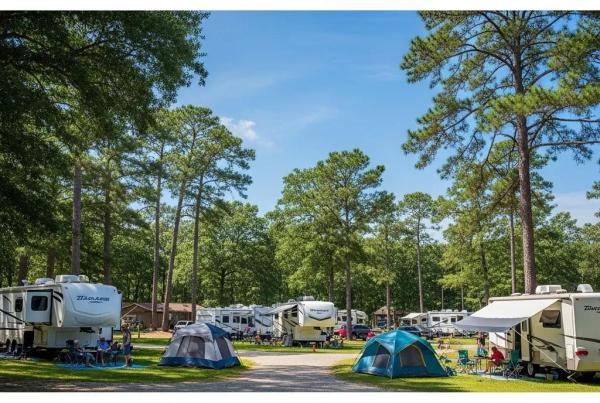
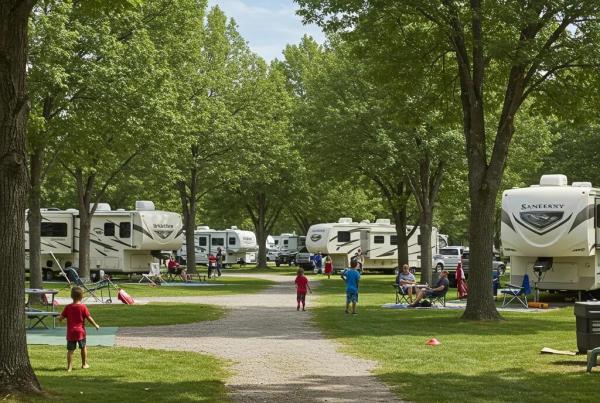
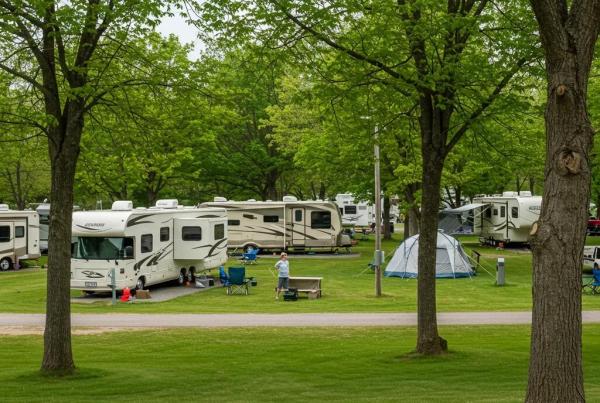
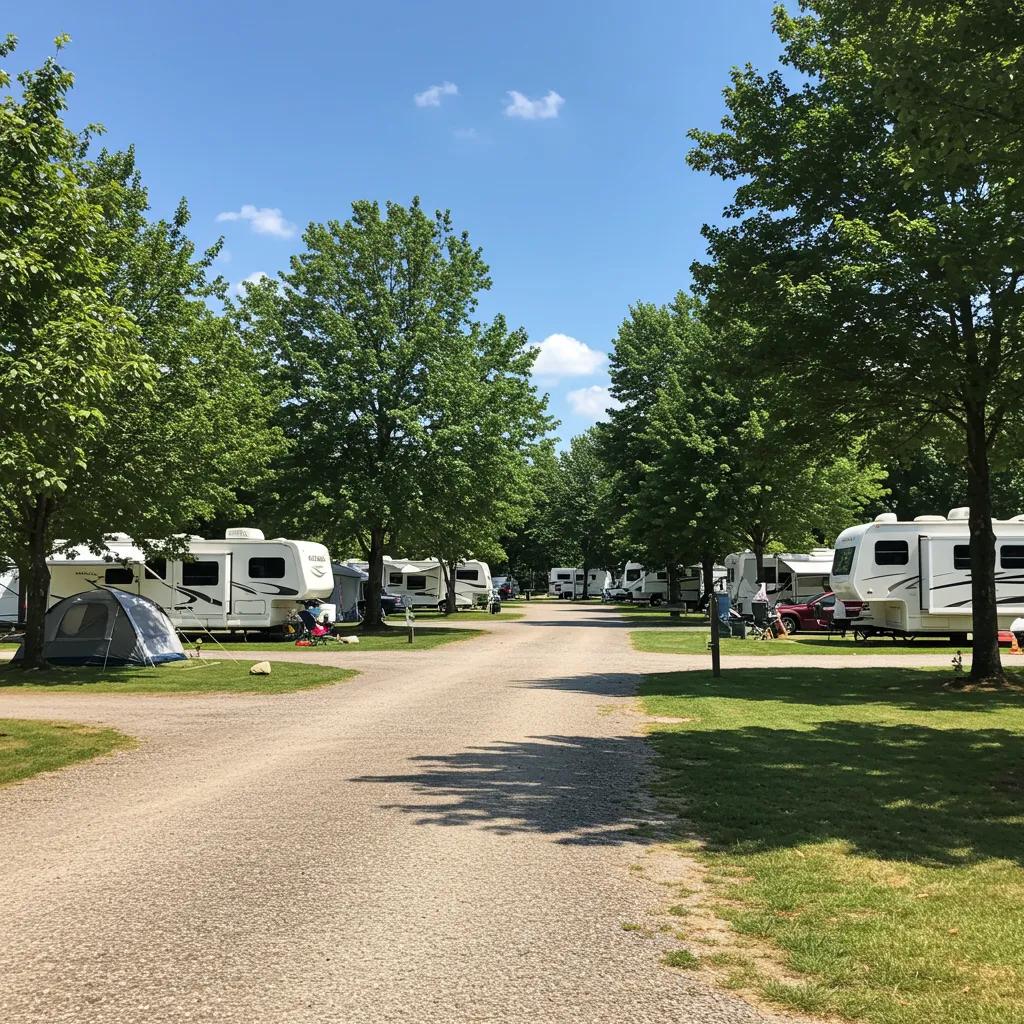
First impressions matter: updated landscaping, clear signage, and refreshed guest facilities signal care and reduce buyer concerns about deferred maintenance. Amenity upgrades that tend to deliver good ROI include improved restrooms, small communal areas, upgraded Wi-Fi infrastructure, and clear campsite delineation, which can increase occupancy and ancillary revenue potential. Documenting amenity investments with receipts and permits helps buyers model revenue uplift and justify higher offers. Well-presented properties attract more competitive interest and reduce the likelihood of lowball offers based on perceived neglect.
What Exit Planning Should Campground Owners Consider?
Exit planning addresses tax implications, succession preferences, and the intended level of seller involvement during transition, and aligning these elements early streamlines deal structuring.
Consult a CPA and an attorney to evaluate tax structuring options and to model after-tax proceeds, and consider whether to stay on for a transition period to assist operations or offer consultancy to preserve value.
Clarifying your personal timelines, staff transition plans, and preferred terms in advance reduces negotiation surprises and helps determine whether a direct sale or brokered sale better matches your goals.
Solid exit planning positions the sale for successful transfer and supports negotiations around non-financial terms.
What Are Common Questions and Resources for Campground Sellers?
Sellers commonly ask about pitfalls to avoid, key sale-related terms, how to initiate confidential conversations with direct buyers, and where to find additional resources; addressing these concerns helps you proceed confidently.
What Are the Most Common Pitfalls to Avoid When Selling?
Avoid the pitfalls that reduce sale value: incomplete or disorganized financial records, deferred maintenance that becomes a negotiation liability, and leaking public listings that disrupt staff and guest bookings. Early organization of financials and permits, addressing safety and infrastructure, and planning a confidentiality strategy prevent many typical surprises that lead to discounts or extended timelines. You should also avoid overpricing relative to market benchmarks, which can deter qualified buyers and lengthen sale windows. Addressing these areas early preserves buyer interest and speeds the path to an acceptable offer.
What Terms Should You Know in Campground Sales?
Familiarity with terms like NOI, cap rate, SDE (Seller Discretionary Earnings), escrow, and contingency is critical for clear negotiation and valuation discussions. NOI defines operating profitability for investors, cap rate translates NOI into value, SDE adjusts for owner-specific benefits, escrow secures transaction funds, and contingencies protect both parties during inspections and financing. Understanding these terms and how they affect offers and closing mechanics enables you to interpret proposals accurately and negotiate appropriate protections and timelines. Clear terminology also supports effective communication with brokers, appraisers, and buyers.
How Do You Start the Conversation with GatherGrounds Resorts?
To start a confidential, no-obligation conversation with GatherGrounds Resorts, prepare a concise property summary—site count, high-level financials, location region, and key infrastructure notes—and indicate your objectives for timing and confidentiality. GatherGrounds, as a family-owned buyer focused on stewardship and properties of scale (130+ sites), speaks directly with owners and offers a private inquiry pathway that emphasizes discretion and thoughtful transition planning. Expect an initial conversation to explore high-level suitability, followed by voluntary document sharing under NDA for those proceeding to preliminary valuation and potential site visit. This private approach suits owners prioritizing confidentiality and legacy preservation.
Where Can You Find Additional Seller Resources and Support?
Authoritative resources include industry associations, commercial appraisers, CPAs experienced in hospitality transactions, and legal advisors who specialize in commercial property sales; these advisors help validate valuation assumptions and guide tax and structuring choices. Downloadable checklists and due diligence templates—created by industry groups or appraisal firms—help standardize preparations and reduce overlooked items during due diligence. For sellers preferring a discrete buyer pathway, consider engaging with direct buyers who emphasize stewardship to compare offers without broad market exposure. Proper advisor selection and use of checklists accelerate sales and reduce surprises during closing.
Resources to consult:
- Industry associations for market benchmarks and trends.
- Qualified commercial appraisers for formal valuations.
- CPAs and attorneys for tax and structural advice.
How Do Market Trends and Industry Insights Affect Selling Your Campground?
Market trends—investor appetite for outdoor hospitality, financing conditions, and amenity-driven guest preferences—shape pricing and buyer types in 2025 and beyond. Strong RV and outdoor travel demand combined with investor interest in quality assets can compress cap rates, while higher interest rates or tighter lender criteria can reduce the buyer pool and weight more on cash buyers. Amenity trends such as glamping, enhanced on-site experiences, and diversified ancillary income streams increase attractiveness to buyers focused on revenue growth. Next we break down current trends, rate and seasonal impacts, benchmark ranges for 2025, and why solid financial preparation reduces perceptions of risk.
What Current RV Park Market Trends Should Sellers Know?
Current trends include sustained consumer interest in outdoor travel, increasing investor appetite for amenity-forward assets, and a shift toward diversified revenue streams such as cabins, retail, and programming. Buyers increasingly value sites that offer year-round or extended-season income streams and properties with strong digital booking and guest-retention metrics. Understanding buyer preferences allows you to highlight amenity-driven revenue and ancillary income during marketing and due diligence. These trends feed directly into how buyers model forward-looking NOI and assign cap rates, which is examined in the next subsection.
How Do Interest Rates and Seasonal Factors Influence Sales?
Interest rates influence buyer financing costs and therefore affect the pool of buyers and the cap rates they apply, while seasonality alters operational cash flow and buyer timing preferences. Higher interest rates typically reduce leverage appetite and can push buyers to demand higher cap rates or larger down payments, but sellers who present stabilized NOI and documented ancillary revenues may still attract competitive offers. Seasonal listing timing aligned with peak booking periods can increase perceived demand and help you achieve better pricing and quicker closings. Understanding these timing dynamics helps you select the optimal marketing window.
What Are the 2025 Average Cap Rates and Per-Site Values?
In 2025, typical RV park cap rates often range from roughly 8%–12% for quality assets, while per-site values commonly span from about $15,000 to $50,000+ depending on region, amenities, and infrastructure condition. Higher-end markets and properties with strong ancillary income and modern infrastructure command the upper per-site ranges, while more rural or infrastructure-needy assets fall at the lower end. You should benchmark against regional comparables and present clean NOI and occupancy histories to justify premium per-site valuations. These benchmarks are inputs into realistic pricing expectations and negotiation strategies.
How Does Proper Financial Preparation Impact Sale Price?
Well-organized financials reduce perceived risk, shorten due diligence timelines, and prevent buyers from applying valuation discounts that stem from uncertainty; this often translates into higher offers and quicker closings. Presenting a reconciled NOI, annotated tax returns, and clear occupancy histories allows buyers to model cash flow confidently and reduces requests for punitive contingencies. Transparency also enables more efficient negotiation and can limit the scope of inspection-based price adjustments. Strong financial preparation therefore materially impacts ultimate sale price and deal speed.
How Does the Campground Selling Process Work Step-by-Step?
The step-by-step selling process begins with pre-listing preparation and valuation, moves through marketing and negotiation, proceeds to buyer due diligence, and finishes with closing and operational transfer to ensure continuity. A clear timeline with milestones and prepared documentation speeds offers and simplifies due diligence, while confidentiality options such as NDA-gated information or direct-buyer outreach protect business operations during the sale. The following subsections provide a tactical pre-listing checklist, discreet marketing tactics, typical buyer due diligence requests, and closing logistics to guide you through each stage.
What Are the Initial Steps to List Your Campground for Sale?
Initial steps include compiling a pre-listing packet with financials, occupancy and revenue summaries, site maps, and a repairs list; obtaining a preliminary valuation; and deciding on a marketing strategy that balances exposure with confidentiality. Prepare a teaser summary for qualified inquiries and have an NDA template ready for off-market discussions; determine whether you want broad market exposure through a broker or a discreet path via direct buyers. Clarify your timeline goals and minimum acceptable terms to streamline negotiations when offers arrive, and these preparations naturally feed into your discreet marketing approach.
Pre-listing actions:
- Assemble financials and operational summaries for a data room.
- Decide on listing strategy: brokered market exposure or confidential direct sale.
- Prepare teaser materials and an NDA for controlled information sharing.
A focused pre-listing plan reduces surprises and positions you to evaluate offers efficiently.
How Do You Market Your Campground Discreetly?
Discreet marketing relies on NDA-gated communications, selective outreach to vetted buyers, controlled data room access, and the use of broker or direct-buyer networks that respect confidentiality. Off-market outreach, targeted investor lists, and introductions through trusted advisors can elicit competitive offers while protecting staff, guest bookings, and vendor relationships. Limiting identifiable property details in teaser materials until an NDA is executed preserves operational stability and reputation. A discreet approach is often compatible with direct-buyers who can make confidential, no-obligation offers quickly.
What Happens During Buyer Due Diligence?
Buyer due diligence typically includes document review, site inspections, environmental and title searches, and verification of permits and licenses; you should respond promptly with organized files and clear explanations to keep the process moving. Common requests center on the previously summarized financials, maintenance records, utility bills, and evidence of compliance, and buyers may perform technical inspections of infrastructure and surveys of site boundaries. Sellers who prepare vendor contact lists, maintenance histories, and a data room with annotated documents reduce friction and the risk of last-minute price adjustments. Proactive communication during due diligence shortens timelines and builds buyer confidence.
How Is the Sale Closed and Ownership Transferred?
Closing requires finalizing the purchase agreement, settling escrow and closing statements, transferring permits and vendor contracts where applicable, and executing a handover plan for staff, vendor contacts, and guest communications to ensure operational continuity. Prepare operational manuals, contact lists, and transition schedules in advance so the new owner can assume operations quickly, and clarify post-closing roles if you plan to remain engaged for a specified period. Ensure title and environmental matters are resolved before funding, and use escrow instructions to manage repair holdbacks or contingency releases. A well-executed closing protects both parties and supports a smooth operational handoff.
- Finalize documents and funds in escrow.
- Transfer operational manuals, vendor contacts, and permits.
- Execute staff and guest communication plans for a smooth transition.
These closing steps complete the transfer and support ongoing success for the new ownership team.
Frequently Asked Questions
What Should I Consider When Choosing Between a Direct Sale and a Brokered Sale?
When deciding between a direct sale and a brokered sale, consider factors such as confidentiality, timeline, and transaction costs. A direct sale often offers greater confidentiality and can be quicker, as it involves fewer intermediaries. However, a brokered sale may provide broader market exposure, potentially attracting more buyers and higher offers. Evaluate your priorities—whether you value a discreet process or are willing to invest time in marketing for potentially higher returns. Understanding your goals will help you choose the best path for your sale.
How Can I Improve My Campground’s Curb Appeal Before Selling?
Improving your campground’s curb appeal can significantly impact buyer interest and perceived value. Focus on landscaping, signage, and the condition of guest facilities. Simple upgrades like fresh paint, well-maintained pathways, and clean restrooms can create a positive first impression. Additionally, consider enhancing amenities such as picnic areas or recreational facilities. Documenting these improvements can help justify a higher asking price and attract more competitive offers. A well-presented property signals to buyers that it has been cared for and is ready for operation.
What Role Does Seasonality Play in Selling My Campground?
Seasonality can greatly influence the timing and strategy for selling your campground. Listing your property during peak booking seasons can attract more buyers, as they may be more eager to capitalize on high demand. Conversely, selling during off-peak times may lead to lower offers due to reduced buyer interest. Understanding local market trends and aligning your sale with peak demand periods can enhance your chances of achieving a favorable sale price and a quicker closing process.
What Are the Benefits of Having a Professional Appraisal?
A professional appraisal provides an unbiased assessment of your campground’s value, which can be crucial for setting a realistic asking price. It helps identify strengths and weaknesses in your property, allowing you to make informed decisions about necessary improvements before listing. Additionally, a formal appraisal can enhance buyer confidence, as it validates your asking price and supports negotiations. Engaging a certified appraiser can also streamline the due diligence process, making it easier for potential buyers to assess the value of your campground.
How Can I Ensure a Smooth Transition for New Owners?
To ensure a smooth transition for new owners, create a comprehensive transition plan that includes operational manuals, vendor contacts, and staff training schedules. Open communication with staff and guests about the change in ownership can help maintain morale and continuity. Additionally, consider offering a transition period where you remain available to assist the new owners. This support can help them acclimate to the operations and maintain the quality of service that guests expect, ultimately preserving the campground’s reputation and value.
What Are the Key Financial Metrics Buyers Look For?
Buyers typically focus on key financial metrics such as Net Operating Income (NOI), occupancy rates, and revenue per site. NOI is crucial as it reflects the campground’s profitability after expenses, serving as a basis for valuation. Occupancy rates indicate demand and operational efficiency, while revenue per site helps buyers assess potential income. Providing clear, organized financial records that highlight these metrics can enhance buyer confidence and facilitate smoother negotiations, ultimately leading to a more favorable sale outcome.
Conclusion
Successfully selling your campground involves strategic preparation, clear financial documentation, and an understanding of market dynamics to maximize value. By prioritizing safety, enhancing curb appeal, and organizing essential documents, you can significantly improve buyer confidence and streamline the sale process. Engaging with a direct buyer like GatherGrounds Resorts can offer a confidential and efficient pathway that aligns with your legacy goals. Start your journey today by reaching out for a no-obligation conversation about your campground’s potential.