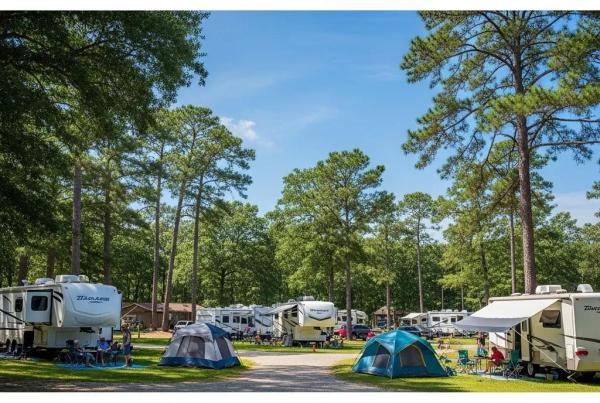
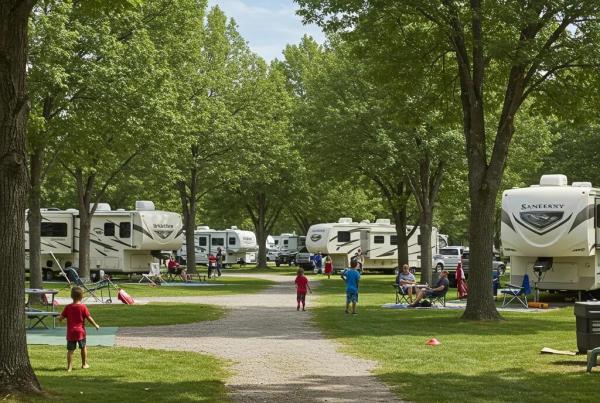
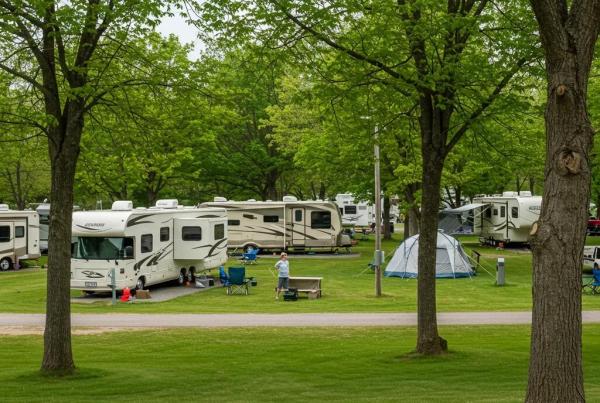
Top Strategies for Selling Your Campground Fast: How to Sell Your RV Park Quickly and Effectively
Selling a campground quickly requires a focused combination of accurate valuation, operational readiness, and a targeted buyer approach that preserves value while accelerating timing. This article explains practical steps to sell your campground fast, how to value a campground using NOI and comparables, legal and financial processes to expect, and how to choose between brokers and direct buyers for speed and legacy preservation. Owners who need a fast sale often worry about getting a fair price while protecting staff and traditions; this guide balances those concerns and shows concrete actions that speed offers without sacrificing value. You will find checklists for preparing your site, the exact documents buyers request during due diligence, valuation methods with sample EAV comparisons, and clear comparisons between selling channels. After the step-by-step roadmap and valuation guidance, the guide outlines market trends in 2025, exit strategy planning, and specific ways to start a no-obligation conversation with a family-owned buyer such as GatherGrounds Resorts‘ direct acquisition of campgrounds and RV parks. Read on to convert operational readiness into buyer-ready value and a faster closing timeline.
What Are the Key Steps to Sell Your Campground or RV Park Fast?
A proven roadmap to sell a campground fast focuses on clear valuation, documentation, property presentation, targeted marketing, and choosing the right buyer to match timing priorities. The process begins with a professional valuation that clarifies Net Operating Income and cap rate implications, which then informs realistic asking price and timeline choices. Parallel preparation of financial and legal documents shortens buyer due diligence windows and reduces renegotiation risk. Finally, targeted outreach—either to broker networks or to qualified direct buyers—converts readiness into offers more quickly.
How Do You Prepare Your Campground for a Quick Sale?
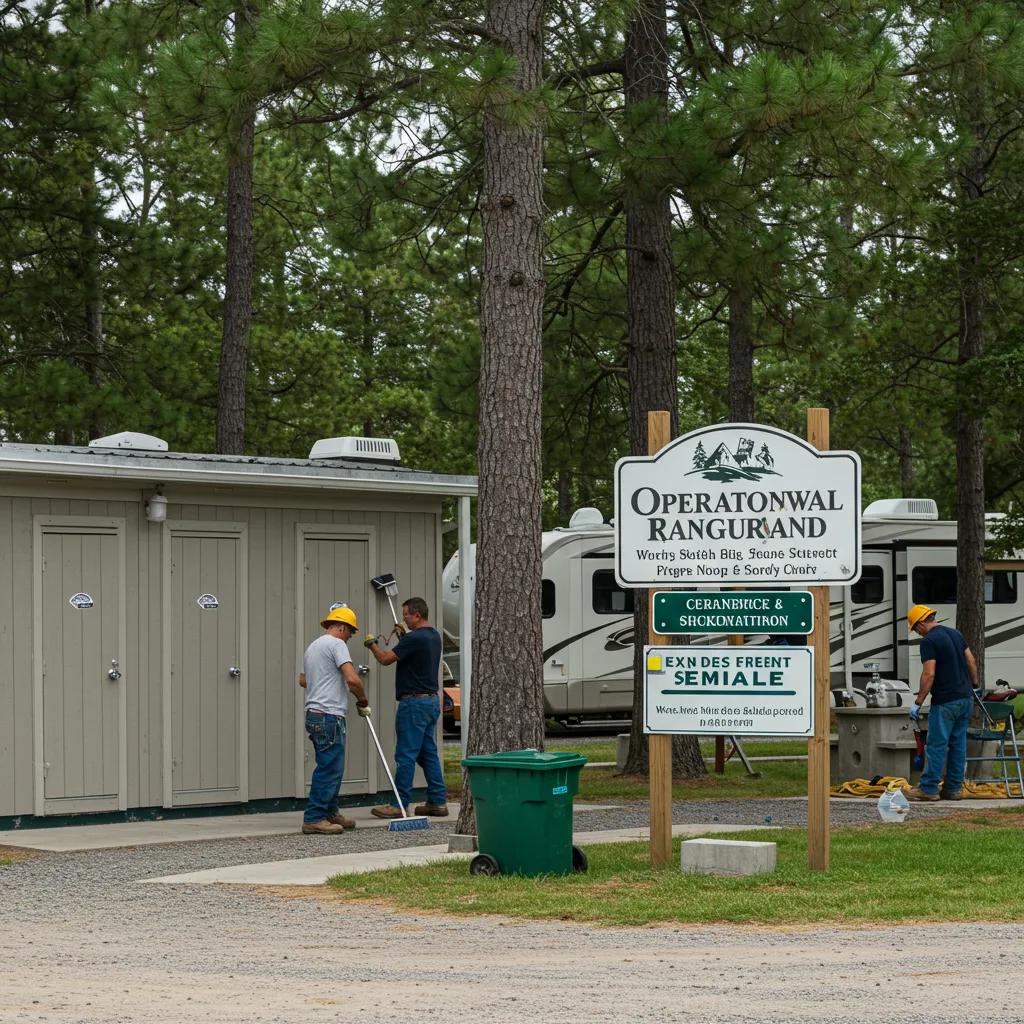
Preparing a campground for sale means prioritizing quick-impact maintenance, accurate presentation, and operational clarity so buyers can underwrite confidently and make faster offers. Start with a site-by-site maintenance sweep: ensure hookups work, restrooms are clean and functional, signage is clear, and common areas are safe and tidy to reduce buyer inspection red flags. Improve curb appeal and update photography to reflect peak-season occupancy and amenities, as buyers respond to polished listings and up-to-date reservation data that demonstrate demand. These presentation and repair steps create immediate buyer confidence and reduce contingencies that slow closings.
Before the list below, note that these actions directly shorten escrow by removing common inspection and operational uncertainties that buyers use as negotiating leverage.
- Address essential maintenance on individual sites, hookups, and restrooms.
- Refresh exterior signage, landscaping, and amenity spaces for better curb appeal.
- Update photography, virtual tours, and online profiles to show peak-season use.
A concise summary: quick repairs, better imagery, and clean operations increase perceived value and speed by making due diligence straightforward for buyers.
What Financial and Legal Documents Are Needed to Sell a Campground?
Buyers evaluate campgrounds through financial history, occupancy trends, operational agreements, and compliance paperwork, so assembling documents in advance accelerates offers and closing. Essential records typically include profit & loss statements and tax returns for three to five years, detailed occupancy and revenue reports by site type and season, permits and licenses, utility and service contracts, and any leases or easement agreements. Providing clear, organized financials demonstrates transparency and reduces the time buyers need to verify revenue streams and costs. The right documentation directly shortens buyer diligence timelines and improves transaction certainty.
Intro to the table: the following table maps document types to recommended sources and why each document speeds a sale.
Providing these documents up front signals readiness and reduces renegotiations, which helps shorten the path to a firm offer.
How Long Does It Typically Take to Sell a Campground or RV Park?
Typical time-to-sale varies widely, but a focused, well-prepared listing can move from market to accepted offer in a matter of weeks, while average transactions often take several months depending on market conditions. A quick sale scenario assumes a realistic price, complete documentation, and motivated buyers—this can produce offers in 4–12 weeks followed by a 30–90 day closing period. Factors that extend timelines include incomplete records, environmental or permitting issues, or mismatched buyer financing; conversely, well-documented properties with strong seasonality and high occupancy attract faster, cleaner offers. Choosing the right sales channel, such as direct buyers seeking 130+ site properties, can compress timing further by removing marketing phases and limiting contingencies.
Deciding how fast you need to move should consider both cash timing and legacy priorities, because speed-focused choices can trade some market exposure for certainty and a controlled transition.
How Is a Campground or RV Park Valued for Sale?

Valuing a campground combines income-based metrics, comparable sales, and replacement-cost perspectives to produce a defensible asking price that buyers can underwrite. The core income metric is Net Operating Income (NOI), calculated as total revenue minus operating expenses, which is then capitalized using an appropriate cap rate to estimate market value. Comparable sales provide market context by showing prices recent buyers paid for similar properties, while replacement cost considers how much to rebuild the asset. Understanding these methods lets sellers prioritize actions that increase NOI or improve market comparables to maximize sale proceeds.
What Are the Main Campground Valuation Methods?
The three primary methods are the income approach (NOI/cap rate), comparable sales, and replacement-cost analysis, each useful depending on property characteristics and data availability. The income approach uses the formula Value = NOI / Cap Rate; it is most appropriate for stabilized parks with reliable cash flow. Comparable sales require relevant sale data—site count, amenities, location—and help validate the income approach when cap rate ranges are uncertain. Replacement-cost is a fallback when income or comps are sparse, estimating the cost to recreate similar utility and infrastructure.
Example triple: Net Operating Income → determines → capitalization value used by buyers for offers; this linkage helps buyers translate operations into a purchase price and guides sellers on which levers to pull.
Intro to the EAV table: the table below compares valuation approaches, their core attributes, and an illustrative impact on example value.
Summary: combining approaches yields a more defensible valuation and helps sellers prioritize NOI improvements or documentation that supports comparables.
How Do Location, Amenities, and Occupancy Affect Campground Value?
Non-financial attributes translate directly into revenue drivers and risk profiles that buyers price into cap rates and comparables, making location, amenities, and occupancy critical to value. Proximity to attractions, access routes, and market demographics influence demand and achievable rates; amenities like cabins, glamping, or event spaces diversify revenue and raise average daily rates. Occupancy trends and seasonality shape predictability of NOI and influence buyer-perceived risk, with higher and consistent occupancy typically earning lower cap rates. Targeted improvements to amenities or marketing that increase occupancy can therefore produce outsized value gains through both higher NOI and improved market comparables.
These relationships mean sellers should assess which property attributes they can enhance quickly to raise valuation metrics before marketing.
How Can You Maximize Your Campground’s Value Before Selling?
Maximizing value focuses on increasing NOI through operational efficiencies, targeted small-capex projects, and marketing that strengthens demand signals in the short term. Low-cost/high-impact actions include optimizing rate management and distribution to raise revenue per site, implementing energy or utility efficiencies to reduce operating expenses, and refreshing key amenity areas that materially affect guest perception and ADR. Investing in revenue-generating assets—small cabin conversions, premium hookup offerings, or event amenities—can create new income streams that buyers will capitalize. Prioritization should favor projects with clear ROI within a single booking season to improve the next 12-month income profile that buyers underwrite.
- Improve rate management and seasonal pricing to capture higher ADR.
- Implement operational cost reductions (utilities, vendor renegotiation).
- Add or upgrade high-ROI amenities like premium hookups or a small number of cabins.
How Does GatherGrounds Resorts Assess Campground Value Differently?
GatherGrounds Resorts’ direct acquisition of campgrounds and RV parks evaluates properties through a buyer-focused lens that emphasizes site count thresholds, legacy fit, and operational continuity as part of valuation and acquisition decisions. Their stated focus on properties with over 130 sites matters because larger site counts often provide more stable NOI, economies of scale, and comparable sale data that influence cap rate selection and purchase offers. Additionally, preserving legacy elements and retaining quality staff can reduce transition risk, which GatherGrounds factors into both pricing flexibility and speed of close. Presenting your property with clear site counts, staffing plans, and legacy considerations aligns the listing with this buyer’s valuation approach and can streamline discussions.
This buyer-case example shows how buyer-specific criteria change the way valuation inputs are weighted and can shorten a sale when fit is clear.
What Are the Benefits of Selling Directly to GatherGrounds Resorts vs. Using a Broker?
Comparing direct buyers and brokers clarifies trade-offs between speed, market exposure, fees, and emotional considerations like legacy preservation; understanding those trade-offs helps sellers choose the optimal route. Direct buyers often deliver faster closings and fewer contingencies because they underwrite internally and do not require broad marketing. Brokers provide market reach and potentially higher sale prices through competitive bidding but usually extend timelines and add commissions. For owners prioritizing stewardship and an orderly transition, a family-owned direct buyer can offer personalized terms that protect staff and traditions while moving the sale along.
Intro to comparison table: the following table summarizes buyer types, core features, and seller benefits to help owners decide which path matches their priorities.
Summary: Seller priorities—speed, price, legacy—determine the best route, and family-owned direct buyers present situational advantages when preservation and speed matter.
What Are the Advantages of Selling to a Family-Owned Buyer?
Selling to a family-owned buyer often provides stewardship, continuity, and a more personal negotiation process that can reduce post-sale disruptions for staff and guests. Family-owned buyers typically prioritize preserving the park’s character and may offer transition roles for existing managers, which helps maintain institutional knowledge and guest loyalty. Their decision-making tends to be faster and more centralized, facilitating quicker offers and fewer approval layers than larger corporate buyers. For owners concerned about legacy, a family-owned buyer can be a practical option that balances financial and emotional goals.
These cultural and operational advantages often translate into smoother transitions, which in turn can encourage seller cooperation and speed up final closing logistics.
How Do Campground Brokerages and Real Estate Agents Differ from Direct Buyers?
Brokers and agents bring market exposure, listing networks, and negotiation experience, but they also add commission costs and can extend sale timelines due to the marketing period and multiple buyer interactions. Brokers help set market expectations, solicit bids, and manage confidentiality, which benefits owners seeking maximum price discovery. Direct buyers reduce marketing time and often present cleaner terms with fewer contingencies, which helps sellers who need certainty and speed. Hybrid approaches—using a broker while also vetting direct buyer inquiries—can offer balance for owners who want both exposure and a potential quick-sale fallback.
Choosing between them depends on whether your priority is maximum market price or a faster, more certain sale.
What Questions Should You Ask Potential Buyers or Brokers?
Vetting buyers and brokers requires focused questions that establish financing, timeline, experience, and transition plans so sellers can compare offers on both financial and non-financial terms. Essential questions include asking for proof of funds or financing, examples of past acquisitions or sales, proposed timelines and contingencies, plans for staff retention or operational changes, and references from previous transactions. Requesting clear answers on these points avoids surprises during due diligence and clarifies which party aligns with your speed and legacy objectives. A short, prioritized list helps standardize evaluation across offers for efficient decision-making.
Key vetting questions help separate serious buyers from exploratory inquiries and accelerate selection of the best pathway to close.
What Is the Legal and Financial Process for Selling a Campground?
The legal and financial process includes drafting terms, buyer due diligence, escrow and financing steps, and final closing logistics; thorough preparation reduces friction at each stage. Sellers should expect to negotiate purchase price, deposits, contingencies, and transition arrangements, and to provide access for inspections and document review. Coordinating with legal counsel and accounting professionals ensures contracts properly reflect tax and liability considerations and that closing proceeds are handled correctly. Anticipating post-sale steps—license transfers, vendor notices, and staff communication—prepares both parties for a smooth handover and reduces last-minute delays.
How Do You Draft a Sales Agreement for Your Campground?
A sales agreement should clearly state purchase price, deposit amounts, contingencies (financing, environmental, title), closing date, and any post-closing transition services or legacy clauses the seller requires. Well-drafted contracts include representations about financial statements, permits, and liens, and allocate risk for environmental or regulatory issues. Sellers should involve experienced transactional counsel to ensure clarity on escrow mechanics, indemnities, and potential earn-outs or seller financing structures. Clear contractual terms reduce ambiguity and speed the negotiation-to-closing timeline.
Careful drafting sets the stage for efficient due diligence by providing buyers the information they need to finalize underwriting.
What Is the Due Diligence Process for Buyers and Sellers?
Due diligence typically begins after a signed letter of intent or purchase agreement and includes financial audits, site inspections, permits review, title searches, and environmental assessments as required. Buyers will request organized documentation, access to staff and operations, and confirmation of occupancy and revenue claims to verify NOI and risk assumptions. Sellers who proactively assemble documents, provide access, and address known issues will shorten buyer review periods and reduce the likelihood of price adjustments. A clear due diligence timeline with checkpoints keeps both parties aligned and helps ensure a timely close.
Preparing a concise due diligence data room is one of the most effective ways sellers can accelerate buyer underwriting and reduce contingencies.
Technical Due Diligence for Real Estate Assets
1. This chapter describes the process of conducting Technical Due Diligence for real estate companies, portfolios and assets. It provides practitioners with an overview of potential issues and important topics to be assessed and gives examples on potential pitfalls from a practitioner’s view.
2. Starting with a discussion on the conceptual framework, an integrated concept of Technical Due Diligence embracing also environmental, social and governance (ESG) aspects is introduced. Then the activities and processes of a Technical Due Diligence engagement in a phased model as well as the applied methodology are discussed. Subsequently, the scope of a Technical Due Diligence is outlined and the content, issues, information sources as well as practical challenges are described. Finally, the risk mitigation options based on the due diligence findings are discussed, and an outlook on the development is given.
Technical Due Diligence, 2017
How Do You Close the Deal and Handle Post-Sale Considerations?
Closing involves finalizing all contractual conditions, transferring funds through escrow, recording deeds and license transfers, and executing any agreed transition services or staff retention plans. Sellers should confirm the mechanics for transferring utility accounts, vendor contracts, and any leases, and ensure any agreed earn-outs or deferred payments are documented. Post-sale communication plans for guests, employees, and local stakeholders maintain continuity and protect the property’s reputation. Properly managing closing logistics and immediate post-sale tasks prevents operational interruptions that could otherwise harm the park’s revenue shortly after transfer.
A well-executed closing and transition safeguard both seller proceeds and the property’s continued performance under new ownership.
What Are the Current Market Trends Affecting Campground Sales in 2025 and Beyond?
Market trends in 2025 reflect continued interest in outdoor hospitality, rising demand for alternative accommodations, and technology and sustainability investments that influence buyer strategies and valuation. Increased camping participation and changing demographics—more younger travelers and families seeking experience-based stays—drive demand for diversified accommodations like glamping and cabins. Buyers are also factoring in technology upgrades (reservation systems, Wi-Fi improvements) and infrastructure needs (EV charging) when underwriting long-term value. Understanding these trends allows sellers to prioritize short-term investments that materially affect buyer interest and pricing.
How Is the RV and Camping Industry Growing and Changing?
The RV and camping industry shows growth through higher participation rates and continued investment in outdoor recreation properties, which increases buyer appetite for well-positioned campgrounds. Rising RV shipments and sustained consumer interest in outdoor stays improve demand signals buyers use to underwrite parks. Market expansion leads to more buyers—both operators and investors—looking for properties that can scale or be upgraded for premium offerings. Sellers who can demonstrate alignment with these growth trends present more compelling narratives in sales materials and often attract stronger offers.
What Emerging Trends Impact Campground Value and Buyer Interest?
Emerging trends such as glamping, technology-driven guest experiences, and sustainability investments shift value drivers toward amenities that increase ADR and length of stay. Glamping and small cabin conversions create higher-yield site categories, while tech investments—modern reservation engines, contactless check-in, and reliable connectivity—improve guest satisfaction and operational efficiency. Environmental upgrades and EV charging installations can attract eco-conscious guests and future-proof properties against evolving traveler expectations. Aligning upgrades with these trends enhances perceived value and broadens the buyer pool.
Sellers should prioritize investments that improve revenue per site and align with the most active buyer preferences in 2025.
How Do Market Trends Influence Your Selling Strategy?
Market trends should inform timing, pricing, and which upgrades to prioritize to maximize sale proceeds while maintaining a fast timeline. If demand for glamping and cabins is strong in your region, adding a few turnkey premium units before listing can materially increase NOI and buyer interest. Conversely, if buyers in your market prioritize scale, packaging operational efficiencies and documented staff retention plans may be more valuable than cosmetic upgrades. Timing the market—listing during peak booking season or after a strong revenue run—can improve comparables and buyer responsiveness.
Translating trends into tactical seller actions ensures investments and timing choices produce measurable increases in buyer offers.
How Can Campground Owners Plan Their Exit Strategy for a Smooth Transition?
A robust exit strategy balances financial goals, timing, and legacy preferences to achieve a sale that meets both economic and personal objectives. Owners should determine desired sale timing, tax and financial planning, and preferred buyer types—evaluating options like cash sale, seller financing, partial sale, or earn-outs. Including legacy protections in sale terms and planning staff transitions helps preserve the park’s culture and operational continuity. Early consultation with legal and financial advisors ensures tax-efficient structuring and that proceeds support retirement or reinvestment goals.
What Retirement Planning Options Are Available for Campground Owners?
Retirement planning options include an all-cash sale, seller financing, structured earn-outs, or partial equity rollovers, each with distinct cashflow and tax implications for the seller. An all-cash sale provides immediate liquidity and simplicity but may have different tax consequences than structured exits. Seller financing or earn-outs can yield higher total proceeds over time but require ongoing ties to the property and credit risk assessment. Matching the exit structure to your retirement income needs and risk tolerance requires professional tax and financial planning.
These choices affect timing, post-sale involvement, and financial risk—factors that should guide an owner’s negotiation strategy.
How Can You Preserve Your Campground’s Legacy After Sale?
Preserving legacy can be accomplished through contractual legacy clauses, transition training for existing staff, and agreed communications plans for guests and the local community. Contract terms can specify retention of historic branding elements or guarantee certain operational practices for an agreed transition period. Providing structured training and phased handover for managers and staff supports operational continuity and protects guest relationships. Transparently communicating the transition plan to the community helps maintain goodwill and protects the campground’s reputation after ownership changes.
Legacy preservation clauses and structured transitions both reassure sellers and reduce operational disruption for the incoming owner.
What Financial Planning Should You Consider Post-Sale?
After sale, immediate financial steps include tax planning for capital gains, allocation of proceeds into diversified investments, and consulting advisors about estate and retirement planning to align sale proceeds with long-term goals. Evaluating tax-efficient vehicles and timing strategies can preserve more of the sale proceeds for retirement. Working with a fiduciary financial planner ensures proceeds meet income needs while controlling investment and longevity risk. Early planning provides clarity and reduces post-sale uncertainty so sellers can transition confidently.
Coordinated financial planning ensures the sale proceeds support personal goals and avoid common tax or investment pitfalls.
How Do You Start the Process of Selling Your Campground to GatherGrounds Resorts?
Initiating a sale conversation with GatherGrounds Resorts’ direct acquisition of campgrounds and RV parks begins by preparing core financials and operational summaries and requesting a no-obligation discussion to determine fit and timing. GatherGrounds emphasizes direct communication, a family-owned operator approach, preservation of legacy, and interest in properties with more than 130 sites, making upfront clarity on site count and recent NOI particularly useful. Expect an initial conversation to cover high-level valuation metrics, timing expectations, and transition priorities rather than detailed negotiations. Preparing a concise information packet speeds their assessment and leads to a faster decision on fit and next steps.
What Does a No-Obligation Conversation with GatherGrounds Look Like?
A no-obligation conversation typically covers property overview, site count, recent financial performance, timing preferences, and a mutual assessment of cultural fit; it is designed to determine whether a deeper valuation is warranted. GatherGrounds will likely ask about the number of sites, major revenue streams, condition of infrastructure, and any legacy considerations the seller wishes to preserve. Sellers should have summary P&Ls, occupancy trends, and a list of major capital needs ready to expedite the discussion. The goal of this conversation is clarity on fit and next steps, not immediate commitment, which helps sellers explore a direct sale option without pressure.
This initial exchange sets expectations and, when aligned, can accelerate the path to a formal valuation request.
How Does GatherGrounds Ensure a Thoughtful and Respectful Transition?
GatherGrounds Resorts’ stated approach includes preserving legacy elements, prioritizing staff retention where possible, and planning phased handovers to minimize guest disruption, which supports continuity post-acquisition. Their family-owned operator model is positioned to enable direct lines of communication and quicker local decision-making during transition. Sellers can negotiate transition terms such as temporary management agreements or training periods to maintain institutional knowledge and assure staff. These transition practices aim to protect both the property’s character and revenue stability during the ownership change.
Sellers who prioritize stewardship will find structured transition agreements reduce operational risk and support community continuity.
How Can You Get a Personalized Campground Valuation from GatherGrounds?
To request a personalized valuation, prepare a concise packet including recent profit & loss statements, occupancy reports, site counts, and a summary of amenities; submit these during the initial conversation to speed review and valuation turnaround. GatherGrounds assesses site count (with emphasis on properties over 130 sites), NOI, operational condition, and legacy factors when preparing an offer or valuation estimate. Typical turnaround times vary with information completeness, but a well-prepared packet often yields a timely preliminary valuation and clear next steps. After receiving a valuation, sellers can discuss terms, transition options, and timeline in more detail to determine the best path forward.
Providing organized, accurate information up front accelerates valuation and helps move a qualified sale toward an efficient close.
Frequently Asked Questions
What Should I Consider When Choosing Between a Broker and a Direct Buyer?
When deciding between a broker and a direct buyer, consider factors such as speed, market exposure, and fees. Brokers can provide broader market access and potentially higher sale prices through competitive bidding, but they may extend the timeline and incur commissions. In contrast, direct buyers often offer faster closings with fewer contingencies, which can be beneficial for sellers prioritizing a quick sale. Assess your goals—whether maximizing price or ensuring a swift transaction—to determine the best option for your needs.
How Can I Improve My Campground’s Curb Appeal Before Selling?
Enhancing your campground’s curb appeal is crucial for attracting buyers. Start by addressing any maintenance issues, such as repairing signage, cleaning common areas, and ensuring all amenities are functional. Landscaping improvements, like planting flowers or trimming bushes, can also make a significant difference. Additionally, updating photography to showcase the campground during peak season can create a more inviting impression. These efforts not only increase perceived value but also help buyers envision themselves enjoying the space.
What Are the Common Mistakes to Avoid When Selling a Campground?
Common mistakes when selling a campground include overpricing the property, neglecting necessary repairs, and failing to prepare documentation. Overpricing can deter potential buyers, while unaddressed maintenance issues may raise red flags during inspections. Additionally, not having organized financial records can prolong the due diligence process and lead to renegotiations. To avoid these pitfalls, conduct a thorough market analysis, ensure the property is in good condition, and prepare all necessary documents in advance.
How Can I Ensure a Smooth Transition for Staff After the Sale?
To ensure a smooth transition for staff after the sale, consider including transition plans in the sales agreement. This may involve retaining key personnel for a specified period to maintain operational continuity and preserve institutional knowledge. Communicating openly with staff about the sale and any changes can also help alleviate concerns. Providing training for new management and outlining clear roles can further support a seamless transition, ensuring that both employees and guests experience minimal disruption.
What Factors Should I Consider for My Exit Strategy?
Your exit strategy should encompass financial goals, timing, and legacy considerations. Determine your desired sale timing and how it aligns with your financial needs, such as retirement planning or reinvestment. Consider the type of buyer that aligns with your legacy goals, whether that’s a family-owned buyer or a corporate entity. Consulting with legal and financial advisors can help structure the sale to maximize tax efficiency and ensure that your personal and financial objectives are met.
How Do Market Trends Affect My Selling Price?
Market trends significantly influence your selling price by shaping buyer expectations and demand. For instance, if there is a growing interest in outdoor experiences or alternative accommodations like glamping, properties that align with these trends may command higher prices. Additionally, understanding local market conditions, such as occupancy rates and seasonal demand, can help you set a competitive asking price. Staying informed about these trends allows you to position your campground effectively and maximize its value during the sale.
Conclusion
Successfully selling your campground hinges on strategic preparation, accurate valuation, and targeted buyer engagement, ensuring you achieve a fair price while expediting the process. By understanding the nuances of documentation, market trends, and buyer preferences, you can enhance your property’s appeal and streamline negotiations. Engaging with a family-owned buyer like GatherGrounds Resorts can provide a personalized approach that respects your legacy while facilitating a swift transition. Start your journey today by reaching out for a no-obligation conversation to explore your options.