

Eco-Friendly Camping Supplies for Sustainable Adventures: Essential Gear and Practices
Choosing eco-friendly camping supplies means selecting durable, low-impact gear that reduces waste and protects natural places while improving comfort for families. This guide explains what sustainable camping gear is, why materials and energy sources matter, and how choosing the right supplies supports Leave No Trace practices for family-friendly trips. Many campers struggle to balance convenience with conservation, especially when packing for varied Michigan weather and water-based activities. This article offers practical solutions: must-have green gear categories, selection criteria, responsible on-site behaviors, and region-specific preparation for Michigan outings. We cover essential items for shelter, sleep systems, cooking, hydration, lighting, personal care, and waste management, plus how to evaluate materials and certifications. You’ll also find tables comparing sustainable attributes, actionable lists for packing and behavior, and local examples showing how Walnut Hills Family Campground supports sustainable adventures.
What Are the Must-Have Eco-Friendly Camping Gear for Sustainable Adventures?
Eco-friendly camping gear refers to outdoor equipment designed to minimize environmental impact through recycled materials, energy-efficient design, or biodegradability, and it works by replacing single-use and high-waste items with durable, reusable alternatives that lower lifetime resource consumption. Using sustainable gear reduces landfill waste, conserves fuel and water, and often improves campsite safety and family comfort through reliable, tested designs. Packing the right essentials makes green camping practical for families, from shelter choices that use recycled fabrics to water systems that prevent contamination. Below is a concise comparison to help choose core categories quickly.
The following comparison shows high-impact categories and sustainable attributes to prioritize.
This table clarifies quick tradeoffs for family gear selection and highlights durable options that reduce long-term waste and environmental impact.
Which recycled and biodegradable camping supplies should you pack?
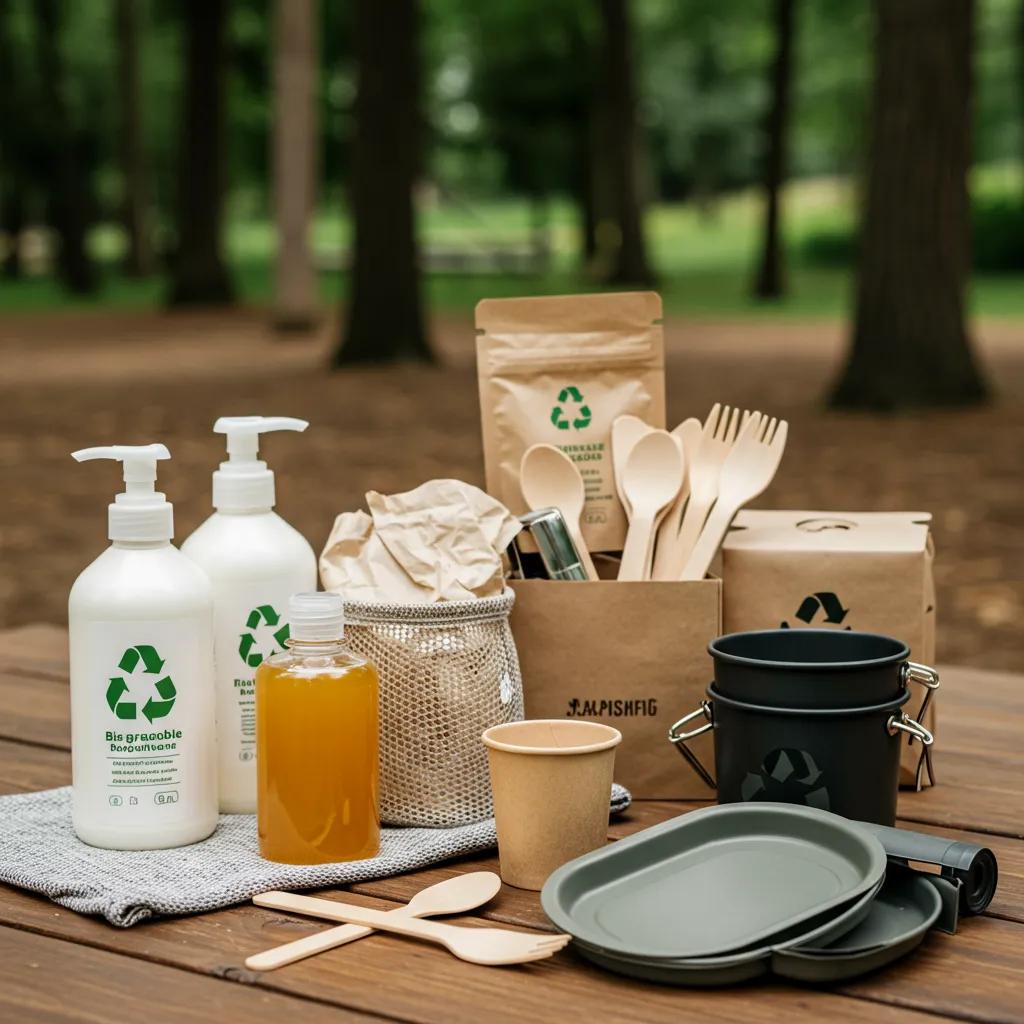
Recycled and biodegradable supplies replace disposable items while keeping functionality for family camping needs; recycled tents and utensils cut resource demand, while biodegradable soaps and compostable waste bags reduce persistent pollution. Choosing recycled polyester tents or recycled-content utensils reduces virgin plastic use, and biodegradable soap minimizes chemical runoff into lakes and streams. For families, practical choices include reusable dishware, compostable food bags for organic waste, and bar-style personal care products to limit plastic packaging. These swaps lower campsite litter and make packing lighter, connecting material choice to decreased ecological footprint.
How do solar-powered and energy-efficient products enhance green camping?
Solar-powered and energy-efficient gear generate or conserve energy on-site, which cuts dependence on disposable fuel and single-use batteries and provides quiet, safe power for family activities. Solar lanterns and panel chargers convert sunlight into usable electricity, while energy-efficient stoves and LED lights use less fuel and battery capacity per task. For family trips, a small solar panel paired with a power bank can keep communication devices and headlamps charged, and choosing energy-efficient stove burners reduces wood or canister fuel consumption. This approach improves safety and comfort while aligning with Leave No Trace energy-reduction goals.
What personal care items support zero waste camping essentials?
Zero-waste personal care items focus on refillable, solid, and low-toxicity formulations that avoid plastic waste and protect water quality in natural areas. Solid shampoo bars, bar soap in compostable wraps, reef-safe mineral sunscreen, and refillable toiletry containers shrink packaging volume and avoid microplastic pollution. Families should pack travel-sized refill containers and sealed solid products to keep hygiene simple while preventing chemical runoff into lakes and rivers. These items combine convenience with stewardship and help campers practice water-conservation and pollution-prevention behaviors at campsites.
How Can You Choose Sustainable Camping Supplies for Your Outdoor Trip?
Choosing sustainable camping supplies means evaluating materials, certifications, durability, and lifecycle impact so purchases replace frequent single-use items and last across seasons. Prioritize recycled-content fabrics, repairable designs, and third-party certifications that verify material or process claims to ensure purchases truly reduce environmental cost. Consider multi-use gear and warranty/repair policies that extend product life and reduce consumption. The table below helps map materials to sustainability attributes for clear selection guidance.
Materials and sustainability attributes to check when shopping:
This table offers quick material checks to prioritize when comparing outdoor equipment, helping families choose items that balance performance with lower environmental impact.
What materials define eco-friendly and recycled outdoor equipment?
Eco-friendly materials include recycled polyester, bamboo-based fibers, stainless steel, and biodegradable polymers, each offering tradeoffs between durability and end-of-life impact. Recycled polyester reduces virgin resource use while maintaining strength for tents and packs; stainless steel provides long life for cookware and drinking vessels; biodegradable polymers suit short-life items but may require industrial composting facilities. Assessing material tradeoffs means choosing durable options for reuse where possible and biodegradable items where reuse isn’t feasible, balancing performance and ecological outcomes. This material-first approach reduces overall waste across camping seasons.
Consumer Preferences for Eco-Friendly Outdoor Gear Materials
The development of sustainable materials in outdoor gear contradicts sustainability principles, highlighting the necessity of developing and implementing eco-eco-friendly alternatives. This study aims to investigate consumer preferences for outdoor sporting equipment made of bio-based plastics, focusing on attributes that influence purchasing decisions. By understanding these preferences, manufacturers can better align their product development with consumer demand for sustainable options, thereby promoting eco-friendly practices within the outdoor industry.
Going Green for Sustainability in Outdoor Sport Brands: Consumer Preferences for Eco-Friendly Practices, 2025
Which ethical outdoor brands offer trusted green camping essentials?
Ethical brands emphasize transparent sourcing, repairability, and certifications like bluesign or OEKO-TEX, and these signals help verify sustainability claims when shopping for family gear. Look for clear information on recycled content, repair programs, and third-party verification to avoid greenwashing and to secure products that last. Prioritize brands that publish lifecycle information and offer warranties that encourage repair rather than replacement, which reduces consumption over time. Verifying such attributes ensures purchases truly support sustainable camping practices.
What Are the Best Practices for Using Eco-Friendly Camping Gear Responsibly?

Using eco-friendly gear responsibly involves following Leave No Trace principles, minimizing waste, and managing water and energy use so gear benefits translate into actual reduced impact on sites and waterways. Practical behaviors include planning to avoid single-use items, storing food to reduce wildlife attraction, and using camp stoves and solar lights to protect vegetation. Below is an actionable list linking gear use to concrete practices families can adopt immediately.
Key responsible-use practices for families:
- Plan Ahead: Pack reusable containers and repair kits to avoid disposable replacements.
- Pack and Store Properly: Use sealed bins to prevent wildlife encounters and food waste.
- Use Minimal-Energy Lighting: Prefer solar lanterns and LEDs for nighttime activities.
- Manage Water Carefully: Use small basins and bio-safe soaps for dishwashing away from lakes.
These practices turn sustainable gear into measurable conservation actions, reducing campsite disturbance and pollution during family stays.
Leave No Trace: Seven Principles for Responsible Camping
The Leave No Trace program includes the seven principles, which are used on signage, maps, websites, and other interpretive information. These principles are designed to help outdoor enthusiasts minimize their impact on the natural environment. The program emphasizes responsible behavior, such as proper waste disposal, respecting wildlife, and minimizing campfire impacts, to ensure that natural areas remain pristine for future generations.
The Seven Principles of Leave No Trace, 2019
How do Leave No Trace principles guide sustainable camping at Walnut Hills?
Leave No Trace principles guide campers to plan, travel, and camp in ways that protect natural resources; at Walnut Hills, these principles map directly to family-friendly actions like packing reusable dishware and using designated disposal areas to prevent litter. For example, planning ahead includes bringing refillable water containers to reduce single-use bottles, and choosing compact, durable tents prevents overuse of fragile sites. Families can apply principles by keeping campsites clean, using established fire or stove areas, and respecting waterways like the Shiawassee River during canoeing. These behaviors support both family enjoyment and long-term site health.
After applying Leave No Trace standards, visitors see immediate benefits such as cleaner campsites and safer waterways, which encourages continued stewardship and models sustainable behavior for children and other guests.
What waste reduction and water conservation tips improve your camping impact?
Reducing waste and conserving water starts with packing strategy and daily campsite routines that limit disposables and avoid contaminating waterways. Use washable dishware and cloth towels, separate organic from non-organic waste, and use campground recycling stations when available to divert landfill-bound materials. Conserve water by using basins for washing and by choosing planning measures like pre-measured cooking to avoid excess cleaning. These habits reduce both the volume of trash and the potential for water pollution at family campsites.
Practical tips include prepping meals to minimize leftovers, carrying reusable snack bags, and using greywater responsibly at designated disposal points when provided by the campground.
How Does Walnut Hills Family Campground Support Sustainable Adventures?
Walnut Hills Family Campground provides family-oriented amenities that can be experienced sustainably, including RV sites, tent camping, cabin rentals, a swimming lake, canoe livery on the Shiawassee River, and a Wibit water park. These features support low-impact recreation when combined with responsible gear and behavior, and the campground’s emphasis on convenience and easy stays makes it simple for families to practice green habits while enjoying activities. Guests can use campground recycling and waste stations, follow water-conservation guidelines at shared facilities, and choose quieter, non-motorized recreation like canoeing to reduce noise and emissions. Bookings at Walnut Hills offer an opportunity to apply sustainable camping techniques in a family-friendly setting.
Visitors who adopt sustainable practices during their stay help preserve the campground’s natural amenities and create positive community memories for other families.
What eco-conscious amenities and activities promote green camping at Walnut Hills?
Walnut Hills features amenities that pair well with sustainable gear choices: spacious sites that reduce crowding impacts, canoeing on the Shiawassee River which supports low-emission recreation, and lake-based swimming that rewards water-protective personal care choices. Families can use refillable water containers and solar lighting at sites, practice leave-no-trace shoreline behavior while canoeing, and use on-site disposal areas to keep waste managed. These offerings make it practical to combine recreation with stewardship during family stays.
Using campground amenities thoughtfully amplifies the benefits of choosing eco-friendly gear and reduces cumulative site impact over time.
How can guests participate in local conservation and responsible recreation?
Guests can participate in simple stewardship actions like following posted rules, joining occasional cleanup efforts, and attending any on-site educational programs that promote responsible recreation practices. Volunteering for a shoreline pickup or following guided nature-education activities deepens understanding of local ecosystems and encourages ongoing care. Families benefit from hands-on stewardship by creating stronger connections to the site and modeling conservation for children. Participation enhances both the camping experience and local conservation outcomes.
Where Can You Find Recommended Eco-Friendly Camping Supplies for Michigan Adventures?
Preparing for Michigan trips means prioritizing rain protection, insect-aware choices, and lake-safe products that preserve waterways while keeping families comfortable and safe. Local retailers and online specialists typically stock sustainable options like recycled-content tents, stainless steel drinkware, and solar lanterns; prioritize items with clear materials and repairability statements. Below is a regional checklist mapping common items to recommended types and local notes for Michigan conditions.
Use this local checklist to prepare gear for Michigan family camping:
Which eco-friendly camping gear checklist suits Michigan’s outdoor environment?
A Michigan-focused checklist emphasizes layered rain gear, insect-aware toiletries, lake-safe sunscreens, and packable solar lighting, all in reusable formats to limit waste. Families should include quick-dry clothing, compact repair kits, and sealed containers for food and toiletries to protect local wildlife and waterways. Opting for reusable, repairable gear reduces the need for disposable backups after wet or muddy days. This checklist simplifies packing while ensuring conservation-friendly choices for lake and river activities.
How to prepare for sustainable camping with region-specific green essentials?
Preparation steps include testing rain gear before travel, charging solar power banks in advance, pre-measuring cooking ingredients to reduce leftovers, and labeling reusable containers for easy campsite use. Schedule a quick gear check the week before departure to repair or replace items, and pack a small cleanup kit to handle accidental litter or spills responsibly. These steps ensure families arrive ready to enjoy Walnut Hills with minimal environmental footprint and maximum comfort.
Preparing thoughtfully makes sustainable camping straightforward and enjoyable for families planning Michigan adventures.
Frequently Asked Questions
What are the benefits of using eco-friendly camping gear?
Using eco-friendly camping gear offers numerous benefits, including reduced environmental impact and enhanced safety. Sustainable gear is often made from recycled or biodegradable materials, which helps decrease landfill waste and pollution. Additionally, these products are designed for durability, meaning they can withstand the rigors of outdoor use, ultimately saving money over time. By choosing eco-friendly options, campers also promote conservation practices, encouraging others to adopt similar behaviors and fostering a culture of environmental stewardship in outdoor recreation.
How can families ensure their camping practices are sustainable?
Families can ensure sustainable camping practices by adhering to the Leave No Trace principles, which emphasize minimizing impact on the environment. This includes planning ahead to avoid single-use items, properly disposing of waste, and respecting wildlife. Additionally, families should choose eco-friendly gear, such as reusable containers and biodegradable products, to reduce waste. Engaging in local conservation efforts, such as participating in clean-up activities, can further enhance their commitment to sustainability while fostering a deeper connection to nature.
What should I look for when purchasing eco-friendly camping gear?
When purchasing eco-friendly camping gear, prioritize items made from sustainable materials, such as recycled fabrics or biodegradable components. Look for certifications like bluesign or OEKO-TEX, which indicate responsible manufacturing practices. Durability and repairability are also crucial; choose products that can withstand wear and tear and can be repaired rather than replaced. Additionally, consider multi-use items that serve multiple purposes, reducing the need for additional gear and minimizing overall environmental impact.
How can I reduce waste while camping?
Reducing waste while camping can be achieved through careful planning and mindful practices. Start by packing reusable items, such as dishware, utensils, and containers, to eliminate single-use plastics. Bring along a compostable waste bag for organic materials and ensure proper disposal of non-organic waste at designated sites. Additionally, consider pre-measuring ingredients to minimize food waste and using refillable toiletries to cut down on packaging. These strategies not only reduce waste but also enhance the overall camping experience.
What are some eco-friendly cooking practices for camping?
Eco-friendly cooking practices for camping include using energy-efficient stoves and solar-powered cooking devices to minimize fuel consumption. Opt for local and organic ingredients to reduce the carbon footprint associated with transportation. When cooking, use minimal water and avoid chemical-laden soaps by choosing biodegradable options. After meals, ensure proper waste disposal by separating recyclables and compostables. These practices not only promote sustainability but also enhance the enjoyment of outdoor cooking experiences.
How can I involve children in sustainable camping practices?
Involving children in sustainable camping practices can be both educational and fun. Encourage them to participate in planning meals using local and organic ingredients, teaching them about the importance of sustainability. Assign them tasks like collecting firewood responsibly or setting up recycling stations at the campsite. Engage them in Leave No Trace principles by explaining the impact of waste on nature. By making sustainability a family activity, children will develop a lifelong appreciation for the environment and responsible outdoor practices.
Conclusion
Embracing eco-friendly camping supplies not only enhances your outdoor experience but also contributes to the preservation of our natural environment. By selecting sustainable gear, families can enjoy comfort and safety while minimizing their ecological footprint. Implementing responsible practices during your adventures reinforces the value of conservation for future generations. Start your journey towards sustainable camping by exploring our curated selection of eco-friendly gear today.