Tent vs. RV — A Practical Cost Comparison
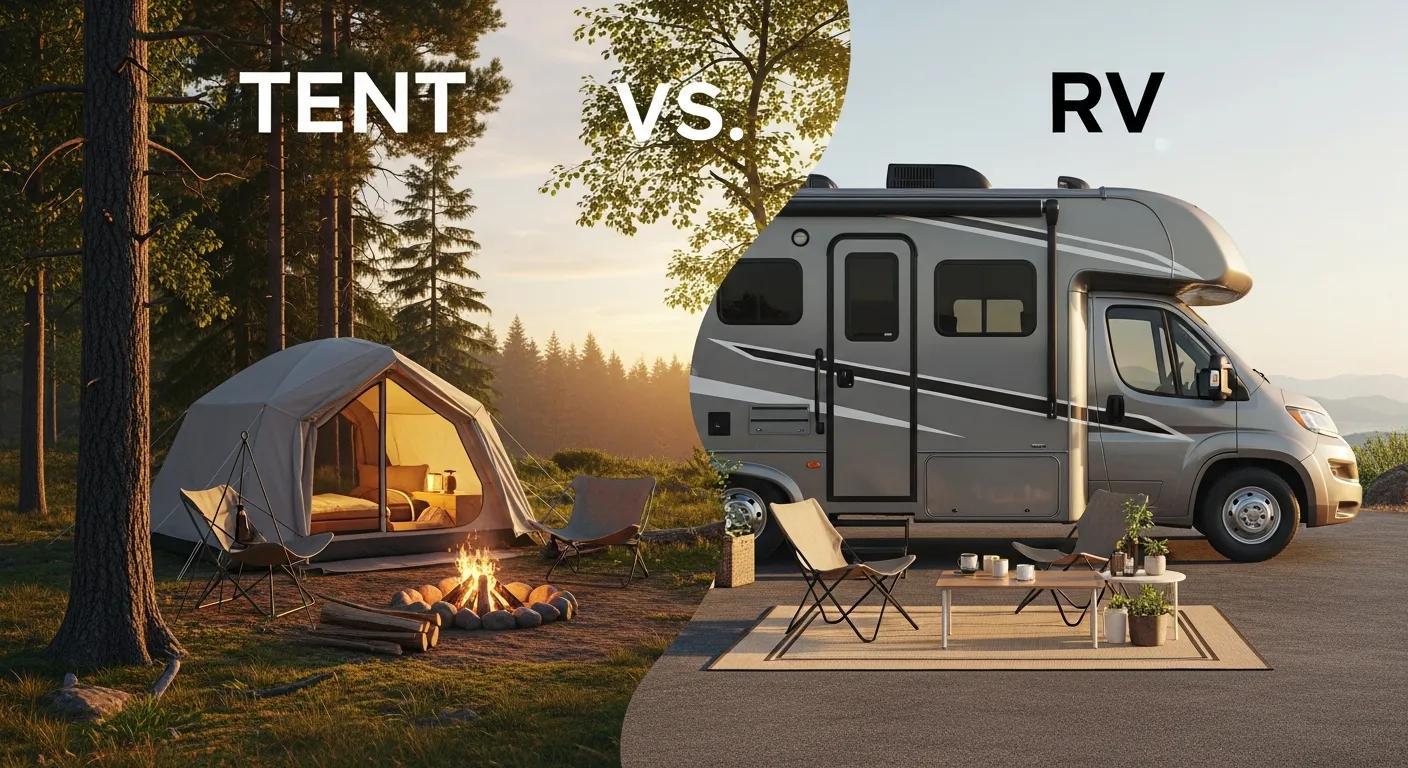
Deciding whether a tent or an RV is cheaper starts with a simple trade-off: tents usually mean lower gear costs and a smaller campsite footprint, while RVs bring higher nightly hookup fees and ownership expenses. Below we walk through why tent camping is often the lighter wallet choice for occasional trips, and why RV stays can end up similar in cost once you add hookups, fuel, and the amortized cost of ownership. You’ll find clear comparisons of initial investments, per-night site rates, ongoing maintenance, and hidden fees — plus how local factors, like staying near Munith, Michigan, influence the totals. This guide covers key differences between tent and RV camping, typical gear and rental ranges, localized nightly-rate estimates for The Oaks Campground by GatherGrounds, ongoing cost examples, and simple decision criteria families can use to pick what fits their budget and comfort. By the end you’ll have realistic cost ranges, quick comparison tables, and a checklist to budget your next trip with confidence.
What Are the Key Differences Between Tent Camping and RV Sites?
Tent and RV sites differ mainly in infrastructure, site size, and the amenities that drive nightly price. Tent sites tend to be smaller and need minimal services — usually just a parking spot, fire ring, and picnic table — while RV sites are larger, often paved or graveled, and commonly include electrical, water, and sewer hookups. Those infrastructure differences matter because hookups and pad upkeep add real costs for a campground and show up in nightly rates. The experience also changes the perceived value: tenting leans into immersion in nature, while RVs prioritize comfort and weather protection. Knowing these structural and experiential differences helps you predict costs and pick the site that balances your budget and wants.
How site attributes shape price:
- Tent sites need less infrastructure, which keeps base nightly costs lower for primitive and standard tent spots.
- Full-hookup RV sites require electricity, potable water, and sewer service, increasing utility and maintenance costs for the campground.
- Site size, access (pull-through vs back-in), and surface (grass vs paved pad) further influence nightly pricing.
Those factors directly affect what you’ll experience on the ground and what you should expect to pay.
How Do Tent Camping and RV Camping Define the Camping Experience?
Tent camping is about getting closer to nature, keeping things simple, and using minimal infrastructure — a low-cost entry point for families and solo travelers. Sleeping in a tent puts you nearer the elements: campfires, easy trail access, and a smaller site footprint are common perks. RV camping, on the other hand, is built for comfort and convenience: built-in sleeping space, kitchen facilities, and climate control reduce reliance on campground amenities and extend the season into cooler months. Campers with mobility needs, larger groups, or a desire for privacy often lean toward RVs despite higher costs. Those experiential differences determine the expenses you’ll accept — whether that’s gear, hookups, or specialized maintenance.
What Amenities and Site Types Does The Oaks Campground Offer?
The Oaks Campground by GatherGrounds is positioned as a family-friendly outdoor resort with amenities that affect nightly value and pricing. On the property you’ll find full hookup RV sites, a swimming lake with a sandy beach, 120 acres of golf-cart trails, a large fishing pond, multiple playgrounds, pavilions, and an on-site camp store — plus a planned Wibit water park for 2025. Features like a lake and playgrounds boost per-guest enjoyment and often justify higher weekend and holiday rates, while on-site services (the camp store and pavilions) cut down on off-site spending. Because the campground is within reach of nearby metro areas, short trips are practical — which shifts the cost picture toward frequent, shorter stays that often favor tent campers or occasional RV renters over long-term ownership.
Those amenity differences explain why some guests pay extra for RV hookups while others choose tent sites for lower base rates and easy access to recreation.
How Do Initial Investment and Gear Costs Compare Between Tent and RV Camping?
Upfront costs are different by design: tent camping is dominated by gear purchases you can buy over time, while RV camping requires either a large purchase or a rental expense. Tent gear can be collected gradually — tent, sleeping system, cooking kit — keeping immediate costs low for casual campers. RV ownership involves purchase price, outfitting, and possible financing, which raises the break-even point unless you camp often. Renting an RV avoids purchase overhead but increases per-trip costs through daily rental fees. Seeing typical price ranges for essentials, purchase vs rental trade-offs, and simple amortization examples makes it easier to tell when tenting stays cheaper or when RV ownership pays off for heavy users.
Below is a clear comparison table showing typical upfront ranges and quick planning notes.
Intro to table: This table summarizes typical purchase and rental ranges for tent gear and common RV types to show how initial investments compare.
Summary: Tent gear is lower-cost and modular; RV ownership is a larger capital commitment. Rentals bridge the gap but increase per-trip spending.
Tip: amortize big-ticket items over expected nights of use to compare per-night costs fairly.
What Are the Essential Gear Costs for Tent Camping?
Essential tent gear covers your shelter, sleep system, basic cooking gear, and safety items — this is where most upfront spending for tent campers goes. A dependable tent sized for weather and capacity ranges from affordable poly-cotton models to more rugged synthetic family tents; sleeping bags and pads add warmth and comfort, and a portable stove, cooler, and lighting complete a workable camp kitchen. Buying selectively — prioritize a weather-ready tent and safe cooking gear — keeps initial costs down. For beginners, secondhand gear or borrowing are smart ways to avoid a big up-front outlay.
Money-saving strategies: shop off-season for discounts, choose a durable tent and buy accessories used, and build a basic kit before upgrading to specialized gear. This approach lowers the one-time barrier and lets you test how much you’ll camp before investing more.
What Are the Purchase and Rental Costs for RV Camping?
RV prices vary widely by class and whether you buy or rent. Buying a used travel trailer or a small Class B can be an affordable entry point; larger Class A motorhomes are a significant investment and depreciate over time. Rentals give flexibility and let families try RV life without the purchase commitment, but daily rental rates plus mileage and insurance add up on longer trips. Financing, insurance, and outfitting (appliances, leveling systems, towing gear) raise the true upfront cost of ownership.
To compare fairly, calculate an amortized per-night ownership cost: add purchase price and annual ownership expenses, then divide by the number of nights you expect to camp each year. For many people, renting for occasional vacations is cheaper than owning; for frequent campers, ownership usually makes more sense.
What Are the Campsite Fees and Hookup Expenses at The Oaks Campground?
Site fees depend on site type, included hookups, and seasonal demand — especially at family-focused resorts. Tent sites usually skip utility hookups and focus on features like proximity to water, a fire ring, and a picnic table, which keeps base rates lower. Full-hookup RV sites include electricity, potable water, and sewer access and cost more because of utility provisioning and site upkeep. Weekends, holidays, and peak-season demand at a resort with lake access or new attractions typically push rates higher. Below are conservative nightly ranges for The Oaks Campground that reflect area norms and the property’s amenity set.
The table below offers a quick look at typical nightly rates and what’s included at The Oaks Campground based on regional trends and listed amenities.
Intro to table: Use this table as a quick reference for typical nightly rates at family-oriented campgrounds and to compare what tent and RV sites include.
Summary: Primitive and standard tent sites are generally less expensive per night; full-hookup RV spots carry a premium for utilities and site preparation.
How Much Do Tent Sites Cost at The Oaks Campground?
At family-oriented campgrounds in the region, tent sites usually fall on the lower to middle end of pricing because they need less infrastructure and tend to attract shorter stays. For The Oaks Campground, conservative local estimates put primitive tent sites around $20–$40 per night and standard tent sites nearer $30–$50 per night, typically including parking, a fire ring, and a picnic table. Expect seasonal demand — summer weekends and holidays — to push rates to the higher end as water access and recreation make these sites more desirable. For exact, current rates and site availability, check the campground’s reservation system or contact the booking team before you plan your trip.
These ranges show why tent camping often remains the most affordable option for short family trips or spur-of-the-moment weekend getaways close to home.
(Integration note: The Oaks Campground by GatherGrounds accepts reservations through its booking page for exact site availability and nightly rates. Drive reservations through the booking tools.)
What Are the RV Site Rates and Hookup Fees at The Oaks?
Full-hookup RV sites at family resorts reflect the costs of providing electric, water, and sewer service plus pad maintenance. For The Oaks Campground, full-hookup nightly rates commonly fall between about $55 and $95 per night, depending on pad type, proximity to amenities, and peak-season demand. Full hookup typically covers electrical service (often 30A or 50A), potable water, and sewer access at the site; paved pads, picnic shelters, or closer lake access can raise the nightly rate. Plan for higher weekend and holiday fees and look for off-peak windows to save on per-night costs.
Example: a three-night summer weekend at a $75/night full-hookup site gives you a predictable base cost to compare against tenting or RV rental options.
What Are the Ongoing and Hidden Costs of Tent Versus RV Camping?
Beyond nightly fees and purchases, recurring and hidden expenses can change the long-term affordability picture. Tent campers usually face per-trip costs for consumables and occasional replacements (sleeping pads, tent repairs) that scale with how often they go out. RV owners carry annual recurring costs — insurance, maintenance, storage, registration, and seasonal servicing — that add a significant fixed cost you must spread across nights used. Accounting for these recurring expenses and calculating a per-trip amortization helps you compare realistically and avoid underestimating ownership burdens.
Intro to table: The table below summarizes common annual or per-trip estimates for ongoing camping-related expenses to help with budgeting and per-night amortization.
Summary: RV ownership brings steady annual costs that can raise effective per-night expenses unless you use the rig often; tent gear typically means smaller, less predictable replacement costs.
How Do Fuel and Travel Expenses Differ for Tent Campers and RV Owners?
Fuel and travel differ mainly because RVs usually use more fuel per mile and may require towing or larger tow vehicles, which raises transport costs. Tent campers commonly travel in a passenger car with better fuel economy, lowering per-100-mile expenses. For example, a car averaging 30 mpg at $3.50/gal costs about $11.67 per 100 miles, while an RV averaging 10 mpg at the same fuel price costs about $35 per 100 miles. Staying close to major cities shrinks those differences — short drives to Munith or nearby metros let tent campers take more frequent quick trips and spread travel costs across more stays, narrowing the overall gap. Carpooling, route planning, and choosing nearby sites reduce travel expenses for both styles.
Practical tips: pack light for tent trips, consolidate supplies for RV trips, and plan fuel stops to lower per-trip fuel costs and keep your total trip budget in check.
What Are the Maintenance, Insurance, and Storage Costs for RVs?
RVs come with predictable fixed costs that tent camping rarely requires: routine maintenance (brakes, tires, roof seals), winterization, insurance, and storage when not in use. Annual costs can range from a few hundred to several thousand dollars depending on RV class and how much you use it. Storage varies by region and facility (covered storage costs more), and insurance depends on RV value and coverage levels. To compare with tent camping, amortize annual fixed costs into a per-night figure by dividing total annual costs by expected nights of use; frequent campers lower that per-night burden, while infrequent users see the cost per night go up.
Budget approach: total your annual fixed costs, add variable trip costs (fuel, hookups), and divide by expected nights to get an annual per-night ownership cost for fair comparison.
How Do Comfort, Convenience, and Value Influence Camping Costs and Experiences?
Comfort and convenience can justify higher costs when they substantially improve the trip — better sleep, reliable shelter from weather, and on-site amenities can be worth the premium for many families. RVs offer climate control, built-in kitchens, and private bathrooms that reduce spending on outside services and increase usable camping days. Tent camping trades those conveniences for lower direct costs and a deeper nature experience that many outdoor lovers prize. The Oaks Campground’s amenities — lake, trails, playgrounds, and an on-site camp store — change the value equation because on-site recreation can cut off-site spending and raise satisfaction for both tent and RV guests.
When choosing between comfort and cost, consider how often you camp, your group size, and typical weather; pick the setup that delivers the best value for those constraints.
Practical scenarios to guide your choice:
- Short weekend family trips: Tenting often wins for cost and simplicity.
- Frequent multi-week vacations: RV ownership amortizes better across many nights.
- Weather-uncertain or mobility-constrained trips: RVs deliver clear comfort and safety advantages.
When Does Tent Camping Offer Better Value and Immersive Experiences?
Tent camping is a great value for short getaways, budget-conscious families, and people seeking primitive or backcountry experiences. Lower equipment costs, the option to camp close to home, and a direct nature connection make tenting cost-effective for infrequent campers. Tenting excels on short stays where outdoor time and savings on nightly fees outweigh the comfort trade-offs of no indoor plumbing or climate control. Think family weekend trips to a nearby campground or solo backpacking where mobility and a small footprint are priorities.
Tent camping also supports a step-by-step approach: start with basic gear, see how often you go, and upgrade later — a low-risk way to discover what you enjoy before investing in an RV.
When Does RV Camping Provide Superior Comfort and Amenities?
RVs make sense when shelter, convenience, and extended season use matter — or when family size and accessibility needs require onboard facilities. For multi-week vacations, remote work stays, or trips where reliable heat and onboard bathrooms matter, RVs convert higher costs into measurable comfort and more usable days. At amenity-rich places like The Oaks Campground, full-hookup sites improve the RV experience with seamless utilities and close access to family activities — so higher nightly rates often translate into higher overall value. RVs also cut dependence on communal campsite facilities, which some families prefer for privacy and ease.
For frequent campers, the per-night amortized cost of ownership can rival nightly rental rates and repeated tenting costs, making ownership both economically and practically appealing.
(Integration note: The Oaks Campground by GatherGrounds offers full hookup RV sites and family-focused amenities that often make RV stays a compelling choice for groups seeking convenience and on-site recreation. Book through the campground’s reservation tools to confirm site type and exact rates.)
How Can Campers Choose Between Tent and RV Camping at The Oaks Campground?
Choosing between tent and RV camping starts with a clear checklist that matches trip goals to cost estimates and logistics. Key factors include trip length, group size, how often you camp, weather tolerance, and budget flexibility. Families should weigh gear costs and nightly fees against comfort needs and trip frequency; one-off vacationers often save by renting or tenting, while regular campers tend to benefit from ownership. Being close to The Oaks Campground lowers travel costs and makes short, frequent stays easier — which often favors tenting for weekend escapes and RVing for longer family vacations.
Use this checklist to guide your decision and allocate your budget wisely.
- Trip length and frequency: Tenting for short, occasional trips; consider RV ownership for frequent, multi-night stays.
- Group size and accessibility needs: Larger groups or mobility concerns often justify RV costs.
- Weather and seasonality: RVs provide more predictable comfort in bad weather.
- Budget and amortization: Calculate per-night ownership costs by dividing annual fixed costs by expected nights.
Summary: Apply this checklist to your intended use to see whether tenting or RVing gives you better value and aligns spending with the experience you want.
What Factors Should Families Consider When Budgeting for Camping?
Families should include gear, site fees, travel, food, and activity costs when budgeting and compare sample scenarios for tent versus RV trips to find savings. A weekend budget for a family of four might include tent site fees, food and activities, fuel, and minor gear replacements; an RV scenario replaces tent gear with rental or ownership costs and adds hookup fees and higher fuel. Focus on essentials — safe shelter, warm sleep systems, and kid-friendly activities — and cut costs by booking off-peak, cooking on-site, and choosing family sites with amenities to avoid extra spending on activities.
Sample budget line items make trade-offs tangible and help you find the biggest savings without sacrificing fun.
How Does Proximity to Major Cities Affect Overall Camping Costs?
Shorter travel to The Oaks Campground reduces fuel and travel costs and makes spontaneous, lower-cost weekend trips more practical, which lowers per-night ownership or rental amortization for frequent campers. Being within a one- to three-hour drive of metro areas lets families spread fixed costs across more short stays, reducing the effective cost per night for tent campers and making extended RV vacations less necessary. Proximity also makes it easier to bring extra supplies from home, cutting on-site store spending and enabling day trips instead of overnight stays. As distance drops, tent camping’s economic advantage for short trips grows, though RV ownership still pays off for those who want longer or more comfortable vacations.
This proximity factor matters most to nearby city residents who can visit often and spread gear or ownership costs across many short stays, shifting the balance toward lower-cost tenting in many real-world scenarios.
Frequently Asked Questions
1. What are the environmental impacts of tent camping versus RV camping?
Tent camping typically has a smaller environmental footprint than RV camping. Tents need less infrastructure and fewer resources, so they cause less habitat disruption. RVs burn more fuel and produce higher emissions because of their size and weight, and they often require more extensive campground facilities, increasing land and resource use. Campers can reduce impact by following Leave No Trace, using biodegradable products, minimizing generator use, and choosing campsites thoughtfully.
2. How can families save money on camping trips?
Families save money by planning ahead and choosing off-peak dates. Weekday or shoulder-season bookings usually cost less. Preparing meals at camp instead of eating out cuts food expenses, and buying used gear or borrowing lowers upfront costs. Carpooling also reduces fuel spending. Simple strategies — plan, pack, and cook — go a long way toward affordable outdoor time.
3. What safety considerations should campers keep in mind?
Safety matters for both tent and RV campers. Tent campers should pick a reliable shelter, check weather forecasts, carry a first aid kit, and know basic outdoor skills; tents offer less protection against storms and cold. RV campers should maintain vehicle systems (brakes, tires), keep emergency supplies on board, and understand roadside procedures. Both should know local emergency contacts and campground rules before arriving.
4. Are there any specific camping etiquette rules to follow?
Good campground etiquette keeps everyone happy. Respect quiet hours, keep your site clean, and dispose of trash in designated receptacles. Follow local fire rules and be mindful of noise and lighting at night. Give neighbors space and privacy — simple courtesies keep a campground friendly for everyone.
5. How do seasonal changes affect camping costs and experiences?
Season affects both cost and comfort. Peak times like summer and holidays bring higher rates and more crowds; off-peak seasons usually mean lower fees and fewer people. Weather also matters: spring and fall can be mild but may require extra gear for rain or cold. Factor seasonality into your planning to balance budget and enjoyment.
6. What are the best practices for maintaining camping gear?
Proper care extends gear life and keeps you safe. Dry and clean tents after trips to avoid mildew, and store them in a cool, dry spot. Inspect tents, sleeping bags, and stoves periodically. For RVs, maintain fluids, check tires, and service appliances regularly. A simple maintenance log helps track repairs and keeps gear ready for the next trip.
7. How can campers choose the right campground for their needs?
Choose a campground by matching location, amenities, and site types to your needs. Consider proximity to attractions, available activities, and whether you want primitive or full-hookup sites. Read reviews and check campground websites for details. Think about group size and any special needs, such as accessibility, to ensure the site fits your plans.
Conclusion
There’s no single right answer when choosing between tent and RV camping — each has clear benefits. Tent camping usually costs less for short trips and offers a closer-to-nature experience, while RV camping brings comfort and convenience that makes longer stays more enjoyable. Understanding the cost drivers and amenities at places like The Oaks Campground helps families choose wisely. Ready to plan your next trip? Compare the options, run the numbers for your needs, and pick the setup that gives your family the most value and the best memories.