Affordable Family Campgrounds in Michigan: Budget-Friendly Camping Options for Families
Discovering affordable family camping spots in Michigan that still pack a punch with great amenities is totally doable. It just takes a smart plan, knowing where to make little trade-offs, and keeping an eye out for built-in family fun. This guide will show you how value-packed family campgrounds and budget-friendly RV camping in Michigan can lead to unforgettable outdoor adventures without emptying your wallet. We’re focusing on practical tips you can use right away. You’ll learn how to compare RV sites, tent sites, and cabin rentals to get the best bang for your buck, how to plan simple, low-cost meals and pack smart, and how to book strategically to save on site fees and extra rentals. We’re highlighting Walnut Hills Family Campground as a prime example of a budget-conscious spot that nails the balance between included activities and affordable stays. We’ll cover fun family activities, savvy packing and meal ideas, easy on the wallet local gems like floating the Shiawassee River, and step-by-step booking advice so you can turn your planning into a confirmed, affordable getaway. Dive in for comparisons, checklists, tables, and actionable steps to plan a cheap family camping trip in Michigan that still feels like a full-blown family vacation.
What Are the Best Affordable Family Camping Accommodations at Walnut Hills?
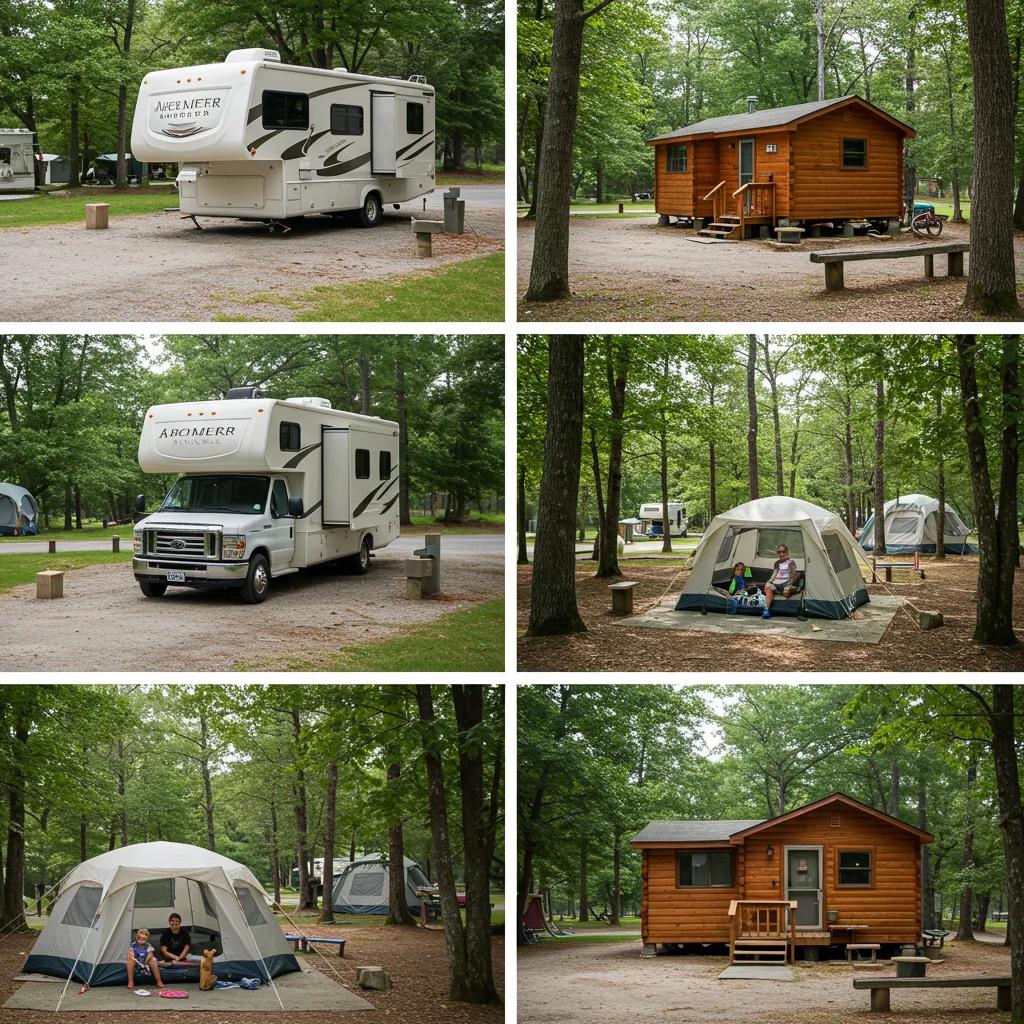
The type of place you stay directly impacts your nightly cost and what you can skip buying or renting, so getting the trade-offs right is key. RV sites, tent sites, and cabin rentals each offer different ways to save: RVs let you bring your own beds and kitchen, tents keep nightly fees low, and cabins mean you don’t need to pack as much gear. Picking the best option depends on how many people are in your family, what gear you already have, and how much of your trip you want to be about activities versus gear management. Below, we’ll break down the features and explain which choice usually offers the best value for families watching their budget.
This quick rundown highlights the main value points to consider when comparing your accommodation choices.
- RV sites mean you can bring your home comforts and cook onboard, cutting down on food expenses.
- Tent sites offer the lowest nightly rates and are super flexible for bigger groups.
- Cabins minimize your gear list and provide a reliable, weather-proof stay.
The table below compares accommodation types, their features, and the value they offer budget families to help you make your choice.
This comparison lays out the trade-offs clearly, helping families select the site type that best fits their budget and comfort needs. For a real-world example, Walnut Hills offers RV sites, tent sites, and cabin rentals, all paired with family-focused facilities to boost value while keeping costs manageable.
Which RV Sites Offer the Best Value for Budget Families?
RV sites with full hookups cut down on outside expenses by letting you cook, do laundry, and stay longer without needing to find services elsewhere. Sites with 30/50 AMP and water/electric hookups allow you to use your RV’s refrigerator and stove, directly reducing food spending on longer trips. Opting for pull-through sites or spots close to amenities can save setup time and give you quick access to playgrounds and the lake, adding to the value per night. Families who own or rent an RV often find these sites offer the best cost-per-person savings compared to nightly cabin rates, especially for extended stays.
How Do Tent Camping Sites Provide Affordable Family Experiences?
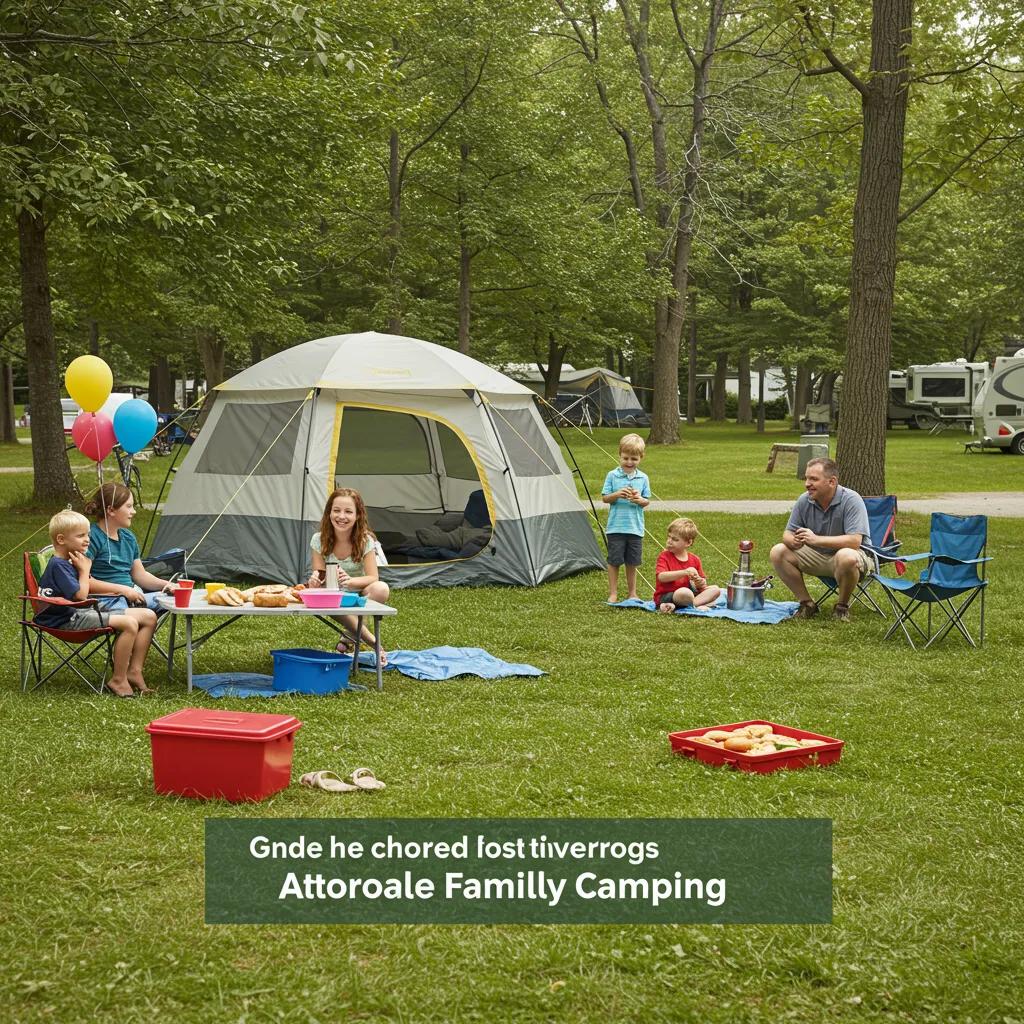
Tent sites achieve affordability mainly through lower nightly fees and minimal upkeep, making them perfect for families who can share gear and tuck in multiple kids together. Being close to updated bathrooms and showers means you don’t need to buy portable conveniences, and access to shared cooking areas allows for simple, cost-effective one-pot meals. Tent camping really rewards good planning: picking a site near the lake or playground means free activities are right at your doorstep, keeping daily expenses low. If you don’t own a tent, borrowing or renting a basic family-sized one often costs less than a single night in many other lodging options.
Are Cabin Rentals a Budget-Friendly Glamping Option?
Cabin rentals swap the need for gear purchases for a predictable, fixed cost and eliminate setup time, which is a huge plus for families with very young children or those with mobility challenges. Cabins can be more economical when you split the cost among several family members or when you want to avoid unexpected weather-related gear issues. Booking a smaller cabin or visiting during the off-peak season can lower per-night rates while still offering that comfortable “glamping” feel within your budget. When comparing cabins to RVs or tents, think about what you’d otherwise spend on gear, extra clothing, or convenience to truly gauge the value.
What Family-Friendly Activities and Amenities Are Included for Budget Campers?

Included activities and amenities are the main way a campground boosts its perceived value without hiking up your expected trip costs, so spotting those complimentary options is super important. Key family amenities you’ll often find at high-value campgrounds include swimming areas, playgrounds, and organized events that keep kids entertained without needing paid attractions. Knowing which amenities are free and which come with a rental fee helps families budget realistically and get the most fun out of their stay.
This list highlights the main included amenities that really add value for budget-conscious families.
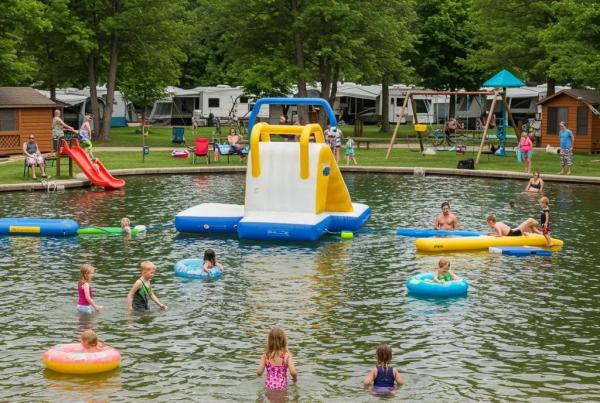
- Wibit water park and swimming lake for free or included family water fun.
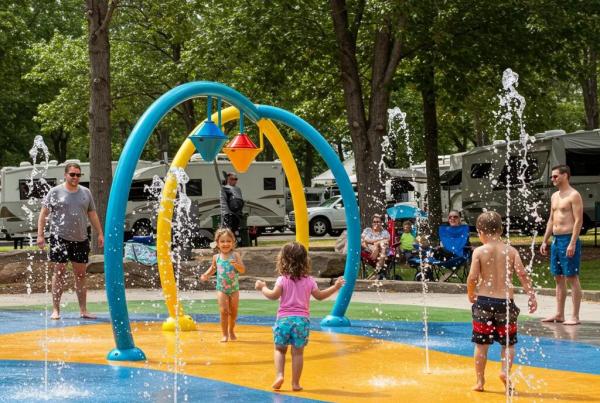
- Multiple playgrounds and sports courts to keep everyone active.
- Organized weekend events that offer activities without any extra charges.
The table below clarifies which amenities are typically included and which usually require payment.
Understanding which activities are included helps families plan free entertainment and avoid unexpected rental fees. At Walnut Hills, included attractions like the Wibit water park, swimming lake, playgrounds, and organized weekend events show how on-site amenities multiply the entertainment value for families.
How Does the Wibit Water Park Enhance Family Fun at No Extra Cost?
A Wibit water park adds a safe, supervised play structure on the water that boosts on-site entertainment without needing paid day trips. It encourages kids to play for longer periods, reducing the need to travel off-site for lake activities and saving on transportation time and costs. The interactive nature of the inflatable course promotes family games and group challenges that require no extra equipment beyond swimwear. When a campground includes this feature, it often becomes a central attraction that significantly enhances the value of the site fee for families with children.
What Sports and Playground Options Are Available for Kids?
Sports courts and playgrounds offer dedicated spaces for active play that families can use all day long without any extra fees. Common options like sand volleyball, basketball, horseshoes, and gaga ball keep various age groups engaged and allow families to organize friendly tournaments or teach skills without paying for rentals. These facilities also encourage social interaction with other campers, which can reduce the need for paid entertainment and enrich the vacation experience. Utilizing on-site sports options promotes low-cost bonding activities that are accessible to virtually any budget.
Which Organized Weekend Events Are Free and Family-Oriented?
Organized weekend events—think crafts, scavenger hunts, themed parties, and family games—are often included in the site fee and provide structured entertainment that takes the planning burden off parents. These events extend the value of your stay by offering a daily schedule of activities, freeing families from the need to seek out external attractions. Participating in on-site programming requires minimal preparation: usually just simple supplies or casual attire. Families should check the campground’s event calendar when booking to align their travel dates with included activities for maximum value.
How Can Budget-Conscious Families Save Money While Camping at Walnut Hills?
Saving money while camping boils down to picking the right dates, planning meals smartly, and minimizing one-time gear purchases by borrowing or renting. Strategic decisions made before booking can often significantly reduce the total trip cost compared to last-minute or peak-season plans. Putting these core strategies into practice helps families stretch their vacation budget without sacrificing experiences or comfort.
Here are some top money-saving strategies for families that are easy to implement:
- Book weekdays or during the shoulder season to snag lower nightly rates and enjoy quieter facilities.
- Plan meals around simple one-pot dishes and shared groceries to cut down on grocery bills.
- Borrow or rent big-ticket gear instead of buying new items for just one trip.
- Take advantage of included campground amenities for daytime entertainment instead of paying for outside attractions.
- Look for multi-night or package deals that might lower the per-night cost.
The table below shows common expense areas, low-cost strategies, and the expected savings to guide your planning decisions.
Applying these tactics typically lowers your total trip spending and increases the time you spend enjoying free campground amenities. Families who follow this plan can reallocate their savings toward special experiences like a river float or renting equipment for an activity day.
What Are the Best Tips for Choosing Affordable Campsites and Dates?
Picking off-peak dates and flexible arrival days is the easiest way to lower nightly fees and snag deals. Midweek stays usually cost less and offer quieter facilities, making it easier to enjoy included amenities without crowds. Choosing site locations that minimize the need for driving—like being close to restrooms, playgrounds, or the lake—saves time and fuel, cutting down on incidental costs. Booking with a flexible date window and checking for multi-night discounts helps families secure the best rates.
How Can Families Plan Meals to Cut Camping Costs?
Meal planning that focuses on shared dishes, batch cooking, and minimal prep cuts down on both grocery spending and cleanup time. One-pot meals, foil-pack dinners, and bulk breakfasts like oatmeal or pancakes reduce the per-person food cost while efficiently feeding hungry kids. Bringing staples from home or buying in bulk at a nearby grocery store is generally cheaper than relying on campground store purchases. Simple meal prep also frees up parents to enjoy included campground activities, adding more value to the stay.
Which Camping Gear Essentials Help Keep Costs Low?
Prioritize essentials—sleeping arrangements, a reliable stove, layered clothing, and safety items—while holding off on luxury purchases like high-end cookware or specialty furniture. Borrowing large items such as family tents, cots, or coolers from friends or local rental shops avoids one-time purchase costs. For families who only plan to camp occasionally, rental options or secondhand gear marketplaces offer the best balance between comfort and cost. A concise pack list focused on multipurpose items reduces both packing complexity and unnecessary spending.
Where Is Walnut Hills Family Campground Located and What Local Attractions Are Nearby?
Understanding the location is important because nearby low-cost attractions can turn a campsite stay into a full-day family outing without significant extra expense. Walnut Hills Family Campground is situated on a spacious property in Durand, Michigan, close to the Shiawassee River, offering easy access to affordable outdoor activities and float trips. Its proximity to river access points, local parks, and small-town conveniences allows families to combine on-site amenities with inexpensive day trips. These local options enhance the overall vacation value while keeping the trip budget-friendly.
Here are some local attractions and low-cost activities to consider during your family stay:
- Shiawassee River float trips using affordable rentals.
- Small-town parks and trails perfect for picnics and nature walks.
- Free community events or seasonal festivals in nearby towns.
These nearby options help families balance relaxing days at the campsite with short, inexpensive outings that add variety to the vacation experience. Utilizing the river and local trails reduces the need for costly off-site attractions and leverages natural assets for family fun.
What Makes Durand, Michigan Ideal for Family Camping Trips?
Durand’s small-town charm complements family camping by offering a peaceful setting and access to river recreation suitable for all ages. The town’s convenient amenities mean shorter travel times to grocery stores and rental places, helping families keep logistics simple and costs down. Local parks and short scenic drives provide easy half-day activities that pair well with a low-cost campsite stay. Families looking for a relaxed, activity-filled weekend often prefer Durand because it offers a great balance of nature access and convenience.
How Can Families Enjoy the Shiawassee River with Affordable Float Trips?
Float trips on the Shiawassee River are a fantastic low-cost outdoor adventure when families plan around group rentals and shared equipment. Canoe, kayak, and tubing rentals are typically available from local outfitters like Cheff’s Canoe Rental, allowing families to pay only for the equipment they need for a single day. Packing snacks, sun protection, and a simple dry bag keeps expenses minimal while maximizing safety and comfort. Sharing vessels and supplies among the group further reduces per-person costs for a memorable riverside activity.
What Nearby Attractions Offer Free or Low-Cost Family Fun?
Nearby parks, river access points, and public trails offer cost-free outdoor play and exploration opportunities that are great for families with kids of all ages. Community events, playgrounds, and scenic picnic spots provide half-day itineraries that keep families engaged without any added fees. Combining on-site campground amenities with local low-cost attractions creates flexible days that can suit any family’s energy level and budget. Planning a mix of free and low-cost outings maximizes fun while keeping the overall trip affordable.
How Do I Book an Affordable Family Camping Trip at Walnut Hills?
Booking smartly turns planning into savings: use flexible dates, check the campground’s event calendar, and choose the smallest adequate site type to lower per-night expenses. Having key information ready—dates, site preference (RV, tent, cabin), number of guests—and checking for multi-night or package deals streamlines the reservation process. Families should confirm which amenities are included with their site and note any paid rentals like canoe/kayak services before finalizing. The steps below guide budget-conscious families through a straightforward online reservation process.
Follow these simple steps to book a cost-effective family stay:
- Choose flexible dates: Prioritize midweek or shoulder-season windows.
- Select site type: Match your family size with RV, tent, or cabin options.
- Review included amenities and events: Confirm complimentary features to avoid extra costs.
- Check event calendar: Align your dates with included weekend programming if desired.
- Finalize reservation: Enter guest details and request any special accommodations.
After booking, keep an eye on the reservation page for seasonal discounts or special offers that might pop up; always verify any promotions at the time of booking. Families should also review common policies like cancellation terms and pet rules before arrival to avoid unexpected charges.
What Is the Online Reservation Process for Budget Campers?
The typical online reservation process asks for your travel dates, site type (RV, tent, or cabin), party size, and any equipment or service add-ons. Enter flexible dates whenever possible to see lower rates and available midweek discounts or multi-night pricing. Review the campground’s event calendar during selection to ensure included activities align with your plans and boost the trip’s value. Confirm the reservation details and save your confirmation information to prepare for arrival and packing.
Are There Seasonal Discounts or Special Offers for Families?
Campgrounds often offer seasonal discounts, multi-night deals, or package offers that reduce the effective nightly rate, so looking for these options can lead to significant savings. Families should check the reservation flow, event pages, and any newsletter sign-ups for announcements about promotions; always confirm offer validity when booking. Don’t assume availability—promotions might be limited to specific dates or site types, so flexible planning increases your chances of snagging deals. When possible, request longer stays or off-peak dates to maximize discount applicability.
What Are the Most Common FAQs About Rates and Policies?
Families often ask about cancellation policies, extra-person fees, pet rules, and check-in/check-out times because these details impact budgeting and logistics. Confirm cancellation and refund terms before booking to avoid last-minute charges if plans change, and check if additional guest or vehicle fees apply. Review pet policies if you’re bringing animals, as some campgrounds allow dogs with restrictions while others don’t. For official, up-to-date policy details, consult the reservation or policy pages provided when making a booking.
Frequently Asked Questions
What are the best times to book a family camping trip in Michigan?
The sweet spot for booking a family camping trip in Michigan is usually during the shoulder seasons, like late spring and early fall. These times often mean lower rates, fewer crowds, and pleasant weather, making them perfect for family getaways. Plus, weekdays are typically cheaper than weekends, helping families save on nightly fees. By being flexible with your dates and planning around local happenings, families can maximize their camping experience while keeping costs down.
How can families ensure they have enough gear for camping without overspending?
To make sure you have all the camping gear you need without overspending, consider borrowing items from friends or renting equipment instead of buying new. Many local outdoor shops offer rental services for tents, sleeping bags, and cooking gear. Also, creating a checklist of essential items can help families focus on what they truly need versus what can be borrowed or rented. This approach not only saves money but also cuts down on the hassle of hauling extra gear.
What safety measures should families take while camping?
Safety measures while camping include being prepared for weather changes, keeping a first aid kit handy, and ensuring children are supervised near water or campfires. Families should also get familiar with the campground’s emergency procedures and have a plan for contacting help if needed. Additionally, teaching children about wildlife safety, like not approaching animals and properly storing food, can enhance safety during the trip. Being proactive about safety ensures a worry-free camping experience.
Are there any specific packing tips for families camping with young children?
Packing for a camping trip with young children requires careful planning. Families should prioritize comfort and convenience by bringing lightweight, easy-to-set-up gear, such as pop-up tents and portable cribs. Including familiar items like favorite blankets or toys can help children feel secure in a new environment. Also, packing plenty of snacks, simple meals, and drinks will keep energy levels up and minimize fuss. A well-organized packing list tailored to children’s needs can make the trip smoother and more enjoyable.
What types of local attractions can families explore near campgrounds?
Families can explore a variety of local attractions near campgrounds, including parks, nature trails, and historical sites. Many campgrounds are located near rivers or lakes, offering opportunities for fishing, swimming, and kayaking. Local festivals, farmers’ markets, and community events can also provide unique experiences. By researching nearby attractions before the trip, families can create a balanced itinerary that combines on-site activities with local exploration, enhancing their overall camping experience.
How can families make the most of organized events at campgrounds?
To make the most of organized events at campgrounds, families should check the event calendar upon booking and plan their stay around these activities. Participating in crafts, games, and themed nights can enhance the camping experience and foster connections with other campers. Arriving early to events ensures families can secure spots and fully engage in the activities. Additionally, encouraging children to participate can help them make new friends and create lasting memories during the trip.
What are some tips for managing costs during a camping trip?
Managing costs during a camping trip involves strategic planning and budgeting. Families should prioritize using included amenities, such as swimming areas and playgrounds, to minimize expenses on paid attractions. Meal planning centered around one-pot dishes can significantly reduce food costs. Additionally, booking during off-peak times and looking for multi-night discounts can lower lodging expenses. Keeping track of spending and adjusting plans as needed can help families stay within their budget while enjoying their camping adventure.
Conclusion
Choosing affordable family campgrounds in Michigan allows families to enjoy memorable outdoor experiences without breaking the bank. By understanding the value of amenities, accommodation types, and local attractions, families can maximize their vacation while minimizing costs. Implementing smart planning strategies ensures a budget-friendly trip filled with fun and relaxation. Start planning your next family adventure today by exploring our recommended campgrounds and tips for a successful stay.