“`html
Best Campgrounds for Hiking and Fishing Enthusiasts Across the Country: Top Outdoor Destinations for Families and Adventurers
Finding campgrounds that genuinely balance hiking access and quality fishing spots saves time and creates richer outdoor trips for families and anglers alike. This guide defines what “best” means for campgrounds that serve both hikers and fishers, explains the key selection criteria, and maps practical planning advice so you can choose sites that match your skills and family needs. Readers will learn how trail networks, water access, on-site rentals, and family amenities combine to make a campground ideal for mixed-activity stays, with a special regional focus on Michigan options. The article covers national selection criteria and examples, a Michigan-focused comparison that features Walnut Hills Family Campground as a practical option, step-by-step trip planning including accommodations and permits, complementary water activities, and the reasons some campgrounds earn top recognition. Throughout, we weave in relevant keywords such as best campgrounds for hiking and fishing, campground with hiking and fishing, Shiawassee River fishing, and family camping Michigan with activities to help you find the right destination efficiently.
What Are the Top Campgrounds Perfectly Located for Hiking and Fishing?
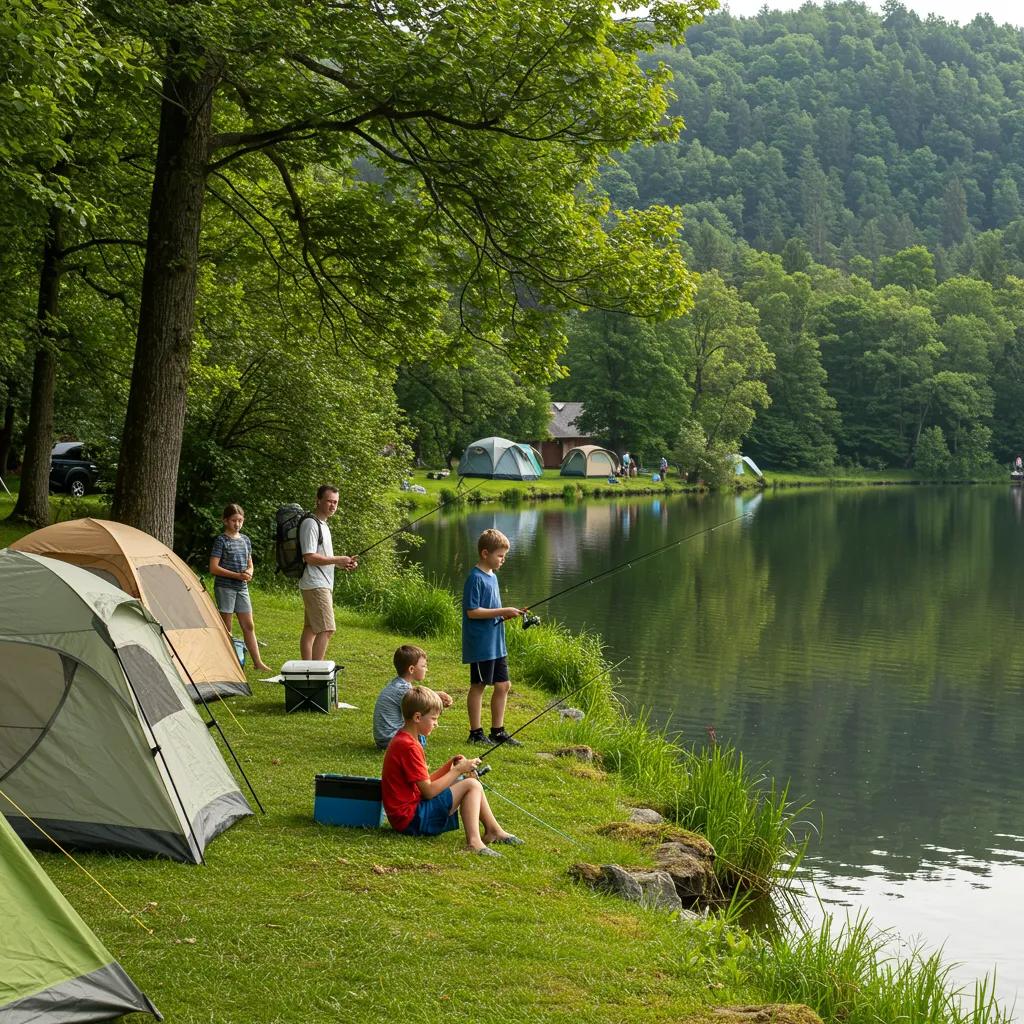
A top campground for hiking and fishing combines immediate trail access, reliable waterbodies for angling, and onsite or nearby amenities that support gear, safety, and family needs. This combination works because proximity reduces transit time between activities, rentals and launches increase participation, and trail variety keeps days interesting for mixed-age groups. Below is a concise comparison of campground types that typically deliver those strengths, emphasizing trail length, fish species, and family amenities to help you target options that fit your trip goals. Use these criteria to shortlist sites before you dive into seasonal planning and permit requirements.
Which attributes matter most when selecting a dual-focus campground? The immediate attributes are trailhead adjacency, shoreline condition, presence of rentals or livery services, and family-friendly facilities; the next paragraph explains specific examples and why those examples appeal to hikers and anglers.
Which Campgrounds Offer the Best Hiking Trails and Fishing Access?
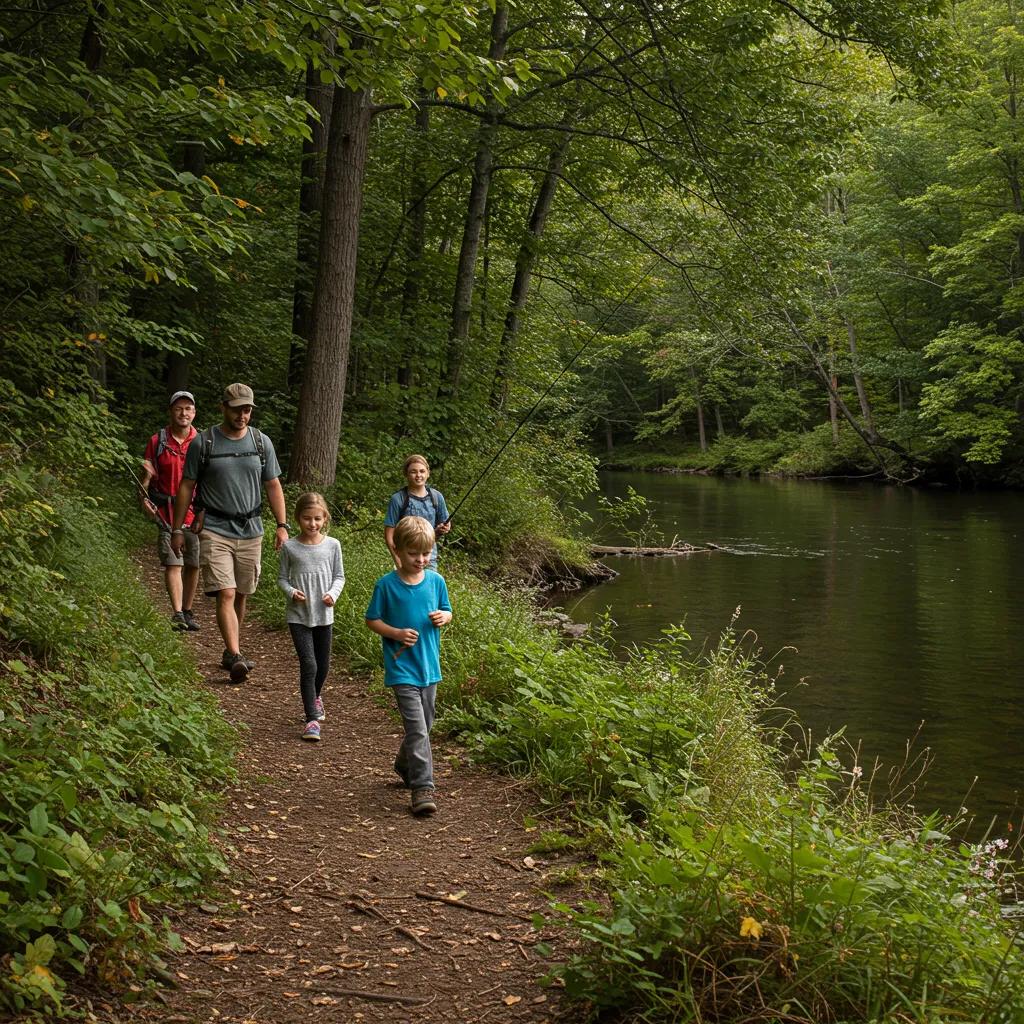
Campgrounds that excel typically sit on lakeshores, river bends, or at trail network junctions to offer both loop hikes and reliable angling opportunities. These sites succeed because they allow quick transitions from a morning hike to an afternoon fishing session without lengthy drives, and they often host a range of hyponyms like scenic nature walks and river float trips for different abilities. Anglers value lake shorelines and river access for species diversity such as smallmouth bass and northern pike, while families appreciate short loop trails and clear signage. The next section explores how family-focused campgrounds stitch these elements into daily programming to keep mixed groups engaged.
How Do Family Campgrounds Combine Hiking and Fishing Activities?
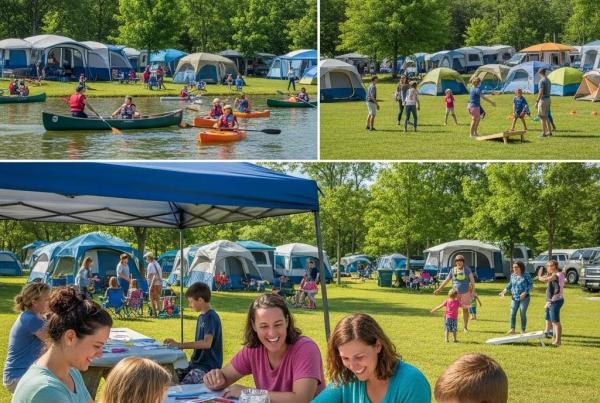
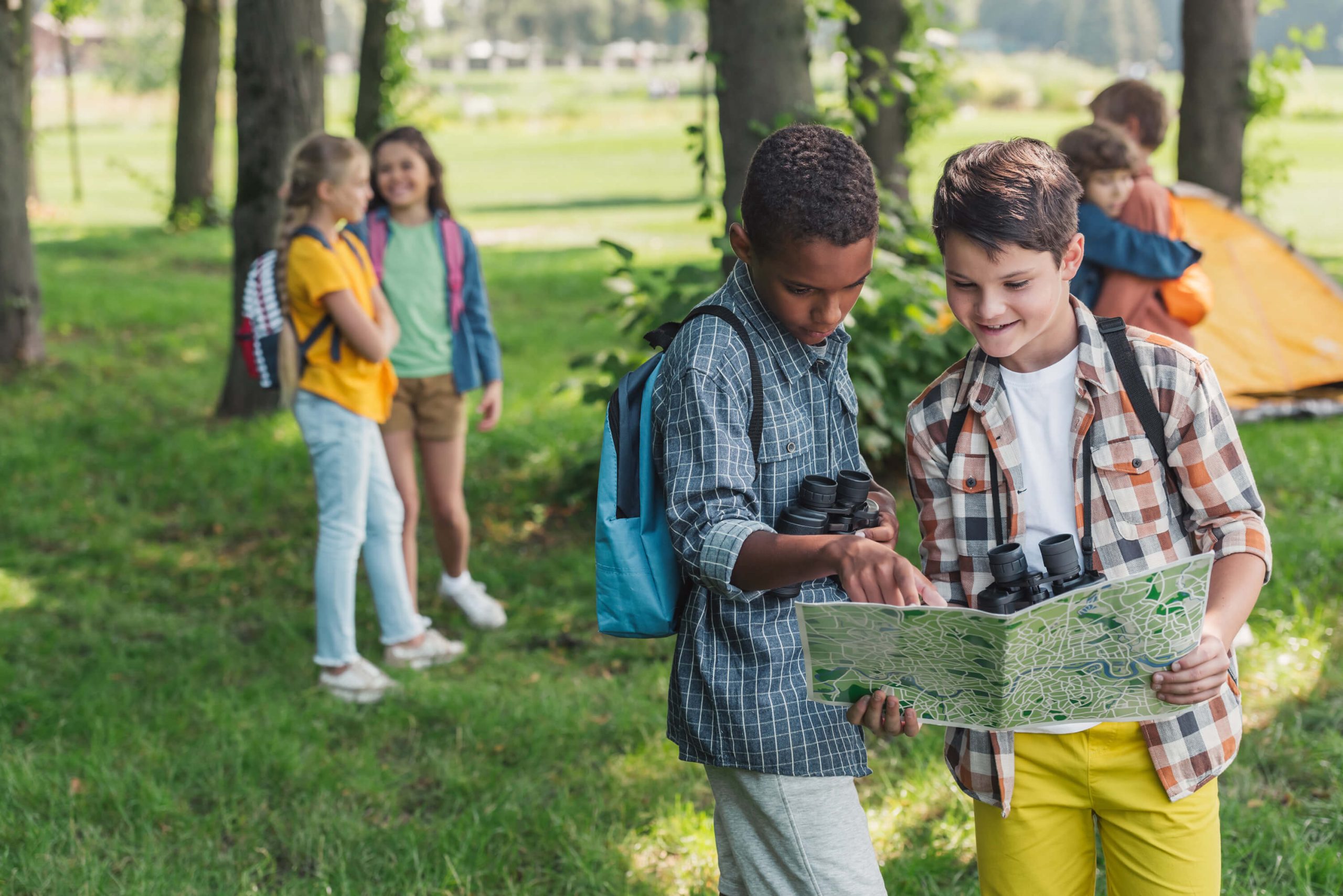
Family campgrounds combine safe, short loop trails with shallow, accessible fishing spots and scheduled programming that introduces younger guests to both activities. This model works by pairing short family-friendly hikes with supervised fishing hours or guided walks, and by providing meronyms such as playgrounds and dog parks to round out the day. Amenities like restrooms near trailheads and clearly marked paths reduce barriers for parents managing gear and kids, and on-site rentals ensure families without boats or rods can still participate. Understanding these design choices guides your expectations when choosing a campground for a family adventure.
What Makes a Campground Ideal for Both Hiking and Fishing Enthusiasts?
An ideal dual-purpose campground ranks highly on three measurable attributes: immediate trailhead proximity (under one mile), reliable water access (lake shore or river launch), and availability of gear rentals or livery services to extend participation. These objective criteria function as a simple scoring rubric: proximity reduces transit time, water access improves fishing options, and rentals remove equipment barriers. Supporting attributes include family events, safe shorelines, and lodging variety that fit different comfort levels. The following table offers a quick comparison of typical campground types to help you apply this rubric when narrowing choices.
Which Michigan Campgrounds Are Best for Hiking and Fishing Adventures?
Michigan’s mix of rivers, lakes, and state recreation areas creates many options for hikers and anglers seeking family-friendly outings close to population centers. Top state picks tend to include waterfront state recreation areas, rivers with floatable sections, and family-oriented campgrounds that pair playgrounds and water parks with trailheads. The next paragraphs place a spotlight on a flagship Michigan family campground that matches the “no long drive” value many regional visitors seek, and then detail how to evaluate Michigan choices against broader criteria.
To support decision-making, the table below outlines trail and fishing spot attributes for Michigan destinations, using general categories and local river/lake types to show accessibility and expected difficulty.
Why Is Walnut Hills Family Campground a Top Choice for Hiking and Fishing in Michigan?

Walnut Hills Family Campground, a flagship property of GatherGrounds Resorts located at 7685 Lehring Road, Durand, Michigan, is notable for combining family-focused amenities with direct water access and easy logistics. The campground’s strengths include family programming, a Wibit Water Park, a swimming lake, and an on-site canoe livery for Shiawassee River floating, which together enable mixed days of hiking, paddling, and angling without long drives. These attributes reduce friction for families who want hiking and fishing in a single trip and support quick transitions between activities. For families seeking practical accommodation and river access, Walnut Hills offers RV and tent sites, cabins, and canoe and kayak rentals that simplify planning and participation.
What Hiking Trails and Fishing Opportunities Does Walnut Hills Offer?
Walnut Hills provides scenic on-site trails suited to family walks and access points to the campground’s swimming lake, plus a canoe livery that enables Shiawassee River floats and paddling-based fishing trips. These features function together: trails provide morning exploration, the lake offers safe swimming and shoreline fishing, and the livery opens river angling possibilities for species commonly pursued on Midwest rivers. While precise trail lengths and fish counts are best confirmed with local resources, the combination of easy family trails, canoe and kayak rentals, and river access supports varied itineraries.
How Does Walnut Hills Cater to Families and Outdoor Enthusiasts?
Walnut Hills caters to families through scheduled events, playgrounds, a dog park, and no-wait check-in processes that reduce arrival stress while maximizing outdoor time for hikes and fishing. Amenities such as the Wibit Water Park and swimming lake create restful, play-oriented breaks between hikes, and the availability of RV and tent sites, cabins, and canoe and kayak rentals ensures groups can choose the right accommodation and equipment strategy. These conveniences connect to trip planning because they reduce the need to transport bulky gear and allow families to focus on activity sequencing. The practical availability of on-site rentals and lodging options leads directly into planning advice for hikers and anglers.
How Can You Plan a Successful Hiking and Fishing Camping Trip?
Planning a dual-activity camping trip hinges on aligning accommodations with activity needs, packing appropriate gear, securing necessary permits, and timing your visit for weather and fish activity. The process works because matching lodging to logistics (storage, comfort, proximity) and pre-arranging boat or rod rentals saves time and increases the chances of productive fishing and enjoyable hikes. Below is an accommodation-focused comparison table, followed by checklists for gear and timing to guide your booking and packing decisions.
What Are the Best Accommodations for Campers Who Love Hiking and Fishing?
Choose accommodations based on storage, proximity to trailheads or water, and comfort needs; RV sites are ideal for anglers with equipment, tent sites favor immersive hikers, and cabins suit families who want comfort with activity access. These choices affect daily logistics: RVs simplify gear readiness, tents prioritize a wilderness feel, and cabins minimize setup time for mixed-activity days. Walnut Hills’ reservation options (RV and tent sites, cabins) and on-site canoe and kayak rentals present a practical solution for groups balancing gear storage with the desire to paddle and fish. Deciding the right option ties directly into the gear checklist and permit planning discussed next.
Which Gear and Permits Are Needed for Hiking and Fishing at Campgrounds?
Essential gear includes layered clothing, navigation aids, first-aid, rod and tackle appropriate for target species, and flotation for paddling; key permits include state fishing licenses and any park permits for launches. These items work together to ensure safety and compliance: a fishing license authorizes angling, while appropriate flotational gear enables safe kayak or canoe fishing. In Michigan, anglers must check state regulations for license requirements and seasons, and camp planners should confirm livery rules where river launches occur. The next subsection provides seasonal guidance to optimize timing for both hiking and fishing.
Essential gear checklist:
- Sturdy hiking shoes and layered clothing for changing weather.
- Fishing tackle matched to smallmouth bass and northern pike tactics.
- Personal flotation devices and spare paddles for canoe/kayak outings.
When Is the Best Time of Year for Camping, Hiking, and Fishing?
Spring and fall often provide prime fishing windows with active fish and mild hiking conditions, while summer offers warm water recreation and family-friendly programming but also higher crowds. This seasonal trade-off matters because fishing behavior, insect presence, and trail conditions shift across months, affecting both success and comfort. For family trips prioritizing comfort and amenities like water parks, summer stays at family campgrounds are ideal, whereas anglers seeking quieter water may favor shoulder seasons. Consider crowd levels, typical water temperatures, and local event calendars when finalizing dates.
What Outdoor Activities Complement Hiking and Fishing at Top Campgrounds?
Complementary activities—paddling, swimming, wildlife viewing, and family programming—diversify trips and let groups mix active pursuits with relaxation. These activities enhance trips by offering alternatives when weather or fish activity is poor, and by engaging non-angling family members through accessible water-based recreation. The section below explores water-based enhancements, family amenities, and conservation-minded practices that deepen the outdoor experience.
How Do Water-Based Activities Enhance the Camping Experience?
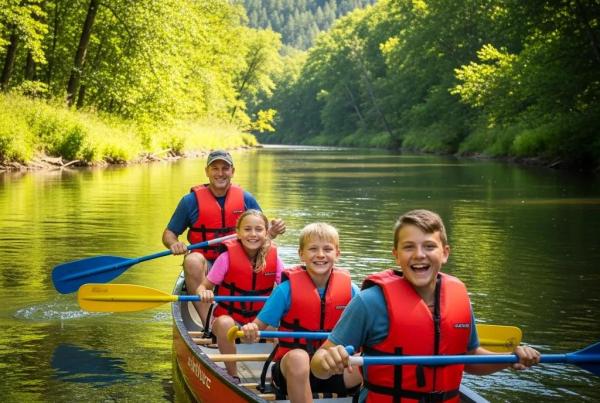
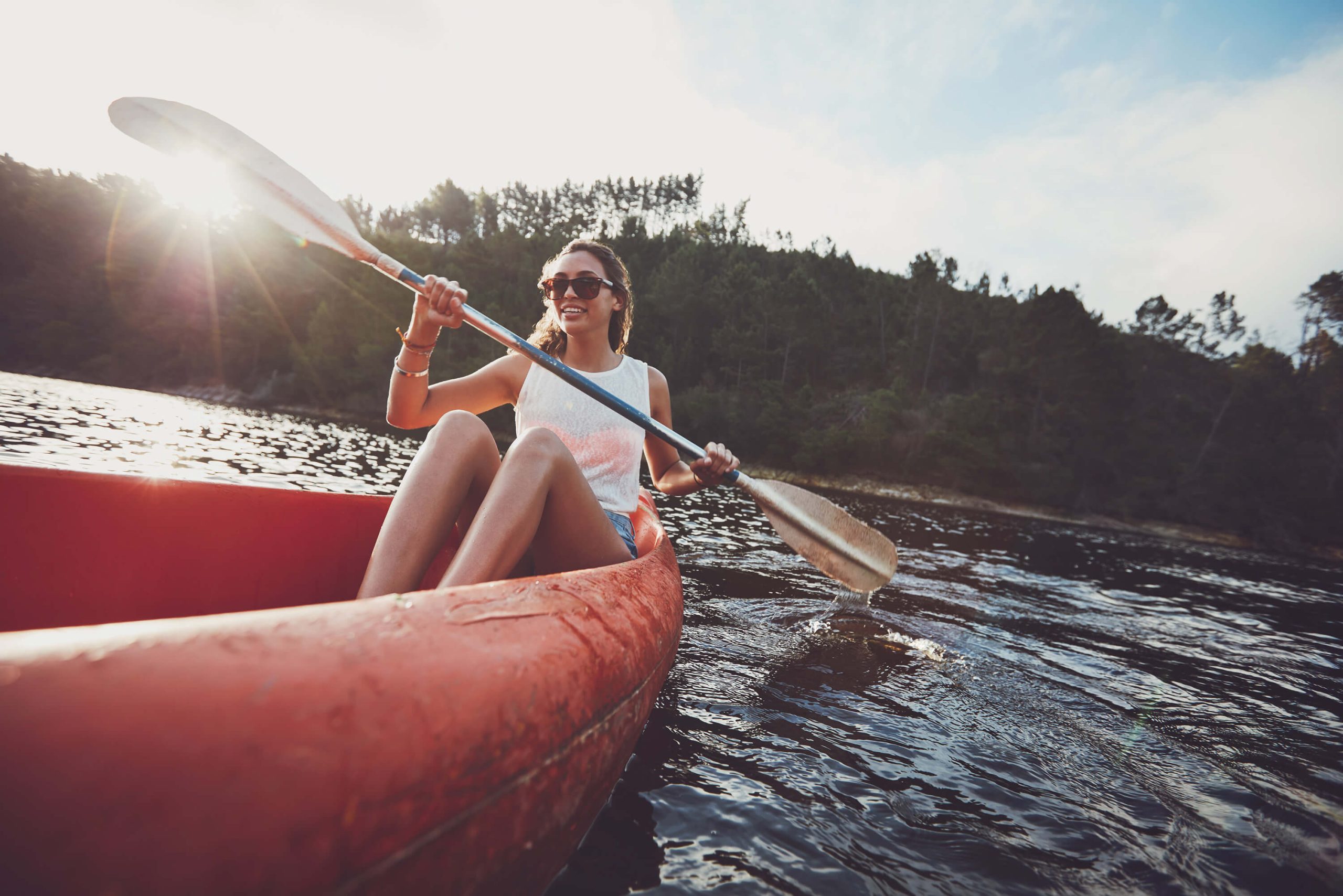
Paddling and swimming add variety and accessibility to a hiking-and-fishing itinerary by letting families split time between land and water pursuits, and by creating opportunities for kayak fishing and river floats. Rentals and on-site livery services lower the barrier to participation, enabling less-experienced guests to join paddling trips safely. Safety measures such as PFDs and age-appropriate activity choices keep outings family-friendly and productive. Mentioning livery access and Wibit-style attractions helps planners envision days that combine hikes with paddles or swims.
What Family-Friendly Amenities Support Outdoor Adventures?
Family-friendly amenities include playgrounds, dog parks, scheduled events, swimming areas, and no-wait check-in systems that reduce logistical friction and extend active time outdoors. These amenities function as operational meronyms of a family campground, enabling parents to rotate responsibilities while kids remain engaged. On-site rentals, easy trails, and comfortable lodging options further reduce barriers for families balancing hiking and fishing. The next paragraph outlines conservation steps campers can take to protect recreational resources.
Family amenities to prioritize:
- 1. Restrooms and secure water access near trailheads.
- 2. Play areas and scheduled family events to occupy children between activities.
- 3. Pet-friendly spaces like a dog park for multi-species family groups.
How Do Campgrounds Support Environmental Stewardship and Conservation?
Campgrounds support stewardship through visitor education, habitat protection measures, and partnerships with local groups such as Friends of the Shiawassee to maintain river health and trail quality. Visitors can reciprocate by following Leave No Trace principles, packing out waste, using designated launches, and participating in local cleanups when available. These actions protect fish habitat and trail corridors, ensuring future access for hiking and fishing. Three practical tips follow to make stewardship actionable on any trip.
Stewardship tips:
- 1. Use existing launches and avoid trampling shore vegetation.
- 2. Pack out all fishing line and trash to protect aquatic life.
- 3. Support local conservation groups through volunteer days or donations.
Why Are Certain Campgrounds Recognized as the Best for Hiking and Fishing?
Campgrounds gain recognition for a mix of objective access (trails, water), biodiversity (fish and wildlife), amenities, and accessibility from population centers that encourage repeat visitation. Recognition matters because a campground that balances these elements consistently delivers satisfying days for both hikers and anglers regardless of group composition. The final subsections compare Walnut Hills to typical state or national picks, synthesize visitor sentiment themes, and explain how proximity and drive time shape popularity and booking patterns.
How Do Campgrounds Like Walnut Hills Compare to Other Michigan and National Sites?
Walnut Hills emphasizes convenience and family amenities—Wibit Water Park, a swimming lake, scheduled events, and on-site canoe livery—whereas many remote state or national sites prioritize wilderness trails and solitude. This contrast functions as a choice point: families wanting shorter drives and built-in entertainment choose family resort campgrounds, while backcountry hikers seeking remoteness choose national park campgrounds. Walnut Hills’ RV and tent sites and cabins offer practical alternatives to more remote stays when accessibility and family programming matter most.
What Do Outdoor Enthusiasts Say About Their Hiking and Fishing Experiences?
Enthusiasts commonly praise accessible trailheads, reliable water access, and on-site rentals when reviewing combined hiking and fishing stays, while requests for more detailed trail maps and species-specific fishing information are frequent. These themes indicate that user expectations center on convenience and actionable information, and that campgrounds can improve by publishing trail metrics and fish-spot guidance. Integrating these feedback patterns into trip choices helps set realistic expectations for families and anglers alike.
How Does Proximity and Accessibility Influence Campground Popularity?
Shorter drive times and easy access to amenities directly increase family bookings and weekend visits because they lower the logistical cost of outdoor trips. Infrastructure such as paved roads, nearby parking, and no-wait check-in systems further boost popularity by making arrival and departure smoother for families. When choosing between a convenience-focused campground and a remote scenic site, evaluate whether proximity or solitude better serves your trip goals and available time.
This article has covered selection criteria, Michigan options including Walnut Hills Family Campground, planning checklists, complementary activities, and the reasons some campgrounds stand out for hiking and fishing—helping you choose the right destination for your next outdoor trip.
Frequently Asked Questions
What should I consider when choosing a campground for hiking and fishing?
When selecting a campground for both hiking and fishing, consider factors such as proximity to trails and water access, the availability of gear rentals, and family-friendly amenities. Look for campgrounds that offer a variety of trail lengths and fishing opportunities, as well as facilities like restrooms and picnic areas. Additionally, check for scheduled activities that can engage all family members, ensuring a well-rounded outdoor experience that caters to both hikers and anglers.
Are there specific fishing licenses required for camping in Michigan?
Yes, in Michigan, anglers are required to obtain a state fishing license to fish legally in public waters. The type of license needed may vary based on factors such as age, residency, and the specific fishing regulations for the area. It’s essential to check the Michigan Department of Natural Resources website for the latest information on licensing, including any seasonal restrictions or special permits required for certain bodies of water.
What types of fish can I expect to catch while camping in Michigan?
While camping in Michigan, you can expect to catch a variety of fish species, including smallmouth bass, northern pike, walleye, and trout, depending on the water body. Lakes and rivers in the state are known for their diverse aquatic life, making it a popular destination for anglers. Researching specific fishing spots and their seasonal fish populations can enhance your chances of a successful fishing trip while camping.
How can I ensure a safe camping experience for my family?
To ensure a safe camping experience for your family, prioritize safety measures such as wearing life jackets while boating, keeping a first-aid kit on hand, and educating children about wildlife safety. Additionally, familiarize yourself with the campground’s rules and emergency procedures. Always check the weather forecast before your trip and prepare for changing conditions by packing appropriate clothing and gear. Lastly, practice Leave No Trace principles to protect the environment and ensure a safe experience for future visitors.
What are some popular complementary activities to hiking and fishing?
Complementary activities to hiking and fishing include paddling, swimming, wildlife viewing, and participating in organized family events. These activities provide variety and can engage family members who may not be interested in fishing or hiking. Many campgrounds offer amenities such as swimming areas, playgrounds, and guided nature walks, allowing families to enjoy a well-rounded outdoor experience that caters to different interests and age groups.
How do I prepare for a camping trip focused on hiking and fishing?
Preparing for a camping trip that includes hiking and fishing involves several key steps. First, create a checklist of essential gear, including hiking boots, fishing rods, tackle, and safety equipment. Next, secure any necessary permits and licenses for fishing and camping. Plan your meals and pack food that is easy to prepare. Finally, familiarize yourself with the campground layout, including trail maps and fishing spots, to maximize your time outdoors and ensure a smooth experience.
Conclusion
Choosing the right campground can significantly enhance your hiking and fishing experience, providing seamless access to both activities while catering to family needs. By focusing on attributes like trail proximity, water access, and family-friendly amenities, you can ensure a memorable outdoor adventure. Explore our recommendations, including the standout Walnut Hills Family Campground, to find the perfect destination for your next trip. Start planning your outdoor getaway today and make the most of your time in nature!
“`