Discover the Best Campgrounds With Fire Pits Near Me for Family Fun and Memorable Campfires
Campgrounds with fire pits turn ordinary outdoor stays into evenings of storytelling, cooking, and family bonding, providing warmth and a focal point for group activities. This article shows how to find the best campgrounds with fire pits, what safe campfire practices to follow, and practical campfire cooking ideas that families can enjoy. You will learn how fire pit types differ, which accommodations commonly include fire rings, simple safety protocols that protect children and pets, and step-by-step booking guidance for reserving sites with private fire pits. Along the way we’ll highlight a nearby example, Walnut Hills Family Campground in Durand, Michigan, as a family-focused destination that includes RV sites, tent sites, and cabin rentals with fire pits. Read on for comparisons, quick recipes, essential gear checklists, and reservation tips that make planning a fire-pit camping trip straightforward and family-friendly.
What Makes Walnut Hills Family Campground a Top Choice for Fire Pit Camping in Michigan?
Walnut Hills Family Campground is a flagship camping destination operated by GatherGrounds Resorts in Durand, Michigan, and it positions fire pits as a core family amenity by providing fire rings at RV sites, tent sites, and cabins. The campground supports evening campfire experiences with on-site family activities, modern facilities, and designated fire locations that balance convenience with safety. Choosing a campground with clear fire-pit amenities reduces guesswork when packing cooking gear and planning evening schedules, and Walnut Hills’ combination of water-based daytime fun and fire-centered evenings creates a full-day family itinerary. Below is a compact comparison of accommodation types and their fire pit attributes to help you match site type to your campfire priorities.
Which Types of Fire Pits Are Available at Walnut Hills?
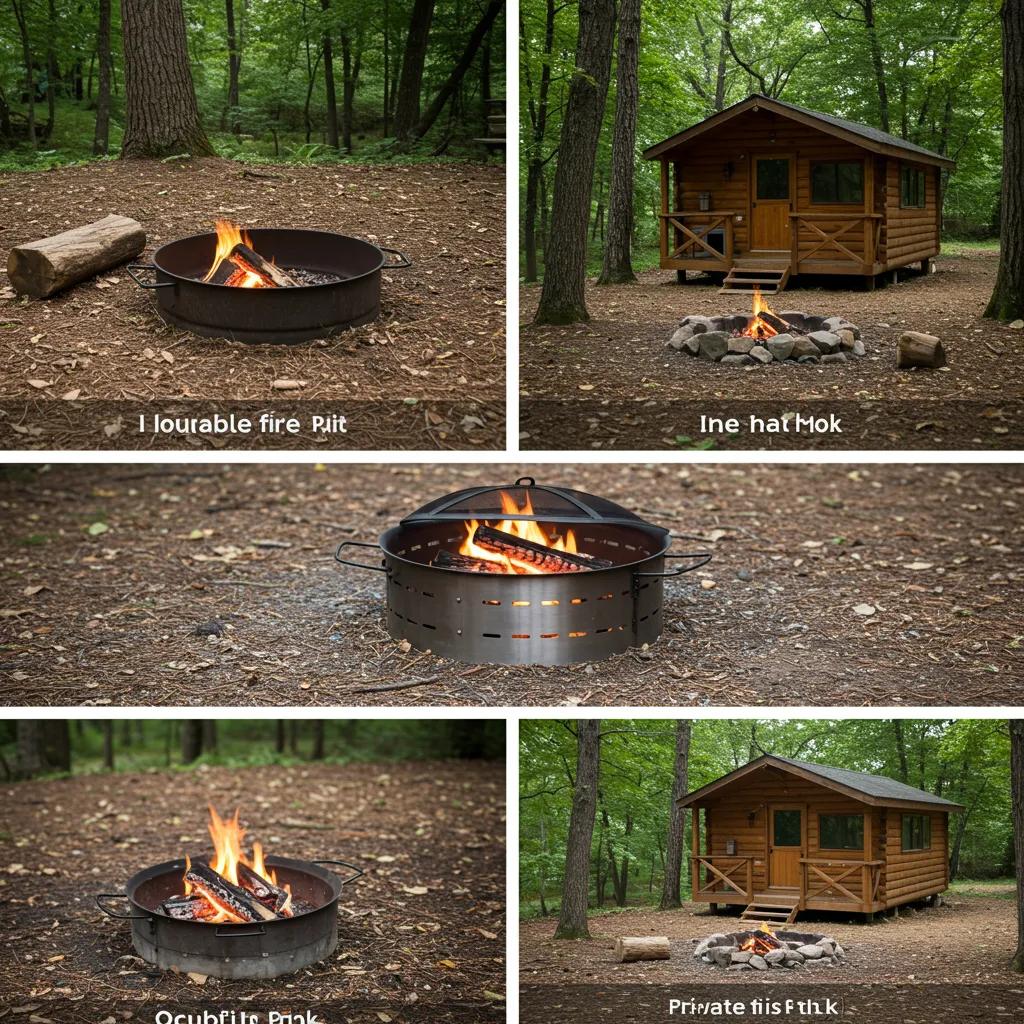
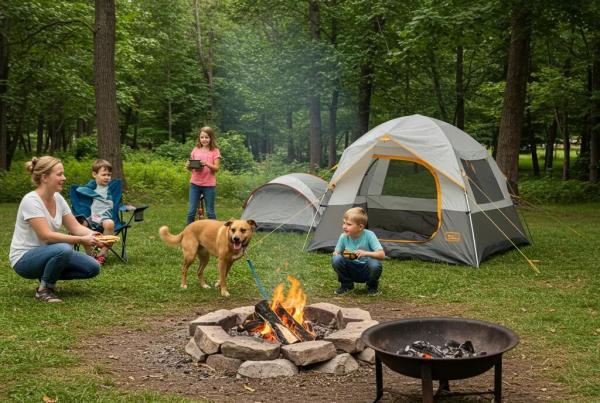
On-site fire pits at family campgrounds typically fall into a few clear types: in-ground fire rings, portable metal pits, and private cabin-side pits, each with distinct advantages for safety and cooking. In-ground fire rings are permanent, masonry or metal rings set into the ground that contain embers well and are common at RV and tent pads because they minimize accidental spread. Portable metal pits or stove-style pits often sit on non-combustible surfaces near cabins and can offer more privacy and cooking flexibility for small groups. Understanding these types helps you choose gear and cooking methods that match the pit; for example, grill grates pair well with in-ground rings while portable pits may be paired with adjustable grates or Dutch ovens.
The presence of fire pits in natural settings inherently increases the risk of wildfires.
Campsite Fire Hazard Analysis: Understanding Risks in Forested Areas
The most common location for campsites is in forested or arborous areas. Given the regular use of combustible material by campers and the frequent use of campfires to cook, campsites become areas with a high propensity for the occurrence of fires.
Analysis of fire hazard in campsite areas, JR Azinheira, 2017
These distinctions lead directly to how site types at a campground map to fire pit options, which helps families choose the right site for privacy, cooking, or social campfire traditions.
How Do RV, Tent, and Cabin Sites Feature Fire Pits for Every Camper?
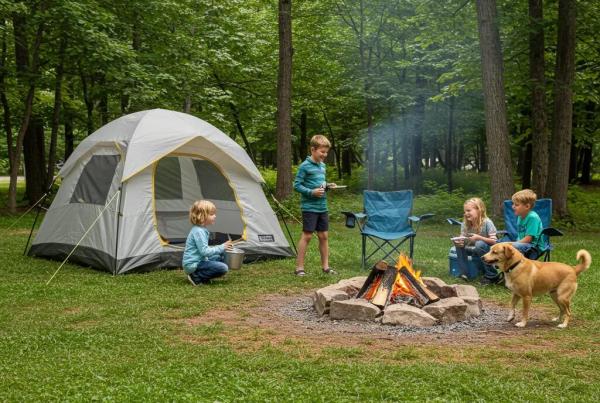
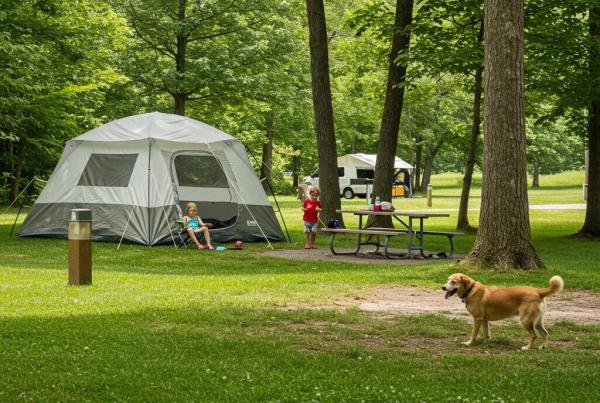
RV sites typically place an in-ground fire ring a short walk from the vehicle pad, allowing safe separation from RV infrastructure while keeping the fire accessible for cooking and gatherings. Tent sites often feature centrally located fire rings designed for group seating and activities, which fosters communal experiences and easy supervision of children nearby. Cabin sites may offer private metal pits or secluded rings on a small patio or cleared area, giving families the benefit of evening comfort with controlled privacy and convenient access to cabin amenities. These arrangements mean campers can plan around hookups, storage, and family routines, choosing sites that match whether they prioritize cooking, privacy, or social interaction.
Mapping pit types to accommodation choices helps campers decide whether to bring a grill grate, Dutch oven, or only marshmallow sticks for an evening of s’mores.
What Family-Friendly Activities Complement Your Campfire Experience?
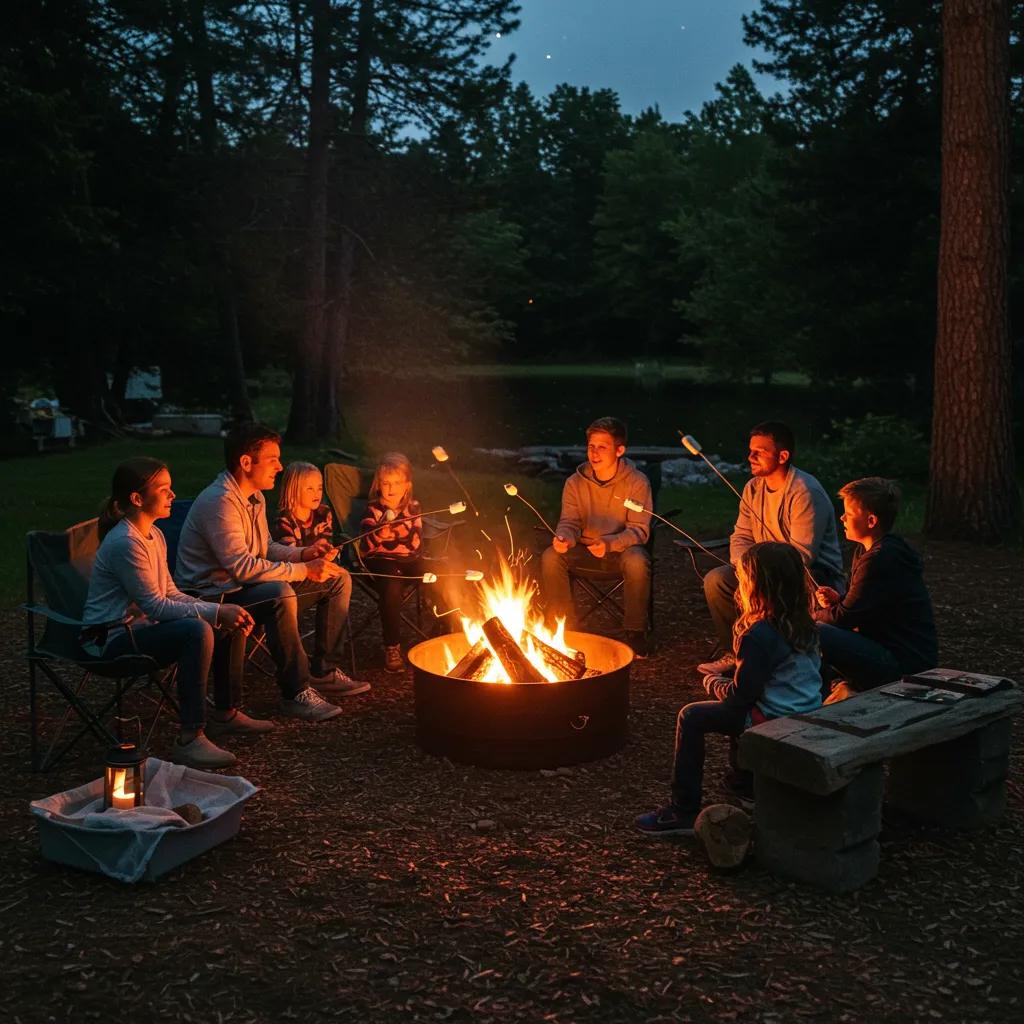
Families benefit when daytime amenities and evening campfire rituals complement each other, creating a full-day schedule that transitions smoothly from active play to relaxed fireside time. At campgrounds with multiple amenities, families can spend afternoons at water features and playgrounds, then gather around the fire for dinner, stories, and low-light games that build memories. Simple campfire activities include storytelling or song circles, themed scavenger hunts that conclude at the fire pit, and group cook-along nights where everyone helps assemble foil packets or kebabs. Scheduling activities so the last daylight hour finishes with a calm wind-down near the fire keeps children safe and lets adults prepare the cooking area.
These family-friendly day-to-night pairings explain why choosing a campground with both active amenities and well-managed fire pits enhances the overall stay and encourages early planning of daily rhythms.
How Can You Safely Enjoy Campfires at the Best Campgrounds With Fire Rings?
A safe campfire balances containment, supervision, and appropriate fuel handling; designated fire rings and staff guidance at campgrounds reduce risk and make evening fires predictable and family-friendly. Proper campfire safety protects campers, neighboring sites, and natural surroundings by focusing on distance, extinguishing protocols, and using only approved fuels within provided rings. Below is a short, scannable safety checklist that aligns with common campground rules and is optimized for quick recall by group leaders.
- Keep a responsible adult supervising the fire at all times and maintain a safe distance between seating and the flame.
- Use only approved firewood or provided fuels and never burn trash or aerosols that can create hazardous sparks.
- Keep a bucket of water and a shovel nearby for immediate extinguishing and for smothering embers when needed.
- Fully extinguish the fire before leaving the ring unattended by dousing, stirring ashes, and ensuring cold-to-the-touch embers.
These concise steps form a practical baseline for families to follow, and following them naturally leads into campground-specific practices that help enforce safe fires.
What Are Essential Campfire Safety Tips for Families and Groups?
Families should adopt a concise, rehearsed set of rules so children and adults know expectations around the fire, which reduces accidents and speeds safe behavior during transitions. Designate a single firekeeper who controls fuel additions and cooking, establish a clear seating perimeter, and teach children to approach only with an adult and without running. Extinguishing protocols should be practiced: have water and a shovel ready, douse thoroughly, stir embers, and repeat until cool; this ensures no lingering heat that can reignite. These habits create consistent behavior across sites and prepare families for variable conditions such as wind changes or campground advisories.
Adopting these essential practices reduces risk and prepares families to follow campground signage and staff direction on fire use.
How Does Walnut Hills Support Safe Campfire Practices?
Walnut Hills Family Campground provides designated fire rings and staff-monitored family events that reinforce safe campfire practices and keep supervision consistent during busy weekends. On-site rules typically require use of the provided rings and encourage guests to check with staff for current firewood policies and any seasonal restrictions, which helps prevent unauthorized ground fires and unsafe fuel use. Staff oversight during weekend family events and clear signage around high-traffic areas emphasize both enjoyment and safety, ensuring that evening programming remains supervised and predictable. Guests are encouraged to confirm specific rules with campground staff upon arrival to align their campfire plans with current guidance.
These campground-level measures integrate with the general safety checklist to create a predictable, family-focused environment for campfires.
What Are the Best Campfire Cooking Ideas and Recipes for Your Fire Pit Camping Trip?

Campfire cooking turns the fire into a multifunctional asset for warmth, socializing, and meal preparation; choosing simple, low-mess recipes keeps family nights relaxed and child-friendly. Easy recipes that appeal to families include classic s’mores and its variations, foil-packet dinners combining protein and vegetables, and quick-grill items like hot dogs and kebabs that minimize prep and cleanup. Below is a table that outlines a few family-friendly recipes with gear and estimated cook times to help you plan meals that fit evening schedules.
Which Easy and Delicious Campfire Recipes Can Families Try?
Classic s’mores remain a staple because they require minimal gear and are highly adaptable; try banana-s’mores or salted caramel variations for a twist that still keeps cleanup simple. Foil-packet meals combine chopped vegetables, a protein like pre-cooked sausage or marinated chicken, and seasonings wrapped tightly in foil and placed on coals or a grill grate for a one-pan meal that washes up with minimal fuss. Grilled items such as hot dogs, veggie skewers, and pre-assembled kebabs cook quickly and let children participate safely under supervision. These approachable recipes let families focus on togetherness rather than complicated prep, and they pair well with the types of fire pits commonly found at family campgrounds.
Moving from recipes to gear clarifies what to pack so cooking goes smoothly at any designated fire ring.
What Campfire Cooking Gear Should You Bring for a Perfect Night?
Pack a compact, campground-friendly kit: a sturdy grill grate that fits standard fire rings, long-handled tongs, heat-resistant gloves, heavy-duty foil, and a small Dutch oven if you plan to slow-cook meals; these items cover most cooking styles. Choose lightweight, multipurpose tools to save space in family car loads and prioritize safety-rated gloves and utensils to keep hands protected around flames. Bring a bucket or container for ash disposal where permitted, and include cleaning wipes or a small scrub brush for quick post-meal maintenance to respect campground rules. With this gear checklist, families can plan meals that match their chosen fire pit type and minimize campsite cleanup.
These gear choices support the recipes above and make cooking at a campground fire pit intuitive and efficient for families.
How Do You Book Campsites With Private Fire Pits at Walnut Hills Family Campground?
Booking a campsite with a private fire pit involves identifying site-level amenities, confirming availability, and selecting dates that align with your family’s schedule and seasonal demand. Walnut Hills lists accommodation options—RV sites, tent sites, and cabin rentals—that include fire pits or fire rings as part of the site amenities, allowing guests to choose based on privacy and cooking needs. Below is a straightforward comparison table that outlines site types, reservation steps, and notes to help you decide which option fits your family trip.
What Is the Reservation Process for RV, Tent, and Cabin Sites With Fire Pits?
The reservation process typically follows a simple sequence: check site type availability, filter or confirm that the site includes a fire pit or ring, review site map and notes for privacy and proximity to amenities, then complete booking for your dates. For RV sites, verify hookups such as electrical and water when selecting a pad with an in-ground ring; for tent sites, confirm that the ring is included and whether sites are grouped for larger gatherings; for cabins, confirm whether a private metal pit is provided and any usage rules. Book early for popular holiday weekends and family-event weekends to secure a preferred site type, and plan to pack appropriate cooking gear based on pit type.
Following these steps simplifies booking and encourages early planning to lock in family-friendly fire-pit sites.
Are There Seasonal Rates or Special Offers for Fire Pit Campsites?
Rates and availability for fire-pit-equipped sites typically vary by season and during special event weekends, so expecting higher demand in peak summer months and on holiday weekends helps planners prioritize early reservations. Check the campground’s reservation options for seasonal calendars and special event programming that may affect both rates and site availability; subscribing to updates or monitoring the campground’s booking notices helps families catch promotions. While rates change with seasonality, selecting midweek stays or shoulder-season weekends can yield more site choices and quieter evenings around the fire. Planning with flexibility around dates and site type increases the chance of securing a preferred fire-pit campsite.
These considerations show why combining booking strategy with desired amenities leads to better outcomes for family trips.
Why Choose Michigan Campgrounds With Fire Pits for Your Next Family Camping Trip?
Michigan campgrounds offer varied landscapes and accessible travel routes that make family camping feasible for many regional households, and fire-pit-equipped sites extend usable evenings for cooler months and later sunsets. Fire pits enhance the outdoor experience by providing warmth, a cooking surface, and a social center that supports storytelling, music, and low-light games—activities that families often cite as the most memorable parts of a trip. Choosing a campground that pairs daytime activities with reliable fire amenities creates a balanced itinerary where water play, river floats, or playground time lead naturally into campfire evenings. Highlighting local options in Michigan helps families plan shorter drives and more frequent getaway weekends without sacrificing the benefits of a well-equipped campsite.
These local advantages frame why campers may prefer regional destinations with integrated fire-pit offerings for repeat family visits.
What Unique Features Does Walnut Hills Offer Compared to Other Michigan Campgrounds?
Walnut Hills stands out by combining on-site family amenities—such as a Wibit water park, a swimming lake, renovated bathrooms, a campground store, multiple playgrounds, a large dog park, sports facilities like sand volleyball and basketball, weekend family events, and Shiawassee River float trips with canoe and kayak rentals—with fire-pit-equipped accommodations. This amenity mix enables families to spend active days at water features and sports areas and then gather around the fire rings or private pits for dinner and relaxation. Those complementary offerings create a one-stop family camping experience where daytime programming naturally leads to evening campfires, making Walnut Hills a practical choice for families seeking varied activities and reliable fire amenities.
These differentiators show how pairing active amenities with safe, designated fire options enhances family camping experiences in Michigan.
How Do Fire Pits Enhance the Outdoor Experience in Michigan’s Campgrounds?
Fire pits provide both practical and emotional benefits: they extend usable hours after sunset by supplying warmth, they act as a communal stage for cooking and storytelling, and they create ritualized moments that families remember long after a trip ends. In Michigan’s climate and daylight patterns, evening fires add comfort during cooler nights and offer a focal point for shared meals and low-light entertainment. Examples include a post-swim s’mores ritual after a day at a water park or a riverside sunset followed by a foil-packet dinner cooked over coals—both activities that turn outdoor time into family traditions. The result is a richer, more cohesive camping experience where daytime exploration and evening fires form a continuous, memorable arc.
These experiential benefits explain why fire pits remain a top amenity for family-focused campgrounds and why they deserve attention when choosing a site for your next trip.
Frequently Asked Questions
What should I consider when choosing a campground with fire pits?
When selecting a campground with fire pits, consider factors such as the type of fire pit available (in-ground, portable, or cabin-side), the proximity of the fire pit to your accommodation, and the campground’s safety regulations. Additionally, look for amenities that complement your camping experience, such as water activities, playgrounds, and family events. Understanding the campground’s layout and available facilities can help you plan a more enjoyable and convenient stay for your family.
Are there any restrictions on using fire pits at campgrounds?
Yes, many campgrounds have specific rules regarding fire pit usage to ensure safety and prevent wildfires. Common restrictions may include limitations on the type of fuel you can use, designated firewood sources, and guidelines for fire size and duration. It’s essential to check with campground staff upon arrival for any current regulations or seasonal restrictions, as these can vary based on weather conditions and local fire safety regulations.
What are some tips for cooking over a campfire?
Cooking over a campfire can be a fun and rewarding experience. To ensure success, start by preparing simple recipes that require minimal equipment, such as foil-packet meals or skewered items. Use a sturdy grill grate for stability and safety. Always have essential tools on hand, like long-handled tongs and heat-resistant gloves. Additionally, practice fire safety by keeping a bucket of water nearby and ensuring the fire is fully extinguished after cooking to prevent any hazards.
How can I keep my children safe around campfires?
To keep children safe around campfires, establish clear rules and designate a responsible adult to supervise at all times. Teach children to maintain a safe distance from the fire and to approach only when accompanied by an adult. Create a seating perimeter to prevent accidental contact with flames. Additionally, practice extinguishing protocols together, so everyone knows how to safely put out the fire when it’s time to leave or if it gets out of control.
What are some fun campfire activities for families?
Campfire activities can enhance family bonding and create lasting memories. Consider storytelling sessions, where each family member shares a favorite tale, or organize a song circle to sing together. Themed scavenger hunts that end at the fire pit can also be exciting. Cooking together, such as making s’mores or foil-packet meals, encourages teamwork and fun. These activities help transition from daytime adventures to cozy evenings around the fire, fostering connection and enjoyment.
How do I find campgrounds with fire pits near me?
To find campgrounds with fire pits near you, start by using online campground directories or apps that allow you to filter search results based on amenities. Local tourism websites often provide lists of campgrounds and their features. Additionally, consider joining camping forums or social media groups where fellow campers share recommendations. Don’t forget to check reviews for insights on fire pit availability and overall campground experiences to ensure a family-friendly environment.
Conclusion
Choosing campgrounds with fire pits transforms family camping trips into memorable experiences filled with warmth, storytelling, and delicious meals. By understanding the types of fire pits available and the safety practices to follow, families can enjoy their evenings around the fire with confidence. Explore the unique offerings at Walnut Hills Family Campground to create a balanced itinerary that combines daytime fun with cozy campfire nights. Start planning your next adventure today and make lasting memories with your loved ones.