

Why Waterloo State Recreation Area is a Camping Paradise: Explore Top Campgrounds and Activities
Waterloo State Recreation Area is one of Michigan’s most varied outdoor destinations, combining 11 lakes, extensive trail networks, and multiple campground formats that serve families, anglers, hikers, and equestrians. This article outlines available camping options inside and near the park, recommends family activity plans, and explains how modern private campgrounds integrate with a Waterloo-centered itinerary. You will find clear distinctions between modern and rustic sites, family-focused water and land activities, practical travel routes from nearby metros, and actionable planning steps such as Recreation Passport guidance and packing essentials. The Oaks Campground by GatherGrounds is noted as a nearby family-friendly base that complements state-run camping. By the end, you will have campground comparisons, trail and lake recommendations, and a stepwise approach to plan a successful stay at Waterloo State Recreation Area.
What Camping Options Are Available at Waterloo State Recreation Area?
Waterloo State Recreation Area provides a range of camping formats to match visitor requirements: modern sites with hookups, rustic off-grid sites, equestrian campgrounds, and hike-in/group sites. Each format aligns with specific needs—families and RVs favour modern campgrounds for infrastructure; backpackers and primitive campers select rustic or hike-in locations; riders use equestrian areas with trailer access. Clarifying these categories helps travellers select a site compatible with gear, vehicle type, and proximity to lakes or trailheads. Below is a compact comparison table that maps common visitor profiles to representative campgrounds within the park.
This table lists constituent parts of the park—campgrounds, lakes, and trail segments—so visitors can align amenities with trip objectives. The following paragraphs examine standout modern campgrounds and notable niche experiences within Waterloo.
Which Modern Campgrounds Offer the Best Amenities?

Modern campgrounds at Waterloo prioritise convenience: level pads, electrical hookups, restrooms with showers, and proximate beach or boat access to support multi-day family and RV stays. Portage Lake Modern Campground exemplifies lakeside access and capacity for larger rigs; nearby private campgrounds augment these offerings with on-site stores and programming. Modern sites facilitate quick setup and efficient gear staging, which translates to more time for trails and water recreation. If your objective is predictable infrastructure and minimal campsite labour, a modern site reduces operational friction and increases recreational yield.
There are trade-offs to consider: modern campgrounds typically have higher occupancy and more ambient activity compared with rustic sites. Parties seeking solitude should assess arrival times and campsite orientation. Locating modern sites relative to trailheads enables efficient daily routing and reduces driving between campsite and activities. The next subsection examines distinct, niche camping experiences available across Waterloo.
What Unique Camping Experiences Can You Find?
Waterloo’s offering includes rustic lakeside sites, hike-in backpacking locations, equestrian campgrounds, and group-use areas suitable for organised outings. Rustic sites near Green Lake provide quiet waterfront access with minimal facilities. Equestrian campgrounds deliver direct access to designated horse trails and trailer parking. Hike-in and group areas enable immersive, multi-night trips with an emphasis on low-impact and leave-no-trace practices. Visitors staying at private family-focused campgrounds can replicate these niche experiences by staging gear at a base camp and using nearby trailheads for day excursions.
Operational tips for niche stays include reserving early for high-demand summer weekends, packing for limited facilities (for example, planning for no hookups and limited potable water), and consulting topographic and trail maps to confirm access and elevation. These precautions align campsite selection with comfort level and activity objectives. The following section addresses family-friendly activities that make Waterloo a preferred destination.
What Family-Friendly Activities Can You Enjoy at Waterloo State Recreation Area?
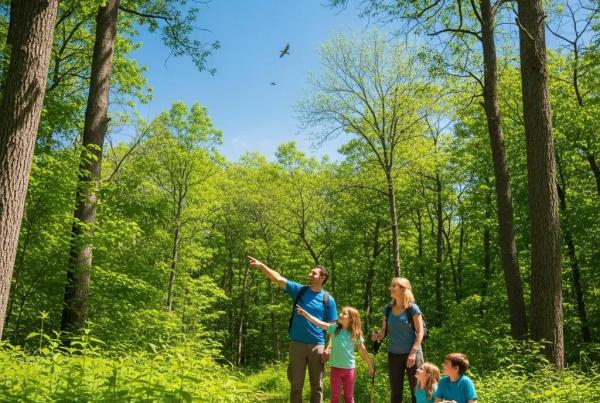
Waterloo is organised to support family recreation: designated beaches, short interpretive trails, accessible boat launches, and the Gerald Eddy Discovery Center for nature education form a concise programme of activities for mixed-age groups. The combination of short hikes, supervised swims, and wildlife observation keeps children engaged while providing educational value. Below is a practical list of core family activities and brief planning notes for integrating them into a day at Waterloo.
- Hiking: Choose short loops for young children and schedule snack breaks at viewpoints.
- Swimming: Supervise at designated beaches and combine with picnic time.
- Fishing: Use basic gear and target lakes with accessible shore fishing.
- Wildlife & Nature Education: Visit interpretive areas and use child-focused field guides.
These activities form a balanced family itinerary that combines exercise, relaxation, and discovery. They integrate efficiently with nearby campground conveniences. The next section outlines family-friendly approaches to the Waterloo-Pinckney and DTE Energy Foundation trail systems.
How to Experience Hiking and Biking Trails Like Waterloo-Pinckney and DTE Energy Foundation Trail
The Waterloo-Pinckney and DTE Energy Foundation trails provide extensive multi-use corridors for hiking and biking, with segments ranging from short beginner loops to long-distance sections. Select segments that match stamina and interest: short connector loops and mapped interpretive sections suit younger children; longer ridge or lake-linking stretches are appropriate for older participants. Trailheads with parking, restrooms, and shaded picnic areas facilitate transitions. Pack layered clothing to address daily and seasonal temperature variation.
For safety and efficient planning, carry maps, water, and a basic first-aid kit; use trail junctions as natural turnaround points to control distances. Staging gear at a nearby campground shortens daily transfers and enables earlier starts to avoid midday heat and increase wildlife observation opportunities. The next subsection describes responsible use of Waterloo’s lakes and water-based recreation.
What Water Activities Are Popular on Waterloo’s 11 Lakes?
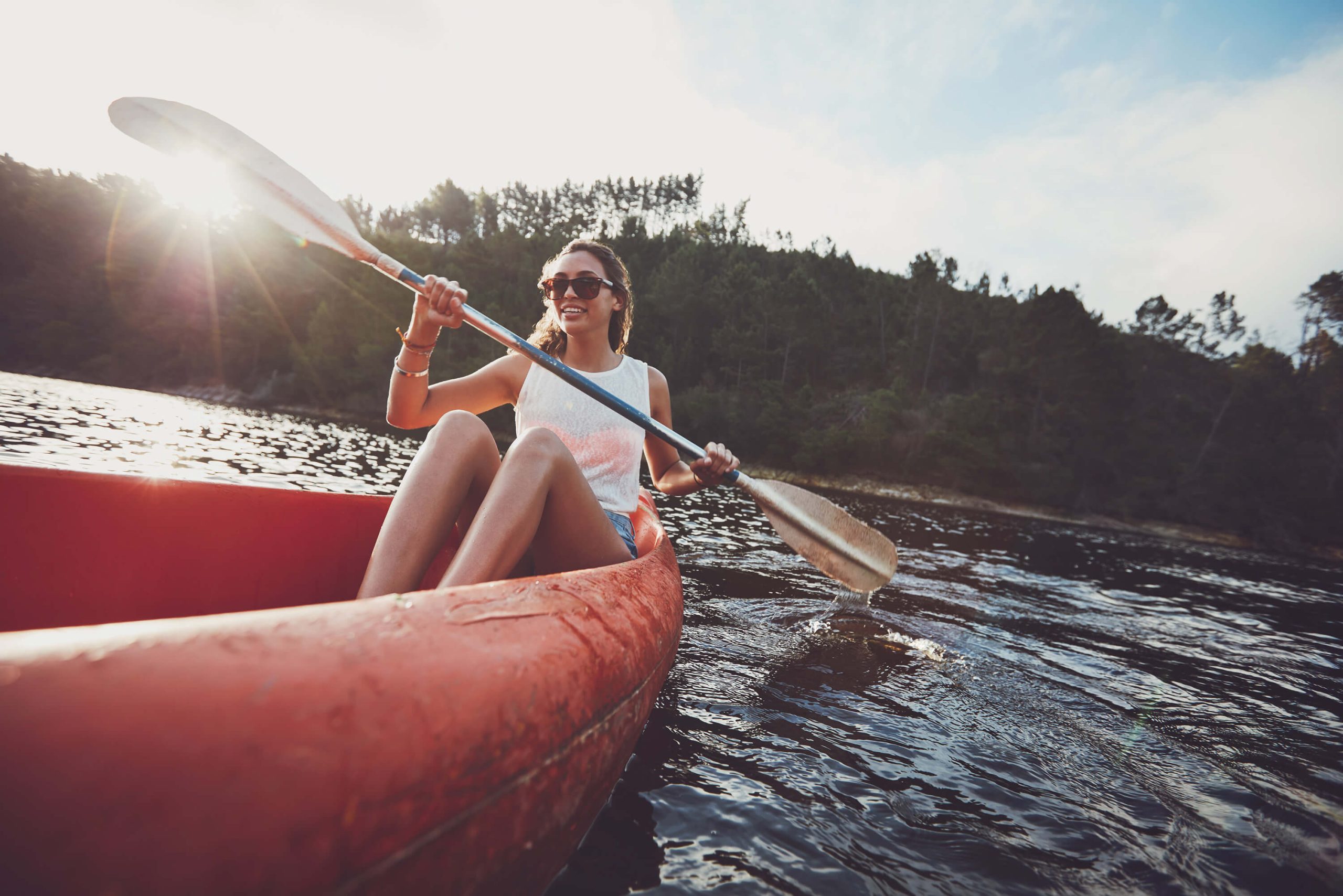
Waterloo’s 11 lakes accommodate swimming, small-boat paddling, motorboating on larger lakes, and shoreline fishing. Lake choice should reflect intended activity, access, and applicable regulations. Portage Lake and other larger lakes provide public boat launches and are better suited for motorboats. Smaller lakes and designated beaches offer calmer water for swimming and canoeing. Fishing ranges from panfish to bass and is available from shore or small craft; anglers must observe seasonal regulations and local advisories.
Families should carry life jackets for all ages and consider alternating high-energy water activities with quieter shoreline fishing or exploration to balance the day. Pairing a park lake visit with on-site family amenities at a private campground provides post-activity downtime options such as a playground or picnic pavilion. The following section explains why a private campground like The Oaks can complement a Waterloo-focused trip.
Why Choose The Oaks Campground for Your Stay Near Waterloo State Recreation Area?
The Oaks Campground by GatherGrounds positions itself as a family-oriented, full-service alternative near Waterloo that complements state-park camping by offering consistent amenities and on-site recreation to reduce logistical complexity for multi-day trips. Staying at The Oaks grants convenient access to Waterloo trails and lakes while providing predictable features—such as a swimming lake with a sandy beach and a camp store—that assist families between park days. The following table presents The Oaks’ amenities in an entity-attribute-value format to clarify how on-site features translate into visitor benefits and to aid assessment of trade-offs between private and state-run camping.
This table links The Oaks’ assets to visitor outcomes, demonstrating how the private campground can act as both a logistical hub and an experiential complement to Waterloo activities. The next subsections expand on specific amenities and explain how The Oaks integrates with a Waterloo itinerary.
What Amenities and Accommodations Does The Oaks Campground Provide?
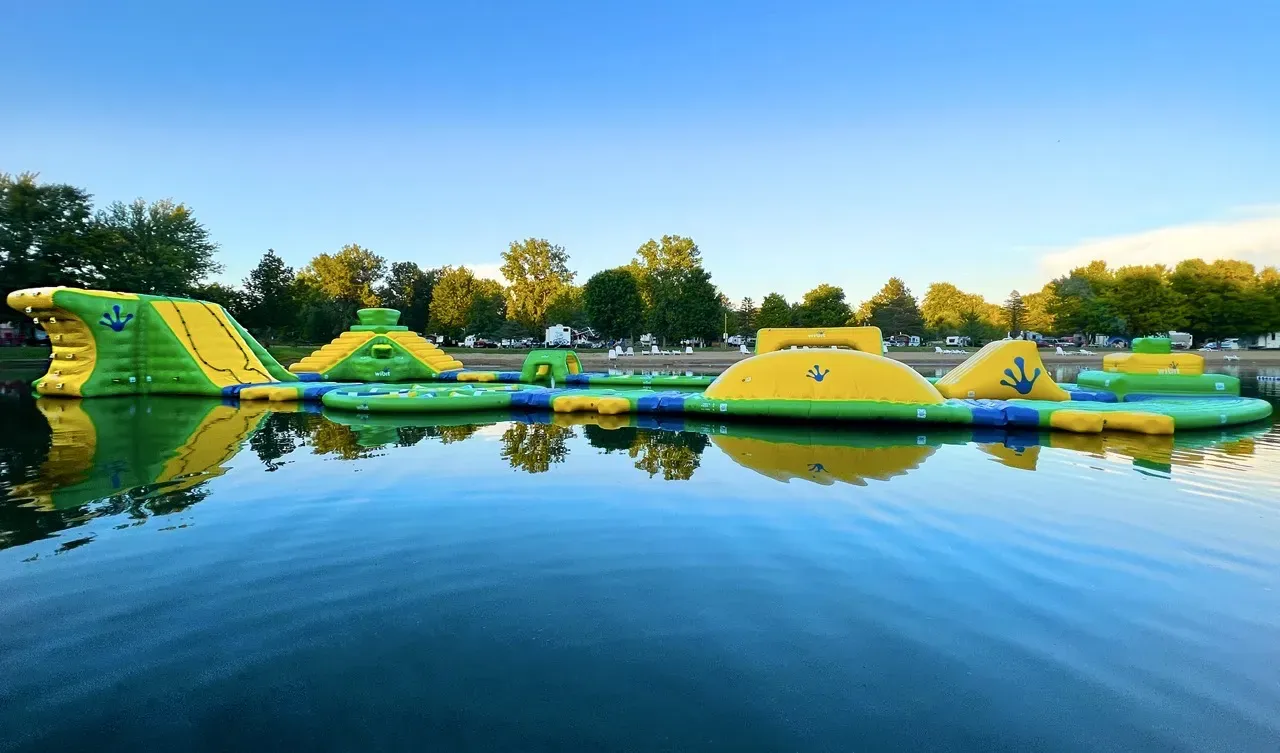
The Oaks Campground delivers a family-focused facility mix designed to support active park days and relaxed evenings: full hookup RV sites, a swimming lake with sandy beach, a fishing pond, playgrounds, pavilions, and an on-site camp store address common family needs. The property also provides 120 acres of golf cart riding trails for proximate exploration and equipment staging. The Oaks has announced plans to add a Wibit water park for the 2025 season, which will expand on-site water recreation options and provide alternatives to park beaches.
Concentrating meals, play, and rest on-site reduces travel friction between park excursions. Primary guest segments include families, RV travellers requiring hookups, and visitors seeking a hybrid programme of state-park exploration and private-campground conveniences. The following subsection outlines how a stay at The Oaks complements a Waterloo-centred schedule.
How Does The Oaks Campground Complement Your Waterloo Adventure?
Using The Oaks as a base enables families to combine early-morning access to Waterloo trailheads with midday beach time and afternoon rest without lengthy drives. The campground’s proximity to key park access points, combined with gear staging and vehicle parking, supports efficient day plans. Typical sample days include a morning family hike, an afternoon swim at the campground beach, and an evening campfire beneath a pavilion.
The Oaks’ on-site amenities provide an alternative when park beaches or trailheads are crowded or when weather conditions change. On-site services such as a camp store and sheltered pavilions simplify meal logistics and emergency needs. These conveniences make private-campground stays a pragmatic supplement to state-park camping and increase daily activity capacity. The next section focuses on travel planning and reservation logistics for a Waterloo trip.
How to Plan Your Camping Trip to Waterloo State Recreation Area?
Effective planning for a Waterloo trip follows three steps: select the camping format that matches your party, confirm Recreation Passport and reservation requirements, and plan routes from your origin with realistic drive times and trailhead choices. Early reservations during peak season are critical for both state and private campgrounds. Pack lists should reflect lake activities, trail equipment, and variable weather. Below is a routes-and-times table for major origin cities to assist with drive-time estimates and recommended exits, followed by passport and entry guidance.
This routing table connects primary population centres to park access points and highlights how a nearby private campground can simplify arrival and departure logistics. The next subsections provide detailed routing advice and Recreation Passport requirements, followed by a concise booking action.
What Are the Best Routes and Directions from Major Cities?
From Detroit and Ann Arbor, the most direct approaches use highways that place you within 30–90 minutes of Waterloo; Chelsea-area trailheads serve day visitors and southern entrances provide rapid access to Portage Lake. Routes from Jackson and Toledo vary with traffic, but all approaches converge on park signage directing drivers to designated parking and trailheads. Arrive before mid-morning to avoid limited parking on summer weekends. Equestrian visitors and those towing trailers should select exits with wider shoulders and larger lot trailheads to simplify manoeuvring and overnight parking.
Staging gear at a nearby private campground reduces the need to transport bulky items between distant parking areas and campsites, streamlining morning departures and on-site logistics for family outings. With route options identified, the following subsection summarises Recreation Passport and park entry essentials for Michigan visitors.
What Should You Know About Recreation Passports and Park Entry?
Michigan requires a Recreation Passport or a daily permit for vehicle entry into state parks. Passports are available through official state channels and are commonly checked at entry kiosks; purchasing in advance prevents fines and delays. Park regulations typically address leash requirements for dogs, designated campfire areas, and restrictions on open fires during drought conditions. Visitors should verify current rules via official park communications prior to arrival. Staying at a private campground does not exempt you from park rules; honour both park and campground policies, including separate pet regulations and quiet hours.
Practical steps include carrying printed or digital proof of passport purchase, monitoring seasonal advisories that may affect trail or boat-launch access, and preparing clothing and gear for variable weather. After confirming routes and entry requirements, proceed to booking and preparation steps outlined below.
- Booking & Preparing: If you prefer private-campground convenience, The Oaks Campground by GatherGrounds provides reservation options and a family-focused amenity set that complements a Waterloo visit.
What Are the Best Tips for Family Camping Near Waterloo State Park?
Successful family camping near Waterloo depends on safety planning, age-appropriate activity design, and leveraging on-site conveniences to reduce transit fatigue between activities. Structure each day in short, varied blocks—for example, a morning hike, midday swim, and late-afternoon craft or nature scavenger hunt—to sustain engagement and limit overstimulation. Pack essentials such as layered clothing, life jackets, sun protection, and basic medical supplies to ensure readiness for both lake and trail activities.
- Safety and Navigation: First-aid kit, map, compass, charged phone.
- Water & Sun Protection: Life jackets for kids, sunscreen, hats.
- Camping Comfort: Layered clothing, rain gear, warm evening layers.
- Food & Cookware: Easy-to-prepare meals, insulated cooler, utensils.
- Kids & Activities: Field guides, binoculars, lightweight toys, craft supplies.
This checklist balances safety and recreation to help families plan efficiently and allocate more time to exploration. The following subsections describe effective use of on-site amenities and summarise pet and seasonal considerations.
How to Make the Most of On-Site Amenities and Nearby Attractions
Arrive early to set up camp and stage gear so each day begins with a clear operational plan: morning park visit, midday rest at camp, and optional evening on-site activities. Use The Oaks’ playgrounds, pavilions, and camp store as fallback options when weather or fatigue alters plans. Schedule shorter trail segments and allow flexible swim windows to reduce pressure and maintain a positive experience; this approach permits pivoting to on-site amenities when park parking or beach capacity is constrained.
Coordinating park outings with campground downtime increases daily productivity without excessive driving, and deliberately scheduled rest prevents burnout for younger campers. With activity sequencing established, review pet rules and seasonal highlights before finalising packing.
What Are the Pet-Friendly Policies and Seasonal Highlights to Consider?
Waterloo’s pet regulations generally require dogs to be on leash in many areas and restrict access to certain beaches and sensitive habitats; pet owners should confirm current leash requirements and clean-up expectations prior to arrival. The Oaks Campground is described as family-friendly and may maintain a distinct pet policy—confirm these specifics when booking to avoid surprises. Seasonal highlights include peak summer for swimming and boating, vibrant fall foliage for scenic hikes, and spring birding during migration; each season requires tailored packing such as insect repellent in summer and warm layers in autumn.
Preparing season-appropriate gear for children and pets—waterproof footwear, rain jackets, and reflective collars—supports comfort and safety across varied conditions. These preparations complete the practical guidance families need to plan a rewarding Waterloo camping experience.
- Final packing and reservations summary: Early reservations, layered packing, life jackets, and a flexible itinerary are the keys to a smooth family trip.
Frequently Asked Questions
What is the best time of year to visit Waterloo State Recreation Area for camping?
The optimal window for camping at Waterloo is late spring through early fall, generally May through September. These months deliver favourable weather for hiking, swimming, and fishing. Summer sees the highest attendance due to school holidays; early fall provides reduced crowding and notable foliage. Check for seasonal events and peak periods before reserving a campsite.
Are there any specific regulations for fishing in Waterloo’s lakes?
Fishing at Waterloo is subject to Michigan fisheries regulations, including licensing, catch limits, and seasonal restrictions. Anglers must carry a valid Michigan fishing license and consult local advisories for lake-specific guidance. Families should observe designated fishing areas and follow regulations that protect aquatic habitat while supporting recreational fishing.
What should families consider when planning meals for their camping trip?
Meal planning should prioritise convenience, food safety, and nutritional balance. Choose easy-to-prepare options such as pre-marinated proteins, fresh fruit, and ready-to-eat snacks. Use an insulated cooler to maintain perishables and pack essential cookware and utensils. Account for dietary restrictions and preferences to ensure all family members have appropriate options.
How can families ensure safety while camping and engaging in outdoor activities?
Safety requires preparedness: pack a first-aid kit, carry maps, and ensure phones are charged for emergencies. Educate children on wildlife protocols and appropriate behaviour around animals. Maintain hydration, apply sun protection, and wear suitable clothing for weather conditions to reduce risk of heat-related or exposure-related incidents.
What are the pet policies at Waterloo State Recreation Area and The Oaks Campground?
Waterloo enforces pet policies that commonly require dogs to be leashed and restrict access in sensitive areas and some beaches. The Oaks Campground maintains its own pet policy that may differ; verify the campground’s rules when making reservations. Pet owners should clean up after animals and manage noise to preserve a pleasant environment for all guests.
Are there any guided tours or educational programs available for families?
Yes. Waterloo offers educational programs and guided tours, notably through the Gerald Eddy Discovery Center. These offerings focus on local wildlife, ecology, and outdoor skills and are well suited to family groups. Review the park’s event schedule to identify programs available during your visit.
What are some tips for making the most of a camping trip at Waterloo State Recreation Area?
To maximise a trip at Waterloo, maintain a flexible itinerary that blends hiking, swimming, and fishing. Arrive early to establish camp and explore without time pressure. Use on-site campground amenities for downtime and pack layered clothing to adapt to weather shifts. Engage children with structured activities such as scavenger hunts or nature crafts to enhance their involvement and learning.
Conclusion
Waterloo State Recreation Area presents a broad set of camping options and family-oriented activities that accommodate diverse outdoor preferences and skill levels. Understanding the distinctions between state-run and private campgrounds enables families to optimise logistics and access to natural features. Advance planning with practical tips, early reservations, and a flexible itinerary improves the overall experience and facilitates efficient use of the park’s trails and lakes. Begin your trip by reserving a stay at The Oaks Campground to combine comfort with ready access to Waterloo’s outdoor opportunities.