Trusted Camper Safety Guidelines
At The Oaks Campground by GatherGrounds, our safety practices set the standard for a secure, family-friendly stay. These guidelines bundle clear rules, staff training, and on-site controls so guests know what’s expected, our team can act fast, and everyone enjoys predictable, low-risk visits. In this guide you’ll find the must-follow rules, how we manage fire and wildlife risks, water and activity safeguards, emergency procedures, and everyday campsite security and etiquette. We also map specific practices — from approved campfire locations to golf cart trail rules — and explain how transparent policies help families pick the right campground. Practical checklists and quick-reference tables show where safety gear and muster points are located so you can scan them before arriving.
For context: The Oaks Campground by GatherGrounds covers about 160 acres and offers RV, tent, and seasonal sites, a large fishing pond, miles of golf cart trails, playgrounds, pavilions, and a planned Wibit water park expected in 2025. That footprint shapes our rules: trail etiquette, water supervision, and wildlife-safe food storage are priorities. Families traveling from nearby Michigan metro areas often look for clear safety policies when choosing where to stay; the sections below lay out those policies in detail and point to where The Oaks posts operational and reservation information for trip planning.
What Are The Core Camper Safety Rules at The Oaks Campground?
Our core rules set clear expectations that prevent most incidents and make enforcement straightforward. They cover where and how fires may be used, how to handle food and trash to avoid wildlife, minimum supervision around water and playgrounds, pet leash and cleanup rules, and vehicle and golf cart limits. We use signs, staff patrols, and check-in acknowledgements so rules are visible and easy to follow. The result: fewer emergencies, fewer wildlife visits, and a calmer, more family-friendly stay.
The short list below highlights the most important, enforceable rules and why they matter. It’s written for quick scanning by guests preparing to arrive.
Top camper safety rules at a glance:
- Campfires in Designated Rings Only: Use marked fire rings or approved containers. Fully extinguish fires before sleeping or leaving your site.
- Secure Food & Trash: Store food in provided lockers or sealed containers and place trash in designated bins to avoid attracting animals.
- Supervise Children Near Hazards: Guardians must actively watch children at water features, playgrounds, and on trails. Unattended minors are not allowed.
- Pets on Leash & Clean Up: Keep pets leashed and remove waste promptly. Dogs are not allowed in restricted areas.
- Vehicle & Golf Cart Rules: Observe posted speed limits and driver age/permit rules; give pedestrians the right of way on trails.
These rules create a shared agreement: campers follow safe behaviors and staff reinforce compliance through education and, when needed, stepped enforcement — from a friendly reminder to stronger action. The sections that follow dig into higher-risk areas like fire containment and wildlife precautions.
How Do Our Fire Safety Policies Protect Campers and The Environment?
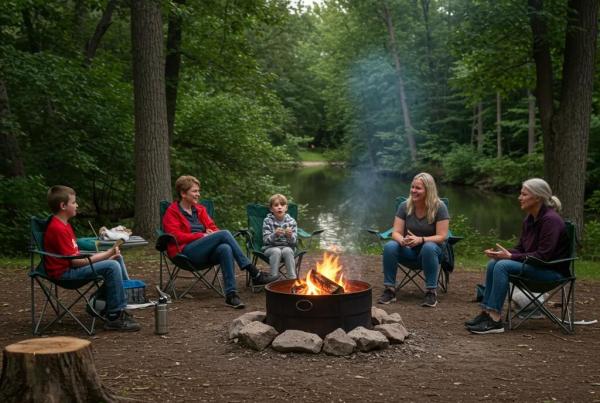
Our fire rules spell out where open flames are allowed, how to use cooking equipment safely, and what to do if a fire gets out of control. Campfires are permitted only in marked rings; ground fires are prohibited outside designated areas to protect turf and undergrowth and reduce wildfire risk. Staff keep portable fire extinguishers at central points and inspect common areas; we also expect campers to keep water or a bucket nearby when a fire is burning. These measures limit where fires can spread and let staff respond quickly if a problem arises.
To make this practical, we post step-by-step extinguishing instructions at each fire ring and demonstrate safe practices during busy check-in times. Clear instructions and visible guidance reduce accidental spread and protect the landscape. Next, we cover wildlife precautions that work alongside fire rules to protect guests and habitat.
What Wildlife Safety Guidelines Should Campers Follow in Munith, Michigan?
Our wildlife rules are designed to prevent animals from becoming used to human food and to lower the chance of risky encounters. Store food and scented items in designated lockers or airtight containers, put trash in campground receptacles right away, and never feed or approach wild animals. These behaviors reduce visits from foxes, raccoons, skunks and other local wildlife and help preserve natural foraging habits. Proper storage also keeps pets safer and limits nighttime animal activity around campsites.
Practical tips include using on-site food lockers, bringing airtight containers for smelly items, and following posted instructions if you see wildlife. We reinforce these points at check-in so families can minimize attractants and enjoy the outdoors more safely. The next section explains our water- and activity-safety measures.
Quick reference summary of core rules:
This table helps you scan expectations before arrival and plan supplies like locks or covered coolers. Next we explain how water and active recreation safety are handled across amenities.
How Does The Oaks Campground Ensure Water and Activity Safety for Families?
Water and activity safety focuses on supervision, required gear, and age or skill limits to prevent drowning and injury. We separate controlled water zones (the fishing pond) from future attractions (the planned Wibit water park) and apply rules like life-jacket requirements, clear swim boundaries, and parental responsibility in unsupervised areas. Posted signs, staff oversight when available, and straightforward rules lower water-related incidents and give families confidence in our recreational options.
Key water-safety measures used across amenities:
- Life Jacket Requirement: Non-swimmers and young children must wear life jackets near the pond and on inflatables.
- Designated Swim Areas: Swim only in signed areas and during supervised hours when lifeguards are present.
- Parental Supervision: Guardians must actively watch children and bring appropriate flotation devices.
Comparison of safety controls by amenity:
This overview helps families choose activities that match their comfort with supervision and gear. We communicate these rules at check-in and around the park so you can bring life jackets and decide which areas to use safely.
On busy days we patrol pond areas and post clear signage showing where fishing, boating, and wading are allowed. If water safety is a top priority for your family, note that published amenity details — including the fishing pond and planned Wibit — are available through The Oaks Campground by GatherGrounds reservation and information channels.
What Are The Safety Rules for The Oaks Fishing Pond and Planned Wibit Water Park?
Fishing pond rules keep anglers and shore users safe by defining where to fish, what gear is allowed, and how to stay clear of slippery edges. Fish from designated banks or piers, watch for slick zones, and keep children within arm’s reach near water. Shoreline signs show shallow areas and emergency steps; we recommend personal flotation devices for young or inexperienced anglers. These precautions reduce slips and falls and keep mixed-use shorelines orderly.
For the planned Wibit water park, management has committed to enforcing life jacket use for non-swimmers and staffing supervised sessions with clear entry/exit procedures. Final operational details will be published when the facility opens, but the safety-first approach is set: trained staff, mandatory flotation where needed, and controlled session sizes. Families should plan to bring or secure appropriate flotation devices and review published rules before arrival.
How Are Golf Cart Trails and Playground Areas Regulated for Camper Safety?
Golf cart and trail rules encourage slow, predictable vehicle movement and require drivers to meet eligibility rules to protect pedestrians and children using trails. You’ll see posted speed limits, trail directions, and reminders to yield to people and bikes. Staff post signs at trailheads and patrol busy corridors to promote compliance. Playgrounds receive regular inspections and maintained surfacing to reduce trip hazards, and guardians are expected to supervise very young children.
We enforce rules progressively: staff start with education, issue warnings for repeated issues, and may revoke cart privileges for serious or repeated violations. By pairing infrastructure (signs, barriers) with clear behavioral expectations (yielding, speed control), we keep mobility fun without sacrificing pedestrian safety. The next section explains emergency procedures that ensure organized, fast responses when incidents occur.
What Emergency Procedures Are in Place at The Oaks Campground?
Our emergency procedures show how staff and campers should act during medical events, wildlife incidents, or severe weather to limit harm and restore normal operations. The plan includes clear notification methods, locations of first-aid supplies and AEDs, designated muster points for evacuations, staff training in first aid and CPR, and coordination with local emergency services. Practiced, structured responses make roles clear and response times predictable when an incident happens.
Step-by-step emergency response (HowTo summary):
- Identify & Secure: Secure the immediate area and move uninjured people away from danger.
- Alert: Notify on-duty staff using posted procedures; staff activate incident protocols and call external emergency services if needed.
- Stabilize: Trained staff provide first aid or use AEDs while waiting for professional responders.
- Evacuate if Necessary: Follow posted evacuation routes to muster points; staff help guide vehicles and account for guests.
- Debrief & Report: After the event, staff file incident reports and update policies or signage to reduce future risks.
These steps give campers and staff a predictable sequence to follow during an incident.
Note: emergency contact details and live updates are published through The Oaks Campground by GatherGrounds information channels so guests can confirm current procedures and on-site resources when making reservations.
How Can Campers Access Emergency Contacts and First Aid Resources?
If you need help, follow posted instructions at site kiosks, call or flag down on-duty staff, or go to marked service locations that hold first-aid kits and AEDs. Our staff prioritize rapid triage and pass clear information to external responders. When you contact staff or 911, give your location, number and severity of injured persons, and any hazards responders should expect. Clear, accurate details help responders arrive ready and reduce response time.
Emergency resources at a glance:
This table shows where lifesaving equipment is kept and what to do first. After initial contact, our team will work with local emergency services as needed; current contact info and operational updates are available through the campground’s reservation channels.
What Are The Severe Weather and Evacuation Protocols for Campers?
Severe weather protocols focus on timely alerts and orderly evacuations to protect people and property. We notify guests using staff announcements, posted alert signs, and direct contact from on-duty personnel who monitor conditions. Evacuation routes and muster points are clearly posted, and staff give step-by-step guidance to reach safe areas. Campers are asked to keep emergency kits ready and have vehicles prepped for quick departure if directed. The goal is to reduce confusion and ensure everyone knows where to go and what to take during tornado or severe thunderstorm warnings.
Practical preparedness tips we share at check-in include keeping a flashlight and charged phone handy, securing loose campsite items, and reviewing evacuation maps. Staff train for fast execution of evacuation plans and coordinate with local authorities to ease road egress when necessary.
Quick reference for evacuation phases:
These procedures and resources work together so evacuations happen quickly and safely. Next we cover everyday campsite safety and security that helps prevent incidents.
How Does The Oaks Campground Address General Campsite Safety and Security?
Daily campsite safety focuses on routine maintenance, hazard reporting, quiet hours, and visible security measures that keep the park safe and welcoming. Management inspects high-use areas, keeps common areas well-lit, and asks campers to report hazards or suspicious behavior. Quiet hours and neighbor-respect policies protect restful stays and reduce conflicts that could become safety issues. Regular maintenance and simple reporting channels help guests act fast when they notice a problem.
Preventive maintenance, clear reporting, and courteous behavior reduce incidents and improve guest satisfaction. The next subsections explain child supervision, pet policies, and how quiet hours are enforced.
What Are The Child Supervision and Pet Safety Policies for Family Camping?
Guardians must actively supervise minors, especially at playgrounds, near water, and around vehicle traffic. Recommended practices include staying close to young children, using life jackets where appropriate, and reviewing campsite boundaries. Pet rules require leashes and prompt waste removal; we also identify pet-friendly zones to keep play areas separate. These steps help prevent lost children, pet conflicts, and injuries from unsupervised play.
Family checklist: pack a lightweight life jacket, bring a leash and waste bags, and review playground boundaries when you arrive. Our staff will point out pet-friendly zones and offer supervision tips at check-in.
How Are Quiet Hours and Campground Security Measures Enforced?
Quiet hours are posted and enforced to protect everyone’s rest. Enforcement starts with a friendly reminder and escalates to warnings or further steps if needed. Staff investigate noise complaints quickly and mediate disputes to avoid escalation. Security measures include regular patrols, well-placed lighting, and simple reporting procedures that encourage campers to alert staff about disturbances or suspicious activity. Our enforcement approach is consistent, fair, and focused on maintaining a comfortable environment for all guests.
To report an issue: contact the front desk, give the details and location, and let staff follow up. Clear, consistent enforcement builds trust and keeps small problems from becoming safety risks. The final section explains why publishing safety policies matters.
Why Are Transparent Safety Policies Important for Campers at The Oaks Campground?
Publishing clear safety policies builds trust by removing uncertainty and helping guests decide whether a campground fits their needs. When rules are easy to find and understand, families can plan gear, supervision, and activities — and that reduces incidents and improves satisfaction. Transparency also shows accountability: training, incident reporting, and updates are visible commitments that demonstrate we take guest safety seriously. The immediate benefit is greater confidence at booking and during your stay because you know what to expect and how staff will respond.
Examples: posted life jacket rules and pond boundaries reduce water rescues; clear campfire containment rules lower escaped-fire incidents; visible evacuation maps speed responses during severe weather. For families choosing where to reserve, documented rules and operational evidence are key decision factors. Ready to check availability or review current policies? See The Oaks Campground by GatherGrounds reservation and information pages for up-to-date details and booking options.
How Do Our Policies Build Trust and Enhance The Camping Experience?
Policies earn trust when they’re visible, applied consistently, and paired with trained staff and lessons learned after incidents. We post muster-point maps at check-in, inspect equipment regularly, and share improvements made after events. These practices reassure families that we don’t just set rules — we learn and invest in safer experiences. The outcome is fewer incidents, clearer expectations, and an easier, more enjoyable visit from arrival to departure.
With more families choosing camping these days, guests increasingly pick destinations where safety info is transparent and accessible. Clear policies directly impact booking decisions and satisfaction scores.
What Recent Safety Trends and Regulations Influence Our Campground Policies?
Current trends emphasize formal emergency preparedness, staff training in first aid and CPR, and stricter life jacket enforcement around water attractions. Industry guidance also stresses wildfire prevention through contained fire rules and smart landscape design. Regulatory expectations for RV parks and outdoor venues now often include documented evacuation plans and centrally placed AEDs. The Oaks follows these trends by keeping staff trained, publishing evacuation routes, and tailoring safety rules to each amenity based on best practices.
These evolving standards guide our policy updates and encourage transparent communication so families can assess safety before booking.
To confirm whether The Oaks Campground by GatherGrounds meets your needs, visit our reservation and information pages for current operational details and booking options. Checking those pages before you travel helps you pack the right safety gear and set expectations for a secure, comfortable stay.
Frequently Asked Questions
What should I pack for a safe camping experience at The Oaks Campground?
Pack a basic first aid kit, life jackets for non-swimmers and young kids, a flashlight, and a charged phone. Bring a leash and waste bags for pets, plus airtight containers or locks for food to follow wildlife-safety rules. A simple pre-trip checklist helps you arrive ready and relaxed.
Are there any specific rules for using the fishing pond?
Yes. Fish only from designated banks or piers, avoid slippery edges, and keep children within arm’s reach near the water. We recommend personal flotation devices for young or inexperienced anglers. These rules reduce slips and keep the shoreline safe for everyone.
How does The Oaks Campground handle wildlife encounters?
Store food and scented items in lockers or sealed containers and put trash in campground bins promptly. If you see wildlife, do not feed or approach it — follow posted instructions and notify staff if an animal shows persistent, risky behavior. These steps keep guests and wildlife safer.
What are the guidelines for supervising children at the campground?
Guardians must actively supervise minors, especially near water, playgrounds, and traffic areas. Stay close to younger children, use life jackets when needed, and review campsite boundaries at arrival. Active supervision helps prevent accidents and keeps family time stress-free.
What should I do in case of an emergency at the campground?
Secure the area and assess safety, then notify on-duty staff using posted procedures. Staff will activate incident protocols and contact emergency services if needed. Trained staff can provide first aid or use AEDs while waiting for responders. If evacuation is required, follow posted routes to muster points and follow staff directions.
How are quiet hours enforced at The Oaks Campground?
Quiet hours are posted and enforced starting with friendly reminders. If noise continues, staff issue warnings and take further steps if necessary. Patrols help monitor noise, and campers are encouraged to report disturbances so staff can mediate calmly and maintain a peaceful environment.
What resources are available for first aid and emergency contacts?
First aid kits and AEDs are located in service buildings and the main office. Follow posted instructions at site kiosks, flag down on-duty staff, or call the check-in desk for help. Give your location and a brief description of the situation so responders arrive prepared. These steps make help quick and effective.
Conclusion
Clear, practiced safety guidelines make The Oaks Campground a more secure, enjoyable place for families. By prioritizing transparency, training, and simple, enforceable rules, we help guests plan ahead and enjoy their time outdoors with confidence. Visit our reservation pages to review current policies and book a stay that matches your safety needs — then pack the right gear and get ready for a memorable, safe adventure.